
)
)
)
)
)
)
)
)
Should Dining Chairs Be Lighter Or Darker Than The Table?
Deciding whether dining chairs should be lighter or darker than the table is a common consideration when creating a cohesive dining space. This choice influences visual balance, how the room feels at different times of day, and affects how comfortably the furniture supports daily use. In this article, we’ll guide you through the key factors behind this decision, including proportion, lighting, materials, lifestyle needs, and long-term flexibility, so you can choose a combination that feels thoughtful and well-suited to your space.
Visual Balance And Proportion
Visual balance is often the best place to begin when making dining furniture decisions. Before considering style or materials, it helps to understand how light and dark values interact within the dining set and how those tones distribute visual weight throughout the room.
Weight Distribution
Darker pieces naturally feel heavier to the eye, while lighter pieces appear to lift and recede. When visual weight is placed on the table, the room often feels grounded and stable, especially in spaces where the dining area is meant to anchor the layout. For this reason, dining chairs should be lighter than the table if the goal is to keep seating visually open while allowing the table to remain the primary anchor. A darker table paired with lighter chairs can create a balanced arrangement without sacrificing presence.
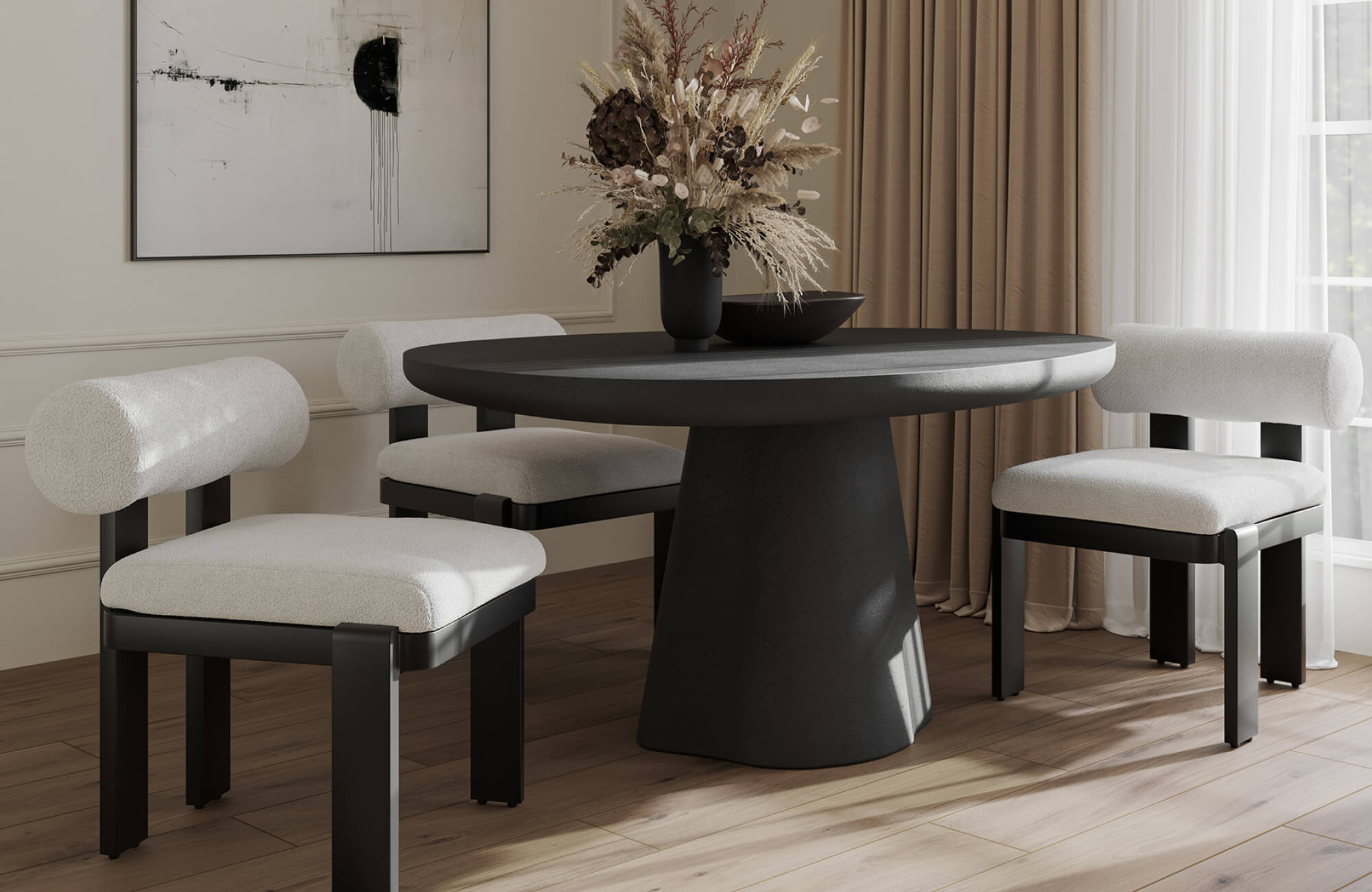
This relationship is clearly illustrated in the photo featured above, where Edward Martin’s Clark Outdoor Dining Chairs in Louis Cream are paired with the Selena 55" Outdoor Dining Table in Black. The dark table establishes a strong visual base, while the light chairs soften the perimeter and help the overall composition feel open and approachable.
On the other hand, using darker chairs shifts visual weight outward, adding definition around the table and helping a lighter or more delicate tabletop feel grounded. In this case, dining chairs are darker than the table to provide contrast and structure, an approach that works best when there is enough space for the chairs to breathe, as repeated dark elements can quickly overwhelm a smaller room.
Table As The Visual Anchor
In most dining rooms, the table is the largest element in both size and surface area, so its color naturally sets the visual hierarchy of the space. A darker dining table tends to establish itself as the focal point, allowing lighter chairs to recede and create a sense of visual ease around it. This contrast is especially effective with large rectangular or round tables, where lighter chairs help reduce visual clutter and prevent the dining area from feeling crowded. When the table is lighter, darker chairs can add structure and definition, but they should be thoughtfully proportioned so the table remains the clear center of the composition.
Chair Count And Repetition
Chairs are rarely viewed individually, and because they repeat around the table, their color creates a compounded visual impact. Dark chairs used six or eight times can feel much heavier than expected, even when each piece has a slim profile. Lighter chairs help soften this repetition and maintain balance, especially in open layouts where the dining area is visible from surrounding spaces. When darker chairs are chosen, careful attention to spacing, leg design, and overall openness helps ensure the set feels deliberate rather than overwhelming.
Room Size And Natural Light
Once visual balance is established, it’s equally important to consider how the room itself influences color perception. Factors such as light and scale influence how finishes appear, which in turn plays a key role in deciding whether chairs should be lighter or darker than the table.
Small And Enclosed Spaces
In small dining areas, darker furniture often absorbs light, making the space feel more visually compressed. A dark table paired with dark chairs can make the room feel enclosed, even when the furniture itself is thoughtfully designed. Lighter chairs help counter this effect by reflecting light and preserving a sense of openness. Even when the table is darker, lighter seating can keep the room from feeling crowded while still providing enough contrast to define the dining area.
Bright And Sunlit Rooms
Rooms with abundant daylight offer greater flexibility when choosing contrast. Natural light softens darker finishes and brings out subtle tonal variation that might otherwise feel heavy, making pairings like darker chairs with a lighter table feel balanced rather than stark. Strong daylight also helps deeper chair tones appear as warm and inviting rather than imposing, allowing bolder contrast to feel more forgiving and visually comfortable in well-lit spaces.
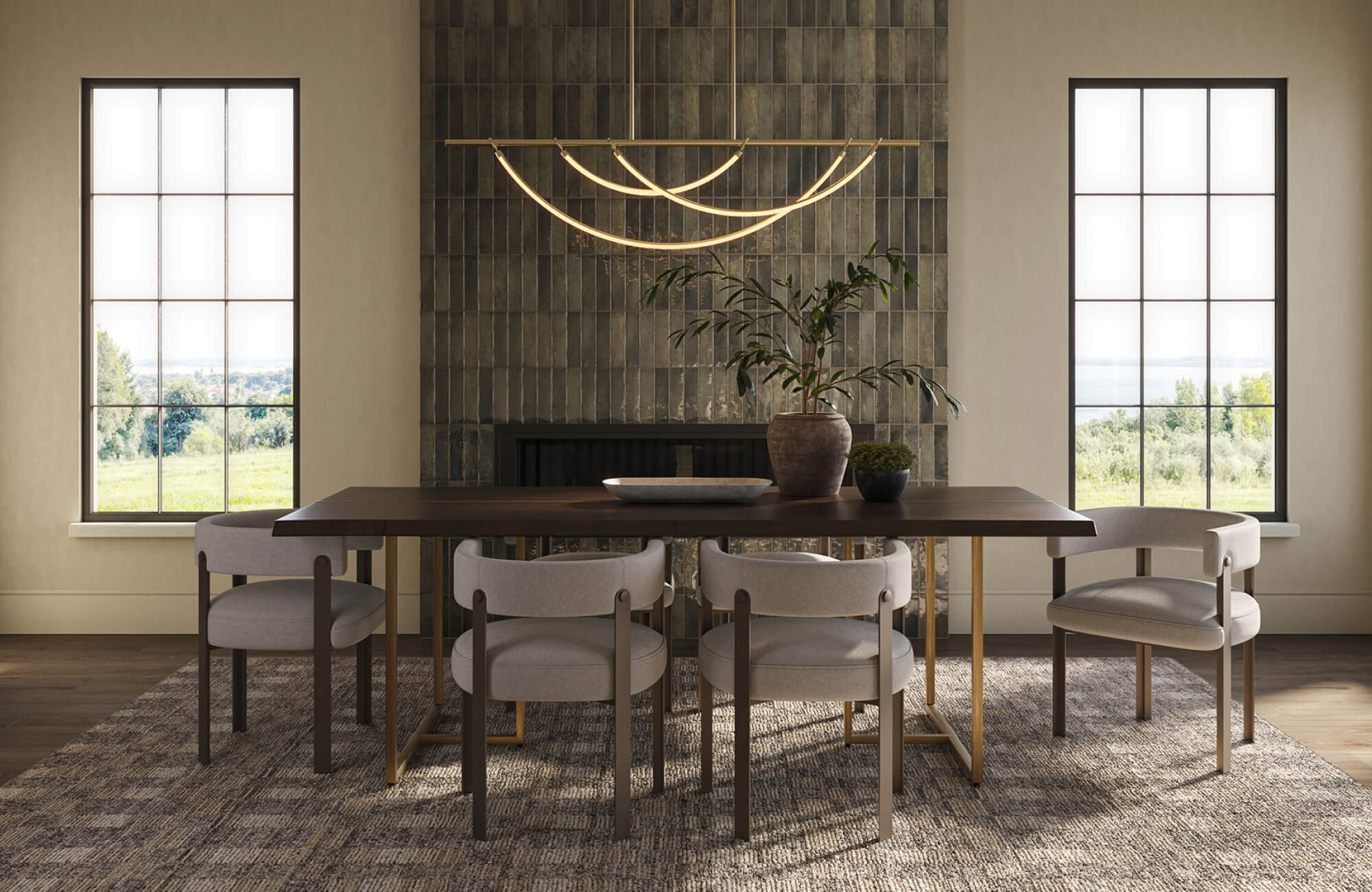
This effect is clearly demonstrated in the photo displayed above, where Edward Martin’s Elena Dining Chair in Ernst Silverstone is paired with a darker dining table in a sun-filled room. Its soft, mid-tone upholstery benefits from the generous daylight, which prevents the chairs from feeling heavy while still providing enough contrast to define the seating area. The result is a dining arrangement that feels grounded yet open, illustrating how natural light can influence whether darker or lighter chairs feel most appropriate next to the table.
Artificial Lighting Effects
Lighting can dramatically change how finishes appear once the sun goes down. Warm lighting tends to enrich wood tones and soften contrast, while cooler lighting can accentuate differences between light and dark surfaces. Before finalizing a chair and table pairing, it is worth viewing samples or finishes under evening lighting. A contrast that feels balanced during the day can shift noticeably at night, particularly in spaces that are used frequently after dark.
Material And Finish Interaction
Color alone does not tell the full story. Material selection and surface finish are just as important in determining how light or dark a piece appears within the dining room.
Wood Grain Visibility
Pronounced wood grain introduces visual movement, which can cause a surface to read lighter or darker depending on stain depth and pattern. A chair with prominent grain may appear darker than its actual color, especially when placed next to a smooth tabletop. Balancing grain intensity helps maintain visual harmony, as bold grain can quickly draw attention if not thoughtfully paired.
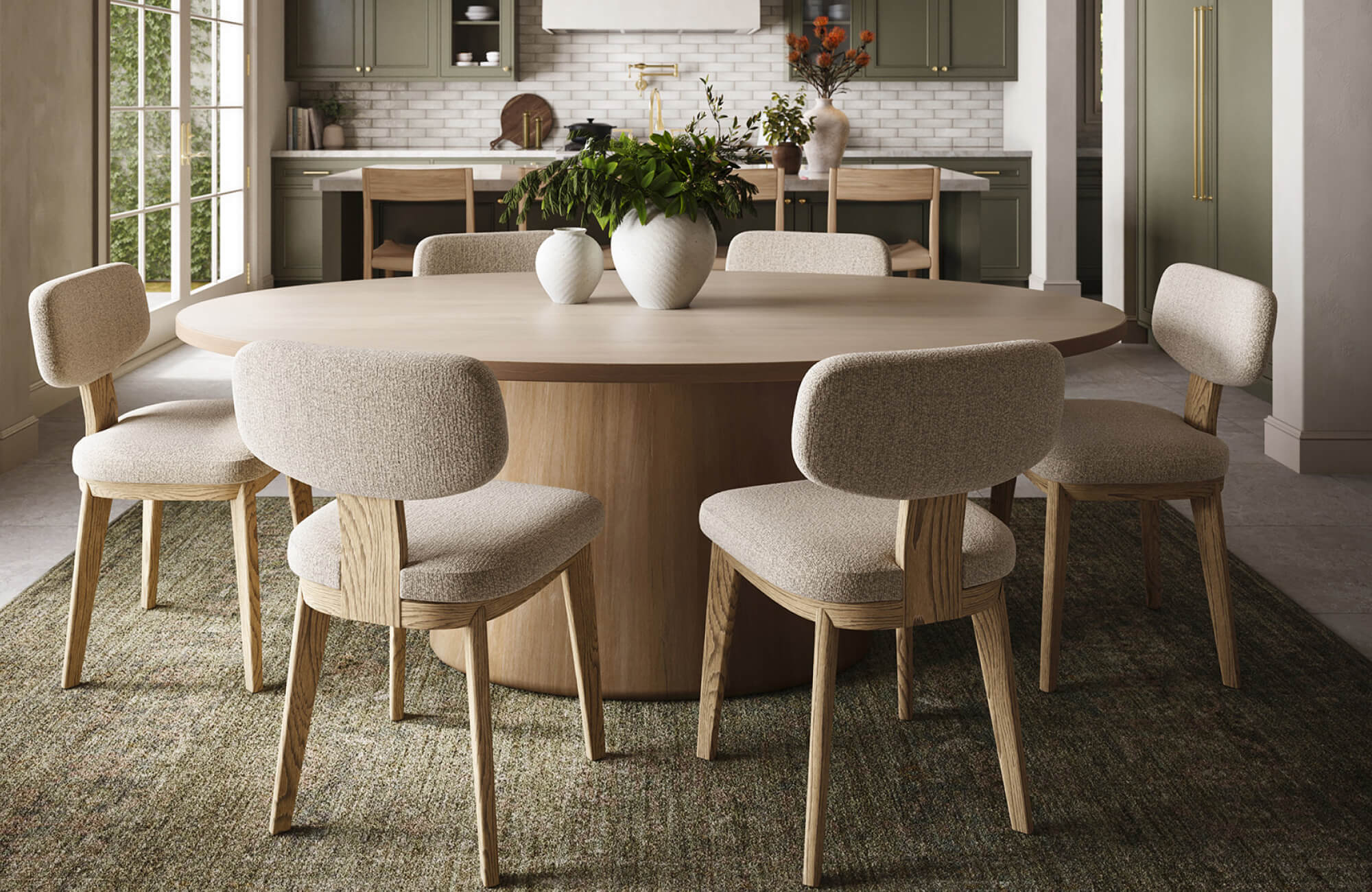
This relationship is evident in the photo displayed above, where Edward Martin’s Rita Dining Chairs in Taupe are set around a smooth, light-toned table with a subtly grained base. The chairs’ exposed wood frames introduce visible grain and structure, while their upholstered seats soften the overall effect. This contrast allows the table to remain the focal point without the chairs competing for attention, demonstrating how simpler surfaces can effectively balance grain-rich elements.
When the table has a strong grain pattern, more understated chairs help the overall composition feel cohesive. By being thoughtful about where visual texture is concentrated, the dining set feels intentional rather than busy.
Matte vs. Gloss
Finish sheen plays a key role in how a surface reflects light. Glossy or semi-gloss finishes reflect more light and often appear lighter than matte finishes in the same tone, allowing a darker glossy chair to feel less visually heavy than a lighter matte one. Using finish contrast offers a subtle way to achieve balance without depending solely on color. A matte table paired with glossy chairs can create a layered, intentional look without introducing strong tonal contrast.
Mixed Materials
When chairs and dining tables are made from different materials, color perception shifts once again. Upholstered chairs, woven seats, or metal frames often feel lighter than solid wood, even when they are finished in darker tones. This makes it possible for darker chairs to pair well with lighter tables, particularly when the chair design includes open elements or softer textures. Material openness helps reduce visual weight, allowing contrast to feel balanced rather than heavy.
Lifestyle And Practical Use
A dining set should support how we actually live, not just how the room looks on the first day. Practical considerations often play a key role in determining whether lighter or darker chairs are the better choice.
Wear Visibility
Lighter chairs often reveal spills, stains, and everyday marks more quickly, while darker chairs are more likely to show dust and surface scratches. Because of this, dining chairs are often darker than the table in households where the dining area is used daily, as darker seating can be more forgiving over time, while lighter chairs tend to work better in lower-use spaces where maintenance is less of a concern.
Flexibility And Rearranging
Lighter chairs are often easier to move and adapt to new settings. They may blend easily into different rooms and pair well with a wider range of tables as layouts change over time. Darker chairs feel more fixed and intentional. When a dining set is expected to remain in place long term, darker seating can help reinforce a sense of permanence and visual cohesion.
Family And Entertaining Needs
Spaces that host frequent gatherings benefit from furniture that feels forgiving. Darker chairs can better handle visible wear from regular use and feel grounded when the room is full, helping the space feel settled rather than busy. In contrast, lighter chairs support a calmer atmosphere for everyday meals and smaller gatherings, especially when paired with a darker table that anchors the space. This balance allows the dining area to shift comfortably between daily use and entertaining without feeling visually strained.
Style Direction And Design Intent
Style provides important context for contrast. While no choice is strictly right or wrong, certain chair and table pairings naturally align with specific design intentions.
Modern And Minimal Interiors
Modern interiors often rely on clarity and restraint. Pairing lighter chairs with darker tables helps support clean lines and prevents the room from feeling visually heavy. The key is keeping contrast intentional, as too many competing tones can detract from the simplicity that defines modern spaces. Limiting the palette also allows form, proportion, and material quality to take visual precedence.
Traditional And Classic Settings
Traditional settings often benefit from darker seating, as it reinforces formality and visual continuity. Dark chairs paired with a medium or dark table can feel cohesive and grounded. To prevent the space from feeling heavy, proportion becomes important, with slimmer profiles and adequate spacing helping the room feel refined rather than dense.
Eclectic And Transitional Homes
In mixed-style interiors, contrast becomes an effective design tool. Choosing whether the chairs or the table is darker helps establish visual hierarchy amid variety. It is best to select one dominant tone and allow the other to support it, which helps maintain cohesion even when styles and materials vary.
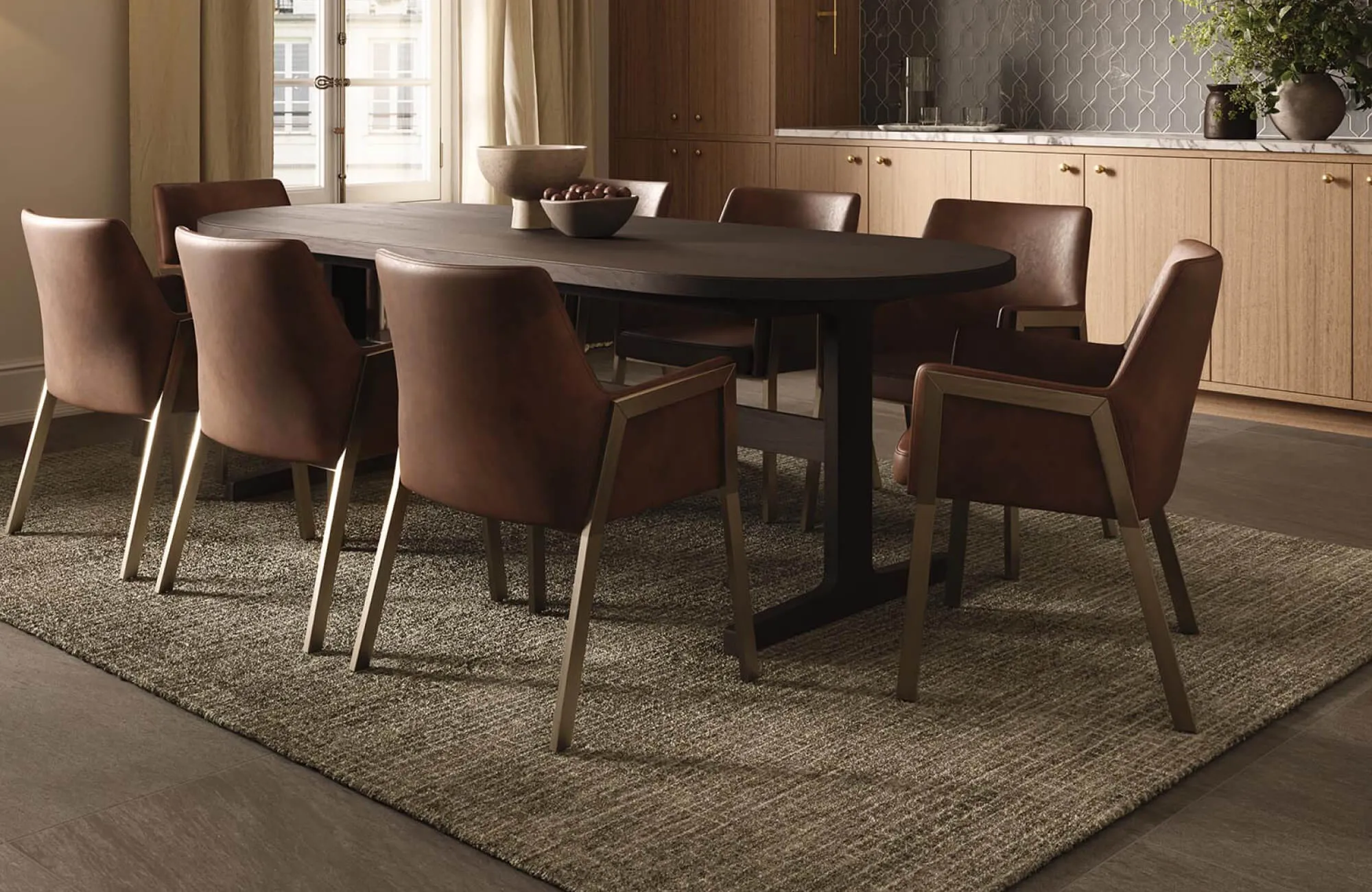
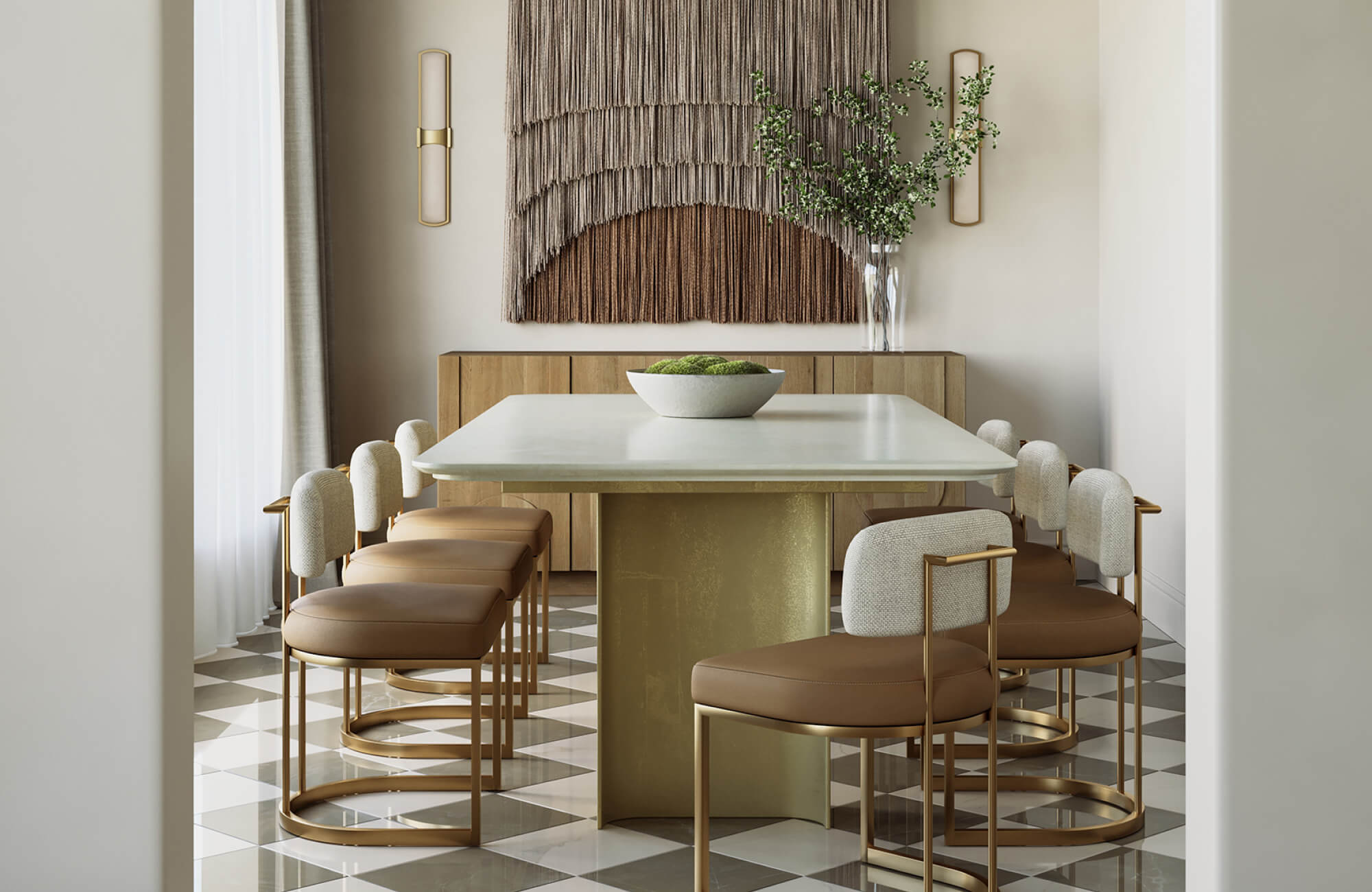
This approach is reflected in the photo featured above, where Edward Martin’s Kenzie Dining Chair in Napa Cognac introduces a richer, darker seating tone alongside a lighter dining table. Its warm leather upholstery adds depth and character, while the lighter table surface keeps the composition from feeling heavy. Together, they demonstrate how intentional contrast can unify diverse materials and influences, preventing the dining area from feeling visually fragmented while still allowing for personal expression.
Long-Term Adaptability And Resale Value
Furniture choices should remain relevant beyond current preferences. Decisions around contrast play an equally important role in how well a dining set ages over time.
Trend Resistance
Extreme contrast tends to date more quickly than balanced pairings. Very dark chairs paired with very light tables may feel striking, but they tend to be less adaptable over time. More moderate contrast allows the dining set to evolve alongside changing decor while remaining visually stable. This approach helps the furniture remain flexible as tastes, finishes, and surrounding elements evolve.
Compatibility With Future Changes
Lighter chairs adapt more easily to new rugs, wall colors, or lighting updates, acting as a flexible layer within the room. A darker table, by contrast, often serves as a stable foundation that anchors future changes without needing replacement. This balance allows updates to feel intentional without requiring the entire dining set to be reworked. It also reduces the likelihood of needing to replace core furniture as design preferences evolve.
Buyer Perception
Balanced dining sets generally appeal to a broader range of tastes. When neither the chairs nor the table overpower the other, the set feels approachable and versatile. This balance matters if the home or furniture may be sold later, as it reduces the risk of polarizing design choices. It also helps potential buyers envision the dining space working with their own furnishings and style preferences.
Finding The Right Dining Chair Color
Whether dining chairs should be lighter or darker than the table depends on how balance, light, materials, and daily use come together in your space. When these factors are considered together, the decision becomes clearer and more personal. The best choice is one that supports how the room looks, feels, and functions over time, rather than relying on a fixed rule.
If you would like guidance tailored to your space, contact us to explore personalized design services and thoughtful recommendations that help bring your dining area together with confidence.
Follow us on Instagram
@EDWARD.MARTIN
)
)
)
)
)
)
)
)
)
)
)
)
)
)
)
)