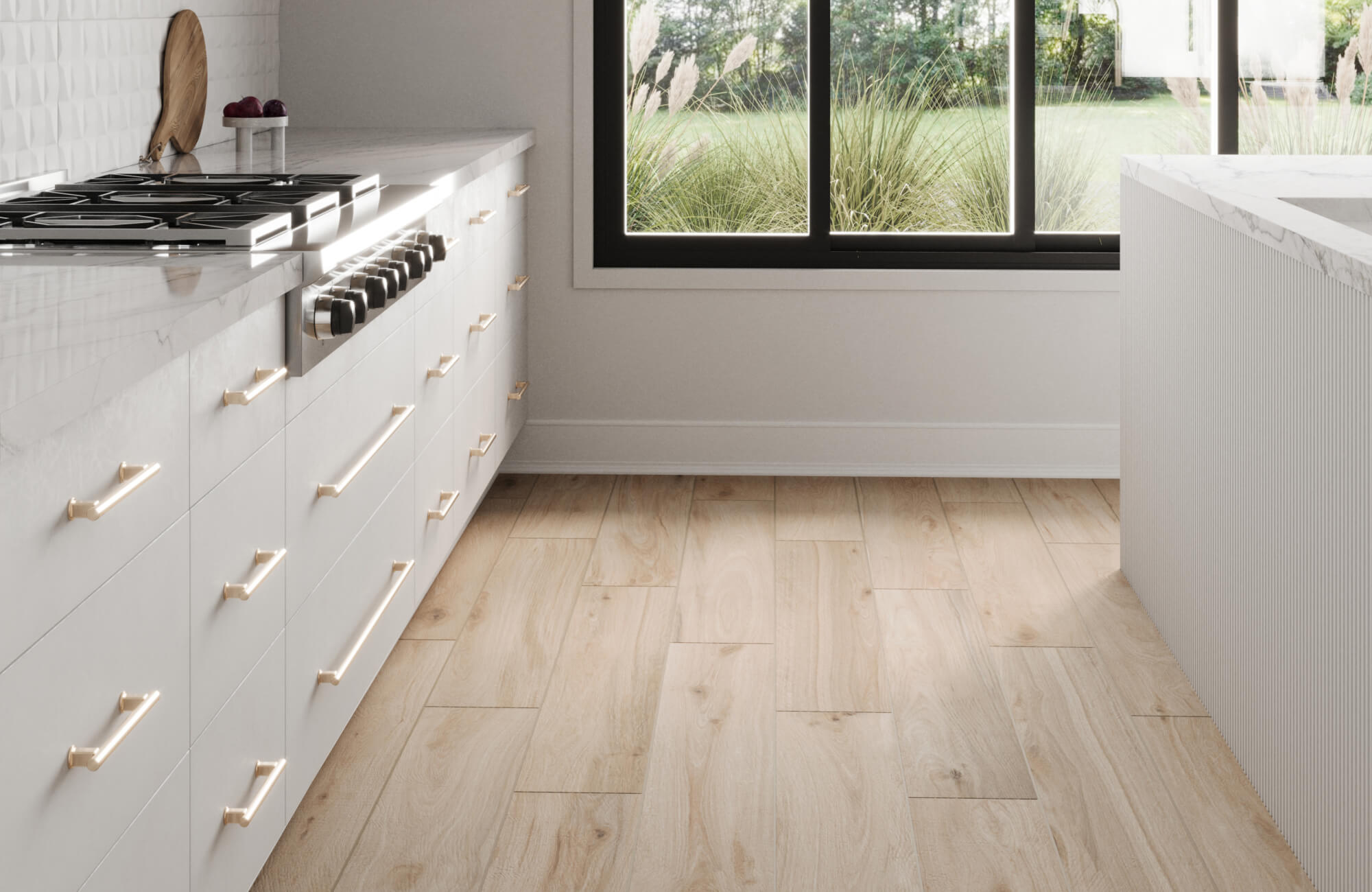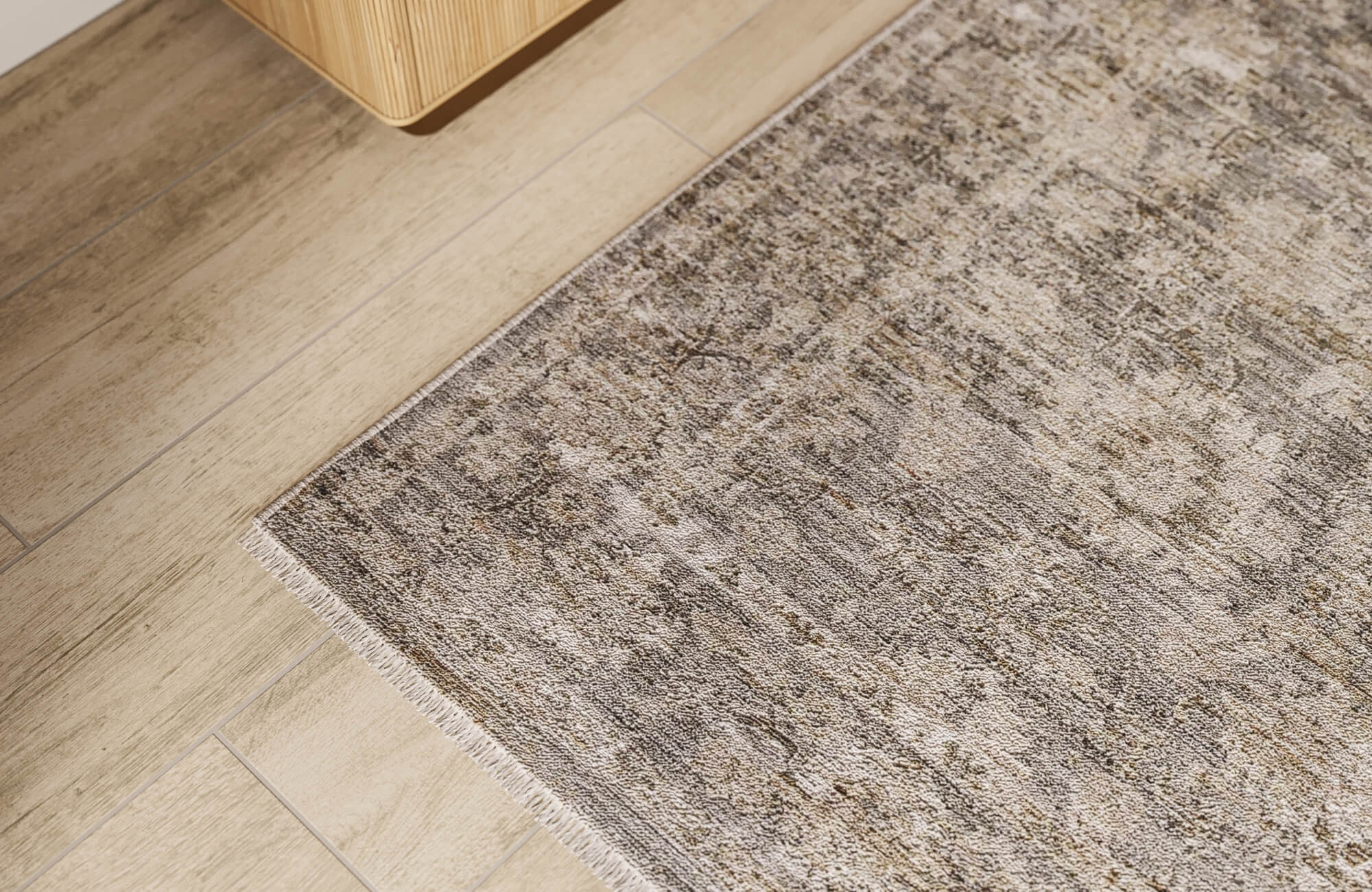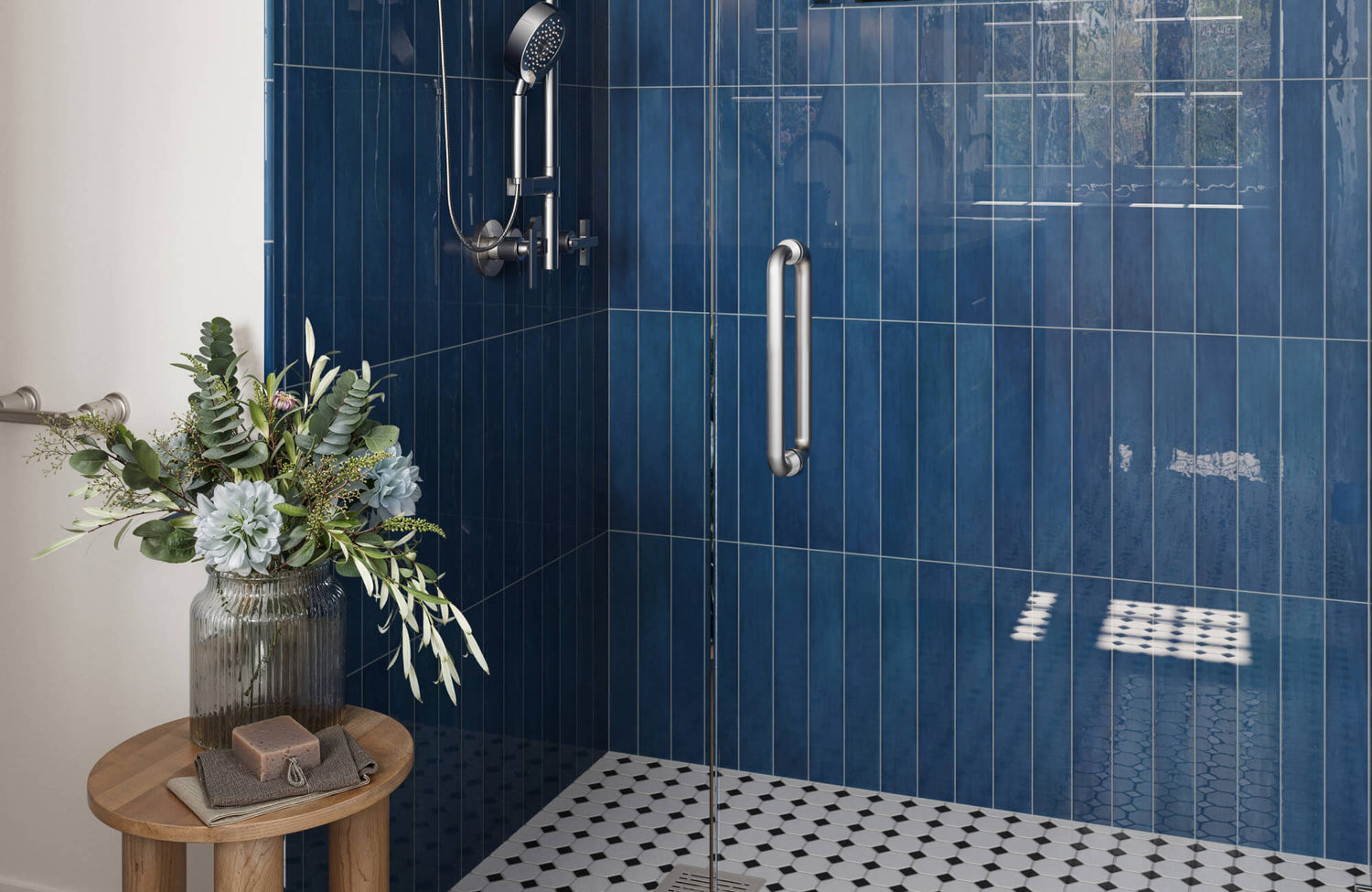
Subway tiles are a timeless design element, but the way they are arranged plays an equally important role in shaping a space. Choosing the right subway tile pattern influences more than just appearance; it also affects how a room feels, functions, and flows. With the right layout, even the simplest subway tile can create a strong visual impact.
Whether you are designing a cozy bathroom, a modern kitchen, or a bold accent wall, selecting the appropriate subway tile pattern helps bring cohesion and character to your space. By exploring classic layouts and creative alternatives through this article, you can find a pattern that not only complements your style but also supports the atmosphere you want to create.

How Tile Patterns Affect Space Perception
The arrangement of subway tiles plays a major role in how a room feels. Tile patterns guide the eye, create movement, and influence how large or small a space appears. With the right subway tile layout, you can reshape the perception of your space without moving a single wall.
Horizontal Patterns
Horizontal subway tile layouts, including running bond and stacked arrangements, visually extend the width of a space. By drawing the eye from side to side, they help narrow rooms feel more open and relaxed. This makes them especially effective in galley kitchens, powder rooms, or tight wall applications. Our Natasha 2x6 Matte Porcelain Tile in Oat, as shown in the photo above, enhances this effect with its elongated shape and soft matte finish, creating a cohesive look that feels warm and expansive.
Vertical Layouts
Vertical subway tile patterns shift the visual emphasis upward, making ceilings appear higher and spaces feel less confined. This orientation works particularly well in bathrooms, shower walls, or niches where height is limited. By redirecting the eye vertically, the layout introduces a sense of lift and openness. It’s a simple yet effective way to refine proportions while maintaining a clean, modern look.
Diagonal and Herringbone
Angled layouts, such as diagonal and herringbone, introduce movement and visual complexity. Instead of guiding the eye in a straight line, these patterns create a sense of flow that energizes the space. They are especially useful in areas where you want to draw attention or soften awkward dimensions. The result is a more dynamic surface that adds depth without overwhelming the overall design.

Classic Patterns That Stand The Test Of Time
Some subway tile layouts remain perennial favorites for a reason. Their versatility and elegance allow them to adapt seamlessly to evolving trends and a variety of interiors. If you're looking for a design that remains relevant and visually appealing over the years, these enduring patterns are a solid place to start.
Traditional Horizontal Offset Pattern
Often referred to as the running bond, this is the most recognizable subway tile layout. Each tile overlaps the one below it by half its length, creating a familiar, brick-like pattern that feels both structured and approachable. Its subtle stagger softens the overall look, making it easy to integrate into a variety of design styles.
Beyond its visual appeal, this layout is also forgiving during installation, helping to mask slight variations and grout lines. A great example is Graham 3x6 Glossy Ceramic Tile in Off White, as shown in the photo featured above. Its classic proportions and reflective surface enhance the pattern’s timeless appeal, creating a clean, polished backdrop that feels effortlessly refined.
Vertical Offset Pattern
The vertical offset pattern offers a fresh take on the traditional running bond by rotating it 90 degrees. While it retains the familiar staggered layout, the vertical orientation introduces a more contemporary feel. This approach adds subtle variation without straying too far from a classic foundation. It’s an ideal choice for those looking to update a space while maintaining continuity and balance.
Stack Bond Pattern
For a more structured and modern look, the stack bond pattern arranges tiles in a precise grid. Each tile aligns perfectly above and beside the next, creating a clean, linear composition. This layout emphasizes order and symmetry, allowing the tile’s finish and craftsmanship to stand out. It’s especially well-suited for contemporary or minimalist interiors where simplicity and clarity define the overall aesthetic.

Creative Subway Tile Patterns For A Unique Look
Beyond the classics, more artistic subway tile patterns provide opportunities to express personality and creativity. These distinctive arrangements also turn standard tiles into design features that feel intentional, fresh, and visually expressive.
Herringbone Pattern
If you're aiming to add movement and refinement to your space, the herringbone subway tile pattern presents a bold yet balanced option. This layout places rectangular subway tiles in a repeated “V” formation, resulting in a zigzag effect that naturally guides the eye across the surface. The angled arrangement also introduces a subtle sense of motion, making it a great fit for energizing backsplashes, fireplace surrounds, or bathrooms without overwhelming the design. As reflected in the image above, Edward Martin’s Catalina 2x16 Matte Porcelain Tile in Clay highlights this pattern beautifully, with its warm, earthy tone and matte finish enhancing the flow while maintaining a relaxed, grounded elegance.
What truly sets the herringbone subway tile layout apart is its ability to make a space feel more layered and expansive. The visual rhythm of the pattern elongates surfaces, helping smaller areas feel more open and thoughtfully designed. At the same time, it introduces an architectural edge that complements both modern and traditional styles. If you're after a layout that blends timeless appeal with artistic flair, herringbone brings the right mix of complexity and cohesion.
Basketweave Pattern
The basketweave pattern transforms basic subway tiles into a tactile, woven surface. By alternating pairs of vertical and horizontal tiles, this layout mimics the look of interlaced fabric, resulting in a structured yet intricate design. It’s also a great choice if you want to introduce texture and craftsmanship to a space without relying on bold colors or busy materials.
Often used on bathroom or entryway floors, this subway tile pattern adds a sense of weight and balance while still feeling decorative. Because the visual complexity is built into the layout itself, you can keep the tile color neutral and still achieve an elevated look. The basketweave design also feels rooted in tradition but adapts beautifully to transitional and modern spaces where subtle dimension makes all the difference.
Crosshatch Layout
If you prefer clean lines with a quiet twist, the crosshatch subway tile layout offers just enough visual interest without being too assertive. This pattern alternates individual tiles in horizontal and vertical orientations, creating a loose grid with a soft, woven appearance. It also adds structure to a surface and keeps the overall aesthetic calm and minimalist.
In addition, the subtle geometry of this subway tile layout works especially well in contemporary or industrial interiors, where it complements raw materials like concrete or exposed brick. Unlike more traditional patterns, crosshatch allows you to introduce a refined rhythm that supports your overall design vision rather than dominating it. It’s also an excellent option when you're after texture, harmony, and understated sophistication in one cohesive layout.

Best Patterns Based On Room And Surface Type
Not every subway tile pattern works in every room. The key is to match your layout with the room's size, function, and design needs to create a harmonious, practical, and visually pleasing result.
Kitchens
In kitchens, subway tile patterns should balance function with aesthetic flexibility. Offset and stack bond layouts are ideal for backsplashes or full wall coverage because they offer a clean, orderly appearance that complements both classic and contemporary kitchen styles. These patterns also allow your cabinetry, countertops, or fixtures to shine and still provide visual interest through subtle alignment. Take, for example, our Jaden 2.5x16 Glossy Ceramic Tile in Dove (shown above), which features a sleek, elongated shape and a soft light gray hue. Its glossy finish reflects light beautifully, making it a perfect choice for kitchens where brightness, clarity, and a modern edge are key design goals.
Alternatively, if you're looking to make a focal point in the space, especially above the stove or sink, consider using a herringbone layout in that specific area. Its angled design adds contrast and sophistication, turning an everyday surface into a striking visual centerpiece.
To help you confidently choose the right layout and tile combination for your kitchen, our augmented reality (AR) tool allows you to preview your selected subway tiles in your actual space. Whether you're considering a classic stack bond or a more dynamic herringbone layout, the AR experience lets you see how the tile's shape, color, and finish interact with your cabinetry, lighting, and overall design. This added layer of visualization also helps ensure that your final choice feels cohesive, intentional, and perfectly tailored to your kitchen.
Bathrooms
Bathrooms benefit greatly from subway tile patterns that enhance openness and lightness. Vertical stack bond or vertical offset layouts elongate the walls, drawing the eye upward and making compact bathrooms feel taller and more open. These arrangements also create clean, symmetrical lines that pair well with the sleek finishes typically found in vanities, mirrors, and fixtures.
For areas like shower walls, you may want something more textured and dimensional. Herringbone or diagonal subway tile patterns are excellent choices here because they introduce movement and sophistication, evoking the tranquil ambiance of a spa. The visual depth created by angled tiles also makes even the smallest shower enclosure feel more curated and intentional.
Floors And Accent Walls
Floor surfaces require subway tile patterns that are not only attractive but also durable and forgiving. Basketweave or diagonal layouts are particularly effective underfoot, as they provide textural variation that helps disguise daily wear and still elevate the overall design. When it comes to material selection, porcelain is the best option for floors due to its superior durability and non-porous nature. Unlike natural stone or glass, porcelain resists moisture, stains, and everyday wear with minimal maintenance. Although natural stone can also be used, it typically requires sealing and more upkeep to maintain its appearance.
In contrast, when designing accent walls, subway tile patterns can be used to create a dramatic focal point. Herringbone and crosshatch layouts work especially well in these areas, as they deliver structure, texture, and depth. Among the available materials, ceramic is best suited for walls due to its lightweight nature, ease of installation, and wide range of finishes that enhance vertical surfaces. For added durability, porcelain is also a great option, especially in areas that may require more resistance over time.

Grout Color And Its Impact On Tile Patterns
Grout is more than just filler; it's a design tool. Depending on your choice, grout can make a subway tile pattern pop or melt into the background, influencing both the visual effect and the mood of the room.
Matching Grout
If you prefer a soft, cohesive finish, using grout that closely matches the color of your subway tiles is a smart choice. This approach reduces the visual separation between tiles, allowing the pattern to blend into the background, which results in a smooth, uninterrupted surface that feels clean and serene.
This technique works particularly well in minimalist or modern interiors, where a sense of calm and cohesion is often the goal. By softening the visual contrast, matching grout allows the subway tile pattern to quietly recede, which gives other design elements, such as cabinetry, lighting, or hardware, a chance to stand out. As a result, it becomes a subtle yet effective way to maintain visual balance and create a space that feels thoughtfully composed.
Contrasting Grout
When you want the subway tile layout to take a more active role in your design, contrasting grout makes a bold statement. Choosing a significantly lighter or darker grout than your subway tiles outlines each individual tile, emphasizing the structure and direction of the pattern.
This technique is especially impactful with layouts like herringbone, vertical stack, or basketweave, where the shape and rhythm of the pattern deserve to be seen. Contrasting grout also draws attention to the craftsmanship of the installation and adds graphic energy to the surface. If you're after a subway tile layout that makes the pattern the visual focal point, this grout strategy delivers clarity and character.
Mid-Tone Grout
Mid-tone grout strikes a thoughtful balance between subtlety and definition. Instead of completely blending in or standing out, it gently highlights the subway tile pattern while maintaining an overall sense of cohesion. As a result, the layout can be appreciated without overwhelming the room’s visual narrative.
This grout option works particularly well in transitional or contemporary spaces, where it complements a wide range of colors and finishes. It adds a touch of visual rhythm that helps guide the eye without breaking up the room’s harmony. For those looking to achieve a polished yet approachable look, mid-tone grout offers a flexible and well-balanced choice.

Choosing The Right Pattern For Your Design Goals
Your choice of subway tile pattern should reflect the ambiance you want to create. Aligning the layout with your interior style, space needs, and desired visual effects also ensures a cohesive result.
Modern And Minimalist Styles
If your space embraces simplicity and clean lines, straight subway tile layouts like vertical or horizontal stack bonds are ideal. These patterns emphasize order and geometry, creating a refined backdrop that feels uncluttered and purposeful. The linear arrangement also enhances symmetry, which is especially appealing in open-concept layouts or rooms with strong architectural features.
When paired with neutral grout and minimalist materials like matte finishes or smooth surfaces, these subway tile layouts become more than just functional; they also create a quiet statement. Rather than drawing attention to themselves, they reinforce the overall clarity of the space. So if you're aiming for a modern environment with a calm, composed aesthetic, these subway tile patterns naturally support that vision.
Classic And Timeless Designs
To achieve a sense of warmth and familiarity, consider subway tile patterns like the traditional offset or herringbone. The classic offset layout mimics the look of brickwork and lends a subtle rhythm that suits a variety of interiors, from farmhouse kitchens to transitional bathrooms. Its slightly staggered appearance also feels both structured and welcoming.
For added detail and elegance, the herringbone subway tile pattern offers a graceful visual flow and maintains a timeless character. This enduring appeal is no coincidence; it has remained popular for generations thanks to its balanced, refined look that transcends changing trends. If you're aiming for a long-lasting design that ages well, herringbone provides both versatility and enduring charm.
Bold And Eclectic Statements
When you're ready to make a design statement, more expressive subway tile layouts like crosshatch or diagonal patterns bring energy and individuality into your space. The crosshatch arrangement, with its woven geometry, introduces texture in a subtle yet unexpected way, while diagonal layouts naturally guide the eye and add directional movement.
These patterns shine in spaces where creativity takes precedence such as entryways, powder rooms, or artistic corners that serve as conversation pieces. By choosing a distinctive subway tile layout, you're not just tiling a surface; you're establishing a visual identity. If your design style leans bold, layered, or unconventional, these dynamic subway tile patterns give you the freedom to reflect that personality through the tile.
Designing with Purpose Through the Right Subway Tile Pattern
So, what is the best pattern for subway tiles? The answer depends on your space, your style, and the story you want your design to tell. Whether you prefer the timeless appeal of a classic offset, the modern clarity of a stack bond, or the bold movement of herringbone or diagonal layouts, the best pattern is the one that enhances your room’s function while reflecting your personal aesthetic. By choosing with intention and pairing your layout with the right grout and finishes, you also turn a simple subway tile into a defining element of your space.
To help bring your vision to life, it’s important to see how patterns, colors, and finishes work together in your actual space. That’s why requesting samples is a valuable next step. At Edward Martin, you can easily explore a wide range of subway tile options and have samples delivered directly to your door. This allows you to compare designs in your own lighting, alongside your chosen materials, and within the layout you have in mind. Taking this extra step also ensures that your final choice feels cohesive, intentional, and perfectly suited to your space.