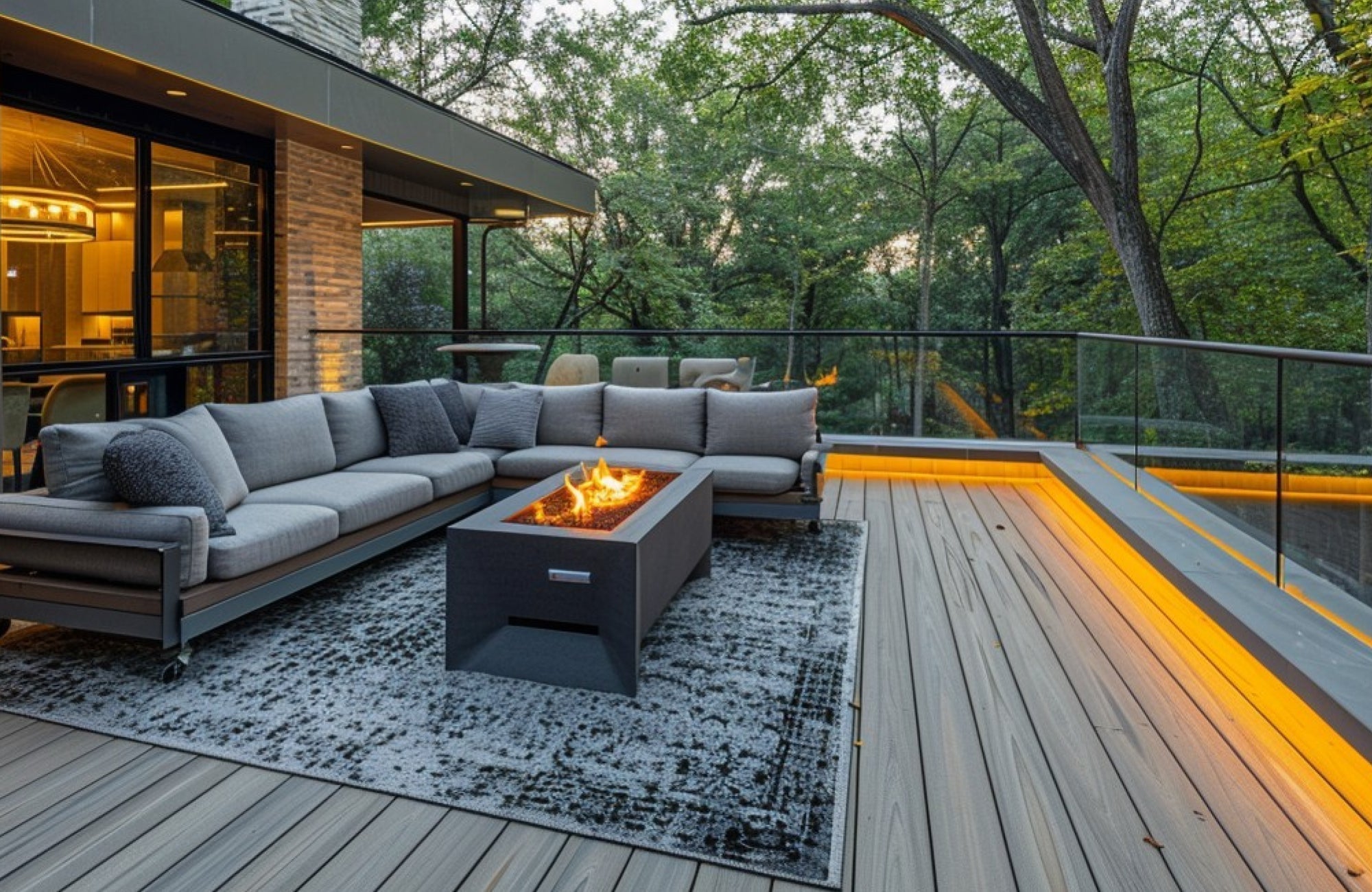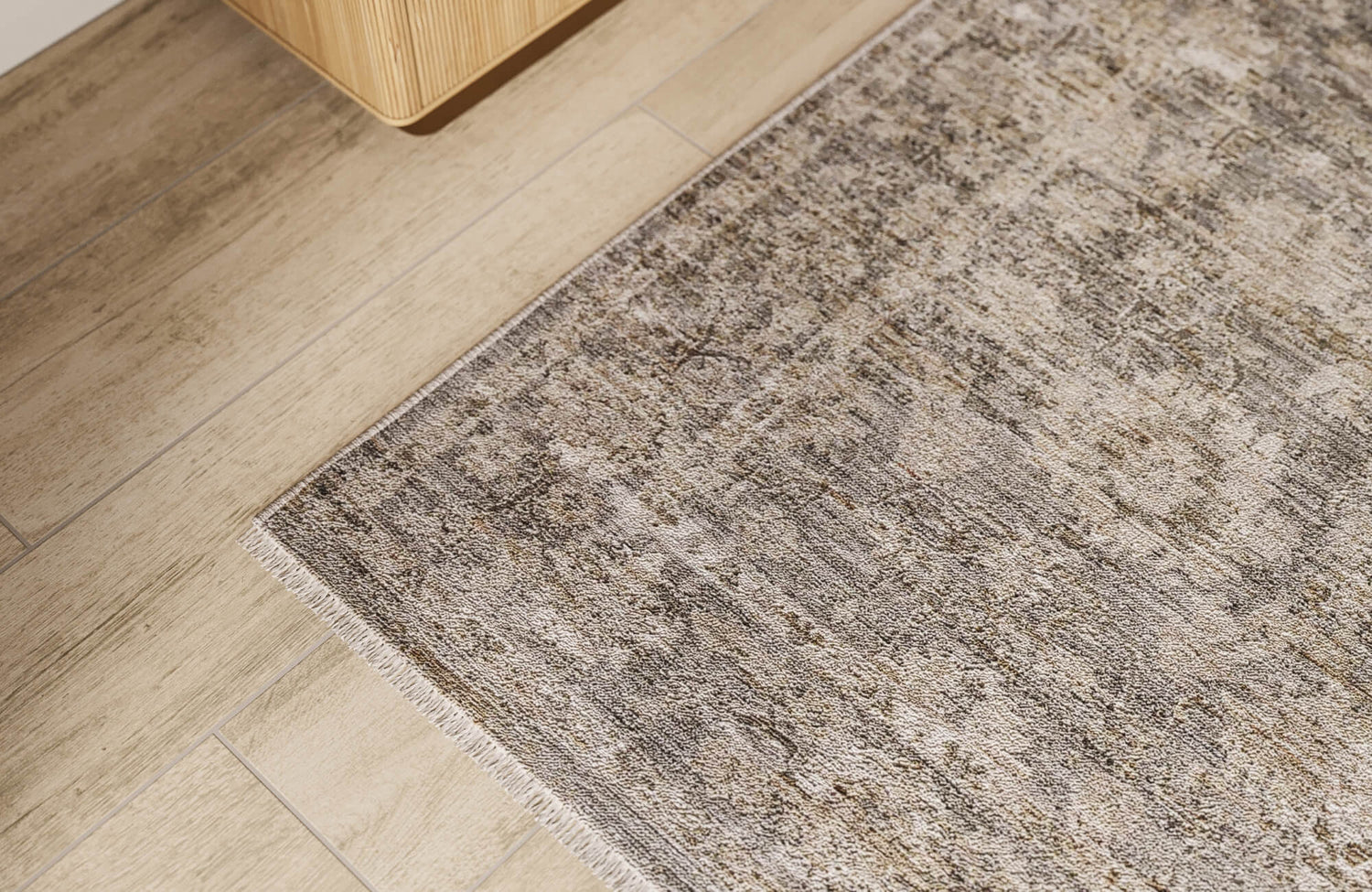
You don’t usually notice the limits of real wood flooring until it’s already installed. It reacts to moisture, shows wear in busy areas, and often needs more upkeep than expected to keep it looking consistent. Wood effect tiles are built to solve those exact issues without giving up the look people actually want. They’re designed to hold the grain, tone, and layout of wood while performing better in spaces where real timber tends to struggle. In this blog, we’ll go through how they’re made, how they compare to real wood, and where they make the most sense depending on how your space is used.

What Makes Wood Effect Tiles Unique
Wood effect tiles aren’t just a stand-in for timber. They’re designed to replicate how wood looks and feels while removing the parts that usually make wood difficult to live with over time. Instead of worrying about moisture, wear, or seasonal changes, you get a surface that holds its appearance more consistently. That’s what makes them different. You’re not just choosing a look, you’re choosing how that look performs in real conditions.
Materials and Manufacturing Process
What sets wood effect tiles apart isn’t just the final look; it’s how each layer is built to support both realism and durability. From the base material to the surface detailing, every step in the process is designed to solve a specific limitation that real wood naturally has. That’s why these tiles don’t just resemble wood at a glance; they continue to hold that look even after years of use.
Porcelain vs. Ceramic Composition
At the core of every wood effect tile is either porcelain or ceramic, and that choice has a direct impact on how the tile performs once installed. Both materials offer a more stable and low-maintenance alternative compared to options like natural stone, which can absorb moisture, or glass tiles that are more decorative than functional in most spaces. What matters here is not just durability, but how consistently the material holds up under everyday conditions.
Porcelain wood effect tile is typically the stronger of the two, mainly because of how it’s made. It’s fired at higher temperatures, which results in a denser structure that absorbs very little moisture. That’s why it works well in areas where water, heat, or frequent use are part of daily life, like kitchens, bathrooms, entryways, and even outdoor spaces. As shown in the dining setup above, our Preston 8x48 Matte Porcelain Tile in Pine holds a steady, wood-like appearance while handling conditions that would normally affect real timber. Its elongated format and warm tone help maintain that natural look without the usual upkeep concerns.
Ceramic wood effect tile, on the other hand, offers a lighter and slightly more flexible option. While it doesn’t have the same density as porcelain, it’s still reliable for areas that don’t deal with constant moisture or heavy use. This makes it a practical choice for walls, bedrooms, or decorative sections where the goal is more about visual continuity than performance under pressure. It’s also often more accessible in terms of cost, which makes it easier to use across larger areas without overextending the budget.
Digital Printing and Embossing
The realism of wood effect tiles comes from how precisely surface detail is recreated, not just from the color itself. Modern digital printing allows manufacturers to map out grain patterns, tonal shifts, and imperfections in a way that feels less repetitive and more natural across multiple tiles. Instead of seeing the same pattern repeat, you get variation that mimics how real wood behaves across different planks.
Embossing builds on that by adding physical texture to the surface. Rather than a flat print, the tile is pressed with subtle ridges and grooves that follow the grain pattern. This is what gives the surface that slight resistance under your hand or foot, which helps it feel closer to actual wood. The combination of visual and tactile detail is what makes the difference between something that looks like wood and something that actually feels believable in the space.
Protective Finishes
After the visual and textural layers are applied, the surface is sealed with a protective finish that affects both how the tile looks and how it performs. This layer isn’t just there for durability; it also controls how light interacts with the surface. Depending on the finish, it can soften the look, add slight depth, or highlight certain grain details without making the tile feel overly reflective.
More importantly, it acts as a barrier against daily wear. Scratches, stains, and fading tend to show up more quickly on untreated surfaces, especially in busy areas. With this protective layer in place, the tile maintains a more consistent appearance over time, even in spaces that deal with regular use or exposure to moisture. It’s one of the main reasons wood effect tiles don’t require the same level of maintenance as real wood.
Comparing Wood Effect Tiles with Real Wood
Wood effect tiles are often compared to hardwood because they aim to replicate the same visual warmth, but the difference shows up in how each material behaves over time. Real wood responds to its environment. It expands, contracts, and reacts to moisture in ways that can gradually affect its shape and surface. That’s part of its natural character, but it also comes with limitations depending on where it’s used.
Wood effect tiles remove that variability. They hold their shape regardless of humidity or temperature changes, which makes them more predictable across different spaces. Visually, they’ve reached a point where grain patterns, tones, and surface textures closely mirror real wood, but without the risk of warping, scratching, or long-term wear in sensitive areas. That’s why they’re often used in places where real wood would struggle to maintain its condition.
Cost Differences and Value Over Time
Looking at cost from a long-term perspective usually gives a clearer picture than just comparing upfront pricing. Hardwood flooring typically ranges from around $8 to $15 per square foot for materials alone, with installation adding another $4 to $8, depending on complexity and location. Wood effect tiles fall within a similar range at first, usually between $5 to $12 per square foot, while installation can range from $5 to $10 per square foot due to layout, cutting, and grout work. At a glance, the difference doesn’t always feel significant, especially when both options are positioned as long-term finishes.
Where the gap becomes more noticeable is in what happens after installation. Hardwood often requires refinishing every 5 to 10 years, which can cost anywhere from $3 to $8 per square foot each time, along with occasional repairs for scratches, dents, or moisture-related issues. There are also ongoing costs tied to cleaning products, sealing, and maintaining the surface properly. Wood effect tiles, on the other hand, don’t require sanding, staining, or refinishing, and routine maintenance is limited to basic cleaning.
Over a 10 to 20-year period, those differences can add up to thousands of dollars in savings, especially in larger spaces. That’s where wood effect tiles start to feel less like an alternative and more like a more predictable, lower-maintenance investment over time.

Benefits That Go Beyond Aesthetics
Wood effect tiles aren’t just about getting the look of wood without the risk. What actually sets them apart is how they hold up once the space is in daily use. From moisture and temperature changes to cleaning and long-term wear, they’re built to handle conditions that would usually cause issues for real wood.
Moisture Resistance and Temperature Performance
One of the biggest advantages of wood effect tiles shows up in how they handle moisture over time. Unlike natural wood, which reacts quickly to water through swelling, warping, or gradual decay, these tiles stay stable even in consistently damp environments. That makes them reliable in spaces like bathrooms, kitchens, laundry areas, and covered outdoor zones where moisture is part of daily use. Instead of needing to monitor exposure, you’re working with a surface that’s built to tolerate it.
They also respond well to temperature changes, which is where many materials start to show stress. Their dense composition allows heat to pass through efficiently, making them a strong match for underfloor heating systems. Rather than trapping or unevenly distributing heat, they warm up consistently and hold that temperature longer. This creates a more even feel underfoot, especially in colder climates or tiled areas that would otherwise feel cool.
In outdoor setups, this stability becomes even more important. Surfaces are exposed to sun, rain, and shifting temperatures, which can gradually wear down less durable materials. Choosing tiles with a higher PEI rating and a textured or grip finish helps maintain both safety and performance.
Easy Maintenance and Cleaning
One of the more noticeable differences with wood effect tiles is how little effort they require to maintain over time. Real wood often needs sealing, careful cleaning products, and ongoing attention to prevent surface damage. In contrast, these tiles hold up with simple, consistent care. Regular sweeping or vacuuming removes surface debris, and a standard mop with a mild cleaner is usually enough to keep them looking clean.
This becomes more important in spaces where cleaning happens often, like kitchens or entry areas. Instead of worrying about water marks, stains, or product compatibility, the surface handles most routine cleaning without much adjustment. There’s no need for specialty solutions or strict cleaning routines, which makes upkeep more manageable on a daily basis.
Grout lines still need occasional attention, but even that stays relatively straightforward. Using a pH-neutral cleaner and sealing grout when needed helps maintain a consistent look across the surface. Avoiding abrasive tools also prevents unnecessary wear, especially on textured finishes. Following basic care guidelines keeps everything in good condition without turning maintenance into a separate project.
Allergy-Friendly and Pet-Safe Qualities
For households dealing with allergies or pets, surface choice can make a noticeable difference in day-to-day comfort. Wood effect tiles don’t trap dust, pollen, or pet dander the way softer or porous materials can. Because of that, cleaning becomes more effective, since allergens stay on the surface instead of settling in. A simple sweep or mop is usually enough to remove what would otherwise build up over time.
This also makes the space easier to manage in the long run. Instead of dealing with hidden buildup or deep cleaning cycles, you’re maintaining a surface that stays more consistent with regular care. It’s a small shift, but it has a real impact on how the space feels and functions, especially in rooms used daily.
For pet owners, durability becomes just as important as cleanliness. These tiles resist scratches from claws better than wood, and they don’t absorb odors or spills the same way more porous materials do. That means fewer long-term marks and less concern about lingering smells. Combined with their low-VOC composition, they also support better indoor air quality, making them a more stable and predictable option for both people and pets.

Styles and Patterns That Mimic Every Wood Look
Thanks to innovations in tile design and production, you now have access to wood effect tiles that capture the beauty and detail of real hardwood. These tiles not only mirror the natural appearance of wood but also offer flexibility in finishes, grains, and layouts that suit nearly any space. Whether you're drawn to rustic charm or modern minimalism, there's a wood-inspired tile that aligns with your vision.
Common Wood Species and Grain Styles
The appeal of wood effect tiles lies in their ability to emulate specific wood species with incredible realism. From light and airy tones to rich, dramatic hues, these tiles give you creative freedom to match your style and your space.
Oak
Oak-inspired tiles are a long-standing favorite thanks to their distinct grain patterns and wide tonal range, from soft blondes to rich caramels. This versatility makes them adaptable to both traditional and modern interiors, whether you're designing a cozy bedroom or a minimalist kitchen. In addition to their flexible aesthetic, oak-look tiles bring warmth and texture through their pronounced grain, making them a solid foundation for farmhouse charm or Scandinavian simplicity.
Walnut
Walnut effect tiles offer a dramatic and sophisticated appearance. Their deep chocolate hues and bold grain patterns make them ideal for creating luxurious atmospheres in spaces like home offices, formal living areas, or libraries. Despite their richness, they still retain the practical benefits of tile, providing high visual impact without the maintenance demands of real hardwood.
Maple
Maple effect tiles present a lighter, more understated option for those seeking simplicity and brightness. With a soft grain and pale tone, they work beautifully in modern bathrooms, open-plan living areas, or any space that benefits from an airy, uncluttered feel. Maple’s clean lines and gentle warmth also support a minimalist look while keeping the room visually engaging and easy to style.
Driftwood
For a more relaxed and coastal aesthetic, driftwood effect tiles offer a weathered, lived-in appeal that brings texture and character. Their muted gray and beige tones, along with distressed finishes, replicate the charm of sun-bleached boards typically found near the sea. Especially well-suited for beach-inspired or rustic interiors, driftwood tiles also create a sense of natural history without appearing forced or artificial.
Matte, Grip, Glossy, and Textured Finishes
The finish of your wood effect tile can significantly influence the overall mood and practicality of a room. From subtle, soft surfaces to sleek shine or tactile textures, each option offers unique benefits depending on where and how it's used.
Matte Finish
Matte finishes are an excellent choice if you're aiming for a natural and understated look. These tiles gently diffuse light, helping to conceal smudges, dust, and everyday wear, which makes them especially practical for busy areas like entryways, hallways, or family rooms. Additionally, their low-glare surface brings out the texture of the wood grain, enhancing the authenticity of the design and supporting a warm, casual atmosphere that feels grounded and inviting.
Grip Finish
For areas where safety is a top concern, grip finishes offer enhanced slip resistance without sacrificing style. These tiles feature a rougher surface treatment specifically designed to improve traction underfoot, making them ideal for bathrooms, laundry rooms, poolside areas, and other moisture-prone spaces. They are also well-suited for outdoor applications such as patios, balconies, and garden walkways, where exposure to rain or water runoff can increase the risk of slipping.
Glossy Finish
This finish offers a more polished and refined look that adds a sense of luxury to any space. Their reflective surface bounces light around the room, making smaller or darker areas appear brighter and more open; an advantage in compact bathrooms or enclosed living areas. Although they may require a bit more maintenance to keep their shine intact, glossy wood effect tiles are ideal for accent walls or formal rooms where elegance and visual impact are a priority.
Textured Finish
For those seeking the most authentic look and feel of real wood, textured finishes deliver a tactile quality that elevates visual realism. These tiles are crafted to mimic the natural ridges, grain, and surface irregularities of timber. While the slight texture may offer a modest amount of surface traction, it is primarily intended to enhance the tile’s visual and tactile appeal rather than serve as a high-performance slip-resistant solution. As such, textured finishes are ideal for interior spaces like living rooms, bedrooms, or feature walls where aesthetics take priority and a warm, organic feel is desired.
Patterns and Plank Sizes for Realistic Layouts
Once you've selected your wood effect tile style and finish, how you lay them can completely transform the room. Layout patterns and plank sizes are key in enhancing realism and achieving your desired atmosphere. To help you visualize how different styles and layouts will look in your own space, you can use our augmented reality (AR) tool to preview your chosen tiles directly in your room before making a final decision.
Staggered Layout
Staggered layout is the most traditional and widely used pattern for replicating the appearance of real hardwood floors. By offsetting each row of planks, this method creates a continuous, natural flow that makes the space feel cohesive and visually grounded. It’s especially effective at minimizing the visibility of grout lines and avoiding harsh visual breaks, which contributes to a more seamless and organic finish. Whether you’re working with wide format tiles or narrow strips, the staggered layout remains a reliable choice for reinforcing the timeless look of wood.
Herringbone and Chevron
For a more decorative and visually engaging option, herringbone and chevron layouts offer a dynamic alternative to the standard staggered pattern. These symmetrical arrangements introduce rhythm and movement to the floor, drawing attention and creating a bold design statement. Perfect for entryways, formal dining rooms, or expansive open-plan spaces, both patterns work beautifully in modern and traditional interiors alike.
In the picture displayed above, the herringbone layout using our Preston 8x48 Matte Porcelain Tile in Birch adds warmth and elegance through its light oak-inspired tone, blending effortlessly with soft neutrals and natural textures. The patterned floor not only grounds the open-plan layout but also elevates the room's overall design, turning the flooring into a focal point that complements both the kitchen and dining areas.
Plank Size Considerations
When planning your layout, it’s equally important to consider the size of the planks, as scale can significantly influence the overall effect. Wider and longer planks help open up smaller rooms, making them feel more expansive and airy. Conversely, narrower or shorter planks add a sense of detail and intimacy, which works particularly well in larger, open spaces that need visual definition. Choosing the right plank size based on your room’s proportions also ensures the final design feels balanced, intentional, and true to the natural character of the wood.

Where to Use Wood Effect Tiles Indoors and Outdoors
These tiles work well in nearly any space, but thoughtful application elevates their impact. When placed with intention, wood effect tiles offer both charm and performance across your entire space, from cozy interiors to outdoor retreats.
Ideal Indoor Applications by Room
Inside your home or commercial space, wood effect tiles can completely change how each room feels once it’s in daily use. In bathrooms, they bring in the warmth and familiarity of wood without the constant concern about moisture exposure. That alone makes them easier to live with, especially in spaces where humidity is unavoidable. Taking it further with larger plank sizes or layouts like herringbone or staggered patterns helps break away from a basic tile look and creates something that feels more intentional and tailored. It’s not just about appearance, but how the surface holds up while still maintaining that softer, wood-inspired feel.
In kitchens, that balance becomes even more noticeable. Floors deal with spills, heat, and constant movement, so having a surface that can handle all of that without staining or warping makes a difference over time. Using wood effect tiles for backsplashes or even feature walls also helps tie the space together without introducing materials that are harder to maintain. In living areas, wider planks can replicate the look of traditional hardwood flooring more convincingly, especially when the layout flows naturally across the room. Bedrooms benefit in a different way, where the visual warmth of wood tones helps soften the space, and when paired with underfloor heating, the surface feels more comfortable instead of cold. Each room ends up using the same material differently, but with a consistent result.
Outdoor Uses and Weatherproof Advantages
When used outdoors, wood effect tiles solve a problem that real wood often struggles with over time. Natural timber can fade, crack, or require frequent sealing when exposed to sun, rain, and temperature changes. These tiles remove that layer of maintenance while still keeping the same visual direction. Patios, pool surrounds, balconies, and walkways benefit from that balance, where the space still feels warm and grounded without becoming high-maintenance. Instead of constantly maintaining the surface, you’re working with something that stays consistent across different conditions.
Performance becomes more critical in areas exposed to water, especially where slipping is a concern. Choosing tiles with a higher slip-resistance rating or a grip finish helps create a safer surface without changing the overall look. Installation also plays a big role here. Using frost-resistant adhesives and grout helps prevent long-term issues in climates where temperature shifts are more extreme. Small details like adding a slight slope for drainage can make a noticeable difference, preventing water from sitting on the surface and affecting the installation over time. These adjustments aren’t always visible, but they’re what allow the space to hold up season after season.
Transitioning Between Rooms with Cohesive Flow
One of the advantages of wood effect tiles is how easily they carry a consistent look from one space to another. In open-plan layouts, using the same tile across connected areas removes visual breaks and helps the space feel more unified. Kitchens, dining areas, and living rooms can flow into each other without needing different materials to define each section. This creates a cleaner transition where the layout, furniture, and lighting take on a bigger role in shaping each zone instead of relying on flooring changes.
Even in more segmented layouts, there’s still flexibility in how you define each space without losing that connection. Keeping grout lines aligned across thresholds helps maintain continuity, while small shifts in layout direction can subtly separate areas without making them feel disconnected. For example, running planks in one direction in a main room and adjusting them slightly in a hallway can create variation without breaking the overall look. It’s a controlled way of introducing contrast while still keeping everything tied together. Over time, this approach makes the entire space feel more considered rather than pieced together.

Installation and Layout Planning for Lasting Results
Installing wood effect tiles correctly determines not just how they look on day one, but how well they hold up years later. Small shortcuts during planning or prep tend to show up over time, often as uneven surfaces, loose tiles, or visible layout issues. Taking the time to get the foundation and layout right from the start helps avoid those problems and keeps the finish consistent long-term.
Subfloor Preparation and Leveling
Before any wood effect tile is installed, the condition of the subfloor matters more than most people expect. Even slight unevenness can affect how tiles sit, which can lead to lippage, cracked edges, or weak bonding over time. It’s not just about making the surface look flat, but ensuring it performs evenly under pressure once the space is in use. Using a self-leveling compound helps correct dips or raised areas early, while tools like a straightedge or laser level make it easier to spot inconsistencies that aren’t immediately visible.
Once the surface is leveled, proper cleaning becomes just as important. Dust, debris, or leftover residue can interfere with how well the adhesive bonds to the tile, which weakens the installation from the start. In some cases, a primer may also be needed, depending on the subfloor material, to improve adhesion. Taking these extra steps may not be visible once the tiles are in place, but they’re what prevent shifting, hollow spots, or long-term instability. A well-prepared base is what allows the tiles to stay aligned and intact over time.
Choosing Grout Lines and Colors
Grout choices affect more than just how the finished floor looks. They influence how the layout reads visually, how movement is absorbed, and how easy the surface is to maintain over time. With wood effect tiles, the goal is often to replicate the flow of real planks, so grout decisions need to support that effect rather than interrupt it.
Matching Grout Colors
When grout is closely matched to the tile color, the joints become less noticeable, allowing the planks to read as a continuous surface. This works especially well with wood-look tiles because it mimics how real hardwood flooring appears without visible breaks between boards. It also helps reduce visual noise, particularly in larger areas where too many visible lines can make the space feel busier than intended.
Contrasting Grout Colors
Using a contrasting grout creates a different effect by emphasizing each tile individually. This can highlight patterns like herringbone or chevron, where the layout itself is meant to stand out. However, it requires more control, since too much contrast can make the surface feel segmented rather than cohesive. When done carefully, it adds structure and definition without overpowering the overall design.
Grout Line Thickness
Grout width plays a role in both appearance and performance. Narrow lines, typically around 1/16 to 1/8 inch, create a cleaner look that better mimics hardwood flooring. Wider lines, sometimes up to 3/8 inch, are often used for larger format tiles or where slight movement is expected due to subfloor conditions or temperature changes. Choosing the right width helps balance visual consistency with structural flexibility, especially in areas exposed to shifting conditions.
Professional vs. DIY Installation
Installing wood effect tiles can look straightforward, but the level of precision required often makes the process more complex than expected. Layout planning, consistent spacing, and alignment all need to be controlled carefully, especially with plank-style tiles, where even slight misalignment becomes noticeable across longer runs. DIY installation can work if you have the right tools and experience, but it requires patience and attention to detail at every step.
Mistakes in layout or preparation don’t always show up immediately. Issues like uneven spacing, poor adhesion, or misaligned planks tend to become more visible over time as the surface is used. Fixing those problems later can involve removing and reinstalling sections, which adds both time and cost. That’s where professional installation can make a difference, particularly for larger spaces or more detailed layouts. An experienced installer can manage transitions, cuts, and alignment more efficiently, resulting in a finish that not only looks better but holds up more consistently over time.

Sustainability and Eco-Friendly Features of Wood Effect Tiles
Beyond durability and visual appeal, wood effect tiles address a growing concern around material sourcing and long-term environmental impact. Traditional hardwood flooring depends on harvesting natural timber, which contributes to deforestation and puts pressure on slow-growing tree species. Wood effect tiles offer a way to achieve the same visual direction without relying on those resources. Instead of consuming natural wood, they replicate its appearance through controlled manufacturing, allowing you to keep that look while reducing demand for raw timber.
Longevity also plays a major role in how sustainable a material actually is. Surfaces that need to be replaced, refinished, or repaired frequently tend to generate more waste over time, even if they start as natural materials. Wood effect tiles hold up differently. Their resistance to moisture, surface wear, and temperature changes means they can remain in place for decades without major intervention. That reduces the cycle of removal and replacement, which is where a lot of material waste typically builds up. In some cases, removed tiles can also be reused or recycled, depending on the installation method, adding another layer of flexibility when updates are needed.
Manufacturing standards have also improved, with many wood effect tiles now produced under stricter environmental guidelines. Certifications such as LEED, EPD, and Greenguard help verify that materials meet specific criteria for emissions, resource use, and overall environmental impact. When paired with low-VOC adhesives and proper installation materials, the result is a surface that not only limits environmental strain during production but also supports better indoor air quality after installation. This makes wood effect tiles a more balanced option for projects where both performance and environmental considerations matter.
Why Wood Effect Tiles Are Worth the Investment
Wood effect tiles answer the growing need for surfaces that are both beautiful and built to last. They offer the unmistakable character of real wood without the typical drawbacks, such as warping from moisture, the need for refinishing, or constant maintenance. From busy indoor areas to outdoor spaces that face sun, rain, and temperature changes, these tiles provide lasting performance, comfort, and eco-conscious appeal. With their variety of styles and long-term durability, wood effect tiles are not just an alternative to timber but a smarter and more sustainable choice for modern living.
If you want to get it right from the start, our personalized design consultation helps you plan around those details with clarity. Instead of guessing what works, you get guidance on tile selection, layout direction, and material pairing based on your actual space and conditions. That way, you’re not just choosing something that looks good now, you’re setting up a surface that stays consistent, practical, and easier to live with long after installation.