
)
)
)
)
)
)
)
)
What Is The Best Outdoor Tile For Patios And Balconies?
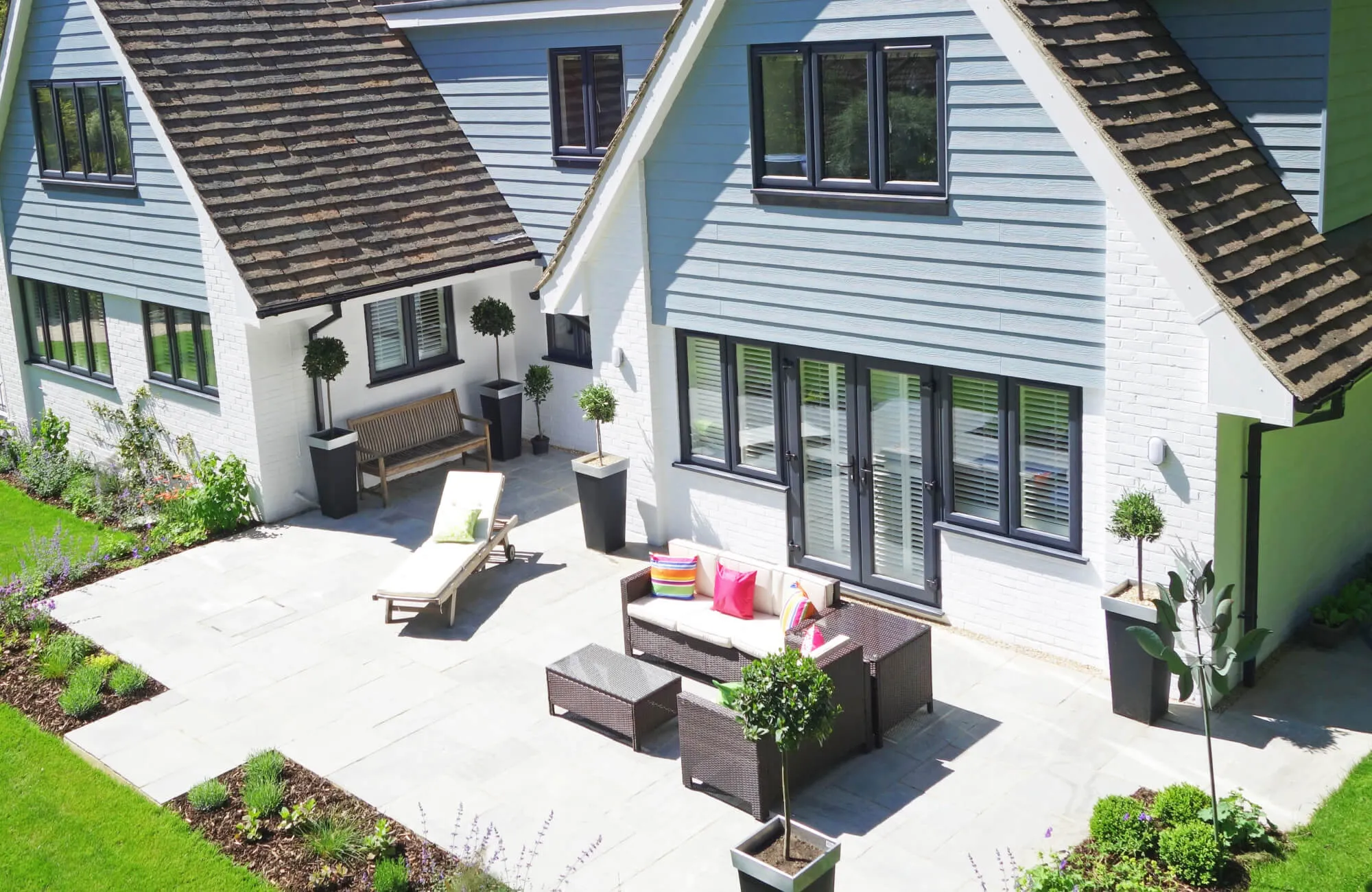
Choosing the best outdoor tile for patios and balconies requires understanding more than aesthetics—it demands knowledge of material performance, slip resistance, weather durability, and structural considerations specific to exterior installations. Outdoor environments expose tiles to UV radiation, thermal expansion, moisture penetration, and freeze–thaw cycles, making proper product selection essential for long-term performance.
This article explores the top outdoor tile types, evaluates their durability, and explains the engineering principles that influence their behavior. It also addresses substrate requirements and installation best practices to help homeowners and professionals achieve structurally sound and visually cohesive results. By the end, you will have a comprehensive understanding of which outdoor tiles perform best and why.
Key Performance Factors That Determine Outdoor Tile Quality
Choosing the best outdoor tile for patios and balconies begins with understanding how structural behavior, moisture resistance, and environmental stability shape long-term performance. These technical foundations create a measurable framework that helps designers and homeowners select materials that thrive under persistent outdoor stress.
Porosity and Water Absorption
Low water absorption becomes an essential advantage in exterior environments because even minimal moisture intrusion can magnify internal stress during freeze–thaw events. As tiles with dense, compacted clay bodies resist this infiltration, they maintain dimensional accuracy that supports a stable bond with the substrate. This density also minimizes efflorescence, allowing surfaces to remain clean and visually consistent even in climates with high humidity. Since patios and balconies experience constant exposure to rain, condensation, and water runoff, low-porosity tiles deliver greater resilience against long-term degradation. Their resistance to moisture movement reduces internal weakening, enabling installations to remain structurally sound over many seasons. When these attributes work in unison, low-absorption tiles provide dependable performance that aligns with the demands of modern exterior construction.
Slip Resistance and Surface Micro-Texture
Slip resistance plays a pivotal role in outdoor environments, where moisture from rain or irrigation regularly settles across walking surfaces. With this, textured or micro-structured finishes help maintain reliable traction by creating subtle ridges that interrupt water flow, reducing the likelihood of hydroplaning. These engineered textures also distribute pressure evenly underfoot, ensuring stability without adding visual heaviness to the design. As weather conditions change throughout the day, the consistent friction provided by these surfaces helps preserve safety on both patios and compact balconies. Their performance remains stable even as outdoor temperatures swing, preventing surface finishes from becoming slick due to condensation or morning dew. With this enhanced reliability, slip-resistant tiles foster safer, more comfortable exterior living spaces.
Thermal Expansion Stability
Outdoor tiles encounter continuous thermal movement, making low expansion rates crucial for maintaining flatness and preventing surface tenting. When materials absorb heat at predictable rates, they avoid the dimensional distortion that often leads to bond failure. This stability allows installations to transition smoothly through temperature extremes, particularly on sun-exposed patios and rooftop balconies. As mineral compositions with controlled expansion respond more gently to shifting conditions, they also prevent internal stresses from accumulating within the assembly. This controlled behavior protects grout lines, reduces cracking, and supports long-term mechanical integrity. Through reliable thermal performance, tiles maintain a cohesive appearance and durable structure season after season.
UV Resistance and Colorfastness
UV stability ensures outdoor tiles retain their intended coloration despite long-term exposure to direct sunlight. Mineral-based pigments and high-temperature glazes help surfaces maintain visual clarity, resisting the fading or chalking typically associated with UV degradation. When tiles preserve their aesthetic consistency, patios and balconies remain cohesive and visually polished throughout changing seasons. This colorfastness also protects design accuracy, preventing uneven discoloration that can interrupt the overall composition of an exterior setting. Because many balconies receive unfiltered sunlight for extended periods, UV-stable materials become essential for preserving long-term appeal. With these protections in place, outdoor tile installations achieve both functional and aesthetic longevity.
Porcelain Tile
Porcelain tile remains a leading choice for outdoor installations due to its vitrified structure, low absorption rate, and strong mechanical stability. These engineered characteristics allow porcelain to maintain performance across diverse climates while supporting a broad range of design aesthetics.
Benefits of Outdoor-Rated Porcelain
Outdoor porcelain achieves remarkable density through high-temperature firing, which results in extremely low porosity capable of withstanding severe weather exposure. This structural density enhances resistance to cracking, surface wear, and long-term moisture intrusion, allowing porcelain to maintain reliable performance across diverse outdoor environments. Because it preserves flatness and dimensional accuracy, porcelain also pairs well with installation methods requiring precision, especially in spaces where consistency prevents trip hazards and surface irregularities.
Through-body or color-body compositions further support longevity by minimizing the visibility of chips or abrasion in busy zones. As design expectations have grown, outdoor-rated porcelain has evolved to include specialty finishes, textures, and pattern-driven formats that extend creative flexibility without sacrificing durability. This expansion is clearly reflected in options like Edward Martin’s Palmer 12x12 Checkerboard Raw Porcelain Tile in White and Grey, which combines a classic checkerboard aesthetic with a raw, grip-textured surface—offering the timeless visual impact of patterned stone while maintaining the slip resistance, weatherproof structure, and low maintenance expected from premium outdoor porcelain.
2-cm Porcelain Pavers
Two-centimeter porcelain pavers offer significant structural advantages, as their increased thickness enhances load-bearing capacity across both traditional and pedestal installations. This added mass improves impact resistance, supporting outdoor spaces furnished with planters, dining sets, and heavier architectural elements. Their engineered strength also distributes pressure evenly, allowing patios and elevated balcony systems to maintain stability even under fluctuating environmental stresses.
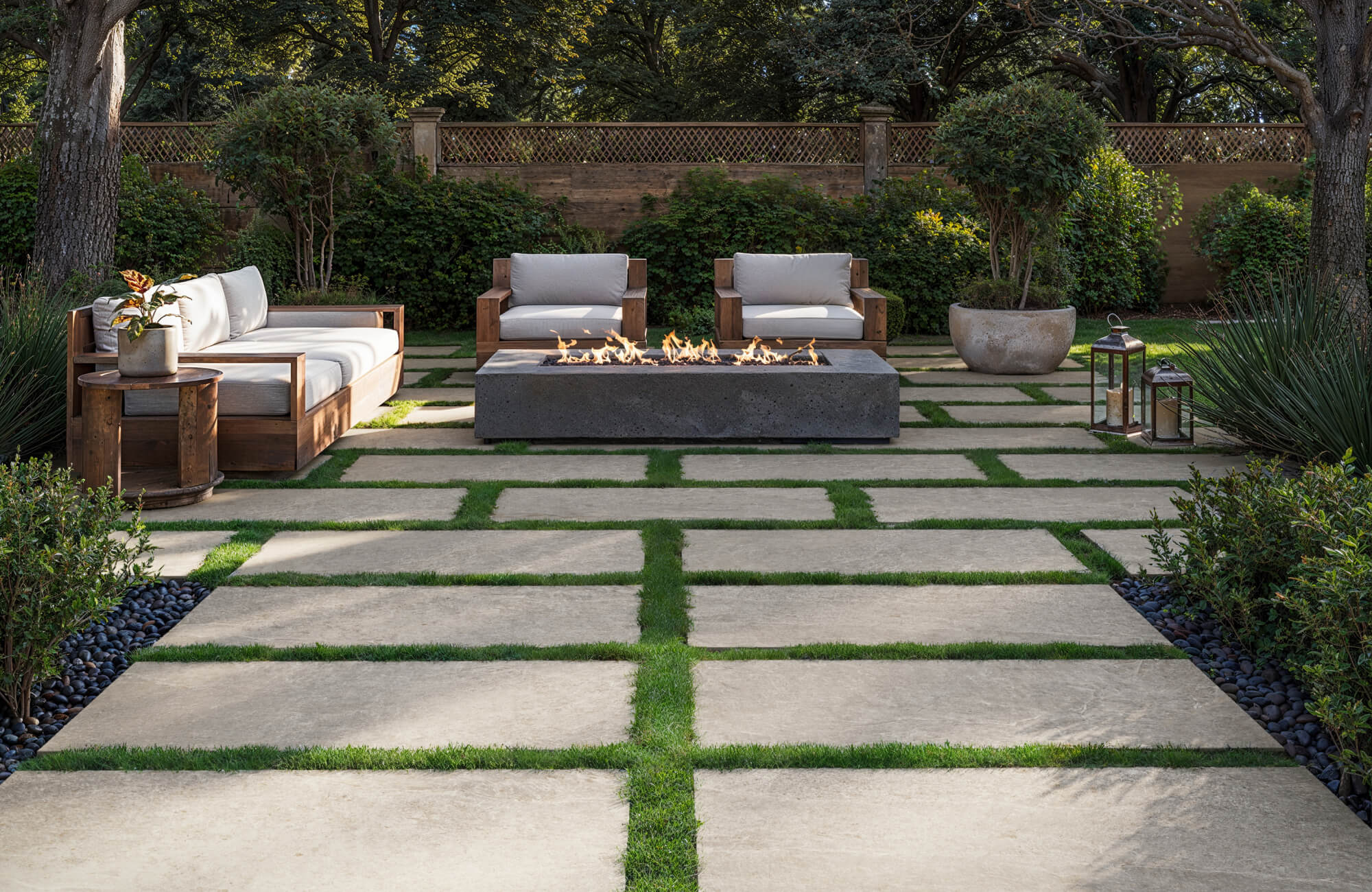
The larger formats available in this category, particularly elongated sizes, enable designers to create expansive, uninterrupted surfaces that reinforce visual continuity. This is reflected in the photo displayed above featuring the Ramsey 24x48 Grip Porcelain 2cm Paver Tile in Putty, whose extended dimensions and slip-resistant grip finish deliver a sleek, contemporary look while ensuring dependable traction in wet or exposed conditions. With its combination of scale, strength, and refined stone-inspired design, this Ramsey tile exemplifies how modern 2-cm pavers elevate both performance and aesthetics in exterior applications.
Slip-Resistant Outdoor Porcelain Finishes
Porcelain tiles developed with R11 or R12 slip-resistant finishes help maintain secure footing even when surfaces are wet, making them particularly valuable in climates with frequent rainfall. These specialized finishes incorporate micro-textures that channel water away from contact points, preserving traction without compromising surface refinement. Their engineered grip also remains consistent through seasonal changes, ensuring dependable performance throughout the year. As the texturing is integrated during manufacturing, the finish resists wear and maintains safety over long-term use. This capability supports both aesthetic flexibility and reliable function, allowing outdoor spaces to remain welcoming and practical. By combining safety with durability, slip-resistant porcelain enhances usability across patios, balconies, and transitional exterior areas.
Natural Stone
Natural stone introduces organic variation, mineral richness, and timeless beauty into outdoor spaces. Its performance, however, depends on selecting suitable stone types and supporting them with proper environmental management.
Slate for Textured Outdoor Surfaces
Slate’s naturally cleft texture creates inherent slip resistance, making it particularly effective in damp or shaded patio environments. Its stratified formation produces layered color movement that adds depth and authenticity to exterior designs. Though slate withstands moderate temperature swings, its longevity also improves significantly when sealed to protect against moisture migration. As weather cycles introduce expansion and contraction, sealed slate resists surface flaking that can weaken its structural cohesion. With proper installation techniques, slate maintains both durability and aesthetic expression even in demanding climates. Through this interplay of texture, density, and maintenance, slate remains a compelling choice for exterior flooring.
Granite for High-Density Weather Performance
Granite’s crystalline structure offers exceptional hardness, enabling it to withstand intense weather exposure and heavy foot movement. Its naturally low porosity limits moisture infiltration, making it highly resistant to freeze–thaw cycles common in colder regions. Because granite maintains surface integrity under pressure, it also remains steady and reliable in both residential and commercial outdoor settings. UV resistance further preserves its coloration, preventing the subtle fading that affects less dense stones. Although granite’s weight requires a solid substrate, proper engineering ensures stable installation without compromising design goals. For those seeking high-end aesthetics paired with unmatched strength, granite delivers reliable performance across diverse outdoor applications.
Travertine and Limestone Considerations
Travertine offers thermal comfort underfoot due to its natural heat-reflective qualities, making it well-suited for sun-exposed patios and poolside decks. Its soft tonal variations blend effortlessly with Mediterranean, coastal, or modern architectural styles. Because its open pores can absorb moisture, filling and sealing these voids helps maintain structural integrity in wetter climates. Limestone, on the other hand, while visually similar in warmth, varies more widely in density, making climate-appropriate selection essential for stable long-term performance outdoors.
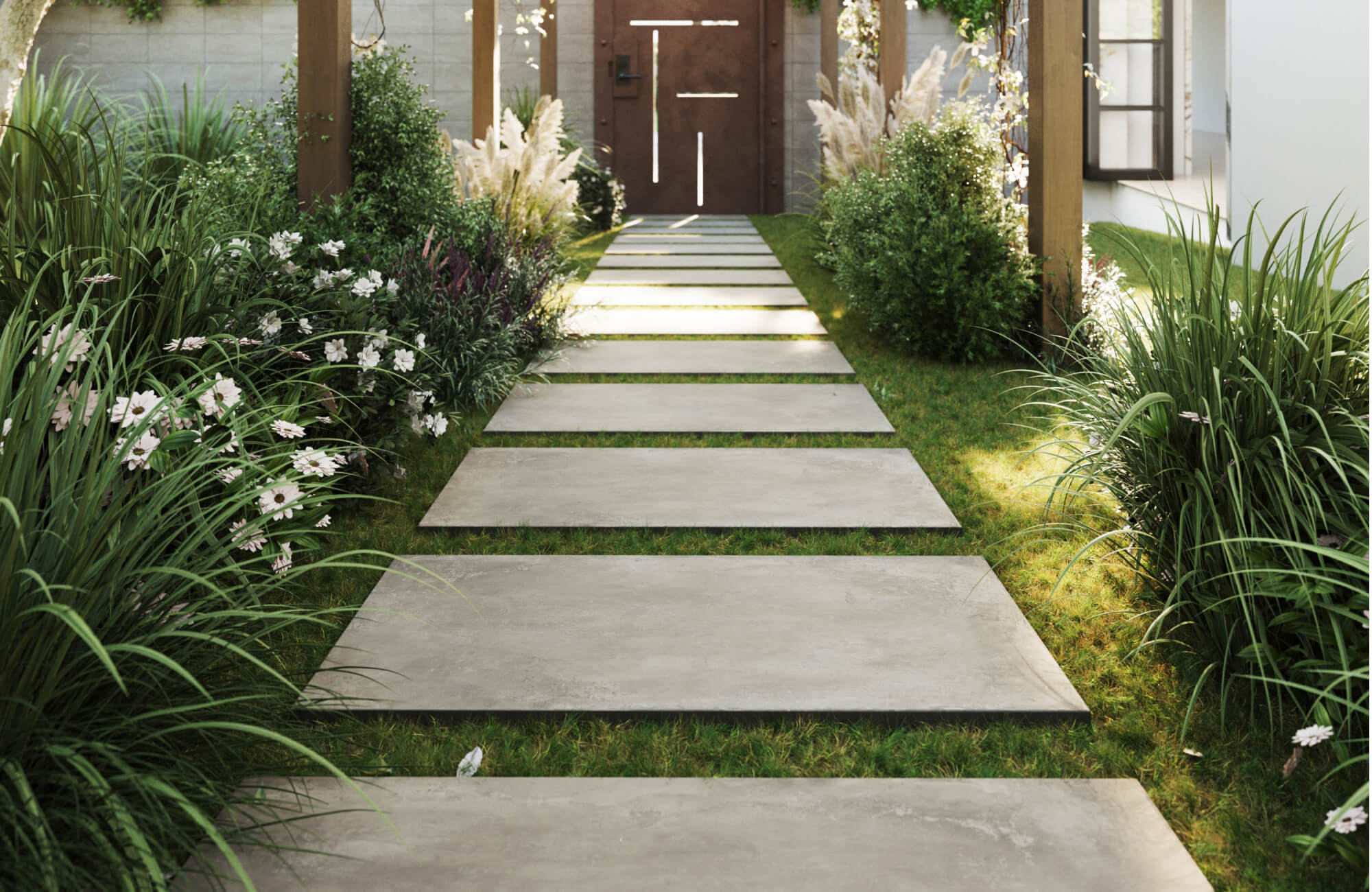
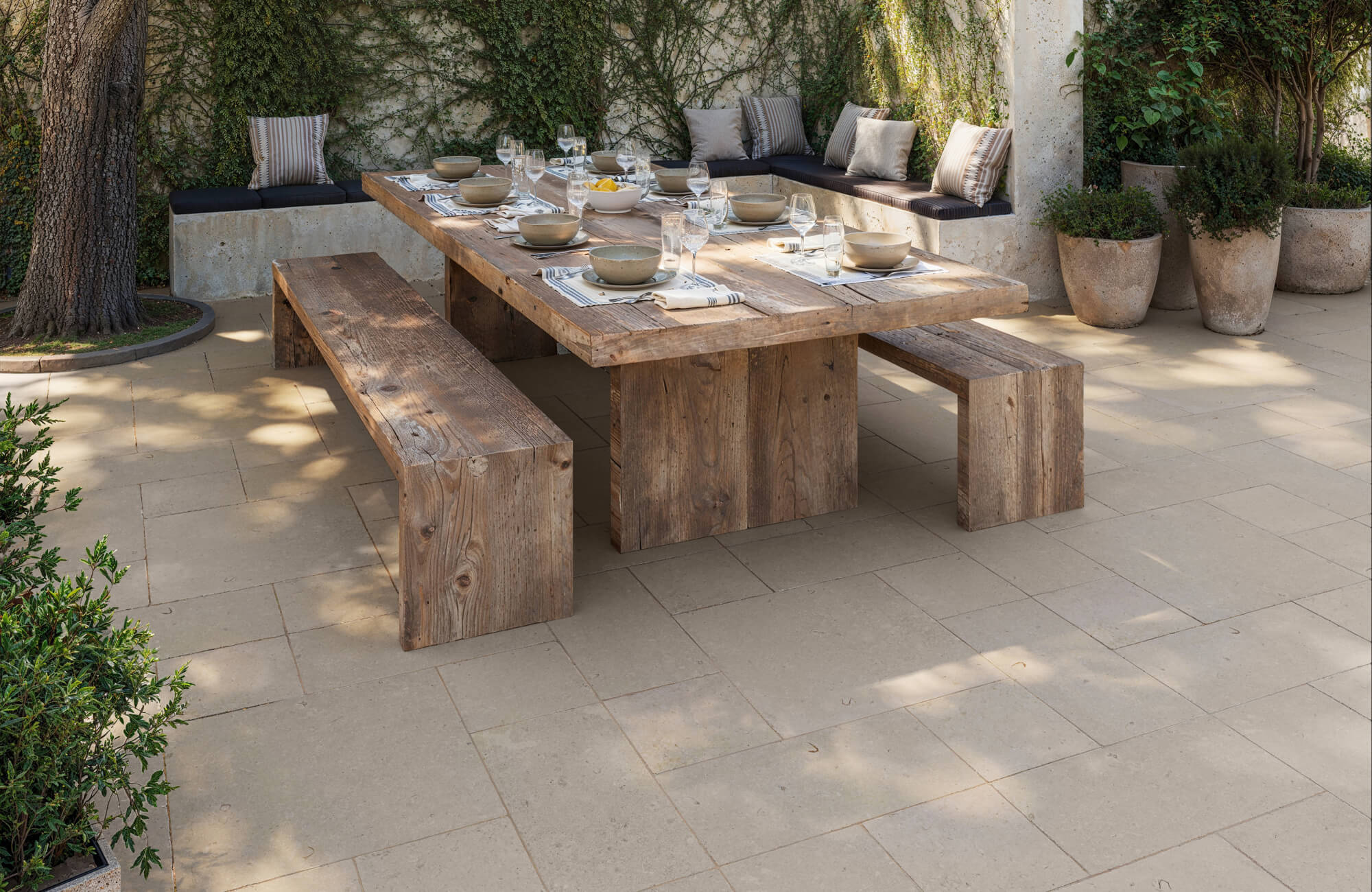
For homeowners seeking the look of limestone with greater durability, stone look porcelain alternatives provide a compelling solution that mimics mineral movement while eliminating porosity concerns. This is where options like the Wren 24x24 Grip Porcelain 2cm Paver Tile in Dune (shown in the picture above) excel, offering the nuanced color gradients of natural stone with the weatherproof strength, slip-resistant grip finish, and low-maintenance benefits of a fully outdoor-rated porcelain paver.
Composite, Hybrid, and Structural Tile Systems
Advances in engineered materials have expanded outdoor flooring options, offering solutions tailored to lightweight construction, waterproofing requirements, and design flexibility. These systems provide alternatives for balconies and rooftop terraces where traditional tile may require additional structural support.
Composite Wood–Plastic Deck Tiles
Composite deck tiles blend polymer stability with wood-inspired textures, offering a surface that resists fading, moisture absorption, and biological decay. Their interlocking bases streamline installation by eliminating the need for adhesives or complex preparation, making them well-suited for retrofits or temporary layouts. As their synthetic composition prevents warping or splintering, these tiles also remain dimensionally consistent across seasonal temperature swings. UV-stable pigments protect surface coloration, allowing the decking to retain visual clarity over extended use. Because composite tiles are significantly lighter than stone or porcelain, they exert less stress on elevated balcony structures. Through these combined advantages, composite wood-plastic tiles offer a low-maintenance alternative for modern outdoor living spaces.
Pedestal-Mounted Outdoor Tile Systems
Pedestal systems elevate tiles above the waterproofing membrane, encouraging efficient drainage and minimizing hydrostatic pressure on exterior structures. Their adjustable components level uneven substrates, creating a precise plane without extensive surface reconstruction. By leaving a concealed cavity beneath the tiles, pedestal systems allow airflow that helps regulate moisture and temperature. This hidden space also accommodates plumbing, electrical lines, and drainage channels, simplifying long-term maintenance. Because the tiles rest unbonded on the pedestals, individual pieces can be replaced or repositioned without disturbing the entire assembly. As a result, pedestal systems provide a flexible and highly adaptable solution for rooftop decks and multi-level exterior environments.
Dry-Laid Structural Concrete Pavers on Compacted Aggregate Base
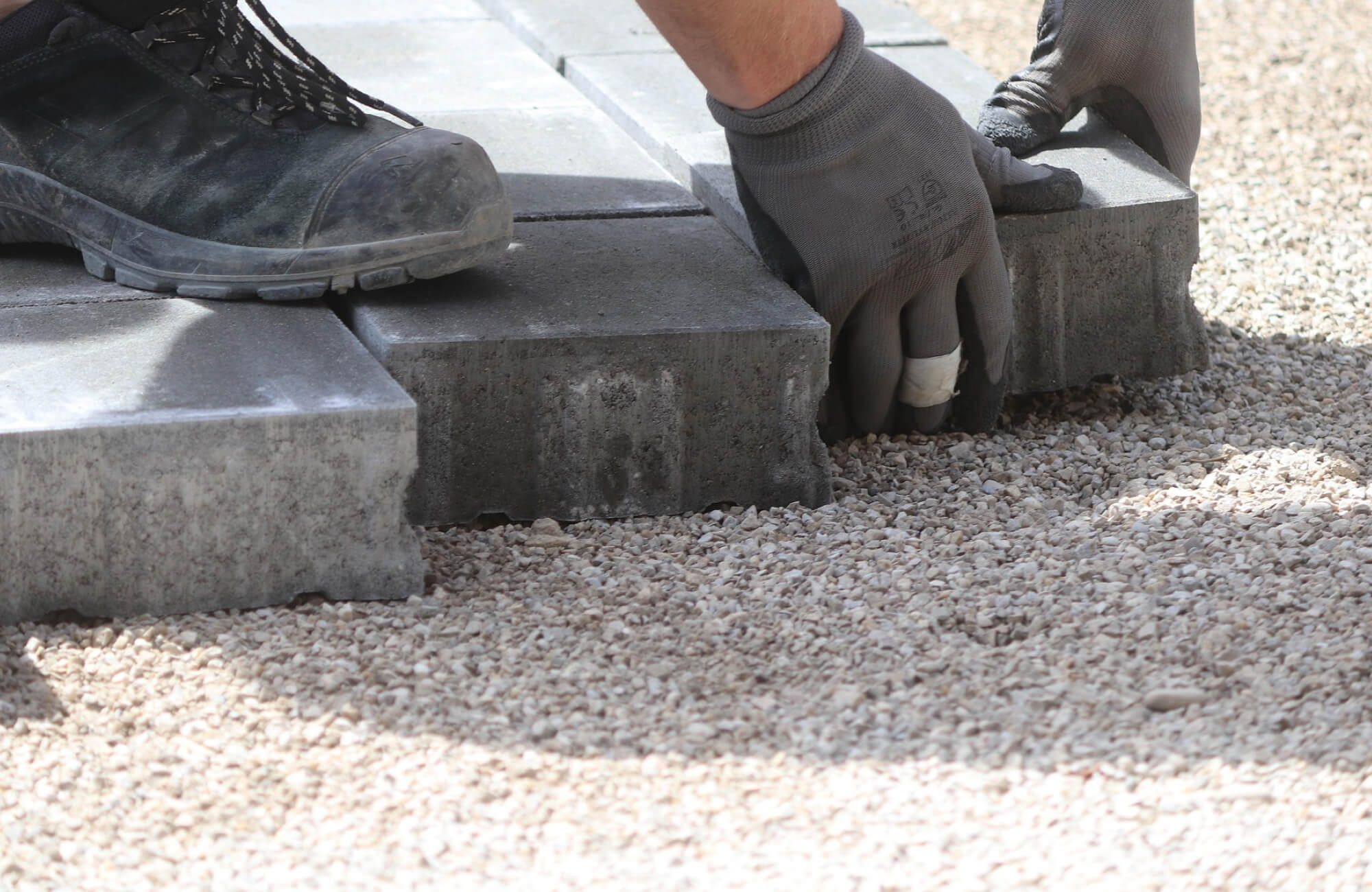
Dry-laid structural concrete pavers create a stable exterior surface by resting on a compacted aggregate base rather than being bonded with mortar, allowing the system to flex naturally with seasonal movement. As each paver interlocks through weight and edge contact, the assembly also disperses load efficiently, supporting heavy foot movement without transferring stress to the substrate. The granular base beneath the pavers enhances drainage, preventing hydrostatic pressure from building up and reducing the risk of freeze–thaw damage.
Because the system remains modular, damaged units can be lifted and replaced without disturbing the surrounding surface, making long-term maintenance more efficient. This installation method also adapts well to patios, garden pathways, and modern outdoor living spaces where permeability and ease of repair are priorities. When executed with proper compaction and leveling, dry-laid structural pavers deliver long-lasting performance while offering the clean, architectural look of engineered concrete tiles.
Installation Practices That Ensure Long-Term Outdoor Tile Performance
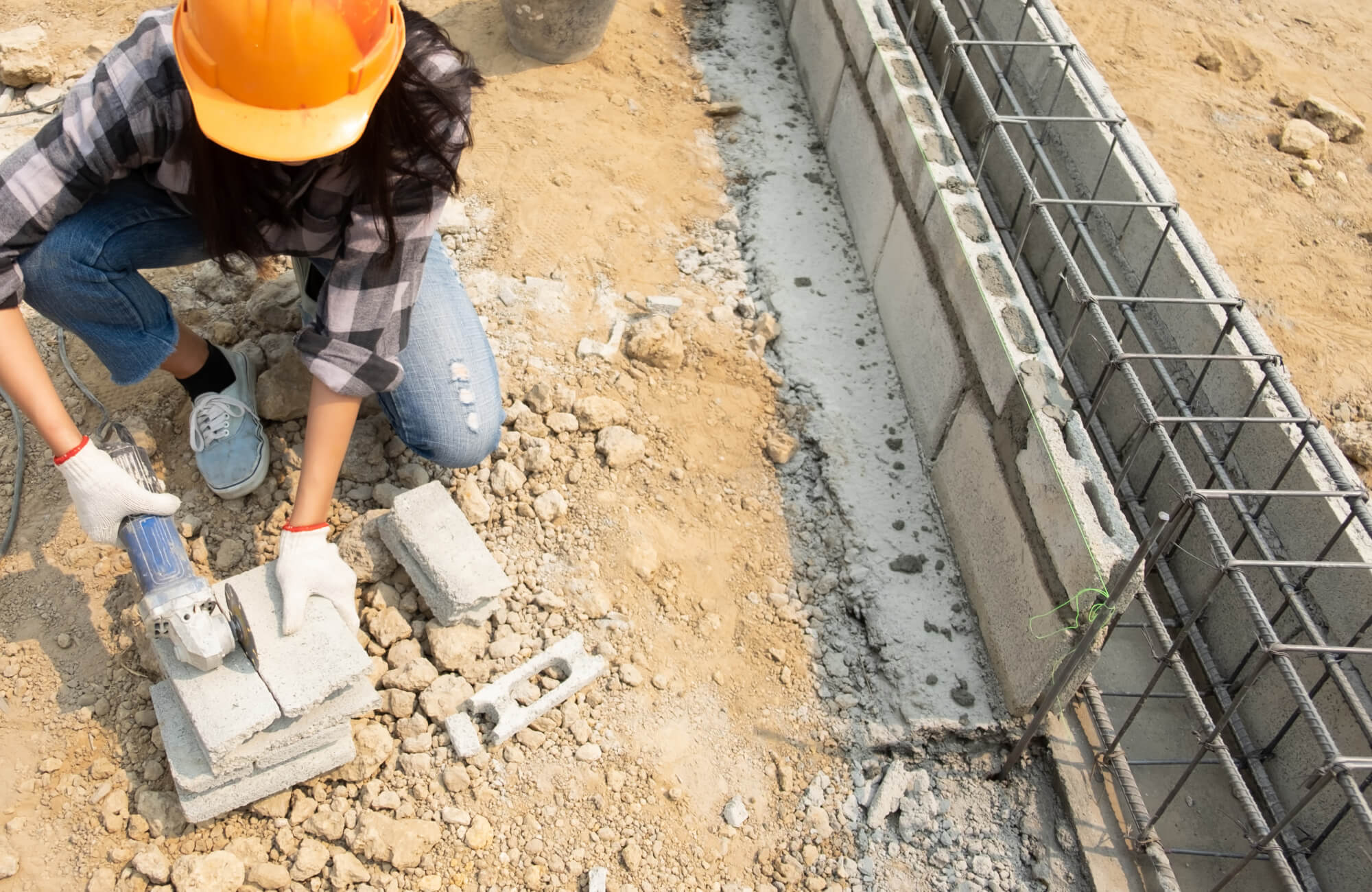
Reliable installation practices help outdoor tiles resist environmental stress, structural movement, and moisture exposure. These methods ensure the system performs cohesively, preserving both safety and visual quality over time. For best results, professional installation is recommended to ensure proper preparation, alignment, and long-term durability.
Substrate Preparation and Drainage Slope
Outdoor surfaces require a consistent slope, typically between 1.5% and 2%, to guide water away from the building envelope and prevent pooling. This directional flow reduces hydrostatic pressure that could otherwise undermine the tile assembly. A properly prepared substrate also minimizes deflection, helping maintain consistent mortar contact and reducing stress concentration. In addition, leveling irregular surfaces ensures uniform support, preventing hollow spots that weaken the installation. Waterproofing membranes further safeguard structural components by blocking moisture infiltration where it poses the greatest risk. When these elements are integrated effectively, the foundation supports a durable and environmentally resilient outdoor tile system.
Exterior-Rated Mortars and Grouts
Polymer-modified mortars enhance flexibility, allowing tile assemblies to withstand thermal expansion and contraction without compromising the bond. Their improved adhesion ensures tiles remain firmly attached even under severe environmental shifts. High-performance grouts also offer lower absorption rates, helping prevent moisture intrusion that could lead to staining or biological growth. Moreover, epoxy formulations add chemical resistance and increased density, which supports cleanability and long-term visual clarity. UV-stable pigments further maintain grout color consistency, preventing uneven fading across sun-exposed patios and balconies. Together, these materials reinforce the assembly, ensuring outdoor tiles remain secure and visually cohesive.
Movement Joints and Crack Isolation
Movement joints allow tile assemblies to respond naturally to temperature changes and substrate movement, preventing stress from accumulating beneath the surface. These joints follow established guidelines that ensure spacing and placement support predictable expansion patterns. Crack isolation membranes also bridge minor substrate fractures, dispersing tension before it reaches the tile layer. Their flexible composition accommodates micro-movements, protecting grout lines and preventing surface cracks. As exterior conditions intensify, these protective layers safeguard the system’s structural coherence. When integrated properly, movement joints and isolation membranes significantly extend the lifespan of any outdoor tile installation.
To support this, Edward Martin offers an advanced Augmented Reality (AR) visualization tool that allows you to preview tiles directly within their outdoor spaces using real-time overlays. This digital capability helps evaluate scale, pattern flow, texture, and color interplay under natural lighting conditions, making material selection more precise.
Selecting Outdoor Tile Materials That Deliver Lasting Value
Choosing outdoor tile for patios and balconies ultimately depends on balancing climate resilience, structural stability, and design goals. Porcelain remains a dominant choice due to its low absorption, high strength, and broad aesthetic range, while natural stone appeals to those seeking organic variation grounded in timeless elegance. Composite and pedestal-based systems also expand possibilities for lightweight structures and rooftop installations, offering flexibility that traditional materials cannot achieve alone. When selection and installation work together, outdoor tile surfaces achieve long-term performance, visual continuity, and added property value.
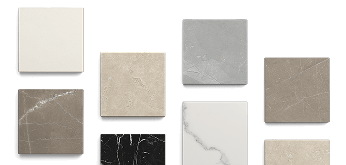
To support confident decision-making, Edward Martin’s 4” x 4” tile samples allow you to evaluate color, texture, and finish accuracy directly in your outdoor environment, helping you select materials that truly align with your functional needs and design vision!
Follow us on Instagram
@EDWARD.MARTIN
)
)
)
)
)
)
)
)
)
)
)
)
)
)
)
)