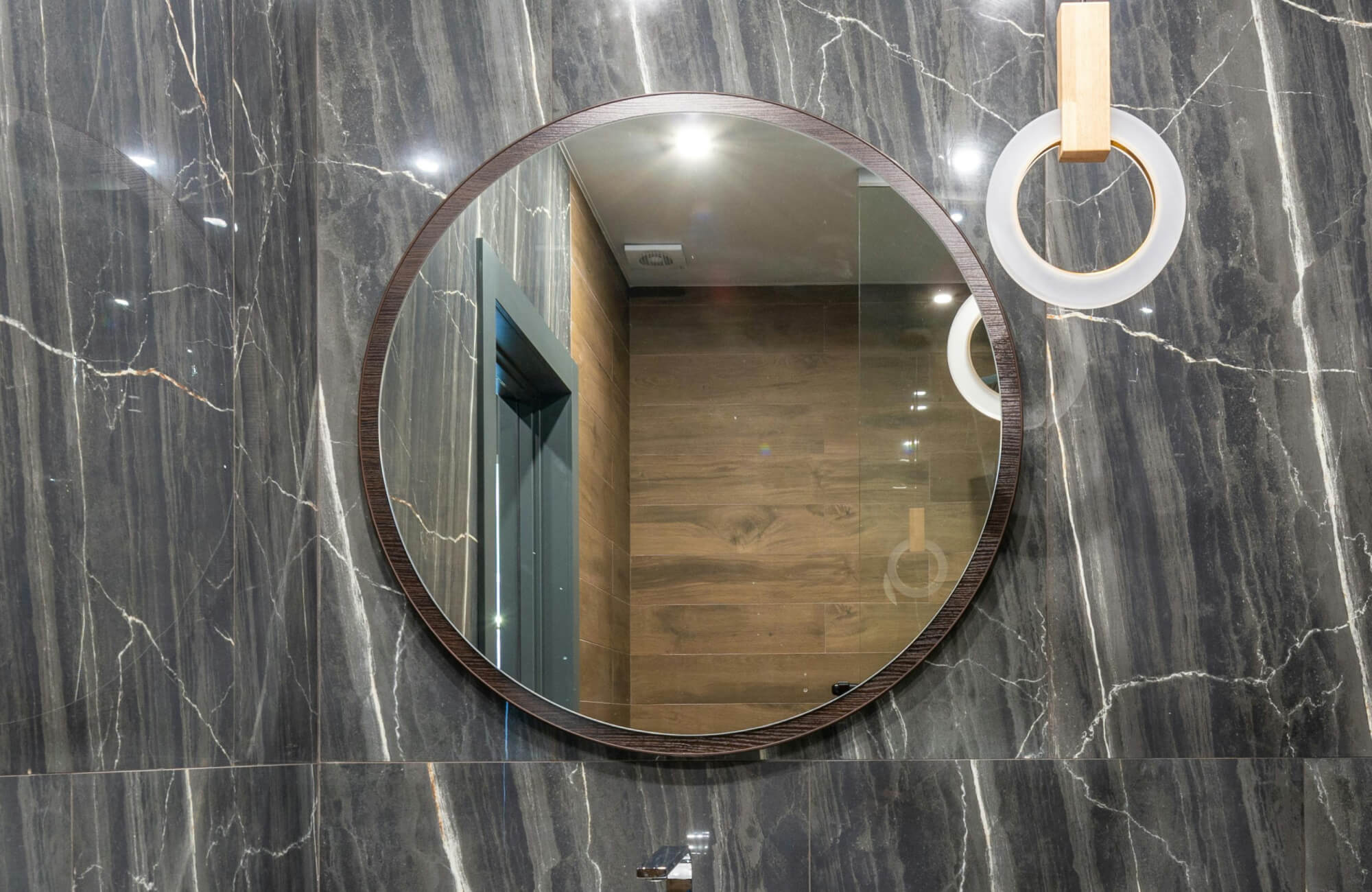
Lighting plays a bigger role in garages and workshops than most people realize. The right setup not only improves visibility but also makes every task, from detailed repairs to general maintenance, easier and safer to perform. With so many fixture types, brightness levels, and layouts to choose from, finding the perfect balance of function and efficiency can feel overwhelming. In this guide, we’ll break down everything you need to know about garage and workshop lighting to help you create a workspace that’s bright, productive, and built for long-term performance.

The Importance Of Proper Garage And Workshop Lighting
Good lighting plays a vital role in any workspace, especially in garages and workshops where precision and safety are essential. A well-lit environment allows you to see details clearly, whether you’re repairing machinery, organizing tools, or performing fine mechanical work. Proper illumination minimizes shadows that can obscure your vision and helps prevent mistakes that often occur under dim or uneven light. It also reduces eye strain, allowing you to focus for longer periods without discomfort. When lighting is thoughtfully planned, it contributes to a workspace that feels more efficient, productive, and comfortable.
However, when lighting is poor, the effects on accuracy and safety become immediately noticeable. Dim or flickering lights make it harder to distinguish objects or small parts, increasing the risk of accidents or errors during detailed tasks. Inadequate brightness can also create glare or harsh contrasts that tire the eyes over time. These conditions often lead to fatigue, headaches, or decreased concentration, especially during long working hours. By ensuring even and consistent lighting, you create a safer workspace where every task can be performed with confidence and precision.
Beyond safety, good lighting design also supports comfort and usability, helping you enjoy the time spent in your workspace. The best setups balance functionality with a pleasant visual atmosphere, using tones and placement that suit both focused and general activities. Warm-white or neutral-white light, for example, creates a natural glow that’s easy on the eyes while still bright enough for detailed work. When lighting feels comfortable as well as practical, it transforms a garage or workshop into a productive and enjoyable environment.

Key Factors To Consider When Choosing Lighting
Choosing the right lighting for a garage or workshop goes beyond picking bright bulbs. It involves understanding how brightness, color tone, placement, and task requirements work together to create a balanced and functional space.
Brightness And Coverage Needs
Brightness determines how well you can see and move around your workspace, especially in areas where precision matters. The goal is to have even coverage that eliminates dark spots without producing glare or harsh reflections. A well-distributed lighting setup makes tools, work surfaces, and corners clearly visible from any angle. It’s also helpful to assess how much natural light enters the space during the day, as it can influence the amount of artificial light needed. Balancing overall illumination with focused brightness ensures both visibility and comfort during any type of work.
The Role Of Color Temperature
Color temperature affects how light appears to the eye and how it influences the overall feel of your workspace. Cooler light, measured in higher Kelvin values, tends to be crisp and energizing, making it suitable for mechanical or detail-oriented work. Warmer tones, on the other hand, create a more relaxed and inviting environment for general use. Selecting the right color temperature helps reduce eye strain while maintaining focus during long hours. A neutral-white light often works best for workshops since it strikes a balance between clarity and comfort.
Ceiling Height And Fixture Placement
The height of your ceiling plays a significant role in determining how light is distributed across the room. Taller ceilings may require brighter or more directional fixtures to ensure adequate illumination at the work level. Placing lights too close can create glare, while spacing them too far apart can lead to uneven shadows. It’s important to find the right balance through thoughtful fixture placement, especially over workbenches or tool areas. Proper alignment ensures that every part of the garage or workshop is consistently and efficiently lit.
Matching Lighting To Your Tasks
Different tasks call for different lighting intensities and directions. For instance, vehicle repairs or woodworking projects benefit from bright, concentrated task lighting, while storage areas may only need softer ambient light. Adjustable or layered lighting gives flexibility for various activities throughout the day. It’s also practical to consider how often you switch between tasks, so your setup remains functional and energy-efficient. Matching your lighting style to your specific work needs creates a space that supports both focus and productivity.
As seen above with our Kara Wall Sconce in Aged Brass, adjustable task lighting can be both functional and refined. Its pivoting cylindrical shade and compact form allow precise directional lighting without overwhelming the space. This makes it a perfect example of how thoughtful fixture design can adapt to different needs while maintaining a polished, modern look.

Different Types Of Lighting For Garages And Workshops
Every well-designed garage or workshop uses a mix of lighting types to create a balanced, functional environment. Each category, ambient, task, accent, and portable lighting, serves a unique purpose that contributes to visibility, comfort, and efficiency. Below, we’ll explore how each type works and how combining them can transform your workspace into a bright and practical area.
Ambient Lighting: The Foundation Of Illumination
Ambient lighting provides the overall brightness that fills your garage or workshop. It sets the base level of illumination, ensuring the space feels open and well-lit from wall to wall. Overhead fixtures such as LED panels, fluorescent tubes, or ceiling-mounted shop lights are common sources of ambient lighting. They help eliminate dark corners and give you a clear view of your surroundings, which is essential for safety and organization. When properly installed, ambient lighting creates a consistent, glare-free foundation for all other lighting layers to build upon.
Task Lighting: Focused Light For Precision Work
Task lighting delivers concentrated illumination for specific areas where accuracy and focus are critical. It’s especially useful for workbenches, tool stations, or areas where detailed tasks like wiring or assembly take place. Adjustable LED lamps or under-cabinet strip lights are great options for directing light exactly where you need it. This type of lighting minimizes shadows and highlights small details that general lighting might miss. With well-placed task lighting, every project becomes easier to complete with precision and comfort.
Accent Lighting: Highlighting Details Or Tools
Accent lighting adds depth and dimension to a workspace by emphasizing certain areas or features. While not essential for functionality, it contributes to visual interest and organization. For example, installing strip lights behind shelving or cabinets helps you locate tools faster and gives the workshop a polished, modern appearance. Some homeowners even use accent lighting to showcase collections or equipment displays. When layered effectively with ambient and task lighting, it helps create a workspace that feels both practical and visually appealing.
Portable And Adjustable Lighting Options
Portable lighting is a versatile solution for areas that require flexibility or temporary illumination. Handheld LED lights, magnetic work lamps, and rechargeable floodlights can easily move with you around the garage or under vehicles. These options are especially valuable for tight spaces or projects that change locations frequently. Many portable lights now include adjustable brightness settings to suit different conditions. Having portable lighting available ensures that no matter where you’re working, you always have reliable and adaptable illumination.

Lumens, Wattage, And Efficiency
When selecting lighting for a garage or workshop, understanding lumens, wattage, and energy efficiency can help you choose the right brightness without wasting power. These measurements determine how much light a fixture produces, how much energy it uses, and how efficiently it performs. Knowing the difference ensures your space is bright enough for work while keeping your electricity costs low.
What Lumens Mean For Visibility
Lumens measure the total amount of visible light a fixture produces, directly affecting how well you can see in your workspace. Unlike wattage, which reflects power usage, lumens show actual brightness output. A higher lumen rating means more light, which is important for garages and workshops where tasks require precision. Choosing lighting with sufficient lumens helps reduce shadows and improve visibility across the entire area. In short, lumens define how clearly and comfortably you can see while working.
Comparing Lumens To Wattage
Many people still associate brightness with wattage, but modern lighting, especially LED, has changed that relationship. Wattage measures how much energy a light consumes, not how much brightness it produces. For example, a 10-watt LED can produce as many lumens as a 60-watt incandescent bulb, offering the same illumination with far less energy. This efficiency makes LEDs the preferred choice for garages and workshops that need consistent light for long hours. Understanding this difference helps you evaluate lighting options more accurately and avoid overspending on electricity.
Recommended Lumen Levels For Garages And Workshops
The ideal brightness depends on the size and purpose of your workspace. A small single-car garage typically benefits from around 4,000 to 6,000 lumens, while larger or double garages may need between 8,000 and 10,000 lumens for adequate coverage. Workshops that involve detail-oriented work, such as woodworking or mechanical repair, often perform best at 10,000 to 12,000 lumens. Distributing this light evenly across multiple fixtures helps prevent glare or dark spots. By matching your total lumen output to the space, you can create consistent, efficient lighting for all kinds of projects.
Energy Efficiency And LED Advantages
LED technology has revolutionized energy efficiency by producing more light with less power. LEDs not only consume less electricity but also last significantly longer than traditional bulbs, reducing maintenance and replacement costs. They operate at cooler temperatures, which makes them safer and more stable in enclosed areas like garages. Many LED fixtures also include dimming or motion-sensor features that further conserve energy. By investing in energy-efficient lighting, you save money over time while maintaining a well-lit, eco-friendly workspace.

Best Fixture Options For Garage And Workshop Settings
Choosing the right fixtures for your garage or workshop can make a major difference in brightness, energy efficiency, and overall workspace usability. The right design ensures even illumination across the room, reduces glare, and makes tasks easier to perform. Below, we’ll look at several fixture options that combine durability, function, and convenience for any setup.
Ceiling-Mounted LED Panels And Shop Lights
Ceiling-mounted LED panels and shop lights are ideal for general illumination in garages and workshops. These fixtures offer broad, even light coverage that minimizes shadows, making them perfect for tasks that require consistent visibility. Flush-mount, like our Mendes Flush Mount in Gradient Brass, or recessed LED panels fit seamlessly against the ceiling, while suspended shop lights work well for higher ceilings or larger spaces. Both types are energy-efficient, long-lasting, and easy to install. Their wide-angle diffusion ensures that every corner of your workspace stays well-lit and comfortable for extended use.
Hanging Linear Fixtures For Even Coverage
Hanging linear fixtures, such as our Tomlinson Linear in Aged Old Bronze, are excellent for wide or elongated spaces where light must reach across long work surfaces. They are often installed in rows, providing uniform lighting that reduces dark areas between fixtures. These lights can be suspended over workbenches or vehicle bays, allowing you to direct illumination exactly where it’s needed most. Many modern versions use LED tubes, which deliver high brightness while staying cool to the touch. With proper spacing and alignment, hanging fixtures create consistent lighting that supports both detail work and general activity.
Motion-Sensor And Automatic Lighting Systems
Motion-sensor and automatic lighting systems add convenience and energy savings to any garage or workshop. These fixtures activate when movement is detected, ensuring lights are only on when needed. This feature is especially useful for those who frequently enter with full hands or forget to switch off lights after leaving. Some models combine motion detection with daylight sensors, adjusting brightness based on natural light levels. Incorporating motion-activated ceiling or wall-mounted lights helps maintain efficiency while keeping your space safely illuminated.
Durable Fixtures For Dusty Or Damp Environments
Garages and workshops often face conditions like humidity, dust, and temperature fluctuations, so durable lighting is essential. Fixtures with waterproof or dustproof ratings, such as IP65-rated LED vapor-tight lights, are built to withstand tough environments. Enclosed or gasket-sealed housings protect internal components from dirt and moisture, ensuring reliable performance over time. These rugged fixtures are ideal for garages that double as outdoor workspaces or areas prone to heavy use. Choosing durable lighting not only improves safety but also minimizes maintenance, allowing your setup to perform consistently in any condition.

Maintenance And Long-Term Lighting Performance
Maintaining your lighting system properly ensures that your garage or workshop stays bright, efficient, and safe over time. Regular upkeep prevents performance issues like dimming, flickering, or uneven light distribution that can affect visibility. With consistent care, your lighting setup will not only last longer but also operate more efficiently, saving both time and energy in the long run.
Routine Cleaning And Care For Fixtures
Dust, dirt, and debris can build up on fixtures over time, reducing brightness and creating uneven light output. Wiping down covers, panels, and bulbs with a soft cloth and mild cleaner keeps your lights shining at full strength. It’s best to clean fixtures every few months, especially in dusty or high-activity areas. Make sure to turn off the power before cleaning to avoid electrical hazards. Consistent care maintains optimal illumination and helps extend the overall life of your lighting system.
When To Replace Or Upgrade Bulbs
Even long-lasting bulbs lose efficiency after extended use, so knowing when to replace them is important. If you notice dimming, color shifts, or slow startups, it may be time for new bulbs. Upgrading to modern LED options can also improve brightness and reduce energy consumption compared to older fluorescent or incandescent lights. Keeping spare bulbs on hand ensures minimal downtime when replacements are needed. Timely bulb changes keep your workspace well-lit and functioning at its best.
Checking For Flicker And Energy Waste
Flickering lights can be more than just a distraction—they may indicate wiring problems or failing components. Regularly inspecting fixtures and connections helps identify potential issues early. Replacing faulty ballasts, tightening loose wires, or upgrading outdated systems can restore steady illumination and prevent energy loss. It’s also helpful to monitor your energy bills, as sudden increases might signal inefficiencies in your lighting setup. Addressing these signs promptly keeps your system reliable and cost-effective.
Creating A Brighter, Better Workspace
The best lighting for garages and workshops combines thoughtful design, balanced brightness, and long-term efficiency. When the right fixtures, layouts, and lumen levels come together, your workspace becomes safer, more comfortable, and far more productive. Proper illumination makes every task, from precision repairs to quick cleanups, clearer and easier to complete. By investing in quality lighting and keeping up with regular maintenance, you create a space that supports focus and performance every day.
Ready to transform your workspace with the right lighting plan? Schedule a design consultation to get expert guidance on fixture placement, lumen levels, and layout tailored to your garage or workshop. Our team can help you choose lighting that enhances visibility, improves efficiency, and complements your workflow. With professional planning and high-quality fixtures, you’ll enjoy a well-lit space that feels brighter, safer, and built for the way you work.