
)
)
)
)
)
)
)
)
How Are Mirrors Made?
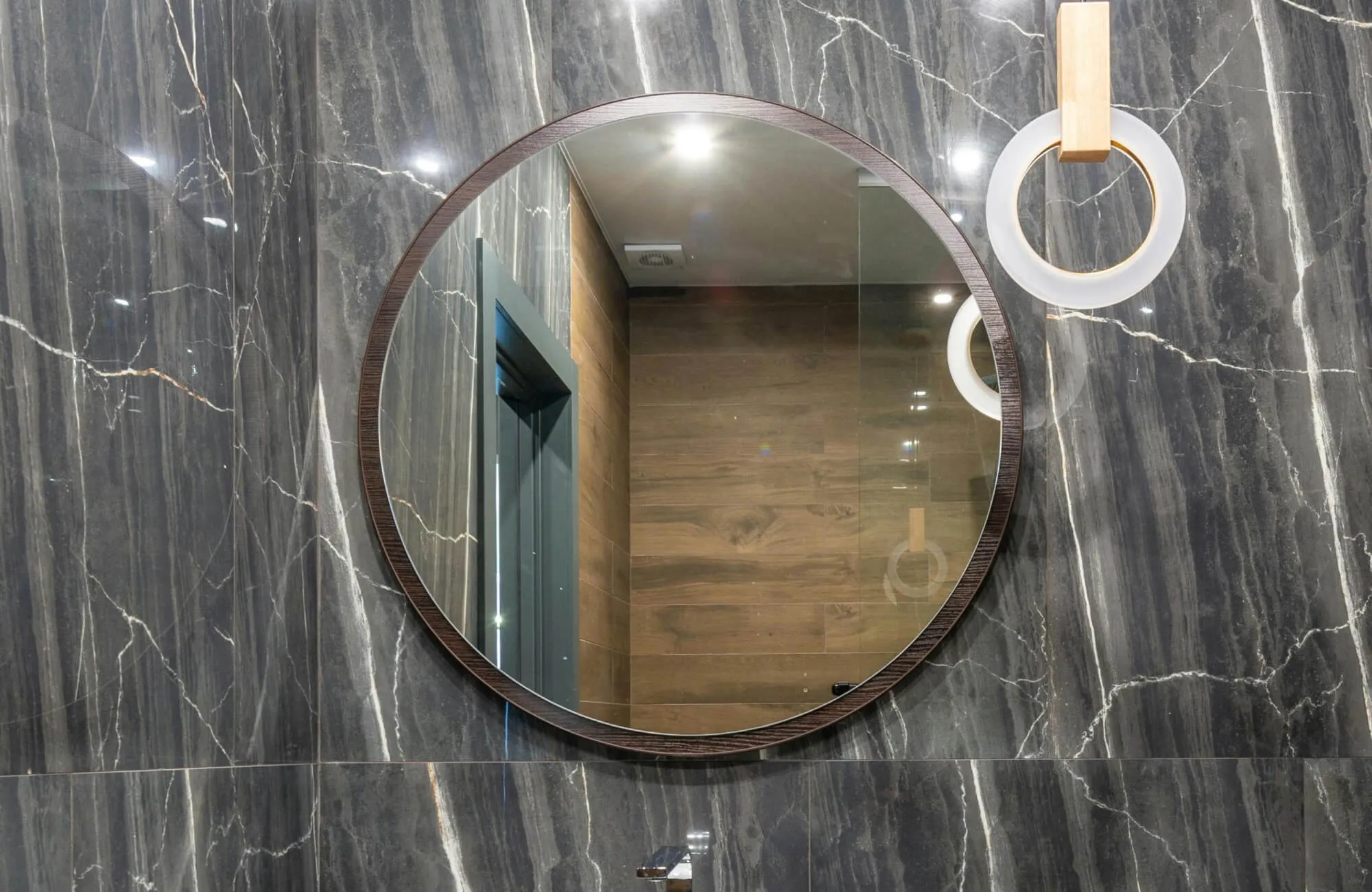
Mirrors have become an everyday essential, yet few people realize the intricate process behind their creation. From the smooth sheet of glass to the reflective coating that brings images to life, every layer plays a crucial role in achieving perfect clarity. In this guide, we’ll explore how mirrors are made from the materials and coatings that define their brilliance to the modern innovations that enhance durability and design.
The Origins And Evolution Of Mirror Making
Long before mirrors became a staple in homes and design, people found their reflections in still water, polished stones, and metals. The art of mirror making has evolved through centuries of curiosity and craftsmanship, blending science and artistry to achieve the clear, reflective surfaces we know today.
Early Forms Of Reflection In Nature
Before tools or technology existed, humans first saw their reflections in calm pools of water, noticing how light interacted with surfaces. This simple discovery sparked curiosity and inspired the earliest attempts to recreate that mirrored image on other materials. Over time, people began polishing volcanic glass, obsidian, and stones to mimic this natural reflection. These early efforts were far from perfect, yet they laid the foundation for humankind’s fascination with self-image and the science of reflection.
Ancient Civilizations And Metal Mirrors
Ancient Egyptians, Greeks, and Romans advanced mirror-making by shaping and polishing bronze, copper, and silver into reflective disks. These early mirrors were treasured items, often small and decorated with ornate designs that reflected wealth and status as much as faces. Though the reflections were dim and slightly distorted, they offered a new level of precision compared to natural reflections. As technology improved, so did the craftsmanship, leading to more refined surfaces and a deeper understanding of how light behaved on metal.
The Venetian Glassmaking Influence
Centuries later, the Venetians revolutionized mirror production by introducing glass as the primary material. Their artisans on the island of Murano developed techniques for producing exceptionally clear glass, which allowed for brighter and more accurate reflections. They also pioneered the process of coating glass with a thin layer of metal, combining clarity with durability. Venetian mirrors soon became luxury items across Europe, symbolizing both artistic mastery and technological progress.
The Shift From Lead To Silvering Techniques
By the 19th century, the shift from lead-based coatings to silver nitrate marked a turning point in mirror manufacturing. This method created a smoother, more consistent reflective surface while reducing the health risks associated with toxic materials. The silvering process also made mirrors more affordable and accessible, no longer limited to the wealthy elite. This innovation shaped the foundation of modern mirror production, setting the stage for further advancements that continue to define mirrors today.
The Core Materials Behind Every Mirror
Every mirror is built from a balance of clarity, reflection, and protection, achieved through a careful combination of materials. From the glass substrate that forms its foundation to the metallic coating and protective backing, each layer plays a specific role in creating the perfect reflection.
The Role Of Glass As A Base Material
Glass serves as the foundation of nearly every modern mirror, chosen for its smooth surface and optical clarity. Its transparency allows the reflective coating to shine through cleanly without distortion, ensuring accurate and consistent reflections. Manufacturers typically use soda-lime glass, which offers strength and affordability while remaining easy to cut into different shapes. Thicker glass also resists warping over time, making it suitable for large wall or full-length mirrors. Without this stable base, even the most advanced coatings wouldn’t achieve their full reflective potential.
Silver, Aluminum, And Other Reflective Coatings
The reflective layer gives a mirror its defining characteristic—the ability to return light and create an image. Silver has long been the traditional material for this purpose, prized for its brightness and purity of reflection. However, aluminum has become a popular alternative, offering comparable clarity with greater resistance to oxidation and lower production costs. Some modern mirrors even use specialized alloys to achieve different tones or reflective effects. The choice of metal determines not only how vividly a mirror reflects but also how long it maintains that clarity.
Protective Paint And Backing Layers
Behind the reflective coating lies a protective layer that shields the metal from moisture, corrosion, and everyday wear. This backing is usually made of durable paint or resin designed to seal and preserve the mirror’s finish. It ensures that humidity or accidental scratches don’t damage the reflective surface underneath. Many manufacturers use multiple coats of protective paint for added resilience, particularly in environments like bathrooms where moisture is common. These hidden layers play a vital role in keeping mirrors looking pristine and functional for years.
Specialty Additives For Modern Mirrors
To meet new performance and design standards, manufacturers now incorporate specialty additives into mirror production. These can include anti-fog treatments, UV-resistant compounds, and nanocoatings that make cleaning easier. Some additives help prevent bacterial buildup in high-moisture areas, while others enhance light reflection for energy-efficient interiors. These advancements show how even small chemical improvements can significantly improve a mirror’s lifespan and usability. As technology evolves, such innovations continue to expand what mirrors can do beyond simple reflection.
The Step-By-Step Mirror Manufacturing Process
Creating a mirror involves a careful sequence of industrial steps that transform plain glass into a flawless reflective surface. Each phase requires precision, from preparing the glass to applying coatings that ensure durability and clarity. Here, we’ll take a closer look at how these steps come together to produce the high-quality mirrors used in homes, buildings, and various industries.
Preparing And Cutting The Glass Sheet
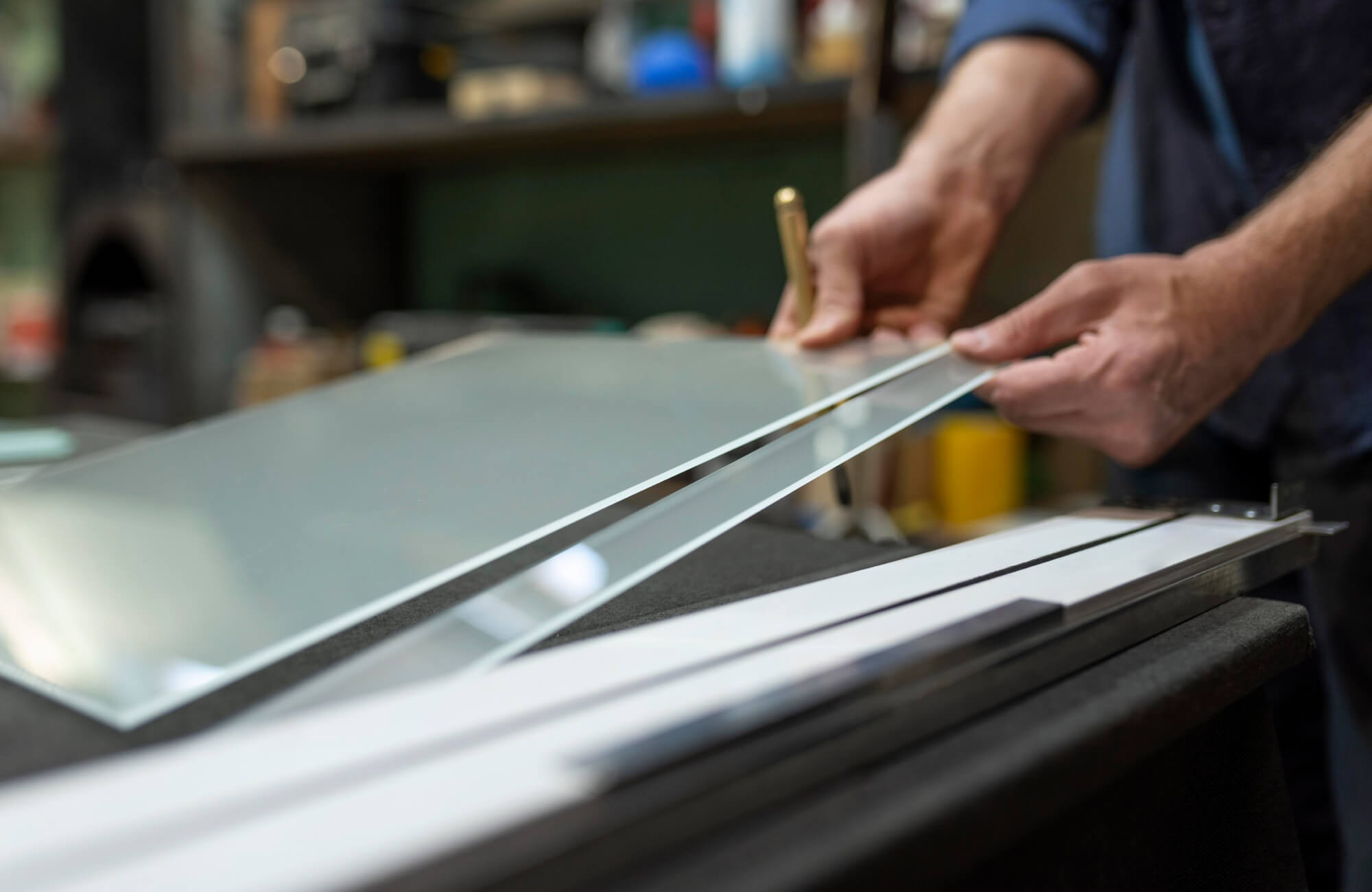
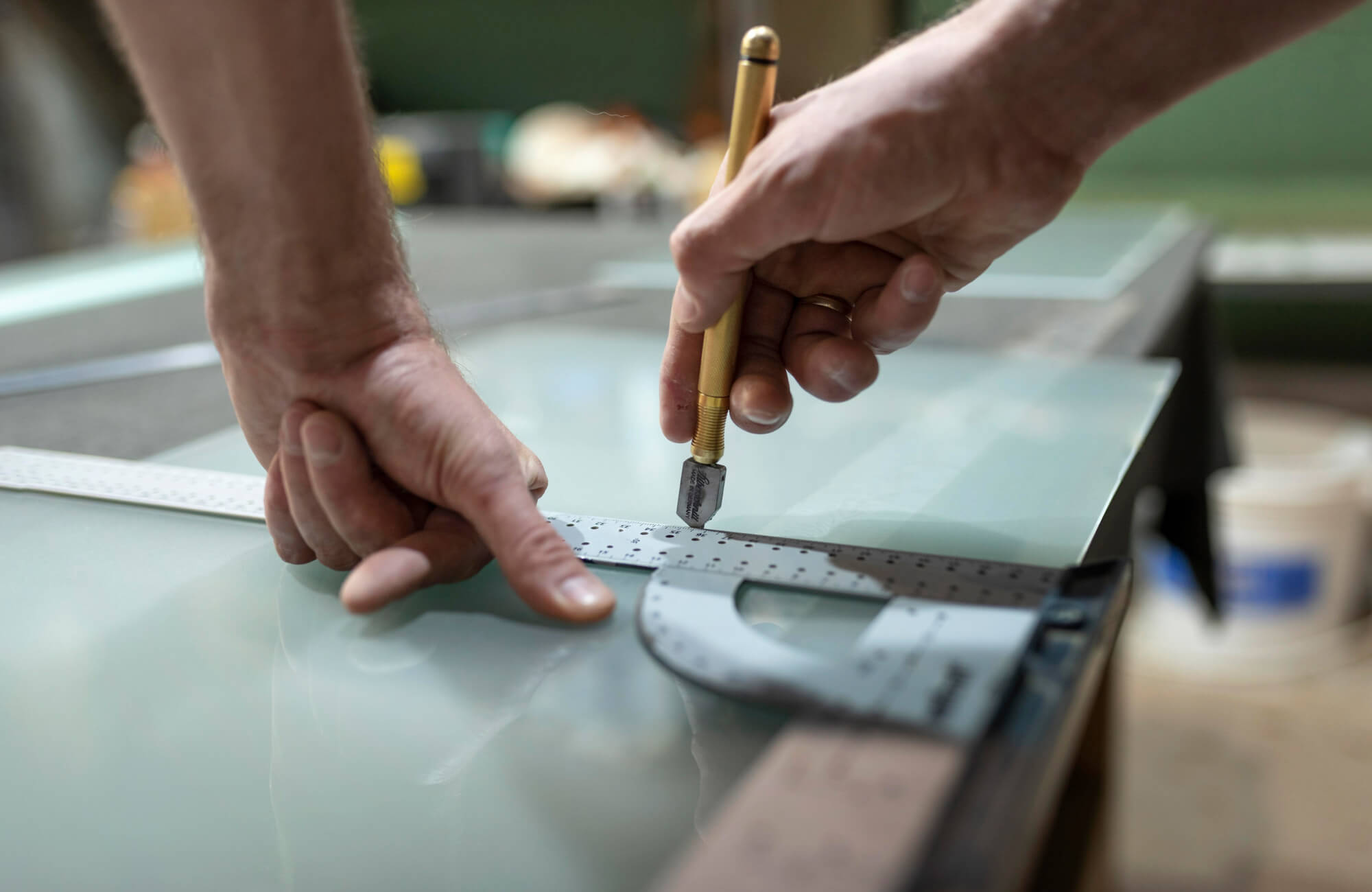
The process begins with selecting high-quality glass sheets that are free from visible defects or bubbles. These sheets are measured and cut into specific sizes according to the intended application, whether for wall mirrors, furniture, or architectural use. Automated cutting machines ensure clean edges and consistent dimensions for large-scale production. Once cut, the glass is carefully handled to prevent chipping or cracking. This step sets the foundation for the entire process, ensuring the mirror starts from a smooth and stable base.
Cleaning And Polishing For Clarity
After cutting, the glass must be thoroughly cleaned to remove dust, grease, or microscopic particles that could affect the coating’s adhesion. Specialized washing systems use deionized water and mild detergents to achieve an ultra-clean surface. Polishing follows, refining the surface to achieve the highest level of smoothness and optical quality. Even a small impurity can cause blemishes or dull reflections, so precision is essential. By the end of this stage, the glass is spotless and ready for coating.
Applying The Reflective Coating (Silvering Or Aluminizing)
Once cleaned, the glass moves to the coating phase, where the reflective layer is applied. This process is known as silvering or aluminizing, depending on whether silver or aluminum is used. In modern facilities, the coating is applied using vacuum chambers or chemical deposition to ensure an even finish. The chosen metal bonds tightly to the glass, forming a smooth reflective surface that defines the mirror’s brightness. The result is a uniform, long-lasting reflection that maintains clarity for years.
Adding Protective Layers And Drying
After the reflective coating is complete, several layers of protective paint or resin are applied to seal the surface. These layers prevent oxidation, corrosion, and damage from handling or moisture exposure. Each coat must dry thoroughly before the next is added to ensure proper adhesion and durability. The drying process is often done in temperature-controlled environments to prevent bubbles or uneven finishes. This careful sealing ensures the mirror retains its reflective quality in a variety of settings.
Final Inspection And Quality Control
Before packaging, every finished mirror undergoes a strict inspection process to ensure it meets quality standards. Technicians check for scratches, coating inconsistencies, and any optical distortions. Advanced imaging systems are also used to detect flaws invisible to the naked eye. If any defects are found, the mirror is either refinished or discarded. This final step guarantees that only mirrors with perfect reflection and surface quality reach the market.
Innovations And Variations In Modern Mirror Production
Modern mirror production combines creativity, science, and sustainability to meet the diverse needs of contemporary spaces. From frameless minimalist designs to smart and energy-efficient features, mirrors have become both decorative and functional.
Evolving Shapes And Contemporary Forms
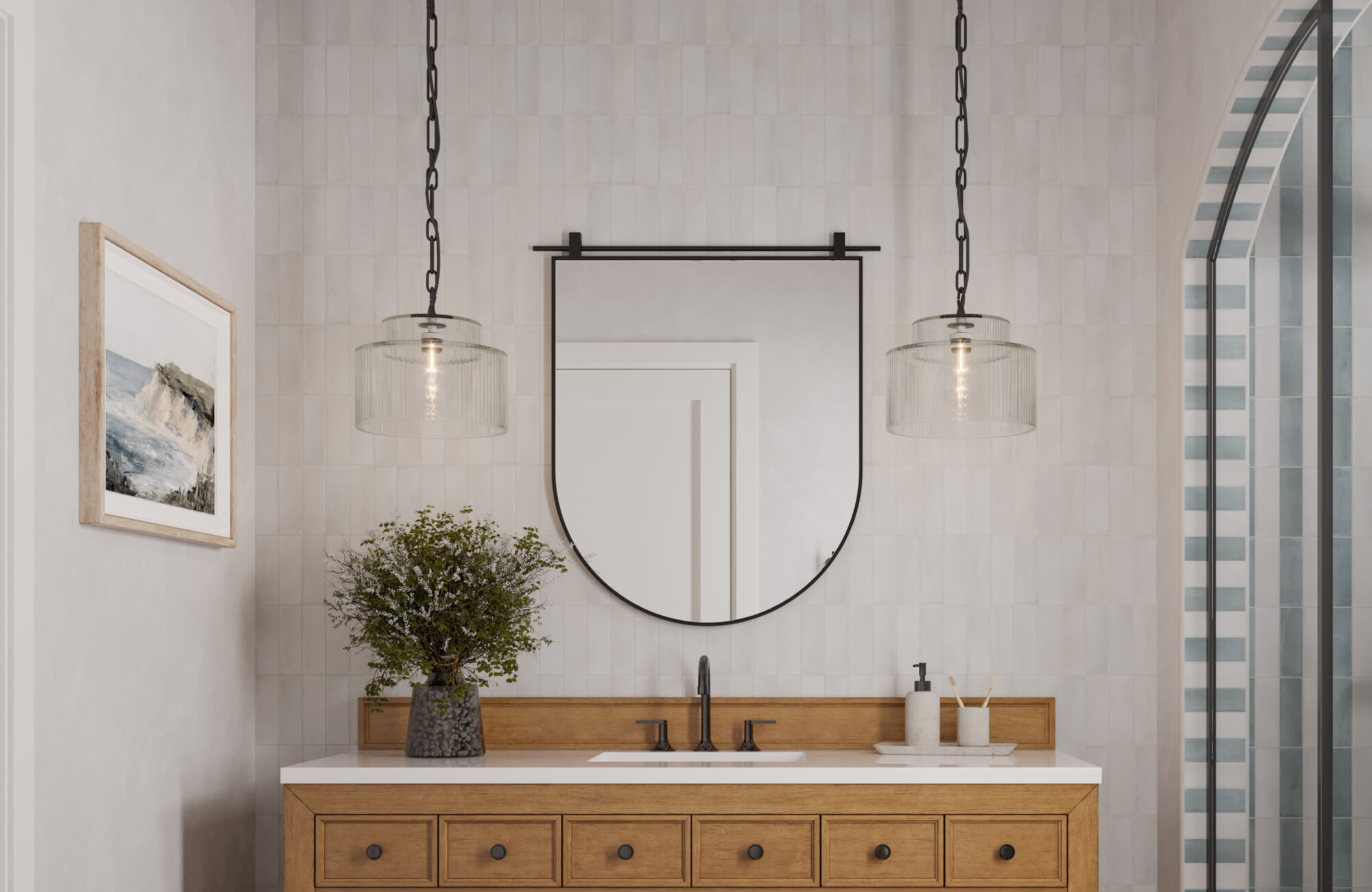
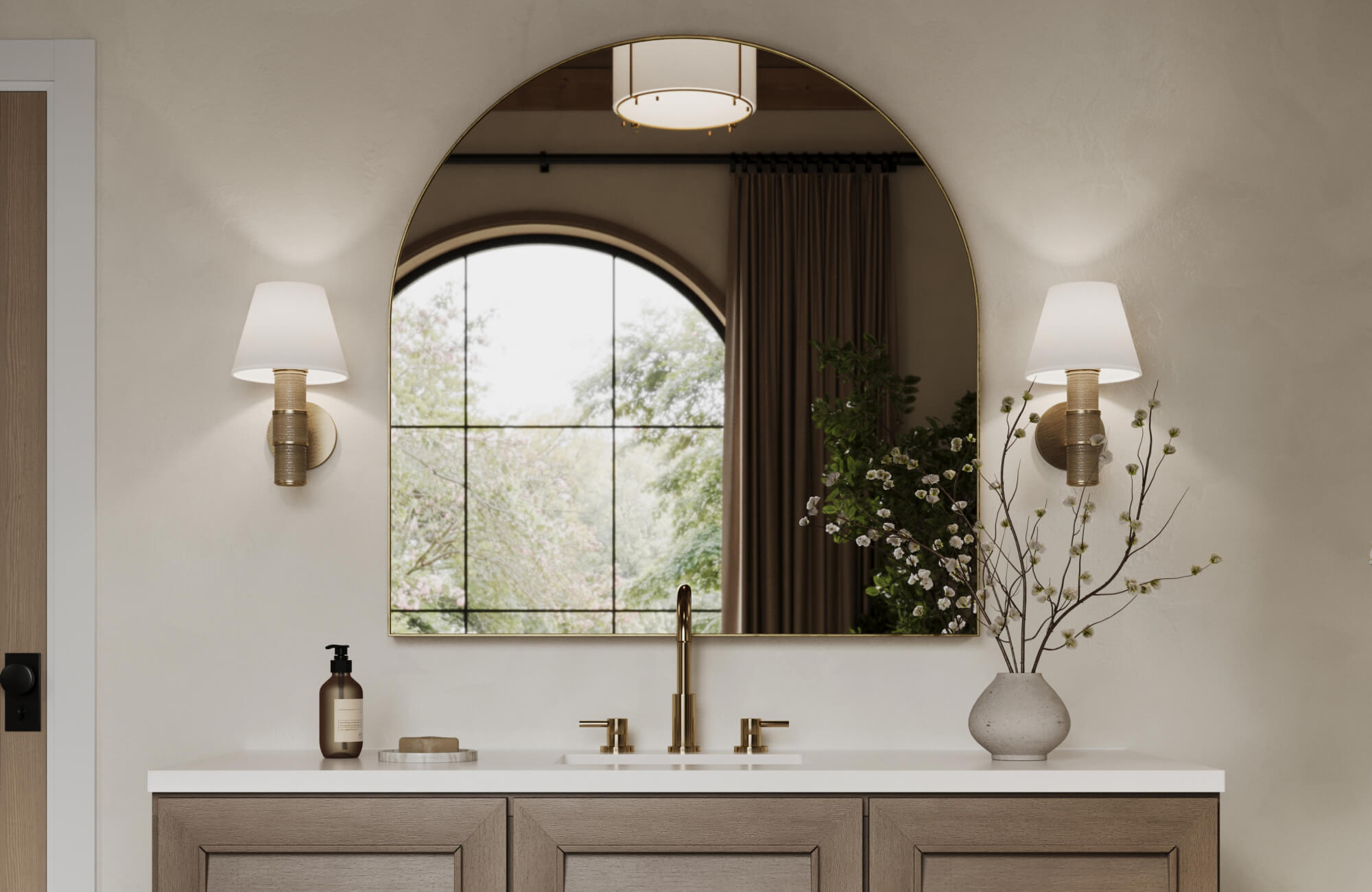
Mirrors now come in a wide variety of shapes that reflect both artistic expression and practical use. Rounded, oval, arched, and irregular designs, such as our Esmeralda Wide Mirror in Polished Brass above, have become popular in modern interiors, offering softer or more organic silhouettes compared to traditional rectangular frames. Frameless mirrors provide a clean and seamless look that suits minimalist spaces, while geometric or asymmetrical styles add visual interest. These evolving forms show how modern mirrors are no longer just tools for reflection but design statements that complement architecture and décor. Their flexibility in shape also allows them to fit seamlessly into any environment, from compact bathrooms to open living areas.
Vacuum Deposition And Advanced Coating Techniques
Technological improvements have revolutionized how reflective coatings are applied to glass surfaces. Vacuum deposition, for instance, allows metals like aluminum or silver to bond more evenly to glass, producing brighter and more durable reflections. This method minimizes impurities and ensures consistent coating thickness for optimal clarity. It is also more efficient than traditional silvering, reducing waste and improving long-term performance. Many modern mirrors benefit from this precision technology, achieving high reflectivity with a cleaner, more stable surface that lasts for years.
Smart Mirrors And Connected Features
Smart mirrors have redefined how people interact with reflective surfaces by blending technology into daily routines. Many include built-in LED lighting with adjustable tones and brightness, which helps improve visibility during grooming or dressing. Others feature touch controls, voice commands, and digital displays that show weather updates, fitness data, or reminders. These mirrors can connect to smart home systems, creating a seamless digital experience within personal spaces. As technology continues to evolve, smart mirrors are becoming more intuitive and energy-efficient, making them both practical and innovative.
Safety And Shatter-Resistant Innovations
Safety has become a key focus in mirror manufacturing, especially for residential and public settings. Many modern mirrors include laminated or tempered glass that prevents dangerous shattering if broken. A safety film is often added to keep shards in place, making them suitable for high-moisture or busy environments like gyms and bathrooms. Anti-fog coatings are also common, ensuring the surface remains clear even in humid conditions. These improvements not only extend the mirror’s lifespan but also prioritize user safety and convenience.
Eco-Friendly And Energy-Efficient Designs
Sustainability plays a growing role in how mirrors are made today. Manufacturers now use water-based paints, recyclable aluminum coatings, and low-lead glass to reduce environmental impact. Some mirrors are designed to reflect natural light more effectively, helping brighten interiors while conserving energy. These eco-conscious choices make production safer for workers and healthier for the environment. By combining sustainability with advanced design, modern mirrors demonstrate how innovation can serve both style and responsibility.
Best Practices For Maintaining And Cleaning Mirrors
Keeping mirrors spotless requires more than just a quick wipe—it’s about preserving both their reflection quality and structural integrity over time. Whether you own a standard mirror or a smart one, proper maintenance helps prevent streaks, corrosion, and surface damage. Below, we’ll explore the best ways to clean and care for each type while keeping them clear and long-lasting.
Regular Cleaning For Standard Mirrors
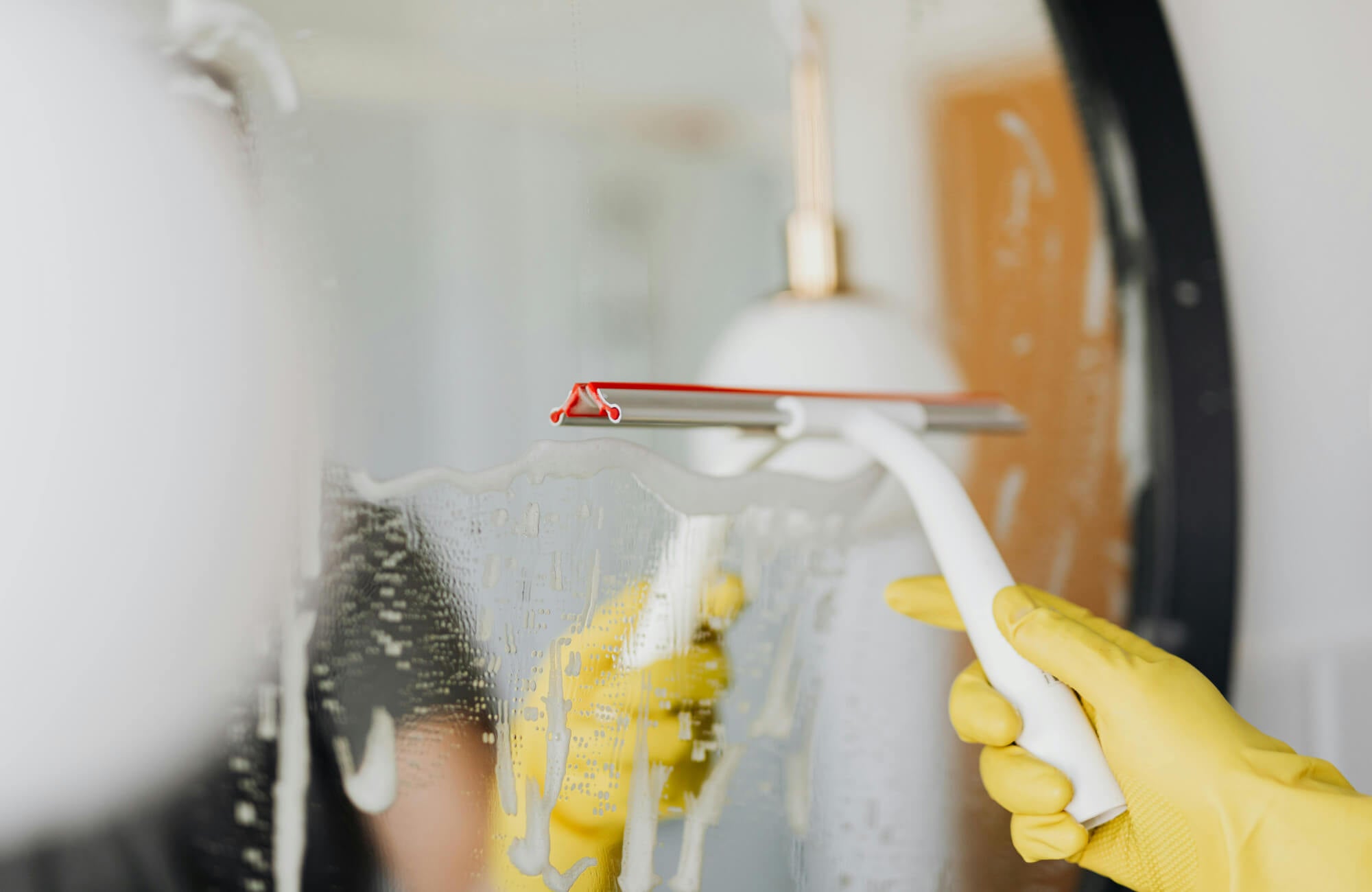
For traditional mirrors, the key to effective cleaning is using gentle, non-abrasive materials. A soft microfiber cloth and a mild glass cleaner are often enough to remove dust, fingerprints, and smudges. It’s best to spray the cleaner directly onto the cloth instead of the mirror to avoid moisture seeping behind the edges. Wiping in circular or side-to-side motions ensures an even finish without streaks. Regular maintenance like this helps preserve the reflective coating and prevents early deterioration.
Special Care For Smart Mirrors
Smart mirrors require a bit more attention because of their electronic components and touchscreen surfaces. Always power off the device before cleaning and use a lightly damp microfiber cloth to avoid short circuits. Avoid alcohol-based cleaners or strong chemicals, as these can damage sensors or display layers. For stubborn spots, a small amount of screen-safe solution can be applied to the cloth instead of the glass. Consistent gentle cleaning ensures the mirror stays functional and visually clear without harming its digital features.
Recommended Cleaning Tools And Solutions
The right cleaning tools can make a significant difference in keeping mirrors spotless. Microfiber or lint-free cloths are ideal since they don’t scratch the surface or leave residue. For cleaning solutions, opt for ammonia-free glass cleaners or a simple mix of vinegar and distilled water. Avoid paper towels, as they can leave fibers or streak marks that dull the reflection. Using proper materials not only improves clarity but also extends the mirror’s lifespan through safe, consistent care.
Common Mistakes To Avoid When Cleaning Mirrors
Many people unknowingly damage their mirrors through improper cleaning habits. Using rough sponges or strong chemicals can erode coatings and cause discoloration. Spraying excessive liquid directly onto the surface can also allow moisture to seep into the edges, leading to peeling or black spots over time. It’s best to clean mirrors with gentle pressure and controlled moisture. By avoiding these common mistakes, mirrors can maintain their brilliance and reflective quality for much longer.
Preventing Moisture And Long-Term Damage
Moisture is one of the leading causes of mirror deterioration, especially in bathrooms or humid environments. Keeping ventilation consistent and using exhaust fans can help reduce condensation. For added protection, mirrors can be sealed along the edges to prevent water intrusion. Regularly checking for early signs of corrosion or discoloration allows for quick intervention. With mindful upkeep, even mirrors in moisture-prone spaces can remain clear and durable.
Creating Clarity Through Craftsmanship
From ancient metal disks to today’s smart and energy-efficient designs, mirrors have come a long way in both form and function. Each stage of their evolution reflects the perfect blend of science, art, and innovation. Modern techniques like vacuum deposition, eco-friendly coatings, and shatter-resistant designs ensure that mirrors are safer, more sustainable, and clearer than ever. Whether used for everyday grooming or as decorative pieces, mirrors continue to serve as one of the most remarkable examples of human creativity and precision.
If you’re planning to upgrade or design a new mirror setup, consider booking a design consultation to explore options that balance beauty, function, and quality. Our team can help you choose mirrors that complement your space, lighting, and interior style while ensuring long-lasting clarity. With professional guidance, you can achieve a design that not only looks stunning but also reflects the craftsmanship and innovation behind every modern mirror.
Follow us on Instagram
@EDWARD.MARTIN
)
)
)
)
)
)
)
)
)
)
)
)
)
)
)
)