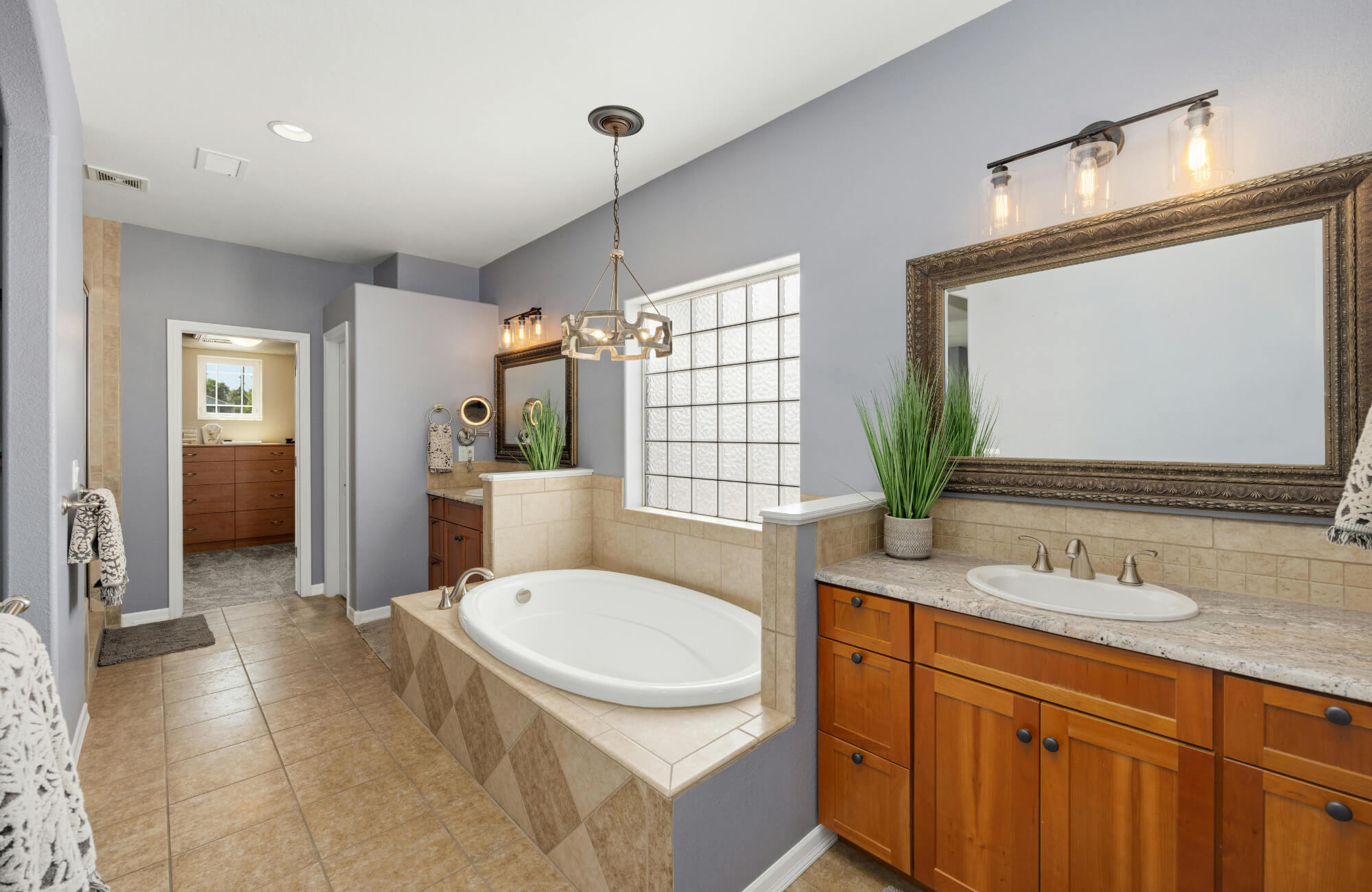
Ceiling lights are one of the most essential fixtures in any home or workplace. They do much more than provide brightness. The right ceiling light shapes the mood of a room, defines its atmosphere, and influences how you experience the space each day. In this article, we’ll explore ceiling lights from every angle: their purpose, history, types, installation, design role, and the newest innovations, so you can make confident, informed decisions for your own space.

The Basics of Ceiling Lights
At first, ceiling lights might seem straightforward, but they actually cover a wide range of fixtures designed for different purposes: general, task, and accent lighting. By understanding how they work and the parts that make them effective, you’ll be better prepared to choose the right options for your home or workspace.
Core Function
Ceiling lights are installed overhead, most often in a central spot, to distribute light evenly throughout a room. Unlike lamps or wall fixtures that cast light in limited areas, they provide consistent coverage that reduces shadows and brightens the entire space. In the kitchen above, Edward Martin’s Alma Pendant in Ecru Marble Solid illustrates how well-placed ceiling lights can enhance both function and design, offering balanced illumination across the island and surrounding areas. Their placement makes ceiling lights one of the most practical ways to keep a room well-lit and easy to navigate.
Common Components
A ceiling light is made up of several parts that work together to create both function and style. The housing secures the fixture, the bulb generates the light, and shades or diffusers shape how that light spreads through the room. Each element plays a role. For instance, a frosted diffuser softens brightness for a gentle glow, while a clear glass shade directs stronger light downward. By understanding these parts, you can better evaluate how a fixture will look and perform in your space.
Primary Roles
Ceiling lights do much more than provide illumination. They set the mood of a room, whether it’s a soft overhead glow that creates a sense of warmth or bright, focused light that makes cooking, reading, or working easier. In open layouts, they also help define spaces by visually anchoring dining or seating areas. In this way, ceiling lights act as both practical tools and design features, shaping the atmosphere as much as the visibility.

A Brief History of Ceiling Lighting
Lighting has always reflected both technology and lifestyle. When we trace the history of ceiling lights, we see how people adapted illumination to their needs and aesthetics.
Early Origins
The earliest ceiling lights appeared as chandeliers holding candles or lanterns hung from beams. These fixtures were more than just practical lighting solutions; they were also symbols of status and craftsmanship, often found in churches, castles, and grand estates. From the beginning, ceiling lights carried both functional and decorative value.
The Shift to Electricity
As cities expanded during the 19th century, gas lighting became a common feature, and ceiling fixtures were adapted to distribute it safely. The invention of the electric bulb, however, changed everything. By the late 1800s, electric ceiling lights were being installed in homes and public buildings, offering safer, brighter, and more reliable illumination. This was the turning point that made ceiling lights a standard feature in everyday life.
Modern Developments
Throughout the 20th and 21st centuries, ceiling lights have adapted to new design trends and technologies. Flush mounts and recessed fixtures offered clean lines that suited minimalist interiors, while decorative pendants grew popular as statement pieces in kitchens and dining rooms. Today, innovations like energy-efficient LEDs, dimmers, and smart controls make it possible to adjust lighting instantly to fit your needs. From ornate chandeliers to sleek, simple designs, ceiling lights now strike a balance between function and style.

Types of Ceiling Lights for Different Spaces
Not every ceiling light fits every situation. The type you choose should reflect your room size, ceiling height, and the atmosphere you want to create.
Chandeliers and Pendants
Chandeliers and pendants are designed to make an impression. Chandeliers bring a sense of drama and elegance, while pendants offer flexibility, working beautifully as single fixtures or in groups for added effect. They are especially effective in dining rooms, entryways, and other spaces with higher ceilings where the fixture has room to shine. In the dining area above, Edward Martin’s McKay Chandelier in Burnished Brass shows how a statement fixture can define the space, providing both illumination and a striking focal point.
Flush and Semi-Flush Mounts
Flush mounts are installed close to the ceiling, while semi-flush models extend slightly lower to add dimension. Because they take up minimal space, these fixtures are especially practical in rooms with lower ceilings, as well as in hallways, entryways, or closets. Although once considered simple, many modern designs now feature elegant details that elevate their look. A piece like our Cressida Semi-Flush in Vintage Gold Leaf demonstrates how a compact fixture can provide bright, balanced light while also adding a touch of style to the ceiling.
Recessed and Track Lighting
Recessed lights are built directly into the ceiling, offering soft illumination without any visible hardware. They’re a popular choice in kitchens, living rooms, and offices where a clean, modern look is important. Track lighting works differently: adjustable fixtures are mounted on a rail, allowing you to point the light toward artwork, countertops, or other key areas. Both options can give you flexibility and control, making them especially useful when you want precise, targeted lighting.
Ceiling Fans with Lights
Ceiling fans with built-in lights offer two functions in one, providing both airflow and illumination. They’re especially useful in bedrooms and living rooms, where comfort relies on good circulation as well as balanced lighting. Many models now include dimmers and multiple speed settings, making it easy to adjust the atmosphere and airflow to suit different times of day.
Specialty Options
Some ceiling lights are created to stand out and make a statement. Starburst fixtures, sculptural designs, or color-changing LEDs can add a sense of personality and creativity to a room. They’re often chosen when you want to highlight individuality, whether it’s in a bold home office, a lively family room, or any space that calls for something distinctive.

Installation and Placement Considerations
Choosing a ceiling light is only half the task. Proper installation and placement determine whether it truly enhances the room.
Ceiling Height and Scale
The size of a ceiling light should always match the proportions of the room. A small flush mount in a spacious living room can look lost, while an oversized chandelier in a small bedroom might feel overpowering. Finding the right balance ensures the fixture feels intentional, proving that scale matters just as much as style.
Positioning for Function
Where a ceiling light is placed has a big impact on how well it works. A central fixture usually provides good overall illumination, but adding lights directly above work surfaces, kitchen islands, or dining tables makes everyday tasks much easier. In the kitchen above, Edward Martin’s Rosa Rounded Pendant in Old Bronze highlights how thoughtful placement can brighten the island while also creating balanced, inviting light for the entire room. With careful positioning, you can reduce shadows and achieve even illumination that feels both practical and comfortable.
Electrical and Safety Factors
Every ceiling light relies on wiring that must meet safety standards. Heavier fixtures, such as large chandeliers, need a properly rated junction box to hold their weight securely. Using the right wiring and making sure all connections are tight not only prevents malfunctions but also ensures safe, reliable performance over time.
DIY vs Professional Help
Certain fixtures, like lightweight flush mounts, can usually be handled by a confident homeowner. But heavier pieces, such as chandeliers or complex track systems, are best left to licensed electricians. Knowing when to bring in a professional helps you avoid costly mistakes and ensures everything is installed safely and up to code.

Design and Style Choices That Matter
Ceiling lights influence not only how we see a space but also how we feel in it. When selected thoughtfully, they can elevate a room’s design while maintaining function.
Matching Interior Styles
A ceiling light works best when it enhances the overall mood of the room. Rustic interiors often feel complete with wood or wrought iron finishes, while modern spaces tend to favor glass, chrome, or streamlined pendants. The goal isn’t for the fixture to disappear but to reinforce the atmosphere you want the room to reflect. Edward Martin’s Kaley 16" Pendant in Aged Brass, as shown in the photo above, shows how a light can pull together natural textures, brass accents, and simple shapes to create a cohesive and inviting look
Materials and Finishes
Each material brings its own character to a ceiling light. Glass diffuses light in a clean, airy way, while fabric shades create a softer glow. Metal finishes such as brass or nickel add distinct reflections and tones. The choice of material not only affects durability but also shapes the quality of light in the room. Finishes can also help the fixture connect with other details, like cabinet hardware or furniture accents, to create a cohesive look.
Shape and Scale as Design Tools
The shape of a ceiling light influences how it interacts with a room. A round flush mount can soften the overall look, while a bold geometric pendant introduces structure and definition. Larger fixtures naturally draw the eye and serve as focal points, while smaller designs provide gentle emphasis without dominating the space. Both shape and scale act as design tools, guiding attention and shaping the room’s character.
Layering with Other Lighting
Ceiling lights usually work best as part of a layered lighting plan. Pairing them with sconces, under-cabinet lights, or floor lamps creates a space that feels both flexible and inviting. Bright overhead light is useful for tasks, while softer accent lighting works better for relaxing evenings. By blending different sources, you create balanced illumination that adapts to any occasion.

Energy Efficiency and Smart Innovations
Ceiling lights have entered a new era where efficiency and adaptability matter as much as style. The latest technologies help save energy while giving us more control.
LED Technology
LED bulbs have become the go-to choice for ceiling lights. They use far less energy than traditional incandescent bulbs, last much longer, and give off less heat. Making the switch to LEDs not only lowers your energy consumption but also reduces how often you need to replace bulbs, saving both time and money in the long run.
Smart Controls
Many modern ceiling lights can connect to apps or voice-activated systems, giving you more control over your lighting. You can dim the brightness, adjust the color temperature, or set schedules that follow your daily routine. These features make your home more comfortable while also helping you use energy more efficiently.
Sustainable Choices
Sustainability in ceiling lighting extends beyond energy-efficient bulbs. Fixtures made with responsibly sourced materials or designed for long-lasting use help cut down on waste over time. By looking at both efficiency and materials, you can choose lighting that supports your home while also being kinder to the environment.
The Role of Ceiling Lights
A ceiling light is more than just a source of illumination; it’s a fixture that blends history, function, and design to shape the way we experience our spaces. From early candlelit chandeliers to today’s energy-efficient and smart-controlled options, ceiling lights have continually evolved to meet both practical needs and aesthetic preferences. Understanding their types, components, placement, and style choices helps you select the right fixture for each room. When chosen with care, ceiling lights can bring together comfort, balance, and character, transforming ordinary rooms into spaces that feel both functional and inviting.
If you’d like expert guidance, contact us today or explore our design services to find the perfect ceiling lighting for your home.