
)
)
)
)
)
)
)
)
What Bathroom Wall Art Materials Hold Up Best In Humid Spaces?
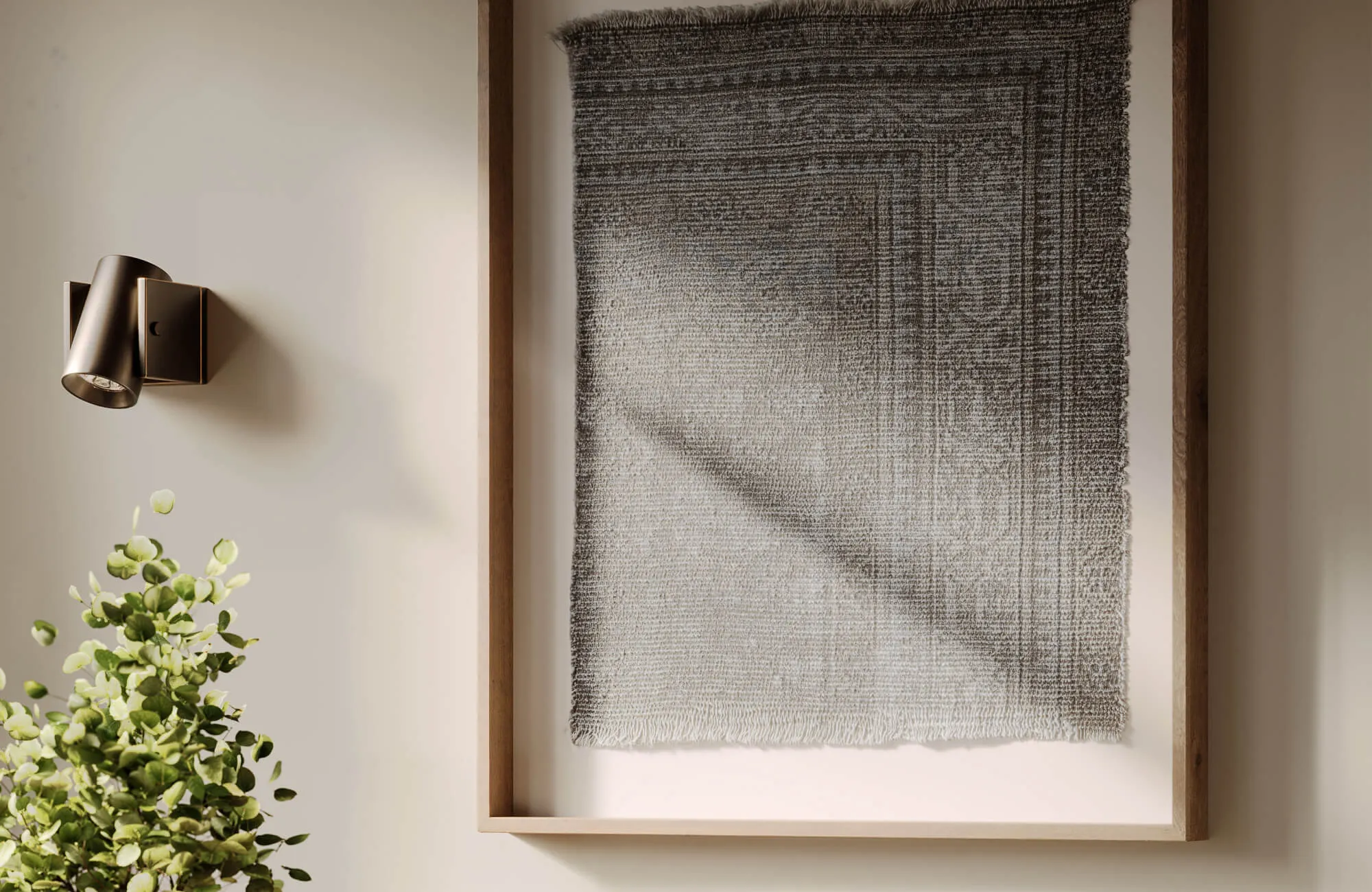
Bathrooms ask more of wall art than almost any other room in the home. Daily showers, lingering steam, and fluctuating humidity can gradually affect certain materials, making a piece that looks perfect on day one far less appealing over time. Yet that does not mean you have to limit yourself to purely functional choices or avoid decorating the space altogether. The key is knowing which materials are better equipped to handle moisture and where artwork should be placed to maximize its longevity. In this blog, we'll explore the wall art materials that hold up best in humid bathrooms and the factors that can help them look their best for years to come.
Why Humidity Matters When Choosing Bathroom Wall Art
Bathrooms present a unique environment that few other rooms in the home have to contend with. Between daily showers, changing temperatures, and fluctuating moisture levels, wall art is exposed to conditions that can gradually affect its appearance and longevity.
How Steam Changes The Environment Around Wall Decor
Every hot shower releases moisture into the air, creating steam that eventually settles on nearby surfaces throughout the bathroom. While this process may seem harmless, repeated exposure can gradually affect wall art, frames, adhesives, and hanging hardware over time. Unlike living rooms or bedrooms, where environmental conditions remain relatively stable, bathrooms experience regular cycles of heat, moisture, and cooling that place additional stress on decorative pieces. Even artwork positioned several feet away from the shower can be affected if the room lacks proper ventilation. This is why wall art that performs well elsewhere in the home may not always hold up as successfully in a bathroom setting.
Steam can also introduce moisture into areas that are not immediately visible. It may collect behind frames, seep into backing materials, or settle along edges where artwork is most vulnerable. Over time, these small exposures can accumulate and contribute to warping, discoloration, or deterioration that may not become noticeable until significant damage has already occurred. If you've ever noticed mirrors fogging throughout the room after a shower, the same moisture is interacting with your wall decor as well. Recognizing how steam moves through a bathroom helps explain why material selection and placement deserve extra consideration.
The Difference Between Occasional Moisture And Constant Humidity
Not all bathrooms experience moisture in the same way. A guest bathroom that is used occasionally may encounter brief periods of humidity before quickly returning to normal conditions. In these spaces, wall art generally faces fewer environmental challenges because moisture levels remain relatively controlled throughout the week. This often allows for greater flexibility when selecting decorative pieces. Even so, occasional exposure should not be completely ignored, especially in bathrooms with limited airflow.
Primary bathrooms typically present a different scenario because they are exposed to steam and humidity on a daily basis. Multiple showers, baths, and grooming routines can create an environment where moisture lingers for extended periods, particularly if ventilation is inadequate. In these conditions, wall art experiences ongoing exposure rather than isolated incidents, increasing the likelihood of gradual wear. Understanding whether your bathroom deals with occasional moisture or persistent humidity can help you evaluate how demanding the environment truly is. This distinction often plays a significant role in determining which types of artwork will remain attractive over time.
Common Signs Of Moisture Damage In Wall Art
Moisture damage often develops gradually, making it easy to overlook in its early stages. One of the most common warning signs is warping, where artwork, backing materials, or frames begin to lose their original shape due to repeated moisture exposure. You may also notice discoloration, staining, bubbling surfaces, or peeling finishes that were not present when the piece was first installed. In some cases, adhesives can weaken, causing components to separate or shift over time. Even metal hardware may begin showing signs of corrosion when exposed to persistent humidity. Recognizing these issues early can help prevent more extensive damage and allow you to address environmental concerns before they worsen.
Why Material Choice Matters More In Bathrooms Than Other Rooms
In most rooms of the home, wall art is primarily evaluated based on aesthetics. Bathrooms require a different approach because the environment itself becomes an important factor in determining how well a piece performs over time. Materials that remain stable in dry spaces may react very differently when exposed to repeated humidity, steam, and temperature fluctuations. This is why two pieces of artwork that look equally beautiful on the day they are installed can age very differently depending on what they are made from. Selecting appropriate materials from the beginning can help minimize maintenance concerns and extend the lifespan of the artwork.
Material choice also influences how much protection a piece naturally provides against environmental stress. Some materials are inherently more resistant to moisture absorption, warping, fading, or deterioration, while others require additional protection to perform successfully in a bathroom. Understanding these differences helps you move beyond appearance alone and consider how the artwork will function within the space. Rather than viewing wall art purely as decoration, it becomes part of a broader design strategy that balances beauty with durability. This is especially important in bathrooms, where environmental conditions play a much larger role than they do elsewhere in the home.
Wall Art Materials That Perform Best In Humid Bathrooms
Not all wall art materials respond to humidity in the same way. Some naturally resist moisture and temperature fluctuations better than others, making them better suited for bathrooms where steam and changing conditions are part of everyday life. Below, we'll take a closer look at several materials that tend to perform reliably in humid environments while maintaining their appearance over time.
Framed Canvas Prints
Framed canvas prints are often a strong choice for bathrooms because canvas is generally less susceptible to the warping and buckling that can affect paper-based artwork. When properly stretched and paired with a quality frame, canvas can handle occasional humidity more effectively than many traditional prints. Modern printing methods and protective coatings further improve durability, helping preserve colors and surface quality even in moisture-prone environments. This combination of resilience and visual versatility has made canvas one of the most widely used wall art materials throughout the home. While proper placement still matters, framed canvas prints often provide a dependable balance between durability and long-term aesthetic appeal in bathrooms.
Metal Wall Art
Metal wall art performs exceptionally well in humid spaces because it does not absorb moisture the way porous materials do. Aluminum, powder-coated steel, and other corrosion-resistant metals are particularly well-suited for bathrooms where steam is present on a regular basis. These materials maintain their shape, resist warping, and are generally less vulnerable to environmental fluctuations than many organic alternatives. Metal artwork can also retain its finish and structural integrity for years when manufactured specifically for interior decorative use. For homeowners seeking a low-maintenance option, metal wall art offers durability that is difficult for many other materials to match.
Acrylic Wall Art
Acrylic wall art has become increasingly popular because of its impressive moisture resistance and contemporary appearance. Unlike paper-based artwork, acrylic surfaces do not readily absorb humidity, allowing them to maintain their clarity and structure even in challenging bathroom environments. Many acrylic pieces are produced by mounting artwork behind a protective acrylic panel, creating an additional barrier against moisture exposure. This construction helps protect the image while making the artwork easier to maintain over time. Its lightweight nature and resistance to environmental stress make acrylic a practical choice for bathrooms where both durability and longevity are important considerations.
Tempered Glass Artwork
Tempered glass artwork is naturally resistant to moisture, making it one of the most durable options available for humid bathrooms. The non-porous surface prevents water absorption while helping protect the image or design beneath from everyday exposure to steam and humidity. Tempered glass is also manufactured to be significantly stronger than standard glass, providing added durability and safety within residential spaces. Because it resists warping, fading, and moisture-related deterioration, it can maintain its appearance even in bathrooms that experience frequent use. This reliability makes tempered glass artwork particularly appealing for homeowners who want decorative pieces that require minimal long-term upkeep.
Properly Sealed Wood Pieces
Wood may not seem like an obvious choice for humid spaces, but properly sealed wood artwork can perform surprisingly well in bathrooms. Protective sealants help limit moisture absorption, reducing the likelihood of swelling, cracking, or warping that can occur when unfinished wood is exposed to humidity. The quality of the sealant and the manufacturing process play an important role in determining how well the piece will hold up over time. While sealed wood generally requires more consideration than materials such as metal or acrylic, it can still provide excellent longevity when selected carefully. For homeowners who appreciate natural materials and organic texture, sealed wood artwork can offer warmth and character without sacrificing practicality.
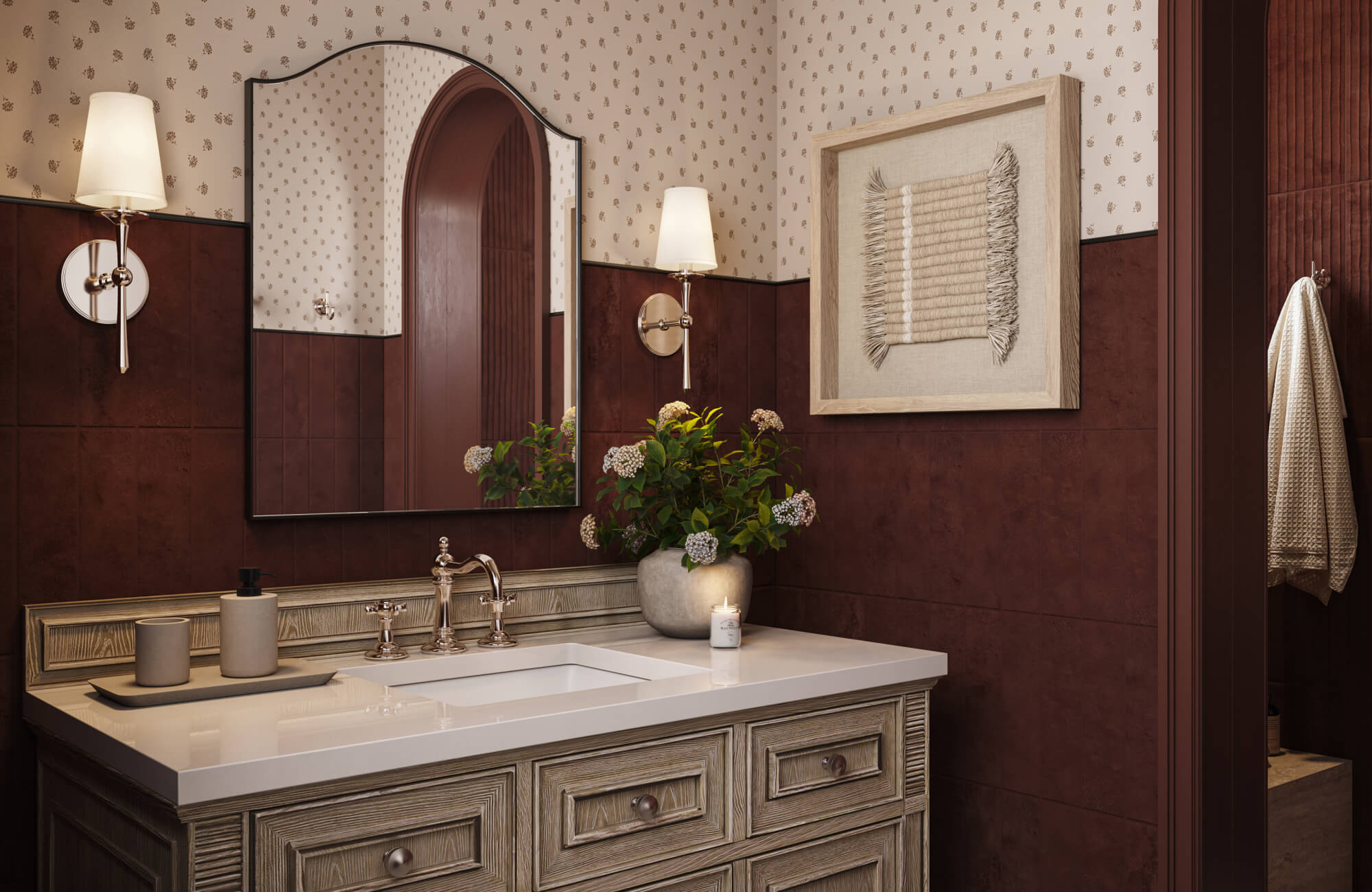
Wood-framed artwork often requires more consideration in humid bathrooms, but properly constructed pieces can still be incorporated successfully when positioned away from direct moisture exposure. The space above demonstrates this through our Earthbound Trace Wall Art, which pairs a natural wood frame with layers of beige and brown wool yarn to introduce texture and material variation beyond the room's harder surfaces. The tightly wound rows create a sense of structure, while the cascading fringes soften the composition and bring a more tactile quality to the wall. Used thoughtfully, pieces like this can help balance the stone, metal, and ceramic elements commonly found throughout a bathroom without disrupting the overall design.
Moisture-Resistant Framed Prints
Not all framed prints are created equally when it comes to bathroom use. Moisture-resistant framed prints are specifically designed with protective features such as sealed backing materials, durable frames, and glazing that helps shield the artwork from environmental exposure. These protective elements reduce the risk of moisture reaching the print itself, helping preserve color, clarity, and overall condition. When manufactured with bathroom-friendly materials, framed prints can successfully withstand conditions that would otherwise shorten the lifespan of standard paper artwork. This makes them a practical option for homeowners who want the familiar look of framed art while minimizing concerns about humidity-related damage.
Materials That Require Extra Caution In High-Humidity Spaces
Some wall art materials can absolutely work in bathrooms, but they often require more thoughtful placement or additional protection than naturally moisture-resistant alternatives. This does not mean they should be avoided entirely. Instead, understanding their vulnerabilities can help you make informed decisions and enjoy the artwork for longer without unnecessary deterioration.
Unsealed Wood And Natural Fiber Art
Unsealed wood and natural fiber artwork can bring warmth, texture, and organic character to a bathroom, but these materials tend to be more sensitive to humidity than metal, acrylic, or glass. Because they naturally absorb moisture from the air, prolonged exposure to steam can contribute to swelling, warping, cracking, or gradual surface deterioration over time. Natural fibers such as jute, rattan, seagrass, and woven grasses may also react to fluctuating humidity levels, particularly in bathrooms that experience frequent steam without adequate ventilation. This doesn't mean these materials are unsuitable, but they generally perform best when positioned away from direct moisture sources. In bathrooms with good airflow and controlled humidity, they can remain attractive for years while adding a softer, more natural element to the space.
Paper-Based Artwork Without Protective Glazing
Paper-based artwork is often one of the most vulnerable options in humid environments because paper readily absorbs moisture from the surrounding air. Over time, repeated exposure can lead to rippling, curling, discoloration, staining, or even mold development in severe cases. Prints, illustrations, photographs, and other paper pieces without protective glazing are particularly susceptible because there is little separating the artwork from the moisture present in the room. Bathrooms that experience daily steam can accelerate these issues, especially if ventilation is limited. If you love paper-based art, protective glazing and proper framing can make a significant difference, allowing you to enjoy these pieces while reducing the risks associated with humidity.
Textile And Fabric Wall Hangings
Textile artwork and fabric wall hangings introduce softness and dimension that many hard bathroom surfaces naturally lack. However, fabrics tend to absorb both moisture and odors more readily than many other wall art materials, which can make them more challenging to maintain in consistently humid spaces. Extended exposure to steam may contribute to stretching, fading, mildew concerns, or changes in texture depending on the material used. Heavier textiles and handcrafted fiber art may be particularly sensitive because moisture can become trapped within the fibers over time. For homeowners who appreciate the warmth and character of textile art, placement in less exposed areas of the bathroom often provides a better balance between aesthetics and longevity.
Antique Or Highly Delicate Pieces
Antique artwork and highly delicate decorative pieces often deserve extra consideration before being displayed in a bathroom. Many older materials were not created with today's humidity challenges in mind and may already have age-related vulnerabilities that make them more susceptible to environmental stress. Original paper documents, vintage photographs, heirloom artwork, and fragile frames can all experience accelerated deterioration when exposed to fluctuating moisture levels. Even small amounts of recurring humidity can gradually affect finishes, adhesives, pigments, and structural components that have survived for decades. If a piece carries significant financial or sentimental value, it is often worth carefully evaluating whether the bathroom provides the best environment for long-term preservation.
Handcrafted Mixed-Media Artwork
Mixed-media artwork can be especially difficult to evaluate because its durability depends on the combination of materials used within a single piece. A work that incorporates wood, paper, fabric, metal, paint, and adhesives may contain components that react very differently to moisture exposure. While some elements may handle humidity well, others may expand, contract, discolor, or weaken over time, creating uneven wear throughout the artwork. This unpredictability makes handcrafted mixed-media pieces more sensitive to environmental conditions than artwork made from a single moisture-resistant material. If you're considering displaying mixed-media art in a bathroom, taking time to understand its construction and positioning it in a well-ventilated area can help preserve both its appearance and craftsmanship.
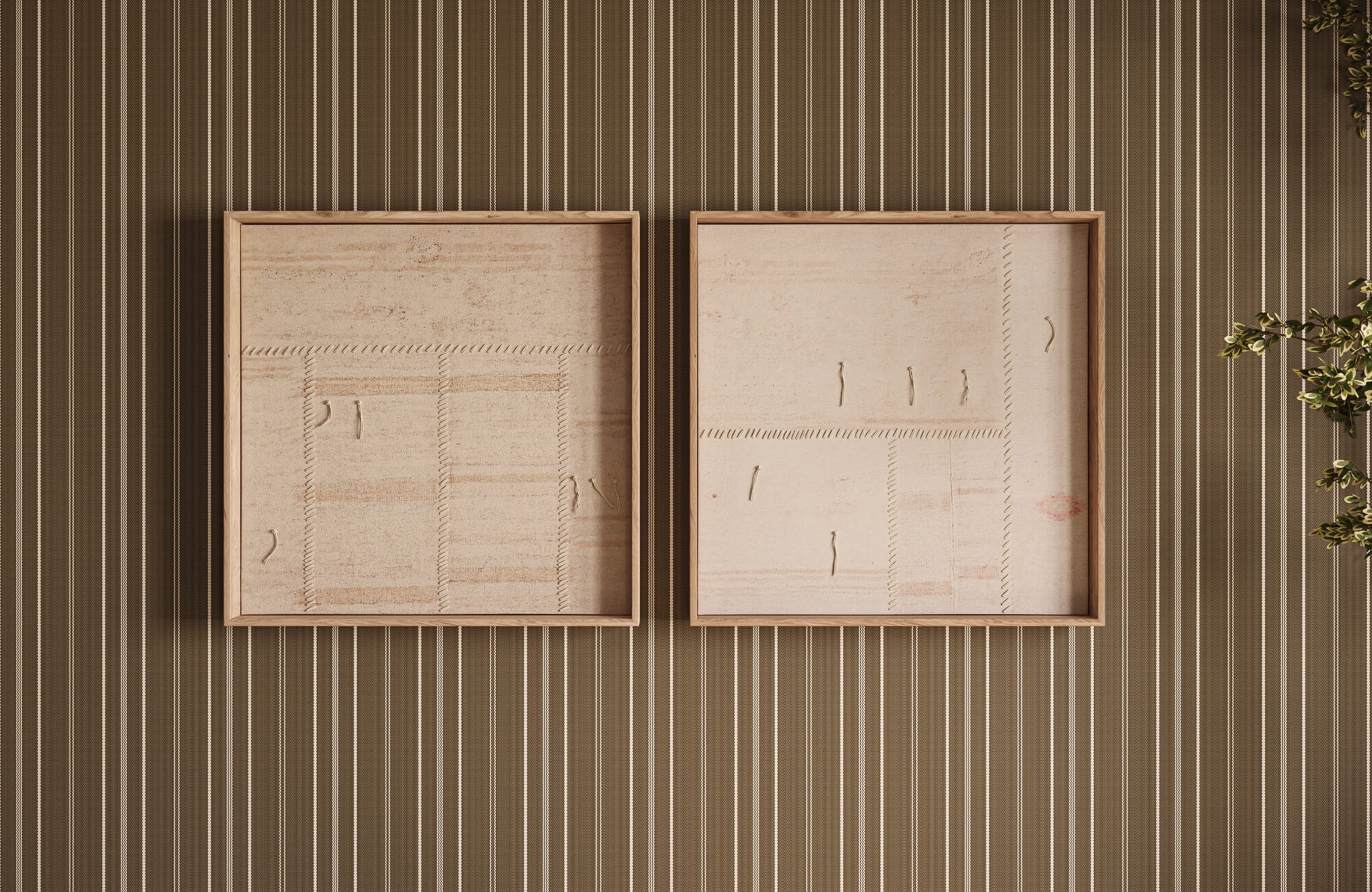
The artwork above illustrates this through our Lowland Path Wall Art, where woven fabric panels, decorative stitching, and a wood frame are layered together within a single composition. While these details contribute to its distinctive handcrafted appearance, they also introduce elements that generally require greater attention to placement and environmental conditions than moisture-resistant materials such as metal, acrylic, or glass. For that reason, pieces like this are often better suited to bathrooms with reliable ventilation and lower levels of sustained humidity.
How Placement Can Extend The Life Of Bathroom Wall Art
Choosing the right material is only part of the equation when displaying wall art in a bathroom. Placement plays an equally important role because even moisture-resistant pieces can experience unnecessary wear when positioned in areas with constant exposure to steam and water.
Areas Most Exposed To Steam And Moisture
Some parts of a bathroom naturally experience far more moisture than others, making them the most challenging locations for wall art. Areas directly adjacent to showers, bathtubs, and enclosed steam sources are exposed to repeated cycles of heat and humidity that can gradually affect both artwork and framing materials. Even moisture-resistant pieces may experience additional stress when placed too close to these zones day after day. The closer the artwork sits to direct steam, the more frequently it will encounter condensation and temperature fluctuations.
It's also worth paying attention to how moisture moves through your specific bathroom. Some rooms clear steam quickly, while others remain humid long after a shower ends. Observing where mirrors stay fogged the longest or where condensation frequently forms can provide useful clues about which areas experience the highest levels of moisture exposure. These small observations often reveal locations that may not be ideal for displaying decorative pieces, regardless of the material used.
Safe Zones Around Showers And Bathtubs
Bathrooms often contain several areas that offer a safer environment for wall art without sacrificing visual impact. Walls positioned farther from direct water sources generally experience lower levels of humidity and less frequent contact with steam. These locations allow artwork to remain part of the overall design while reducing the amount of environmental stress it encounters on a daily basis. Even a few additional feet of distance from a shower or bathtub can make a meaningful difference over time. This is especially important for materials that are more sensitive to moisture or contain multiple components that may react differently to humidity.
When evaluating placement, think beyond convenience and consider long-term exposure. A wall that seems safe at first glance may still receive significant steam depending on the layout of the room and the effectiveness of ventilation. Taking a few moments to observe how your bathroom behaves after a hot shower can help identify areas that remain relatively dry. These locations often provide the best balance between visibility, aesthetics, and long-term preservation.
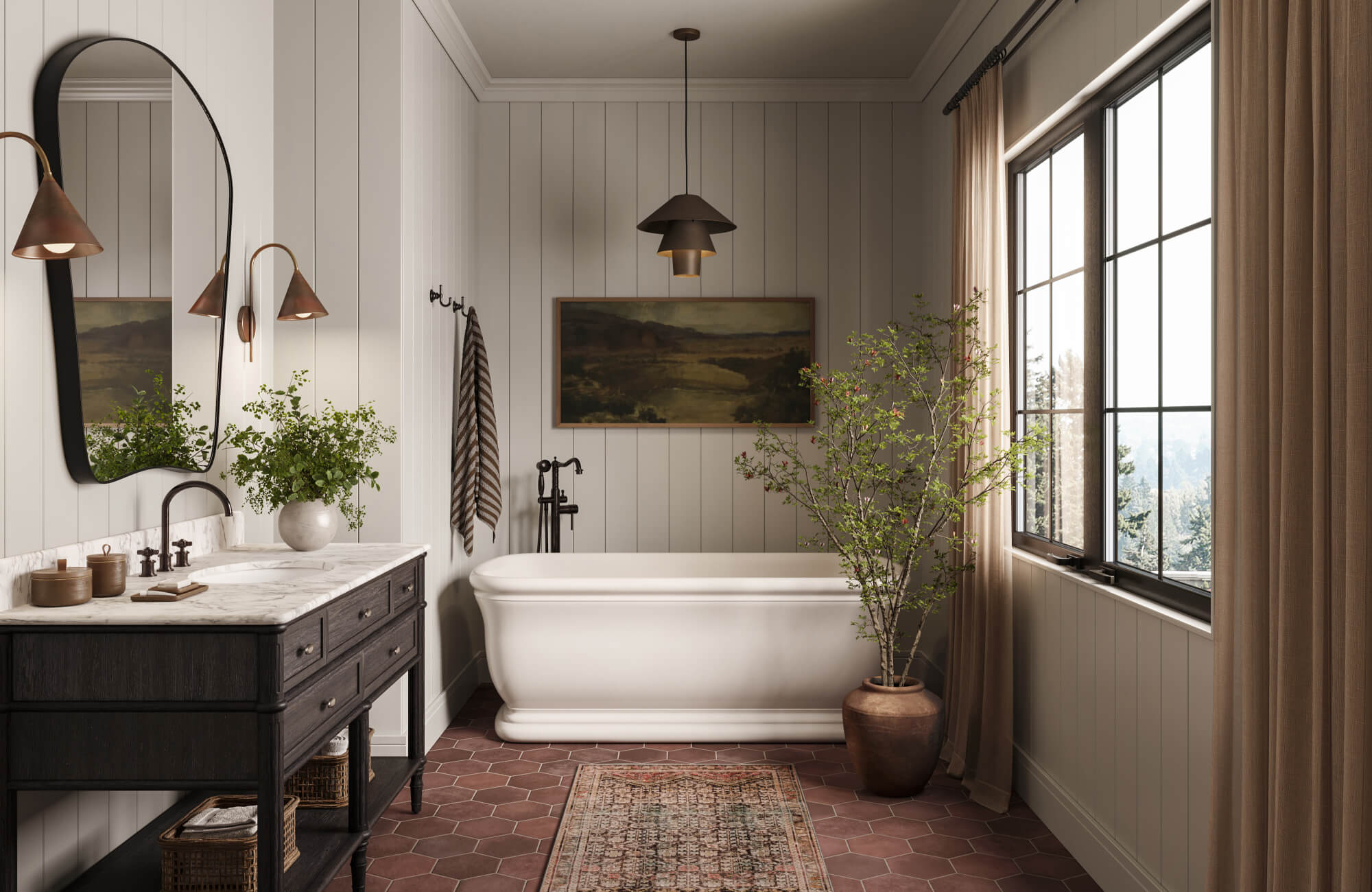
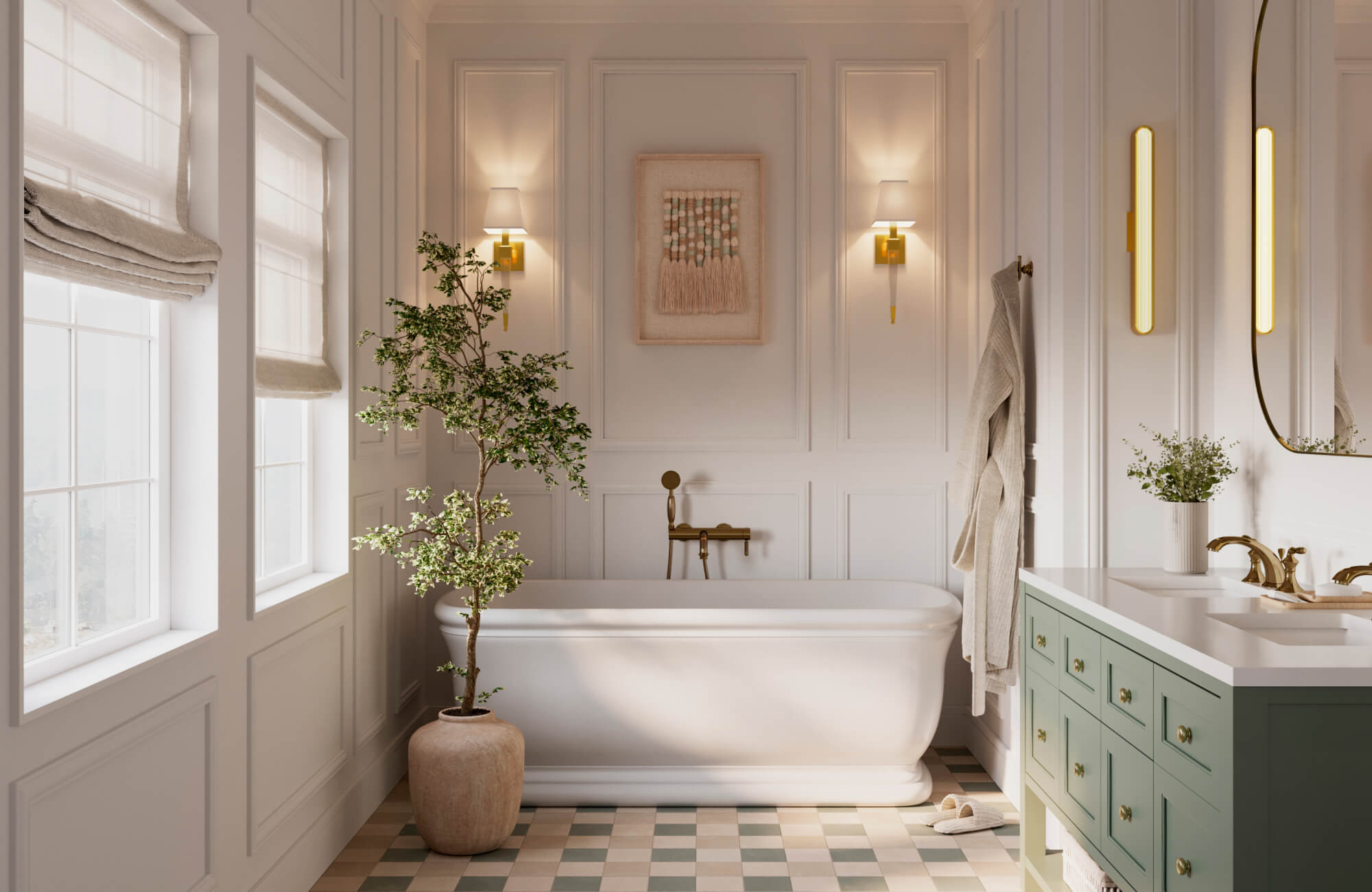
The space above demonstrates this through our Golden Drift Wall Art, which is positioned above the freestanding tub rather than within an area exposed to direct water contact. Its hand-formed wool and jute knots introduce texture and dimension against the paneled wall, while the earthy palette contributes to the room's calm, layered atmosphere. When artwork is given appropriate distance from concentrated moisture sources and paired with good ventilation, it becomes much easier to incorporate decorative pieces without unnecessarily increasing their exposure to humidity.
Positioning Art Near Vanities And Mirrors
Vanities and mirrors often provide some of the most practical opportunities for displaying wall art in a bathroom. These areas typically receive less direct steam than shower-adjacent walls while still serving as prominent visual focal points within the room. Artwork placed near a vanity can help soften hard surfaces such as stone, tile, and glass, creating a more inviting atmosphere without exposing the piece to excessive moisture. Mirrors can also help reflect light onto nearby artwork, making it feel more integrated into the space. With thoughtful positioning, these areas can showcase decorative pieces while minimizing environmental risks.
That said, placement should still account for everyday bathroom activities. Artwork positioned directly above sinks may be exposed to occasional splashes, grooming products, or cleaning solutions that could affect certain materials over time. Leaving enough distance between artwork and areas of direct water use helps maintain both appearance and longevity. Small adjustments in positioning can often make a significant difference without affecting the overall design.
Using Ventilation To Protect Decorative Pieces
Ventilation is one of the most effective tools for protecting bathroom wall art, regardless of the material you choose. Proper airflow helps remove excess moisture from the room, reducing the amount of time artwork remains exposed to humid conditions after showers and baths. Bathrooms equipped with effective exhaust fans generally create a more stable environment that supports the longevity of decorative pieces. By helping moisture leave the space more quickly, ventilation reduces the likelihood of condensation, mold growth, and gradual material deterioration. In many cases, good airflow can be just as important as selecting the right artwork.
If your bathroom tends to stay humid for extended periods, improving ventilation may be one of the most valuable steps you can take before installing wall decor. Running an exhaust fan consistently, opening windows when possible, or improving airflow within the room can all contribute to a healthier environment for artwork. These simple measures help protect not only wall art but also mirrors, cabinetry, paint finishes, and other bathroom materials. The goal is to create conditions that support both beauty and durability over time.
Choosing Wall Art That Balances Durability And Style
Bathroom wall art should do more than simply withstand humidity. It should contribute to the overall atmosphere of the room while still making sense for the way the space is used every day. The most successful selections strike a balance between visual appeal and practicality, helping the bathroom feel intentionally designed without creating unnecessary maintenance concerns.
Matching Artwork To Contemporary Bathrooms
Contemporary bathrooms often emphasize clean lines, uncluttered surfaces, and a restrained material palette, making artwork an important opportunity to introduce personality. Pieces with simple compositions, abstract designs, architectural photography, or modern graphic elements tend to complement these spaces without disrupting their sense of order. Rather than competing with statement tile, dramatic stone, or sleek fixtures, the artwork should feel like a natural extension of the overall design. Contemporary spaces often benefit from art that adds interest through composition, texture, or subtle contrast rather than excessive ornamentation. This approach helps maintain the refined aesthetic that defines many modern bathrooms while still giving the room character.
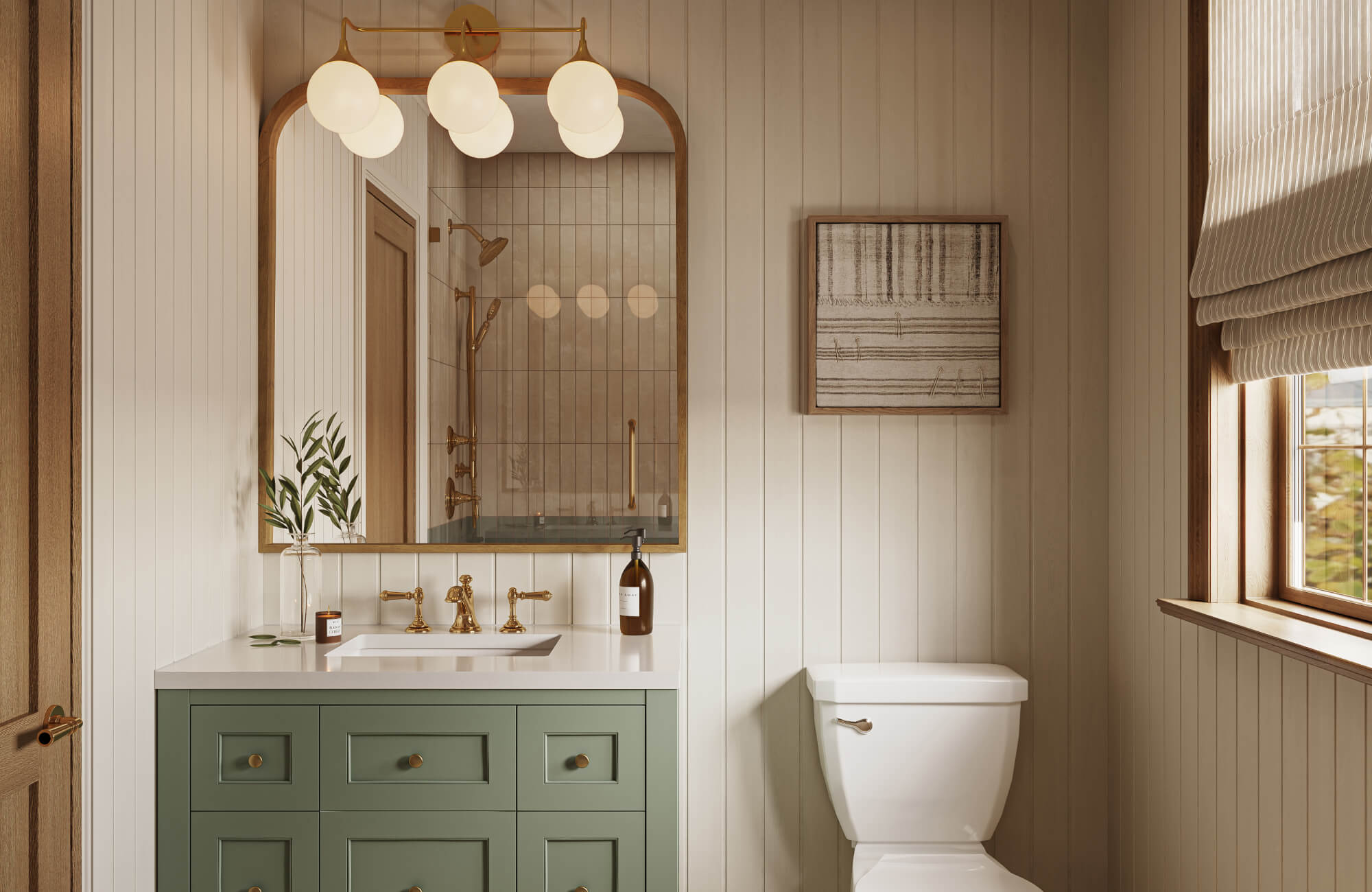
In the bathroom shown above, our Shadow Orchard Wall Art reflects that approach through layered patterned textiles, delicate stitched details, and gently fringed edges that add visual interest without disrupting the room's clean lines. Its muted palette works comfortably alongside the painted millwork, warm wood accents, and brass fixtures, allowing the artwork to feel integrated into the overall design rather than competing for attention. This type of restrained composition can help contemporary bathrooms feel more personal and lived-in while preserving the sense of calm and order that defines the space.
Creating A Spa-Like Atmosphere Through Art
Many homeowners want their bathroom to feel less like a purely functional space and more like a personal retreat. Artwork can play a significant role in creating that experience by introducing imagery and colors that encourage relaxation. Landscapes, coastal scenes, botanical studies, and abstract compositions inspired by nature are popular choices because they help establish a calmer visual environment. These subjects often feel less demanding than highly detailed or visually busy artwork, making them particularly effective in spaces intended for unwinding. Even a single well-chosen piece can influence how the room feels when you begin or end your day.
Selecting Colors That Complement Moisture-Prone Spaces
Color plays a major role in how bathroom wall art interacts with the rest of the room. Bathrooms often contain hard finishes such as tile, stone, porcelain, glass, and metal, which can influence how colors appear within the space. Softer blues, greens, grays, and warm neutrals are frequently used because they create a sense of calm while pairing easily with a wide range of bathroom materials. These palettes can help artwork feel connected to the room rather than standing apart from it. At the same time, carefully chosen darker tones or richer accents can add depth when the overall design feels too light or understated.
Instead of selecting colors in isolation, look at the finishes already present throughout the bathroom. Tile, cabinetry, countertops, and hardware can all provide useful clues about which palettes will feel most cohesive. Artwork does not need to perfectly match these elements, but it should contribute to a broader sense of visual harmony. When colors feel thoughtfully connected, the artwork becomes part of the room's overall composition rather than simply filling an empty wall.
Choosing The Right Scale For Different Bathroom Sizes
The size of the artwork should feel proportional to the room and the wall where it will be displayed. In smaller bathrooms, oversized pieces can sometimes overwhelm the space, while artwork that is too small may feel disconnected from its surroundings. Medium-sized pieces or thoughtfully arranged groupings often create a better sense of balance in compact areas. Larger bathrooms generally offer more flexibility, allowing for statement artwork that can hold its own against expansive walls and larger architectural features. Paying attention to scale helps ensure the artwork contributes to the room rather than competing with it.
It's also important to consider viewing distance when evaluating scale. Bathrooms are often experienced at closer range than living rooms or dining areas, which means artwork can have a stronger visual presence even when relatively modest in size. Before committing to a piece, it can be helpful to visualize how it will appear from multiple points within the room. A well-scaled artwork feels comfortable within its setting and helps create a sense of proportion that supports the overall design.
Choosing Wall Art That Lasts In Humid Bathroom
The best bathroom wall art is not simply the piece that looks the most attractive on the day it is installed. It is the piece that continues to look and perform well despite the steam, humidity, and daily routines that shape the space over time. By paying attention to materials, placement, and environmental conditions, you can avoid many of the issues that cause artwork to deteriorate prematurely. A thoughtful selection process helps ensure your wall art remains a lasting part of the design rather than a decorative feature that requires frequent replacement.
If you're weighing different artwork materials, debating placement, or trying to determine what will work best alongside your existing tile and finishes, our Personalized Design Consultation can help. We'll work with you to evaluate your space as a whole, offering guidance that aligns with both your design goals and the practical realities of a moisture-prone environment. Sometimes, narrowing the options down to the few that truly fit the room is all it takes to move forward with confidence.
Follow us on Instagram
@EDWARD.MARTIN
)
)
)
)
)
)
)
)
)
)
)
)
)
)
)
)