Subway tiles have endured not because they follow trends, but because they resist them. Their rectangular form is quiet enough to support almost any aesthetic, yet considered enough to anchor a space entirely on its own. What has changed is not the tile; it is the intention behind it.
The most compelling subway tile spaces are never about a single trend. They are about the relationship between material and room, where format, finish, layout, and grout are understood together as a composition. This is the difference between a surface that looks assembled and one that feels inevitable.

Vertically stacked white subway tiles meet warm oak cabinetry, brushed gold fixtures, a freestanding soaking tub, and Chantel 12 x 24 Matte Porcelain Tile in Imperial in a serene, light-filled bath
Classic Subway Tiles with a Modern Twist
The classic subway tile has not been replaced; it has been elevated. What once served as background has become a deliberate design choice, shaped by proportion, finish, and a deeper understanding of how light moves across a surface.
White Subway Tiles in Elongated Formats
White subway tiles remain one of the most enduring choices in interior design, and elongated formats have renewed their relevance without altering their character. Proportions such as 2.5×10 or 2.5×16 introduce a calmer flow, extending the eye across a surface rather than interrupting it with repetition.
The effect shifts with context. In a kitchen, this format gives a backsplash genuine architectural weight. In a bath, it lends a shower wall composure and height, a quality captured beautifully in the photo above, where Edward Martin’s Jaden 2.5 x 16 Glossy Ceramic Tile in Eggshell is installed vertically, its elongated form drawing the eye upward and filling the wall with quiet light.
Finish refines it further; a glossy surface draws light into a room, while satin and matte finishes produce something quieter, more interior, more considered. For those who want to modernize without disrupting, elongated white subway tiles offer exactly that kind of subtle authority.
Dark Subway Tiles for Bold Contrast
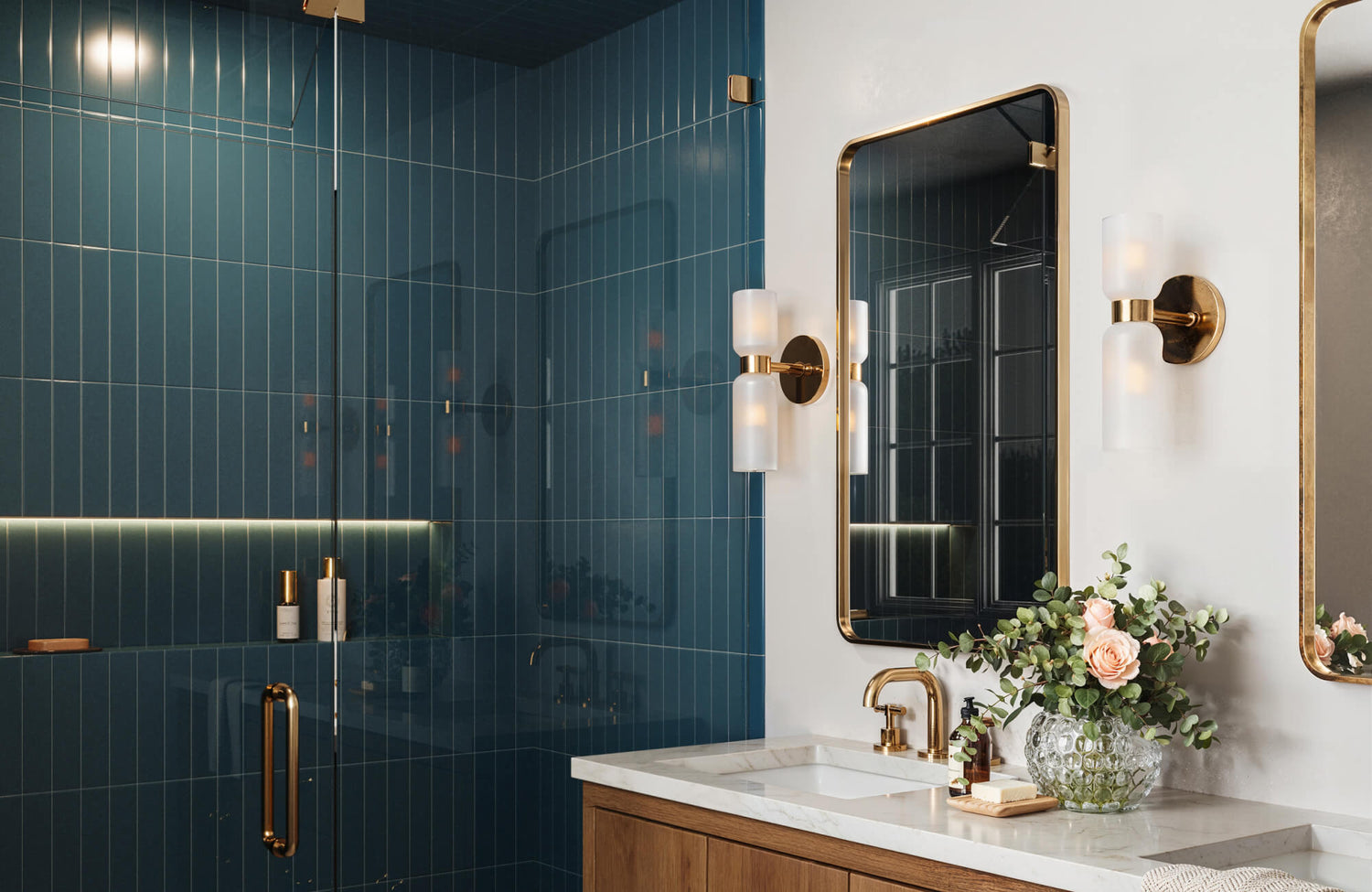
Dark subway tiles, such as black, green, navy, and brown, can bring definition to spaces that might otherwise feel unresolved. Against warm stone, brushed metal, or pale plaster, they can create contrast that reads as composed rather than heavy.
The darker the tile, the more grout becomes part of the decision. A matched tone creates seamless continuity; a lighter grout draws each tile into relief. In a kitchen, a dark backsplash gives the room structure and a sense of quiet completeness. In a bath, it produces a stillness and atmosphere more often found in the finest interiors. The choice between the two is always deliberate, never incidental.
Colored Subway Tiles for Added Personality
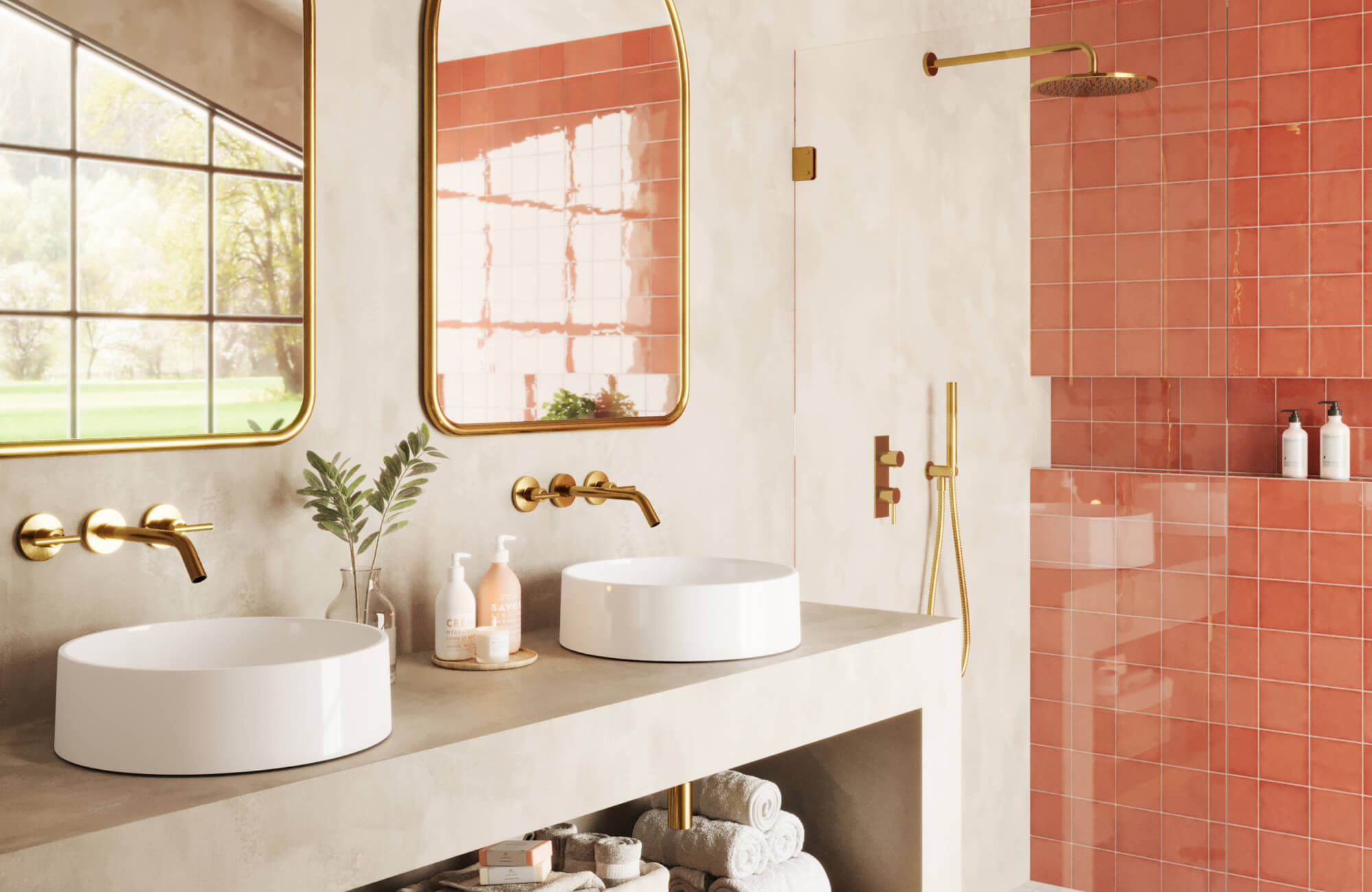
Color, applied to a form as disciplined as the subway tile, becomes the primary material statement. Soft sage, dusty blue, warm terracotta, muted clay, these shades can bring character without complexity. The shape remains familiar; the color carries the room.
Sage reads as calm and botanical. Blue carries stillness. Clay and caramel bring warmth to surfaces that might otherwise feel cool. Deeper tones, such as olive, slate, and burgundy, produce richness that rewards a considered space. For those beginning to explore color in tile, a muted palette is often the most confident starting point: present enough to feel intentional, restrained enough to feel lasting.

Vertically stacked blue subway tiles line both the walk-in shower and tub surround, paired with Reagan 5 x 6 Matte Porcelain Hexagon Tile in Gris, brushed gold fixtures, and a freestanding soaking tub in a calm, collected bath
Trending Subway Tile Layouts
The same tile in two different layouts can produce entirely different rooms. This is the quiet power of arrangement; it asks nothing of the material, only a more considered perspective on how it is placed.
Vertical Stacking
Vertically stacked subway tiles create upward movement that feels architectural rather than decorative. The eye travels along the line of the tile rather than across it, lending walls a precision that suits showers, narrow alcoves, and any space where height is an asset worth emphasizing.
With elongated formats, the vertical effect deepens, something the photo above captures particularly well. Edward Martin’s Maisie 2.5 x 16 Glossy Ceramic Tile in Ocean is stacked vertically across both the shower wall and tub surround, its soft blue tone and slight surface variation bringing warmth to a layout that could otherwise feel strictly ordered. Combined with a handmade-look surface, where slight variation softens the discipline of the grid, vertical stacking achieves something both structured and quietly alive.
Herringbone and Chevron
Herringbone and chevron bring directional energy to a surface without introducing disorder. The broken zigzag of herringbone and the continuous angle of chevron give a wall or floor movement, suited to backsplashes, shower walls, and floors where the tile is intended to be seen and appreciated. These layouts benefit from restraint in everything around them. Simple countertops, calm cabinetry, and minimal fixtures allow the pattern to read with the clarity it deserves.
Grout and Trim
Grout is part of the composition, not a finishing detail. A contrasting tone in charcoal or black defines the geometry of a light tile, giving the surface graphic precision. A matched grout allows the tile's color or texture to prevail, producing a more continuous, immersive quality. Both are valid. The distinction is in knowing which effect the room calls for.
Trim completes what the tile begins, and the right profile makes that completion feel seamless. Edward Martin’s Maisie 0.5 x 8 Jolly Glossy Porcelain Tile in Ocean, a traditional quarter-round trim, finishes edges with the same material and finish as the field tile, so the installation reads as a single, considered surface rather than a collection of separate decisions. Pencil liners, bullnose edges, and border details work the same way, a small choice that, made well, ensures the whole installation feels resolved from the very first tile to the last.

Dark herringbone porcelain flooring runs through a sun-lit entryway, anchored by a wooden bench, potted indoor trees, arched double doors that open to the outdoors, and the Charlise Rug in Natural / Navy visible through the threshold
Creative Subway Tile Applications
Subway tiles are no longer confined to the conventional backsplash. Their range of finishes, material qualities, and clean geometry makes them suited to larger surfaces, more architectural applications, and spaces where a lesser material would feel inadequate.
Statement Backsplashes
The most compelling backsplashes today extend beyond function. Full-height installations, surfaces that wrap around windows, tile that continues behind open shelving, these decisions transform a practical surface into something that gives the room genuine design authority. The strongest results come from reading the room in full. A countertop with natural movement calls for a quieter tile behind it. An understated palette creates room for a more textured or colored surface to do the work. The backsplash, treated as part of the room's overall composition, elevates everything it touches.
Full-Wall Installations
A fully tiled wall creates coherence. In a bathroom, it unifies a shower, a vanity wall, or a tub surround into a single, considered surface. In a kitchen, tile carried from counter to ceiling provides a backdrop for lighting, shelving, and hardware that feels complete rather than assembled. Elongated tiles read more calmly at this scale. Glossy finishes amplify light across the surface; matte finishes absorb it, producing a more interior mood. The choice depends not on preference alone, but on what the room already holds and what it still needs.
Subway Tile Flooring
Rectangular tile underfoot creates a pattern with discipline. In porcelain, chosen for its density and surface qualities suited to floors, it brings quiet interest to bathrooms, entryways, and kitchens without relying on bold color or complex form.
Layout shifts meaning entirely at floor level. A staggered offset reads as classic. Herringbone introduces movement and direction, and the photo above shows how much character that choice can bring to a space. Edward Martin’s Juliet 2.5 x 10 Matte Porcelain Tile in Iron, laid in herringbone across the entryway, grounds the room with depth and quiet direction, its dark, matte surface doing exactly what a well-chosen floor should do. A straight stack, by contrast, carries modern precision. Because floors are experienced differently than walls, walked across, seen from above, and lived on, the pattern becomes a more significant part of how the room feels day to day.

Warm almond subway tiles run floor-to-ceiling around a wood-mantled fireplace, flanked by symmetrical arched built-ins and oak cabinetry, over Preston 8 x 48 Matte Porcelain Tile in Pine and a Haverford Rug in Platinum / Bronze in an earthy, layered living room
Subway Tiles in Unexpected Spaces
Some of the most refined uses of subway tile are the ones that feel least expected. A fireplace surround. An outdoor kitchen. A powder room that borrows the quiet authority of a boutique hotel bath. These applications succeed not because subway tile is versatile in the conventional sense, but because its geometry and material honesty translate across contexts with integrity.
Fireplace Surrounds and Architectural Features
A subway tile surround frames a firebox with precision. A glossy finish reflects warmth and light; a matte or textured surface gives the fireplace a more grounded, material quality, one that invites stillness rather than spectacle. The photo above is a fitting example of that practice of restraint. Edward Maritn’s Everett 2 x 10 Matte Ceramic Tile in Almond runs floor to ceiling around the firebox, its warm, earthy tone and matte finish settling quietly into the room rather than competing with it, allowing the fireplace to anchor the space without demanding attention. Either finish can achieve that kind of presence, as long as the choice is made with the room in mind.
The same sensibility applies to niches, built-in shelving, stair risers, and columns. In these places, tile does not decorate; it defines. It marks a boundary, completes an edge, and gives architecture clarity. The scale of the tile should answer the scale of the feature: a smaller surround carries a slimmer format with elegance; a generous architectural element can hold an elongated tile with equal authority.
Outdoor Kitchens and Patio Features
Subway tiles are appearing with increasing intention in outdoor kitchens and covered living areas, where their clean geometry reads beautifully against natural materials. Here, material selection becomes inseparable from design intent. Porcelain with low water absorption performs where other tiles cannot. In climates that demand it, frost resistance is not optional. The most enduring outdoor installations are those where beauty and durability are considered together.
Hospitality-Inspired Interiors
The finest hotels, restaurants, and boutique interiors have long understood the quiet authority of subway tile, a surface that is immediately recognizable, impossible to date, and always suited to its surroundings. That same conviction is finding its way into homes: a tiled coffee bar carried to the ceiling, a powder room in deep navy, a mudroom wall that meets a functional moment with material seriousness. The principle worth borrowing is not the aesthetic. It is the standard of care. Every surface in a considered home is a design decision. The question is only whether it is treated as one.

Soft grey handmade-look subway tiles fill the shower wall in a vertical stack, paired with a Foley Wall Sconce in Aged Brass, a raw wood double vanity, vessel sinks, and trailing botanicals in a serene, light-washed bath
Material and Finish Trends in Subway Tiles
Beyond color and form, finish shapes the entire character of a tile, determining how light behaves, how texture reads, and whether a space feels composed or simply decorated.
Glossy Handmade-Look Subway Tiles
Glossy handmade-look subway tiles bring together the reflectivity of a classic glaze and the warmth of visible craft. Slight ripples, tonal shifts, and irregular edges give the surface life, a quality that changes with the light and makes a wall feel made rather than manufactured.
In a kitchen, this finish softens the precision of straight cabinetry. In a bath, it adds depth to a shower wall without introducing pattern or complexity. The variation is not a flaw to be managed; it is the material's character. Viewing samples in the intended space, under its actual light conditions, is the only way to understand what a tile will truly become in a room.
Matte and Textured Subway Tiles
Matte and textured finishes produce a quieter surface, one that absorbs light rather than returning it, and brings a room toward calm. Where gloss and polish already exist in a space, a matte tile restores balance. Where everything is already understated, a lightly textured surface adds dimension without disturbing the room's composure. The most considered choice is one where the finish was selected for its relationship to the whole, to the light in the room, the materials beside it, and the way the space is meant to feel when it is lived in.
On Choosing Well
The right subway tile is not the one that follows the strongest current trend. It is the one that belongs to the room, to the materials around it, to the life that will be lived there. Trends offer a starting point. Design thinking offers a destination. The spaces that endure are those where every surface, including the most familiar, was chosen with the conviction that beauty and intention are never separate, and that the most lasting luxury is the kind that simply feels right, every day.
If you are ready to make that kind of choice, Edward Martin is here to help. Browse our tile collections or reach out to our design team for guidance on finding the right material, finish, and composition for your space. Every considered environment begins with a single, well-chosen surface.