Outdoor counter stools have moved well beyond their former role as occasional patio seating. As outdoor kitchens, bar counters, and covered entertaining areas become integral to everyday living, these stools are now expected to perform just as well as indoor seating options. When you start looking at current designs, you will notice a clear shift toward materials that last longer, seating that supports real comfort, and styles that feel intentional rather than decorative.
The latest outdoor counter stool trends respond directly to how you use your space today. Whether you host regularly or simply enjoy quiet mornings outdoors, these stools are designed to handle frequent use while maintaining their appearance. Understanding what has changed helps you make informed choices that feel comfortable now and continue to work well over time.

Material Innovation for Long-Term Outdoor Use
When you shop for outdoor counter stools today, materials are no longer chosen for appearance. Modern designs focus on durability under sun, moisture, and temperature changes, helping stools remain reliable with minimal upkeep.
Weather-Resistant Metals
One of the latest outdoor counter stool trends is the increased use of weather-resistant metals that offer lasting durability while remaining practical for everyday outdoor use. Aluminum remains popular for its rust resistance and lightweight feel, making it easy to adjust seating layouts, while stainless steel provides added strength in covered spaces, and powder-coated steel offers enhanced protection against corrosion and surface wear in changing outdoor conditions.
Advanced Synthetic Weaves
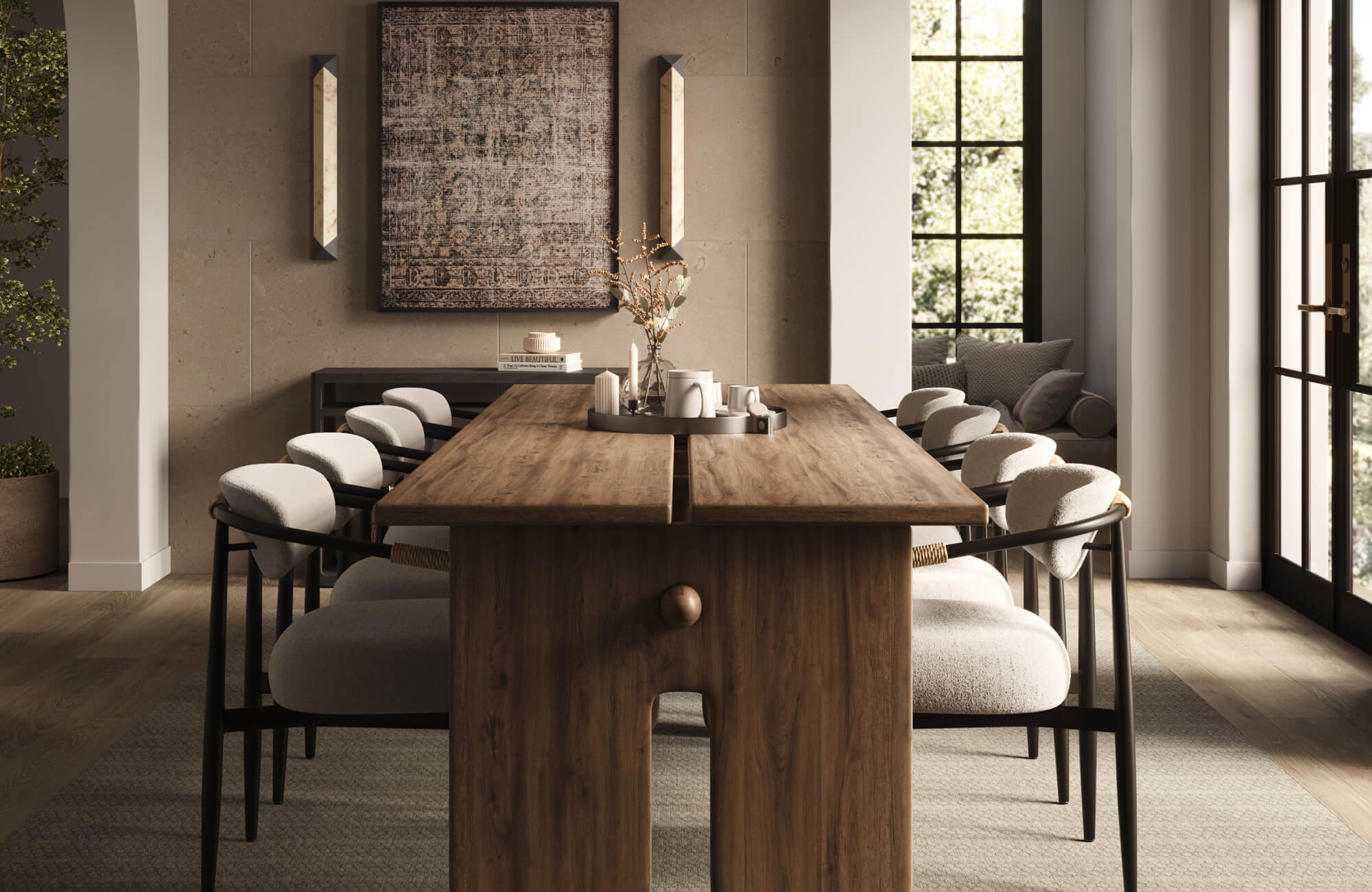
Another notable development in synthetic weaves is how these materials now balance visual warmth with dependable performance. Modern resin and polymer fibers closely replicate natural textures while resisting moisture, cracking, and fading, allowing woven seating to maintain its appearance even with prolonged outdoor exposure. An alternative example is our Kendra Outdoor Dining Chairs in Natural, Set of 2, as displayed in the photo above, which feature a synthetic all-weather rope weave that resists fading and cleans easily, as reflected in the photo featured above. Designed for both residential and commercial settings, these chairs demonstrate how updated woven materials can perform reliably indoors or outdoors while requiring far less maintenance than natural fibers.
Performance Fabrics for Seating
Performance fabrics play an equally important role in outdoor counter stool design by balancing comfort and durability. These textiles are designed to resist mildew, repel moisture, and maintain their color in direct sunlight. Quick-drying foam and removable covers also make care easier, helping keep seating usable through changing weather conditions.
By selecting fabrics that suit your climate and maintenance expectations, you can reduce long-term upkeep and ensure your outdoor counter stools remain dependable throughout the year.

Comfort-Forward Design Takes Priority
Comfort-forward design has become one of the most noticeable outdoor counter stool trends as these pieces are increasingly used for longer, more frequent periods rather than brief gatherings. With outdoor spaces serving as areas for dining, working, and relaxing, thoughtful support and seating comfort play a much larger role in long-term satisfaction.
Ergonomic Seat Shapes
Ergonomic seat shapes are a key part of the latest outdoor counter stool trends, reflecting a shift toward seating designed for real comfort. Contoured seats, gently curved backs, and well-positioned footrests support natural posture, helping reduce strain during longer gatherings and making stools feel more supportive rather than rigid. These design improvements are especially noticeable when stools are used for dining or extended conversations. Over time, ergonomic shaping contributes to better sitting comfort without requiring thick cushions or added padding.
Cushioned vs. Sling Seating
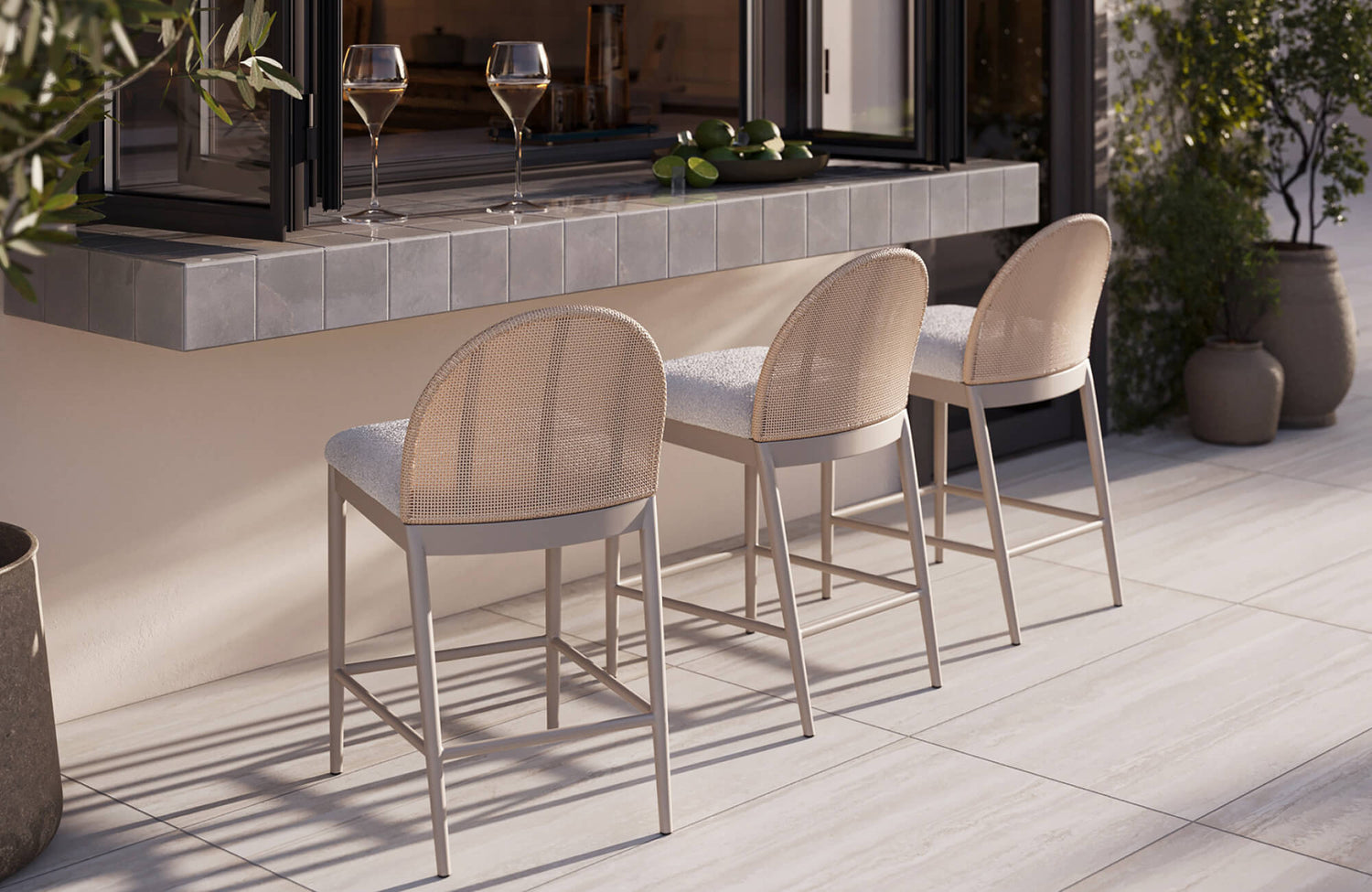
Cushioned and sling seating offer different comfort experiences, each suited to specific outdoor needs. Cushioned seats can provide a softer feel that works well for longer sitting periods, especially when stools are used for dining or extended conversations. A good example is Edward Martin’s Darcy Outdoor Counter Stool in Cream, as shown in the photo featured above, which illustrates how a cushioned seat can add comfort while maintaining a clean, refined look.
Sling seating, on the other hand, offers firmer support and improved airflow, which can be beneficial in warmer climates. Choosing between the two often comes down to how frequently the stools will be used and the level of comfort you prefer.
Armrests for Added Support
Armrests provide added upper-body support during meals and longer conversations, making seating more comfortable for extended use. In more compact layouts, armless stools remain popular because they slide easily under counters, helping to keep the space visually open. As a result, the right choice often depends on the available room and how the seating will be used.
When you consider how often the stools will be in use, it becomes easier to prioritize comfort features that support everyday enjoyment without complicating the decision.

Visual Trends Shaping Outdoor Aesthetics
Visual design has become an equally important part of the latest outdoor counter stool trends, with these pieces now contributing to the overall look of the space. Instead of standing apart as separate elements, modern designs are intended to blend seamlessly with surrounding finishes, helping outdoor kitchens and bar areas feel cohesive and well planned.
Earth-Toned Color Palettes
Earth-toned color palettes center on warm neutrals, muted greens, and soft gray tones that work naturally in outdoor settings. These shades pair well with stone, concrete, and wood surfaces commonly found outdoors, allowing stools to complement the environment rather than compete with it. As a result, the overall space feels more balanced and tends to age more gracefully over time.
Mixed Texture Finishes
Mixed texture finishes add visual interest without overwhelming the space. Pairing metal frames with woven seating or wood-look accents introduces contrast while maintaining a sense of balance. This layered approach helps stools feel intentional and visually connected to surrounding materials, reinforcing a cohesive outdoor design.
Low-Profile Silhouettes
Low-profile silhouettes work especially well in open-air settings where maintaining visual flow is important. Slim, streamlined designs help keep sightlines open and reduce visual weight, allowing outdoor spaces to feel more open and less crowded. This approach is particularly effective when counters face gardens, pools, or scenic views. It also allows surrounding architectural features and landscaping to remain the focal point rather than the seating itself.

Height and Proportion Adjusted for Modern Counters
As outdoor counters become more customized, outdoor counter stool trends are shifting to reflect better attention to height and proportion. Getting the sizing right has a noticeable impact on comfort and ease of use, making it an equally important consideration before choosing stools.
Precise Seat Height Standards
Outdoor counter stools work best when the seat height allows comfortable leg clearance, as even small measurement differences can affect how naturally you sit. Measuring the counter height before selecting stools helps prevent awkward posture and ensures the seating feels comfortable for everyday use. This attention to proportion also supports easier movement when sitting down or standing up. Over time, properly sized stools contribute to a more relaxed and functional outdoor counter experience.
Slim Frames for Tight Layouts
Narrower profiles and open bases allow stools to fit more comfortably in compact layouts, improving movement around the counter and reducing a crowded feel. This design approach also makes it easier to tuck stools away when not in use. In smaller patios or balconies, slim frames help maintain a sense of openness without sacrificing functionality. They also support flexible seating arrangements when space needs change.
Footrest Placement and Stability
Footrest placement is an equally important detail because it directly affects comfort and stability. When positioned correctly, footrests support your feet without forcing your legs into an awkward position. A well-designed, stable footrest also reinforces the stool’s structure, contributing to a more secure and durable seating experience. Over time, this added stability helps the seating feel more comfortable during extended use.

Flexibility and Mobility in Outdoor Seating
Flexibility and mobility are increasingly important as outdoor spaces are designed to support a range of everyday activities. Whether you are hosting guests or rearranging your layout, stools designed for easy movement help your space respond smoothly to changing needs.
Lightweight Stackable Designs
Lightweight stackable designs make outdoor seating easier to manage when space or storage needs change. Stackable stools can simplify storage during off-seasons or when extra space is required, while their lightweight construction allows for easy movement without strain. This flexibility is also useful in multifunctional outdoor areas that host both daily use and occasional gatherings. It also helps keep the space organized without permanently removing seating.
Swivel Features for Social Layouts
Swivel features support more natural movement, making them well-suited for social outdoor layouts. Swivel stools allow you to turn easily toward conversations without moving the base, which helps seating feel more relaxed and interactive. This design reduces the need to frequently reposition stools during gatherings. Over time, swivel functionality helps improve comfort by reducing the need for repeated shifting and adjustments.
Indoor-Outdoor Versatility
Indoor-outdoor versatility lets the seating transition easily between spaces while still feeling appropriate in each setting. Stools designed with this flexibility can be used at indoor counters or outdoor bars, making entertaining more seamless. This approach also helps maintain a consistent look across connected living areas. Over time, versatile seating maximizes functionality and reduces the need for additional furniture, adding long-term value to your space.

Sustainability Influencing Outdoor Stool Choices
Sustainability is becoming an important consideration in outdoor furniture decisions. Outdoor counter stools increasingly reflect a focus on responsible production, material efficiency, and long-term use.
Recycled and Responsible Materials
Recycled metals and thoughtfully sourced synthetics help reduce material waste while maintaining strength and durability. These materials support sustainability without compromising performance or comfort. In outdoor settings, they continue to perform well under weather exposure and regular use. Choosing responsibly sourced materials allows you to balance environmental considerations with long-term functionality.
Longevity Over Disposable Design
Longevity is becoming a key consideration, with durable construction and repairable components taking priority. Well-made stools are designed to be maintained and refreshed over time rather than replaced frequently. This approach supports more thoughtful purchasing and reduces long-term waste. It also ensures seating continues to perform reliably through years of outdoor use.
Low-Impact Finishes and Coatings
Finishes that limit chemical use while still protecting against weather exposure are becoming more common. These coatings support durability while reducing environmental impact and maintaining the stool’s appearance over time. By choosing finishes that balance sustainability with performance, you ensure your stools meet both practical needs and ethical expectations.
Choosing Outdoor Counter Stools That Stay Relevant
Choosing outdoor counter stools today involves a shift toward thoughtful design rather than short-lived style. When you focus on material performance, comfort, proportion, flexibility, and responsible construction, your choices align more naturally with how outdoor spaces are actually used. This approach helps ensure seating supports everyday use while remaining visually balanced within the space.
By considering how stools fit into daily routines and long-term plans, you avoid decisions based solely on appearance. If you would like guidance tailored to your outdoor layout and lifestyle, our design service can help you explore suitable options, and you are always welcome to contact us for personalized support as you plan a space that feels comfortable, functional, and cohesive over time.