Mirrors are often seen as simple household necessities, but in truth, they hold the power to completely redefine the spaces we live in. Beyond their ability to reflect our image, mirrors can alter how a room feels, expand its dimensions, and influence the mood of everyone within it. Their versatility makes them one of the most underrated yet impactful design elements you can use in your space.
When placed with intention, mirrors do much more than brighten walls or fill empty corners. They amplify light, create balance, and even carry cultural and symbolic meaning that can enrich your connection to a space. This article explores the many ways mirrors enhance both function and beauty, showing how such a familiar object can transform the atmosphere of a room in surprising and meaningful ways.

Enhancing Light and Space Through Reflective Design
More than just decorative accents, mirrors are among the most effective tools for reshaping how a room feels. With careful placement, they can expand the perception of square footage and brighten even the dimmest corners, making them invaluable in compact apartments, narrow hallways, or spaces with limited natural light. What once seemed tight or confined can suddenly appear open and connected, creating a sense of ease that architectural changes alone might never achieve.
The transformative power of mirrors lies in their ability to manipulate both space and light simultaneously. A mirror positioned opposite a fireplace, window, or accent wall, for example, does more than double the impact of that feature—it extends sightlines, dissolves visual barriers, and balances asymmetrical layouts. In the living room shown above, our Raelynn Mantel Mirror in Polished Brass demonstrates this beautifully. Its arched silhouette and reflective brass frame not only highlight the brick fireplace but also draw the eye upward, adding elegance while visually expanding the room. This subtle correction restores balance and cohesion without the need for costly structural changes.
Mirrors also orchestrate illumination—during the day, they capture natural light and scatter it deeper into the room, brightening neglected corners and creating a more uplifting atmosphere. As the sun shifts, the reflections evolve, adding dimension and dynamism to the environment. When night falls, mirrors remain just as valuable. Positioned near lamps or sconces, they amplify the glow, producing layers of warmth and clarity that enhance the overall ambience. Whether in a cozy living room, a dining area, or a multifunctional space, mirrors also allow light to work harder, ensuring your interiors remain radiant and expansive at all hours.

Boosting Practical Functionality in Daily Life
Mirrors are essential tools for daily routines. From grooming to exercise, they offer practical solutions for better visibility, self-awareness, and flexibility in how you use your spaces.
Enhancing Grooming and Self-Presentation
In bathrooms and dressing areas, mirrors become indispensable allies in your daily preparation. They allow you to approach precision tasks, whether applying makeup, shaving, or styling your hair, with far greater ease. A well-lit vanity mirror eliminates shadows and enhances detail, making the process smoother and faster while boosting your confidence in how you present yourself throughout the day.
In the bathroom photo seen above, our Fitz Mirror in Antique Silver captures this balance of function and style. Its clean, round silhouette provides ample reflection for daily routines, while the antique silver finish introduces a subtle touch of sophistication against the textured blue tile backdrop. The result is a mirror that not only supports practical needs but also elevates the overall atmosphere of the space.
Supporting Functional Design in Multi-Use Rooms
Mirrors shine when it comes to making the most of multi-purpose spaces. A full-length mirror in a home gym, for instance, allows you to monitor your form during workouts, ensuring that movements are both safe and effective. The same mirror can also serve an entirely different role in the evening, doubling as a dressing area for selecting outfits or checking posture before heading out.
In smaller spaces where every square foot counts, this adaptability becomes especially valuable. Mirrors can enable one room to serve multiple functions without adding clutter or furniture. By reflecting both light and purpose, they maximize utility and allow you to transition seamlessly between work, leisure, and self-care within the same space.

Elevating Interior Style and Personality
Mirrors do more than reflect the space; they reflect personal style. The design, material, and placement of a mirror can add texture, narrative, and sophistication to a room’s visual language.
Decorative Frames as Focal Art Pieces
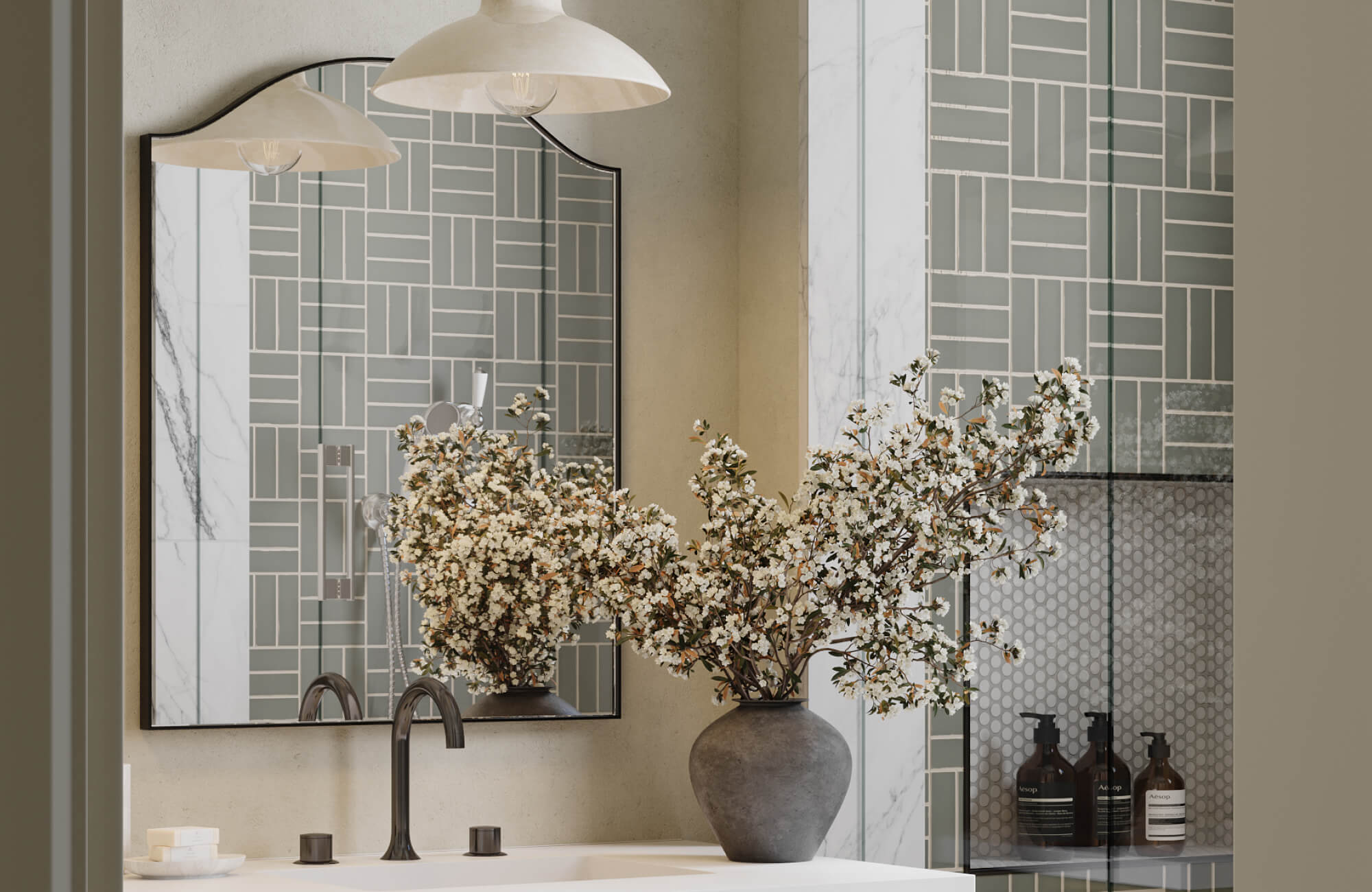
The frame of a mirror often carries just as much weight as the reflective surface itself. A vintage baroque frame, for example, brings a sense of timeless elegance, while a sleek, minimalist trim in metal or wood reinforces a clean and modern aesthetic. By choosing a frame that resonates with your design preferences, you also anchor the entire room’s atmosphere with a piece that blends artistry and function.
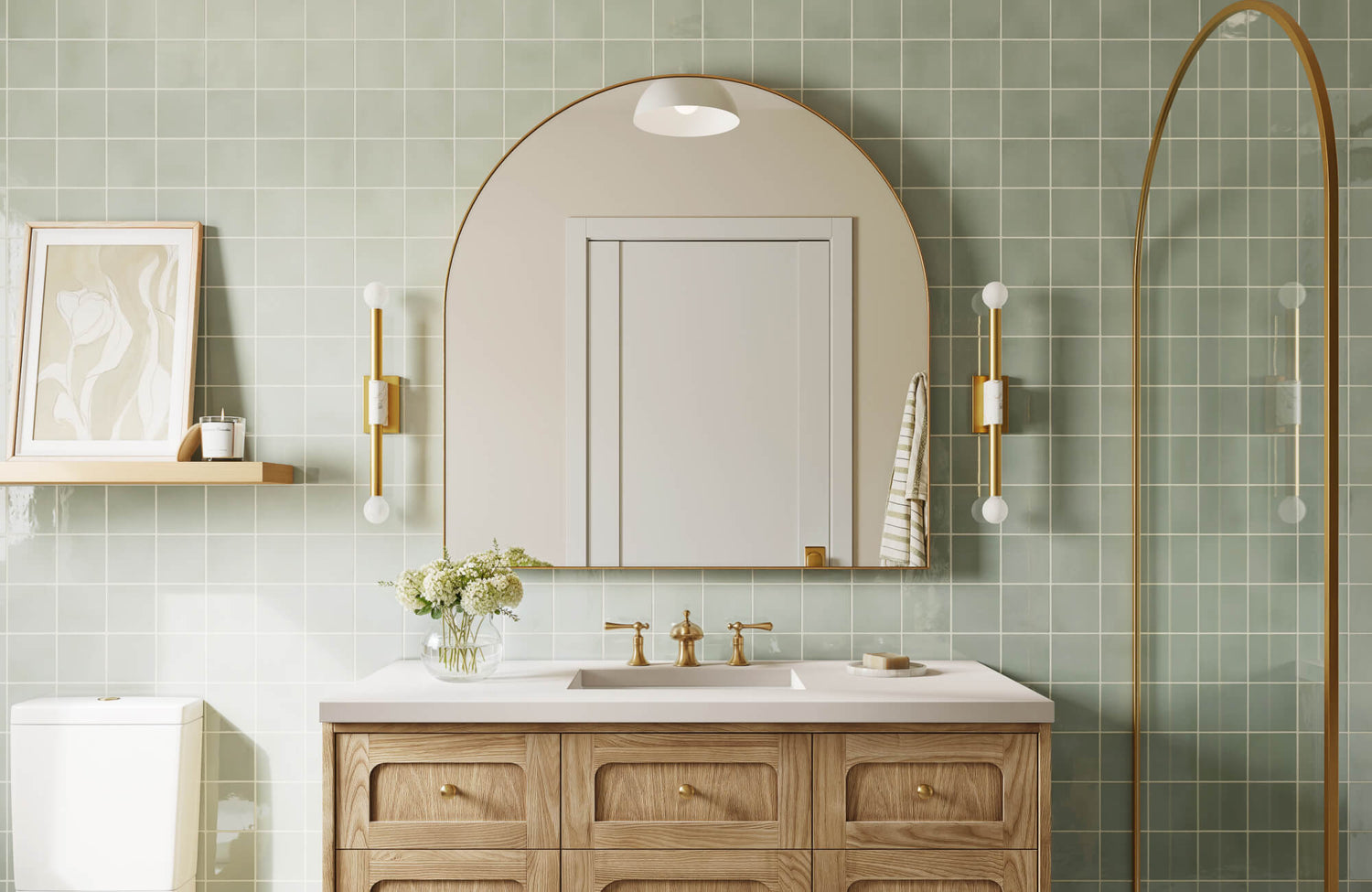
A great example of this balance between artistry and function is our Shirley Large Mirror in Antique Brass Iron above. Its asymmetrical silhouette introduces a playful organic form, while the antique brass frame complements the sconces and fixtures with warmth and sophistication. Rather than simply serving as a reflective surface, it becomes a focal point that unifies the design, softens the vertical lines of the green tile, and elevates the entire room with character and charm.
What makes framed mirrors especially versatile is their ability to replace traditional wall art without sacrificing practicality. Instead of hanging a single painting or print, you can feature a statement mirror that contributes beauty while also serving a purpose. In doing so, you create a focal point that not only catches the eye but also amplifies the character of the room.
Layering Mirrors to Create Depth and Texture
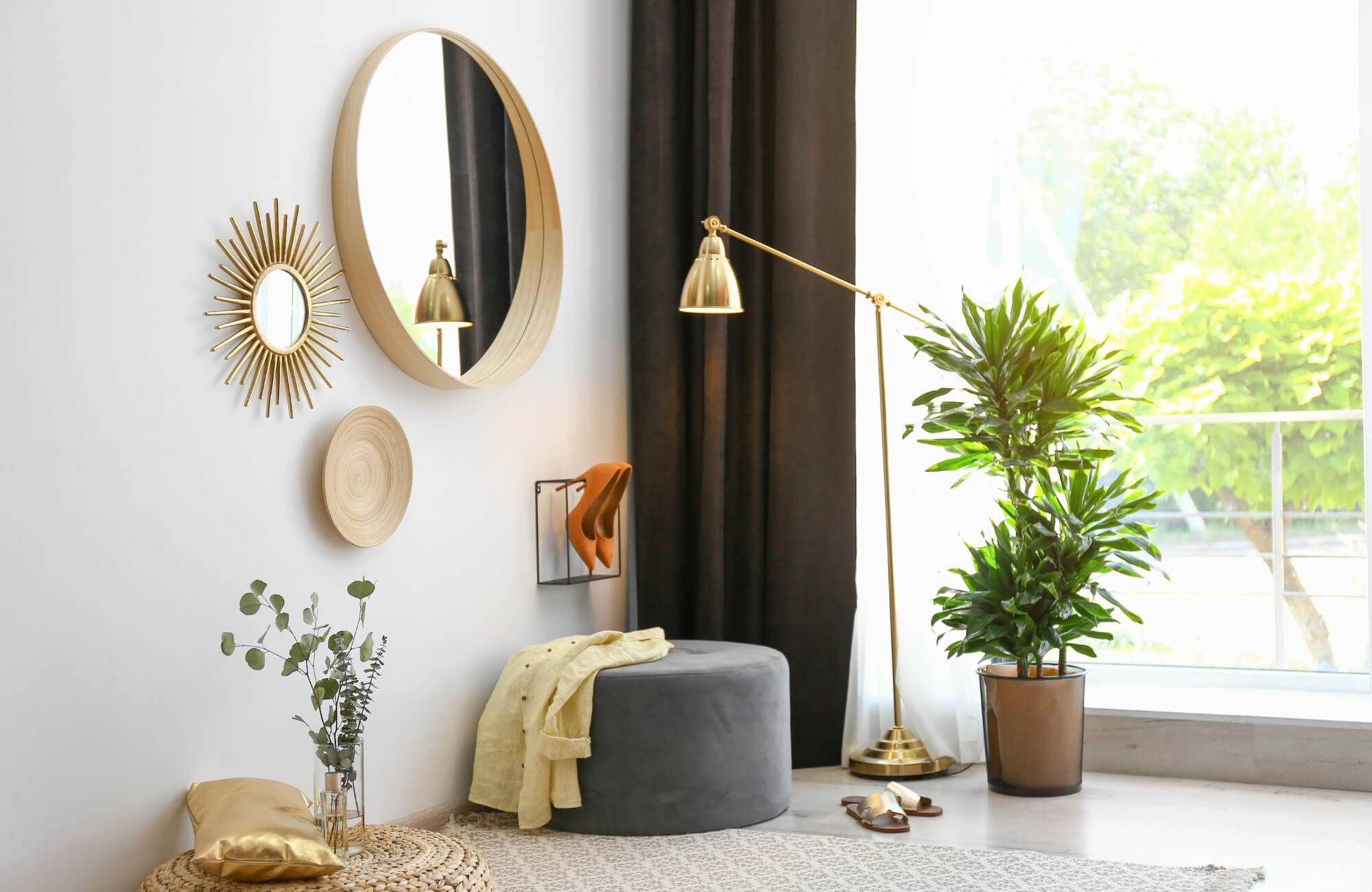
Beyond single statement pieces, mirrors excel when layered into more complex décor arrangements. Incorporating them into gallery walls, tucking them behind lush greenery, or pairing them with metallic accents allows you to create multidimensional scenes. These combinations enhance texture and depth, breaking up flatness and encouraging the eye to move fluidly across the room.
This layering approach also transforms mirrors into creative design tools rather than mere accessories. When placed thoughtfully, they interact with other objects in your space, reflecting color, pattern, and light in ways that shift throughout the day. The result is an evolving visual story that brings richness and intrigue to your interior style, allowing your personality to shine through in subtle yet striking ways.

Shaping Emotional and Psychological Atmosphere
The impact of mirrors extends beyond visual appeal to affect mood and emotional well-being. Their placement can influence whether a room feels calming, expansive, energizing, or introspective, making them subtle yet powerful tools for shaping the atmosphere of your daily environment.
One of the most profound ways mirrors contribute to emotional balance is by creating a sense of openness and calm. When they reflect natural elements such as greenery, sunlight, or expansive views, they counteract the sense of confinement that often comes with smaller or enclosed rooms. This connection echoes the principles of biophilic design, which highlights the restorative effects of nature on the human mind. By positioning a mirror to capture an outdoor scene or the presence of indoor plants, you multiply the soothing qualities of those features, reducing stress and instilling a quiet sense of peace. The result is a space that invites relaxation and encourages a slower, more mindful pace of living.
One standout example is our Raelynn Mantel Mirror in Iron Matte Black above. Its arched shape draws the eye upward, while the matte black frame grounds the design, allowing it to both expand the sense of space and add a feeling of stability. By positioning a mirror like this to capture light or greenery, as shown in the picture above, you multiply the calming qualities of the room, reducing stress and fostering a soothing, mindful atmosphere.
At the same time, mirrors encourage greater self-awareness in the way you inhabit your surroundings. Their reflective surfaces make you more conscious of posture, movement, and body language, which can foster intentional living. This doesn’t stem from vanity but from mindfulness. Whether you are adjusting your seating position at a desk, refining your form during a workout, or simply observing how you carry yourself in conversation, mirrors act as gentle reminders of presence and grace. Over time, this heightened awareness translates into habits that nurture confidence and balance, allowing mirrors to serve as quiet companions in cultivating a more mindful everyday life.

Influencing Energy and Cultural Symbolism
Mirrors have long held symbolic value across cultures, from spiritual tools to status symbols. Integrating this symbolism into modern interiors can enrich a room’s energy, meaning, and sense of connection.
Mirrors in Feng Shui Practices
In Feng Shui, mirrors are seen as powerful instruments for directing chi, the life energy that flows through a space. When positioned thoughtfully, they can attract abundance and encourage harmony. A common practice involves placing a mirror to reflect a dining table, symbolizing prosperity by visually multiplying food and resources. Similarly, mirrors near entrances are used to guide positive energy deeper into the space, welcoming vitality and good fortune.
However, placement must be approached with care. For example, mirrors positioned directly opposite a bed are believed to create restlessness, as the constant reflection can disturb the peace of a sleeping environment. By learning and applying these principles, you can align your mirrors not just with style but also with the energy flow that supports comfort and balance in your daily life.
Cultural Traditions and Modern Interpretations
Beyond Feng Shui, mirrors carry symbolic weight in many cultural and artistic traditions. In Renaissance art, they were often used to represent truth and self-reflection, while in mythology, they frequently symbolized transformation or passage into another realm. These associations highlight how mirrors have always been more than functional objects; they are gateways to ideas about identity, clarity, and change.
In today’s interiors, that symbolic richness is often reflected through design choices that nod to history while feeling fresh and modern. Our Clementine Mirror in Antiqued Gold Leaf, as seen above, captures this balance beautifully. Its gold finish recalls timeless luxury, while its arched form conveys elegance and stability. As a result, the mirror not only serves a functional purpose but also acts as a cultural and symbolic statement, infusing the space with a sense of heritage and refined energy.
Reflecting on the Transformative Role of Mirrors
Mirrors are far more than reflective surfaces; they are dynamic tools that expand space, magnify light, and elevate both style and emotional well-being. By integrating them thoughtfully, you can create interiors that feel brighter, more balanced, and deeply personal. Whether your goal is to improve functionality, restore harmony, or enrich atmosphere, mirrors prove themselves to be powerful allies in shaping rooms that are not only visually appealing but also life-enhancing.
To explore how mirrors can be tailored to your unique space, reaching out directly is an important next step. Our team is available to provide guidance, answer questions, and help translate your vision into a design that feels both intentional and timeless. By connecting with us, you gain the support needed to ensure your mirrors not only serve a purpose but also enhance the overall character of your interiors.