
)
)
)
)
)
)
)
)
What Is The Difference Between A Bathroom Mirror And A Regular Mirror?
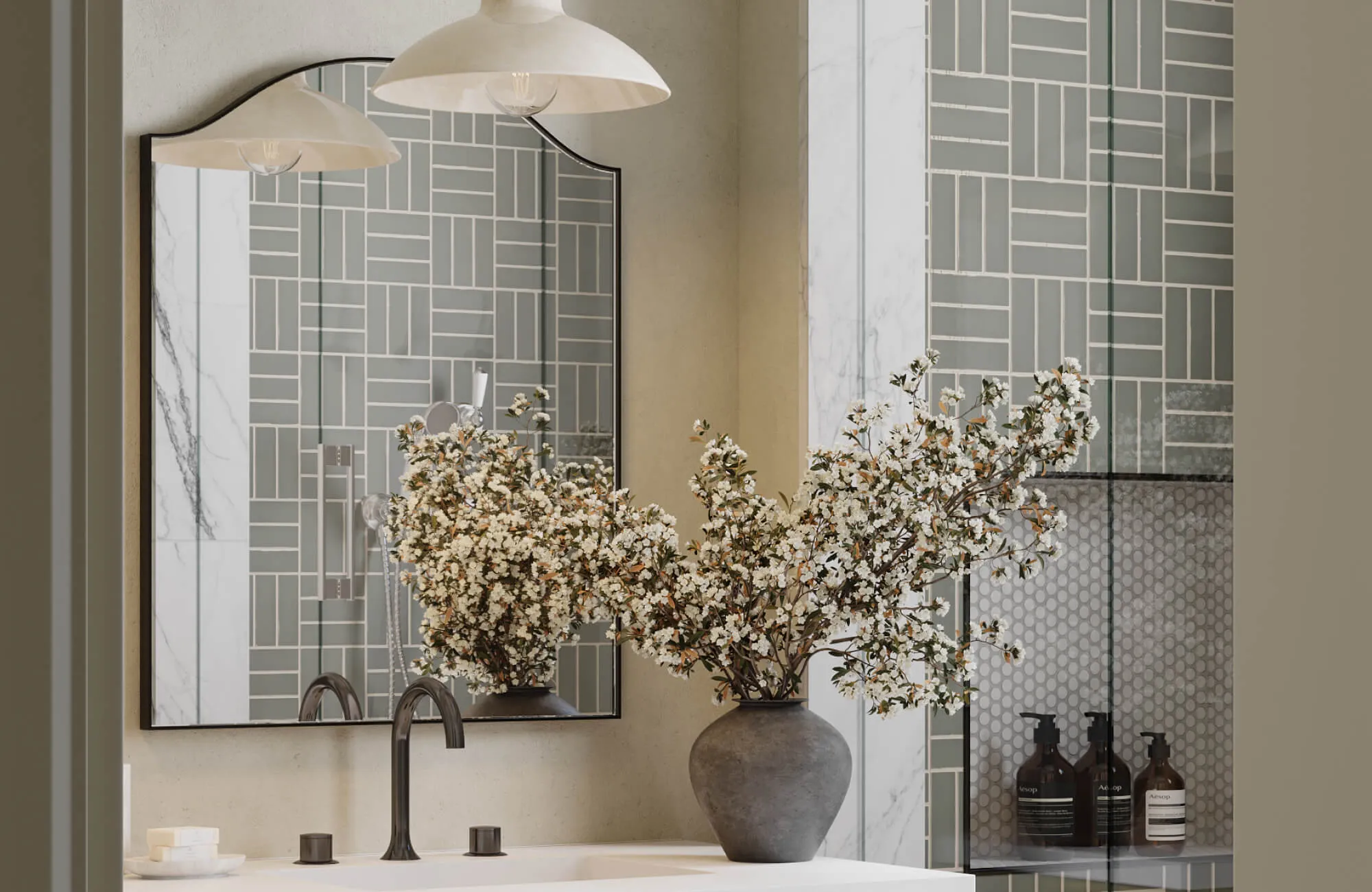
A mirror is more than a reflective surface; it is a statement of style, functionality, and craftsmanship within a home. While a regular mirror brings decorative charm to living rooms, bedrooms, and hallways, a bathroom mirror is meticulously designed to endure steam, humidity, and the demands of daily grooming. The difference lies not only in appearance but also in advanced engineering, from moisture-resistant coatings and anti-fog technology to tempered safety glass and integrated LED lighting. Choosing the right mirror for your space ensures lasting clarity, enhanced safety, and a seamless blend of design with performance. By understanding what sets a bathroom mirror apart from a regular mirror, homeowners can make informed choices that elevate both the beauty and practicality of their interiors.
Environmental Resistance and Moisture Protection
The environment in which a mirror is placed has a direct impact on how long it will remain clear and functional. Bathroom mirrors are designed to thrive in conditions filled with steam and condensation, while regular mirrors quickly deteriorate under the same exposure.
Moisture-Resistant Backing
One of the most important features that gives a bathroom mirror its durability is its moisture-resistant backing, which acts as a barrier between the reflective silvering and environmental humidity. This specialized layer also prevents steam from penetrating the glass and causing the blackened edges known as mirror rot. To further enhance protection, manufacturers seal the edges to prevent delamination, ensuring that the reflective surface remains intact even after years of use. By creating a stable defense against moisture, the mirror retains its clarity and brightness despite daily exposure to hot showers. Regular mirrors, however, lack this reinforced construction, meaning they begin to corrode quickly when installed in damp conditions. This makes a moisture-resistant backing an essential feature for any mirror intended for a bathroom environment.
Anti-Corrosion Sealants
Alongside specialized backings, many bathroom mirrors are finished with anti-corrosion sealants applied to both the back and edges of the glass. These sealants act as a protective coat that resists oxidation and discoloration, both of which are accelerated by bathroom cleaning products and constant exposure to steam. By preventing water molecules from seeping into the reflective layer, the coatings extend the mirror’s life span considerably. The sealant also reduces edge creep, a gradual deterioration that occurs when moisture infiltrates the outer layer of a mirror. In contrast, regular mirrors are not manufactured with such treatments because they are never expected to face these conditions. As a result, bathroom mirrors demonstrate significantly stronger resilience when installed in moisture-heavy spaces.
Comparison With Regular Mirrors
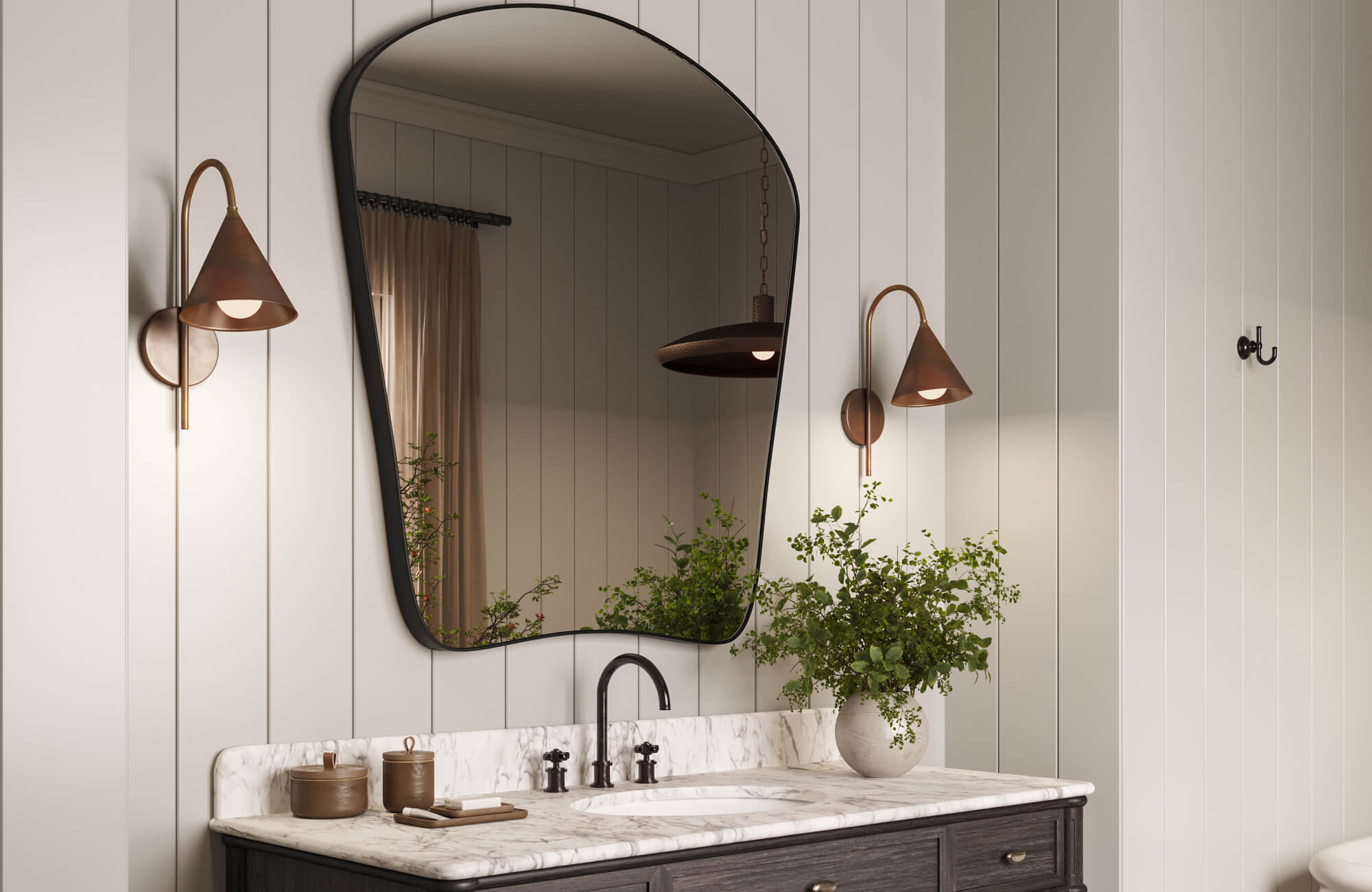
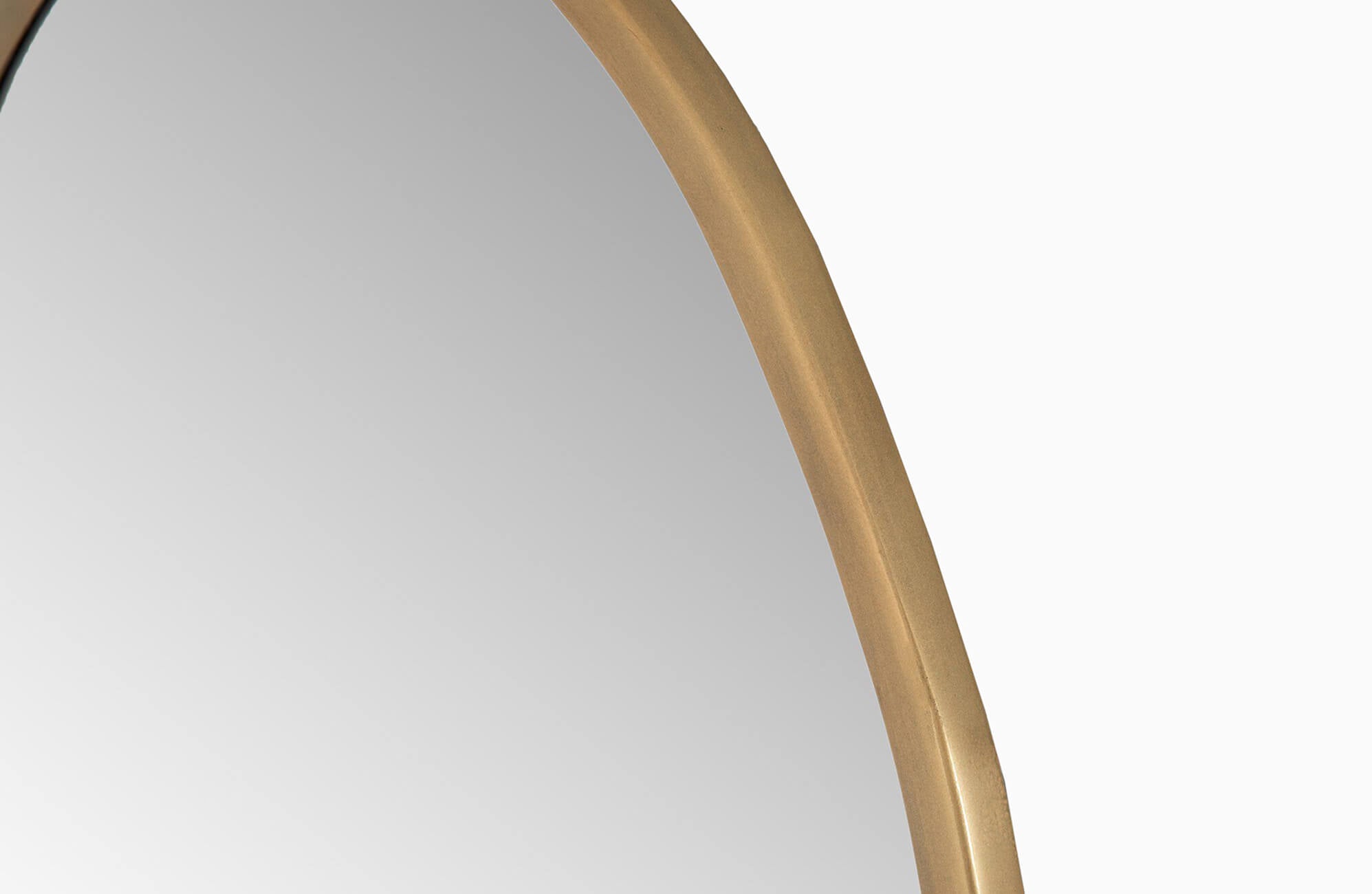
When a regular mirror is placed in a humid setting such as a bathroom, its weaknesses become obvious in just a short time. Blackened edges appear, the reflective coating begins to fade, and the mirror gradually loses its visual appeal. While these mirrors perform well in bedrooms, hallways, or other dry spaces, they lack the reinforced backing and protective sealants that are crucial in high-humidity areas. Without these features, a regular mirror often needs replacement within months, which makes it a costly and inefficient choice for bathrooms. By contrast, a bathroom-specific mirror continues performing reliably, offering years of clear reflections without damage. A perfect example of a mirror best suited for dry interiors is Edward Martin’s Raelynn Mantel Mirror in Iron Matte Black, as displayed in the picture above. Its bold frame and refined silhouette make it ideal for living rooms or entryways, but not practical in moisture-heavy bathroom environments.
Reflective Coating and Material Composition
Beyond protection from moisture, another major difference lies in the reflective layer that creates the image you see. Bathroom mirrors use enhanced coatings designed for longevity, while regular mirrors rely on basic materials suited only for dry environments.
Enhanced Silvering Process
Many bathroom mirrors are produced with a copper-free silvering process, which is far more resistant to corrosion than traditional methods. Multiple protective coatings are then applied on top of the silver nitrate layer, creating a stronger and more durable reflective surface. This process also ensures that the mirror maintains its brightness and accuracy even after years of steam exposure. By eliminating copper, manufacturers prevent the rapid tarnishing that occurs in damp conditions. Regular mirrors, which use standard silver or aluminum layers without reinforcement, cannot withstand the same level of stress. The enhanced silvering process, therefore, plays a key role in keeping bathroom mirrors both clear and durable.
Anti-Fog Technology
To further improve functionality, many bathroom mirrors incorporate anti-fog technology that keeps reflections clear in the steamiest conditions. This can be achieved through demister pads placed behind the glass or through hydrophilic coatings that disperse condensation evenly. Instead of collecting in droplets that block visibility, steam spreads into a thin film that does not disrupt clarity. This feature is particularly valuable in small or poorly ventilated bathrooms, where fogging occurs almost instantly after a hot shower. Regular mirrors offer no such protection and require constant wiping, which damages their reflective surface over time. Anti-fog bathroom mirrors, in contrast, provide consistent clarity and improve daily grooming routines.
Standard Mirror Coatings
Regular mirrors typically use standard silver or aluminum coatings that are inexpensive and sufficient for dry environments. While effective in bedrooms and living areas, these coatings lack protective layers, leaving them vulnerable to humidity and cleaning chemicals. As moisture penetrates the surface, the reflective backing also corrodes and develops visible black spots that spread over time. Cleaning agents accelerate this process by breaking down what little protection exists. Without specialized coatings or fog resistance, regular mirrors degrade quickly when exposed to steam. Their design reflects their purpose: serving as decorative elements rather than reliable fixtures in moisture-prone spaces.
Safety Standards and Shatter Resistance
Bathrooms are accident-prone areas, and this risk shapes how bathroom mirrors are designed and regulated. Unlike regular mirrors, they are often reinforced with safety glass and must comply with strict industry standards to reduce injury risks.
Tempered Glass Construction
Tempered glass is one of the most widely used materials in bathroom mirrors because of its strength and safety benefits. It undergoes a special heat treatment that makes it four to five times stronger than regular glass, allowing it to resist impacts much more effectively. When breakage does occur, the glass crumbles into small, blunt fragments instead of sharp shards. This greatly minimizes the likelihood of serious injuries in a bathroom, where falls are more common. In addition, tempered glass tolerates sudden changes in temperature, making it less likely to crack during hot showers. Regular mirrors, made with untreated annealed glass, break dangerously and provide none of these safeguards.
Laminated Safety Glass
In higher-end bathroom mirrors, laminated safety glass is sometimes used to add another layer of protection. This construction sandwiches a transparent plastic interlayer between two sheets of glass, creating a structure that holds shards together if the glass is broken. Even under force, the mirror remains intact rather than scattering fragments across the room. This feature is especially useful in households with children or elderly individuals, where accidents are more likely. Beyond safety, laminated glass also provides benefits such as UV resistance and sound insulation, enhancing its value. Regular mirrors rarely offer this level of safety reinforcement, leaving users at greater risk.
Regulatory Compliance
Because of these potential hazards, many bathroom mirrors are tested and certified under recognized safety standards. In the United States, ANSI Z97.1 requires that mirrors meet criteria for impact and thermal resistance, while in Europe, EN 12600 establishes similar benchmarks. These certifications also guarantee that the mirror has been manufactured to withstand stress in accident-prone environments. Regular mirrors, unless explicitly sold as safety glass, are not required to meet these standards and are therefore less reliable in bathrooms. For homeowners, choosing a bathroom mirror that complies with such regulations provides both peace of mind and practical protection. Compliance underscores the essential safety differences between the two mirror types.
Functional Features and Integrated Technology
Bathroom mirrors today are more than reflective surfaces; they are multifunctional fixtures designed to improve daily routines. While regular mirrors remain decorative and static, bathroom mirrors integrate lighting, technology, and convenience features.
LED Lighting Integration
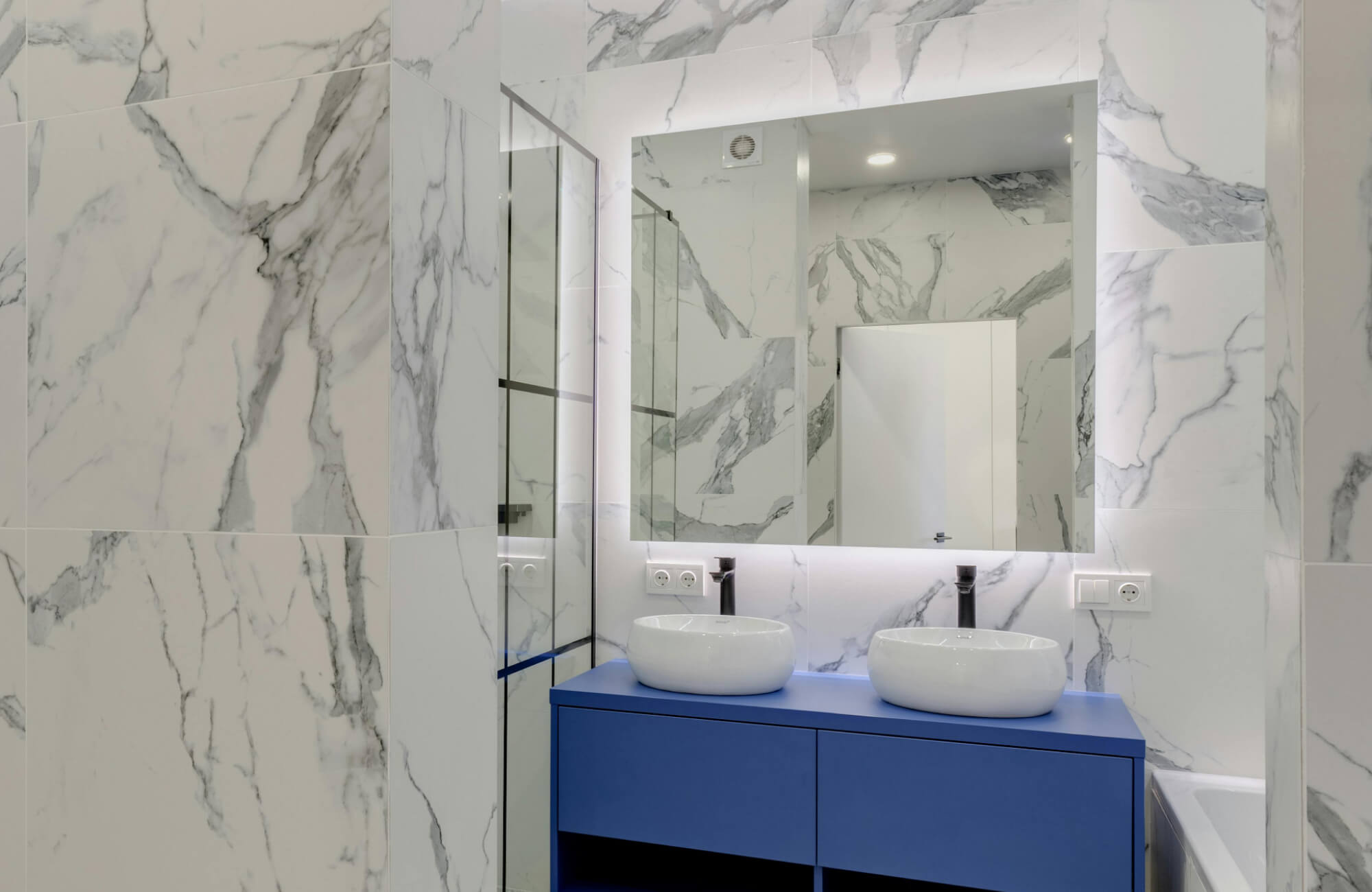
Integrated LED bathroom mirrors provide clear, even illumination that reduces shadows and enhances grooming accuracy. Many models include adjustable brightness and color temperature settings, allowing users to simulate natural daylight when applying makeup or shaving. LEDs also consume far less energy than traditional lighting, offering both environmental and cost-saving benefits. Their placement directly around or behind the mirror ensures that light falls evenly across the face without the need for external fixtures. This combination of reflection and lighting streamlines the bathroom setup while creating a sleek, modern appearance. Unlike decorative mirrors, LED bathroom mirrors serve both aesthetic and practical purposes.
Smart Touch Controls and Demisters
Touch-sensitive controls bring convenience to modern bathroom mirrors by allowing users to adjust settings with a simple gesture. Functions may include switching between lighting modes, dimming brightness, or activating anti-fog demister pads. By keeping the glass warm, demisters prevent condensation from forming, ensuring a clear reflection even immediately after a hot shower. This not only saves time but also protects the mirror’s surface from constant wiping, which can cause wear. Regular mirrors offer none of these features, remaining static and vulnerable to fogging. In contrast, smart bathroom mirrors adapt seamlessly to the needs of daily routines.
Added Innovations
High-end bathroom mirrors often go beyond lighting and demisters, offering advanced innovations such as built-in magnification zones, motion sensors, or even Bluetooth speakers. Some models even integrate digital clocks, weather updates, or voice assistant compatibility, transforming the mirror into a central smart device within the bathroom. These features also provide convenience while blending seamlessly with modern home technology. Unlike ordinary mirrors, which serve purely decorative roles, these mirrors are engineered to enhance efficiency and lifestyle. This shift demonstrates how bathroom mirrors have evolved to meet the demands of contemporary living. As technology continues to develop, their role will expand even further.
Installation, Placement, and Design Considerations
The way a mirror is installed and the design choices behind it further distinguish bathroom mirrors from regular ones. Bathroom mirrors require materials and methods tailored to moisture-heavy spaces, while regular mirrors can be mounted more simply in dry rooms.
Corrosion-Resistant Hardware
Bathroom mirrors are mounted with stainless steel brackets or anodized aluminum fasteners, both of which resist rust and corrosion. These materials maintain their integrity even after years of exposure to steam and cleaning products. Secure mounting is especially important in bathrooms, where heavy, tempered glass must remain stable in slippery environments. The hardware is often designed to handle additional weight and stresses compared to standard mirror supports. Regular mirrors, by contrast, are frequently hung with adhesive strips or simple hooks that are unsuitable for damp areas. Choosing corrosion-resistant hardware ensures long-term stability and safety for bathroom installations.
Moisture-Safe Mounting Surfaces
In addition to hardware, the surfaces on which bathroom mirrors are mounted play a crucial role in durability. Moisture-resistant drywall, cement board, or sealed tile are often used to prevent water infiltration. Proper sealing around the mirror’s edges further protects against mold growth and wall damage. By combining secure hardware with appropriate substrates, installers create a setup that endures the challenges of a bathroom environment. Regular mirrors can be mounted on untreated drywall or wood without concern in dry rooms, but such surfaces fail quickly when exposed to moisture. This difference in installation highlights the additional demands placed on bathroom fixtures.
Design Priorities
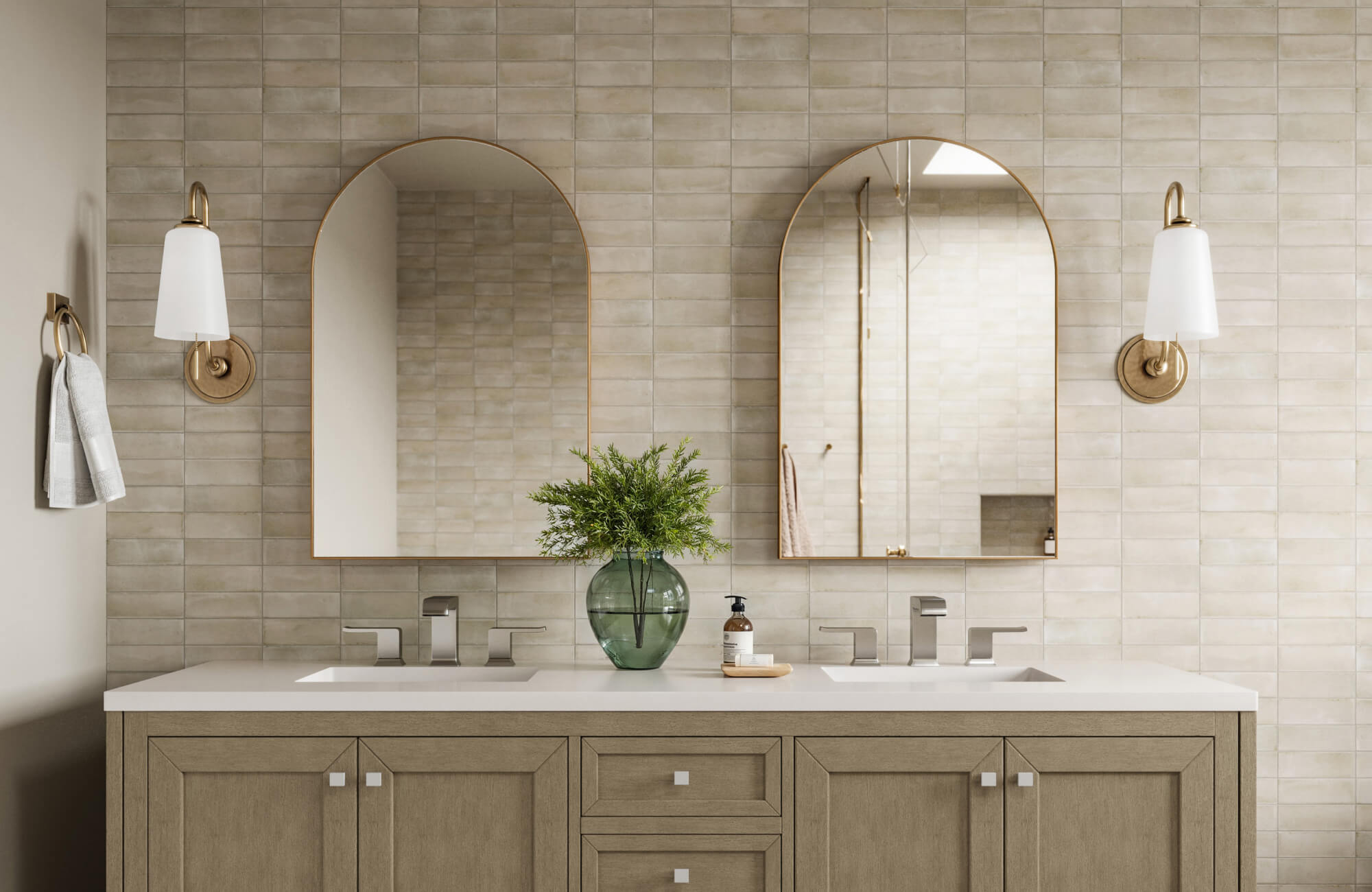
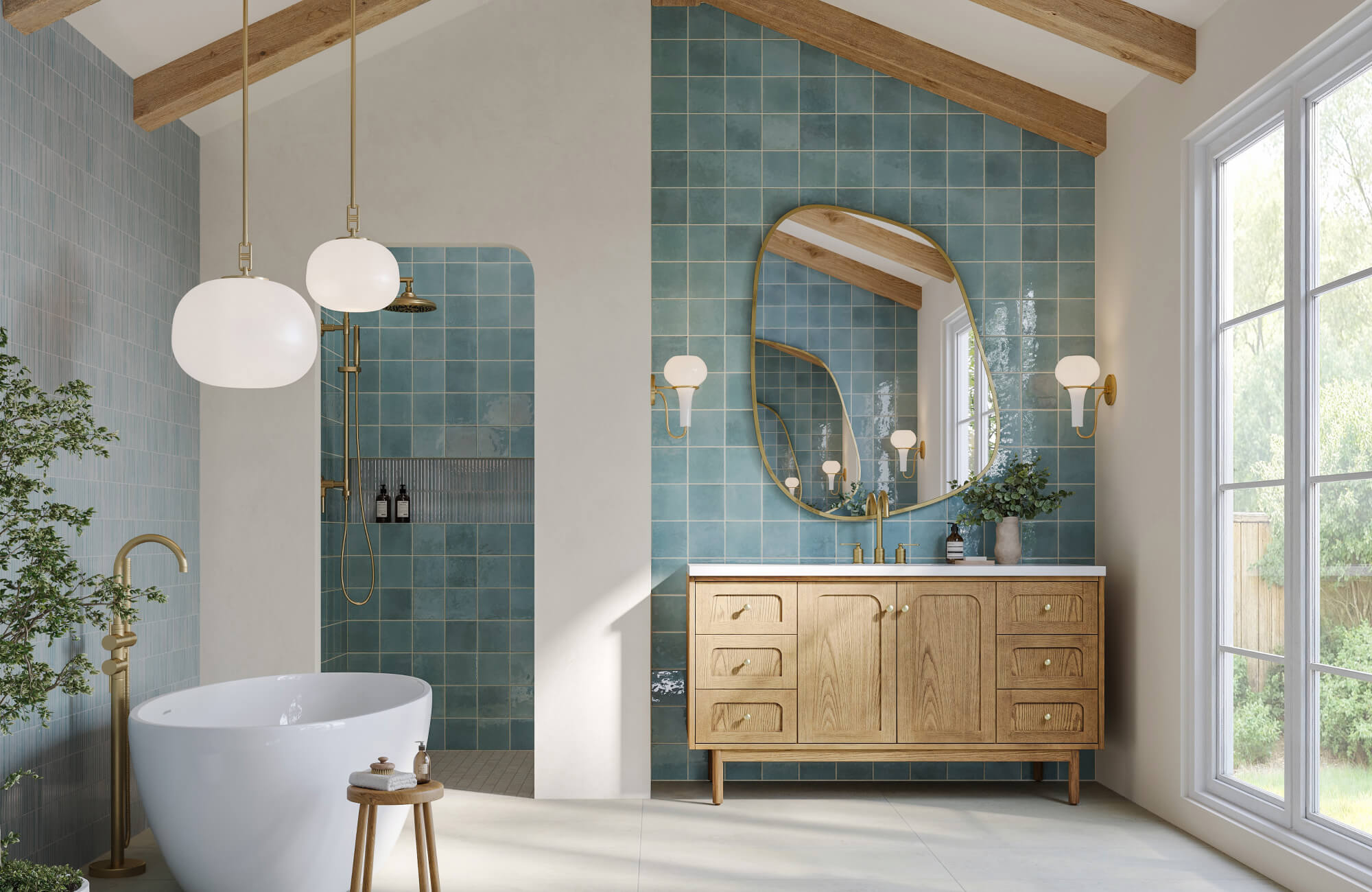
Finally, the design of a bathroom mirror reflects its functional purpose. Frameless or minimalist designs dominate, reducing the areas where moisture can collect and simplifying cleaning. These styles also complement modern bathrooms by maximizing reflective surface while conserving space. In contrast, regular mirrors are often framed, beveled, or highly ornate, emphasizing decoration over practicality. While these designs suit living rooms or bedrooms beautifully, they are not ideal in moisture-prone spaces. For example, our Shirley Small Mirror in Antique Brass Iron, as featured in the picture above, pairs a warm brass-toned frame with resilient construction, making it as practical as it is stylish. Similarly, the Tristan Round Mirror in Polished Brass offers another elegant option, with a refined circular silhouette that blends timeless design with the durability needed for humid bathroom environments.
Elevating the Choice of Your Bathroom Mirror
The distinction between a bathroom mirror and a regular mirror is defined by purpose, durability, and innovation. A bathroom mirror is crafted to withstand moisture, resist fogging, and enhance safety while offering functional features that simplify daily routines. Regular mirrors, while beautiful in dry spaces, simply cannot provide the same reliability in a humid environment. By selecting a mirror designed for its intended setting, homeowners bring together elegance, longevity, and everyday practicality in a way that transforms their living spaces.
For those seeking timeless craftsmanship and refined design, Edward Martin offers a curated collection of bathroom mirrors that combine beauty with performance. From bespoke design services to tailored recommendations, our team ensures each piece complements both style and function. To explore our full range or to speak directly with our specialists, we invite you to contact us and discover how Edward Martin can help elevate your home with mirrors that are built to last!
Follow us on Instagram
@EDWARD.MARTIN
)
)
)
)
)
)
)
)
)
)
)
)
)
)
)
)