
)
)
)
)
)
)
)
)
Should You Mount Or Lean A Large Mirror For Best Results?
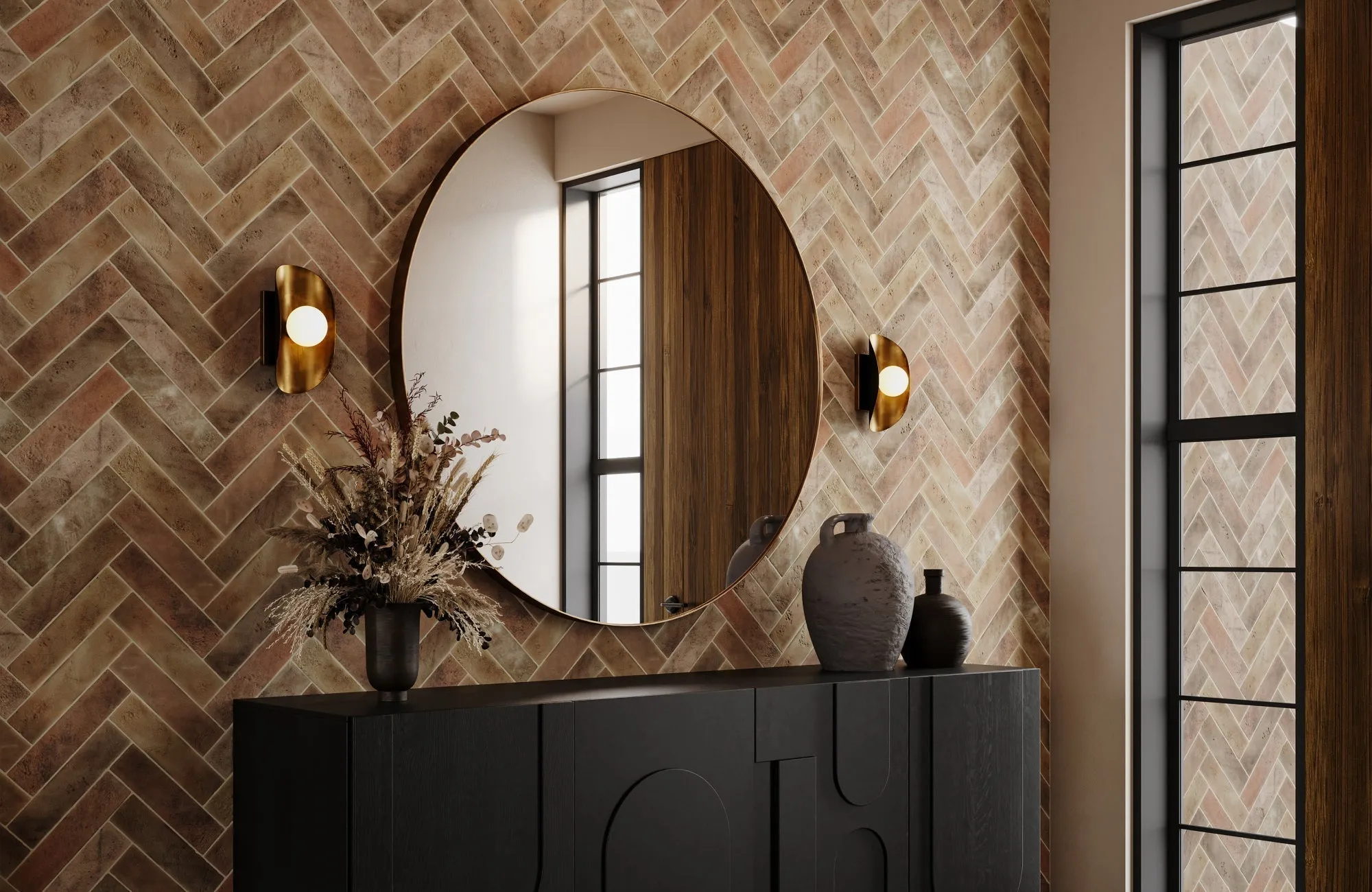
A large mirror can quietly reshape a room, even before you notice what it’s reflecting. The way you choose to display it, whether mounted securely on the wall or casually leaned on the floor, has a big influence on the room’s energy and flow. Each option changes how light moves, how spacious the room feels, and how grounded the space becomes. In this blog guide, we’ll explore what each approach does well so you can decide which one fits your home and your style.
Mounted vs. Leaning Mirrors: What’s the Real Difference?
Mounted and leaning mirrors might seem like simple alternatives, but they each change the feel of a room in their own way. Below, we’ll go over how each option affects height, balance, and overall comfort so you can choose the approach that fits your space best.
How Mounted Mirrors Influence Height, Light, and Balance
Mounted mirrors create a clean, elevated look that instantly adds height and structure to a room. Because they sit securely on the wall, they naturally draw the eye upward, which helps smaller spaces feel taller and more open. Mounted designs also reflect light more predictably since their angle doesn’t shift, giving you better control over brightness throughout the day. They often work well when you want a crisp, balanced focal point that aligns with furniture or architectural lines. With a mounted mirror, the room tends to feel more polished and thoughtfully arranged.
Why Leaning Mirrors Feel Relaxed, Stylish, and Effortless
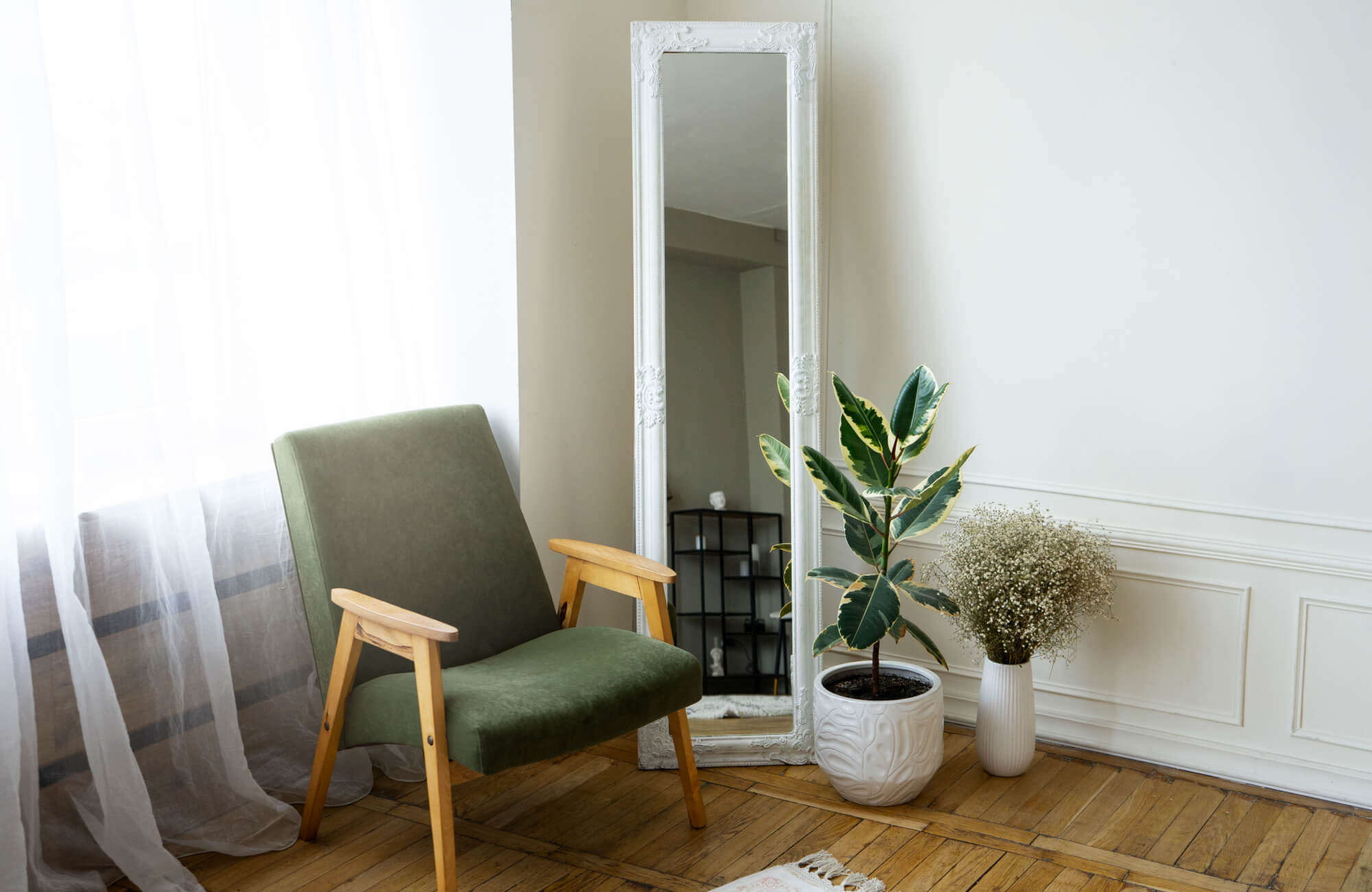
Leaning mirrors bring a more casual, lived-in charm that instantly softens the mood of a room. Their angled position creates dynamic reflections, adding depth and movement that give the space a bit more personality. This approach also feels effortlessly stylish because the mirror becomes both décor and a functional piece without looking overly staged. Leaning mirrors work especially well in larger rooms or areas where you want the design to feel more relaxed. When used thoughtfully, they can make a space feel approachable while still maintaining a sense of sophistication.
Safety Considerations for Both Options
Safety matters with both styles, especially when working with large or heavy mirrors. Mounted mirrors are generally more secure because they’re anchored to the wall, reducing the risk of tipping or shifting. Leaning mirrors can be safe too when properly stabilized, such as with anti-tip hardware or discreet wall brackets. It’s also important to consider flooring and the way the room is used so the mirror stays steady and out of harm’s way. Whether you mount or lean, taking a few practical precautions keeps your mirror functional and your home safe.
How Room Size & Layout Affect Whether You Should Mount or Lean
Room size and layout play a big role in determining whether a mounted or leaning mirror will look and function better. Smaller spaces often need a cleaner, more vertical approach, while open layouts can handle the relaxed feel of a leaning mirror. Thinking about ceiling height, wall length, and how furniture sits in the room helps you choose the option that feels most natural and visually balanced.
Best Mirror Placement for Small Rooms
Small rooms usually benefit from mounted mirrors because they keep the floor clear and help the space feel taller and more open. The vertical lift you get from mounting also works well when you need every inch of height to contribute to the room’s overall brightness. Since tight layouts can feel cluttered quickly, a mounted mirror gives you a more intentional, streamlined look that doesn’t compete with furniture. It’s also easier to align the mirror with key elements like a vanity, dresser, or seating area for better visual balance. When wall space is limited, mounting ensures the mirror enhances the room without overwhelming it.
When Leaning Mirrors Work Better in Spacious or Open Layouts
Leaning mirrors shine in larger rooms where there’s enough space for the mirror to become a relaxed, stylish focal point. Their angled position adds movement and depth, which works beautifully in open layouts that can handle a bit more visual play. Because there’s more floor space available, the mirror can sit comfortably without interrupting walking paths or crowding furniture. Leaning styles also pair well with high ceilings since they visually ground the room and make the space feel more inviting. In wide or airy rooms, a leaning mirror adds personality without feeling heavy or out of place.
Using Mirrors to Correct Imbalanced or Awkward Layouts
Mirrors are great problem-solvers when a room feels uneven, narrow, or awkwardly arranged. A mounted mirror can help straighten visual lines by anchoring one side of the room or creating a clearer sense of symmetry. Leaning mirrors, on the other hand, offer flexibility because you can adjust their angle to soften sharp corners or open up stagnant areas. Both styles can redirect light into dark zones or expand cramped corners, making the room feel more cohesive. When chosen thoughtfully, a mirror becomes a simple way to balance proportions and guide the eye toward the room’s strongest features.
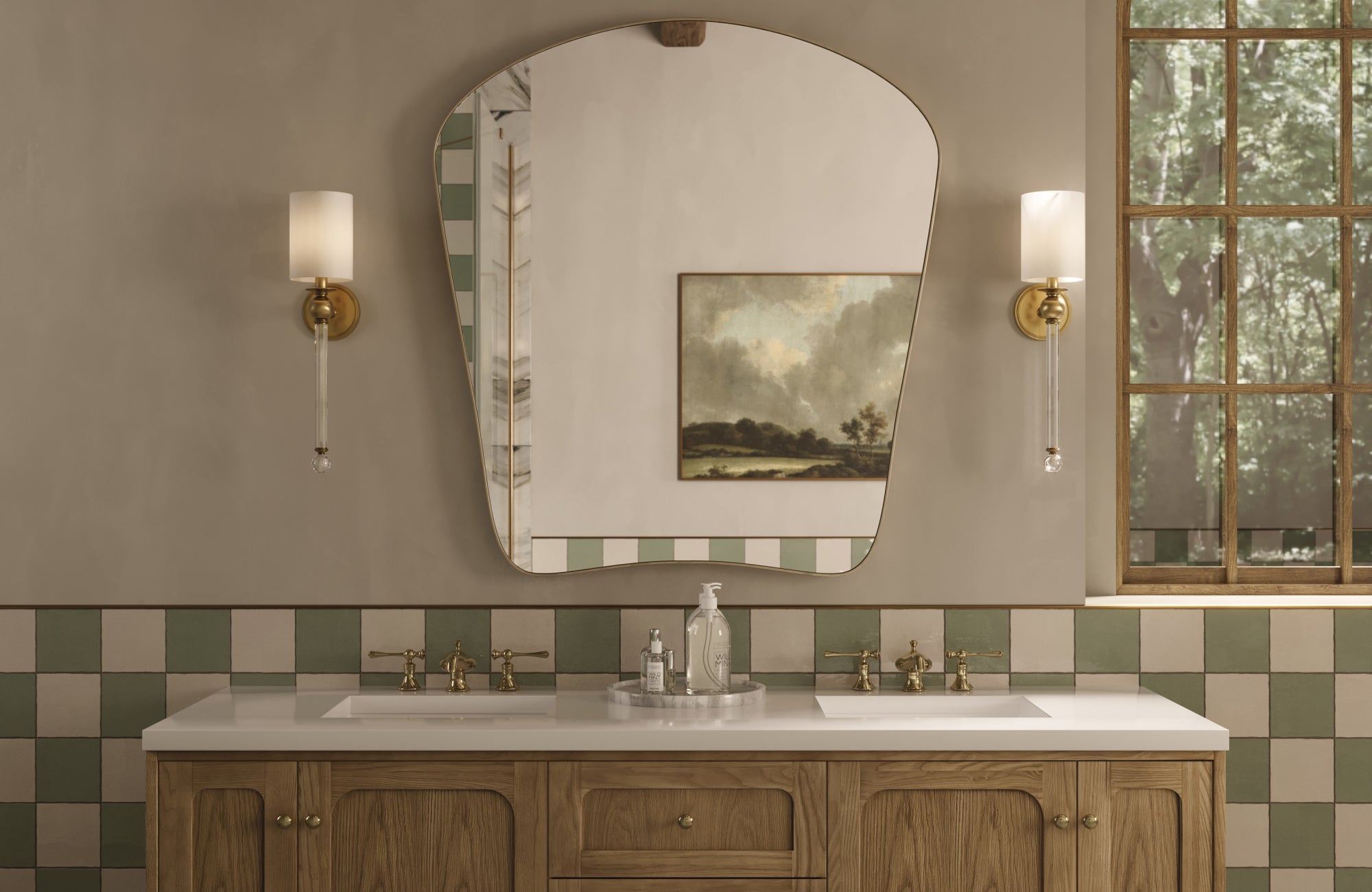
How Mounting a Mirror Shapes a Modern, Balanced Space
Mounted mirrors work especially well in spaces that rely on clean lines, balanced layouts, and a sense of structure. They bring clarity to a room by sitting flush against the wall, making everything feel more organized and intentional. When your goal is a tidy, streamlined look, mounting often delivers the most polished result without adding visual clutter.
Mounted Mirrors for Bathrooms, Hallways, and Narrow Walls
Bathrooms, hallways, and narrow walls are some of the best places for mounted mirrors because these spaces depend on efficient use of vertical surfaces. A mounted mirror keeps the floor clear, which helps tight corridors or compact bathrooms feel more open and easy to move through. In these areas, a leaning mirror could get in the way, so a clean, wall-hugging installation lets the room stay functional and uncluttered.
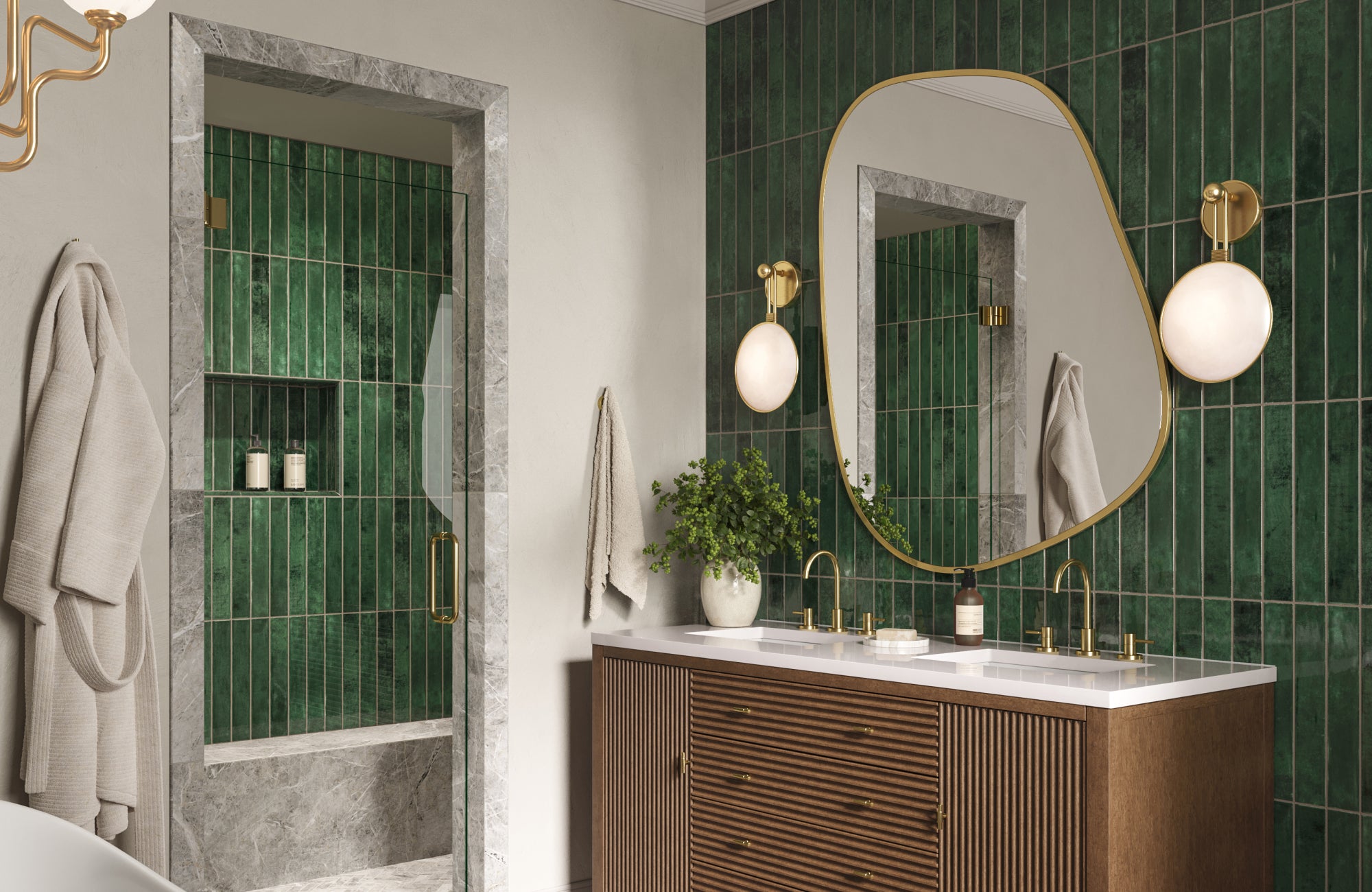
Mounted mirrors also make it easier to center the reflection on vanities or focal points, giving the space a more harmonious feel. A great example is our Raelynn Mantel Mirror in Polished Brass, as seen above, with its gently tapered, flowing silhouette and slim metal edge that brings soft movement to structured interiors. Its generous scale works beautifully over larger vanities, offering a clean, intentional focal point without adding visual heaviness.
Creating Strong Vertical Lines With Mounted Mirrors
Mounted mirrors naturally emphasize height, which is helpful when you want a room to feel taller or more architectural. Their upright position draws the eye upward, creating a sense of vertical rhythm that gives the room a more structured look. This works especially well in rooms with lower ceilings that could use a visual lift. Because the mirror sits flat against the wall, it also reinforces clean, uninterrupted lines that contribute to a crisp and organized aesthetic. When you want your space to feel streamlined and visually coherent, a mounted mirror supports that goal beautifully.
Mounted Mirror Completes a Modern or Minimalist Room
Modern and minimalist interiors thrive on simplicity, balance, and intentional placement, making mounted mirrors a natural fit. Their clean edges and fixed position reinforce the clarity these styles depend on, keeping the room grounded and free from unnecessary visual weight. Mounted designs also pair well with minimalist furniture, where symmetry and proportion matter just as much as material choice. In these spaces, a leaning mirror can feel too casual or soft, while a mounted mirror delivers a more refined, gallery-like finish. When the goal is a crisp, modern look, mounting brings the entire design into focus.
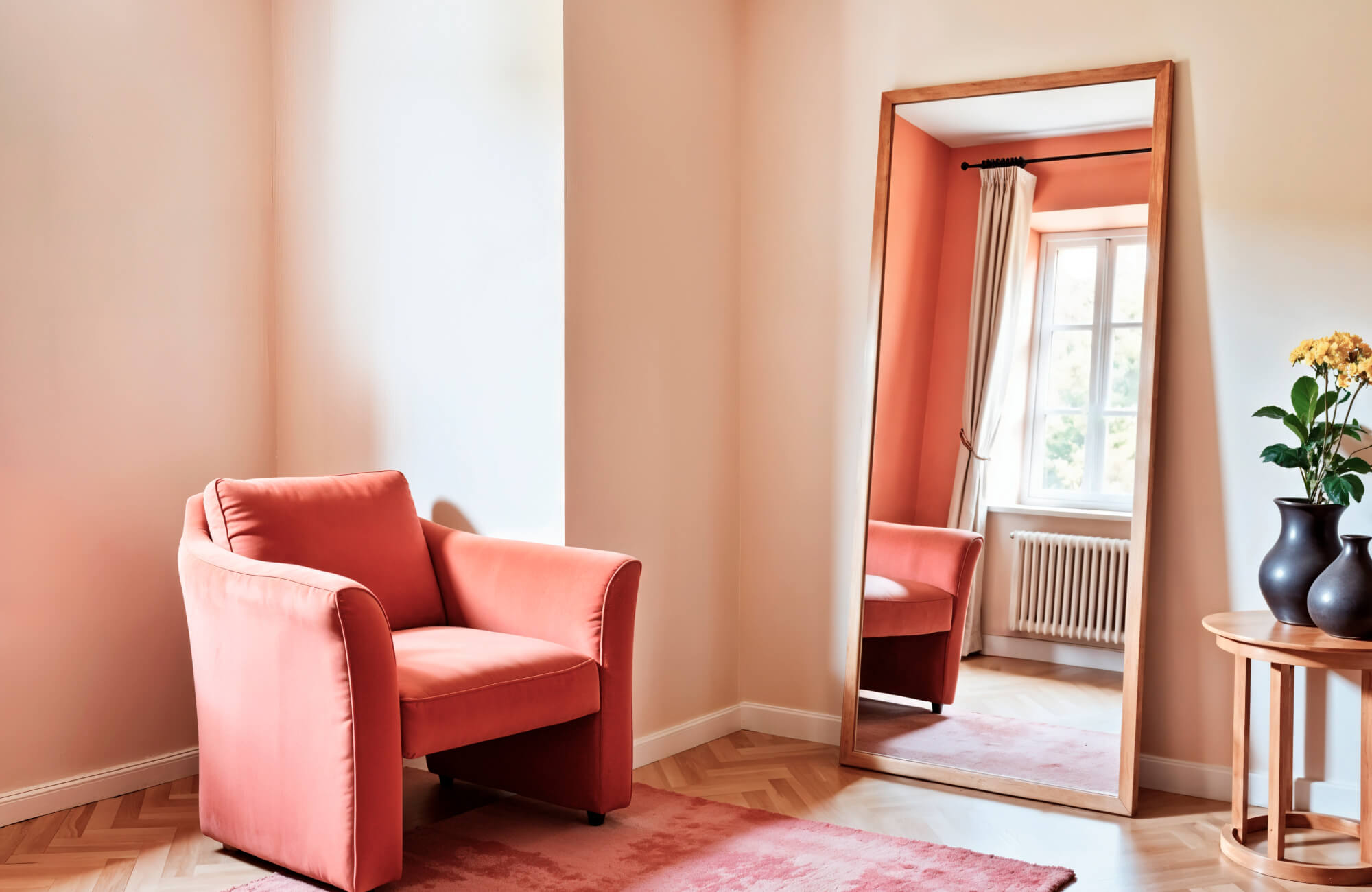
Leaning Mirrors for Visual Impact & Soft, Relaxed Style
Leaning mirrors bring a gentle, effortless style that instantly softens a room and makes it feel more lived-in. Their floor placement creates a sense of depth and layering that mounted mirrors can’t always achieve, especially in spaces where you want a more casual or cozy look.
Leaning Mirrors for Bedrooms, Living Spaces, and Dressing Corners
Leaning mirrors work beautifully in bedrooms and dressing corners because they create a relaxed, personal atmosphere that feels inviting rather than staged. Their angle and height make them perfect for outfit checks, and they add softness to spaces that might otherwise feel structured or minimal. In living rooms, a leaning mirror can brighten dark corners or sit behind furniture to bring more dimension without overwhelming the layout. They also feel approachable, which helps balance more polished or formal décor. When placed thoughtfully, they make everyday spaces feel warm, stylish, and easy to enjoy.
How Leaning Mirrors Add Depth and Warmth
One of the biggest advantages of leaning mirrors is the depth they create by reflecting light and nearby textures in a more dynamic way. Because they rest on the floor, they often capture lower angles of the room that aren’t visible in mounted mirrors, adding layers and visual interest. This effect makes rooms feel fuller and cozier without adding any physical clutter. Leaning mirrors also soften hard architectural lines, which helps the whole space feel more comfortable. With the right placement, that subtle tilt brings a level of warmth that instantly enhances the room.
Using Leaning Mirrors as Statement Pieces
Leaning mirrors have a natural presence that makes them ideal for creating a focal point or finishing a design moment. Their tall, uninterrupted lines command attention, especially when paired with a stylish frame or placed where the eye naturally travels. They work well behind plants, next to seating, or alongside consoles because they reflect those elements in a way that expands the scene. A leaning mirror can also anchor an otherwise empty wall without looking too formal or structured. When chosen intentionally, it becomes a statement piece that’s bold, warm, and incredibly versatile.
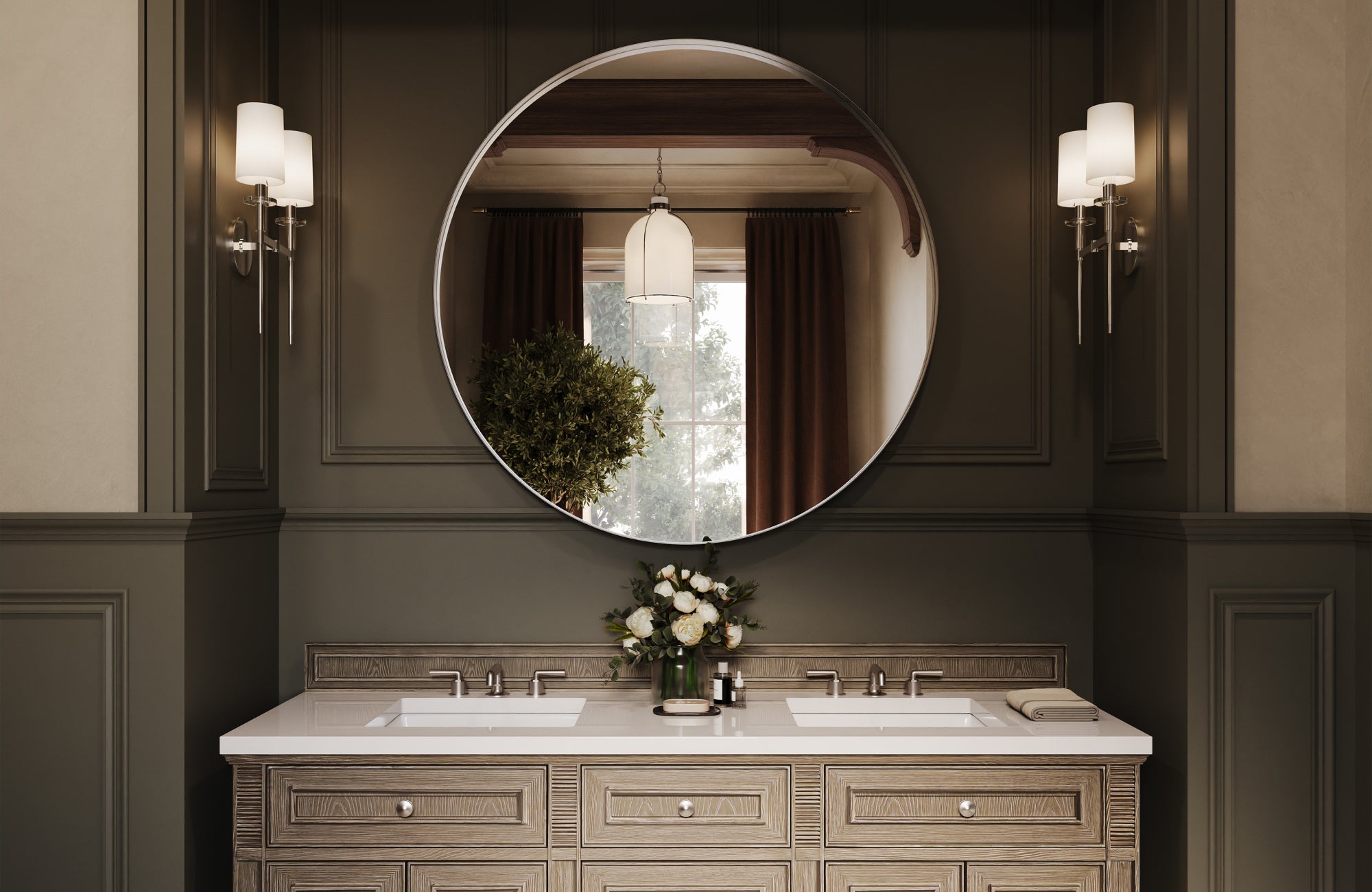
How Mirror Shape Affects Whether You Should Mount or Lean
Mirror shape plays a big role in whether a mounted or leaning style will look and feel right in your space. Different silhouettes carry different visual weight, influence symmetry, and shape the overall mood of a room. Below, we’ll go over how each common mirror shape behaves when mounted or leaned so you can choose the option that feels most natural and balanced.
Round Mirrors
Round mirrors, such as our Tristan Round Mirror in Shiny Steel above, bring a gentle, calming presence that works well when you want to soften sharper lines in a room. Mounted rounds create a clean, centered look that feels intentional and balanced, especially when you’re aiming for symmetry. Leaning a round mirror is less common, but when done right, it adds a casual charm that feels artistic rather than structured. The curved shape naturally draws the eye and keeps the room from feeling too boxy or rigid. Whether mounted or leaned, round mirrors add a subtle sense of harmony that blends easily with most design styles.
Arched Mirrors
Arched mirrors instantly introduce height and elegance because their curved tops guide the eye upward. Mounted arches look refined and architectural, giving the room a structured focal point that feels polished. Leaning them adds a softer, more dramatic touch, especially in bedrooms or quiet corners where you want a relaxed but elevated look. The shape carries more visual weight than a simple round, which helps anchor a wall without feeling overpowering. When used thoughtfully, arched mirrors create a graceful balance between sophistication and warmth.
Square Mirrors
Square mirrors feel crisp and modern, making them a natural fit for mounting when you want clean lines and a defined visual anchor. They reinforce symmetry, which works well in organized layouts or minimalist rooms. Leaning a square mirror gives it a slightly more relaxed feel, but its rigid silhouette still brings structure to the space, especially when paired with softer furnishings. The balance of their equal sides makes them versatile, offering stability whether they’re hung or rested on the floor. For anyone wanting a neat, contemporary look, square mirrors deliver clarity and order.
Organic Mirrors
Organic mirrors bring artistic, fluid shapes that feel expressive and modern, adding personality wherever they’re placed. Mounted, they function like sculptural wall art, creating movement on the wall and breaking up straight architectural lines. Leaning them works best when you want an easygoing, stylish moment because their irregular silhouette naturally feels relaxed and creative. Their playful outlines introduce softness without relying on curves alone, helping the room feel more dynamic. If you want a mirror that also acts as décor, organic shapes work beautifully in both mounting styles.
Oversized Rectangular Mirrors
Oversized rectangular mirrors are the most adaptable because they can create a strong statement, whether mounted or leaned. Mounted, they elongate walls and boost brightness, making them ideal for rooms where height and openness matter. Leaning them adds depth and a soft, editorial feel that works especially well in living rooms, bedrooms, and large dressing spaces. Their clean lines make them easy to pair with many aesthetics, from traditional to modern. Because of their scale, they instantly expand the room visually, no matter how they’re styled.
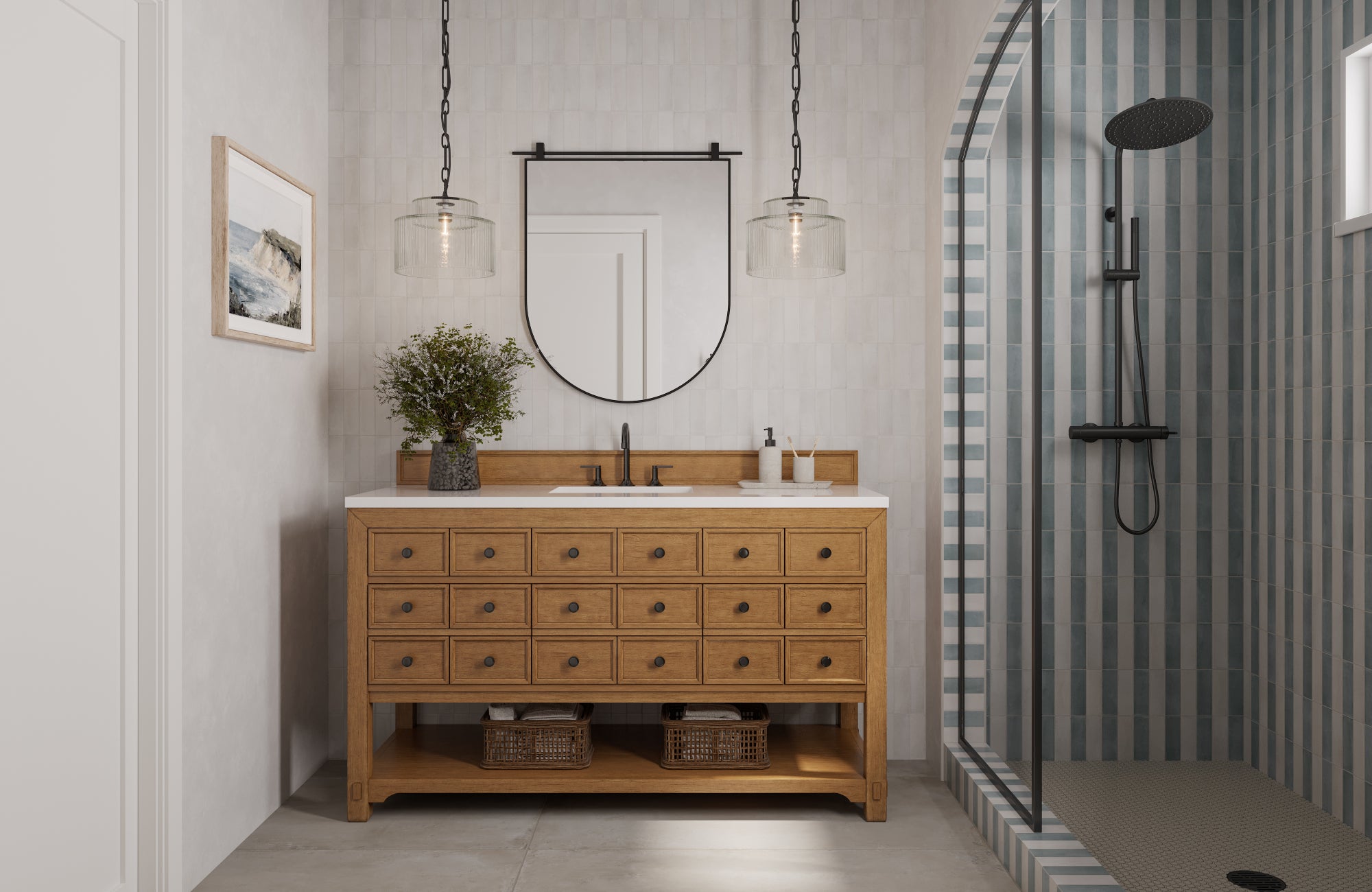
How Finish Affects the Look of Mounted vs. Leaning Mirrors
A mirror’s finish can completely change how it feels in a room, especially when deciding whether to mount it or let it lean casually against the wall. Metals, woods, and textured surfaces each bring their own mood, affecting contrast, warmth, and how the mirror ties in with nearby hardware.
Brass
Brass mirrors naturally add warmth, which is why they feel inviting whether they’re mounted or leaning. When mounted, brass tends to look polished and intentional, giving the wall a gentle glow that feels classic without being too formal. Leaning versions take on a softer vibe, almost as if the mirror has been collected over time and casually placed in the room. The finish also reflects light in a warmer way, so the space feels brighter without getting harsh.
Matte Black
Matte black mirrors, like our Clancy Small Arch Mirror in Antiqued Iron above, bring a strong, modern edge, which makes them great when you want a little contrast or definition. Mounted, they create crisp lines that help anchor a wall and make the room feel more structured. Leaning them changes the mood slightly, letting the black frame feel a bit more relaxed while still delivering that graphic, stylish punch. This finish works well with black hardware, too, so the overall look feels intentional instead of pieced together. Because it’s both bold and simple, matte black easily adapts to anything from minimalist spaces to more eclectic rooms.
Brushed Nickel
Brushed nickel offers a softer, quieter look, which is why it blends in so easily with different design styles. When mounted, the finish adds a clean, refined touch that suits bathrooms, hallways, and modern living rooms without drawing too much attention. Leaning a brushed nickel mirror brings in a subtle hint of ease, especially when it sits near warm lighting or textured decor. The sheen is gentle enough to work with cool or warm tones, so it rarely competes with surrounding finishes. Because it balances simplicity and versatility, brushed nickel is an easy choice when you want something calm and adaptable.
Wood Frames
Wood-framed mirrors instantly bring warmth, making a room feel more grounded and inviting. Mounted versions give you a tailored look that still keeps the natural charm of the wood front and center. Leaning them introduces a more relaxed energy, almost like the mirror is part of a lived-in, thoughtful collection. Wood also pairs nicely with metals and modern pieces, adding texture that softens sharper edges. Whether the finish is light, dark, or reclaimed, wood frames offer a cozy, timeless feel that works in almost any room.
Antique or Distressed Finishes
Antique or distressed mirrors bring character in a way newer finishes can’t, adding a bit of history and depth to your space. When mounted, they read as intentional statement pieces that bring charm without overwhelming the wall. Leaning them has a different effect—it feels editorial and slightly effortless, almost like the mirror has been lovingly passed down. The patina and worn textures add richness, especially when paired with layered fabrics or aged metals. If you want a mirror that feels unique and full of personality, distressed finishes make an immediate impact.
A Mirror Decision That Fits Your Space Perfectly
Choosing between mounting or leaning a large mirror really depends on how you want the room to feel and how the space functions every day. Mounted mirrors give you height, clarity, and a sense of structure that works well in organized or modern layouts. Leaning mirrors bring softness and personality, which can make a room feel more relaxed and visually layered. When you look at how each option affects light, balance, and movement, it becomes much easier to see which approach fits your home.
If you want help deciding which mirror style, shape, or finish will work best for your space, our design team can walk you through options that feel tailored to your home. We can help you map out proportions, identify the best placement, and choose pieces that complement your furniture and décor naturally. Book a design consultation today and start creating a room that feels polished, balanced, and completely your own.
Follow us on Instagram
@EDWARD.MARTIN
)
)
)
)
)
)
)
)
)
)
)
)
)
)
)
)