
)
)
)
)
)
)
)
)
Modern Home Decor Sculptures That Make A Statement
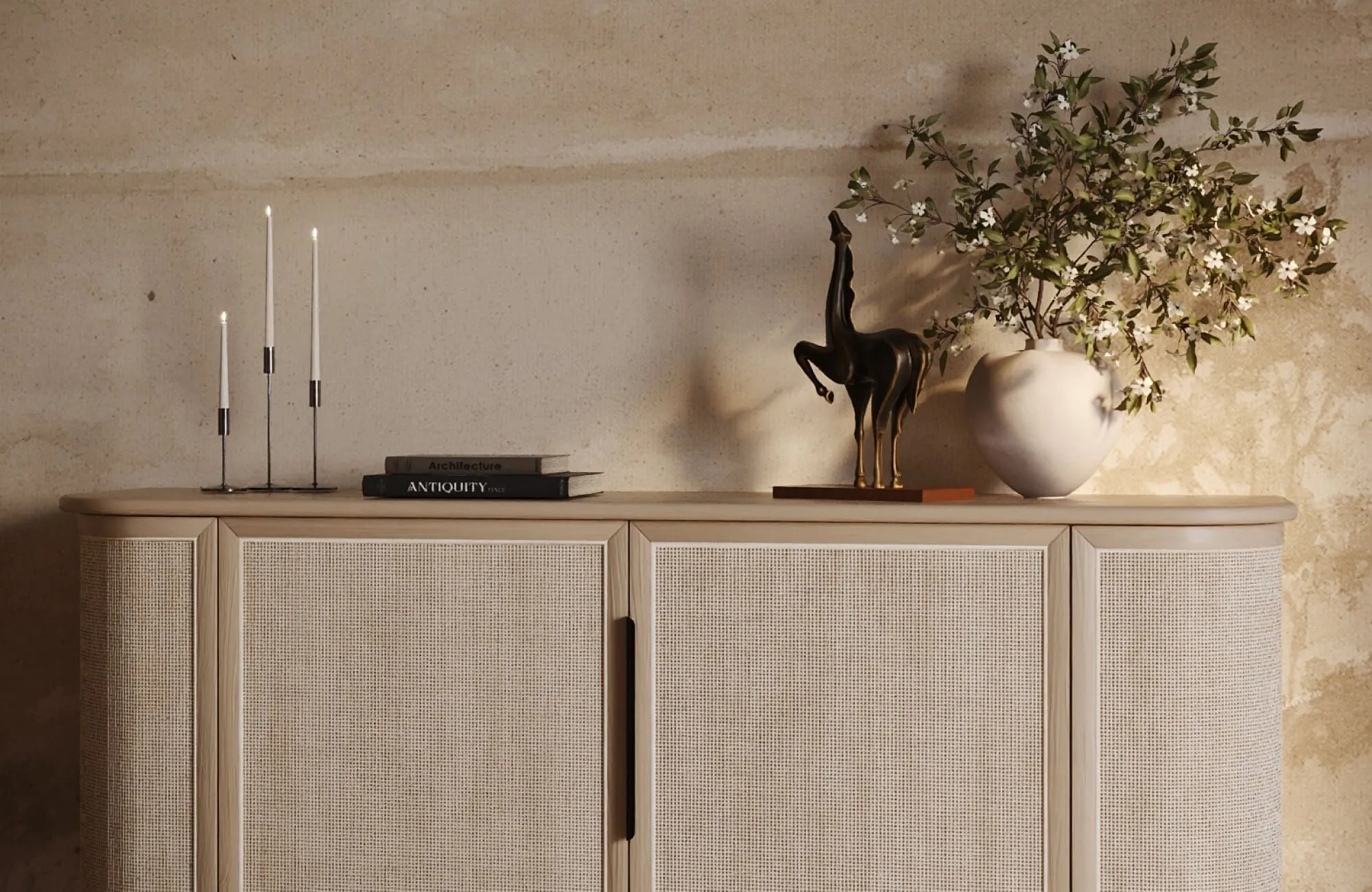
Modern home decor sculptures bring form, texture, and personality into a room, making everyday surfaces feel more intentional without looking overly decorated. They are not only for gallery-style homes; with the right scale, material, and placement, they can work beautifully in relaxed living rooms, quiet bedrooms, polished dining areas, and simple entryways.
A statement sculpture gives your space a clear focal point while adding dimension that flat decor cannot provide. It can soften straight-lined furniture, add depth to a neutral palette, or introduce a collected feeling that makes your home feel more personal.
This article explains how to choose and style modern decor sculptures through focal-point styling, material choice, proportion, placement, color, texture, and personal expression, so each piece feels bold, balanced, and natural in your home.
Sculptures as Focal Points in Modern Interiors
Statement sculptures work best when they are treated as intentional design anchors, not just decorative extras. Because they occupy space in three dimensions, they give the eye a clear place to land while adding depth, movement, and presence to a modern room.
Defining the Room’s Center
A sculpture can define the room’s center of attention without overpowering the rest of the space. For example, a tall sculpture on an entryway console gives guests something memorable to notice right away, while a low, wide piece in a living room can ground the seating area and make the arrangement feel complete.
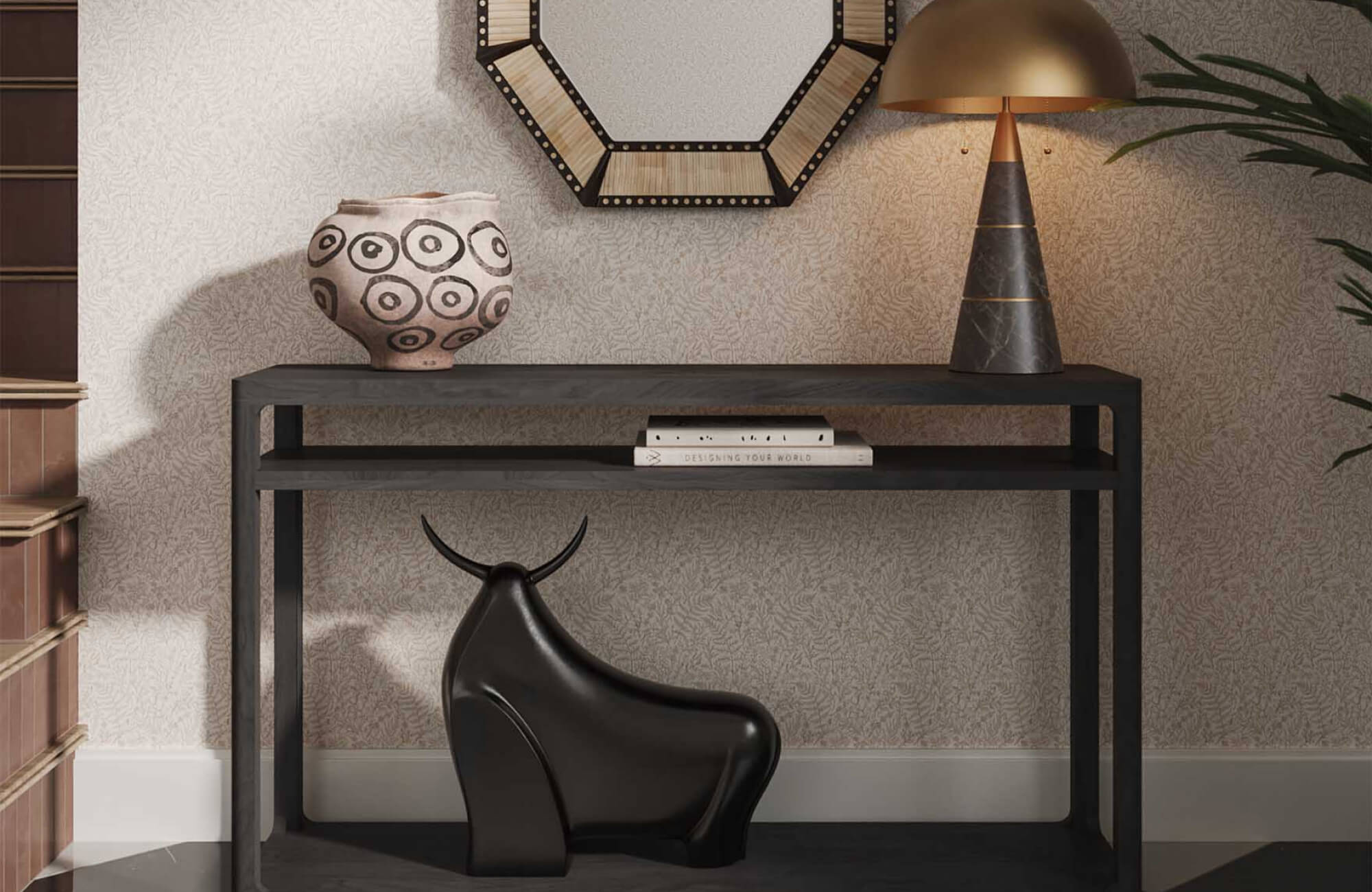
The key is to choose one main sculptural moment instead of letting several bold pieces compete for attention. In the photo featured above, Edward Martin’s Morton Bull creates that focused moment beneath the Rovian Console Table in Black, adding a strong sculptural presence while still allowing the mirror, lamp, and tabletop accents to support the overall arrangement. Because the piece has room around it, its curved form stands out clearly without making the console feel crowded.
Think about where your eye naturally goes when you enter the room. That surface or corner is often the best place for a statement piece, whether it is a console, pedestal, mantel, sideboard, or open shelf that becomes more intentional when a sculpture gives the area structure and purpose.
Creating Visual Pause
A sculpture can also create a visual pause, which is important in rooms with many practical elements. Sofas, chairs, rugs, lamps, curtains, and storage pieces all serve a function, but they can make a room feel busy if there is no clear resting point. Sculptural decor gives the eye a moment to stop.
This does not mean the piece has to be large or dramatic. Sometimes, a quiet stone form on a sideboard or a ceramic sculpture on a shelf is enough to slow the room down visually. The space around the object matters just as much as the object itself. When a sculpture has enough breathing room around it, it feels intentional rather than like an extra accessory.
For a cleaner effect, avoid crowding the sculpture with too many candles, trays, stacked books, or small ornaments. These items can support the arrangement in moderation, but they should not compete with the sculpture’s form. If the sculpture has an interesting silhouette, let that silhouette remain visible.
Shaping the Mood
Different sculptural forms can change how a room feels. Rounded and organic shapes tend to make a space feel softer, which is useful if your furniture has sharp edges or your color palette leans cool. A curved ceramic form, a carved wood object, or a smooth stone sculpture can add ease to a room that might otherwise feel too structured.
Angular sculptures create a different effect. They can make a space feel more architectural, especially when paired with clean-lined furniture, glass, metal, or concrete. These pieces work well when you want a sharper and more contemporary mood.
Asymmetrical forms are especially useful when a room feels too predictable. If your furniture layout is balanced and orderly, a sculpture with an uneven profile can introduce movement without disrupting the overall design. This is one reason decor sculptures are so effective in modern interiors. They can add energy while still keeping the room refined.
Choosing Materials That Add Depth
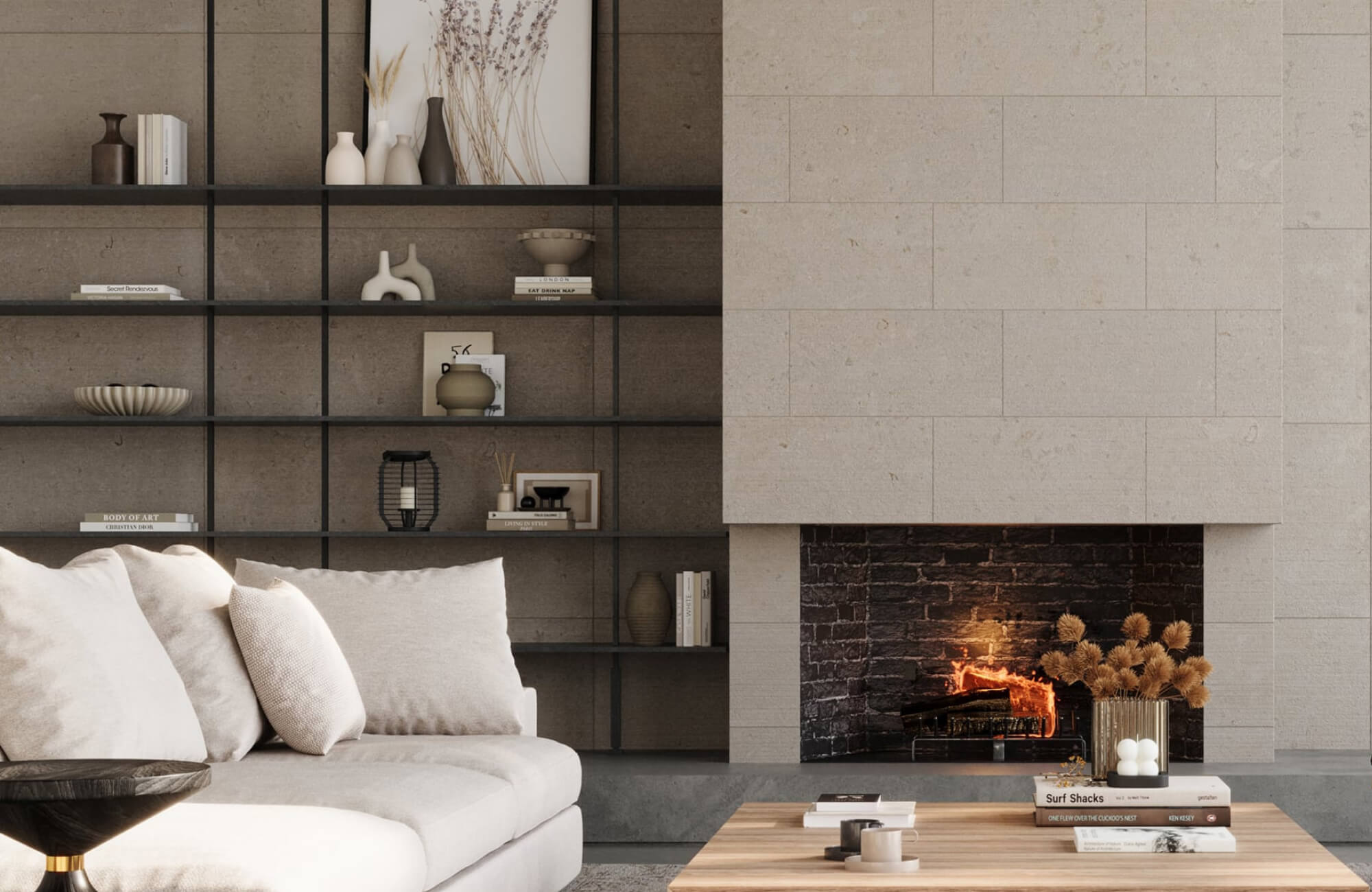
A sculpture’s material shapes how it catches light, feels in the room, and relates to the furniture around it. Stone feels grounded, metal adds structure, ceramic brings a handmade quality, and wood introduces warmth, so the right choice depends on the mood you want to create.
Stone and Marble
Stone sculptures bring visual weight and a lasting presence to a room. Materials such as marble, travertine, limestone, and alabaster naturally vary in pattern, tone, and texture, making them a strong choice when you want a piece that feels refined without looking overly decorative. A marble sculpture with subtle veining, like our Ashwell Marble Sculpture, can add quiet movement to a console or sideboard. Travertine brings an earthy quality through its porous texture and warm neutral tones. Alabaster often feels softer and more luminous, especially when placed near natural light.
Stone works particularly well when paired with wood furniture. The contrast between the cool solidity of stone and the warmth of wood creates balance. If your room has darker finishes, a lighter stone sculpture can brighten the composition. If the room is already pale and airy, a dark-toned stone can provide grounding.
Metal Finishes
Metal sculptures introduce structure, reflection, and contrast. Brass and bronze bring warmth, making them useful in neutral rooms that need a subtle glow. Blackened steel or matte black metal can create a graphic effect, especially against pale walls, light wood, or cream upholstery.
The finish matters as much as the shape. A polished surface reflects more light and feels dressier, while a brushed or matte finish looks quieter and more understated. If your room already has shiny hardware, glass tables, or glossy surfaces, a matte metal sculpture may feel more balanced. If the space feels flat, a reflective piece can add energy.
Metal sculptures can sometimes feel cold when placed in a room with too many hard surfaces. To avoid this, pair them with softer materials nearby, such as boucle, wool, linen, or a textured rug. This keeps the room comfortable while still allowing the sculpture to contribute a clean, modern edge.
Ceramic and Clay
Ceramic and clay sculptures are ideal when you want a piece that feels tactile and human. Unlike highly polished materials, ceramics often show traces of the making process. Slight irregularities, hand-formed edges, and varied glazes can make the sculpture feel approachable rather than formal.
These pieces work well on shelves, dressers, sideboards, and dining consoles because they add depth without demanding too much attention. A matte ceramic sculpture can soften a room with glossy furniture. A ribbed or hand-textured clay piece can bring detail to a simple surface.
Ceramic also pairs naturally with linen, wood, woven accents, and stone. This makes it especially useful in homes that blend modern design with warmer, more lived-in elements. If your room feels too controlled or showroom-like, ceramic can make it feel more personal.
Wood and Organic Materials
Wood sculptures bring warmth, texture, and natural variation into modern interiors. A carved wood form can soften a white, gray, or concrete-heavy room, while a darker wood piece can make a space feel richer and more grounded. The type of wood and finish both matter. Light oak, ash, or beech can suit Scandinavian-inspired spaces because they feel clean and calm. Walnut or darker-stained wood can work well in rooms with deeper tones, leather, or layered textiles. Root-inspired forms and abstract carvings can add movement, while smooth minimalist pieces offer a quieter effect.
Wood is especially helpful when your home has many straight lines. A carved or organic form can break up the rigidity of square tables, rectangular sofas, and built-in shelving. Instead of adding pattern or bright color, wood adds depth through grain, shape, and natural warmth.
Using Scale and Placement with Intention
A sculpture’s impact depends on how well its size and location suit the room. When the proportions feel right and the placement supports daily movement, the piece looks integrated into the home rather than added as an afterthought.
Large Floor Sculptures
Large floor sculptures can bring a gallery-like feeling to a home, but they need the right setting. These pieces work best in open areas where they can stand independently, such as an entryway corner, a stair landing, a living room alcove, or a spot near a large window. A tall sculpture can solve a common design problem. Many rooms have empty vertical space that furniture cannot fill. Instead of adding another chair or storage piece, a floor sculpture can bring height without making the room feel crowded.
Placement should remain practical. The sculpture should not block a walking path, interfere with doors, or sit too close to seating. You should be able to move around it naturally. When possible, leave open space around the sculpture so its shape can be appreciated from multiple angles.
Tabletop Proportion
Smaller sculptures can still make a strong statement when they are properly scaled to the surface. A tiny piece may disappear on a large console, while an oversized piece may overwhelm a narrow side table. The goal is to choose a sculpture that feels visually connected to the furniture beneath it.
On a coffee table, a low and wide sculpture can work well because it adds interest without blocking conversation. On a mantel or sideboard, a taller piece can create vertical movement. On a bookshelf, a compact sculpture can break up rows of books and add dimension.
Consider the sculpture’s footprint as well as its height. A piece with a broad base needs enough surface area around it, while a narrow vertical piece may need visual weight nearby to avoid looking isolated. A good proportion makes the sculpture feel stable, both physically and visually.
Entryway Moments
The entryway is one of the most effective places to use a statement sculpture because it introduces the tone of the home right away. Since this area is often smaller than a living room, the piece does not have to be large to make an impression.
A sculptural object on an entry console can make the space feel complete without requiring many accessories. If the entryway has room, a pedestal can create a more artful presentation. Lighting also matters here. A table lamp, wall sconce, or natural light source can highlight the sculpture’s surface and cast subtle shadows.
Because entryways are transitional spaces, avoid overloading them with too many decorative items. A single sculpture, a mirror, and a practical tray can be enough. This keeps the area useful while still making it feel designed.
Living Room Balance
Living rooms often include many rectangular forms, such as sofas, media units, coffee tables, rugs, and shelving. Sculptures help break up those straight lines by adding curves, height, or irregular shapes.
A rounded sculpture on a square coffee table can soften the arrangement. A vertical piece on a built-in shelf can add height among rows of horizontal books. A sculptural object near a low sofa can help vary the room’s levels, making the layout feel more dynamic.
In the living room, the sculpture should relate to how the space is used. If the coffee table is used often for drinks, books, or family activities, choose a sturdy sculpture that can sit to one side or be moved with ease. If the sculpture sits on a shelf or console, it can be more delicate because it is less likely to be handled.
Dining and Bedroom Placement
Dining rooms and bedrooms need different approaches. A dining room can usually handle a more dramatic sculptural piece because the furniture is often simple, and the room may have fewer accessories. A low sculpture can work beautifully as a centerpiece, especially if it does not block conversation across the table.
A sideboard or buffet is another strong location for a dining room sculpture. This placement keeps the table functional while still giving the room a focal point. A piece with height can also balance a large wall, artwork, or mirror.
Bedrooms usually benefit from quieter sculptures. Since the room is meant for rest, softer forms and calmer materials often work best. Small stone, ceramic, or wood pieces can sit on a dresser, nightstand, or window ledge without making the space feel busy. In this room, the sculpture should add presence without creating visual tension.
Pairing Sculptures with Color and Texture
Statement sculptures do not need bright colors to make an impact. In modern interiors, contrast, surface texture, and surrounding materials often make a piece feel more dimensional and naturally connected to the room.
Neutral Contrast
Neutral sculptures can be striking when the surrounding tones are chosen carefully. A white plaster form placed against dark wood can look crisp and sculptural, while a black object on a pale stone or oak surface can create a strong silhouette. Even beige, gray, and cream pieces can stand out when there is enough tonal difference around them.
This approach is useful if you prefer a calm interior but still want a statement. Instead of relying on bright color, you can let light and dark values create definition, creating a polished effect without making the room feel loud.
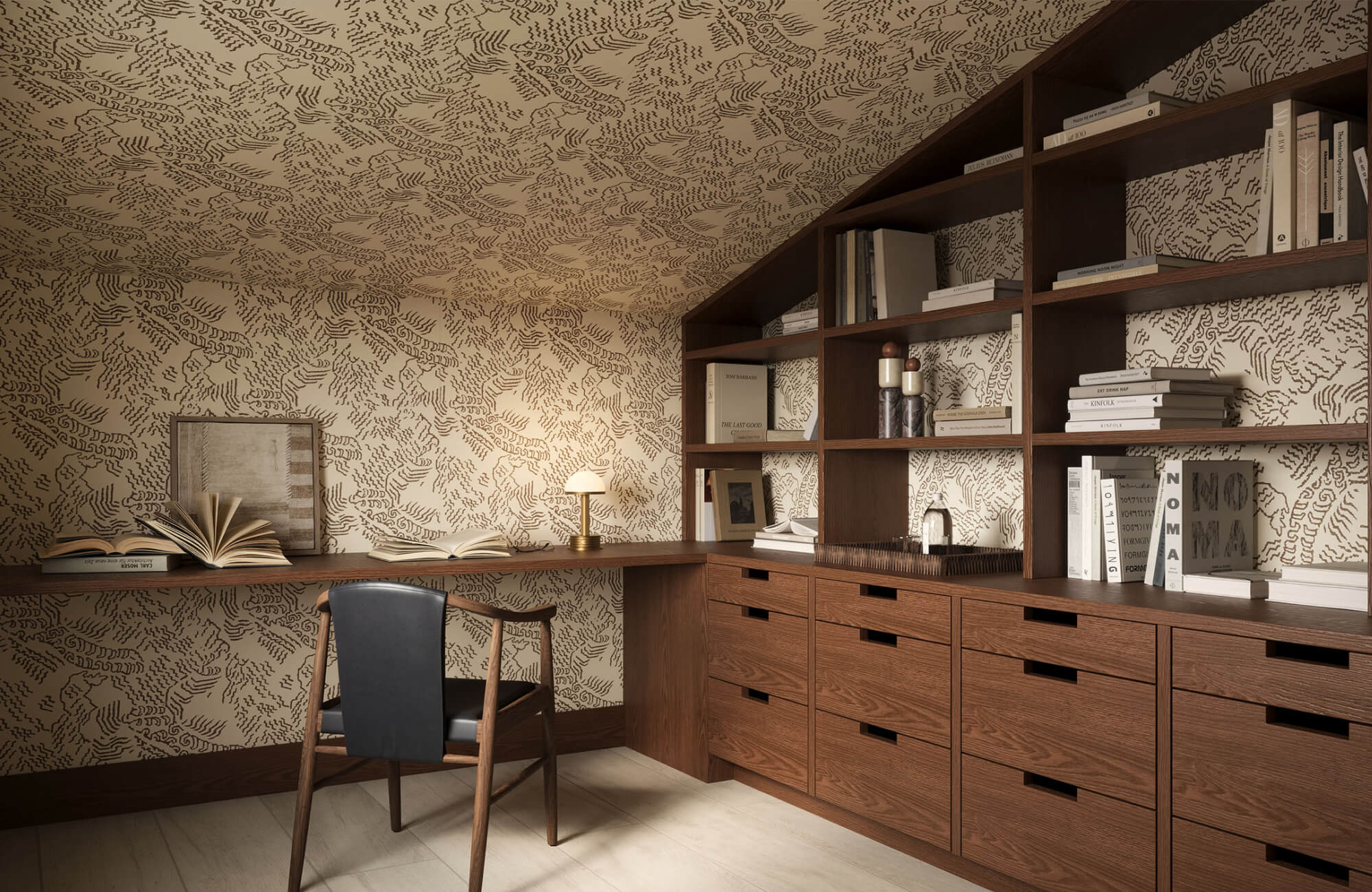
Background also matters. If a sculpture is too close in color to the wall or furniture behind it, its shape may disappear; to make the form more visible, place light pieces against darker surfaces and darker pieces against lighter ones. In the photo above, Edward Martin’s Drayton Marble Sculpture Set shows this balance, with light sculptural forms and darker marble bases standing out against the warm wood shelving and patterned wallcovering.
Textured Surfaces
Texture gives a sculpture presence even when the color palette is restrained. Rough stone, ribbed ceramic, hammered metal, carved wood, and pitted surfaces all interact with light in different ways. These surfaces create shadow, depth, and movement.
A textured sculpture can be especially helpful in a room with smooth furniture. For example, a ribbed ceramic piece on a lacquered console introduces contrast without changing the color scheme. A rough stone object on a sleek table can make the arrangement feel more layered.
The goal is not to add texture everywhere. Too many textured pieces can compete with one another. Instead, let one sculpture provide the tactile detail, then keep nearby surfaces simpler. This makes the piece easier to appreciate.
Color as Accent
A colorful sculpture can bring personality into a room without requiring a full redesign. The key is to use color with intention. One vivid piece can feel fresh and expressive, while several unrelated colors can make the room feel unsettled.
If you choose a colorful sculpture, tie it subtly to the rest of the room. The color might appear again in a pillow, rug, artwork, or decorative book. This repetition does not need to be exact. Even a related shade can make the sculpture feel connected rather than random.
Muted colors are often easier to live with than very bright ones. Terracotta, olive, rust, ochre, deep blue, and soft green can all make a statement while still feeling grounded. These tones add personality but remain flexible as your decor changes over time.
Reflecting Personal Style Through Sculptural Forms
The best statement sculptures feel connected to your taste, your home, and the atmosphere you want to create. While material, scale, and placement help a piece work in the room, its form gives it character and makes it feel intentionally chosen.
Abstract Forms
Abstract sculptures are a strong choice if you want artful decor without literal imagery. These pieces do not tell the viewer exactly what to see. Instead, they invite interpretation through line, curve, mass, and movement. A flowing abstract form can soften a room with rigid furniture. A bold geometric piece can echo architectural details, such as square windows, angular shelving, or a strong fireplace surround. A twisted or asymmetrical form can add motion to a quiet space.
Abstract sculptures are also versatile because they can suit many rooms. They do not rely on a specific subject, so they often blend well with changing furniture, artwork, and color schemes. If you are unsure where to begin, an abstract piece in a neutral material can be one of the easiest ways to introduce sculpture into your home.
Figurative Pieces
Figurative sculptures bring a human element into a space. They may suggest a face, body, gesture, or posture, but modern figurative pieces often use simplified shapes rather than realistic detail. This makes them feel expressive without looking overly traditional.
A single figurative sculpture can add warmth to a console, bookshelf, or bedroom dresser. It can also make a room feel more personal because the form suggests emotion or presence. For example, a simplified bust can feel contemplative, while a seated figure can create a calm and grounded mood.
Placement matters with figurative pieces because they are often best appreciated up close. A shelf, side table, or console allows the viewer to notice the form without it feeling too dominant. If the piece has a strong expression or silhouette, give it enough space so it feels intentional rather than crowded.
Cultural and Collected Objects
Collected sculptures can make a home feel layered and meaningful, especially when they reflect travel, heritage, craft, or personal history. These pieces often carry a story, which gives them a different kind of presence from purely decorative objects. The most important part is a thoughtful display. A meaningful sculpture should not be lost among too many unrelated items. Give it space, pair it with simple surroundings, and allow its shape or material to stand on its own.
Respect for origin also matters. If a piece is connected to a particular culture, tradition, or craft practice, it should be displayed with care rather than treated as a trend. When chosen and placed thoughtfully, collected objects can add depth to a modern home while still feeling respectful and personal.
Custom and Artisan Work
Custom and artisan-made sculptures can give your home a more distinctive identity. These pieces often reveal the maker’s hand through carving, hand-building, casting, glazing, or finishing. That slight irregularity can make the object feel more alive.
Artisan work is especially useful when you want something that does not look mass-produced. A handmade ceramic form, carved wood sculpture, or forged metal piece can add individuality to a room without relying on bold color or excessive decoration.
Custom work can also solve specific design challenges. If you have a narrow console, an empty niche, or a shelf that needs a particular height, a made-to-order sculpture can fit the space more precisely. This allows the piece to feel integrated from the beginning rather than forced into place.
Making a Statement with Modern Decor Sculptures
Modern home decor sculptures make a statement by adding form, depth, and personality to your space. They can define a focal point, introduce material contrast, balance the room size, and reflect your personal style in a way that flat decor cannot. The most successful pieces are chosen with purpose and placed with restraint. You do not need many sculptures to make a home feel artful; one well-selected piece can turn a console, shelf, table, or empty corner into a memorable design moment while keeping the room comfortable, functional, and personal.
For help choosing decor sculptures that suit your space, contact us or explore our design service for guidance on placement, scale, materials, and styling.
Follow us on Instagram
@EDWARD.MARTIN
)
)
)
)
)
)
)
)
)
)
)
)
)
)
)
)