Wallpaper usually gets a bad reputation in homes with kids or pets, mostly because people picture peeling edges, scratches, or stains showing up too quickly. But in reality, the issue isn’t wallpaper itself, it’s where it’s placed and how it’s expected to hold up day to day. Some setups work surprisingly well, while others start showing wear almost immediately, even if the material is “durable.” The difference usually comes down to how the space is actually used, not just what looks good on paper. In this blog, we’ll break down what really makes wallpaper safe or risky in everyday homes, so you can choose with clarity instead of second-guessing later.

What Makes Wallpaper Safe or Unsafe in Everyday Homes
When people ask if wallpaper is safe for homes with kids or pets, it’s usually not just about what it’s made of. It comes down to how it holds up once it’s actually part of daily life, where it’s touched, how often it’s cleaned, and how it reacts to wear. Safety in this case is less about theory and more about how the material behaves in a real, lived-in space.
How Daily Contact Changes Safety in Real Use
Wallpaper might look fine on day one, but things change once it starts getting touched, brushed against, or picked at regularly. Kids tend to run their hands along walls without thinking, and pets can scratch or lean against them in ways you don’t always notice right away. Those small interactions add up, especially in areas that see frequent movement. A surface that seemed fine at first can start to lift, peel, or wear down if it wasn’t meant for that kind of contact. Once that happens, edges can become easier to pull, which turns into a bigger issue over time. That’s why it helps to think about how the wall is actually used, not just how it looks.
The Role of Materials and Surface Finishes
Not all wallpaper reacts the same way once it’s in use, and a lot of that comes down to the material and the finish. Some surfaces are smoother and easier to wipe down, while others hold onto marks or feel more delicate when handled. A slightly tougher finish can handle everyday messes a lot better, especially in homes where spills or smudges are more common. On the other hand, softer or more textured materials might look great but need a bit more care to keep them in good shape. It’s not about choosing the strongest option every time, but about matching the material to how the space is actually used. When the surface fits the environment, it’s much easier to manage without constant upkeep.
Why Placement Matters More Than You Think
Where you place wallpaper can make just as much difference as what type you choose. Walls that are within reach of kids or pets naturally deal with more contact, which means they’re more likely to show wear sooner. Lower sections of walls, corners, and areas near furniture tend to take the most impact without you always noticing it. Placing wallpaper higher up or in spots that aren’t constantly touched can help it last longer without extra effort. It also gives you more control over how the design is used without putting it in high-contact zones. Thinking about placement early on usually prevents small issues from turning into something harder to deal with later.

Wallpaper Materials That Work Better Around Kids and Pets
Once you start thinking about wallpaper in a home with kids or pets, the material matters just as much as the design. Some hold up to daily contact a lot better, while others need a bit more care to stay looking right. It’s less about picking the “best” option overall and more about choosing something that fits how your space is actually used.
Vinyl Wallpaper and Why It’s Often the Safer Choice
Vinyl wallpaper tends to be one of the more practical choices when there’s a lot going on in the home. It has a smoother, slightly tougher surface that can handle regular wiping without wearing down too quickly. That makes a difference in spaces where fingerprints, spills, or the occasional mess are just part of the routine. It’s also less likely to absorb moisture, which helps in areas that get cleaned more often. You’re not constantly worrying about marks settling into the surface or becoming harder to remove. Because of that, it usually feels easier to live day to day without needing extra care.
That same ease shows up in options like our Windsor Wallpaper in Black II, 52" x 132", shown above, where the lightly textured Terralon surface still holds up well to cleaning without losing its look. The tile-inspired linework keeps things visually structured, which helps disguise small marks or everyday wear instead of making them stand out. It’s also rated for full bathrooms and commercial interiors, so it handles moisture and repeated use without becoming something you have to be careful around. In a space where things don’t stay perfectly clean all the time, that kind of durability makes a noticeable difference.
Fabric and Natural Fiber Options and Their Limitations
Fabric and natural fiber wallpapers bring a different kind of look, but they tend to be a bit more sensitive to everyday use. They don’t handle moisture or frequent cleaning the same way smoother materials do, which can make small messes harder to deal with. In homes with kids or pets, that can show up pretty quickly, especially in areas that see more contact. These materials can also catch on small scratches or pull if something brushes against them the wrong way. While they can still work, they usually make more sense in spots that aren’t used as heavily. It’s more about placing them carefully than relying on them to handle everything.
Non-Woven Wallpaper for Balance Between Durability and Breathability
Non-woven wallpaper tends to sit somewhere in the middle, which is why a lot of people lean toward it. It’s more durable than it looks at first and can handle light cleaning without falling apart or wearing down too fast. At the same time, it doesn’t feel as sealed or rigid as vinyl, so it still keeps a softer, more natural look on the wall. This balance makes it easier to use across different parts of the home without needing to overthink it. It can handle everyday use better than more delicate materials while still feeling comfortable in living spaces. For many setups, it ends up being a steady middle ground that works without much adjustment.
Peel-and-Stick Wallpaper and When It Makes Sense
Peel-and-stick wallpaper is usually chosen for how easy it is to install and remove, but that same quality affects how it holds up. It works well if you’re not planning to keep it in place for a long time or if you want the option to change things without much effort. In homes with kids or pets, though, it can be easier to lift or peel if edges are within reach. That doesn’t mean it won’t work, but it usually needs a bit more thought in where it’s placed. Higher walls or low-contact areas tend to be better for this type. It’s a good option when flexibility matters most, as long as you’re realistic about how it will be used.

Common Wear and Damage You Should Expect
Even if you choose a wallpaper that’s meant to hold up well, things are still going to happen once kids or pets are part of the space. It’s not really about something going wrong, but more about how walls get used in ways no one really thinks about day to day. Once you start noticing where and how these small changes show up, it becomes a lot easier to deal with them without overthinking every little mark.
Scratches, Peeling, and Curious Hands
Most of the wear you’ll notice doesn’t come from one obvious moment, but rather from small habits that repeat throughout the day. As kids move around, they tend to run their hands along walls, lean without thinking, or pick at seams when something catches their attention. At the same time, pets add to that in quieter ways, brushing against surfaces or leaving light scratches that don’t stand out right away. Because of this, what starts as a barely noticeable lifted edge can slowly become more exposed. And once that edge is slightly raised, it becomes easier to pull or catch on something as people pass by. So instead of a single cause, it’s really that ongoing contact that gradually builds in the same spots.
Moisture, Spills, and Easy-to-Miss Messes
What makes moisture-related wear a bit more frustrating is how subtle it is in the beginning. For example, a quick splash near a sink, slightly damp hands, or a spill that gets wiped up halfway might not leave any obvious mark right away. Because everything still looks fine at first glance, it’s easy to move on without thinking much about it. However, when those same small interactions keep happening in the same area, the surface can begin to react in ways that aren’t immediately clear. You might then notice a faint patch that looks slightly duller or just a bit off compared to the rest of the wall. So while nothing feels urgent at first, those repeated moments tend to show up later.
Areas That Tend to Wear Out Faster
Even though wallpaper is applied evenly, some areas naturally go through more than others. In most cases, lower sections get touched more often simply because they’re within reach as people move through the space. Meanwhile, corners and edges tend to take more impact since they’re easier to brush against, especially in tighter layouts. As people pass through doorways or settle into seating areas, those nearby walls quietly pick up more contact throughout the day. Because of that, the wear doesn’t spread evenly, but instead builds up in specific zones. So while the wall might look fine overall, these spots usually tell a different story once you start paying attention.
When Small Damage Starts to Spread
At first, a small issue like a lifted seam or a tiny tear doesn’t seem like much to worry about. However, once that part of the surface is exposed, it becomes more vulnerable to everyday contact. As people pass by or brush against it, that small opening gets a little more attention each time, even without anyone meaning to. Because of that, the damage doesn’t stay in one place, but slowly starts to expand outward. It’s not something that happens all at once, but rather a gradual change that builds through repeated interaction. So while it may start small, it tends to become more noticeable if left alone.

Smart Placement Strategies for Safer Use
Where you place wallpaper can make a bigger difference than the material itself, especially in homes with kids or pets. Instead of treating every wall the same, it helps to think about how each area is actually used throughout the day. Once you start looking at it that way, it becomes easier to decide where wallpaper will hold up well and where it might need a different approach.
Keeping Wallpaper Out of Reach in High-Contact Areas
In homes with kids or pets, some parts of the wall naturally get touched more than others, and those are usually the first areas to show wear. Because of that, keeping wallpaper slightly out of reach can make a noticeable difference in how well it holds up. For instance, placing it higher on the wall or above furniture keeps it away from constant contact without changing how the room looks overall. At the same time, this approach still lets you enjoy the design without worrying about everyday bumps, scratches, or curious hands. As movement happens throughout the day, those lower areas take most of the impact, so shifting wallpaper upward helps avoid that pressure. In a way, it’s a small adjustment that quietly protects the surface without making the space feel restricted.
Using It as an Accent Instead of Full Coverage
Instead of covering every wall, using wallpaper in more focused sections often works better in active homes. This way, you’re choosing where the design stands out rather than exposing it everywhere at once. For example, placing it on a single wall, inside a niche, or behind a bed allows it to act as a focal point without being constantly exposed to wear. Because of that, the wallpaper keeps its look longer while still adding personality to the space. It also gives you more control over how the room feels without committing to full coverage. In the end, it’s less about limiting the design and more about placing it where it can actually hold up.
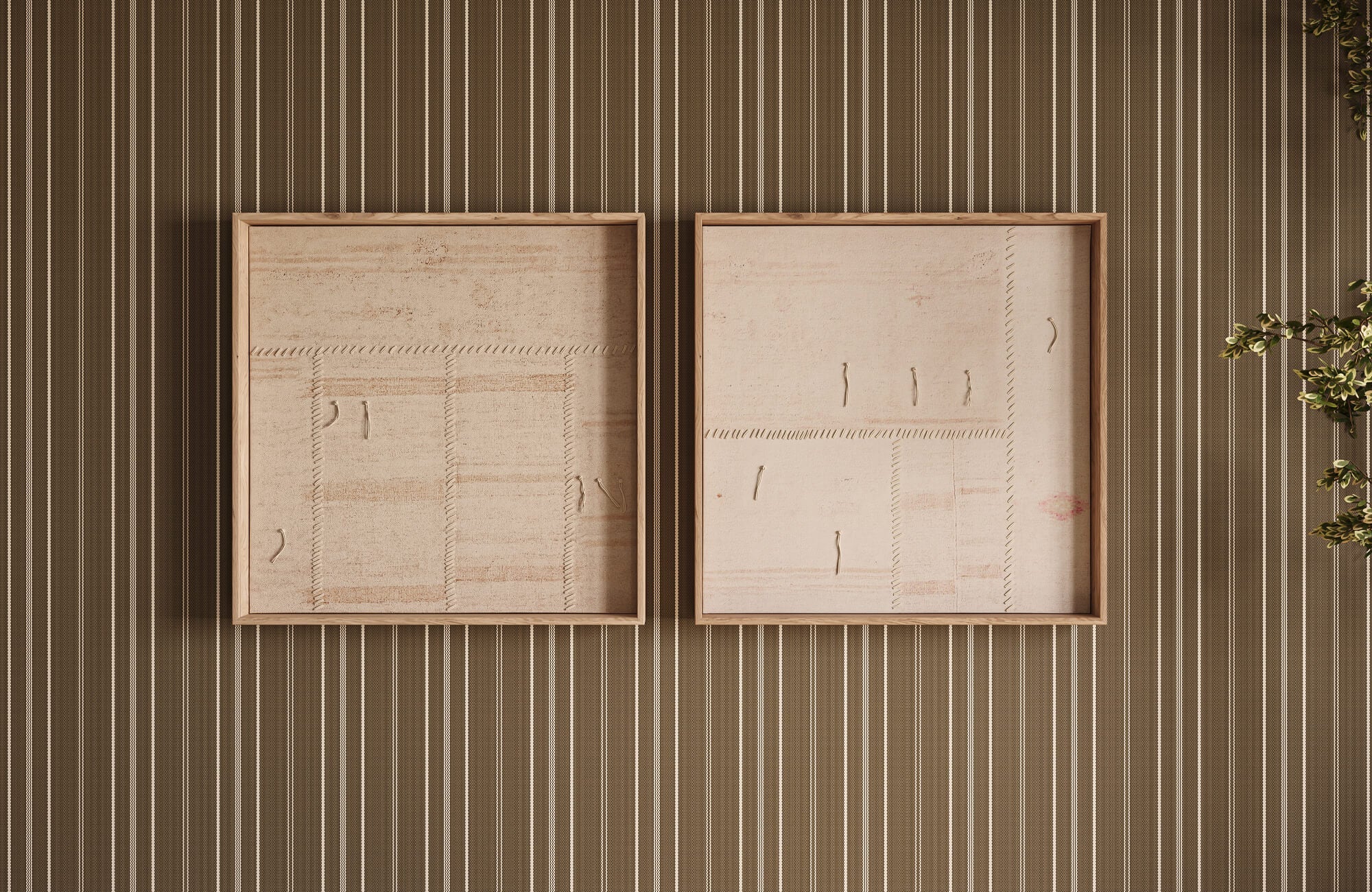
You can see this approach in spaces like the one shown above, where our Windsor Wallpaper in Olive I, 52" x 132", is used as a full backdrop but still works because it’s placed in a lower-contact dining area. The vertical linework adds structure without overwhelming the space, while the olive base keeps the look grounded and easy to live with. Since this area doesn’t deal with the same level of direct contact as a hallway or play space, the wallpaper holds up better while still defining the room. It’s a good example of how placement, more than coverage, makes the biggest difference in how well wallpaper performs.
Pairing Wallpaper With More Durable Lower Wall Materials
Another approach that works well is combining wallpaper with materials that can handle more contact, especially on the lower part of the wall. For instance, using something more durable like tile, paneling, or painted surfaces below and wallpaper above creates a clear balance between style and practicality. This setup allows the lower section to take on everyday wear while the wallpaper stays protected in a less exposed area. At the same time, it creates a natural visual break that can make the space feel more structured. Because each material is used where it makes the most sense, the wall ends up working better overall. It’s a simple way to reduce wear without giving up the look you want.
Protecting Edges, Corners, and Seams
Edges, corners, and seams tend to be the first places where wallpaper starts to show signs of wear, especially in spaces with a lot of movement. Because these areas are more exposed, they’re easier to bump into or catch on something without noticing. Adding small protections, like trim pieces, corner guards, or simply being more mindful of placement, can help reduce that risk. At the same time, making sure these areas are installed cleanly and securely from the start helps prevent early lifting. As people move through your space, those reinforced edges hold up better against repeated contact. In the long run, paying attention to these details helps the wallpaper stay intact without needing constant fixes.

Keeping Your Wallpaper Setup Practical Over Time
A wallpaper setup might look great at first, but the real test is how it holds up once you’re actually living with it. Kids grow, pets pick up new habits, and the way you use a space can shift without you really planning for it. So instead of aiming for something that stays perfect, it helps to choose a setup that can handle a bit of change without becoming a problem later.
Updating Sections Instead of Replacing Entire Walls
You don’t need to think of wallpaper as something that has to be replaced all at once when something goes wrong. In most cases, it’s just one area that starts to show wear, not the entire wall. So instead of jumping straight to a full redo, it makes more sense to focus on that specific section and deal with it there. That approach saves you time, effort, and, honestly, a bit of frustration, especially when the rest of the wall still looks fine. It also gives you a chance to refresh certain spots without undoing everything you already like. When you treat it this way, it feels a lot less like a big commitment and more like something you can manage as needed.
Adjusting as Needs Change Over Time
The way you use a space right now probably won’t be exactly the same a year from now. Kids get taller, pets start reaching new areas, and certain parts of the room end up getting used more than you expected. Because of that, it helps if your wallpaper setup isn’t something you have to work around every time things shift. You might end up moving furniture, protecting certain areas more, or just changing how the room flows. These aren’t big changes, but they do add up in how the space feels day to day. When your setup can adjust with you instead of against you, it becomes a lot easier to live with.
Choosing Styles That Stay Easy to Live With
It’s easy to go for something bold or very specific, especially when you first see it, and it feels like the perfect fit. But once you’ve lived with it for a while, that same design can start to feel a bit harder to work around, especially if other things in the room start changing. That’s why it helps to pick something that still feels right even when everything else isn’t exactly the same anymore. You don’t need to play it safe; just avoid designs that rely too heavily on one exact setup. When a style feels balanced, it’s easier to keep it without constantly second-guessing it. You end up enjoying it longer instead of feeling like you need to replace it too soon.
Avoiding Overcommitment in Busy Homes
If your home has a lot going on every day, it usually helps not to go all-in on wallpaper across every wall. It might look great at first, but it also means more surface area that needs to hold up under constant use. Instead, being a bit selective about where you place it makes things easier down the line. You can still get the look you want without putting pressure on every part of the room to stay perfect. It also gives you more room to adjust certain areas without affecting everything else. When you leave yourself that kind of flexibility, the space feels easier to manage instead of something you have to keep fixing.
Choosing Wallpaper That Actually Works for Your Home
At the end of the day, wallpaper can absolutely work in homes with kids or pets, but it comes down to how you use it, not just what you choose. When you start thinking about real daily habits like where people touch, where movement happens, and how often surfaces get cleaned, your decisions become a lot more practical. It’s less about finding a perfect option and more about setting things up in a way that fits how your home actually runs. Once you approach it that way, wallpaper stops feeling risky and starts feeling like something you can actually live with.
If you’re looking at your walls and thinking through where things might wear out, what areas need more protection, or which materials will actually hold up in your space, that’s where having a second perspective helps. Edward Martin’s personalized design consultation can walk you through those exact decisions, not just what looks good, but what makes sense based on how your home is used every day. Whether it’s choosing between vinyl and non-woven, deciding where to place wallpaper so it lasts longer, or figuring out how to balance design with real use, you get guidance that’s actually tied to your layout.