Kids’ rooms tend to change faster than almost any other space in the home. What feels perfect for a toddler obsessed with animals, race cars, or princesses can suddenly feel outgrown just a few years later, which is exactly why wallpaper choices deserve a little more long-term thinking than most parents initially expect. In this blog, we’ll talk about the wallpaper styles, materials, colors, and design strategies that make kids’ rooms easier to refresh as your child grows and their personality naturally evolves.

Thinking Beyond Their Current Age And Interests
It is easy to design a kids’ room around what your child loves right now, especially when those interests feel exciting and personal in the moment. The challenge is that wallpaper is not usually something most parents want to replace every time a favorite character, hobby, or color phase changes, so thinking a little further ahead often leads to choices you will feel much better about later.
Why Character-Themed Wallpaper Usually Has A Short Lifespan
Character-themed wallpaper can feel like an easy win when your child is deeply attached to a specific show, movie, or fictional world, but those phases often move much faster than larger room updates do. What feels like the perfect choice for a preschooler obsessed with dinosaurs, princesses, or superheroes can suddenly feel far less exciting just a couple of years later, once their interests shift. That does not mean themed design is always a mistake, but locking a highly specific interest into something as visually dominant as wallpaper can make the room feel dated much sooner than expected. Unlike bedding, posters, or smaller accessories that are easy to swap, wallpaper tends to feel like a bigger commitment both visually and financially. If flexibility matters to you, it is worth asking whether the design reflects something likely to grow with them or simply what feels exciting this month.
Designing For Growth Instead Of Decorating For A Moment
One of the easiest mindset shifts is treating the room less like a snapshot of your child’s current age and more like a space that can evolve alongside them. A toddler’s room does not need to look overly serious to have staying power, but it helps when the bigger design decisions leave enough flexibility for future changes. Wallpaper with adaptable patterns, softer motifs, or less age-specific personality often gives you much more room to refresh the space through simpler updates later. This approach usually saves money, reduces redesign fatigue, and makes the room easier to adjust as their routines, hobbies, and preferences naturally change. You are not trying to remove personality, just making sure the most permanent design choices do not box you into a short-lived phase.
How To Leave Room For Their Personality To Evolve
Kids rarely stay interested in the same things for long, which is exactly why the room should leave some breathing room for who they become next. A wallpaper choice does not need to define the entire personality of the space on its own, especially when smaller decor pieces can carry much more of that personal expression over time. Artwork, bedding, lamps, toys, shelving, and accent colors are all much easier to update than a full wall treatment, which makes them far better places for current interests to show up more boldly. Choosing wallpaper that acts as a flexible backdrop instead of the loudest personality in the room makes future updates far less stressful. That way, when your child moves from one phase to the next, the room can shift with them instead of forcing a full reset.

Wallpaper Styles That Age More Gracefully In Kids’ Rooms
Some wallpaper styles naturally give you more flexibility than others, which makes a big difference when you are designing a room your child will hopefully enjoy for more than just a short phase. The goal is not choosing something overly plain or overly grown-up, but finding designs that still feel age-appropriate now while giving you enough room to evolve the space later.
Subtle Patterns That Still Feel Playful Enough For Younger Kids
You do not have to choose obviously childlike wallpaper for a room to still feel fun, warm, and age-appropriate. Softer repeating patterns like stars, scattered dots, clouds, delicate linework, or playful but understated motifs can bring plenty of personality without locking the room into a very specific age bracket. These kinds of designs tend to feel especially useful because they can work just as naturally with nursery decor as they do with more mature updates a few years later. The room still feels intentional and child-friendly, but you are not setting yourself up for a major redesign the moment your child outgrows a specific theme. If you want flexibility without sacrificing personality, this is often one of the safest directions to take.
Nature-Inspired Designs That Grow With Different Age Stages
Nature-inspired wallpaper tends to age especially well because the theme itself does not feel tied to one narrow stage of childhood. Soft woodland scenes, botanical patterns, gentle landscapes, skies, trees, or animal motifs with a more design-forward look can feel just as fitting for a younger child as they do for an older one. What makes this category work so well is that the interpretation can shift as the rest of the room changes, meaning the wallpaper does not have to be the thing you replace when their style matures. A woodland print that feels whimsical with stuffed animals and softer nursery decor can feel much more refined later with cleaner bedding and updated accessories. If you want something with personality that still gives you breathing room, nature-inspired designs are one of the strongest long-term options.
Our Bower Wallpaper in Grey II, shown above, brings that adaptability through delicately illustrated leafy forms layered in soft gray tones across an off-white backdrop that feels calm, airy, and quietly expressive. The botanical pattern adds enough personality to keep the room from feeling plain, while still leaving plenty of room for the furniture, decor, and overall styling to evolve naturally as your child grows. Its softer palette and lightly textured finish also help the space feel more relaxed and visually settled rather than overly themed or easy to outgrow after only a few years.
Geometric And Abstract Prints That Feel Flexible Over Time
If you are leaning toward something that feels a little more versatile from the start, geometric and abstract wallpaper can be surprisingly practical in kids’ rooms. Cleaner shapes, soft arches, playful linework, organic abstract forms, or subtle repeated patterns often feel adaptable because they are less tied to a specific age or trend cycle. That flexibility makes it easier for the room to evolve through furniture changes, decor updates, and shifting color preferences without the wallpaper suddenly feeling out of place. These styles also tend to work especially well if you want the room to feel a little more elevated rather than overtly themed from the beginning. If your goal is designing once and updating around it instead of constantly starting over, this is a smart category to consider.
Murals That Can Age Well When Chosen Carefully
Murals can absolutely work in kids’ rooms, but this is where choosing carefully matters much more than following whatever looks exciting in the moment. A mural built around softer landscapes, abstract scenery, dreamy skies, or artistic storytelling often has far more longevity than one tied directly to a highly specific cartoon or novelty theme. The key is asking whether the mural still feels visually interesting once the room no longer revolves around the child’s current age or immediate obsession. Because murals naturally take up so much visual space, they tend to define the room much more strongly than smaller wallpaper patterns do. If you love the impact of a mural, choosing one with broader appeal gives you a much better chance of still liking it years later.

Wallpaper Materials That Make Future Updates Less Stressful
The design itself matters, but wallpaper material can make an even bigger difference once real life enters the picture. When you are decorating a child’s room, it helps to think beyond how the wallpaper looks on day one and consider how easy it will be to maintain, update, or live with as your child grows and the room inevitably changes with them.
Peel-And-Stick Wallpaper For Easier Refreshes
If flexibility is one of your biggest priorities, peel-and-stick wallpaper is usually the first material parents look at, and for good reason. Because it is designed with easier removal in mind, it tends to make future updates feel much less intimidating than more permanent options, especially if you already know your child’s tastes are likely to change quickly. This can be particularly appealing for renters, first-time parents, or anyone who prefers not to treat the room as a long-term fixed design commitment. That said, peel-and-stick works best when expectations are realistic, since performance can vary depending on wall texture, humidity, and installation quality. If your goal is to make future refreshes simpler rather than turning wallpaper into a forever decision, this is often the most approachable place to start.
When Traditional Wallpaper Still Makes Sense
Even with the popularity of removable options, traditional wallpaper can still be the better choice depending on how you plan to use the room. If you are creating a space you expect to keep relatively consistent for many years, or if durability and long-term adhesion matter more than easy removability, traditional wallpaper may actually feel less stressful in the long run. Higher-quality traditional applications often sit more smoothly, handle wear more reliably, and avoid some of the edge-lifting frustrations that temporary options can sometimes run into. The tradeoff, of course, is that future updates usually require a bit more effort when it is time for a change. If you are thinking more in terms of lasting performance than quick swaps, traditional wallpaper can absolutely still make practical sense.
Our Porter Wallpaper in Olive Night I, shown above, supports that kind of longer-term approach through its digitally printed DreamScape Terralon surface, which gives the wallpaper a more substantial and polished feel compared to lighter temporary options. The lightly textured material helps the woven-like olive backdrop and hand-sketched donkey motifs feel softer and more dimensional across the wall without leaning too heavily into short-lived themed styling. Because the pattern feels artistic and the material itself is designed for more durable interior applications, the room becomes easier to update gradually around the wallpaper instead of needing a complete reset as your child grows.
Washable Finishes For Everyday Kid Life
Kids’ rooms deal with a lot more than just visual wear, which is why cleanability should be part of the wallpaper conversation much earlier than most people expect. Fingerprints, mystery smudges, accidental splashes, marker incidents, and all the small daily messes that somehow end up on walls can quickly make a beautiful wallpaper choice feel much less practical if the finish is hard to maintain. Washable wallpaper finishes can make a huge difference here because they give you more confidence to clean without worrying about damaging the surface immediately. This becomes especially useful in younger kids’ rooms, play-heavy spaces, or any room where the walls realistically will not stay untouched. If you know your household leans a little more chaotic than showroom-perfect, easy maintenance is worth prioritizing.
Vinyl Wallpaper For Higher-Durability Family Spaces
If durability is sitting high on your priority list, vinyl wallpaper is another material worth considering, especially for kids’ rooms that see a lot of everyday activity. Vinyl surfaces generally hold up well against moisture, light scuffing, and repeated cleaning, which makes them a practical option when you need wallpaper that can handle more real-world wear. This can be especially helpful if the room doubles as both a sleep space and a play area, where the walls naturally end up seeing more contact than expected. While vinyl may not be the right aesthetic fit for every design direction, the performance side can make it a very sensible family-friendly choice. If you would rather trade a little design flexibility for easier upkeep, this material deserves a closer look.
Non-Woven Wallpaper As A Practical Middle Ground
If you are looking for something that feels more durable than some temporary options but less intimidating than older wallpaper systems, non-woven wallpaper can offer a useful middle ground. Many non-woven products are designed to be more breathable, dimensionally stable, and easier to work with during installation or eventual removal compared to more traditional paper-backed options. For parents who want a polished look without committing to the most labor-intensive future update, that balance can be appealing. Like any wallpaper category, product quality still matters, but the format itself often offers a nice compromise between longevity and practicality. If you are trying to balance design confidence with future flexibility, this is a material category worth keeping on your radar.
Why Installation Quality Still Matters Even With Temporary Wallpaper
Even the most user-friendly wallpaper becomes frustrating if the installation is done poorly from the beginning. Temporary wallpaper may sound forgiving, but uneven placement, poor surface prep, trapped air, or badly aligned seams can make the room feel messy long before you are ready for a redesign. In some cases, installation issues can even make removal more annoying than expected because the product never adhered the way it was meant to. That does not mean every family needs professional installation, but it does mean the easier-update promise works much better when the wallpaper is installed properly. If future flexibility is part of the plan, a clean start makes it that much easier later.

Color Choices That Will Not Feel Too Young Too Quickly
Color has a huge influence on how long wallpaper continues to feel right in a child’s room, often even more than the pattern itself. The goal is not removing personality or making the space feel overly neutral, but choosing colors that still give you flexibility as your child’s tastes, routines, and room styling naturally change over time.
Building Around Flexible Neutrals Instead Of Theme Colors
Theme-driven colors can feel exciting in the moment, especially when your child is strongly attached to a favorite interest, but they also tend to age much faster once that phase shifts. A room built entirely around bright princess pink, superhero red and blue, or highly specific novelty colors can start feeling visually boxed in much sooner than many parents expect. That does not mean kids’ rooms need to be stripped of fun, but anchoring the wallpaper in more flexible neutrals usually gives you much more freedom long term. Warm beige, soft taupe, gentle gray, creamy white, or muted earthy tones tend to adapt far more easily as the rest of the room changes.
The biggest advantage here is how easily everything around the wallpaper can evolve without forcing a full redesign. Bedding, artwork, toys, accent decor, and even furniture swaps become much simpler when the backdrop is not tied to one very specific palette. This gives you more room to let personality show up through details that are far easier to update as your child grows. If you are trying to avoid expensive design regret a few years from now, building around adaptable base tones is usually one of the smartest decisions you can make.
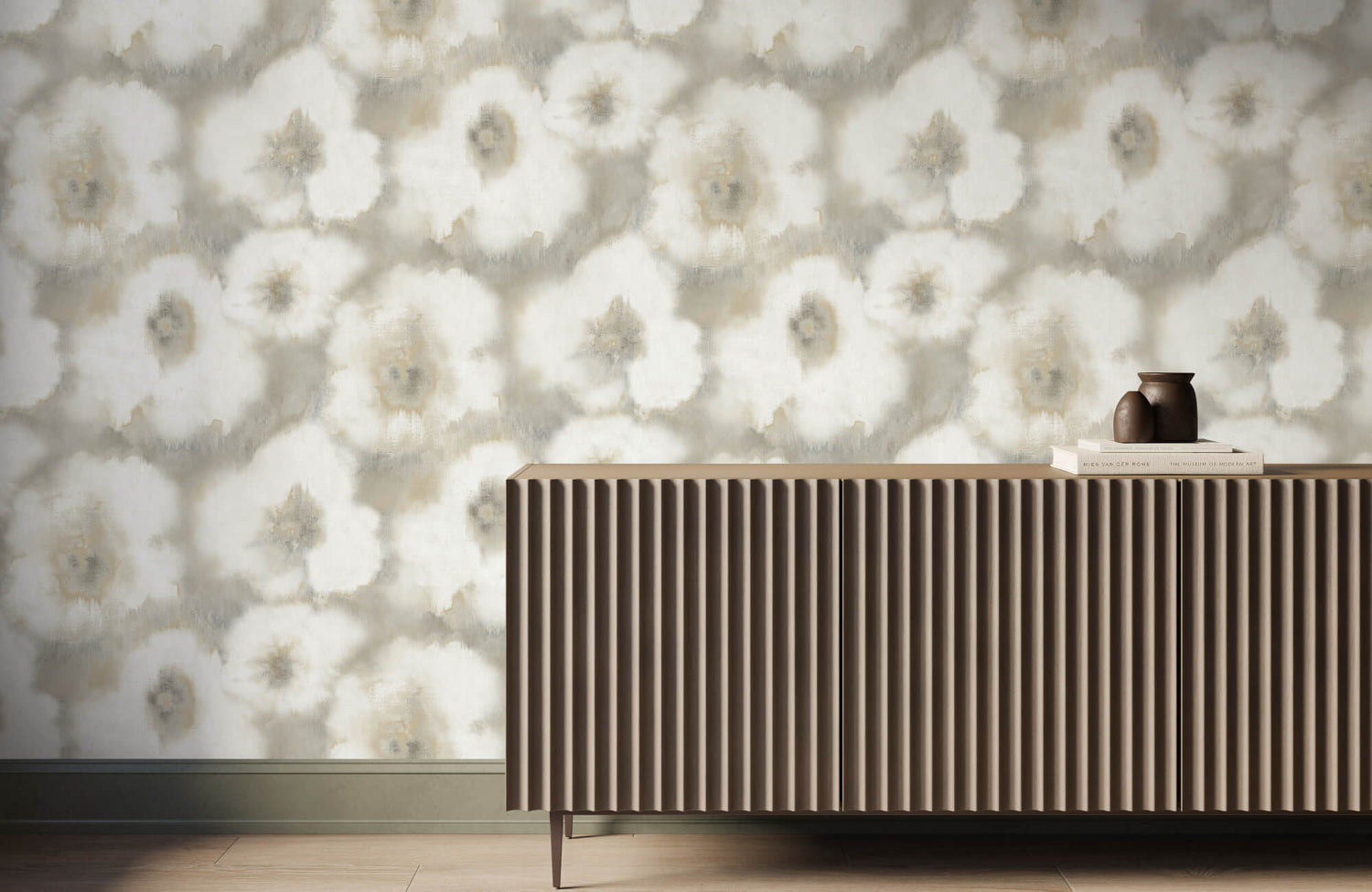
Wallpaper colors with softer neutral depth usually feel easier to live with over time because they leave more room for the rest of the space to naturally evolve. Our Plateau Wallpaper in Taupe II, shown above, layers abstract dark taupe contours across a warm white backdrop, creating a look that feels artistic and grounded without leaning too heavily into a theme-driven palette. The muted tones help the room transition more comfortably through different age stages, making later updates to furniture, bedding, and decor feel far less restrictive.
Soft Color That Still Leaves Room For Change
Choosing a softer color does not mean the room has to feel bland or overly safe. Muted greens, dusty blues, warm blush, softened lavender, or chalkier earth-inspired tones can still bring personality while giving the space much more longevity than brighter, highly saturated alternatives. These colors tend to feel playful enough for younger kids without locking the room into a look that immediately feels too young as they get older. Because they are visually gentler, they also tend to work with a wider range of decor updates over time.
This flexibility becomes especially helpful when your child’s preferences inevitably shift from one stage to the next. A softly colored wallpaper that once worked with playful nursery decor can often transition naturally into a more mature room simply by changing textiles, wall art, or accent furniture. That kind of adaptability saves both effort and budget because you are refreshing the wallpaper rather than replacing it entirely. If you want color without creating future limitations, softer tones usually offer one of the best middle grounds.
When Bolder Colors Can Still Be A Smart Long-Term Choice
Going bold is not automatically the wrong move, even in a room you hope will age well. The difference is choosing bolder colors with broader design flexibility rather than shades that feel heavily tied to one very specific childhood phase or novelty theme. Deep green, navy, warm terracotta, richer muted teal, or even moodier charcoal-based palettes can still feel timeless when used thoughtfully. These colors often bring more personality and depth while avoiding the “outgrown too fast” problem that comes with more age-specific choices.
The key is thinking about whether the color has enough versatility to work with different versions of the room later on. A rich navy that feels playful with younger decor can just as easily feel sophisticated in a teen space with updated furnishings, which makes it a much safer bold choice than something more trend-locked or hyper-specific. Stronger color also tends to age better when the design itself feels balanced rather than visually overwhelming. So if you naturally prefer more dramatic wallpaper, you do not necessarily need to scale everything back; you just need to choose bold with more staying power.

Smart Ways To Make Wallpaper Easier To Refresh
Choosing update-friendly wallpaper is only part of the equation, because how and where you use it can make just as much difference when it is time for a change. A few smarter design decisions upfront can give you much more flexibility later, especially if you want the room to evolve without turning every update into a full renovation project.
Accent Walls Instead Of Full-Room Commitment
Covering every wall with wallpaper can create a strong visual statement, but it also makes future updates much more involved once your child’s preferences inevitably change. An accent wall often gives you the same sense of personality and impact without locking the entire room into one design direction. This approach works especially well behind a bed, crib, reading nook, or play area, where the wallpaper can still act as a focal point without overwhelming the space. It also tends to make bolder choices feel less risky since you are committing to a smaller visual footprint. If you love the idea of more expressive wallpaper but feel hesitant about longevity, this is usually the most forgiving compromise.
A practical advantage here is budget flexibility, since refreshing one feature wall later is naturally far less expensive and less disruptive than redoing the entire room. Accent walls also make phased updates easier because you can refresh bedding, furniture, and decor around the wallpaper without feeling pressured into replacing everything at once. If you are designing for a younger child now but know the room will need to mature later, this approach gives you much more breathing room.
You could also do an accent ceiling like the one you see above with our Botanique Wallpaper in Fall, which works especially well for this approach because its earthy floral pattern introduces warmth, movement, and a more layered sense of character while still allowing the surrounding walls, furniture, decor, and color palette to evolve more naturally over time. This kind of placement also helps the wallpaper feel more intentional and visually memorable without making future updates feel overly restrictive as your child’s style, interests, and overall room preferences gradually shift through different stages.
Framed Wallpaper Panels And More Flexible Applications
Wallpaper does not always have to be installed in the most permanent, all-or-nothing way to make an impact. Framed wallpaper panels, decorative sections, inset applications, or more intentional partial uses can still bring color and personality into the room while keeping future updates much simpler. This approach often feels especially useful if you love a more playful or design-forward print but are unsure how long it will suit the space. Because the wallpaper is visually contained rather than dominating every wall, the room naturally feels easier to evolve over time. It is a smart way to enjoy stronger design choices without making them harder to outgrow.
This can also be a particularly helpful strategy if you are working with a tighter update budget or simply prefer less commitment overall. Smaller applications are generally easier to replace, less labor-intensive to rethink, and often create less waste when tastes shift later. They also give you room to experiment with bolder prints that might feel overwhelming as a full-room treatment. If you are someone who likes flexibility but still wants the room to feel thoughtfully designed, this approach offers a very practical middle ground.
Pairing Wallpaper With Easily Swappable Decor Layers
One of the easiest ways to make wallpaper last longer is by letting the more changeable pieces of the room carry more of your child’s current personality. Bedding, artwork, rugs, lamps, shelving accents, and smaller decorative details are all much easier to replace than wallpaper, which makes them far better places for stronger age-specific expression. This keeps the wallpaper from doing all the identity work for the room, giving you much more freedom as interests naturally shift. A wallpaper choice that feels adaptable becomes much easier to live with when the rest of the room is allowed to evolve around it. This is often what helps a room feel intentionally designed rather than quickly outdated.
A useful way to think about it is to separate permanent and flexible design layers before you commit to anything. Let wallpaper act as the steadier visual foundation, then build in personality through pieces you know can change every few years without major effort. This makes updates feel more like normal decorating rather than a full redesign every time your child moves into a new phase. If longevity is one of your main goals, this mindset usually saves both money and design frustration over time.
Designing A Kids’ Room That Can Grow Without Constant Redesigns
The best kids’ rooms rarely come from chasing every short-term trend or current obsession too closely. Wallpaper tends to work best when it gives the room enough personality to feel special now while still leaving space for your child’s interests, routines, and style preferences to naturally evolve over time. Choosing more flexible patterns, adaptable colors, and update-friendly materials usually creates a room that feels easier to refresh instead of constantly needing to be completely redone. When the larger design decisions leave room for change, the space often feels more thoughtful, functional, and much less stressful to maintain as the years go on.
If you are still deciding which wallpaper styles, colors, or materials make the most sense for your child’s room, Edward Martin’s personalized design consultation can help you approach the process with much more confidence. Whether you are trying to balance longevity with personality, narrow down practical materials, or create a room that can evolve more naturally through different age stages, tailored guidance can make those decisions feel far less overwhelming.