



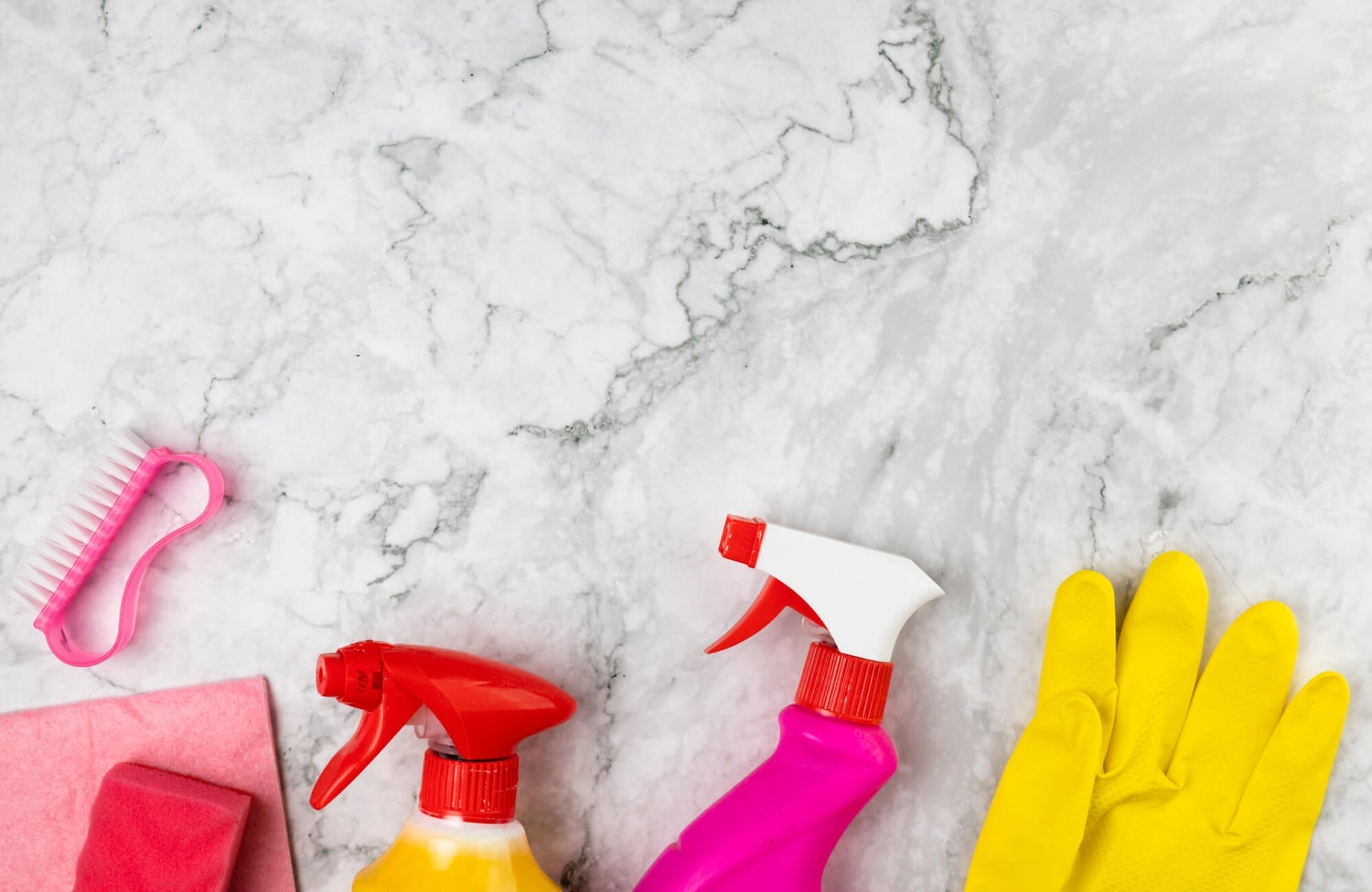
Marble surfaces can bring a sense of refinement and lasting beauty to interiors, from elegant countertops to statement floors and walls. Yet beneath that polished appearance lies a material that requires thoughtful care. Because marble is naturally porous and sensitive to acidic or abrasive products, choosing the wrong cleaner can lead to etching, dullness, or long-term damage.
This guide helps you confidently choose the right cleaner for your marble surfaces. You’ll learn which components to avoid, what to look for in a marble-safe formula, and how different finishes may influence your choice. We’ll also cover practical maintenance tips to help preserve marble’s natural luster, along with a look at marble-look tiles as a low-maintenance alternative for busy or moisture-prone spaces.

Key Characteristics of Marble Surfaces
Marble has been celebrated for centuries in architecture and interior design for its refined appearance, distinctive veining, and enduring sense of luxury. Each slab features natural variations in tone and pattern, giving floors, countertops, and walls a one-of-a-kind character. Beyond its visual appeal, marble also remains naturally cool to the touch, making it especially well-suited for warm climates and high-use areas throughout the home.
Despite its elegance, marble requires attentive care. As a naturally porous stone, it can absorb liquids if spills are not cleaned promptly. Substances such as coffee, wine, or oils can seep into the surface and potentially leave lasting stains if not addressed promptly. Acidic materials, including citrus juice or vinegar, can react with the stone and cause etching, which appears as dull or lightly textured spots on a polished finish. Over time, frequent use and prolonged exposure to moisture may gradually affect its surface condition, reinforcing the need for proper cleaning methods, routine maintenance, and appropriate protective measures to preserve both its beauty and performance.

Key Factors to Consider When Choosing a Marble Cleaner
Choosing the right cleaner for marble surfaces is essential, as the wrong product can cause gradual yet irreversible damage. One of the most important considerations is pH balance. A pH-neutral cleaner is specifically formulated to protect natural stone, helping prevent etching, discoloration, and surface dullness. In contrast, acidic or highly alkaline products can erode the polished finish and compromise the stone’s appearance over time. This is especially important in kitchens and bathrooms, where marble is regularly exposed to water, spills, and daily use.
It is equally important to avoid cleaners that contain abrasive particles, which can scratch the surface and wear down any protective sealant. Harsh chemicals such as bleach, ammonia, or vinegar should also be excluded from your cleaning routine, as they can gradually weaken the stone’s structure and diminish its natural luster.
Instead, look for non-toxic, stone-safe formulas designed specifically for marble. Many eco-conscious options effectively clean without introducing unnecessary chemicals into your home, making them well-suited for households with children or pets. Before purchasing any product, carefully review the label to confirm it is compatible with natural stone; an extra step that helps safeguard both the beauty and longevity of your marble surfaces.

Choosing and Evaluating Marble Cleaners
Marble cleaners are available in a variety of forms, from convenient ready-to-use sprays to concentrated liquids and specialty stone formulas. Evaluating these options carefully allows you to choose a cleaner that is both safe and effective for your marble surfaces. However, it’s always best to follow the manufacturer’s recommendations for proper use and compatibility to ensure optimal results and protect your marble from unintended damage.
Spray and Liquid Cleaners
Spray and liquid cleaners are both effective options for maintaining marble surfaces, with each suited to different applications. Sprays allow for controlled, targeted use on smaller areas or detailed wall sections, whereas liquid formulas are better suited for covering larger surfaces such as expansive floors. Whichever format you choose, ensure it is specifically formulated for natural stone to protect marble’s delicate finish and preserve its appearance over time.
DIY Solutions vs. Commercial Cleaners
When weighing DIY solutions against commercial cleaners, it’s important to consider the condition and daily demands of your marble surfaces. For routine upkeep, simple mixtures such as mild soap and water can be effective and easy to prepare. However, while suitable for light cleaning, they may lack the specialized formulation required to address deeper stains or areas exposed to heavier use.
In contrast, commercial cleaners are specifically developed for marble care and often feature pH-neutral properties that help protect the surface while preserving its natural luster. As a result, they tend to deliver more consistent and reliable performance, particularly on high-use floors or prominent installations. To make a well-informed choice, reviewing user feedback and seeking professional recommendations can further help identify products that align with your marble’s specific needs.
How to Test a Marble Cleaner
Before applying any cleaner broadly, it’s wise to perform a patch test. Choose a small, inconspicuous area such as a corner or a spot beneath furniture and apply a small amount of the product. After gently wiping it away with a soft cloth, carefully examine the surface for any signs of dullness, discoloration, or changes in texture. If the marble remains unchanged, the cleaner is likely safe for wider use. Always follow the manufacturer’s instructions for dilution and application to ensure optimal results and long-term protection.

Best Practices for Regular Marble Maintenance
Caring for marble begins with consistent, gentle cleaning habits that prevent dirt and debris from dulling or scratching the surface. Sweeping floors with a soft broom or microfiber mop effectively removes fine particles before they can cause damage. Similarly, wiping walls or countertops with a damp, non-abrasive cloth helps clear away smudges while preserving their polished finish. Small, routine efforts like these go a long way in maintaining marble’s natural sheen.
In addition to daily upkeep, protective measures can significantly extend the life of marble, particularly in frequently used or moisture-prone areas. Placing rugs or runners in hallways and near entry points helps shield floors from surface wear; for example, a piece like our Charlise Rug in Cream / Fog can add a soft layer of protection while complementing marble’s light, elegant tones. In kitchens and bathrooms, mats positioned near sinks help reduce the risk of water stains and limit moisture absorption. Furniture pads also provide a simple yet effective safeguard, preventing scratches caused by shifting or rearranging pieces while keeping the space looking refined.
For long-term performance, periodic resealing is essential. Over time, the protective seal that guards marble’s porous surface against stains and moisture gradually diminishes. Resealing every six to twelve months—depending on usage and exposure—helps restore this barrier and reinforce the stone’s resilience. With proactive care and attention, marble surfaces can retain both their elegance and durability for many years.

Low-Maintenance Alternative to Marble
Marble-look tiles, typically crafted from porcelain or ceramic, offer the refined appearance of natural marble with the added practicality of modern materials. Designed to replicate the veining and tonal variation of genuine stone, they come in a variety of finishes and textures, making them well-suited to both classic and contemporary interiors. The result is a surface that captures marble’s elegance while providing greater everyday resilience.
A refined example of this balance can be seen with Edward Martin’s Aniston 24x48 Polished Porcelain Tile in Calacatta Viola, as featured in the photo above. Its dramatic veining and high-gloss finish echo the bold character of natural marble, while the large-format design enhances visual continuity across walls and shower surrounds. The polished surface reflects light beautifully, creating a bright, sophisticated atmosphere without the maintenance demands of genuine stone.
One of the key advantages of marble-look tiles is their durability. Unlike natural marble, they are highly resistant to moisture, stains, and scratches, making them an excellent choice for kitchens, bathrooms, and other busy areas. Many porcelain varieties also do not require sealing, helping reduce long-term maintenance while preserving a polished and sophisticated appearance.
Maintenance is straightforward to manage. Regular cleaning with a mild detergent diluted in water and a soft mop or cloth is usually sufficient to keep the surface looking its best. Avoiding abrasive tools and rinsing thoroughly after washing helps prevent residue buildup and preserves the tile’s smooth finish. With minimal upkeep, marble-look tiles can provide lasting beauty and reliable performance in a wide range of spaces.
Choosing the Best Cleaner for Marble Surfaces
To pick the perfect cleaner for marble surfaces, focus on pH-neutral, non-abrasive formulas specifically made for natural stone. Avoid acidic or harsh chemical products, and always test a new cleaner on a small, inconspicuous area before full application. With the right product and a consistent maintenance routine, you can preserve marble’s natural luster and protect it from long-term damage.
If you prefer a lower-maintenance solution, marble-look tiles offer the same elegant aesthetic with greater resistance to moisture, stains, and everyday wear. To see how different finishes and veining styles will look in your own space, try our AR tool and choose with greater confidence. For personalized guidance on marble care or choosing the right tile alternative, feel free to contact us—our team is here to help you make the best choice for your space.


