Subway tiles have earned their place as a design staple, known for their clean lines and long-lasting durability. So when you’re updating a kitchen or bathroom, it’s natural to ask whether those existing tiles can be carefully removed and reused instead of replaced. In this blog, we’ll walk through when reuse makes sense, how to remove subway tiles without damaging them, creative ways to repurpose them, and when starting fresh may be the more practical choice.

Is It Possible to Reuse Subway Tiles?
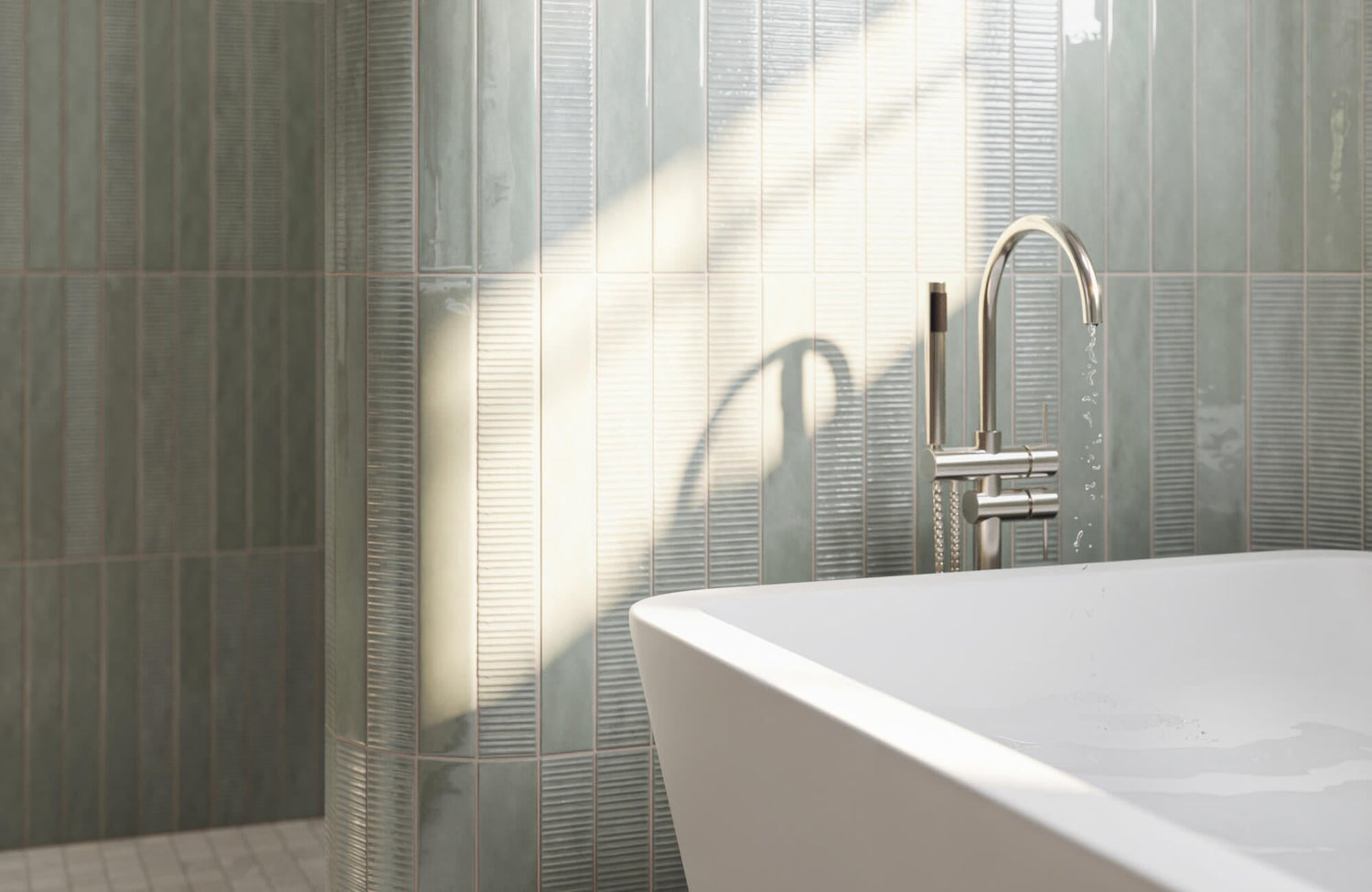
Yes, reusing subway tiles, such as our Mara 2x10 Glossy Ceramic Tile in Nettle Green above, is absolutely possible, and in many cases, it’s both practical and environmentally mindful. That said, success depends on a few key factors, including the condition of the tiles, the adhesive used during installation, and how carefully they’re removed. Start by inspecting each tile closely. Cracks, chips, or heavy discoloration can limit reuse, while tiles in solid shape are strong candidates for salvaging. Keep in mind that tiles exposed to constant heat or moisture may have become brittle over time, which can make removal more delicate and, in some situations, less feasible.
Adhesive type also plays an important role in how realistic the reuse will be. Thin-set or mastic adhesives are typically easier to work with, while epoxy can make removal far more labor-intensive. Any leftover residue will need to be cleaned thoroughly before reinstalling the tiles, so factor that into your timeline. Using the right tools, such as a grout saw, putty knife, heat gun, and adhesive remover, helps protect the tile edges during removal. For older installations or tightly bonded tiles, bringing in a professional can save time and reduce the risk of unnecessary breakage.

How to Remove and Prepare Subway Tiles for Reuse
Reusing subway tiles starts with patience and the right approach. Careful removal and proper preparation help preserve their edges, finish, and overall integrity so they can be installed again successfully. Rushing the process often leads to cracks or chips, so taking it step by step makes all the difference.
Remove the Grout First
Begin by removing the grout surrounding each tile using a grout saw or oscillating tool. Clearing the grout creates separation between tiles and reduces pressure during prying. Take your time and work along the joints rather than forcing the blade too deep, which can scratch the tile edges. Once the grout is loosened, you’ll have more flexibility to lift the tiles without damaging them. Wearing gloves and eye protection is important, especially when grout begins to crumble.
Loosen the Adhesive Carefully
After the grout is removed, focus on softening the adhesive behind the tile. A heat gun can gently warm thin-set or mastic, making it easier to release the bond. Use a putty knife to slowly pry from the edges, applying steady and controlled pressure rather than force. Working gradually helps prevent cracks, especially with older tiles that may be more brittle. If you encounter strong resistance, pause and reapply heat instead of pushing harder.
Clean and Inspect Before Reinstalling
Once the tiles are removed, clean off any remaining adhesive using a gentle abrasive cleaner or a specialized adhesive remover. Inspect each tile closely and set aside any that show structural damage or deep chips. For minor stains or discoloration, soaking ceramic or porcelain tiles in a vinegar-water solution can help refresh their surface. Allow them to dry completely before storing or reinstalling. If you’re unsure about their condition or plan to reuse them in a visible area, consulting a skilled installer can help ensure a smooth second installation.

Creative Ways to Repurpose Subway Tiles
If your subway tiles are still in good shape, there’s no reason they have to go to waste. With a bit of creativity, they can add character and function to new areas of your home. Repurposing them thoughtfully allows you to refresh your space while keeping materials out of the landfill.
For Backsplashes and Walls
Reused subway tiles work beautifully for backsplashes or accent walls, especially in secondary spaces like laundry rooms, mudrooms, or even home bars. You can experiment with alternative layouts, such as vertical stacking or herringbone, to give them a fresh identity. Switching up the grout color is another easy way to modernize their look without buying new material. Even a simple stacked layout can feel different when installed in a new context. When planned carefully, reclaimed tiles can feel intentional rather than reused.
As Flooring Features
Porcelain subway tiles, in particular, can transition well into flooring projects if they’re still structurally sound. Arranging them in patterns like herringbone or chevron introduces movement and elevates the overall design. They can also function as border tiles that frame larger-format flooring, adding subtle detail without overwhelming the space. Because floors endure more wear, it’s important to inspect each tile closely before reinstalling. When used strategically, reclaimed tiles can anchor a room while tying together different materials.
In Decorative Projects
Not every tile has to return to a wall or floor. Smaller decorative projects offer an opportunity to reuse even slightly imperfect pieces. Coasters, trivets, picture frames, and tray inlays are practical options that give tiles a second life. Mosaic art, whether on tabletops, planters, or garden features, allows you to work creatively with mixed shapes and finishes. These projects are especially useful for tiles that are chipped but still visually appealing.
For Fireplace Surrounds or Niche Details
Subway tiles can also be repurposed as part of a fireplace surround or recessed niche feature. In these applications, they act as a visual backdrop rather than a high-impact surface, which reduces structural demands. A simple stacked layout can create a clean frame around a built-in shelf or reading nook. Because these areas are often smaller, you may not need a large quantity of tiles to complete the project. This makes it easier to work with whatever salvageable pieces you have on hand.
For Outdoor or Utility Areas
If the tiles are durable enough, consider using them in covered outdoor spaces or utility zones. They can line potting benches, outdoor kitchen backsplashes, or workshop walls where style still matters. Since these spaces are less formal, minor imperfections become part of the charm. Just be sure the tile material is suitable for temperature changes if used outside. Repurposing subway tiles in these practical areas extends their lifespan while adding thoughtful detail to overlooked spaces.

Environmental and Economic Benefits of Reusing Subway Tiles
Reusing subway tiles isn’t just a design decision; it’s also a practical and responsible one. Beyond saving money, it allows you to reduce waste and make more thoughtful renovation choices. When approached carefully, reuse supports both your budget and broader sustainability goals.
Reduce Environmental Impact
Keeping subway tiles in circulation prevents them from ending up in landfills, where construction waste continues to accumulate. Manufacturing new tiles requires raw materials, water, and energy, so extending the life of existing ones helps conserve those resources. Even small reuse projects contribute to lowering the overall environmental footprint of a renovation. Choosing to salvage instead of discard aligns with more mindful, long-term home improvement practices. While not every tile can be saved, making the effort where possible reduces unnecessary waste.
Save Costs on Remodeling Projects
Repurposing subway tiles can meaningfully reduce material expenses, especially in larger renovation projects. If you’re able to handle removal carefully, you may also save on labor costs. Even partial reuse, such as incorporating reclaimed tiles into accent areas, can offset the need to purchase all-new materials. This approach allows homeowners to maintain quality while being more strategic with their budget. In some cases, reuse makes it possible to allocate funds toward other upgrades without compromising design.
Sustainability in Action
Reusing subway tiles turns sustainability from an abstract concept into a practical step you can take. Instead of discarding materials that still have life left in them, you’re choosing to adapt and reimagine. This mindset supports a more circular approach to renovation, where materials are valued rather than replaced by default. It also adds a layer of story and authenticity to your space. Thoughtful reuse proves that style and environmental responsibility can work together in the same design plan.
Subway Tiles for Stylish and Sustainable Renovations
Reusing subway tiles can be a smart move, but it works best when you approach it with a clear plan. Deciding where they’ll be installed next helps you determine how carefully they need to be removed and how many pieces you realistically need to salvage. Because tile removal can be time-intensive, patience matters just as much as the right tools. Focusing on tiles that are still in excellent condition ensures your reused materials feel intentional rather than improvised.
Of course, not every project allows for reuse, especially if tiles are cracked or tightly bonded beyond repair. In those cases, selecting new subway tiles gives you access to updated colors, finishes, and formats that may better suit your refreshed space. If you’re weighing whether to reuse or start new, our personalized design consultation can help you compare options based on your layout, budget, and long-term goals. With expert guidance, you can move forward confidently, whether you’re repurposing existing tiles or choosing a new design direction.