
)
)
)
)
)
)
)
)
How Many Decorative Pillows Are Too Many For A Minimalist Modern Sofa?
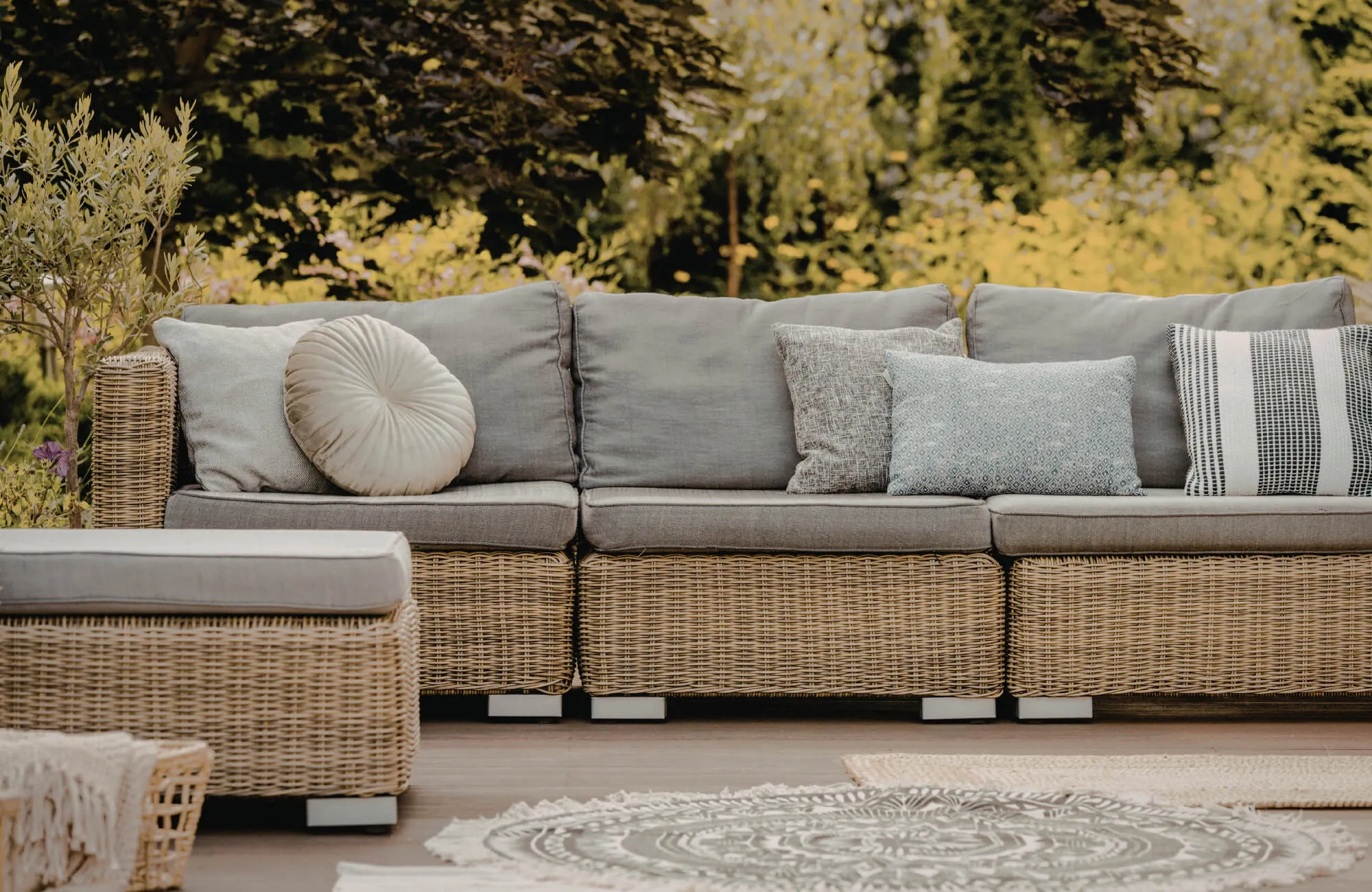
A minimalist modern sofa is designed to communicate clarity. Its proportions are intentional, its silhouette refined, and its upholstery selected for both texture and restraint. In such a setting, decorative pillows can either enhance the architecture of the piece or quietly undermine it. The question is not simply how many decorative pillows a sofa can hold, but how many it should hold to preserve the integrity of minimalist design.
For those investing in premium furniture and decor, the answer requires nuance. Decorative pillows introduce comfort, depth, and personality, yet excess quickly disrupts the clean lines that define modern interiors. Understanding where enhancement ends and clutter begins is essential when styling a minimalist modern sofa with sophistication and confidence.
Defining The Minimalist Pillow Count Formula
Minimalism does not eliminate comfort; it refines it. Determining how many decorative pillows belong on a minimalist modern sofa requires a thoughtful balance of proportion, rhythm, and restraint. The goal is not to fill space, but to enhance the sofa’s silhouette with intentional accents.
The Magic Of Odd Numbers In Modern Design
Modern design frequently relies on asymmetry to create subtle dynamism. Odd numbers naturally introduce movement, preventing arrangements from feeling static or overly formal. On a minimalist sofa, three pillows often strike an elegant balance. One can anchor a corner while two create a relaxed dialogue across the seating surface.
Five pillows may work on a longer sectional, provided their scale and spacing are carefully calibrated. The key is allowing negative space to remain visible. Minimalist interiors thrive on breathing room, and the eye needs clear intervals between elements to appreciate their form.
Even numbers, while not inherently wrong, tend to produce mirror-image arrangements that can feel conventional. In contemporary settings, a slight imbalance feels more intentional and artful. The magic of odd numbers lies in their ability to maintain order while introducing a subtle sense of motion.
Calculating Pillow Ratios Based On Sofa Length
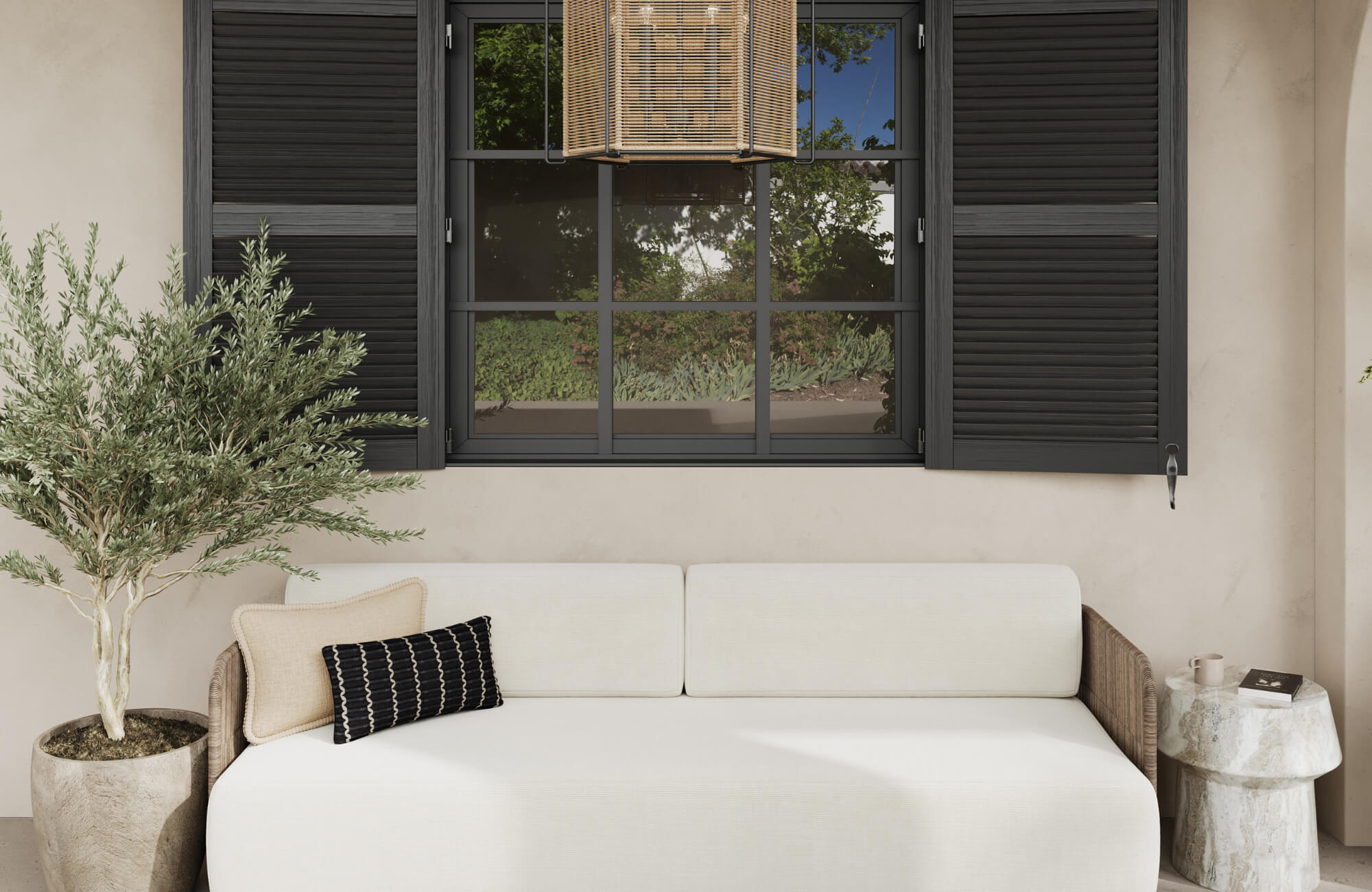
Sofa dimensions are an important factor in determining decorative pillow count. A compact two-seat sofa measuring approximately 72 inches rarely requires more than two or three pillows. Anything beyond that can obscure the seat depth and make the piece feel visually compressed. A balanced pairing such as Edward Martin’s Merelle 13" x 21" Pillow Cover in Tan alongside the elongated Marisette 12" x 27" Pillow Cover in Black, seen in the image above, demonstrates how mixing proportions can add visual interest without overcrowding the seating surface.
For a standard 84 to 90 inch sofa, three to five pillows may be appropriate, depending on their size. Larger sofas can absorb slightly more layering, yet restraint remains essential. A useful guideline is to allow at least one-third of the seating surface to remain unoccupied by cushions.
This ensures the sofa still reads as functional seating rather than a styled vignette.
Sectionals demand particular care. Because they already command visual weight, excessive pillows can amplify bulk. In many cases, three strategically placed cushions along the back corner are sufficient. The goal is to enhance proportion, not compete with it.
Recognizing The Tipping Point Into Clutter
Minimalist modern interiors are especially sensitive to clutter. What might feel cozy in a traditional space can appear chaotic against clean architectural lines. The tipping point often occurs when pillows begin to overlap excessively or obscure the sofa’s frame.
If guests must remove multiple cushions to sit comfortably, the arrangement has likely crossed into excess. Similarly, when pillows stack in front of one another, hiding their individual shapes, the composition loses clarity. Each piece should be visible and intentional.
Visual heaviness is another indicator. When a sofa appears top-heavy or its backline disappears behind a wall of fabric, the original design is compromised. Minimalism values clarity of form. Once the decorative pillows dominate the silhouette, they are too many.
Prioritizing Shape And Scale Over Quantity
A minimalist sofa benefits more from thoughtful scale than from sheer volume. Instead of adding more pillows, adjusting size and proportion often creates stronger visual impact. Larger, well-structured cushions can provide depth and comfort without introducing clutter.
Anchoring With Oversized Square Foundations
Oversized square pillows, typically ranging from 22 to 24 inches, create a stable visual base on a modern sofa. Placed at the corners, they frame the seating area and echo the geometry of the sofa’s structure. Their generous proportions fill space confidently without requiring additional layers.
These foundational cushions establish order. Because they occupy more surface area, they reduce the need for multiple smaller accents. Two substantial squares on a streamlined sofa can feel complete, especially when upholstered in premium fabrics that hold their shape.
Oversized pillows also contribute to comfort. They support the back while maintaining a tailored appearance, ensuring that practicality and aesthetics remain aligned.
Introducing Lumbar Pillows For Streamlined Support
Lumbar pillows introduce horizontal contrast and ergonomic support. Their elongated form complements the linear qualities of minimalist furniture, especially sofas with low backs or sleek profiles. When layered in front of larger square cushions, they create depth without visual excess.
One or two lumbar pillows are often sufficient. Positioned centrally or slightly off-center, they draw the eye across the sofa rather than upward, preserving the clarity of the backline. Their restrained footprint allows for comfort without crowding the seating area.
In many minimalist living rooms, a single well-proportioned lumbar pillow can replace multiple smaller cushions. Its presence feels intentional and architectural, reinforcing the modern aesthetic.
Avoiding The Choppy Look Of Undersized Cushions
Small decorative pillows, particularly those under 18 inches, can disrupt the visual harmony of a minimalist sofa. When scattered in multiples, they create a choppy rhythm that fragments the seating area. Instead of enhancing the design, they introduce unnecessary complexity.
Undersized cushions also tend to slump, especially when filled with low-density inserts. This soft collapse contradicts the crisp tailoring typical of modern upholstery. The result is an arrangement that appears casual rather than curated.
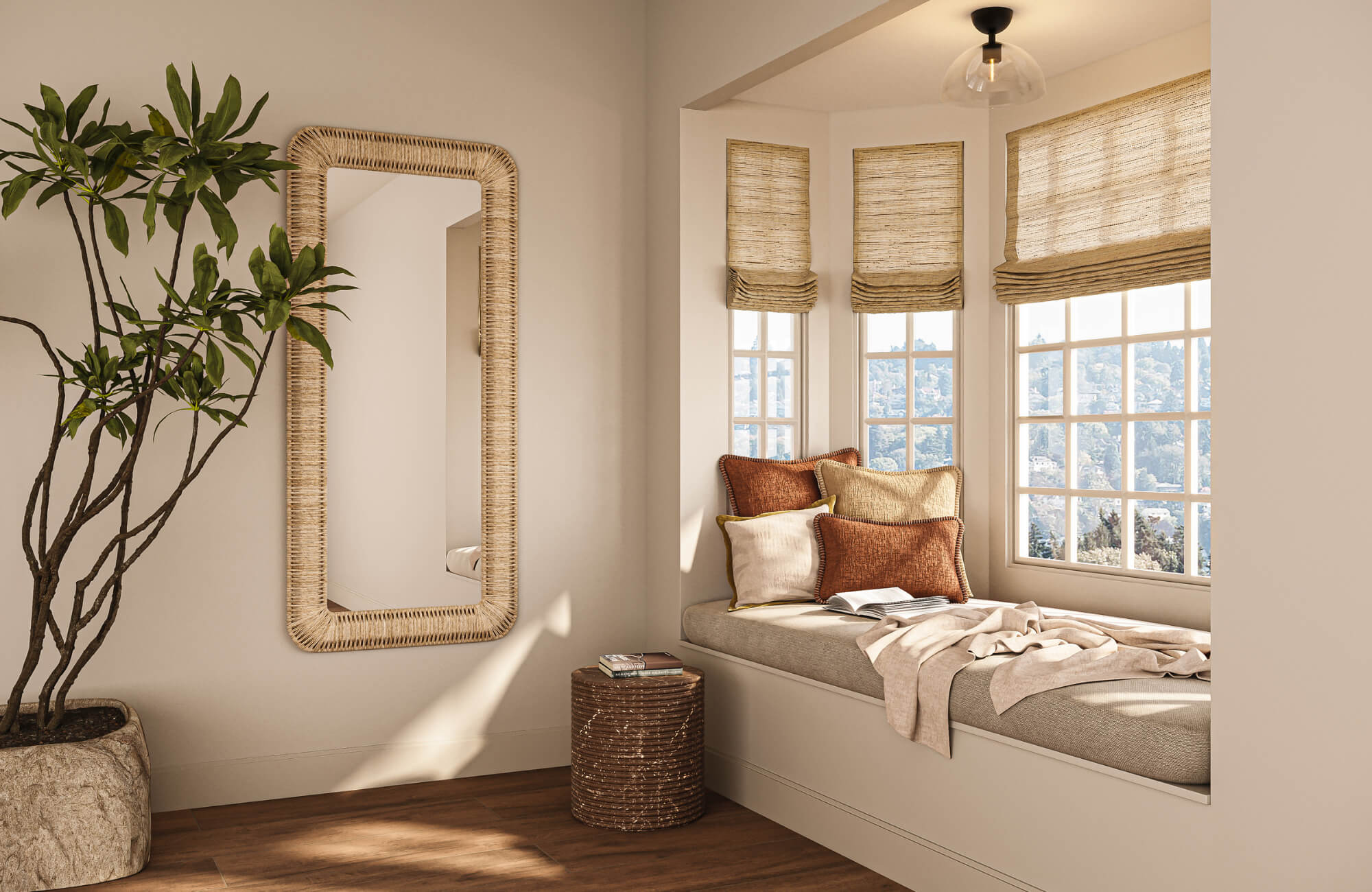
Reducing pillow count while increasing scale often resolves this issue. A few well-proportioned cushions maintain clean lines and prevent the sofa from appearing busy. In the layered window-seat styling shown in the image above, Edward Martin’s Brielle 18'' x 18'' Down Pillow in Natural / Mustard, Merelle 22" x 22" Down Pillow in Terracotta, Merelle 22" x 22" Down Pillow in Tan, and the elongated Merelle 13" x 21" Down Pillow in Terracotta illustrate how varying scale—rather than multiplying small cushions—creates a richer yet still cohesive arrangement. In minimalist styling, less is not only more; it is sharper.
Using Texture To Compensate For Fewer Pillows
When decorative pillow count is intentionally limited, texture becomes a powerful design tool. Subtle variations in fabric, weave, and finish can add depth without disrupting minimalist clarity. This approach allows a sofa to feel layered and inviting with only a few carefully chosen pillows.
Layering Heavy Wovens Against Smooth Upholstery
Heavy woven fabrics, such as wool blends or textured jacquards, provide grounding weight against sleek upholstery. When placed thoughtfully, they anchor the sofa and prevent it from feeling overly pristine. This contrast is particularly effective in contemporary living rooms where materials like leather, metal, and glass dominate.
One or two substantial woven pillows can transform the mood of a minimalist sofa. Their tactile presence invites touch while maintaining visual restraint. Because the texture carries the interest, additional pillows become unnecessary.
This approach aligns with a premium design ethos. It values material quality over decorative abundance, ensuring the sofa remains the focal point rather than the accessories.
Selecting Premium Down Inserts For Sculptural Weight
The interior of a pillow is as important as its exterior. High-quality down or down-alternative inserts provide sculptural weight that allows cushions to hold their form. A gently tailored “karate chop” or subtle indentation adds softness without compromising structure.
Inferior inserts often lead to flat or overstuffed appearances, both of which detract from minimalist styling. Premium fills strike the ideal balance between pliability and support. They allow fewer pillows to make a stronger statement.
When each cushion maintains its shape, the overall composition feels intentional. The sofa retains its architectural clarity, supported rather than overshadowed by its accents.
Creating Interest With Contrast Edge Stitching
In minimalist decor, small details carry significant impact. Contrast edge stitching or subtle piping introduces definition without overwhelming the eye. A single tailored border can outline a pillow’s geometry, reinforcing the clean lines of a modern sofa.
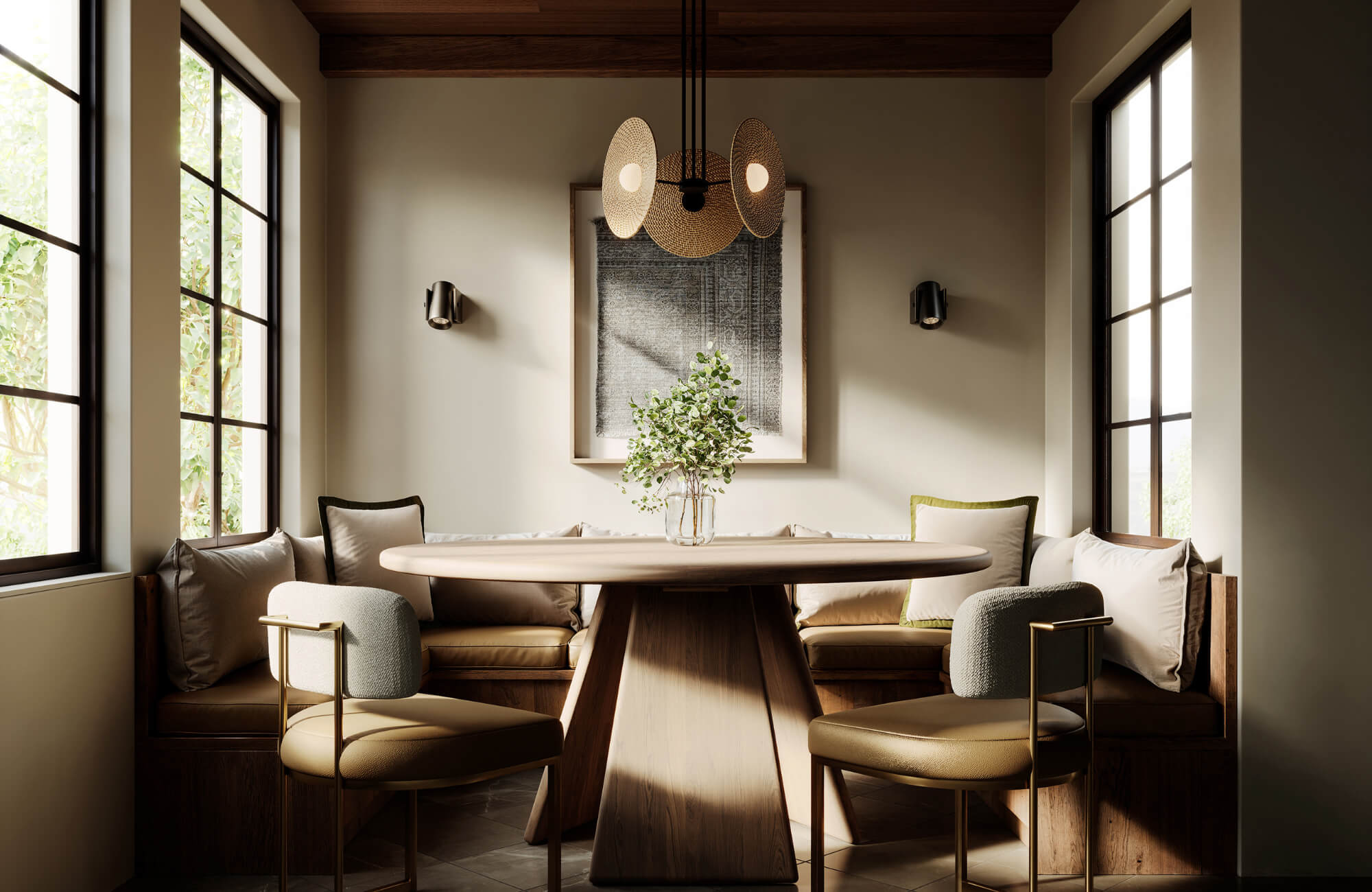
This technique is especially effective in neutral palettes. In the softly lit dining nook shown in the image above, Edward Martin’s Brielle 18'' x 18'' Down Pillow in Natural / Mustard and Brielle 18'' x 18'' Down Pillow in Natural / Brown demonstrate how contrast edging quietly frames the pillow’s shape, adding depth while maintaining a calm, understated palette.
Because these details elevate each piece, fewer pillows are required. The emphasis shifts from quantity to craftsmanship, aligning with the values of quality-conscious interiors.
Color Strategies That Preserve Minimalist Aesthetics
Color selection strongly influences whether decorative pillows enhance or disrupt a minimalist modern sofa. Even a restrained arrangement can feel excessive if tones compete rather than harmonize. A disciplined palette keeps the composition cohesive while preserving the calm elegance of modern design.
The Sophistication Of Tone On Tone Styling
Tone on tone styling embodies understated elegance. By selecting pillows in shades slightly lighter or darker than the sofa upholstery, depth emerges without stark contrast. A warm greige sofa paired with sand and mushroom cushions, for instance, creates a layered yet cohesive effect.
This approach reduces visual noise. Because the palette remains consistent, even three or four pillows read as a unified composition. The sofa retains its minimalist identity while gaining subtle dimension, especially when complemented by warm ambient lighting that enhances the softness of the palette.
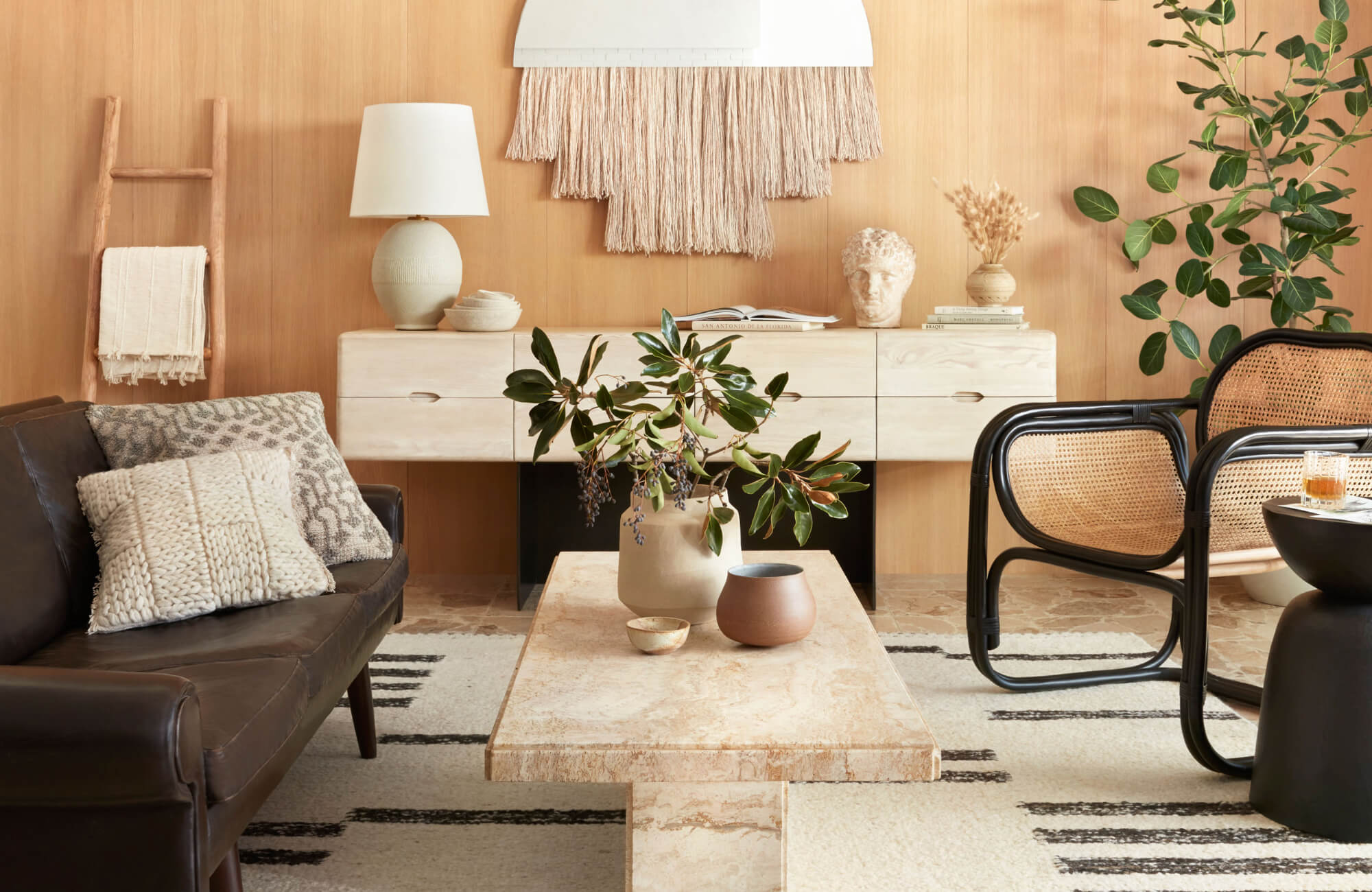
The surrounding elements in a room can further reinforce this harmony. In the space shown in the image above, Edward Martin’s Bowie Rug in Oat / Espresso anchors the palette with soft oat tones and subtle espresso patterning, echoing the layered neutrals often used in tone-on-tone pillow styling while grounding the entire seating area with quiet contrast.
Deploying High Contrast Neutrals Deliberately
While minimalism often embraces softness, strategic contrast can be powerful. A crisp black lumbar pillow against a pale sofa introduces graphic clarity. Similarly, deep espresso or slate accents can ground a light interior.
The key is restraint. One or two high-contrast pillows are typically sufficient. Adding more risks fragmenting the visual field and overwhelming the sofa’s silhouette.
Deliberate contrast works best when echoed elsewhere in the room, perhaps in a coffee table finish or metal hardware. This repetition creates cohesion, preventing the pillows from appearing isolated or excessive.
Preventing Visual Chaos With Solid Fabrics
Patterns can be compelling, yet in minimalist spaces they must be used sparingly. Multiple patterned pillows layered together often create visual chaos, especially on streamlined furniture. Solid fabrics, by contrast, preserve clarity.
If pattern is introduced, limiting it to a single cushion maintains order. The remaining pillows should remain solid and textural, supporting rather than competing. This balance prevents the arrangement from feeling busy.
Solid fabrics also age more gracefully. Their simplicity aligns with the enduring appeal of minimalist modern sofas, ensuring the styling remains relevant over time.
Achieving Balance Between Comfort And Clean Lines
Determining how many decorative pillows belong on a minimalist modern sofa ultimately comes down to balance. The ideal arrangement supports comfort while preserving the sofa’s clean lines, allowing proportion, texture, and color to enhance the space without overwhelming it. In most cases, two to five well-chosen pillows provide this balance, keeping the composition refined rather than cluttered.
For those seeking extra confidence in their styling decisions, Edward Martin’s design consultation service offers personalized guidance tailored to your space, whether you’re selecting pillows, coordinating rugs, or pairing furniture and lighting within a cohesive palette. If questions arise along the way, you can also contact Edward Martin for assistance with product selections or design details, helping ensure every element feels intentional and beautifully aligned.
Follow us on Instagram
@EDWARD.MARTIN
)
)
)
)
)
)
)
)
)
)
)
)
)
)
)
)