
)
)
)
)
)
)
)
)
How Does Wall Art Affect A Room?
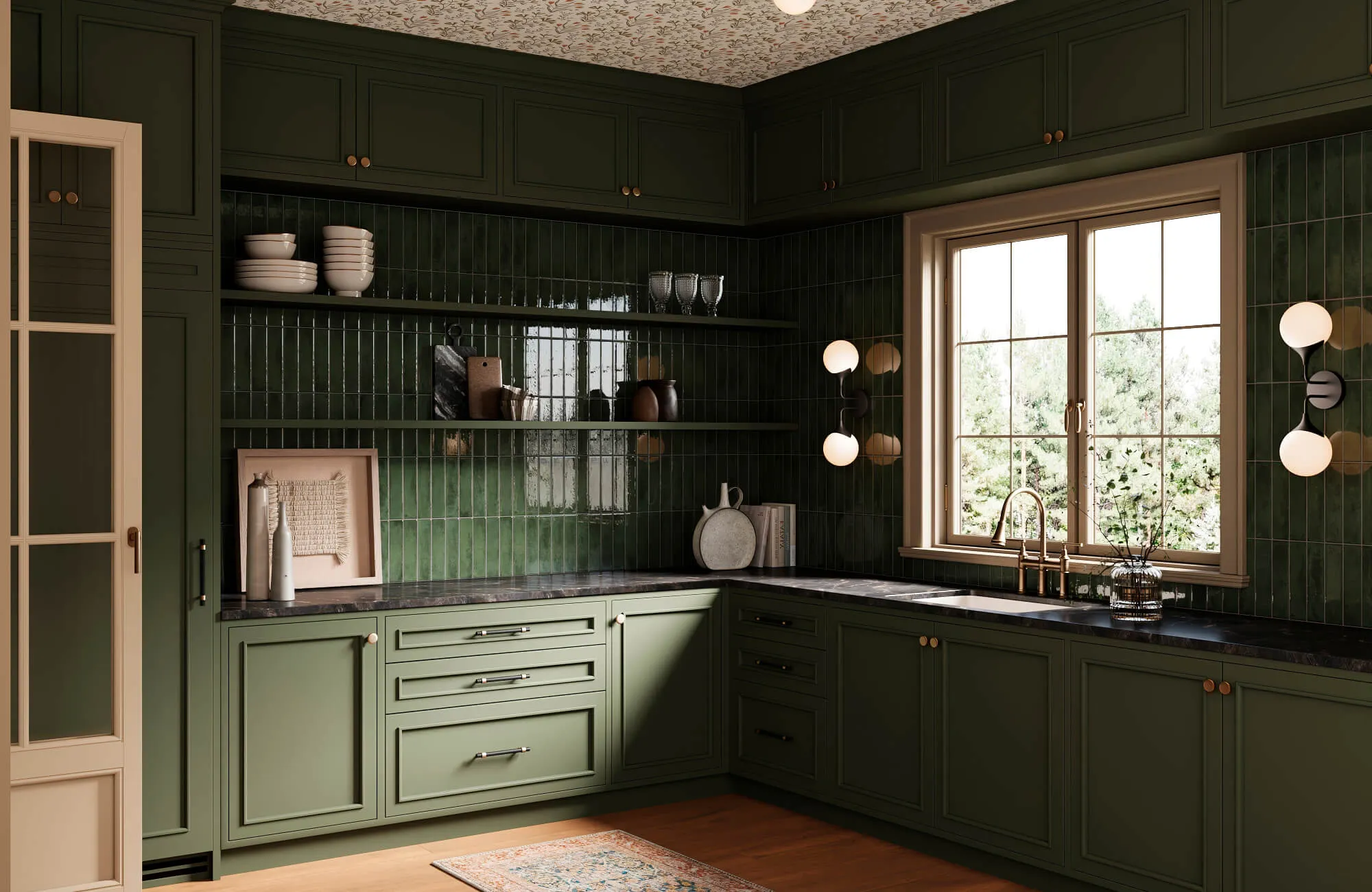
Wall art is often chosen last, yet it is one of the first things your eyes and emotions respond to when you enter a room. More than a decorative afterthought, it quietly directs how a space feels, how it functions, and how its elements relate to one another. From establishing a focal point to influencing mood through color and imagery, art shapes your experience long before you consciously notice it.
So, how does wall art affect a room? In powerful and often unexpected ways. It can anchor furniture, soften harsh architecture, expand perceived space, define open layouts, and even reflect your personal story. As you move through this article, you will see how thoughtful art placement transforms blank walls into intentional design tools that elevate both atmosphere and function.
Establishing a Structural Anchor and Focal Hierarchy
A room without a focal point often feels scattered and unfinished. Wall art gives your space a clear visual anchor, guiding the eye and organizing everything around it. When placed intentionally, it establishes hierarchy and brings order to the entire composition.
First Design Approach
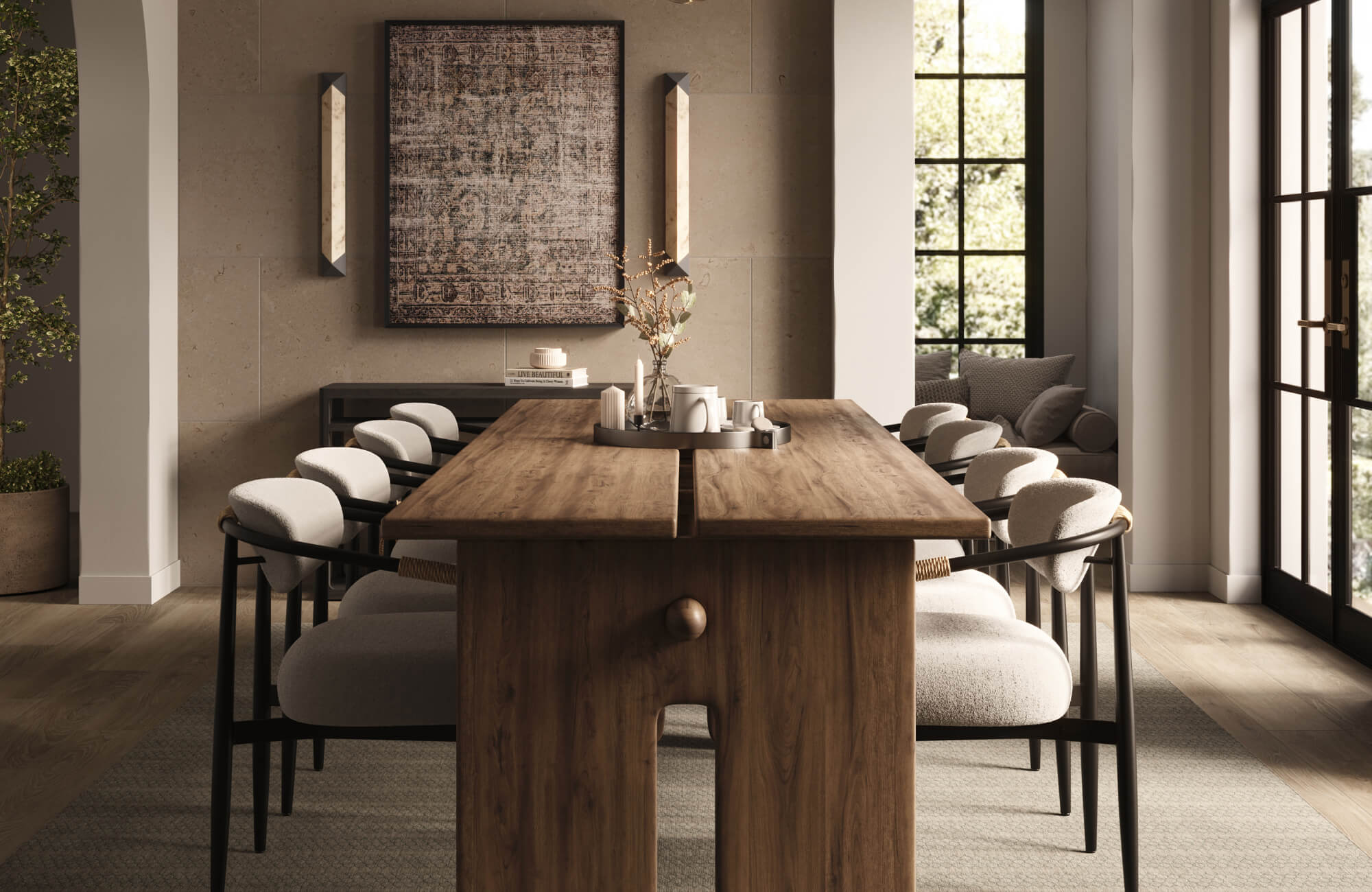
When you select a meaningful piece of art before choosing other décor elements, you give yourself a clear creative direction. The dominant colors, subtle undertones, and overall mood of the artwork naturally influence your choices for textiles, finishes, and accessories. For instance, a sculptural piece like our Dusk Fold Wall Art introduces depth through its dimensional form and warm, earthy palette. Its layered texture and subtle tonal shifts can guide selections such as rich wood finishes, soft neutral upholstery, and warm metallic accents, much like the cohesive dining setting shown above. Instead of forcing artwork to fit into an already completed room, you allow it to shape the environment from the start, which results in a more cohesive and intentional design.
This method also creates clarity in decision-making. Once your artwork defines the atmosphere, every additional element supports that vision rather than competing with it. Consequently, your space feels layered and unified, with each component reinforcing a central idea rather than pulling attention in different directions.
Grounding Floating Furniture Arrangements
Beyond setting the tone, wall art plays a critical structural role. When a large piece of furniture sits against a blank wall, it can appear disconnected or visually adrift. By introducing properly scaled artwork above it, you create a vertical extension that visually anchors the furniture in place.
Proportion is essential in achieving this balance. When the width of the artwork relates appropriately to the sofa, bed, or console beneath it, the two elements read as one cohesive unit. This alignment strengthens the room’s visual foundation and prevents awkward negative space from weakening the overall structure. As a result, the arrangement feels stable, balanced, and deliberately composed.
Defining the Psychological Mood and Atmosphere
Wall art does more than fill empty space; it shapes how a room makes you feel. Through imagery, scale, and especially color, it establishes an emotional tone that influences your mood the moment you step inside.
Biophilic Art and Stress Reduction
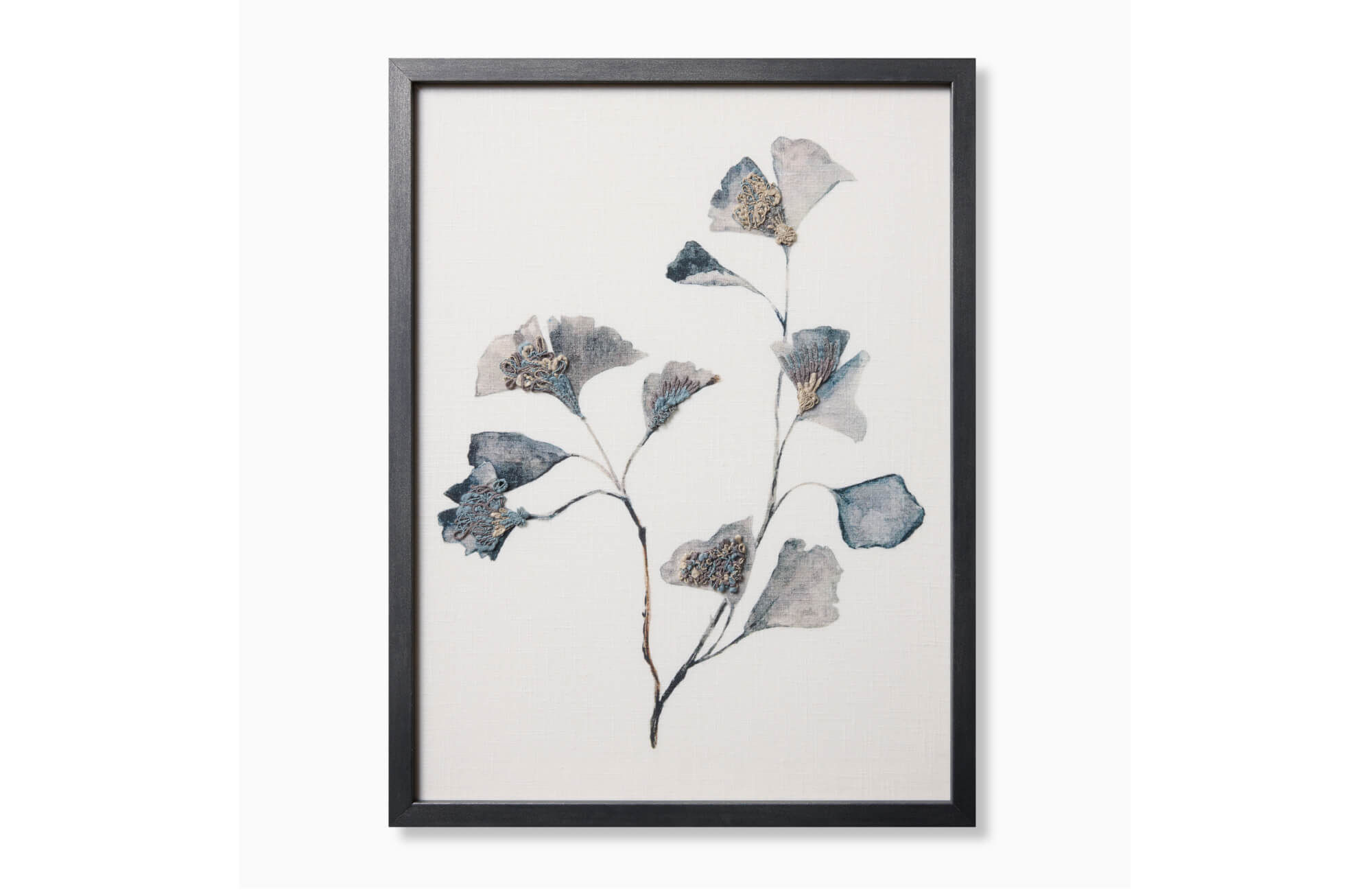
When you incorporate artwork inspired by nature, you tap into patterns your brain instinctively finds calming. Landscapes, botanical prints, ocean photography, and even abstract pieces that mimic organic movement reflect forms you associate with the outdoors. A piece like our Follow The Wind Wall Art, seen in the image above, captures this effect beautifully, with its fluid composition and nature-driven inspiration that suggests motion, air, and openness. Because your mind recognizes these natural rhythms, it processes them more easily, which can subtly reduce tension and visual fatigue.
This effect becomes especially important in modern interiors dominated by sharp lines, synthetic materials, and structured layouts. By adding art that introduces curves, depth, and layered textures reminiscent of nature, you soften the environment. As a result, the room feels more balanced and restorative, supporting relaxation and mental clarity rather than overstimulation.
Chromotherapy Through Large Scale Canvas
In addition to imagery, color dramatically influences emotional perception. A large-scale canvas functions almost like an atmospheric filter, casting a dominant hue across the room. Warm tones such as terracotta, gold, and rich reds tend to energize a space and encourage social interaction, making them particularly effective in dining or gathering areas.
Conversely, cooler shades like blue, sage, and muted gray slow the visual pace of a room and promote calm reflection. Because wall art often occupies a significant portion of uninterrupted wall space, its color presence carries substantial impact. When you intentionally choose artwork based on the emotional tone you want to cultivate, you ensure that the room’s overall mood and atmosphere align naturally with its purpose.
Manipulating Spatial Perception and Architectural Flow
Wall art has the power to visually transform a room without any structural renovation. Through thoughtful choices in orientation, scale, and perspective, you can influence how tall, wide, or open a space feels. When used strategically, art becomes a subtle architectural tool rather than just decoration.
Correcting Proportions with Vertical and Horizontal Orientation
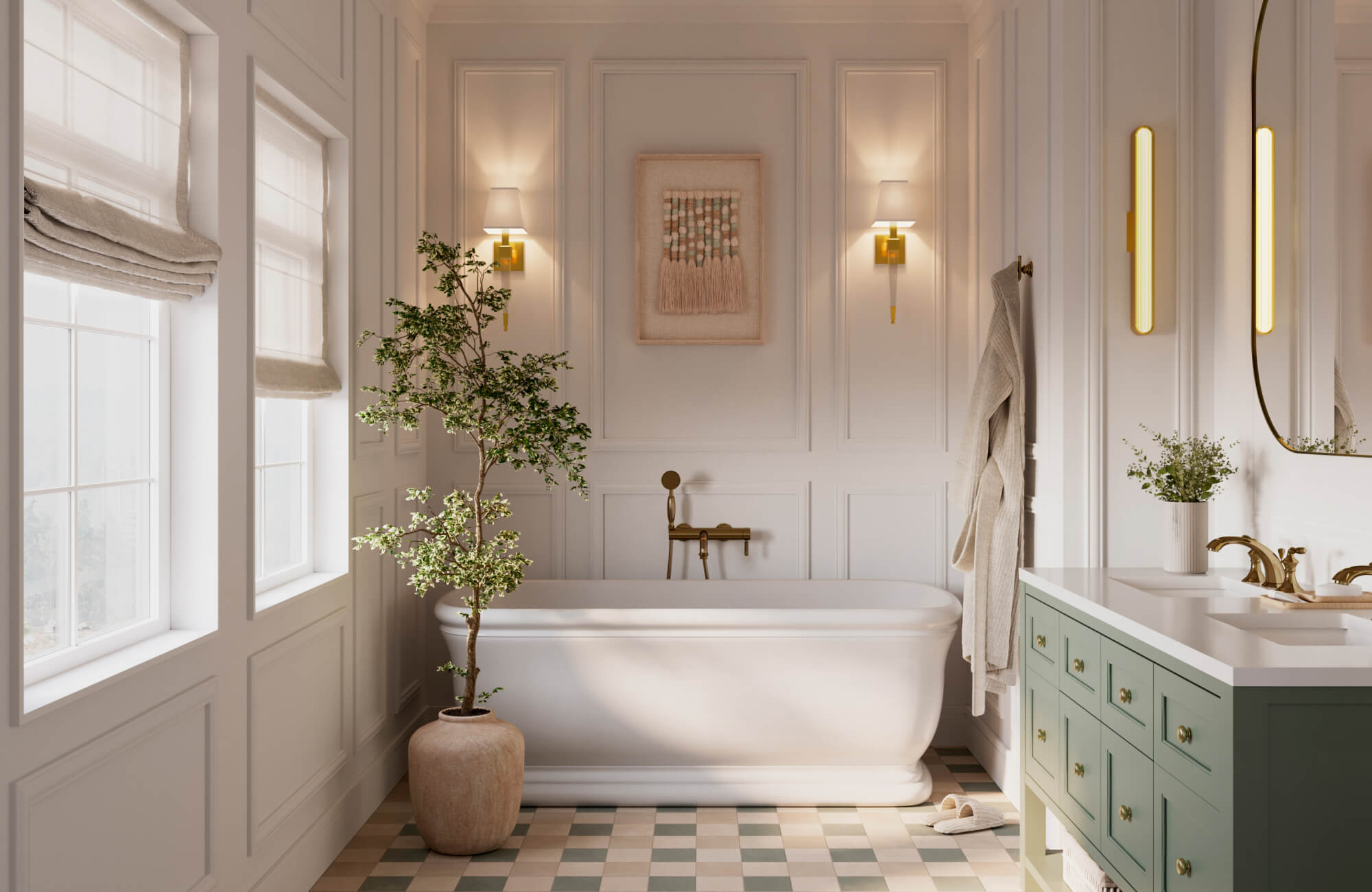
The direction of an artwork naturally guides how your eye moves across a room. When you hang a vertically oriented piece, your gaze travels upward, which creates the impression of added height. This technique is particularly effective in rooms with standard or lower ceilings, where vertical emphasis introduces a sense of lift and airiness that counteracts visual compression. For example, our Golden Drift Wall Art, with its elongated composition and warm tonal movement, enhances verticality when placed between sconces or above a freestanding tub, much like the refined bathroom setting shown above. Its upward flow also subtly reinforces ceiling height while adding warmth and softness to structured wall paneling.
Conversely, horizontally oriented artwork draws the eye side to side, expanding the perceived width of a wall. In narrower rooms or long hallways, this lateral movement reduces the tunnel-like effect and makes the space feel more balanced. By intentionally selecting orientation based on your room’s proportions, you subtly reshape how the architecture is experienced.
Creating Vanishing Points in Windowless Spaces
In enclosed spaces without natural light or windows, art can simulate depth and visual escape. Pieces that feature strong linear perspective, distant horizons, or receding pathways create the illusion of extended space beyond the wall. A landscape-driven piece like our Northland Memory Wall Art, for instance, introduces atmospheric depth and a sense of open expanse that visually pushes the wall outward. Your brain interprets these cues as distance, which helps relieve the sense of confinement.
This approach is especially useful in basements, interior offices, or compact corridors where walls can feel visually heavy. By incorporating artwork that suggests openness and distance, you introduce a psychological breath of fresh air. As a result, the room feels less boxed in and more expansive, even though its physical dimensions remain unchanged.
Defining Functional Zones in Open Concept Living
Open-concept layouts offer flexibility and flow, yet they can easily feel undefined without visual structure. Wall art helps you establish subtle boundaries where walls are absent. By using it intentionally, you create distinct zones while maintaining overall cohesion.
Zoning with Style Consistency
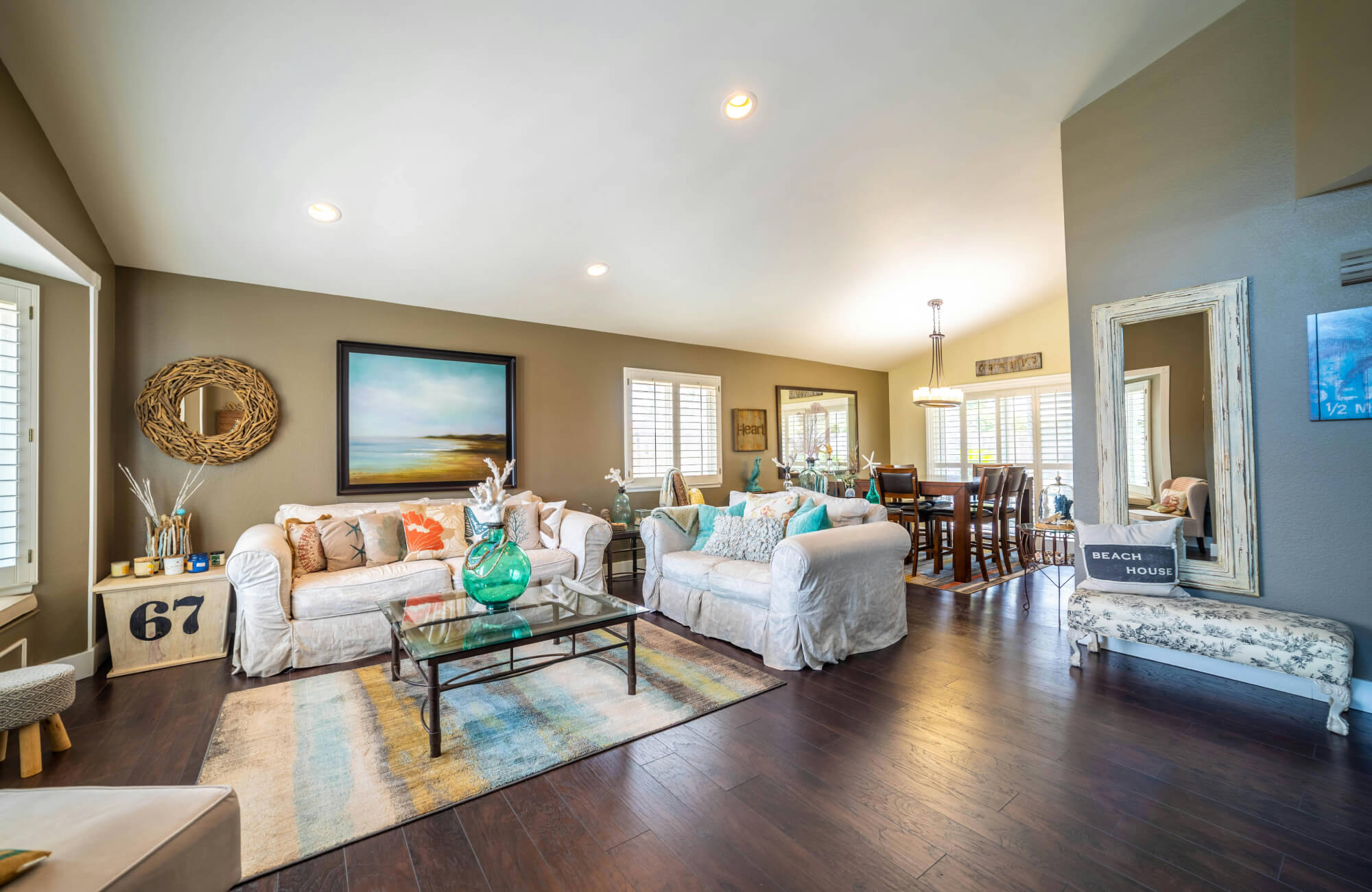
In an open-plan space, consistency in art style can quietly signal how each area is meant to function. When you display structured, geometric, or minimalist pieces in a workspace, you reinforce focus and clarity. In contrast, softer abstracts, landscapes, or expressive artwork in a lounge area encourage relaxation and ease. Choosing a piece such as our North Of Here Wall Art can help define this transition with subtle intention. Its tranquil composition and layered horizon create a visual pause within the layout, gently signaling that the seating area is meant for unwinding rather than productivity.
This visual distinction works almost subconsciously. As you move through the space, your brain reads these stylistic cues and adjusts accordingly. Rather than experiencing the entire floor plan as one undefined area, you begin to perceive purposeful sections that feel connected yet individually grounded.
Creating Thresholds with Pairs and Diptychs
Beyond style, placement also plays a powerful role in defining transitions. When you hang paired artworks or a diptych near an entryway or between two zones, you create a visual threshold. The repetition and balance naturally signal a shift, even without physical partitions.
These subtle framing techniques also introduce rhythm into your space’s layout. As you move from dining to living or from kitchen to lounge, the art guides you through the transition smoothly. Instead of abrupt changes, you experience a sense of progression that feels intentional and thoughtfully composed.
Curating Cultural Identity and Personal Narrative
Beyond shaping mood or structure, wall art expresses who you are. It turns a neutral room into a space filled with meaning, memory, and intention. Through thoughtful selection, your walls become a reflection of your personal journey and values.
Gallery Wall as a Chronological Archive
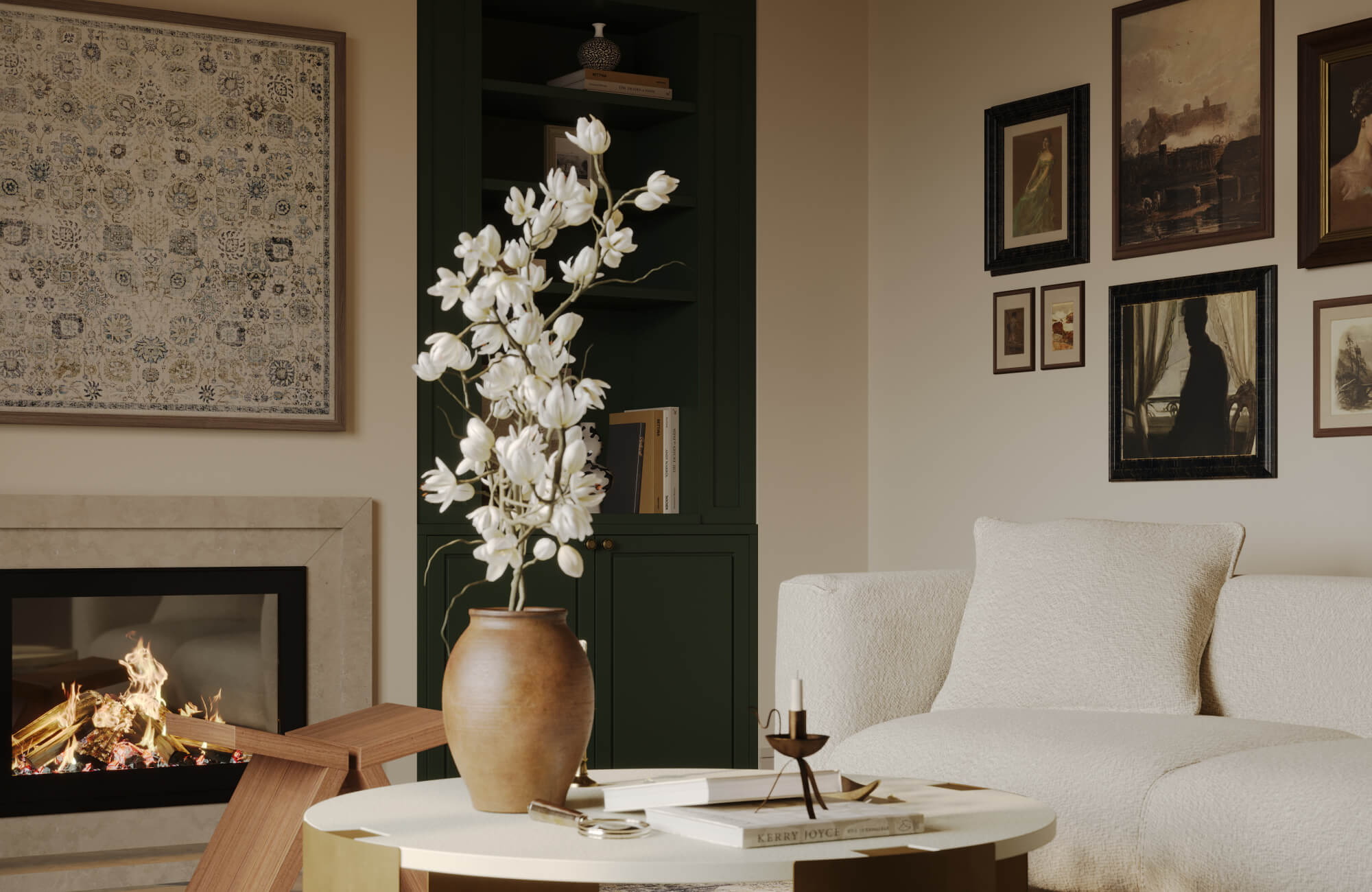
A gallery wall allows you to visually document different chapters of your life within one cohesive display. By combining photographs, travel finds, inherited artwork, and meaningful prints, you create a layered narrative that evolves over time. Each piece contributes a distinct memory, and together they form a story that is uniquely yours.
The diversity in frame styles, sizes, and subject matter also adds texture and authenticity to the space. Rather than appearing staged or overly coordinated, the arrangement feels lived-in and genuine. This layered composition introduces depth that mass-produced décor simply cannot replicate, giving your room character rooted in real experience.
Reflecting Intellectual and Social Values
Wall art communicates what you care about and what inspires you. Whether you choose culturally significant works, contemporary social commentary, or art connected to specific communities, your selections reveal your interests and perspective. In this way, your walls become more than decoration; they become statements.
When guests enter your space, these pieces naturally spark conversation and curiosity. The room gains dimension not only visually but intellectually as well. By intentionally displaying art that resonates with your beliefs or heritage, you create a space that feels emotionally grounded and deeply personal.
Enhancing Acoustic Comfort and Sensory Depth
Although wall art is often chosen for visual impact, it also shapes how a room sounds and feels. The materials, textures, and surfaces you introduce can influence acoustic balance and sensory comfort. As a result, art contributes to the overall atmosphere in ways that go beyond appearance.
Soft Surface Art and Sound Absorption
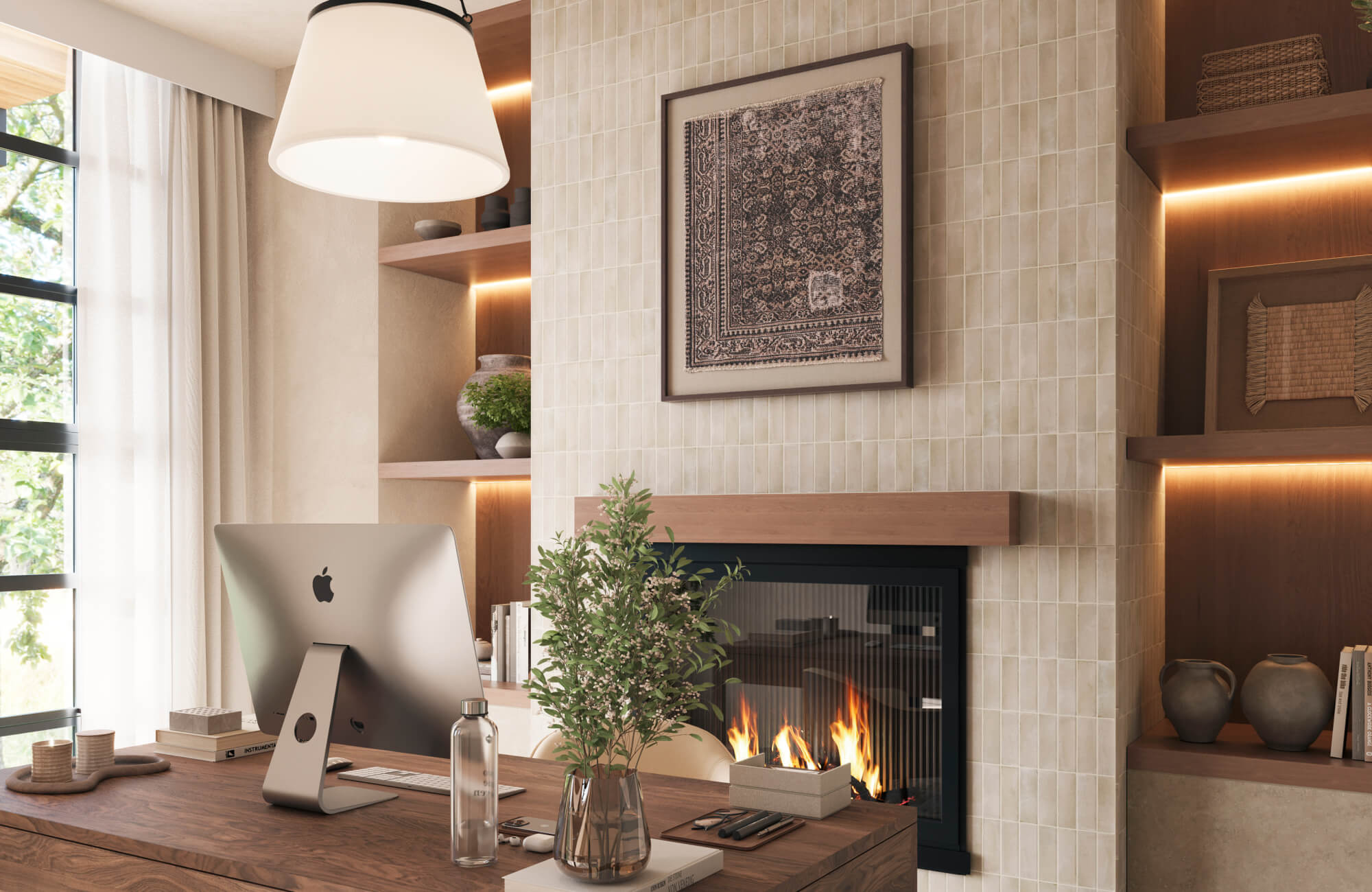
In rooms dominated by hard surfaces such as tile, hardwood, glass, or concrete, sound tends to bounce and amplify. This reflection can create an echo and subtle background noise that makes conversations feel sharp or tiring. When you introduce fabric-based art like canvas, woven tapestries, or textile panels, those softer materials help absorb and diffuse sound rather than reflect it. Our Hollow Morning Wall Art, with its layered textile-inspired composition and soft visual texture, brings both aesthetic warmth and subtle acoustic balance to spaces similar to the one seen above, where tile, wood, and glass surfaces are prominent.
Over time, this makes a noticeable difference in comfort. Speech becomes clearer, background noise feels less intrusive, and the room takes on a calmer acoustic quality. By selecting artwork with softer surfaces, you enhance not only the visual appeal of the space but also its everyday livability.
Texture as a Tactile Layer
Beyond sound control, textured and three-dimensional art adds physical depth to flat walls. Sculptural pieces made from wood, metal, ceramic, or layered mixed media create shadows and highlights that shift throughout the day. This movement adds dimension and keeps the wall from feeling static.
In minimalist or modern interiors, this added texture is especially important. Without it, large painted surfaces can feel clinical or impersonal. By incorporating tactile variation through art, you introduce warmth and material richness, making the room feel more inviting and human-centered.
Turning Blank Walls into Intentional Design Statements
Wall art affects a room by shaping its structure, mood, proportion, and identity all at once. When selected and placed with intention, it anchors furniture, guides visual flow, influences emotional tone, enhances comfort, and expresses personal narrative. Instead of filling space for the sake of decoration, art becomes an active design element that strengthens how the room looks and feels. Ultimately, it transforms empty walls into meaningful statements that bring cohesion, depth, and purpose to the entire space.
If you are ready to refine your walls with greater intention, connecting with our team can help bring your vision into focus. Whether you need guidance on selecting the right scale, coordinating finishes, or curating pieces that complement your overall design, expert insight ensures every detail works in harmony. By reaching out, you can move beyond guesswork and confidently transform your space into one that feels cohesive, elevated, and distinctly personal.
Follow us on Instagram
@EDWARD.MARTIN
)
)
)
)
)
)
)
)
)
)
)
)
)
)
)
)