Modern minimalist homes are defined by precision. Every line is deliberate, every material intentional, and every object selected for both purpose and presence. In such carefully composed interiors, wall decor becomes more than ornamentation. It shapes atmosphere, reinforces architectural clarity, and influences how spacious a room ultimately feels.
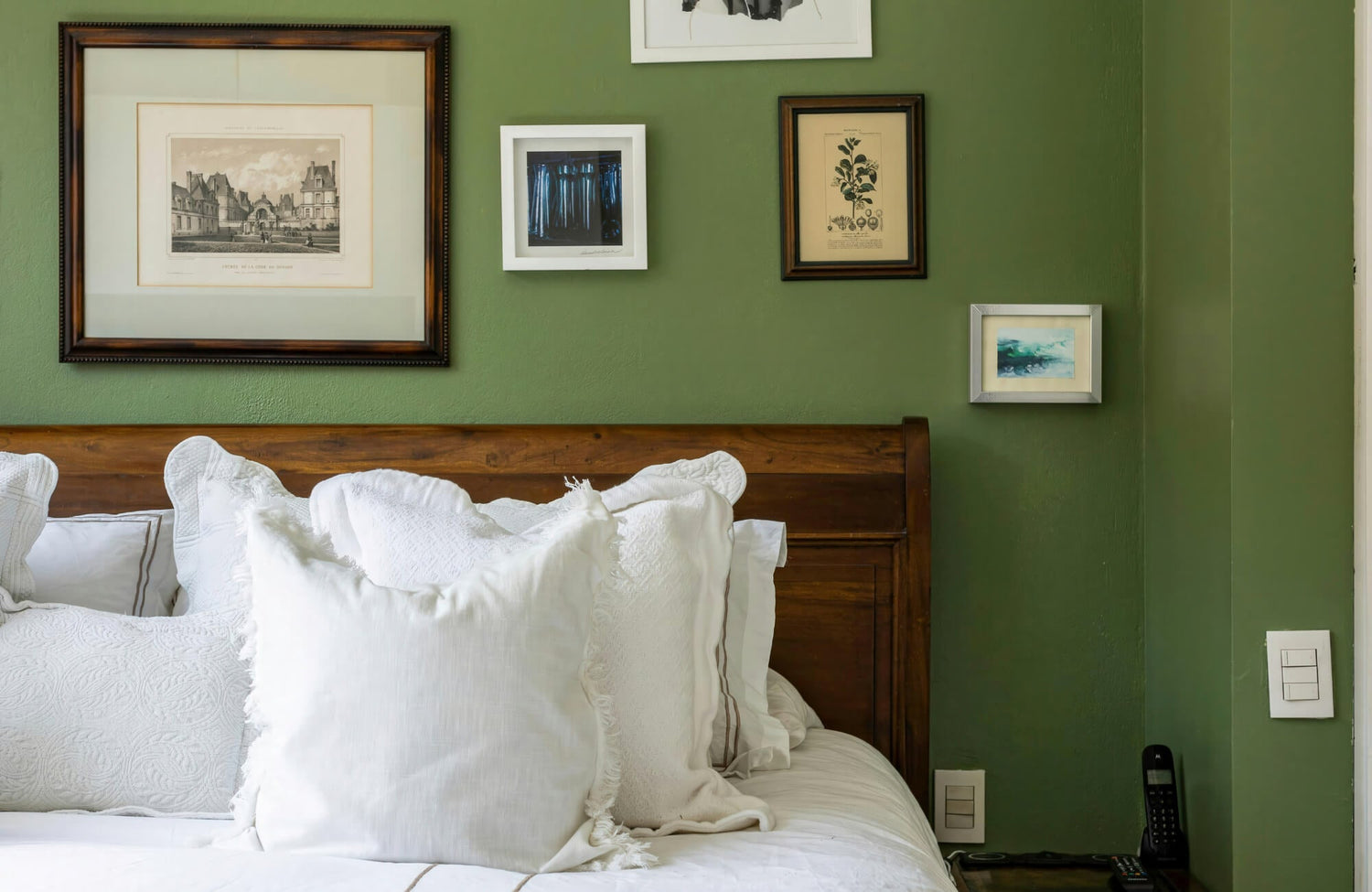
One of the most common design dilemmas in minimalist interiors is whether to install a single large canvas or curate a gallery wall. Both approaches have aesthetic merit, yet their visual impact differs dramatically. For those seeking refined home decor solutions that complement premium furniture, architectural lighting, and curated materials, the choice is not merely stylistic. It is structural, psychological, and financial. Understanding how each option interacts with space is essential to achieving a cohesive modern minimalist home.

Understanding Visual Clutter In Minimalist Spaces
Minimalism is often misunderstood as emptiness. In reality, it is about disciplined editing. Visual clutter does not arise solely from excess objects; it emerges from fragmented sightlines, competing focal points, and unnecessary interruption of architectural rhythm. Wall decor becomes a defining factor in preserving or disrupting that balance.
The Calming Psychology Of A Singular Focal Point
A single large canvas establishes clarity. It offers the eye a destination, allowing the rest of the room to breathe. In minimalist interiors where neutral palettes, textural rugs, and sculptural furniture already contribute subtle visual interest, a singular artwork prevents cognitive overload.
Psychologically, the human eye prefers hierarchy. When one dominant element anchors a wall, the mind relaxes. The composition feels intentional rather than assembled. A substantial canvas positioned above a streamlined sofa or floating console creates a sense of grounded elegance. It reinforces symmetry and provides emotional resonance without overwhelming the space, much like Edward Martin’s Quiet Study Wall Art shown in the image above, which anchors the living area with calm, intricate patterning.
In homes where natural light plays across stone tiles, matte plaster, or warm wood flooring, a large-scale artwork can act as a visual counterbalance. Instead of scattering attention across multiple frames, it allows architectural materials to remain protagonists while the art supports the narrative.
How Multiple Frames Disrupt Clean Architectural Lines
Gallery walls introduce fragmentation. Even when carefully curated, multiple frames create numerous edges, shadows, and alignment points. In traditional or eclectic interiors, this layered complexity adds charm. In minimalist homes defined by uninterrupted surfaces and strong geometry, it can undermine the architectural intent.
Modern interiors often feature clean ceiling lines, expansive glazing, and seamless cabinetry. A grid of frames interrupts that visual flow. Each frame edge competes with door casings, window trims, and millwork, introducing micro-contrasts that subtly increase visual noise.
Moreover, minimalist architecture relies heavily on negative space. When walls are punctuated with many small pieces, the calm expansiveness that defines contemporary design begins to shrink. The room may still appear tidy, but it loses the quiet confidence that distinguishes high-end minimalist interiors.
Maximizing Negative Space To Elevate Room Design
Negative space is not emptiness; it is a design asset. In modern minimalist homes, blank wall surfaces amplify natural light, emphasize proportions, and enhance the presence of carefully selected furnishings. A single large canvas respects this principle by occupying space decisively while leaving generous margins around it.
When properly scaled, one artwork creates a balanced field of negative space that enhances both the art and the architecture. The surrounding wall becomes part of the composition. This interplay elevates the entire room, making it feel curated rather than decorated.
Gallery walls, by contrast, compress negative space into narrow gaps between frames. Even with meticulous spacing, the overall impression is busier. For those seeking serenity and architectural purity, preserving expanses of uninterrupted wall surface often delivers a more luxurious outcome.

Evaluating The Practicality Of Curation And Installation
Beyond aesthetics, practicality strongly influences the decision between a large canvas and a gallery wall. Installation precision, sourcing, and long-term flexibility all influence the final experience of living with the artwork.
The Mathematical Challenge Of Perfect Grid Spacing
A successful gallery wall demands mathematical discipline. Consistent spacing between frames, precise alignment along invisible axes, and careful proportion relative to furniture are essential. Even slight miscalculations can make the arrangement appear uneven or improvised.
Achieving perfect grid spacing requires careful measurement, templating, and often multiple adjustments. Walls must be marked, leveled, and drilled repeatedly. In premium homes with plaster finishes or specialty wall coverings, each additional hole carries risk.
In contrast, installing a single large canvas simplifies the process. One centered focal point reduces measurement complexity and minimizes wall disruption. The result is cleaner both visually and structurally.
Sourcing Cohesive Art Without Looking Mass Produced
Curating a gallery wall that feels cohesive yet authentic presents another challenge. Pieces must relate in tone, theme, or frame style without appearing commercially packaged. Achieving this balance often requires sourcing art from multiple artists or investing in custom framing to unify disparate works.
Without careful curation, gallery walls can feel mass produced, especially when relying on widely available prints. In minimalist homes where every element signals refinement, this can undermine perceived quality.
A single large canvas, particularly an original or limited edition work, carries inherent presence. Its scale alone communicates intention. Instead of assembling cohesion from many smaller components, the homeowner invests in one piece that embodies the room’s aesthetic philosophy.
The Instant Transformation Of A Single Statement Canvas
Large-scale art has transformative power. It can redefine a living room, anchor a bedroom, or elevate a dining space in one decisive move. Because of its visual weight, a substantial canvas immediately shifts the atmosphere of the room.
This efficiency is especially valuable in minimalist interiors where decorative elements are intentionally limited. Rather than layering multiple accents, one statement canvas accomplishes what a gallery wall might attempt to achieve through accumulation. A refined textile composition like Edward Martin’s Golden Drift Wall Art, visible in the image above, demonstrates how even subtle material textures can instantly warm and soften a pared-back space.
The result is not emptiness but focus. A thoughtfully selected large artwork can echo the tones of a textured rug, complement the silhouette of a modern sectional, and harmonize with architectural lighting in a single gesture.

Aligning Art Proportions With Modern Furniture Scale
Scale is critical in modern minimalist design. Oversized sofas, deep seating, and expansive walls require art that can hold its own. Proportion misalignment is one of the most common reasons wall decor feels disconnected from the room.
Anchoring Deep Seated Sofas With Massive Canvas Dimensions
Contemporary sofas often feature generous depths and low profiles. When paired with small artwork or fragmented gallery walls, the seating can visually overpower the wall decor. The composition feels top-light and bottom-heavy.
A massive canvas, typically spanning at least two-thirds to three-quarters of the sofa width, restores balance. It visually anchors the furniture and creates a cohesive block of form. This proportional alignment is particularly important in open-plan living areas where sightlines extend across multiple zones.
In homes featuring expansive rugs, stone flooring, or architectural lighting, a large artwork reinforces the horizontal rhythm established by furniture and finishes. It becomes an extension of the room’s structural language rather than a decorative afterthought.
Preventing Visual Top Heaviness In Minimalist Rooms
Minimalist interiors often rely on low-profile furniture and restrained color palettes. When gallery walls cluster multiple smaller frames above eye level, they can create visual top heaviness. The eye is drawn upward, leaving the lower half of the room feeling sparse.
A single large canvas, carefully centered at appropriate height, distributes visual weight more evenly. It fills the vertical field without stacking multiple elements. This balanced distribution preserves the grounded calm that defines modern minimalist homes.
Additionally, large artworks often incorporate broader tonal fields or subtle texture, which integrate more seamlessly with neutral interiors. The result is harmony rather than contrast for its own sake.
Selecting Minimalist Frame Profiles For Large Artworks
Frame selection significantly influences whether a large canvas enhances or disrupts a minimalist interior. Thick, ornate frames can contradict the simplicity of modern architecture. Instead, slim profiles in matte black, natural wood, or shadow-box styles maintain refinement, as seen in Edward Martin’s Dusk Fold Wall Art in the image above, where the restrained frame allows the textured surface to remain the focal point.
For frameless canvases, gallery-wrapped edges provide a clean finish that aligns with contemporary aesthetics. The goal is to support the artwork without introducing unnecessary embellishment.
This restraint mirrors other premium home selections, from streamlined vanities to minimalist lighting fixtures. The frame should feel integrated into the architecture, not layered on top of it.

Analyzing The True Cost And Perceived Luxury Value
Budget considerations extend beyond initial purchase price. When comparing a single large canvas with a gallery wall, the cumulative costs and perceived value differ in meaningful ways.
Why One Premium Piece Elevates The Entire Room
Investing in one high-quality artwork often delivers disproportionate impact. A premium canvas can elevate even understated furniture, lending the room a curated and sophisticated atmosphere.
Luxury is frequently communicated through restraint. One exceptional piece signals confidence and discernment. It suggests that the homeowner prioritizes quality over quantity, a philosophy consistent with modern minimalist design principles.
Furthermore, a large statement artwork can remain relevant through evolving decor updates. As rugs, accent chairs, or lighting change over time, the central canvas continues to anchor the room’s identity.
The Hidden Cumulative Costs Of Custom Gallery Framing
While individual small prints may appear affordable, gallery walls often require custom framing for cohesion. Quality frames, professional matting, and precise installation quickly accumulate expenses.
Beyond framing, installation tools, wall repairs, and potential reconfigurations add to long-term costs. If tastes shift or a single piece needs replacement, maintaining visual balance can become complicated.
In contrast, allocating the budget toward one substantial artwork simplifies financial planning. The investment is concentrated rather than dispersed across numerous components.
Prioritizing High Quality Textures Over High Volume
Minimalist interiors thrive on texture rather than excess. Subtle brushstrokes, layered pigment, or tactile canvas surfaces add depth without clutter. A large artwork allows these textures to be appreciated fully, a quality exemplified by Edward Martin’s Silent Orchard Wall Art in the image above, where woven layers create quiet visual interest without overwhelming the room.
When multiple smaller pieces compete for attention, individual nuances can be lost. The viewer’s eye moves quickly from frame to frame, reducing the opportunity to engage with material richness.
Choosing one textured, high-quality canvas aligns with broader minimalist strategies such as selecting premium tiles, handwoven rugs, or finely crafted furniture. The emphasis remains on craftsmanship and authenticity rather than volume.
The Ultimate Verdict For Minimalist Wall Decor
In modern minimalist homes, the question is not whether gallery walls are flawed, but whether they support the architectural clarity and calm that define the style. For many contemporary interiors, a single large canvas offers greater harmony, preserving negative space, reinforcing proportion, and maintaining the refined restraint that minimalist spaces rely on.
For those seeking enduring elegance, investing in one substantial artwork often aligns more naturally with minimalist philosophy. If you need guidance choosing the right piece or coordinating it with tiles, rugs, lighting, or furniture, Edward Martin’s design consultation service can help refine your selections. For product questions or project-specific assistance, you can also contact Edward Martin for expert support.