For homeowners seeking the perfect balance of durability, style, and cost-effectiveness, Luxury Vinyl Plank (LVP) and Luxury Vinyl Tile (LVT) flooring represent a modern solution. Yet, a crucial question remains before making this significant investment: exactly how long should you expect your beautiful new vinyl floors to last? The common answer, a wide range from 10 to 25 years, often depends on factors that are opaque to the average consumer.
This comprehensive guide from Edward Martin demystifies the lifespan of today's vinyl flooring. We will examine the specific, quantifiable elements, from the core materials used in manufacturing to the routine maintenance practiced in your home, that ultimately determine the true longevity of your new floor.

The Critical Role of Product Construction and Quality
Before you can estimate how long vinyl floors will last, it’s important to look closely at how they’re built. From wear layer thickness to core design, construction quality sets the baseline for performance and durability.
Understanding the Wear Layer Thickness in Mils
The wear layer is a transparent protective coating measured in mils (1 mil = 1/1000 of an inch). Residential vinyl typically ranges from 6–12 mils, while commercial-grade products may reach 20–30 mils or more. A thicker wear layer offers greater resistance to abrasion, dents, and surface wear, directly extending the floor’s usable life.
Core Composition: SPC Versus WPC
Vinyl planks generally use either Stone Polymer Composite (SPC) or Wood Polymer Composite (WPC) cores. SPC cores are denser, providing superior dimensional stability, impact resistance, and performance under heavy loads, ideal for kitchens and entryways. WPC cores, while slightly softer, enhance comfort underfoot and offer better sound absorption, making them popular for living areas and bedrooms. Choosing the right core depends on balancing durability requirements with comfort and acoustics.
Overall Plank Thickness and Locking System Integrity
Beyond core material, overall plank thickness influences how well the floor resists subfloor imperfections and maintains structural stability. Thicker planks (5–8 mm) generally offer stronger interlocking edges, reducing the risk of seam separation. Locking system design is equally critical; precision-milled click mechanisms improve installation integrity, minimize movement, and extend the floor’s functional lifespan.

Environmental Factors and Usage Patterns That Influence Longevity
Of course, even the best-constructed flooring won’t last if the environment works against it. Everyday factors like footfall, sunlight, and humidity can either shorten or extend your floor’s life depending on how they’re managed.
Busy Areas and Abrasive Wear
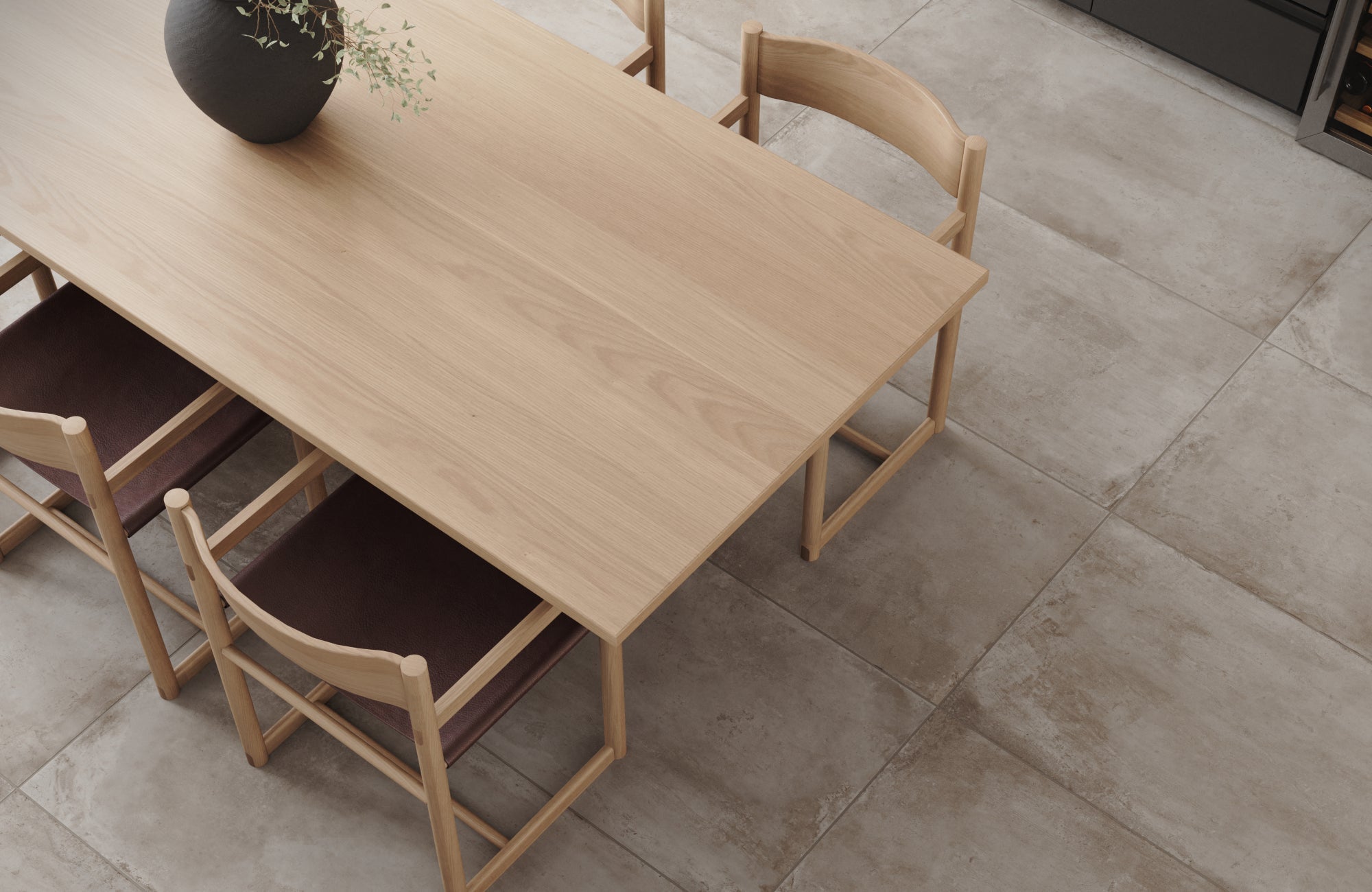
Vinyl installed in entryways, kitchens, or hallways is subject to higher foot movement and abrasive forces from dirt, sand, or pet claws. Even with a durable wear layer, constant friction can gradually dull surface finishes or cause micro-scratches. Using area rugs, floor mats, and regular cleaning with non-abrasive products helps minimize premature wear in these zones. For those seeking an even more resilient alternative in busy areas, Edward Martin’s Preston 8x48 Matte Porcelain Tile in Chestnut, shown above, delivers exceptional durability and timeless style that withstands daily impact with ease.
Sunlight, Temperature, and UV Fading
Direct sunlight exposure can cause vinyl’s printed design layer to fade or discolor over time due to ultraviolet (UV) radiation. Additionally, extreme temperature fluctuations may stress the plank’s dimensional stability, especially near windows or glass doors. UV-resistant coatings, window treatments, and climate control measures are effective safeguards to maintain both color vibrancy and structural performance.
Managing Moisture, Spills, and Humidity
Although vinyl is water-resistant, standing liquid and prolonged humidity can compromise adhesive bonds, cause edge curling, or promote subfloor issues. Kitchens, bathrooms, and basements require extra vigilance, immediate cleanup of spills and maintaining indoor humidity between 35–55% prevents long-term damage. In high-moisture environments, opting for rigid core products with enhanced waterproofing can significantly extend floor longevity.

Installation Quality Ensuring a Solid Foundation
Just as daily conditions affect longevity, so does the way your floor is installed. A strong foundation, built on level subfloors, proper underlayment, and precise spacing, ensures that vinyl planks perform as designed.
The Essential Flatness and Condition of the Subfloor
A stable, level subfloor provides the structural base on which vinyl flooring depends. Industry standards typically call for no more than 3/16-inch variation over a 10-foot span. Uneven or damaged subfloors can lead to hollow spots, plank flexing, or seam separation. Addressing cracks, high points, and debris before installation ensures even weight distribution and reduces stress on locking systems. Since subfloor prep can be highly technical, professional installers are best equipped to evaluate and correct these conditions.
Using the Correct Underlayment for the Product Type
Underlayment selection should match the flooring’s core composition and installation method. For example, SPC planks often require thinner underlayments to preserve locking strength, while WPC may benefit from added cushioning to enhance comfort and sound absorption. Some rigid-core products include pre-attached underlayment, eliminating redundancy. The right underlayment not only improves acoustics but also enhances thermal insulation and moisture resistance. Consulting a qualified installer helps ensure the chosen underlayment aligns with manufacturer guidelines.
Leaving Adequate Expansion Gaps Around the Perimeter
Vinyl floors expand and contract slightly with changes in temperature and humidity. Without proper expansion gaps, typically 1/4 inch around walls, doorways, and fixed objects, the flooring can buckle or lift under pressure. These gaps are later concealed with baseboards or transition moldings, preserving both function and aesthetics. Because improper spacing can cause long-term structural issues, leaving this step to trained professionals is often the most reliable approach.

Maximizing Durability Through Ongoing Care and Maintenance
Once installed, your floors rely on consistent care to stay at their best. Smart cleaning routines and proactive protection can help preserve both appearance and structural integrity over time.
The Right Cleaning Products and Techniques
Routine maintenance should rely on pH-neutral cleaners designed specifically for resilient flooring. Harsh chemicals, wax-based polishes, or abrasive scrubbers can degrade the wear layer and leave residues that attract dirt. Dry sweeping or vacuuming with a hard-floor setting removes grit that could scratch the surface, while damp mopping with microfiber pads provides safe, thorough cleaning.
Protecting Against Scratches, Dents, and Scuffs
Furniture movement, high heels, and heavy appliances are common sources of surface damage. Felt pads under furniture legs, protective mats at entry points, and chair glides reduce the risk of scratches or dents. For rolling furniture, such as office chairs, using vinyl-safe casters or protective floor mats prevents localized wear in high-use zones.
How to Address Minor Damage and Prevent Failures
Even with proper precautions, small issues may arise. Surface scuffs can often be buffed with manufacturer-approved repair kits, while deeper gouges may require plank replacement. Promptly fixing damage prevents moisture infiltration, which could compromise adjoining planks or subfloor adhesion. Following manufacturer-specific repair protocols helps maintain warranty coverage and ensures long-term flooring stability.

Assessing Lifetime Value and Considering Alternative Options
Finally, after exploring construction, environment, installation, and care, it’s worth stepping back to consider lifetime value. Comparing vinyl to alternatives like porcelain tile can help you decide whether it meets your long-term goals.
The Low-Maintenance Appeal of Porcelain Tile
Porcelain tile is often viewed as a premium alternative to vinyl due to its exceptional hardness, water resistance, and minimal upkeep. Unlike vinyl, tile is impervious to UV fading, highly resistant to scratches, and can last 50 years or more with proper installation. While grout maintenance adds a layer of care, porcelain remains one of the most resilient options for high-moisture or busy environments. The natural warmth and durability shown above in Edward Martin’s Preston 8x48 Matte Porcelain Tile in Pine highlight how this material delivers timeless style along with everyday practicality.
Comparing Initial Vinyl Cost to Lifetime Value
Vinyl flooring is attractive for its relatively low purchase and installation cost, typically $2–$7 per square foot depending on product quality. However, its lifespan, often 10–25 years, means it may require replacement during the lifetime of a home. Factoring in replacement cycles, maintenance needs, and aesthetic updates helps determine whether vinyl provides better overall value compared to higher-cost but longer-lasting options such as tile or engineered hardwood.
Understanding the Limits of Residential Warranties
Many vinyl products carry residential warranties spanning 15 to 25 years, but these guarantees often cover only manufacturing defects, not wear from normal use or improper maintenance. Homeowners should review warranty exclusions carefully, particularly concerning sun exposure, moisture damage, or installation errors. Recognizing these limitations ensures realistic expectations of coverage and highlights the importance of proper care to maximize product longevity.
The Smart Homeowner's Guide to Vinyl Longevity
Modern luxury vinyl flooring, when selected and cared for correctly, offers a strong and stylish lifespan, generally ranging from 15 to 25 years in a residential environment. We’ve established that this longevity is less about chance and more about specific, calculated choices. Your floor's fate rests on three key pillars: investing in a premium core and wear layer (like 20 mil SPC), ensuring professional and meticulous subfloor preparation, and committing to a gentle, consistent maintenance schedule.
To make those choices easier, Edward Martin provides an Augmented Reality (AR) Visualization Tool that allows you to preview flooring and tile selections directly in your space. Once you’ve narrowed down your options, you can order tile samples to experience the color, texture, and finish in person. Together, these tools give you confidence that your selection will look and perform beautifully before committing to a full installation.