The flooring you choose for kitchens and bathrooms must marry beauty with resilience, creating a foundation that enhances both daily living and timeless design. Homeowners seeking the warmth of hardwood without its vulnerabilities often turn to luxury vinyl plank flooring and wood look porcelain tile, two innovative solutions that capture the elegance of natural wood while excelling in moisture-prone spaces. These options not only replicate the rich grains, textures, and tones of authentic hardwood but also deliver the performance required for busy, spill-prone environments. From installation flexibility to long-term durability, each material offers distinct advantages that influence comfort, maintenance, and investment value. By understanding their differences, you can confidently select a flooring solution that balances practical performance with enduring style.

Water Resistance and Moisture Performance
Since kitchens and bathrooms are prone to spills and high humidity, flooring must remain dimensionally stable even under prolonged exposure to moisture. Both vinyl and tile offer water-friendly features, but their construction determines how well they protect against long-term water damage.
Luxury Vinyl’s Waterproof Core
Luxury vinyl plank relies on advanced composite cores such as SPC (Stone Plastic Composite) and WPC (Wood Plastic Composite), which are specifically engineered to resist swelling. These rigid cores maintain stability even after repeated contact with spilled liquids or tracked-in water. A durable urethane wear layer also adds another line of defense, making cleanup easy while protecting the printed design. However, seams between planks can still allow water intrusion if spills are left unattended. For that reason, professional installation and careful sealing are strongly recommended. When properly installed, vinyl offers reliable moisture resistance in kitchens and bathrooms that balances function with ease of care.
Wood Look Tile’s Impervious Composition
By contrast, porcelain tile is fired at extremely high temperatures, producing a dense, non-porous body that naturally resists water absorption. This impervious quality allows tile to perform exceptionally well in bathrooms where steam, splashes, and standing water are daily concerns. Even in high-moisture areas such as shower surrounds, porcelain also maintains its structure without risk of warping or swelling. The only vulnerable element is grout, which, if left unsealed, can absorb moisture and lead to staining or mildew. Using epoxy grout significantly reduces these risks while lowering maintenance needs. Consequently, for homeowners prioritizing complete water immunity, porcelain tile remains the gold standard.

Durability and Wear Resistance
Longevity is just as critical as water resistance in high-use environments, and the structural differences between vinyl and tile create distinct performance profiles. While both resist everyday wear, their ability to withstand heavy impact and surface abrasion varies considerably.
Vinyl’s Layered Protection
The durability of luxury vinyl plank stems primarily from its transparent wear layer, which is measured in mils and ranges from 12 to 28 mils for residential floors. This protective surface shields the decorative layer against scratches, stains, and scuffs that are common in busy households. Despite this resilience, the softer vinyl core beneath is more prone to denting under heavy furniture or sharp objects. Extended exposure to sunlight can also cause gradual fading, even when UV-resistant coatings are present. These limitations make vinyl better suited for moderate household activities rather than extreme use. Still, its balance of cost and durability keeps it an appealing choice for many homeowners.
Wood Look Tile’s Hardness Advantage
On the other hand, porcelain tile achieves superior durability, thanks to its hardness rating of 7 to 8 on the Mohs scale. This hardness allows it to resist scratches, abrasions, and impacts that might easily mar a softer surface like vinyl. Dropped cookware or active pets, for example, rarely leave visible damage, which makes it a long-lasting option for kitchens and bathrooms alike. Because it is heat-resistant, tile also stands up to pans in kitchens without risk of scorch marks or hot styling tools in bathrooms.
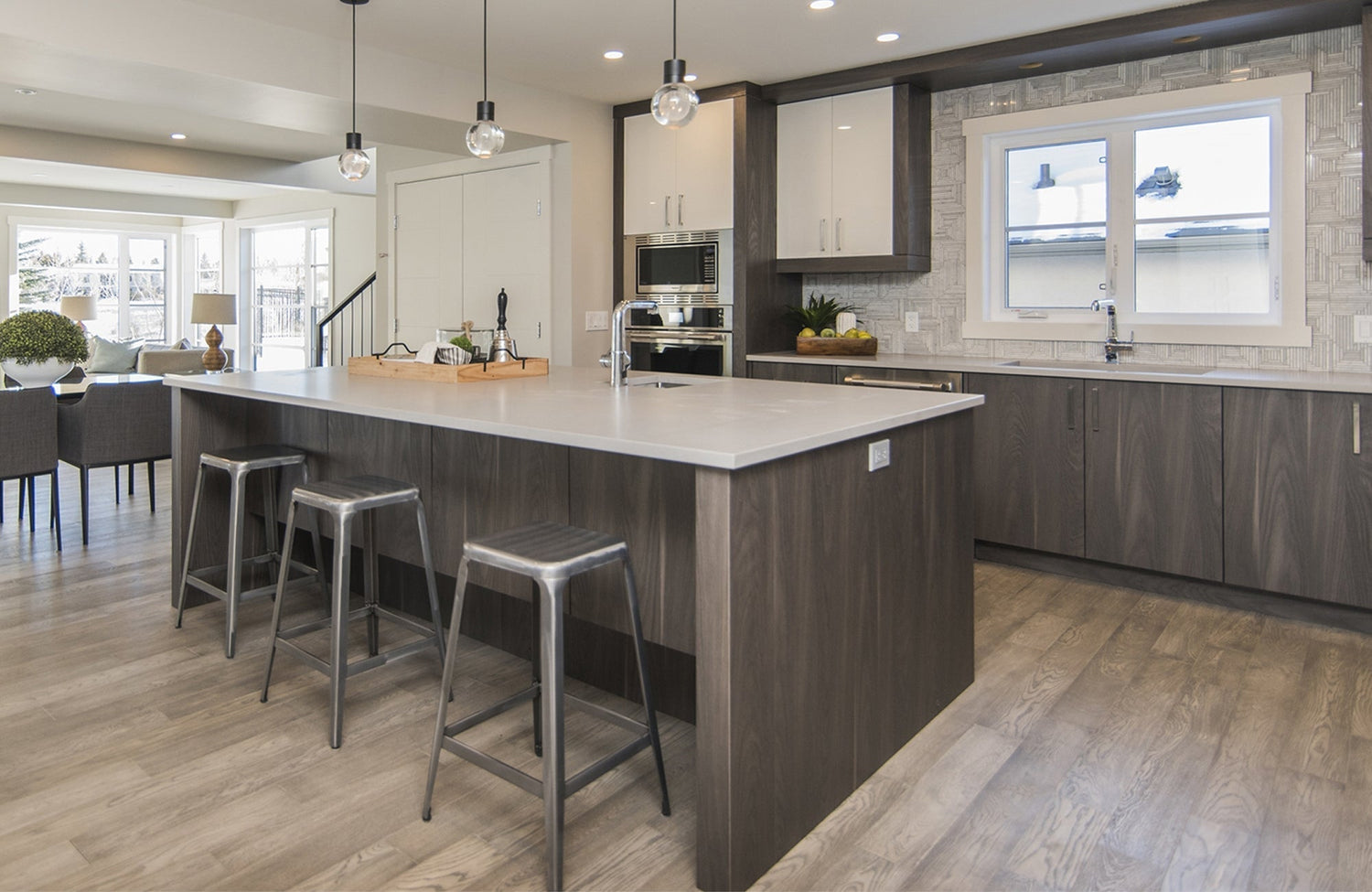
A beautiful example is the Preston 8x48 Matte Porcelain Tile in Pine, whose soft brown-inspired tones bring warmth and natural character while showcasing porcelain’s ability to withstand heavy use without losing its refined finish. Just as displayed in the kitchen photo above, this Preston tile elevates everyday living with a surface that pairs timeless design with exceptional resilience.

Comfort, Acoustics, and Temperature
Beyond durability, flooring affects the day-to-day comfort of a space, influencing both how it feels underfoot and how it manages sound and temperature. These sensory qualities often play a decisive role in how enjoyable a kitchen or bathroom is to use.
Vinyl’s Resilient Surface
Luxury vinyl plank offers a cushioned feel underfoot because of its layered construction, which provides slight flexibility. This softness reduces fatigue during long periods of standing, such as when cooking or cleaning. In addition, the material absorbs sound, reducing the echoes often present in open kitchens or bathrooms with hard finishes. Vinyl also maintains a relatively neutral surface temperature, which avoids the discomfort of cold floors during cooler months. This balance of comfort and acoustic control creates a more welcoming environment in busy households. For families who prioritize day-to-day livability, vinyl delivers notable advantages over harder surfaces.
Wood Look Tile’s Firm Surface and Heating Potential
In contrast, porcelain tile presents a firm, unyielding surface that can feel hard and cold underfoot. This makes it less comfortable for long-standing tasks, though it compensates by offering unmatched stability. Because tile retains cold, it may feel uninviting in winter climates, but it pairs seamlessly with radiant underfloor heating systems. With heating, tile transforms into a luxurious, spa-like surface that adds comfort and energy efficiency to bathrooms and kitchens.
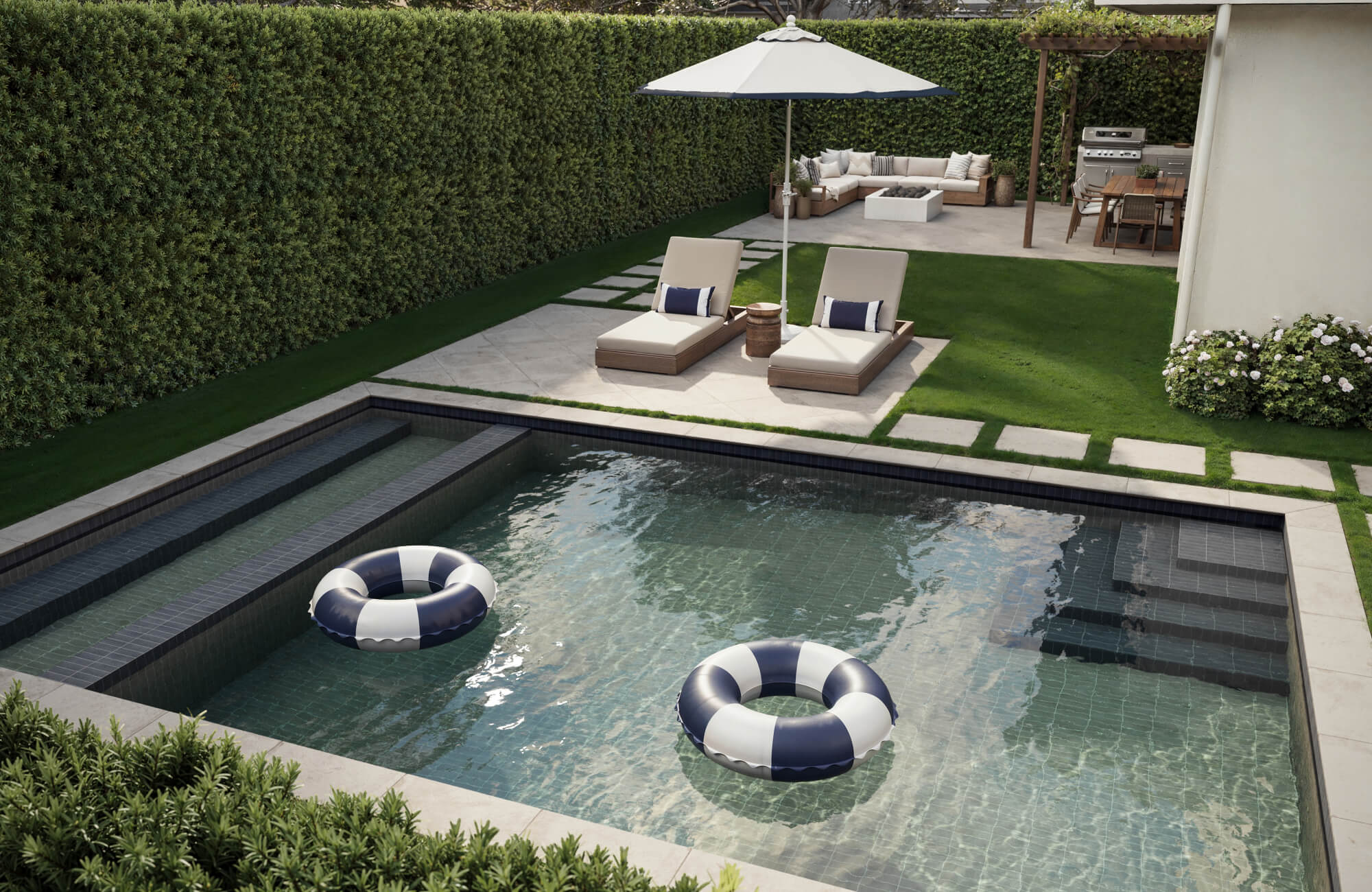
A perfect example is Edward Martin’s Jameson 8x48 Matte Porcelain Tile in Camel, whose dense porcelain body not only holds heat efficiently but also enhances the atmosphere with warm, wood-inspired tones. Just as in the spa-like bathroom photo above, this Jameson tile shows how porcelain can marry radiant heating performance with lasting beauty and everyday practicality.

Installation Methods and Structural Requirements
The complexity of installation often determines not only upfront costs but also the long-term performance of the floor. Vinyl and tile demand very different skill levels, tools, and structural preparation, which can influence a homeowner’s decision.
Vinyl’s Versatile Installation Options
Luxury vinyl plank can be installed using floating click-lock systems, glue-down methods, or even loose-lay formats. Floating floors are especially popular because they require minimal subfloor preparation and can be installed quickly. Vinyl’s lightweight structure also allows it to be placed in upper-level bathrooms without stressing the subfloor. In addition, its thin profile enables installation directly over existing flooring, which reduces demolition time and costs. This ease makes vinyl an attractive option for DIY projects or budget-conscious remodels. As a result, homeowners can achieve a hardwood look with significantly less effort and expense.
Wood Look Tile’s Professional Demands
Porcelain or ceramic tile installation is far more complex, requiring mortar, precise leveling, and accurate spacing to prevent unevenness. Professional installers are needed as they use specialized tools and techniques to ensure a durable, seamless result. Because tile is heavy, subfloors must also be strong and sometimes reinforced to handle the additional weight. Moreover, installation is time-intensive, often requiring multiple days compared to vinyl’s same-day completion. Labor costs reflect this complexity, making tile the more expensive option upfront. Yet the finished result offers a premium, permanent surface that justifies the investment for many homeowners.

Maintenance, Cleaning, and Hygiene
Ongoing upkeep determines how well flooring retains its appearance and performance over time. Both vinyl and tile are relatively easy to maintain, but they differ in how much care is required to keep them hygienic and attractive. For best results, following the manufacturer’s cleaning and care guidelines is recommended for both luxury vinyl and wood look tile, ensuring each product maintains its finish and durability over the years.
Simple Upkeep for Vinyl
Luxury vinyl plank is simple to maintain, needing only sweeping and occasional mopping with a pH-neutral cleaner. Because it has no porous grout joints, it resists dirt accumulation and mold growth more effectively than many alternatives. Its smooth, non-porous surface also makes stain removal quick and straightforward, keeping floors looking fresh with minimal effort. At the same time, it’s important to avoid abrasive tools or harsh chemicals, as these can damage the protective wear layer; gentle cleaning products are always best. With such an easy routine, vinyl proves especially practical for busy households where convenience is a priority. For homeowners who value low-maintenance living, it delivers consistent results without compromising style.
Wood Look Tile’s Grout Care Factor
Porcelain tile itself is nearly maintenance-free, though its grout lines require more attentive care. If left unsealed, grout can absorb moisture, which may eventually lead to staining, mildew, or discoloration in wet environments. To counter this, sealing the grout during installation provides lasting protection and significantly improves hygiene over time. Homeowners seeking even greater peace of mind often turn to epoxy grout, which resists stains and requires less frequent resealing. Once grout is properly managed, maintaining the entire tile surface becomes simple, usually needing only mild cleaning solutions to preserve its look. With this balance of durability and cleanliness, tile delivers excellent sanitary performance that endures with proper upkeep.

Cost and Long-Term Value
Budget considerations extend beyond material costs to include installation, maintenance, and overall lifespan. Vinyl and tile sit at different ends of this spectrum, influencing how homeowners plan their projects.
Vinyl’s Lower Upfront Investment
Luxury vinyl plank typically costs $2 to $5 per square foot, with high-end SPC products reaching up to $8. Its lightweight composition and easy installation lower labor costs, especially for floating systems. Because it can be installed over existing flooring, homeowners also save on demolition and preparation expenses. Vinyl generally lasts 10 to 20 years, depending on wear layer thickness and overall usage. Although it is not a permanent solution, it offers a cost-effective way to achieve a wood look in the short to medium term. This makes vinyl highly attractive for homeowners, balancing style with affordability.
Wood Look Tile’s Long-Term Payoff
Porcelain tile ranges from $4 to $12 per square foot, with labor costs often doubling the total investment. Its installation is more demanding, but the result is a floor that can last 30 to 50 years with proper care. This extended lifespan offsets the initial expense, making tile a strong long-term investment. Additionally, tile floors are often perceived as a premium upgrade, which can increase a home’s resale value. A prime example is the Jameson 8x48 Matte Porcelain Tile in Latte, as featured in the photo above, where its soft, neutral tones complement natural wood cabinetry while promising decades of durability. With its timeless aesthetic and enduring performance, this tile not only enhances daily living but also elevates long-term property value.

Aesthetic Realism and Design Versatility
The appeal of both flooring types lies in their ability to replicate hardwood with convincing realism. However, the design technologies behind vinyl and tile produce distinct results.
Vinyl’s Photographic Precision
Luxury vinyl plank achieves its realistic appearance through high-definition photographic imaging layered beneath a clear protective surface. To enhance this effect, Embossed-in-Register (EIR) technology aligns the printed grain with textured patterns, creating a tactile wood-like feel that goes beyond visuals. Together, these innovations produce planks available in a wide range of shades, from weathered gray oak to rich walnut, offering versatility for different design preferences. Because the material has a lighter profile, it also allows for creative layouts and design flexibility without complicating installation. Although prolonged sunlight exposure can cause gradual fading, the overall authenticity of the look remains striking in most indoor spaces. For homeowners seeking both variety and affordability, luxury vinyl delivers strong aesthetic performance that balances realism with practicality.
Wood Look Tile’s Inkjet Technology and Depth
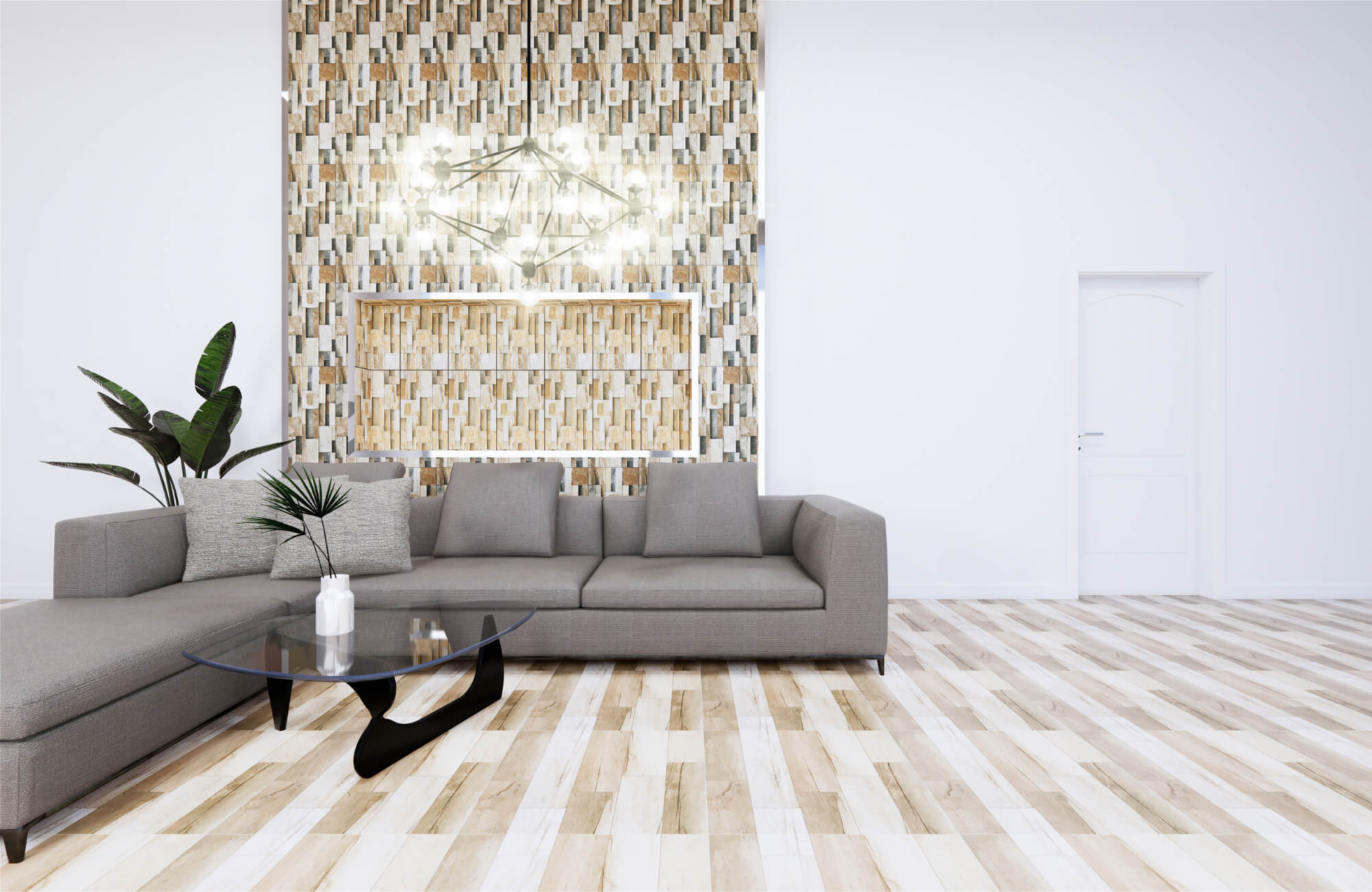
Porcelain tile uses advanced digital inkjet printing combined with natural glazing to produce authentic wood-like visuals. This technology creates rich depth, with variations that mimic reclaimed barnwood, hand-scraped textures, or exotic hardwoods. Unlike vinyl, tile maintains color stability even in sunlit kitchens or bathrooms. Homeowners can also select from matte, glossy, or textured finishes to suit both rustic and modern interiors. As displayed in the photo above, our Jameson 12x36 Matte Ceramic Tile in Camel Deco highlights how inkjet precision brings dimensional depth through linear textures that add sophistication and visual movement to walls. This ability to replicate layered detail with permanence elevates its impact, offering a timeless surface that enriches both everyday functionality and design expression.
To make the selection process even easier, Edward Martin’s augmented reality (AR) tool allows you to visualize tile installations in real time, ensuring the design you choose perfectly complements your space.
Choosing the Right Flooring for Kitchens and Bathrooms
Both luxury vinyl plank and wood look porcelain tile offer the timeless appeal of hardwood while addressing the challenges of moisture, durability, and maintenance. Vinyl delivers comfort, affordability, and quick installation, making it a practical choice for families seeking style with everyday convenience. Tile, on the other hand, provides unmatched resilience, water resistance, and long-term value, establishing itself as a premium upgrade for lasting beauty. Ultimately, the best flooring choice reflects your priorities, whether they lean toward accessible luxury or enduring performance.
To confidently take the next step, you can use Edward Martin’s request tile sample option, making it easy to experience textures and finishes firsthand before finalizing their flooring decision. This hands-on approach ensures your chosen flooring not only looks beautiful online but also feels right in your home’s unique lighting and atmosphere!