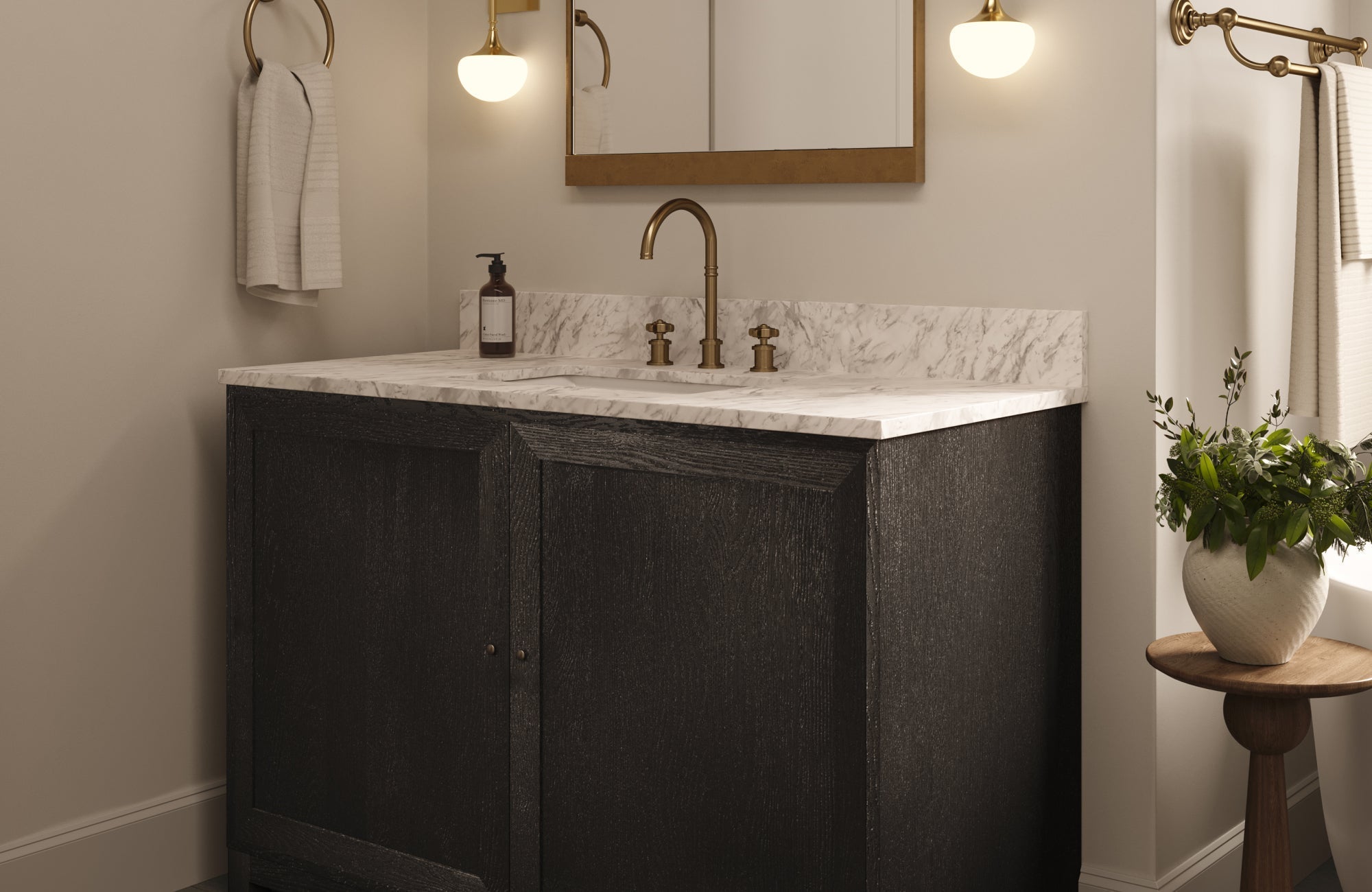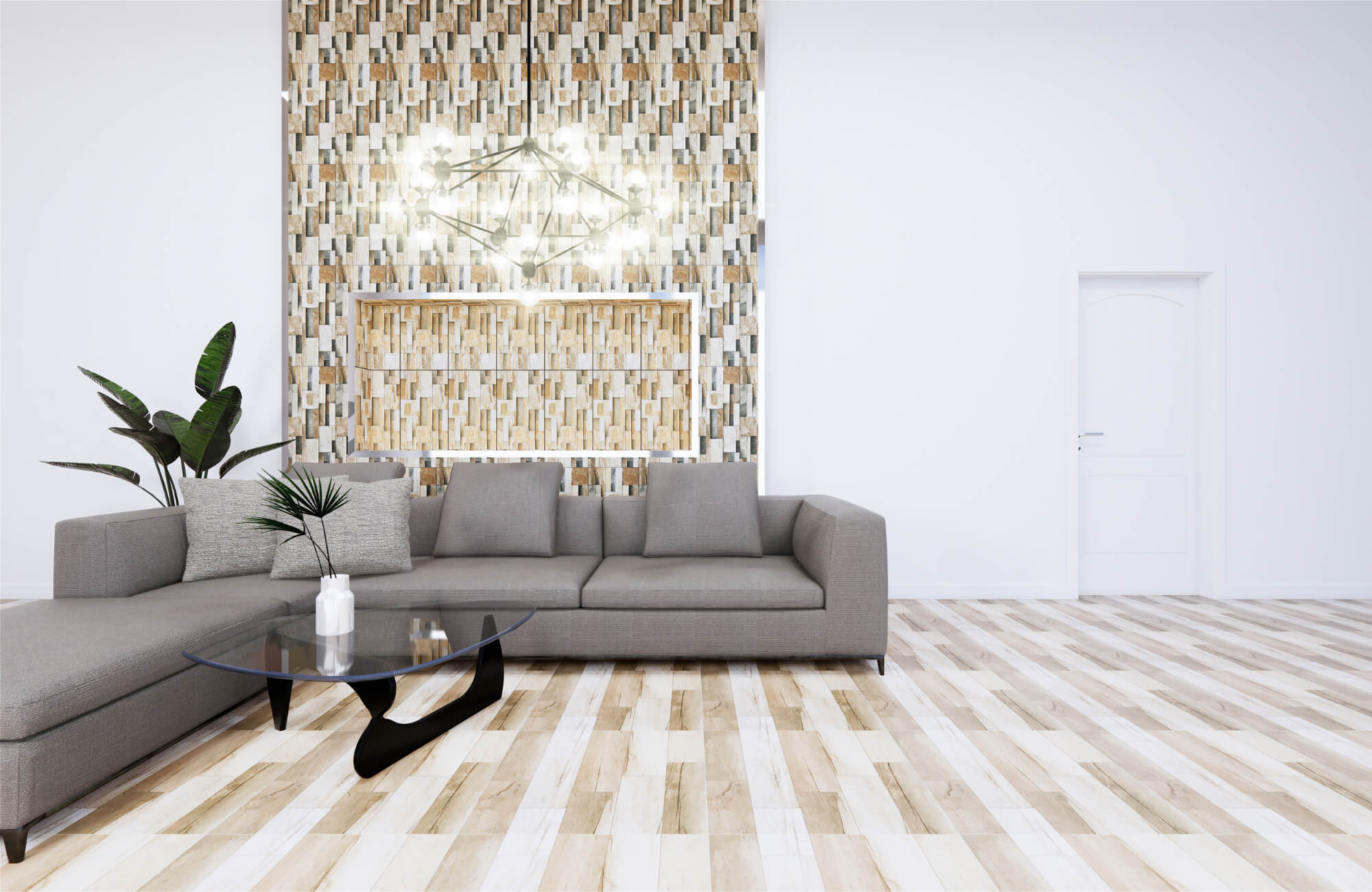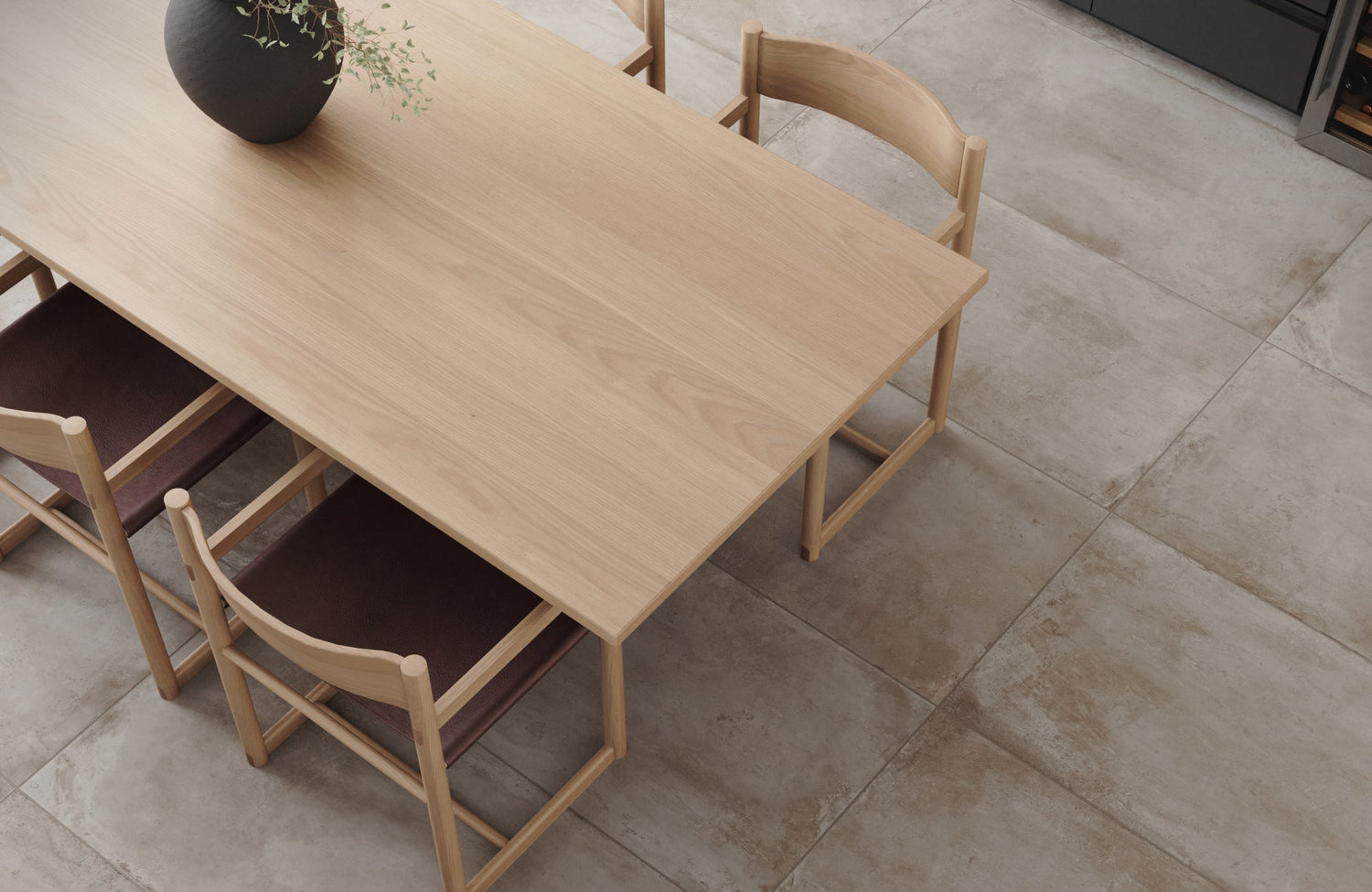
For generations, cement tiles have been valued for their ability to combine lasting strength with thoughtful design. They strike a rare balance of practicality and style, which is why they remain a popular choice in many settings today. Because they are porous, cement tiles do require sealing and some upkeep, but their character and versatility make the effort worthwhile. Concrete-look tiles offer a similar option with the appearance of cement and the added benefit of easier maintenance. From homes to businesses, both materials adapt well to a wide range of needs. In this article, we’ll explore the uses of cement tiles, their concrete-look alternatives, and how each can bring both function and character to your spaces.

Interior Flooring Applications
Flooring is where cement tiles truly shine indoors. They are durable enough to handle everyday use while offering flexibility in style, from bold patterns to subtle tones. With proper care, they can bring both function and design continuity to the spaces where you spend the most time.
Entryways and Hallways
An entryway sets the tone for the rest of your home, and cement tiles make sure that first impression is both welcoming and lasting. These spaces are used daily, so the flooring needs to withstand constant wear. Cement tiles are well-suited for this role, particularly when protected against dirt and moisture. Thoughtful patterns or borders can guide the eye to create a natural sense of flow as you move through the hallway, enhancing the overall aesthetic.
Kitchens and Dining Areas
The kitchen is one of the busiest rooms in any home, which makes durable flooring essential. Cement tiles resist stains from spills and splashes when properly maintained, and they can also tolerate everyday heat exposure. Aside from function, they also add a level of style that other flooring materials often lack. A patterned section beneath the dining table, for example, can act like a rug, defining the area with character while remaining easy to clean.
Living Rooms and Shared Spaces
In living rooms, cement tiles provide a modern alternative to wood or carpet, combining durability with design versatility. Large-format tiles can open up a room, while smaller patterns add texture and rhythm. Choosing colors and layouts that work with your furniture helps create a cohesive foundation for both casual and formal settings. The drawback is that cement tiles are more prone to scratches from moving furniture and may show signs of wear from daily activity if not cared for.
Concrete-look porcelain tiles address these issues while delivering the same visual appeal. Options such as Edward Martin’s Sloane 24x24 Matte Porcelain Tile in Charcoal, as featured in the photo above, replicate the sleek, contemporary look of cement but are denser, more scratch-resistant, and easier to maintain. This makes them especially well-suited for shared living areas where durability, convenience, and design all matter.

Bathroom and Wet Area Uses
Bathrooms and other wet areas require surfaces that can handle moisture and frequent cleaning. With proper care, cement tiles provide durability while adding color, pattern, and texture to make these spaces feel both practical and personal.
Shower Walls and Floors
Showers require surfaces that can withstand constant water. Cement tiles hold up well in this environment, giving you the chance to be creative with layout and design. Bold geometric patterns can make shower walls a focal point, while smaller mosaics provide both grip and visual detail underneath. This balance of utility and style can turn a standard shower into a spa-inspired feature within the bathroom.
Vanity Backsplashes
Although small in size, vanity backsplashes play an important role in completing a bathroom design. Cement tiles in this area add pattern, color, or texture that makes the vanity stand out without overwhelming the room. Because they are porous, they can be prone to watermarks or soap residue, which means they need more upkeep over time.
Concrete-look porcelain tiles overcome these challenges while offering the same handcrafted style. Options like Edward Martin’s Shea 12.5x15 Matte Porcelain Leaf Mosaic Tile in Warm Blend, as shown in the photo above, provide moisture resistance, stain protection, and easier cleaning, making them a convenient yet stylish choice for vanity spaces.
Laundry and Utility Rooms
Laundry and utility rooms are one of the busiest areas in a home, constantly exposed to water splashes and detergents. When sealed properly, cement tiles are strong enough to cover both floors and walls in these spaces, protecting surfaces while still being easy to clean. Adding patterns or colors here also helps brighten the room, turning a purely functional space into one that feels more inviting and comfortable for daily chores.

Outdoor and Exterior Applications
Cement tiles can be used outdoors for patios, courtyards, and even walls, offering both strength and design flexibility. Because they are porous, they need extra care in open-air settings to resist moisture, fading, and weather-related wear.
Patios and Courtyards
Outdoor living spaces require surfaces that can handle the elements while still looking inviting. Cement tiles bring durability and natural slip resistance to patios and courtyards, making them a functional and stylish choice. However, prolonged exposure to rain, sun, and temperature changes can lead to fading or surface wear, so regular sealing and maintenance are essential to maintain their appearance outdoors.
For those who want the same aesthetic with fewer weather-related concerns, concrete-look porcelain tiles offer a practical alternative. Options like Edward Martin’s Pierce 12x24 Matte Porcelain Tile in Stone, as featured in the photo above, capture the natural appearance of cement while being non-porous, UV-resistant, heat-resistant, and easier to maintain outdoors. These qualities make them especially well-suited for patios and courtyards where style and long-term performance are equally important.
Pool Surrounds
Safety is just as important as style when designing a pool area. Textured cement tiles provide extra grip underfoot, helping reduce the risk of slips. They also offer design flexibility, giving you the freedom to experiment with color and pattern so the poolside feels as thoughtfully styled as the rest of your home. Because they are porous, though, cement tiles need protection to resist water absorption, chlorine, and other pool chemicals. With the right care, they can be both practical and visually inviting.
Facades and Accent Walls
Cement tiles can completely transform an exterior wall, adding depth and character that paint or plain stucco often lack. Whether covering a full façade or creating a smaller accent, they introduce personality and texture that help a building stand out. Like all outdoor applications, however, they require regular maintenance to protect against fading and wear caused by sun and rain. When properly cared for, extending tile patterns outdoors also creates a sense of continuity that ties the entire property together.

Commercial and Public Spaces
In professional and public settings, flooring must withstand constant use while also contributing to a welcoming environment. Cement tiles are well-suited in these spaces, combining durability with the ability to enhance interiors through color, pattern, and texture. Since these areas experience frequent activity, careful installation and regular maintenance help ensure they keep their appeal over time.
Restaurants and Cafés
In restaurants and cafés, tile floors do more than withstand daily use; they also help shape the overall atmosphere. Cement tiles can support a rustic, traditional setting just as easily as a sleek, modern look, giving each space a distinctive identity. The drawback is that spills and high turnover can increase maintenance, and the weight of cement tiles can make installation more demanding in large dining areas.
Concrete-look porcelain tiles offer a practical alternative that overcomes these challenges. Options like Edward Martin’s Shea 24x48 Matte Porcelain Tile in Dune, as shown in the photo above, bring the same inviting warmth while being lighter to install, resistant to stains, and slip-resistant for safety. That balance of style and performance makes them an ideal fit for hospitality spaces where design and efficiency go hand in hand.
Hotels and Boutiques
In accommodation, first impressions are everything. Cement tiles in hotel lobbies or boutique corridors provide both durability and a refined aesthetic, setting the tone for a memorable guest experience. Their handcrafted look communicates attention to detail and adds a sense of character to high-end interiors. Because these spaces experience frequent use, cement tiles require consistent care to maintain their finish, making upkeep an important consideration in hospitality design.
Offices and Creative Studios
Workplaces today often aim to inspire as much as they function. Cement tiles help achieve that balance with versatile design options suited to different work settings. Subtle patterns can create a calm, focused atmosphere, while bold styles energize collaborative or creative spaces. In busy offices with rolling chairs or heavy furniture, cement tiles may be more prone to scratches and wear, making protective finishes and regular care equally important for preserving their appearance.

Decorative and Accent Uses
Cement tiles aren’t limited to expansive floors or wall surfaces; when properly cared for, they also shine in smaller details where design plays a big role. These applications highlight their artistry in creative, unexpected ways, adding character to areas that are often overlooked.
Feature Walls and Fireplaces
Transforming a plain wall into a feature surface can completely shift the feel of a room. Cement tiles on a fireplace surround or accent wall can create a bold focal point that adds depth and visual interest. The drawback is that cement tiles are porous and can absorb soot or smoke stains, requiring ongoing maintenance to keep their finish in heat-prone areas.
Concrete-look porcelain tiles address these concerns while delivering the same design impact. Options like Edward Martin’s Ramsey 24x24 Polished Porcelain Tile in Smoke, as displayed in the photo above, achieve the industrial look of cement without added upkeep. Being non-porous, they can resist soot and smoke, require no sealing, and are easier to clean, making them a practical choice for feature walls and fireplaces.
Tabletops and Furniture Inlays
Cement tiles can also be used in furniture design, introducing a distinctive element that sets pieces apart. Whether on tabletops or as inlays within cabinetry, they create decorative surfaces that bring more character than traditional wood or glass. Because they are heavier and porous, though, proper installation and sealing are important to protect against stains or chipping. With the right care, they become a simple yet effective way to add pattern and personality to smaller-scale details in a room.
Stair Risers and Borders
Staircases are often functional afterthoughts, but adding cement tiles to the risers introduces rhythm and visual movement to every step. Borders along floors or walls can provide another way to frame spaces, creating a finish that feels both subtle and impactful. Since risers and borders face less direct wear than treads or main surfaces, cement tiles also work well in these areas, provided they are properly finished to prevent edge damage. These details help transitions between rooms feel intentional and complete.
Practical Uses of Cement Tiles
Cement tiles are used in a wide range of ways, from expansive floors in living areas and commercial spaces to smaller decorative accents such as stair risers, backsplashes, and feature walls. Their value lies in combining strength with design flexibility, giving you a material that is both practical and expressive. With the right care, they can provide lasting durability while adding style and character to interiors and exteriors.
For those who want the same look with less maintenance, concrete-look porcelain tiles offer a strong alternative. They mirror the appearance of cement but are lighter, easier to maintain, and more resistant to stains. If you’d like help deciding which option works best for your project, contact us to speak with our design team or use our AR tool to preview how different tiles will look in your space.