Grasscloth wallpaper has a character that is difficult to replicate because its beauty comes from real woven fibers, natural texture, and subtle variations from panel to panel. Although printed, vinyl, peel-and-stick, metallic, and mural wallpapers can offer pattern, durability, shine, or convenience, grasscloth brings a quieter kind of sophistication that makes walls feel warm, layered, and intentionally designed.
However, choosing between grasscloth and other wallpaper styles is not only about appearance. It also depends on how the room is used, how much cleaning the walls require, whether seam variation feels acceptable, and what kind of atmosphere the space should create. By comparing texture, style impact, maintenance, installation, and room suitability, it becomes easier to decide whether grasscloth is the right wallcovering or whether another option will better serve the project.

Botanique Wallpaper in Winter, 52" x 132" brings the space to life with its delicate botanical motif, creating a charming, nature-inspired backdrop, complemented by Esme 15" Wall Sconce in Polished Nickel for balanced illumination
Material Texture And Visual Character
Grasscloth has a distinct identity because its surface is shaped by real woven fibers rather than printed pattern alone. Its tactile quality, organic variation, and artisanal finish give it a more dimensional presence than many uniform wallpaper styles, making materiality one of the most important factors when comparing it with other wallcoverings.
Natural Fibers Versus Printed Surfaces
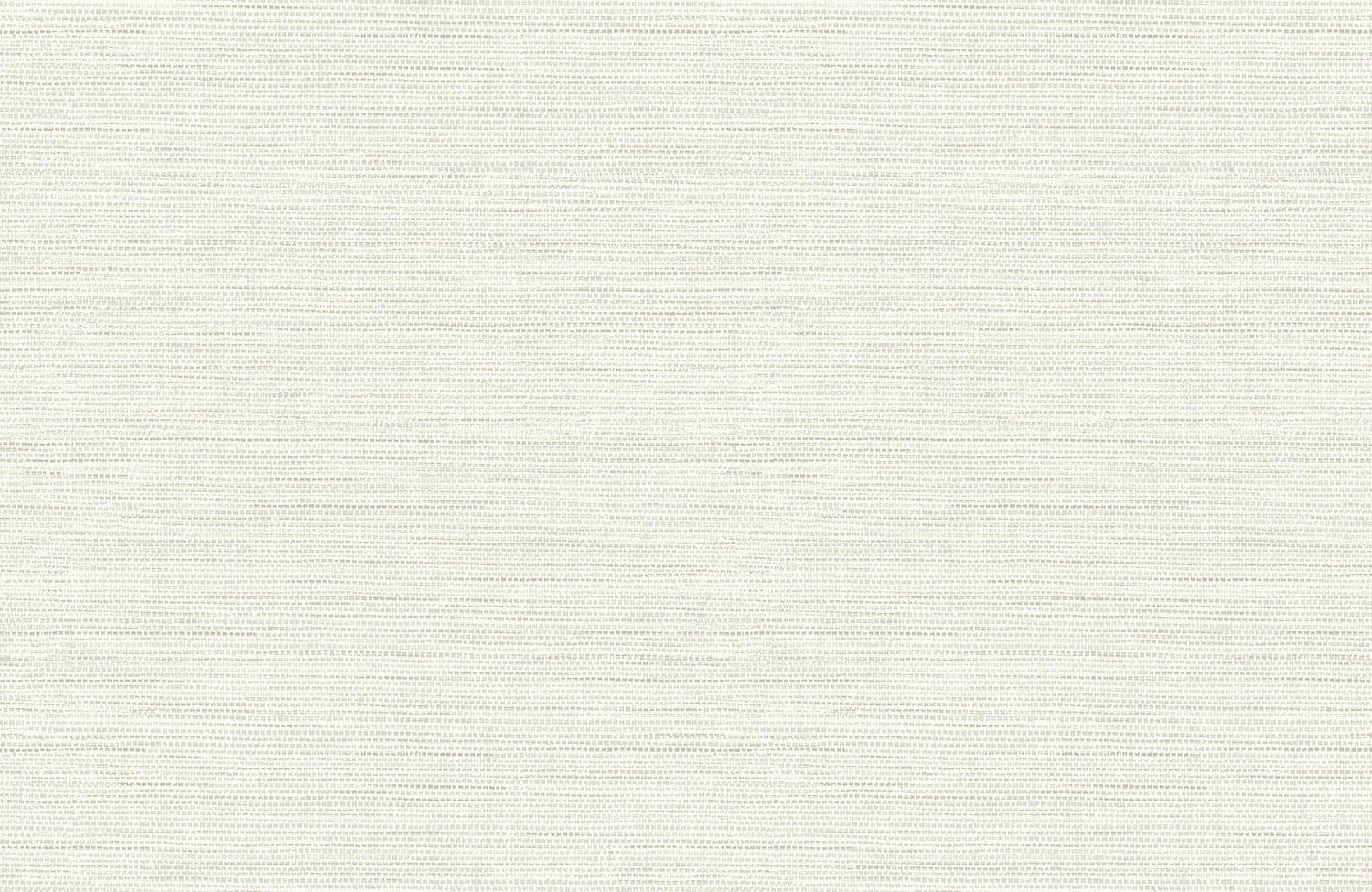
Grasscloth wallpaper is typically made from natural fibers such as jute, sisal, hemp, raffia, arrowroot, or seagrass that are woven or hand-applied to a paper or fabric backing. Because the surface is made from actual plant-based material, its character comes from fiber thickness, weave direction, natural striations, and tactile relief rather than printed decoration.
Printed wallpaper, by comparison, relies more on ink, color, motifs, and repeat patterns to create visual interest. This makes printed styles better suited for florals, geometrics, stripes, damasks, and scenic designs, as seen with the Botanique Wallpaper in Winter 5'2" x 13'2" above, which uses a botanical pattern to bring rhythm and visual storytelling to the wall. Grasscloth, on the other hand, is more effective when the desired impact comes from texture, natural material, and subtle surface movement.
Organic Variation Versus Uniform Repetition
One of the defining characteristics of grasscloth is its natural variation. Slubs, knots, tonal shifts, fiber irregularities, and slight panel differences are common because the material is made from organic fibers rather than a fully controlled printed surface. These details create depth and authenticity, but they also mean grasscloth will not look perfectly uniform from one strip to the next.
Vinyl, peel-and-stick, and many printed wallpapers are usually designed for more consistent repetition, predictable color, and cleaner pattern alignment. With grasscloth, visible seams and panel variation should be understood as part of the material’s character rather than a flaw, while those who prefer exact matching or invisible seams may prefer printed, vinyl, or performance wallcoverings.
Matte Depth Versus Decorative Shine
Grasscloth creates depth through shadow, weave, and fiber movement rather than reflective surface treatments. Its typically matte finish absorbs light softly, allowing raised fibers and natural striations to become more visible as daylight or layered lighting shifts across the wall.
Metallic and foil wallpapers create a different effect by using reflective pigments, foil layers, mica, or metallic inks to bounce light around the room. Grasscloth tends to feel quiet, grounded, and architectural, while metallic wallpaper feels more decorative and dramatic, making it better suited to spaces where shimmer, contrast, and visual impact are central to the design.

Gibson 6-Light Chandelier in Aged Old Bronze gives light to a stunning statement wall featuring Vista Mural 3'12" x 13'2" for a dramatic landscape-inspired backdrop
Style Impact And Room Atmosphere
Wallpaper affects the emotional tone of a space as much as its surface appearance. Grasscloth, printed wallpaper, and mural wallcoverings each shape a room differently, so the right choice depends on whether the goal is subtle texture, decorative pattern, or a strong visual statement.
Grasscloth
Grasscloth is often chosen when a room needs warmth, texture, and softness without the visual activity of a bold motif. Its woven surface creates a layered backdrop that feels refined but not overly decorative, allowing furniture silhouettes, lighting, artwork, and architectural details to remain central to the design. Instead of drawing attention through pattern repeat, grasscloth builds atmosphere through natural fiber movement, tonal variation, and tactile depth, making it especially effective in dining rooms, bedrooms, offices, entryways, and sitting rooms where understated luxury is the goal.
Printed Wallpaper
Printed wallpaper is better suited to spaces where the wallcovering needs to provide a clear design direction. Florals, geometrics, stripes, toile, damask, botanicals, and scenic prints can immediately establish a room’s mood, period reference, or color story, unlike grasscloth, which is valued more for natural texture. A floral print can make a bedroom feel romantic or garden-inspired, while a geometric pattern can bring structure to a hallway or modern powder room. When selecting printed wallpaper, the scale of the pattern should relate to the room size and furniture placement so the design feels intentional rather than overwhelming.
Murals
Mural wallpaper creates a panoramic or artwork-like effect that grasscloth typically does not provide. Rather than repeating a small pattern across the wall, murals often feature landscapes, abstract compositions, botanicals, architectural scenes, or large-scale illustrations that unfold across a surface. This makes them especially effective on feature walls, in children’s rooms, powder rooms, dining rooms, and spaces where a strong sense of personality is desired, provided the surrounding furnishings, fabrics, and accessories are edited to support the scene rather than compete with it.
Edward Martin’s Vista Mural 3'12" x 13'2", seen in the image above, illustrates how a mural can transform a wall into a quiet scenic backdrop rather than a simple patterned surface. Its landscape-inspired composition adds depth and atmosphere behind furniture, making it especially effective in offices, dining areas, or feature walls where the room benefits from a more immersive focal point.

Introducing subtle texture and soft color variation, Serica Wallpaper in Sky Blue creates a calm, airy backdrop that brightens the space with understated sophistication
Durability, Cleaning, And Moisture Performance
The right wallpaper depends heavily on how much wear, humidity, and cleaning a room requires. Grasscloth, vinyl, and coated paper each perform differently under daily contact, so comparing their maintenance needs helps ensure the wallcovering suits the conditions of the space.
Grasscloth In Low Moisture Low Contact Areas
Natural grasscloth is best treated as a decorative wallcovering rather than a high-performance surface because its organic fibers are more sensitive to moisture, staining, abrasion, and adhesive bleed-through than vinyl or coated wallpaper. Liquids can absorb into the fibers, oils from hands may leave marks, and aggressive scrubbing can disturb the weave, so grasscloth is most appropriate in low-moisture, low-contact rooms such as dining rooms, bedrooms, formal living rooms, offices, and adult sitting rooms. It can also work well above wainscoting or panel molding, where the lower wall is protected from chair backs, bags, and daily contact, while maintenance should remain gentle through dry dusting with a soft brush attachment or microfiber cloth.
For busier areas where the texture of grasscloth is desired without the same level of maintenance concern, a grasscloth-look option, such as Serica Wallpaper in Sky Blue, displayed above, can be a practical alternative. Its woven visual effect brings the softness and dimension associated with grasscloth, while its more performance-minded surface makes it better suited to active spaces such as hallways, family rooms, entry areas, or other rooms where walls may see more frequent contact.
Vinyl Wallpaper For Washable Surfaces
Vinyl wallpaper is often preferred when cleanability, scuff resistance, and moisture tolerance are priorities because its coated or vinyl-based surface can resist everyday marks better than natural fiber wallcoverings. Depending on the product, it may be washable, scrubbable, or suitable for commercial-grade use, making it practical for hallways, mudrooms, children’s rooms, powder rooms, rental properties, hospitality settings, and other busy interiors. However, not all vinyl wallpapers perform the same way, so details such as washability, scrubbability, mildew resistance, fire rating, and humidity suitability should be reviewed before specifying it for a demanding space.
Coated Paper For Moderate Maintenance Needs
Coated paper wallpaper offers a middle ground between traditional paper and more durable vinyl because many printed papers include a protective coating that improves resistance to light wiping, fingerprints, and minor surface dirt. This makes it suitable for bedrooms, guest rooms, dining rooms, well-ventilated powder rooms, and living areas with moderate use, especially when decorative pattern is desired without the heavy-duty feel of vinyl. Still, product classifications such as washable, extra-washable, scrubbable, peelable, and strippable should be checked carefully, since lightly washable papers may handle occasional marks but may not tolerate repeated cleaning, high humidity, or abrasive scrubbing.

Serica Wallpaper in Light Grey adds refined texture and soft tonal depth, creating a clean, sophisticated backdrop that enhances the room’s modern appeal
Installation And Seam Expectations
Installation can strongly affect the finished look of any wallpaper, but grasscloth requires especially careful handling because of its natural fibers, panel variation, and sensitivity to adhesive. Its woven surface can make uneven trimming, paste marks, misalignment, fraying, or poor cuts more noticeable than they would be on many printed or coated wallcoverings. For full rooms, formal interiors, and high-visibility walls, professional installation is usually the best choice because a skilled installer can prepare the substrate, select the proper adhesive, and manage panel placement with greater control.
Seam visibility is also an important expectation with grasscloth. Because each strip may vary slightly in tone, weave density, and fiber texture, adjacent panels often show subtle shifts once installed. Unlike printed wallpaper, which is usually designed for repeat matching, grasscloth reads more like a paneled natural wallcovering, so visible seams and shading differences should be understood as part of its organic character rather than a defect.
By contrast, peel-and-stick wallpaper is often better suited to smaller DIY projects, temporary updates, rental spaces, alcoves, closet interiors, or bookcase backs. It does not require paste and may be repositioned during installation, but it still needs smooth, clean, dry, properly painted walls to prevent bubbling, lifting edges, or poor adhesion. For complex full-room applications or polished formal spaces, traditional wallpaper or professionally installed grasscloth will generally provide a more refined and lasting result.

A stunning feature wall featuring Porter Wallpaper in Olive Night I, 52" x 132", complemented by Rycroft Wall Sconce in Aged Brass elevates the dining space with warmth and character
Best Applications For Each Wallpaper Style
Different wallpaper styles perform best in different rooms depending on function, light, moisture, usage, and design intent. By matching each wallcovering to the conditions of the space, you can achieve a better balance of appearance, performance, and long-term satisfaction.
Grasscloth For Dining Rooms, Bedrooms, And Offices
Grasscloth is especially well-suited to rooms where texture, warmth, and quiet sophistication are more important than heavy-duty cleanability. In dining rooms, it can create an intimate backdrop that responds beautifully to soft ambient lighting, candlelight, and layered furnishings. In bedrooms, its woven surface can make the walls feel calmer and more enveloping, while in offices or studies, it adds depth without introducing the distraction of a busy printed motif.
Because natural grasscloth is more sensitive to moisture, staining, and abrasion, it performs best in spaces with lower humidity and lower touch frequency. Formal dining rooms, primary bedrooms, sitting rooms, libraries, and private offices are often better applications than kitchens, children’s rooms, or full bathrooms. For added protection in transitional spaces, grasscloth can be used above wainscoting or panel molding so the most frequently touched portion of the wall remains more durable.
Vinyl For Kitchens, Bathrooms, and Hallways
Vinyl and performance wallcoverings are better suited to spaces that experience splashes, fingerprints, humidity, scuffs, and repeated cleaning. Their coated or vinyl-based surfaces typically offer greater washability and moisture tolerance than natural fiber wallcoverings, making them practical for kitchens, bathrooms, hallways, mudrooms, laundry areas, and commercial corridors. In these rooms, performance often matters as much as appearance because the walls are exposed to daily contact and environmental stress.
When selecting vinyl, product specifications should guide the choice. Look for details such as washable or scrubbable ratings, moisture resistance, mildew resistance, fire classification, and suitability for the intended room. A textured vinyl can also provide the appearance of linen, grasscloth, plaster, or woven material while offering a more forgiving surface for busy spaces. This makes it a smart option when the design calls for texture but the room requires durability.
Printed Wallpaper For Personality Driven Rooms
Printed wallpaper works well in rooms where color, motif, and decorative storytelling are central to the design concept. Guest rooms, nurseries, powder rooms, playrooms, and accent walls can all benefit from florals, stripes, geometrics, botanicals, toile, scenic motifs, or abstract prints. Unlike grasscloth, which usually creates atmosphere through texture, printed wallpaper can establish a clear theme or visual direction almost immediately.
This makes printed styles ideal when the wallcovering is intended to become a focal point. A botanical print can make a powder room feel lush and memorable, while a soft illustrated pattern can give a nursery personality without relying on many accessories. For best results, consider the scale of the print in relation to the room size, ceiling height, and furniture placement. Larger patterns can feel dramatic and expansive, while smaller repeats often work better in compact or detail-rich spaces.
Edward Martin’s Porter Wallpaper in Olive Night I, 52" x 132" shows how a printed wallcovering can give a room immediate character through color and motif. As shown in the photo above, its olive green ground and repeated illustrated detail create a defined visual rhythm, making it especially effective behind dining furniture, built-ins, or an accent wall where the pattern can act as a curated backdrop. Because the print has a distinct personality without overwhelming the room, it can bring depth and storytelling to interiors that need more than a simple textured surface.
Peel And Stick For Rentals And Quick Updates
Peel-and-stick wallpaper is useful for temporary installations, rental homes, dorm rooms, seasonal updates, and small design projects where flexibility matters more than long-term material depth. Since it is made with a self-adhesive backing, it can often be installed without paste and removed more easily than traditional wallcoverings, depending on the wall condition an d product quality. This makes it appealing for people who want to experiment with color or pattern without committing to a permanent finish.
It is especially practical for alcoves, closet interiors, bookcase backs, furniture panels, small accent walls, and other contained surfaces. However, peel-and-stick wallpaper still requires smooth, clean, properly painted walls for the best adhesion. It may not perform well over textured surfaces, in humid rooms, or on walls with poor paint bonding. For quick updates, it offers convenience and affordability, while grasscloth, vinyl, or traditional printed wallpaper may be better for spaces that require a more polished or lasting installation.
Choosing The Right Wallpaper Style With Confidence
Grasscloth wallpaper compares to other wallpaper styles by offering a more natural, tactile, and organic look, while alternatives such as printed, vinyl, peel-and-stick, metallic, and mural wallpapers often provide stronger pattern direction, easier maintenance, temporary flexibility, or greater moisture resistance. For rooms where warmth, depth, and quiet sophistication matter most, grasscloth can create an elevated backdrop that feels more like a natural material finish than a simple decorative surface. In contrast, printed wallpaper is better for visual storytelling, vinyl is stronger for washable and busy areas, peel-and-stick works well for quick updates, and murals or metallic styles create a more dramatic design statement. Ultimately, the best choice comes from matching the wallpaper style to the room’s function, maintenance needs, installation expectations, and desired mood, so the finished space feels both beautiful and appropriate for everyday use.
With those considerations in mind, the next step is finding wallpaper options that align with your room’s style goals, performance needs, and overall design direction. For product questions, styling guidance, or help choosing the right wallpaper for your space, contact us and move forward with confidence!