Your entryway is the bridge between the outside world and the comfort of your space, which makes it one of the hardest-working areas you have. It absorbs daily use, weather, and clutter, yet it is also responsible for creating a sense of arrival that feels warm and intentional. Because it serves both practical and emotional roles, upgrading an entryway requires more than surface-level changes.
To make this space truly successful, durability and welcome must work together. From resilient flooring and layered lighting to thoughtful storage and finishes that age well, each decision plays a role in how the entryway performs over time. As you move through this article, you will see how strategic upgrades can transform your foyer into a space that feels inviting on day one and continues to function beautifully for years to come.

Aesthetic Value and Timeless Appeal
An entryway should do more than manage daily movement and storage. It sets the emotional tone the moment you walk in, offering a first impression that feels intentional and inviting. By blending beauty with durability, you can create a space that feels polished yet resilient enough for everyday use.
Using Mirrors To Expand And Brighten the Space
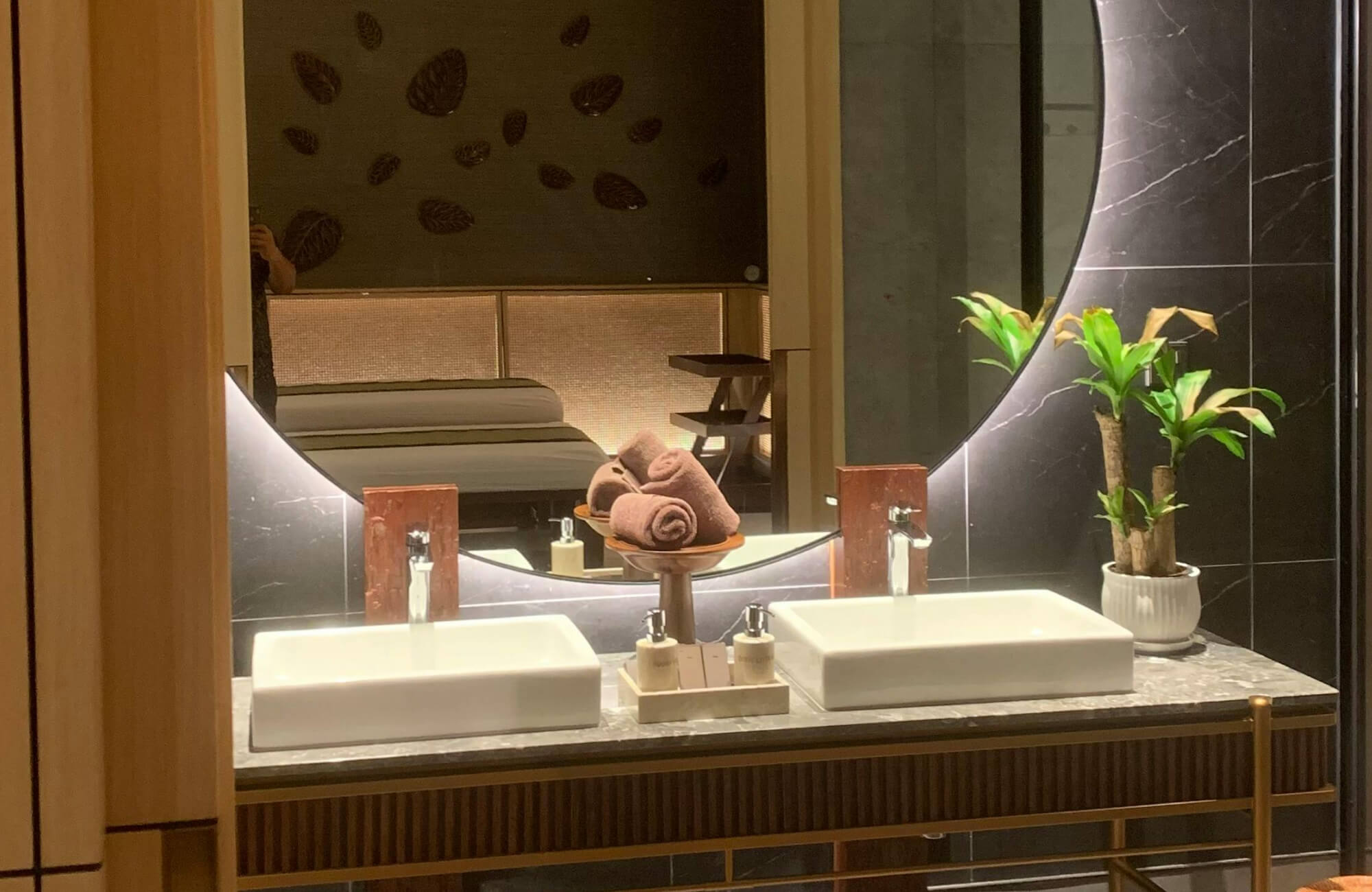
Mirrors are especially powerful in entryways where space or natural light is limited. When you position a mirror such as our Esmeralda Small Mirror in Iron Matte Black across a window or an adjacent open room, it reflects light deeper into the interior, immediately making the area feel brighter and more expansive. In narrow or enclosed foyers, placing a mirror like this at the end of the visual line also helps soften the sense of confinement and draws the eye forward, which creates a smoother, more welcoming transition into the space.
Equally important is choosing the right scale and style. Larger mirrors tend to read as architectural elements rather than decorative add-ons, which helps the entryway feel more cohesive and less cluttered. A thoughtfully chosen frame also reinforces the overall design language of your space, whether that means clean-lined metal for a contemporary look or richly finished wood for a more traditional feel. Because the entryway is a high-contact zone, it’s essential to select sturdy materials and secure mounting so the mirror remains both beautiful and practical over time.
Lighting That Balances Function And Atmosphere
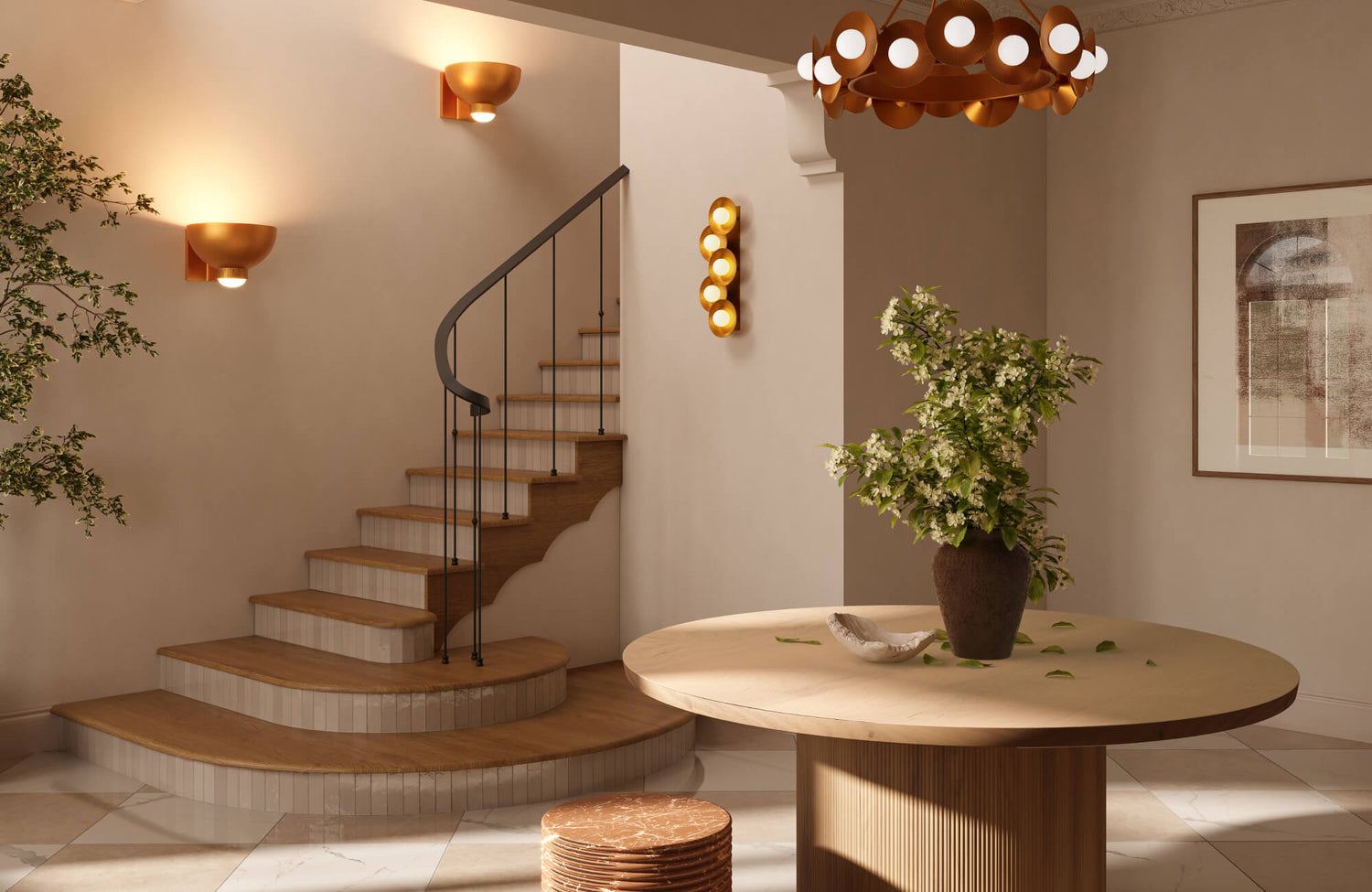
Lighting in the entryway must work hard, since it influences both safety and mood. Wall sconces can play a key role, especially in spaces where architectural details or circulation paths benefit from layered, eye-level illumination. Our Shonda Wall Sconce in Vintage Brass, shown in the image above, provides a warm, ambient glow while adding a refined decorative element through its timeless silhouette and softly aged finish. Installed along the foyer walls or near the staircase, it enhances visibility without overpowering the space.
Layered lighting also allows you to control the atmosphere. Warm-toned bulbs create a softer, more inviting glow that complements finishes and skin tones, while accent lighting near mirrors or artwork adds depth and personality. As these elements come together, the entryway begins to feel less like a pass-through and more like a thoughtfully designed room, one that welcomes you space while standing up to daily wear.
Anchoring the Entryway With a Statement Table
An entryway table acts as both a visual anchor and a functional surface, helping the space feel grounded and intentionally designed. Whether round, oval, or rectangular, a well-proportioned table establishes balance the moment you step inside, giving the eye a natural place to land. In larger foyers, a sculptural center table such as our Carla 68" Dining Table in Rustic Oak can define the room and create a sense of ceremony, while in narrower entryways, a slim console keeps circulation clear without sacrificing style.
Beyond form, material choice plays a critical role in achieving a timeless look. Solid wood, stone, or finely crafted veneers bring warmth and permanence, ensuring the table feels substantial rather than purely decorative. When styled with a restrained mix of objects such as a floral arrangement, a decorative bowl, or a stack of books, the table also becomes an elegant focal point that reinforces the overall aesthetic of the entryway while remaining durable enough for everyday use.

Choosing Durable and Stylish Tiles
Entryway flooring takes on constant wear, which makes tile selection one of the most important upgrade decisions you can make. The right tile not only protects your space from moisture and debris but also establishes a strong first impression the moment you step inside.
Material Selection For Busy Entryways
Porcelain tile stands out as one of the most reliable choices for an entryway because it is dense, durable, and highly resistant to moisture. Options like our Jameson 8x48 Matte Porcelain Tile in Camel, seen in the photo above, offer the added benefit of a wood-inspired look in golden brown tone while delivering the strength needed to withstand daily wear. Its low absorption rate also allows it to handle wet shoes, snow, and rain without warping or staining, which is especially important if you experience seasonal weather changes. When selecting porcelain, choosing a higher durability rating and a matte or lightly textured finish helps ensure long-term performance and safer footing.
Natural stone can also work beautifully if you are drawn to warmth and organic texture. Materials such as slate or travertine bring character to the entryway, though they require a greater commitment to care. Regular sealing helps protect the surface from moisture and stains, and paying attention to slip resistance ensures the tile remains practical as well as attractive. No matter the material, selecting tile with consistent color throughout and reliable traction helps you balance beauty with everyday safety.
Pattern And Layout For Visual Impact
How the tile is laid can dramatically influence how your entryway feels. Diagonal layouts introduce movement and visually widen the space, making smaller entryways feel more dynamic and less confined. In contrast, structured patterns like checkerboard layouts create a sense of order and timeless appeal, which works particularly well in larger or more formal foyers. To better visualize how these patterns will look in your own space, using an augmented reality (AR) tool to preview tile layouts at scale can help you make more confident design decisions before committing.
Grout choices also play a supporting but critical role in the overall look and durability of the floor. Mid-tone grout hides dirt and wear far better than bright white, while tighter grout lines contribute to a cleaner, more seamless appearance. Larger tiles further reduce grout lines, which not only enhances visual continuity but also simplifies maintenance. Together, these layout decisions help your entryway feel polished, intentional, and easy to live with over time.

Rugs That Combine Comfort With Durability
Rugs play a crucial role in making an entryway feel welcoming while protecting the flooring beneath. As the first soft surface you step onto, the right rug balances comfort, durability, and visual definition in a busy area.
Selecting Entryway-Appropriate Materials
Because the entryway absorbs constant movement, rug materials must perform without demanding excessive upkeep. Indoor-outdoor rugs made from polypropylene are a reliable option, as they resist moisture, dry quickly, and clean easily. If you want a more natural look, fibers like coir, sisal, or seagrass offer excellent durability and effective dirt removal, helping prevent debris from traveling deeper into your space.
Texture and construction also matter just as much as material. Flatweave rugs are especially well-suited for entryways because they sit low, resist crushing, and do not trap grit the way plush piles do. Wool can also work when chosen carefully, particularly denser varieties that naturally repel stains. However, thicker or tufted rugs tend to wear faster in busy areas, so selecting a low-profile weave helps preserve both appearance and function over time.
Size And Placement For Practical Use
Proper sizing ensures your rug actually performs its job rather than serving as a purely decorative accent. Ideally, the rug should be long enough to allow a few full steps after entering, which gives shoes time to shed moisture and dirt. In narrower entryways or hall-style foyers, extending the rug across most of the width visually defines the space while protecting high-contact flooring.
A well-chosen rug like our Charlise Rug in Natural / Navy, displayed above, becomes an integral part of the layout rather than a finishing afterthought. Its elongated proportions naturally support proper coverage while guiding movement through the space, and its neutral palette of off-whites and gray with navy blue undertones introduces subtle contrast without overwhelming the entryway. At the same time, the durable, low-profile construction helps capture dirt and moisture without adding bulk, making it a practical solution for areas that see frequent use.
Placement also affects safety and usability. Keeping the pile height low prevents interference with door movement and reduces tripping risks. Layering strategies can further improve performance, such as pairing a durable exterior mat with an interior runner to manage debris in stages. No matter the approach, anchoring the rug with a non-slip pad is essential to keep it securely in place and ensure the entryway feels both comfortable and safe.

Storage Solutions That Reduce Clutter And Wear
An entryway functions best when everything has a place. Thoughtful storage not only keeps the space visually calm but also minimizes wear by preventing shoes, bags, and coats from piling onto floors and walls. When storage is planned with daily habits in mind, the entryway becomes easier to maintain and far more welcoming.
Built-In And Freestanding Storage Options
Built-in storage allows you to take advantage of vertical space while keeping visual clutter out of sight. Cabinets, cubbies, or closed shelving help contain bulky items such as shoes, bags, and seasonal accessories, which reduces scuffing along walls and baseboards. In smaller entryways, a freestanding storage bench adds flexibility by offering a place to sit while concealing everyday essentials inside.
Sideboards such as our Leonardo Sideboard in Brown, featured above, are another highly effective option, especially in wider or open-concept entryways. A sideboard like this provides enclosed storage for items you want hidden while offering a surface for trays, lamps, or decorative accents that personalize the space. When chosen with durable finishes and modest depth, a sideboard adds structure and storage without obstructing movement flow, making it both practical and visually grounding.
Hooks And Drop Zones For Everyday Items
Drop zones bring order to the entryway by giving everyday items a clear landing spot. Wall-mounted hooks, floating shelves, and compact ledges prevent coats and bags from being draped over furniture or left on the floor. By spacing hooks at different heights, you create a system that feels intuitive for everyone, which encourages consistent use.
Shoe storage also benefits from airflow as much as organization. Open racks allow shoes to dry and stay fresh, reducing moisture buildup that can damage flooring. When paired with a nearby sideboard or cabinet that stores smaller accessories, the entryway remains balanced and uncluttered. Properly anchoring hooks and hardware further ensures long-term durability, allowing the space to stay tidy, efficient, and easy to manage day after day.

Materials And Finishes That Withstand Daily Use
Your entryway endures constant contact, which makes material and finish choices critical to both longevity and appearance. By selecting surfaces designed for frequent use, you ensure the space stays polished and cohesive even as it handles daily wear.
Wall Treatments And Paint Finishes
Walls in the entryway are especially vulnerable to scuffs from bags, shoes, and outerwear, so durability should guide your paint and finish choices. Standard matte paints tend to show marks easily and are difficult to clean, which can quickly make the space feel worn. Instead, washable finishes such as satin or eggshell allow you to wipe away marks without damaging the surface, helping the walls maintain a fresh look.
For added protection, incorporating wall treatments like wainscoting or beadboard along the lower portion of the wall creates a durable barrier in the highest-impact zone. Coating these elements in semi-gloss or gloss finishes makes cleaning effortless while adding subtle visual structure. Choosing mid-tone colors further supports longevity by disguising everyday scuffs and smudges, allowing the entryway to stay presentable between cleanings.
Hardware And Trim Selection
Hardware in the entryway is touched repeatedly, which means quality materials make a noticeable difference over time. When you choose solid metals that resist corrosion and wear, door handles, hooks, and switch plates maintain their finish despite constant use. This durability not only preserves appearance but also prevents the need for frequent replacements.
Trim also deserves the same level of attention, particularly in areas prone to impact. Well-finished baseboards and corner details help protect walls from damage while framing the space cleanly. When hardware finishes are coordinated with trim and flooring, the entryway feels intentional and refined. As a result, the space ages gracefully, maintaining both function and visual consistency through years of daily use.
Creating An Entryway That Works Hard and Welcomes Well
Upgrading an entryway to be both durable and welcoming comes down to intentional choices that balance performance with comfort. By selecting materials that withstand daily wear, incorporating lighting that feels warm and functional, and adding storage that keeps clutter contained, you create a space that supports everyday routines without feeling utilitarian. When these elements are thoughtfully layered and aligned with your space’s style, the entryway becomes more than a passageway. It becomes a reliable, inviting introduction to your space that greets you and your guests with ease, order, and lasting appeal.
To ensure these thoughtful choices come together seamlessly, professional design guidance can help bridge the gap between concept and execution. With personalized support, you can refine layout options, material pairings, and finishing details that reflect how your entryway functions while aligning with your overall aesthetic. This collaborative approach also brings clarity to each decision, resulting in an entryway that works effortlessly day to day while remaining warm, cohesive, and distinctly welcoming.