Subway tile has remained a beloved staple in interior design for decades, valued for its clean lines, classic rectangular shape, and remarkable versatility. From kitchen backsplashes and bathroom walls to shower surrounds and feature accents, it adapts effortlessly to a wide range of spaces and styles. While its timeless appeal makes it a safe design choice, many homeowners wonder how to make subway tile look more distinctive and visually engaging. Fortunately, with thoughtful decisions in color, layout, finishes, and styling, this classic tile can feel fresh, modern, and highly personalized. This guide explores creative ways to elevate subway tile so it becomes a striking design feature rather than simply a functional surface.

Elevating the Classic Appeal of Subway Tiles
The traditional image of subway tile often conjures up visions of pristine white tiles arranged in a simple grid. However, this classic material offers a surprising degree of versatility. By stepping outside the conventional box, homeowners can elevate subway tile from ordinary to extraordinary.
Color Play
While white subway tile remains a timeless choice, embracing color can inject personality and vibrancy into any space. Earthy tones like sage green, deep ocean blue, and warm terracotta evoke a sense of tranquility and bring the outdoors in. For a more dramatic effect, consider bold hues such as jet black, navy blue, or deep burgundy. These colors create a striking focal point and add a touch of sophistication. Pastel shades, such as soft pink, mint green, and sky blue, infuse spaces with a sense of airiness and lightness, making them ideal for creating a serene, calming atmosphere.
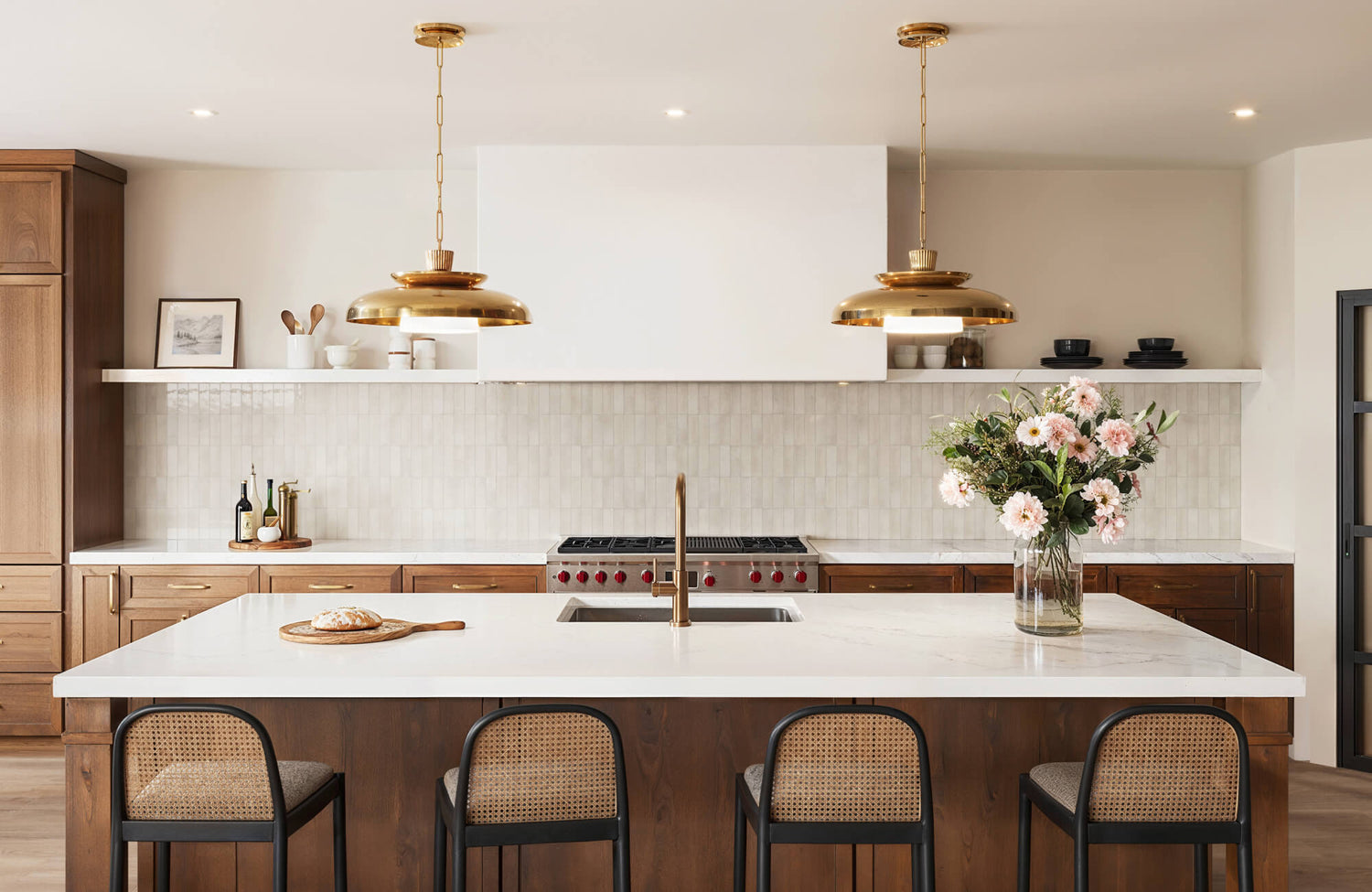
Beyond lighter palettes, deeper hues can also bring richness and dimension to a design while maintaining the classic appeal of subway tile. Edward Martin’s Natasha 2x6 Matte Porcelain Tile in Denim showcases a deep denim-blue tone with a soft matte finish that introduces subtle texture and depth, making it a striking yet refined option for kitchen backsplashes or accent walls. As shown in the photo above, its vertically stacked installation against warm wood cabinetry and open shelving creates a balanced contrast that feels both modern and inviting.
Beyond the tile color, grout can also significantly influence the design. Contrasting grout, such as dark against white tiles, emphasizes individual tiles and adds depth. On the other hand, matching grout creates a seamless, uniform appearance. Colored grout, like gold or gray, can elevate the design further, offering subtle elegance or bold distinction.
Texture Talk
While traditional subway tiles boast a smooth, flat surface, textured options can add a layer of visual interest and depth. Embossed tiles, with subtle raised patterns, create a captivating interplay between light and shadow. Glazed tiles, with their lustrous finishes, reflect light beautifully, adding a touch of glamour. Beveled tiles, with their slightly angled edges, introduce subtle reflections and a sense of movement.
The interplay of light and shadow is critical when working with textured subway tiles. Strategically placed lighting, such as under-cabinet fixtures or backlighting, can enhance the textures, creating a dynamic visual effect. This approach not only highlights the tile’s unique features but also adds sophistication to the overall design.
Tile Size Variations
While classic subway tiles typically measure 3x6 inches, exploring different sizes can significantly influence the overall aesthetic. Larger formats like 3x12 or 4x12, such as the Julianna 4x12 Polished Ceramic Tile in Carrara, create a more contemporary look with fewer grout lines, giving the surface a cleaner and more expansive appearance. Conversely, smaller formats such as 2x6 or 2x4, such as Cleo 2x6 Glossy Ceramic Tile in Sage, introduce a more detailed, intricate feel that works well in compact spaces or decorative areas.
Choosing the right tile size also affects a room's perceived proportions. Elongated subway tiles can visually stretch walls, making spaces appear taller or wider depending on their orientation. This subtle visual effect can be particularly helpful in smaller kitchens or bathrooms where thoughtful design choices can enhance the sense of space. By selecting the right dimensions, subway tiles can feel more tailored to the room rather than simply serving as a standard wall covering.
Finish Matters
Beyond color and texture, the finish of subway tiles can dramatically change how they interact with light and surrounding materials. Glossy finishes reflect light and create a bright, polished look, making them ideal for smaller spaces that benefit from added brightness.
Matte finishes, on the other hand, provide a softer and more understated appearance. They reduce glare and lend a modern, refined quality to interiors, particularly when paired with contemporary fixtures and neutral palettes. Satin or semi-gloss finishes can offer a balanced alternative, combining subtle light reflection with a smoother, less reflective surface. This range of finishes allows homeowners to fine-tune a space's atmosphere while maintaining the timeless appeal of subway tile.
Framing and Edge Details
How subway tile installations begin and end can significantly influence the final look of a design. Finishing edges with trim pieces such as pencil liners, bullnose tiles, or metal profiles creates a clean and intentional border that elevates the installation.
These details are particularly important for backsplashes, shower walls, or accent areas where tile transitions meet painted surfaces or other materials. Thoughtfully chosen edging not only improves durability but also enhances the overall design's visual polish. In addition, these finishing elements help the tile installation appear more cohesive and professionally executed. Even small details, such as trim selection, can subtly reinforce the overall style, whether the goal is a classic, modern, or transitional look.

Breaking the Grid with Unique Tile Patterns
While the traditional grid layout remains a classic choice, exploring alternative laying patterns can significantly elevate the visual impact of subway tile. These patterns add dynamism and personality, transforming a simple material into a captivating design element.
Herringbone Hustle
The herringbone pattern, characterized by tiles arranged in a V-shape, creates a sense of movement and flow. This timeless arrangement adds a touch of sophistication to any space, whether in a classic kitchen or a contemporary bathroom. For instance, the Edward Martin’s Aniston 3x12 Polished Porcelain Tile in Calacatta Top, shown in the photo above, brings an elevated elegance to the herringbone design with its polished finish and luxurious marble-inspired veining. This combination seamlessly merges timeless beauty with modern durability, making it ideal for high-impact areas.
Variations, like the chevron pattern, where the V-shapes align in the same direction, offer a more streamlined aesthetic. For a handcrafted feel, the broken herringbone pattern introduces subtle irregularities, enhancing the design’s charm. Whichever approach you choose, the herringbone layout remains a versatile and captivating design choice that enhances both traditional and contemporary spaces.
Stacked and Staggered
The traditional straight stack arrangement, where tiles are aligned vertically and horizontally, creates a clean, minimalist aesthetic ideal for modern spaces. In contrast, the offset, or staggered layout introduces a more dynamic and less formal appearance. Adjusting the offset distance can further enhance the design, creating either pronounced or subtle variations that add depth and character to the installation.
Subway Tile Mosaics
Beyond simple linear arrangements, subway tiles can be used to create intricate mosaic patterns by cutting tiles into smaller pieces and arranging them in specific configurations, achieving a wide range of artistic effects. Simple geometric patterns, such as squares, triangles, and diamonds, offer a clean and contemporary look. More complex designs, like floral motifs, abstract shapes, or even personalized patterns, can add a unique and artistic touch.
Incorporating contrasting colors within the mosaic can further enhance the visual impact. For example, a mosaic of white subway tiles with accents of black or a vibrant accent color can create a striking and sophisticated look. This technique allows for a high degree of customization, enabling homeowners to express their individual style and create truly unique designs.

Exploring Styles from Minimalism to Maximalism
The beauty of subway tile lies in its adaptability to a wide range of design aesthetics. From sleek minimalism to bold maximalism, subway tile can transform into a versatile design element.
Minimalist Magic
For a minimalist approach, focus on clean lines and a restrained color palette that exudes timeless elegance. Pairing white subway tiles with white grout creates a seamless, understated backdrop that allows other design elements to stand out. Our Madilyn 3x12 Matte Ceramic Tile in Pearl, as illustrated in the photo above, is an excellent choice for this style, offering a subtle matte finish that enhances the minimalist aesthetic with its soft, sophisticated appeal.
High-quality fixtures, such as polished chrome faucets and sleek hardware, further complement the minimalist aesthetic. To enhance the simplicity of the design, strategic lighting is essential. Recessed lighting evenly illuminates the tile surface, drawing attention to its subtle texture and reflective qualities, while pendant lights or wall sconces can introduce a touch of contrast and create visual interest without overwhelming the space.
Industrial Edge
Subway tiles can also complement interiors that lean toward an industrial aesthetic, where raw materials and strong contrasts define the overall look. Dark grout lines, charcoal or deep gray tiles, and matte finishes pair naturally with elements like exposed brick, metal shelving, and black steel fixtures, creating a space that feels both modern and grounded.
When combined with materials such as concrete countertops, reclaimed wood, or matte black hardware, subway tile helps balance rugged textures with a clean and structured surface. This thoughtful mix of refined tilework and industrial materials results in a design that feels intentional, functional, and visually striking.
Scandinavian Simplicity
Subway tiles also align beautifully with Scandinavian design, which prioritizes simplicity, functionality, and a sense of calm. Light-colored or nature-inspired tiles paired with soft grout lines create a clean and airy backdrop that works seamlessly with pale wood elements, minimal decor, and abundant natural light.
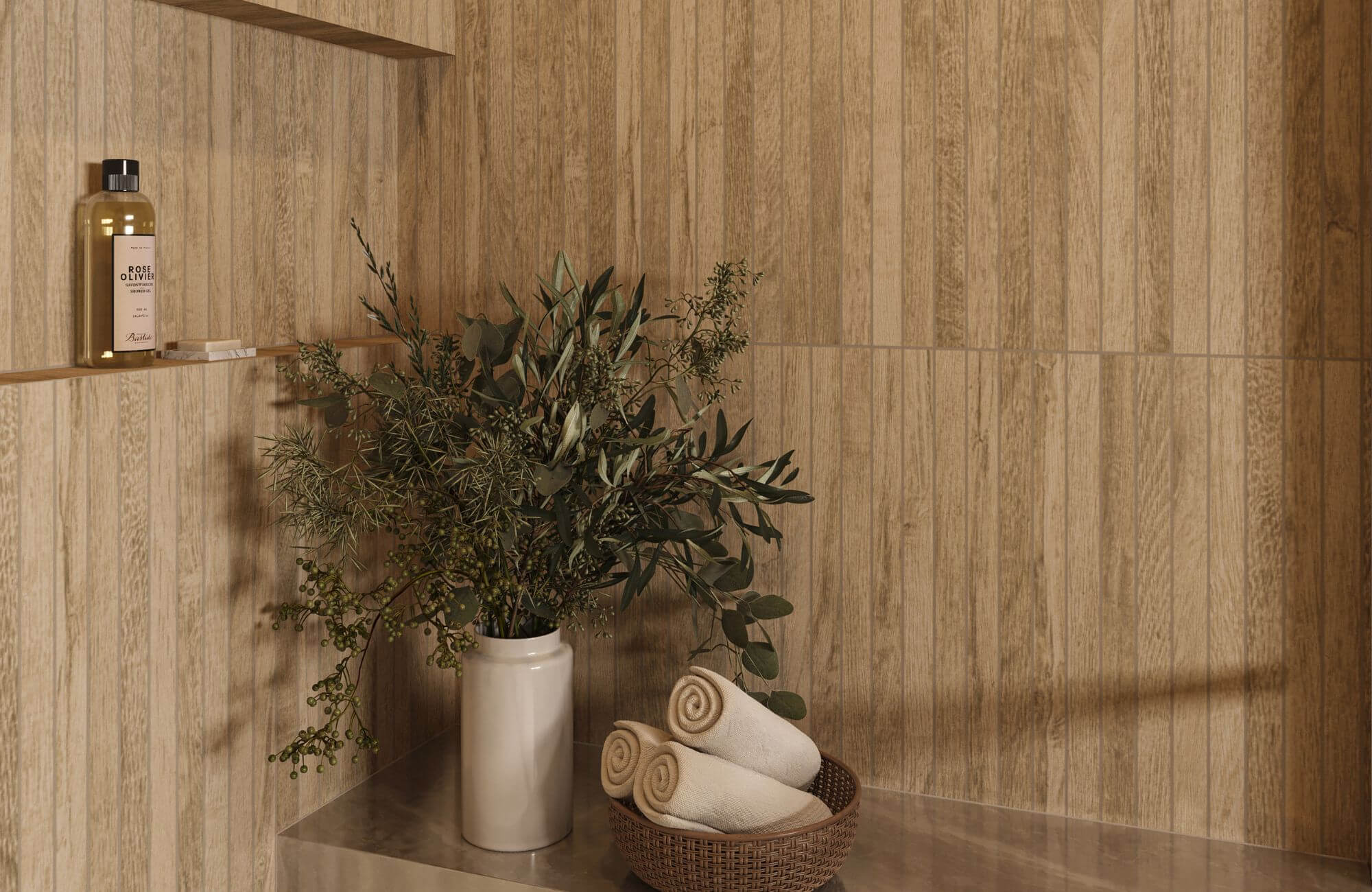
Our Juliet 2.5x10 Matte Porcelain Tile in Olive beautifully reflects this approach with its soft, earthy green tone and matte finish, creating a soothing backdrop that feels both modern and grounded. As shown in the image above, the vertically stacked layout paired with natural wood accents and greenery enhances the calm, spa-like atmosphere often associated with Scandinavian-inspired interiors.
Maximalist Marvels
For those drawn to bold and eclectic designs, subway tiles provide the perfect canvas for creativity. By experimenting with contrasting grout colors, you can create a striking visual impact. For example, dark grout against light subway tiles produces a graphic and dramatic effect, while intricate laying patterns, such as herringbone or staggered arrangements, introduce visual dynamism and complexity that make the design stand out.
Incorporating other materials further enhances the maximalist aesthetic, as the interplay of textures and finishes creates a sense of richness and depth. You might consider pairing subway tiles with warm brass accents, cool copper fixtures, or the luxurious veining of marble to add layers of sophistication. Additionally, statement lighting, such as oversized chandeliers or dramatic pendant lights, injects glamour and draws attention to the unique design. Vibrant accessories and distinctive artwork amplify the maximalist vibe by introducing pops of color through colorful rugs, eye-catching artwork, or standout decorative pieces. The harmonious blend of colors, textures, and patterns results in a visually stimulating and dynamic space that exudes personality and style.
To help visualize how different subway tile styles will look in your own space, Edward Martin also offers an Augmented Reality (AR) tool that allows you to preview tiles directly in your room. This interactive feature makes it easier to explore various colors, finishes, and layouts with greater confidence before making a final design decision.

Expanding Design Horizons Beyond the Backsplash
While backsplashes remain a classic application, subway tile's versatility extends far beyond the kitchen and bathroom. Creative and unexpected uses can transform this versatile material into a captivating design element throughout the home.
Floor Focus
Subway tile extends beyond walls, offering a stylish and durable flooring option that works exceptionally well in kitchens and bathrooms. Its moisture-resistant properties and ease of maintenance make it a practical solution for spaces that endure frequent use. Moreover, the choice of color and pattern plays a significant role in shaping the overall aesthetic, ensuring functionality and style go hand in hand.
For a classic and timeless look, neutral tones like white, beige, gray, or black are excellent options. The Natasha 2x6 Matte Porcelain Tile in Bone, portrayed in the picture above, embodies this classic elegance with its subtle matte finish and versatile tone, making it an ideal choice for both contemporary and traditional designs. Alternatively, if you want to inject vibrancy into the space, consider introducing pops of color through patterned tiles or colorful grout. Patterns like herringbone or basketweave can further enhance visual interest, breaking up the monotony of larger tiled areas and creating a design that feels engaging and refined.
Wall Wonders
Accent walls featuring subway tile can elevate living rooms, bedrooms, or hallways into sophisticated and visually engaging spaces. For instance, a subway-tile headboard wall in the bedroom can serve as a unique focal point, adding texture and character to the room. Similarly, hallways, often overlooked in design, can gain an unexpected touch of elegance with a thoughtfully crafted subway tile accent wall.
Beyond traditional uses, subway tile lends itself to creating captivating design features. A fireplace surround featuring our Dani 1.6x5 Matte Ceramic Tile in Sage introduces a calm yet distinctive element to a living space, with its soft green tone and matte finish adding subtle warmth and texture. In bathrooms, subway tiles can seamlessly transition from walls to shower enclosures, achieving a cohesive and polished aesthetic. Additionally, in home offices or entryways, a subway-tile feature wall adds charm and personality, creating a welcoming, distinctive atmosphere. These versatile applications showcase the endless potential of subway tiles, encouraging homeowners to craft spaces that reflect their unique style.

Tips for Subway Tile Maintenance
Proper maintenance ensures the longevity and beauty of your subway tile installation. A simple wipe with a damp cloth helps remove everyday grime and splashes, while a deeper cleaning using a mild dish soap solution and a soft sponge effectively tackles dirt without damaging the surface. Avoid abrasive cleaners or scouring pads, as these can scratch the tile’s finish and gradually dull its appearance over time.
In areas such as kitchens and bathrooms where moisture and residue are more common, routine upkeep helps preserve both the tile and grout. Wiping surfaces regularly after cooking or showering can prevent soap scum, grease, or mineral buildup from settling into grout lines and textured surfaces. Consistent care not only keeps tiles looking fresh but also helps maintain the overall cleanliness of the space.
Additionally, grout requires special attention, as it is more prone to discoloration and mold. Regular cleaning and periodic sealing help maintain its integrity. Applying a grout sealer every one to two years creates a protective barrier that repels water and stains while extending the lifespan of the installation.
It is also important to follow the manufacturer’s recommended care and maintenance guidelines whenever possible. Different materials, finishes, and grout types may require specific cleaning products or methods to maintain their performance and appearance. By following these recommendations and maintaining a consistent cleaning routine, homeowners can ensure their subway tile installations remain beautiful, durable, and functional for years to come.
Designing with Subway Tile to Bring Your Vision Together
Subway tile remains a timeless design element that continues to evolve alongside modern interiors. Its clean lines and versatile format allow it to adapt effortlessly to a wide range of styles, from understated minimalism to more expressive and layered designs. By experimenting with different colors, finishes, layouts, and styling approaches, homeowners can transform this classic material into a feature that feels both fresh and personal. Thoughtful choices in grout, lighting, and surrounding materials can further elevate the overall design while maintaining the tile’s enduring appeal. With the right balance of creativity and planning, subway tile can become a distinctive and lasting feature in any space.
To further refine your selection, Edward Martin also offers tile samples that allow you to experience the color, texture, and finish firsthand. Viewing samples in your own lighting and environment can help ensure the tile complements your space before making a final decision!