Cool rugs bring an elevated sense of style, texture, and personality to modern living rooms, transforming foundational spaces into curated expressions of contemporary living. As their colors, fibers, and patterns unfold, they create subtle visual movement that guides the eye with fluidity and gentle sophistication. Each cool rug serves as a tactile anchor that enhances the balance of open layouts, architectural lines, and minimalist furnishings. By blending comfort with refined detail, these rugs also introduce warmth and dimension without disturbing the clarity of modern design. Through this thoughtful integration, cool rugs become essential elements that enrich the overall atmosphere of a modern living room with understated luxury.

Defining the Role of Cool Rugs in a Modern Living Room
Cool rugs shape the visual structure of a modern living room by grounding furniture arrangements and creating an organized sense of flow. As they interact with materials, lighting, and architectural lines, they subtly enhance balance and strengthen stylistic cohesion.
Spatial Zoning and Visual Organization
Cool rugs begin shaping the room by establishing clear zones that help guide movement with natural ease. As the eye follows their edges, circulation paths feel more intentional and less fragmented. This visual organization also allows seating areas, walkways, and conversational zones to emerge without relying on physical partitions. Because the rug forms a unified surface, open-concept living rooms maintain order without sacrificing spaciousness. As each area aligns more clearly, architectural elements appear more pronounced and cohesive. Through this integrated effect, cool rugs serve as essential tools for structuring modern living environments.
Proportion, Symmetry, and Visual Weight
The scale of a cool rug influences balance by evenly distributing visual weight across the room’s most important design elements. It helps each furniture piece settle into a cohesive arrangement, preventing the layout from feeling scattered or disconnected. This creates a rhythm in the space that feels measured and calming. By anchoring key furnishings, the rug also enhances symmetry that contributes to a clean, contemporary aesthetic. When these spatial relationships are established, the overall environment feels more intentionally crafted. In this way, cool rugs act as quiet mediators of proportion and equilibrium in modern living rooms.
Elevating Architectural Elements
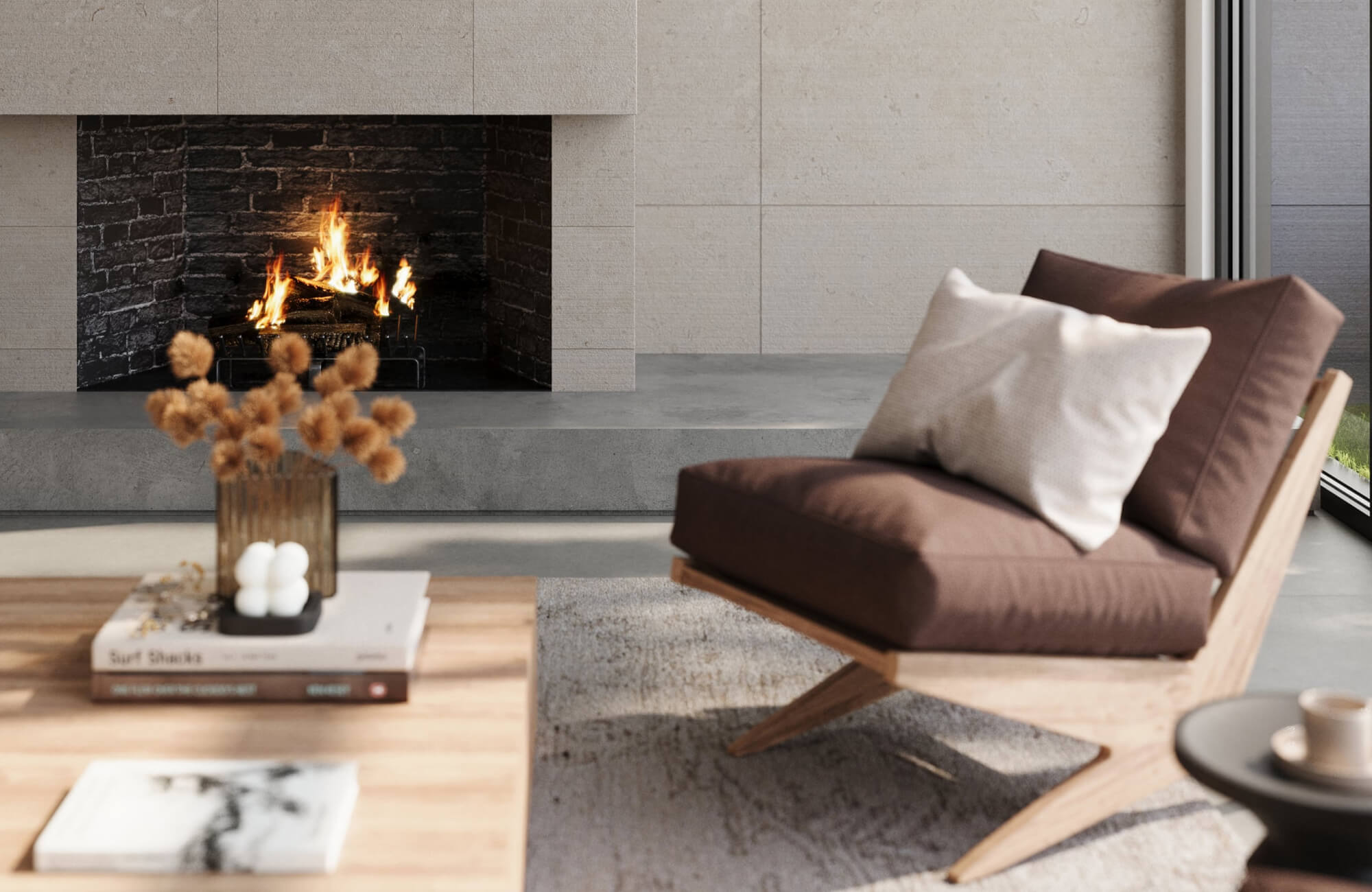
Cool rugs bring out architectural features by introducing texture that beautifully contrasts with sleek materials. For instance, the interaction between soft and hard surfaces gives linear fireplaces, broad windows, and other design elements added depth and clarity. This interplay also enriches the space, imparting warmth without overwhelming the overall design. When the rug’s tones echo the flooring, millwork, or stone accents, visual unity is strengthened. Through this dynamic exchange, cool rugs enhance and elevate the architectural character of a modern living room.

Material Selection and Performance Characteristics for Cool Rugs
The material composition of cool rugs determines their longevity, comfort, and visual impact, especially in high-use modern living rooms. Each fiber type responds differently to activity, moisture, and light, making informed material selection essential.
Natural Fibers for Luxury and Longevity
Wool cool rugs excel in durability because the natural crimp of each fiber allows the pile to recover gracefully from daily compression. When these resilient fibers respond to movement, the rug maintains its loft and structure, delivering consistent performance over time. Their inherent lanolin content also provides natural stain resistance, helping the rug remain visually refined even in active living spaces.
In addition, wool regulates humidity by absorbing and releasing moisture, creating a more stable and comfortable indoor atmosphere throughout seasonal shifts. Its matte, organic texture blends seamlessly with modern palettes, offering quiet sophistication without unwanted sheen. This balance of durability and elegance is exemplified by Edward Martin’s Mallory Wool Pile Rug in Aloe, as displayed in the picture above, whose cool blue-green tone and hand-tufted wool construction embody the calm, grounded beauty that high-quality natural fibers bring to contemporary interiors.
Synthetic Fibers for Stain Resistance and Everyday Convenience
Synthetic cool rugs made from nylon or PET deliver strength and stability that withstands heavy foot movement. Their engineered pigments maintain color clarity under varying lighting, ensuring the rug stays vibrant over time. Moreover, their stain-resistant properties support easy maintenance, making them ideal for modern families. Despite their durability, they also offer softness that echoes the feel of natural fibers. Dimensional stability further prevents matting, keeping surfaces smooth even under sectional sofas. These traits position synthetic cool rugs as reliable, stylish options for high-function contemporary living rooms.
Specialty Fibers and Their Unique Aesthetic Appeal
Viscose and lyocell cool rugs bring a high-end sheen that enhances modern interiors with a luxurious glow. This is because its fibers catch ambient light, giving the rug a refined and elegant presence. However, their sensitivity to moisture and pressure requires careful placement. When used in low-use areas, these rugs maintain their softness and visual clarity. Their smooth texture also complements minimalist spaces by adding a delicate yet polished finish. In curated environments, specialty-fiber cool rugs amplify sophistication while preserving harmony with contemporary design.

Construction, Texture, and Surface Detail in Cool Rugs
The construction method of cool rugs directly influences their texture, durability, and ability to complement modern furnishings. These structural elements shape how patterns read, how surfaces feel, and how the rug interacts with architectural details.
Pile Height and Functional Performance
Pile height plays a key role in both the look and feel of cool rugs, influencing comfort, visual clarity, and the way they interact with furniture. Low-pile rugs, for example, emphasize clean lines and provide a smooth, supportive surface that allows furniture to sit naturally and remain stable. Medium-pile options, on the other hand, add a layer of softness and comfort while preserving crisp pattern definition, creating a subtle balance between function and visual interest. Variations in pile height also highlight shifts in texture and depth as fibers respond to movement and light. Considering these factors ensures that the rug complements modern layouts while maintaining both aesthetic precision and practical performance.
Hand-Knotted, Hand-Tufted, and Flatweave Techniques
The construction of a cool rug shapes its texture, durability, and visual presence, influencing how it interacts with furniture, light, and architectural details. Hand-knotted rugs, for example, offer exceptional precision and longevity, with each knot forming a dense, structured surface that highlights intricate patterns and subtle textural nuances. Hand-hooked examples, such as the Mallory Wool Pile Rug in Forest, as shown in the photo above, demonstrate how meticulous craftsmanship and symmetrical, leaf-like patterning can create a tactile, visually rich surface that anchors a modern living room while bridging contemporary and traditional aesthetics.
Hand-tufted rugs, by contrast, provide plush comfort and versatile design options, balancing accessibility with a luxurious feel ideal for contemporary homes. Flatweave rugs also deliver a lightweight, low-profile finish that suits minimalist spaces and allows for easy layering or repositioning. Additionally, each technique interacts differently with surrounding materials—metal, stone, and glass—shaping both the rug’s functional performance and its architectural impact. Understanding these methods helps select a rug that complements a modern layout while enhancing texture, depth, and overall room harmony.
Advanced Textural Techniques for Depth and Dimension
Cut-and-loop cool rugs introduce sculptural surface patterns that enrich the room with tactile interest. As light grazes the raised textures, it accentuates subtle variations in height and form, giving the space a layered sense of depth and dimension. Carved pile accents also reinforce geometric motifs that align with modern design principles. In addition, slubbed yarns add organic irregularities that soften sleek architectural forms. These textures respond beautifully to directional lighting, creating a layered sensory experience. By incorporating advanced textural techniques, cool rugs become expressive design elements in contemporary living rooms.

Size, Scale, and Proportion When Selecting Cool Rugs
The size and proportion of cool rugs play a critical role in shaping balance, spatial flow, and visual continuity. When chosen correctly, rug dimensions strengthen the room's overall harmony and architectural rhythm.
Strategic Sizing for Sectionals and Modular Seating
Large cool rugs that extend beyond the edges of a sectional bring cohesion to expansive seating arrangements. When the eye follows this perimeter, the layout feels grounded and unified. This continuity anchors the grouping and eliminates visual gaps. Proportionally generous rug sizes also enhance circulation while supporting balanced spacing between pieces. When these relationships align, the room feels more structured and inviting. This sizing strategy is essential for cool rugs that anchor modern living rooms with clarity.
Orientation and Room Geometry
The orientation of a cool rug subtly influences how the room’s dimensions are perceived. Aligning the rug with architectural lines reinforces visual order and strengthens spatial rhythm. Horizontal placement, for instance, can widen narrow rooms, while vertical orientation elongates compact layouts. As sightlines follow the rug’s direction, the space feels intentional and proportionally balanced. This alignment supports harmony between furniture and architecture. Through mindful orientation, cool rugs help modern living rooms achieve refined spatial geometry.
Avoiding Scale Imbalance
An undersized cool rug disrupts visual unity by leaving furniture pieces visually disconnected from one another. When gaps widen between seating and surrounding elements, the room begins to feel unanchored and less intentional. Conversely, an oversized rug can overwhelm architectural details and diminish the hierarchy of the layout. Achieving the right scale ensures that circulation paths remain clear while also maintaining the proportional structure essential to modern interiors. Aligning the rug with the furniture’s footprint makes the space feel more grounded and visually cohesive.
This thoughtful balance is beautifully demonstrated in our Liddy Polyester Pile Rug in Ocean / Platinum, as featured in the photo above. Its Moroccan-inspired diamond pattern and cool blue-and-platinum tones provide just the right visual presence—large enough to unify the seating arrangement yet proportioned with precision so it enhances, rather than overtakes, the room’s clean architectural lines.

Color, Pattern, and Aesthetic Integration in Cool Rugs
Color and pattern selection determine whether a cool rug acts as a focal point or a quiet unifier in a modern living room. As these elements interact with light and materials, they influence mood, depth, and overall design cohesion.
Tone-on-Tone Palettes for Minimalist Cool Rugs
Tone-on-tone cool rugs create subtle depth by layering similar hues with gentle variations. Light interacting with these tones enhances the room’s dimension while preserving its serene simplicity. Soft neutrals such as slate, charcoal, and fog also complement modern materials effortlessly, allowing architectural features to take center stage. As daylight shifts, the rug reveals quiet transitions in tone that enhance a sense of calm. Through this harmony, tone-on-tone cool rugs bring understated elegance to minimalist living rooms.
Statement Patterns for Architectural Impact
Large-scale geometric patterns add structured momentum to the room by introducing purposeful rhythm. These motifs create visual movement, guiding the eye while reinforcing the room’s architectural order. Abstract linework also complements clean-lined furniture, reinforcing the modern design language. Moreover, high-contrast patterns can direct attention to focal points like media walls or sculptural lighting. Interaction between these patterns and surrounding materials amplifies architectural clarity. By integrating bold motifs, modern living rooms achieve both visual excitement and structural coherence.
Light Interaction and Finish Behavior
Light profoundly shapes how cool rug colors and textures are perceived, influencing everything from contrast clarity to the subtlety of pattern transitions. For instance, warm LEDs soften deeper tones while cooler LEDs sharpen finer details, causing the rug’s surface to subtly shift with the room’s changing atmosphere. The matte finish of wool fibers also diffuses light gently, creating a grounded, calming effect that anchors minimalist spaces. In contrast, blended fibers with a slight sheen reflect illumination more readily, introducing gentle highlights that enhance the dimensionality of the pattern.
These nuanced interactions allow a rug to take on different moods throughout the day, enriching the space with depth and tonal variation. This dynamic quality is beautifully exemplified in Edward Martin’s Lafferty Wool Blend Rug in Ocean, as shown in the picture above, where its cool blue gradient, wool-blend construction, and softly luminous finish respond gracefully to natural light, creating a serene, cloudlike visual texture that elevates the entire room with quiet sophistication.
Creating a Connected and Stylish Living Room through Cool Rugs
Cool rugs elevate modern living rooms by blending comfort, sophistication, and structural clarity into a cohesive design statement. As materials, patterns, colors, and textures come together, they guide the room’s visual flow with quiet elegance. This thoughtful layering enhances both practicality and aesthetic refinement, enriching everyday living with depth and warmth. When chosen with intention, cool rugs become the grounding element that weaves architectural lines and furnishings into harmony. Through this seamless integration, they transform modern living rooms into spaces that feel beautifully curated and effortlessly inviting.
To make the process even more seamless, Edward Martin’s design services can help you refine your vision and select the perfect rug for your space. Simply contact us to begin crafting a beautifully connected home!