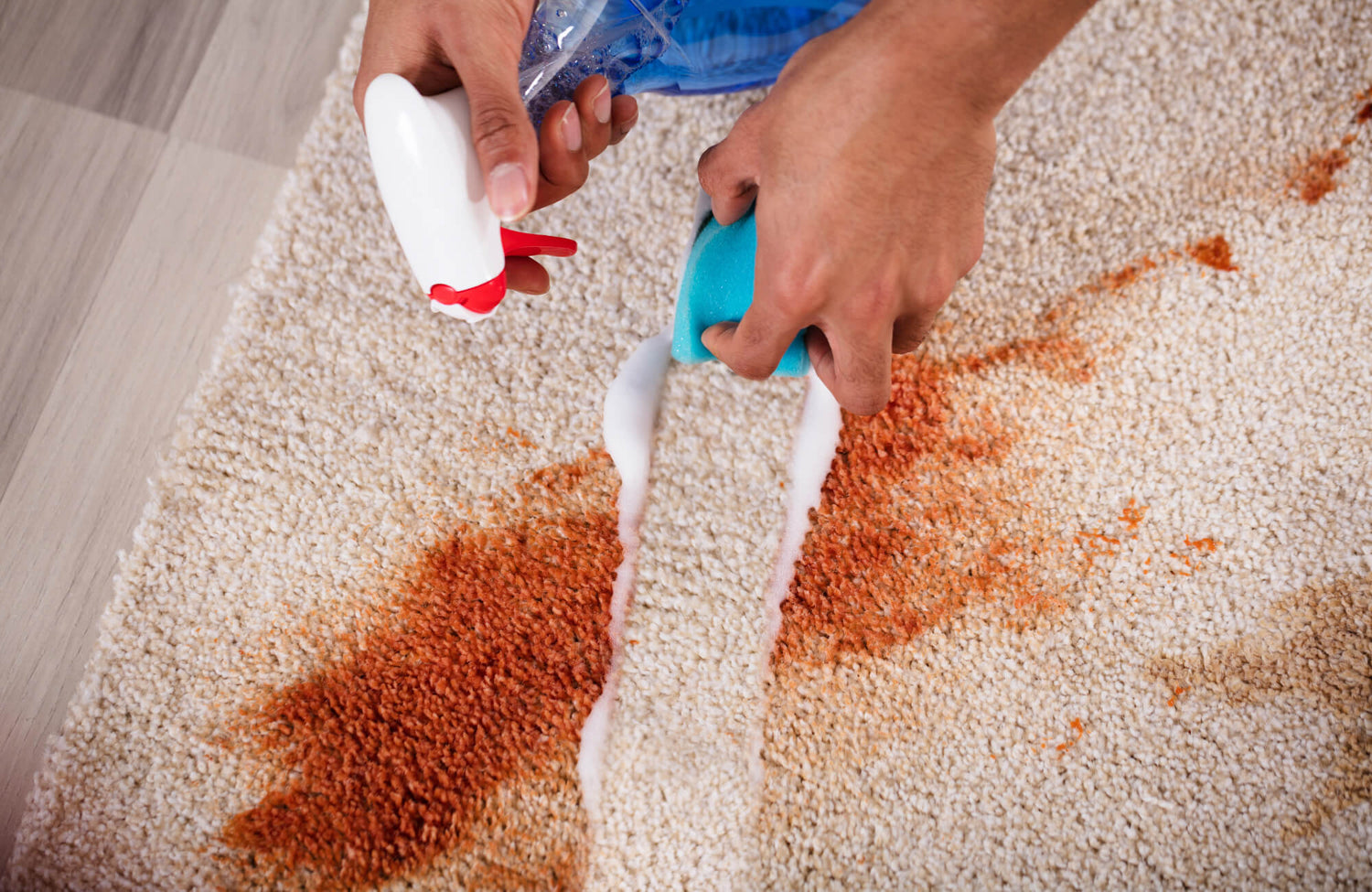
For every homeowner, a beautiful rug is a centerpiece of comfort and style. However, life happens, and with it, the inevitable spill. A stubborn stain can feel like a permanent scar, but it doesn't have to be. With the right knowledge and a clear plan, you can tackle even the most difficult messes and restore your rug to its former glory.
This article will walk you through everything you need to know, from the critical first moments after a spill to advanced rug cleaning techniques and preventative measures. We’ll cover various types of stains and provide actionable, expert advice to help you confidently handle any rug-related crisis.

The First 60 Seconds
Once a spill happens, time is your biggest ally. The first minute is critical; knowing exactly what to do can prevent a temporary mess from becoming a permanent stain.
Blotting, Not Rubbing
While your first instinct might be to scrub the area clean, resist the urge. Rubbing forces the staining agent deeper into the rug’s pile and can fray or distort fibers, especially in more delicate materials like wool or silk. Instead, blotting is the safer and more effective method. Press a clean, white cotton cloth or paper towel gently over the spill, working from the outer edge inward to keep the stain from spreading.
This approach lifts moisture from the surface and minimizes fiber damage. It’s particularly important for preserving the texture and color clarity of both natural and synthetic rugs, including blended options like Edward Martin’s Charlise Polypropylene & Polyester Pile Rug in Slate / Dove, as shown in the picture above. Its durable yet elegant design deserves care that maintains its detailed weave and subtle tonal pattern.
Identifying the Spill Type
Once the area is under control, take a moment to identify what caused the stain. This quick step is crucial as different substances require different treatments. Tannin-rich spills like wine, coffee, and juice respond best to enzymatic or acidic solutions, while inorganic stains such as ink or paint typically need solvent-based cleaners.
It also helps to know whether the stain is water-soluble or oil-based. This distinction guides you toward the right type of product, whether it’s a neutral pH cleaner, a degreasing agent, or a dry-cleaning solvent. Misidentifying the spill can result in ineffective treatment or even irreversible damage to the rug’s dye or fibers.
Gathering Your Supplies
Preparation is key to fast and effective action. Keep a rug care kit stocked and ready to go. Essentials include absorbent white cloths, a pH-neutral carpet cleaner, enzyme-based stain remover, distilled water, isopropyl alcohol, and a soft-bristled brush. For textured or handwoven rugs, always have the manufacturer’s recommended cleaners on hand.
It’s also smart to include a plastic scraper for removing semi-solids like food without embedding them deeper into the fibers. And don’t overlook basic safety gear; gloves can protect your skin from harsh chemicals during cleanup. With your tools in reach, you’ll be ready to act before the stain has a chance to set.

Understanding Different Stain Types and Their Remedies
Acting quickly is important, but treating a stain effectively means knowing what you're dealing with. Different types of spills, like wine, grease, or ink, each require their own approach.
Red Wine and Coffee
Tannin-based stains like red wine and coffee are notorious for their rich pigmentation and tendency to cling to absorbent fibers, especially wool or cotton. Blotting right away is essential to prevent the spill from setting deep into the pile.
To treat red wine, mix cold water with a few drops of mild dish detergent or white vinegar to help break down the tannins. For coffee, enzymatic cleaners or a diluted hydrogen peroxide solution may work better; just be sure the rug is colorfast. Also, steer clear of hot water, which can cause these stains to oxidize and set permanently.
Grease and Oil
Unlike water-based spills, greasy stains, like butter, lotion, or cooking oil, are lipid-based and require a different approach. Begin by blotting with a dry cloth to remove surface oil. Then, apply a solvent-based spot cleaner or isopropyl alcohol to emulsify the residue.
For stubborn spots, lightly dust the area with baking soda or cornstarch to absorb excess oils before vacuuming. These methods are also especially effective on synthetic materials like nylon or polyester, which resist moisture and clean easily.
One example is Edward Martin’s Rollins Polyester Pile Rug in Fog / Smoke, a performance piece designed to handle spills without compromising softness or texture. It’s especially well-suited for busy areas like kitchens and family rooms. In contrast, natural fiber rugs like sisal or jute require more caution, as solvents can weaken or discolor their structure.
Pet Accidents
Accidents from pets, such as urine, vomit, or feces, are among the most common and challenging stains. In addition to visible discoloration, they introduce bacteria and lingering odors that can embed deep in the pile.
Start by blotting up as much as possible, then use an enzyme-based cleaner to break down organic matter and neutralize ammonia. These products are particularly effective on wool rugs, which can hold onto odor if not treated properly. Avoid ammonia-based cleaners, which can mimic the smell of urine and lead to repeat accidents. For complete odor removal, a carpet extractor or professional cleaning service may be necessary.
Ink and Paint
Lastly, synthetic stains like ink and paint require careful, targeted cleaning. Water-based inks and acrylics may respond to blotting with cold water and a mild detergent. But oil-based paints and permanent markers usually call for stronger solutions, such as acetone or dry-cleaning solvents, always tested in an inconspicuous spot first.
To prevent spreading, blot instead of wiping, especially on loop pile rugs, which can trap pigment between tightly woven fibers. If the stain resists treatment or has already set, it’s often best to consult a professional with the tools and expertise to remove it safely.

The Power of DIY Solutions
Now that you know how to identify stains, you can take action with safe, effective remedies. Many common stains respond surprisingly well to DIY cleaners made from simple household ingredients.
Vinegar and Water Solution
A classic standby for good reason, a 1:1 mix of white distilled vinegar and water is a versatile, pH-balanced cleaner ideal for water-soluble stains like juice, wine, or pet accidents. The acetic acid in vinegar helps dissolve mild organic residues without compromising the integrity of natural or synthetic rug fibers.
It also provides mild disinfectant properties that can help reduce bacterial presence. Before use, always test in an inconspicuous area, particularly on wool or silk rugs, to ensure dye stability. Mist lightly with a spray bottle and blot gently with a clean white cloth, avoiding rubbing to prevent spreading or pile damage.
Baking Soda Paste
When dealing with lingering odors or greasy spots, baking soda is another powerful ally. Mixed with just enough water to form a spreadable paste, it can be applied directly to stained areas, especially helpful for neutralizing pet odors or lifting moisture from spills.
Let the paste dry completely (typically a few hours), then vacuum thoroughly. This method draws out embedded particles while helping to eliminate odors at the molecular level. On moisture-sensitive backings like jute or sisal, however, avoid over-saturation to prevent fiber weakening or warping.
Dish Soap and Lukewarm Water
For oil-based stains or general grime, a solution of clear, unscented dish soap and lukewarm water offers a gentle yet effective clean. Dish soap contains surfactants that emulsify grease without damaging the rug’s fibers or stripping color.
Apply the solution using a microfiber cloth and follow with clean water blotting to remove soap residue. As with any liquid-based method, avoid over-wetting, particularly on tightly woven or tufted rugs, as this can lead to mildew or dye migration.

When to Call a Professional
While DIY methods work in many cases, there are times when expert help is the smarter choice. Knowing the limits of home treatments can save your rug from lasting damage.
When the Rug Material is Delicate
Some rug materials are simply too fragile for home cleaning methods. Silk, viscose, and hand-knotted wool are particularly sensitive to moisture, pH shifts, and physical abrasion. Using the wrong cleaning product or technique may lead to dye migration, pile distortion, or fiber breakdown.
Silk, for instance, is a protein-based fiber that can deteriorate with acidic or alkaline solutions. Likewise, hand-dyed Oriental or Persian rugs are prone to bleeding if treated improperly.
Even with more resilient blends, like Edward Martin’s Haverford Polyester Pile Rug in Platinum / Bronze, as featured in the picture above, it’s still important to follow manufacturer-recommended care. These rugs may appear durable, but their detailed textures and tonal variation benefit from low-moisture, fiber-specific cleaning performed by professionals who understand how to protect both form and function.
The Stain is Too Large or Old
In some cases, the size or age of a stain makes DIY treatment ineffective. Spills that have dried, like wine, coffee, or pet accidents, often sink beyond the surface pile and into the rug’s backing.
Surface-level cleaning may improve appearance temporarily but leave behind deep-set residue and odor. Professional cleaners use techniques such as hot water extraction, submersion washing, or low-moisture encapsulation to fully flush contaminants from the rug’s structure. This not only restores appearance but also helps preserve the rug’s texture and prevents long-term wear.
The DIY Attempt Made it Worse
Sometimes, well-intentioned efforts can backfire. If your rug cleaning attempt has spread the stain, caused fiber stiffening, or altered color, it’s best to pause and consult a professional. Overuse of water, harsh chemicals like bleach or ammonia, or vigorous scrubbing can make the problem worse and may cause irreversible damage to certain materials.
Fortunately, professionals can often reverse these effects using pH correction, dye stabilization, and restorative cleaning protocols. Knowing when to stop can make all the difference in saving your rug’s appearance, structure, and value.

Keeping Your Rugs Stain-Free
The best way to deal with stains is to stop them from happening in the first place. With a few smart habits and preventative tools, you can keep your rugs looking great for years.
Using Rug Pads and Protectors
Rug pads do more than prevent slippage; they serve as a protective barrier between your rug and the floor. This extra layer reduces friction, limits dye transfer, and encourages airflow to prevent moisture buildup, a key factor in mold and mildew development.
Some pads even come with antimicrobial or moisture-resistant treatments for added defense. For surface-level protection, consider applying a fluorochemical-based fabric protector to help repel spills without affecting the rug’s texture or appearance.
Strategic Furniture Placement
Beyond padding, the way you arrange furniture can have a big impact on stain prevention. Keep food and drink areas, like dining tables or bar carts, off rugs and on easy-to-clean surfaces whenever possible. In shared or open-plan spaces, opt for low-pile or indoor-outdoor rugs under seating to blend durability with design.
For households with pets or young kids, place washable or polypropylene rugs in high-risk zones and reserve more delicate, high-value rugs for quieter, formal areas. A practical choice like Edward Martin’s Hutchinson Polyester Face Rug in Graphite / Olive, as displayed in the photo above, works beautifully in transitional spaces such as laundry rooms, entryways, or mudrooms, areas where resilience is essential. Anchoring rugs beneath furniture can also help prevent movement and bunching, which often lead to spills.
Regular Vacuuming and Maintenance
Routine care is your rug’s best defense against stains. Regular vacuuming removes dry soil and grit that can wear down fibers and attract moisture. Focus on busy areas at least twice a week using a vacuum with adjustable suction and an appropriate brush head, gentle for wool and silk, firmer for synthetics.
In addition, schedule professional rug cleaning every 12–18 months to eliminate embedded contaminants, rebalance fiber pH, and restore texture. Quick attention to minor spills and visual checks during cleaning can stop potential stains before they take hold.
A Stained Rug Is Not a Lost Cause
Even with your best efforts, accidents happen. The good news is that most stains can be handled effectively with timely action and the right approach. Blot, don’t rub, know your materials, and don’t hesitate to consult a professional when the situation calls for it.
If you're planning a new space or updating an existing one, Edward Martin’s design consultation service offers personalized guidance to help you choose rugs and furnishings with confidence. For tailored recommendations, answers to product questions, or help selecting the right tile, rug, or furniture, don’t hesitate to contact Edward Martin!