Vintage rugs are often associated with age and history, yet in contemporary interior design, the term “vintage” increasingly refers to a recognizable visual language rather than a specific period of origin. Defined by traditional motifs, softened color palettes, and layered texture, this aesthetic can be expressed through both genuine vintage rugs and thoughtfully designed vintage-style rugs. Within modern and minimalist interiors, these characteristics introduce depth and contrast without compromising clarity or restraint. As a result, designers frequently rely on vintage-inspired textiles to balance clean architecture with visual warmth. Understanding this distinction allows for a more nuanced exploration of how vintage and vintage-style rugs function within contemporary spaces.

Intentional Contrast as a Structural Design Strategy
Modern and minimalist interiors depend on restraint, which makes contrast essential for creating visual interest without excess. Vintage and vintage-style rugs introduce this contrast by balancing architectural simplicity with pattern, texture, and tonal variation.
Visual Counterpoint in Restrained Interiors
Within modern interiors defined by planar surfaces, linear geometry, and limited ornamentation, a vintage or vintage-style rug introduces a visual counterpoint that grounds the space while softening its edges. Traditional motifs ease the rigidity of slab cabinetry, flush millwork, and uninterrupted wall planes, allowing the room to feel intentional rather than austere. As the eye moves through the interior, layered patterning slows visual momentum and encourages a more thoughtful reading of proportion and scale. Instead of competing with architecture, softened palettes and refined detailing support it quietly. This restraint enables the rug to establish hierarchy without visual dominance. The resulting composition feels balanced, where contrast enhances clarity rather than disrupting it.
Pattern Complexity Without Visual Noise
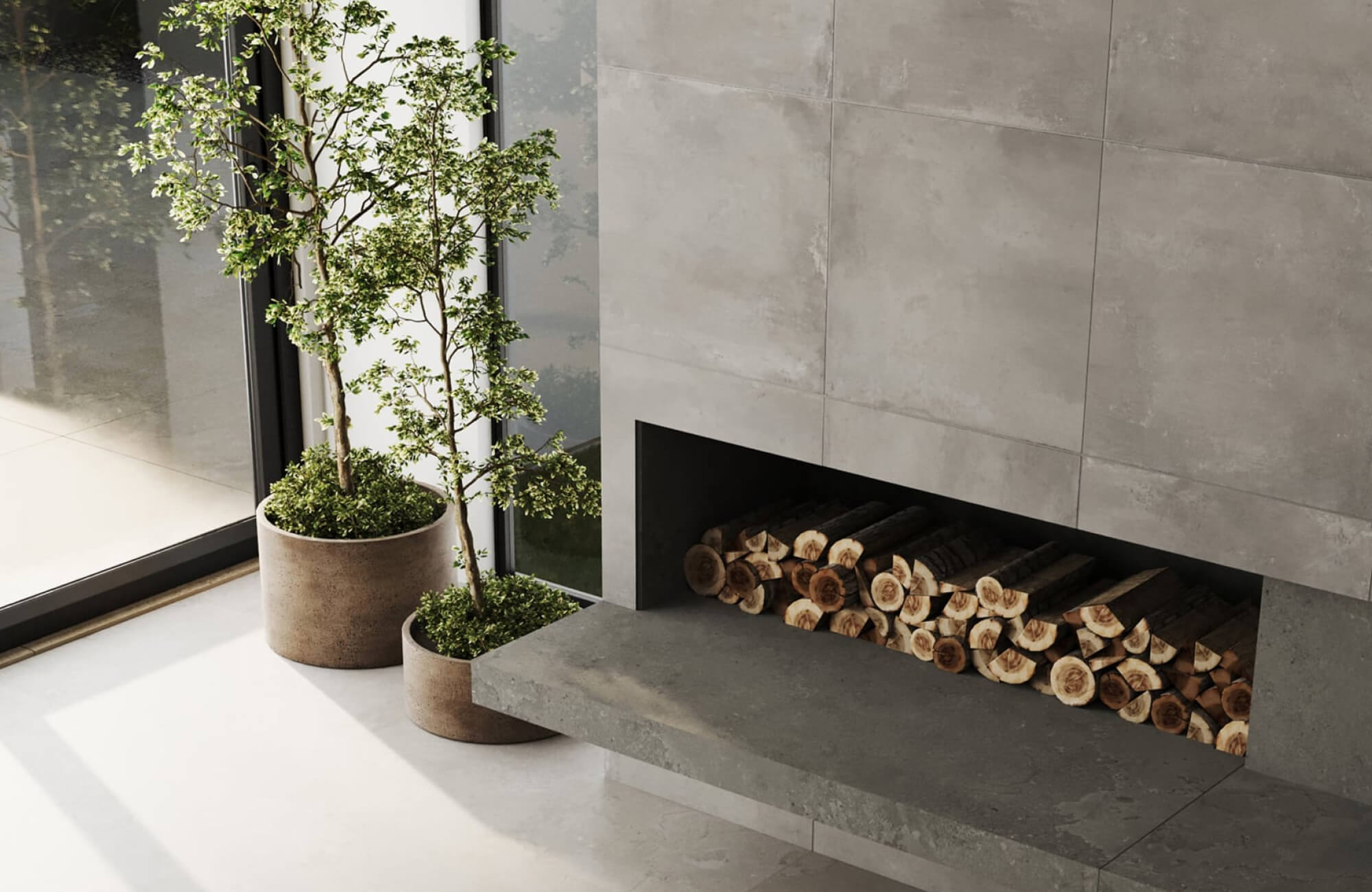
Although minimalist interiors typically avoid overt pattern, vintage rugs and vintage-style rugs succeed by allowing complexity to register as texture rather than decoration. Through muted palettes and controlled contrast, motifs soften visually and integrate seamlessly into surrounding architecture, adding depth without competing with clean lines. This principle is clearly illustrated by Edward Martin’s McGowan Rug in Midnight / Sand, which interprets traditional patterning through a deliberately weathered, low-contrast design.
As displayed in the picture above, its layered motifs dissolve into tonal variation, allowing the eye to perceive richness without visual clutter. The subdued interplay of dark gray, beige, and softened neutrals ensures the rug grounds the space quietly rather than dominating it. As furnishings remain pared back, rugs like McGowan provide subtle movement and visual interest, reinforcing a composed, modern interior that feels layered rather than sparse.
Contrast as a Tool for Spatial Emphasis
In open-plan modern homes, contrast often replaces physical barriers as a subtle yet effective way to define space while preserving openness and visual continuity. A vintage rug can visually anchor seating or dining areas, allowing each zone to feel established without interrupting circulation or sightlines. Because this contrast is expressed through texture and tonal variation rather than structural change, the overall layout remains fluid and adaptable. As occupants move through the space over time, repeated patterns of use naturally reinforce the rug’s role as a spatial marker. This strategy also eliminates the need for partitions, raised thresholds, or abrupt flooring transitions that could disrupt flow. In this context, contrast functions as an organizing principle rooted in spatial logic rather than stylistic excess.

Material Authenticity and Performance Compatibility
Material integrity is fundamental to modern interior design, where durability, honesty, and performance are prioritized over surface embellishment. Vintage and vintage-style rugs align with these values through natural fibers, traditional construction references, and performance characteristics suited to contemporary living.
Wool Fiber Behavior in Contemporary Environments
Most vintage and vintage-style rugs are crafted from wool, a fiber long valued for its resilience, elasticity, and structural stability. When subjected to regular use, wool fibers compress and recover naturally due to their inherent elastic memory, helping preserve surface integrity over time. This performance behavior makes wool rugs particularly appropriate for modern living spaces where consistent use is expected. Wool’s natural lanolin content also provides resistance to moisture and light soiling, reducing maintenance demands. These attributes align closely with minimalist values centered on efficiency and longevity. As a result, the rug functions as a dependable surface rather than a delicate accent.
Surface Texture and Sensory Balance
Modern interiors frequently rely on smooth materials such as concrete, glass, and metal to achieve architectural clarity. While visually refined, these surfaces can feel acoustically reflective and tactically cold without softening elements. Introducing a vintage-style rug also adds surface variation that moderates sound reflection and enhances comfort underfoot. The dense wool pile absorbs ambient noise, which is especially beneficial in open-plan environments. This sensory balance improves livability without compromising visual restraint. Texture, in this context, becomes an experiential layer rather than a decorative one.
Craftsmanship and Material Honesty
Construction techniques inspired by traditional hand-knotted rugs place emphasis on density, structural integrity, and long-term performance rather than surface novelty. Even when executed using modern production methods, these designs reference time-tested principles that value material honesty and durability. Subtle variations in weave and texture also signal quality without introducing visual excess or distraction. Within minimalist interiors, this restraint reinforces design credibility by allowing materials to speak for themselves. As the rug is used over time, its character deepens while performance remains consistent. Craftsmanship, in this way, supports both aesthetic refinement and functional reliability.

Color Theory and Tonal Integration
Minimalist interiors rely on disciplined color strategies that favor tonal continuity and balance over high saturation. Vintage and vintage-style rugs integrate seamlessly into these environments by offering softened hues that complement restrained contemporary palettes.
Desaturation and Chromatic Softening
Traditional rug palettes are often defined by muted reds, softened blues, and warm neutrals that behave as layered color fields rather than dominant visual accents. In vintage-style rugs, this effect is achieved through carefully calibrated dye palettes that reference the tonal balance found in older textiles without relying on actual age. As saturation is intentionally reduced, these colors also blend seamlessly with warm whites, greiges, and soft charcoals commonly used in minimalist interiors. Instead of asserting contrast through brightness, the rug introduces depth through nuanced tonal variation. This measured approach preserves visual calm while still adding richness and dimension. The resulting palette feels cohesive, nuanced, and designed for long-term relevance.
Abrash-Inspired Variation as Visual Depth
Abrash, traditionally associated with genuine vintage or antique rugs, introduces subtle tonal shifts within a single color family that add natural depth. In vintage-style rugs, this quality is thoughtfully reinterpreted through controlled variation that maintains consistency while avoiding a flat or uniform appearance. These gentle shifts also bring movement to the surface, preventing large areas from feeling static without introducing visual noise. As the eye travels across the rug, transitions feel gradual and composed rather than abrupt. Whether authentic or inspired, this variation contributes dimension in a restrained manner. Visual interest remains refined, intentional, and well-balanced.
Palette Anchoring Through Textile Elements
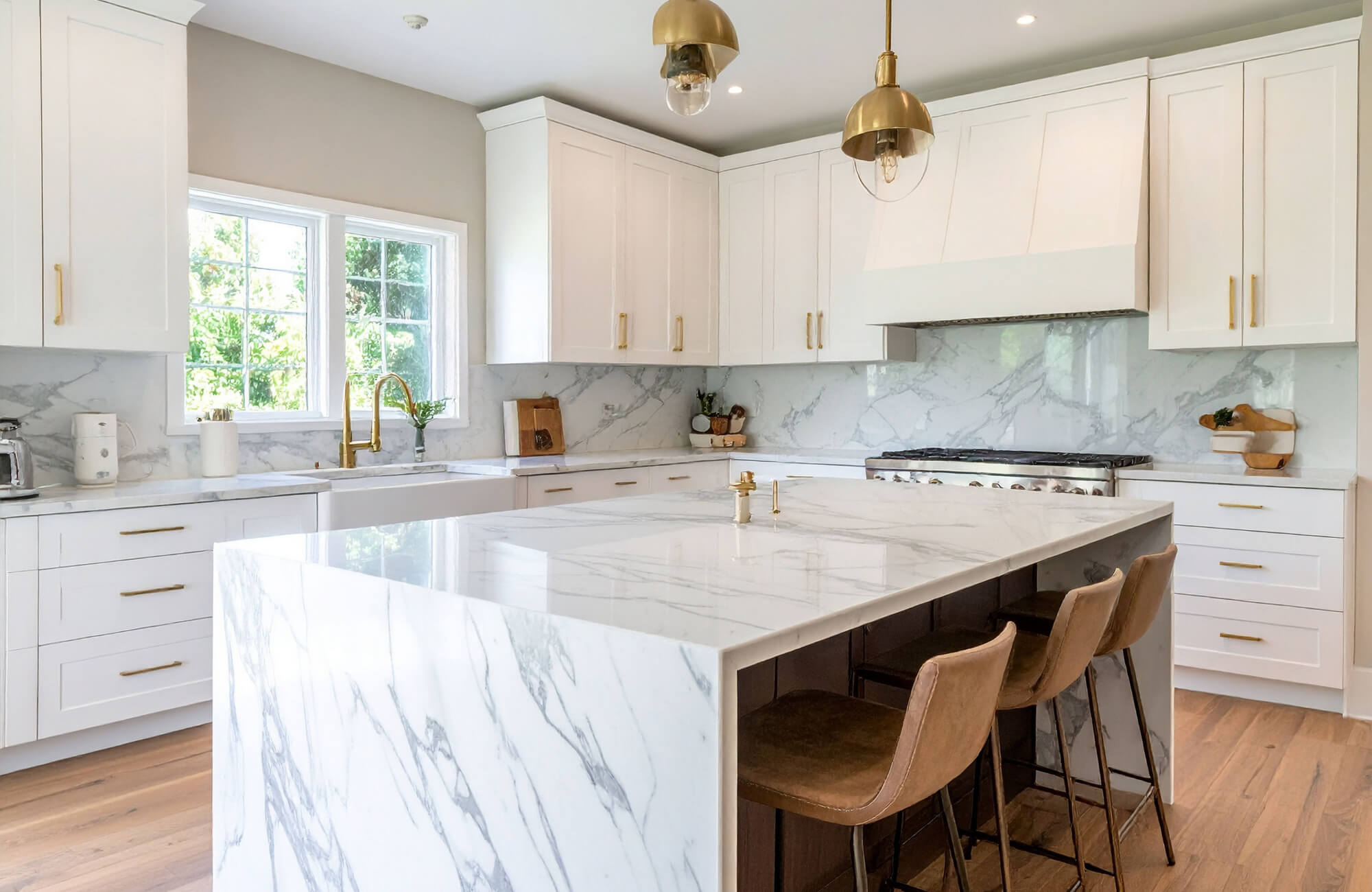
Designers often rely on rugs as foundational reference points when establishing a cohesive color palette, particularly in modern and minimalist interiors where restraint is essential. For instance, subtle hues within a vintage rug or vintage-style rug can be echoed across cabinetry finishes, wall treatments, and soft furnishings, allowing color relationships to develop organically throughout the space. This approach is especially effective when the rug introduces a nuanced neutral that bridges multiple materials.
As shown in the picture above, the Mallory Rug in Khaki exemplifies this role by offering a softened, earth-toned base that connects warm wood cabinetry, muted tile surfaces, and natural accents without asserting visual dominance. Its understated pattern and tonal consistency allow surrounding elements to feel intentionally related rather than visually isolated. In this way, the rug functions as a chromatic anchor, quietly supporting cohesion and balance across the entire interior.

Spatial Planning, Scale, and Proportion
Modern interiors emphasize openness and clarity, making proportion essential when introducing layered elements. Vintage and vintage-style rugs support spatial organization when scaled and positioned with architectural awareness.
Proper Sizing for Furniture Integration
Correct rug sizing is essential in minimalist interiors, where even small misalignments can disrupt visual cohesion. A properly scaled rug should extend beneath the main furniture pieces, allowing seating or dining arrangements to read as unified compositions instead of isolated elements. This subtle integration also anchors the furnishings to the floor plane and reinforces the intention behind the layout, helping each zone feel stable and purposeful rather than incidental or loosely defined. Over time, this consistency strengthens functional clarity and makes the space easier and more intuitive to use. In this way, scale becomes a quiet but critical contributor to overall spatial harmony.
Edge Conditions and Visual Transitions
Vintage-inspired rugs often feature softened borders that transition gently into the surrounding flooring, creating a more natural visual connection between surfaces and avoiding the abrupt breaks that can disrupt minimalist interiors. Unlike sharply defined contemporary rugs, these subtle edges guide the eye fluidly through the space, keeping sightlines uninterrupted and enhancing the sense of openness and continuity. As the rug blends seamlessly into its surroundings, it also feels integrated rather than layered on top, preserving visual flow through restraint and thoughtful detailing.
Zoning Without Physical Barriers
Open-plan interiors rely on visual cues rather than physical walls to define function, making rugs an especially effective organizational tool. A vintage rug establishes distinct zones through placement, texture, and tonal contrast while preserving a sense of openness, subtly signaling shifts in use without obstructing circulation. As daily routines reinforce these boundaries, each zone becomes intuitively understood without the need for explicit definition. In this way, the rug functions as a spatial organizer rather than a divider, maintaining flexibility while preserving clarity through restraint and thoughtful detailing, ensuring both cohesion and functional longevity.

Emotional Depth and Human-Centered Design
While minimalist interiors excel in clarity and order, they can feel emotionally restrained without thoughtful layering. Vintage and vintage-style rugs introduce warmth, familiarity, and visual memory while respecting contemporary discipline.
Narrative Value and Visual Memory
Traditional motifs carry cultural references that continue to resonate even when reinterpreted through modern production techniques. Within contemporary interiors, these familiar patterns create a sense of continuity without relying on historical literalism or period-specific styling. Rather than presenting overt storytelling, the rug contributes visual memory that feels intuitive and enduring. Its presence also enriches the space quietly, allowing texture and pattern to unfold gradually rather than demand attention. Over time, the rug becomes interwoven with the rhythms of daily life, reinforcing a sense of place. Narrative, in this context, remains subtle yet emotionally grounding.
Warmth Without Compromising Restraint
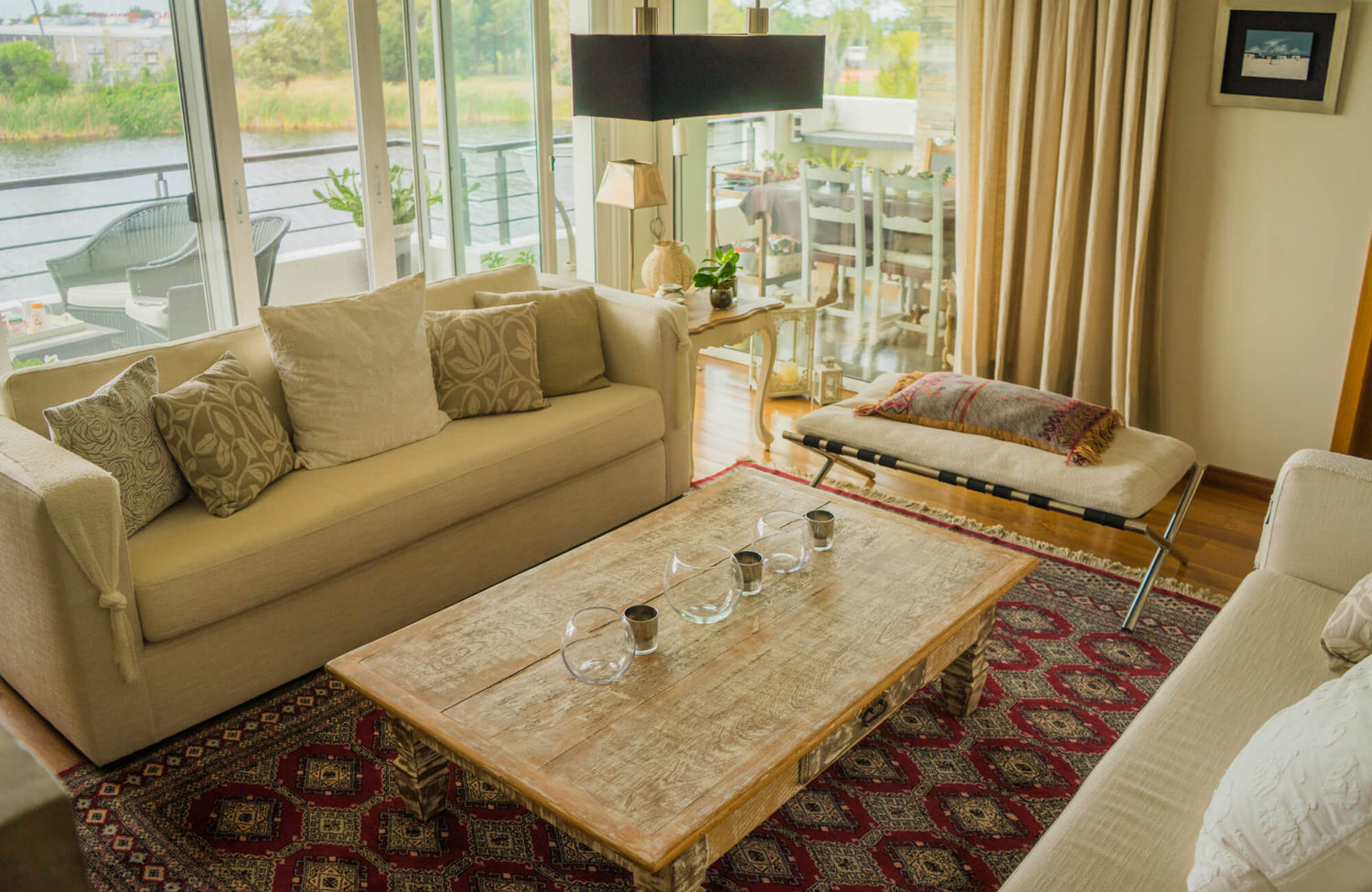
Minimalism seeks calm, composed environments rather than spaces that feel visually or emotionally empty, which makes warmth an essential counterbalance to architectural restraint. A vintage rug or vintage-style rug introduces this warmth through layered texture and softly modulated color instead of overt ornamentation, allowing the space to remain visually disciplined.
This balance is well illustrated by our Georgette Rug in Desert / Multi, whose gently weathered pattern and muted blend of warm neutrals and softened accents add comfort without visual excess. As featured in the photo above, its tonal complexity reads as atmosphere rather than decoration, subtly complementing clean-lined seating and natural materials. As a result, hard surfaces and streamlined forms feel more inviting without appearing cluttered. Comfort and restraint coexist seamlessly, reinforcing a sense of ease within the minimalist interior.
Supporting Well-Being Through Material Choice
Human-centered design prioritizes comfort, authenticity, and sensory balance as essential components of livable spaces. Vintage-style rugs support these goals by softening acoustics, enhancing tactile comfort underfoot, and grounding visual perception within minimalist interiors. The use of natural fibers helps reduce the perceived hardness of modern materials, creating a more balanced sensory environment. This moderation positively shapes daily experience, particularly in residential settings. Over time, the interior feels more accommodating and emotionally responsive. Well-being is supported without compromising design intent or visual restraint.
Where Heritage Meets Contemporary Restraint
Vintage rugs, whether genuinely aged or thoughtfully vintage-style, show that modern and minimalist interiors thrive on balance rather than uniformity. Through traditional motifs, softened palettes, and material integrity, they introduce depth without visual excess. From a distressed vintage rug anchoring an open-plan layout to a vintage Persian rug informing a cohesive palette, these textiles offer lasting versatility. Their ability to support contrast, performance, and emotional comfort makes them valuable design tools, proving that in contemporary interiors, restraint and richness are strongest when they work together.
For those seeking guidance in translating this balance into their own spaces, Edward Martin offers design services tailored to modern and minimalist interiors. Contact us to explore personalized solutions and begin your design journey with confidence!