Mirrors are more than just functional objects for checking your reflection; they are powerful design tools that can completely transform a room. While size and frame material are crucial considerations, it is the shape of a mirror that can most profoundly impact its relationship with a room's existing lines and flow.
At Edward Martin, we believe that every detail matters, and selecting the perfect mirror shape is a decision that deserves careful thought. The right choice will not only enhance your home but also reflect your personal style. This guide will walk you through how to match specific mirror shapes to popular decor styles, ensuring you make a confident and beautiful selection for your next home project.

The Versatility of Round and Oval Mirrors
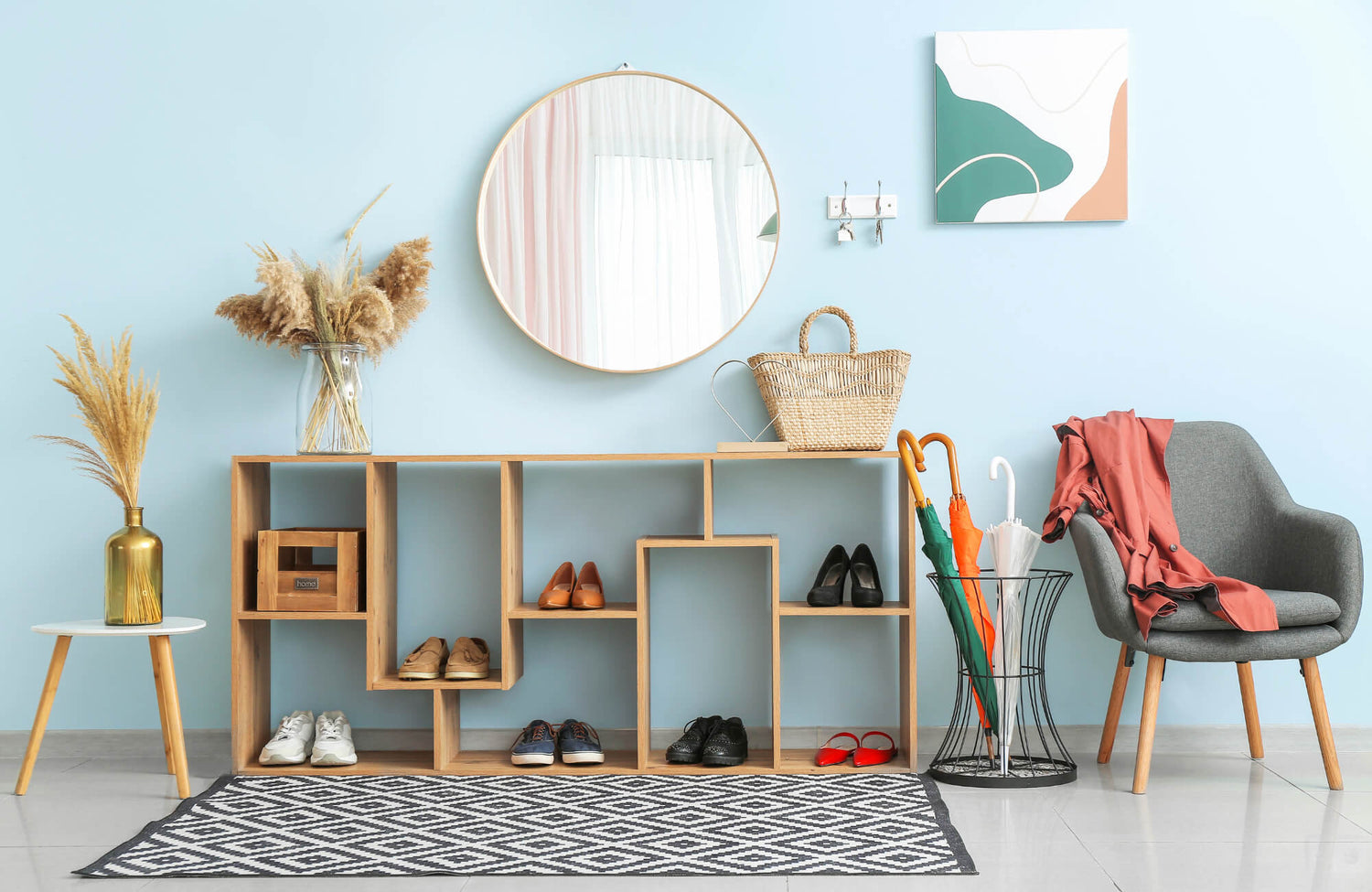
Curved silhouettes instantly bring softness and balance to a space. Round and oval mirrors work beautifully to open up tight rooms, catch and distribute light, and add a welcoming organic feel. Their adaptability makes them an easy starting point for exploring how shape can influence style.
Modern and Minimalist Aesthetics
In modern and minimalist interiors, geometric purity and clean lines dominate the design language. Round and oval mirrors complement this by introducing organic curves that break up rigid, rectilinear spaces without visual clutter. Frameless or thin metal-edged designs in black, chrome, or brass often emphasize precision and simplicity, while maintaining an understated elegance.
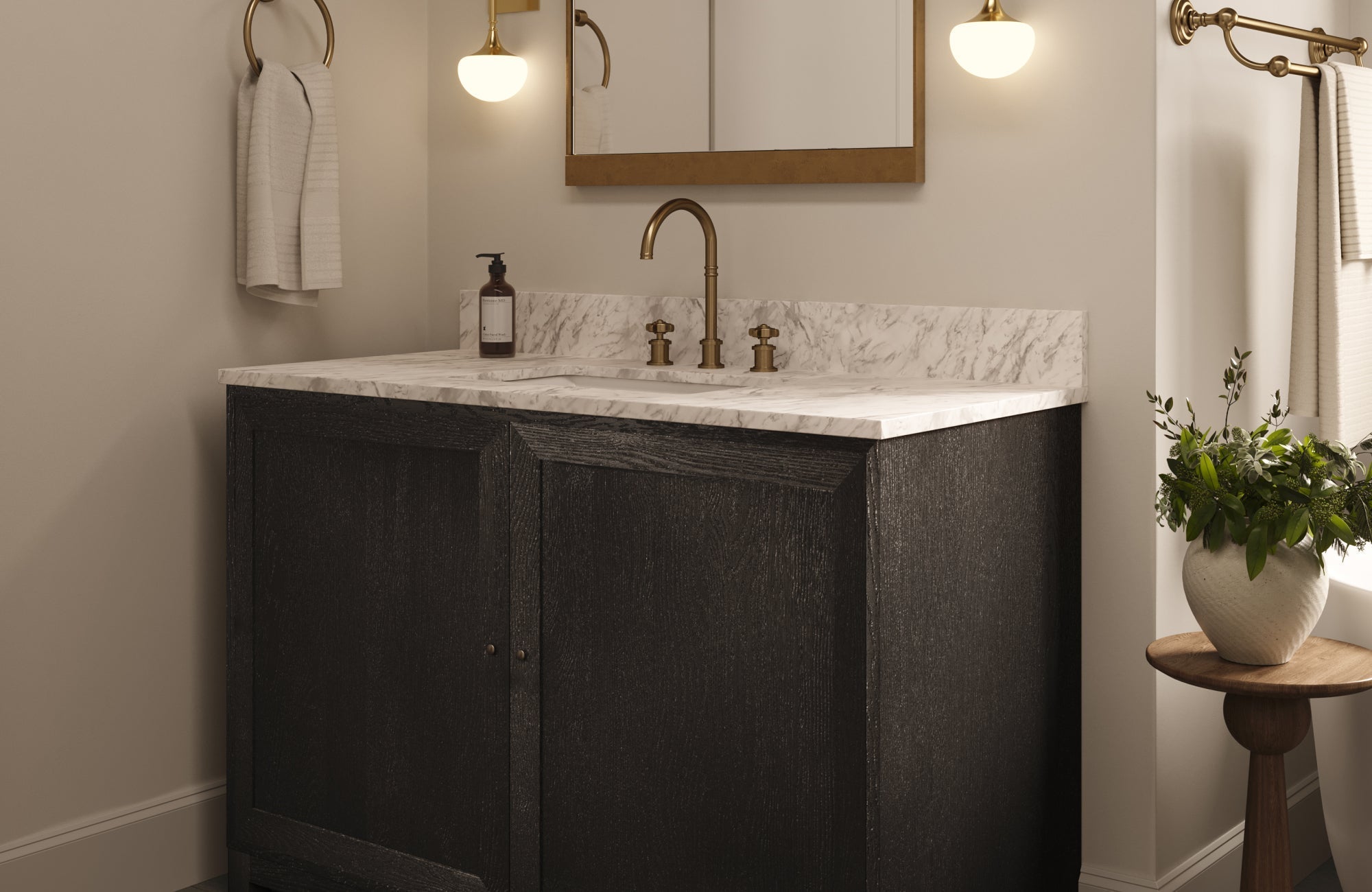
Balanced minimalism comes to life with Edward Martin’s Fitz Mirror in Antique Silver, a piece defined by its slim metallic frame and circular silhouette. As seen above with a vanity, it functions as a focal point that distributes light evenly while aligning with the reductive philosophy of modernism. Its generous reflective surface enhances luminous flux in compact spaces, adding both openness and clarity.
Traditional and Transitional Decor
Round and oval mirrors hold timeless appeal in classical and transitional settings, where the goal is to balance heritage detailing with modern livability. In traditional decor, an oval mirror with an ornate gilded or carved wooden frame can echo historical design motifs such as acanthus leaves, bead molding, or rocaille patterns. These details integrate seamlessly with paneling, wainscoting, and antique furniture.
In transitional interiors , a style bridging classical and contemporary , round mirrors with subtle metallic patinas or softly beveled edges offer refinement without heaviness. Placing an oval mirror above a mantel or buffet can act as a visual anchor, connecting old-world craftsmanship with modern upholstery and lighting. Because the curvature softens the linearity of cabinetry and millwork, these mirrors help maintain a sense of balanced symmetry, vital in spaces blending multiple eras.
Bohemian and Eclectic Vibes
For bohemian and eclectic spaces , where layering, texture, and individuality drive the design , round and oval mirrors serve as both functional accents and artistic statements. Their fluid forms harmonize with the free-spirited ethos of this style, complementing rattan, macramé, or reclaimed wood frames. Sunburst designs, asymmetrical compositions, and mixed natural materials (such as bamboo or driftwood) enhance the tactile and global character of bohemian interiors.
An arrangement of multiple small round mirrors can function as an informal gallery wall, catching glimmers of light and color while maintaining an organic, unforced layout. In eclectic rooms, oval mirrors framed in bold lacquered hues or unexpected materials (ceramic, mosaic tile) help tie disparate elements together. The curvature introduces visual relief, preventing an otherwise busy room from appearing chaotic while supporting the layered aesthetic that defines this genre.

The Structured Elegance of Rectangular and Square Mirrors
After embracing the gentle curves of round and oval designs, it’s worth looking at mirrors that lean into structure and geometry. Rectangular and square forms bring order and precision, perfect for reinforcing symmetry or anchoring a room’s layout. They create a sense of stability while still enhancing light and perspective.
Contemporary and Industrial Spaces
In contemporary and industrial environments, rectangular and square mirrors emphasize linearity and proportion, complementing open layouts and exposed structural elements. Their orthogonal geometry aligns with the grid-like frameworks of metal-framed windows, structural beams, and polished concrete surfaces, reinforcing spatial rhythm.
Industrial spaces often feature blackened steel or matte iron frames, echoing the rugged finish of factory windows or warehouse architecture. Grid-style mirrors with divided panes, sometimes referred to as muntin or Crittall-inspired designs, replicate architectural fenestration and add depth without disrupting the room’s raw, utilitarian character. In contemporary settings, frameless or ultra-thin profiles allow mirrors to merge seamlessly with wall planes, enhancing perceived volume and reinforcing minimalist clarity.
Placement strategy is critical: horizontally mounted rectangular mirrors can elongate a wall, expanding lateral sightlines, while vertically oriented designs increase perceived ceiling height, ideal for lofts or apartments with industrial heritage but limited vertical proportions.
Formal and Classic Designs
Rectangular and square mirrors bring architectural symmetry and ceremonial elegance to formal and classic interiors. Beveled edges, gilded finishes, and ornamented moldings, including egg-and-dart, rope, or acanthus motifs, elevate the mirror from a utilitarian object to a decorative statement piece.
As displayed above, refined interiors benefit from Edward Martin’s Clancy Small Mirror in Antique Brass, a design with warm metallic tones and crisp rectangular lines that exemplify balance and proportion. In foyers and living rooms, it highlights verticality while amplifying natural light, reflecting chandeliers or fireplaces to enrich architectural grandeur. Serving as a visual anchor over mantelpieces, it reinforces symmetry and complements classic millwork with ease.
The mathematical precision of a square or rectangular format particularly suits neoclassical and Georgian influences, where geometry and measured proportion are central. When flanked by sconces or architectural pilasters, these mirrors integrate harmoniously with paneling and plasterwork, maintaining a stately, refined atmosphere.
Farmhouse and Rustic Aesthetics
Rectangular and square mirrors can also adapt beautifully to farmhouse and rustic interiors by emphasizing material authenticity and handcrafted charm. Unlike their polished classical counterparts, these mirrors often feature distressed wood frames, reclaimed barn boards, or whitewashed finishes that highlight natural grain and weathered patina.
In rustic dining rooms or entryways, oversized rectangular mirrors with thick timber frames evoke the scale of vintage windows or sliding barn doors, enhancing a sense of heritage and permanence. Paned designs with lightly antiqued glass further add texture and depth, creating the impression of aged architectural salvage.
For modern farmhouse spaces, simple square mirrors framed in matte black or warm oak deliver a crisp but organic look, bridging rustic textures with updated finishes. Strategically placing these mirrors opposite large windows can maximize daylight reflectivity, illuminating interiors where exposed beams and heavy finishes might otherwise absorb light.

The Architectural Grace of Arched Mirrors
Once you’ve seen how strict lines define space, arched mirrors show how structure can soften without losing presence. Their graceful curve introduces architectural interest and a timeless sense of height. This shape bridges classic influences and contemporary styling, adding depth and subtle drama to walls.
Spanish and Mediterranean Influences
In Spanish and Mediterranean interiors, arched mirrors echo the region’s Moorish and Romanesque architectural heritage. The arch form , whether semicircular, horseshoe, or slightly pointed , references centuries-old masonry details found in arcades, courtyards, and mission facades. When framed in weathered wood, wrought iron, or stone-inspired finishes, these mirrors integrate seamlessly with rustic plaster walls, terracotta flooring, and exposed ceiling beams.
Textural framing is key: hand-forged ironwork can replicate the decorative grill patterns typical of Mediterranean windows, while distressed or limed timber frames bring warmth and patina. Oversized arched mirrors positioned behind dining tables or in entry vestibules act like interior windows, extending sightlines and enhancing the airy, sunlit quality prized in coastal and hillside villas. Many designers employ antiqued glass treatments to mimic the layered character of historic dwellings while maintaining visual authenticity.
Art Deco and Glamorous Interiors
In Art Deco and glamour-driven interiors, the arched mirror shifts from rustic to opulent and stylized. The shape reinforces Deco’s emphasis on streamlined geometry softened by curvature, balancing verticality with fluidity. Arched profiles often feature step detailing, scalloped crowns, or fan-like sunburst patterns, aligning with the movement’s love for symmetry and ornamental precision.
As featured above, Art Deco elegance finds expression in Edward Martin’s Clancy Small Arch Mirror in Antique Brass, whose radiant brass frame and softened silhouette bring both drama and refinement. Positioned in dressing rooms, cocktail lounges, or entry foyers, it creates a theatrical mise-en-scène while reflecting chandeliers and polished surfaces. The curvature tempers angular elements, softening interiors without sacrificing structure.
Creating a Statement in Any Room
Arched mirrors excel as architectural focal points, even outside specific stylistic frameworks. Their vertical thrust naturally draws the eye upward, accentuating ceiling height and giving rooms a sense of grandeur. In spaces lacking architectural drama, such as builder-grade hallways or living rooms with simple drywall construction, a generously scaled arched mirror can simulate the effect of a recessed niche or transom window, adding depth and a sense of permanence.
Freestanding arched floor mirrors, often mounted with stabilized lean systems, serve dual functions: practical full-length reflection and sculptural presence. When placed opposite windows or glass doors, their curvature distributes diffuse daylight, increasing overall luminosity while maintaining a soft, welcoming visual profile. Grouping multiple arched mirrors of varying widths can create a cloister-like rhythm, introducing implied architecture where none exists.

The Dramatic Flare of Sunburst Mirrors
Building on the quiet sophistication of arches, sunburst mirrors dial up the energy with bold, radiant designs. Their striking, light-catching frames make a statement while reflecting the glamour of iconic design eras. This shape turns reflection into artwork, instantly energizing the surrounding space.
Hollywood Regency and Vintage Glamour
In Hollywood Regency interiors, sunburst mirrors embody the era’s love for opulence and theatrical flair. Typically featuring gilded finishes, convex glass, and elaborate radial spokes, these mirrors became popular in mid-century design, often referencing French and Italian neoclassical motifs. Their sculptural silhouette acts as a visual exclamation point, ideal for spaces anchored by velvet upholstery, lacquered furniture, and high-sheen surfaces.
Edward Martin’s Clementine Mirror in Antiqued Gold Leaf captures this same spirit of Regency glamour, with its ornate frame and lustrous finish. Installed above a mantel or console, it establishes a cinematic backdrop that draws the eye upward while reflecting the shimmer of chandeliers and polished furnishings. As illustrated above, its antique gold patina complements crystal accents and lacquered surfaces, reinforcing Hollywood Regency’s flair for metallic opulence.
Transitional and Global Inspired Looks
Sunburst mirrors adapt fluidly to transitional interiors that merge traditional architecture with modern elements. Here, frames with simplified rays, matte metals, or mixed natural materials tone down the ornamentation while maintaining a bold focal point. This approach integrates well with tailored upholstery, clean-lined cabinetry, and subtle patterns, creating a polished yet not overly formal atmosphere.
In global-inspired designs, sunburst silhouettes echo solar and celestial motifs common in many cultural crafts, from Moroccan brasswork to Filipino capiz shell artistry. Using hand-textured or hammered finishes, woven rattan, or inlaid bone allows the mirror to feel artisanal while preserving its radial energy. Placed above sideboards, beds, or within layered wall displays, these mirrors provide an anchoring center that unifies an eclectic mix of textiles, pottery, and wood carvings.
Small Spaces and Gallery Walls
One of the most practical yet dramatic uses of sunburst mirrors is in compact rooms or curated wall arrangements. Their centrifugal design naturally amplifies light, making them ideal for entries, powder rooms, or narrow corridors. Unlike standard framed mirrors, the projecting rays break up planar surfaces, adding dimensionality without consuming significant floor space.
In gallery walls, smaller sunburst mirrors act as visual punctuation marks, breaking the repetition of rectangular art frames. Designers often vary scale, material, and ray profile, from fine needle-like spines to thick sculptural beams, to add rhythm and hierarchy. Using a mix of metallic sheens (antiqued brass, polished nickel, or painted finishes) creates layered reflectivity that catches ambient light and animates the entire composition.

The Artistic Appeal of Specialty and Abstract Shapes
After exploring classic silhouettes, specialty and abstract mirrors push creativity further. These unexpected forms break convention, turning walls into dynamic art installations while still offering practical reflection. They’re ideal for expressing individuality and solving unique spatial challenges with style.
Organic and Natural Designs
Mirrors inspired by organic and natural forms bring biomorphic softness to contemporary and relaxed interiors. Their silhouettes may resemble flowing water, pebbles, leaves, or clouds, echoing biophilic design principles that connect indoor spaces with nature. Frameless options with softly polished edges maintain fluidity, while subtle metal or timber edging can define the form without interrupting its natural rhythm.
As shown above, a sculptural yet grounded presence is introduced with Edward Martin’s Shirley Large Mirror in Antique Brass Iron, whose asymmetrical outline reflects organic inspiration. Perfect for Scandinavian and Japandi spaces, it interrupts rigid minimalism while bouncing natural light and greenery to enhance tranquility. In spa-like bathrooms or restful bedrooms, its irregular shape offsets linear architecture, adding balance and visual intrigue.
Layered and Grouped Mirror Sets
Layering and grouping abstract mirrors creates dynamic wall installations that function like three-dimensional art compositions. Designers often combine multiple pieces of varying scale and orientation to generate rhythmic asymmetry while maintaining deliberate balance. This approach introduces visual depth and parallax, changing appearance as viewers move through the space.
For example, pairing overlapping irregular shapes with mixed finishes , brushed brass, smoked glass, or tinted bronze , enhances light play and adds subtle contrast. In hospitality and commercial interiors, clustered specialty mirrors can double as wayfinding elements or sculptural focal points while maintaining practicality. In residential spaces, they are frequently used in hallways, stairwells, or above sideboards, where a single standard mirror might appear too rigid or underwhelming.
The technical key lies in careful spacing and proportion control: maintaining consistent negative space between mirrors ensures cohesion, while varying curvature or edge angles creates movement and intrigue.
Custom and Bespoke Options
Commissioning custom or bespoke specialty mirrors allows designers and homeowners to create site-specific installations tailored to architecture and personal style. Advanced fabrication techniques , from waterjet-cut glass to CNC-shaped metal frames , enable precise execution of complex contours and scale adjustments that off-the-shelf models can’t achieve.
Bespoke work often integrates special surface treatments such as antiqued silvering, frosted gradients, or mixed materials like marble inlays or powder-coated steel edging. These treatments elevate the mirror beyond its functional role into a collectible design piece. For large-scale interiors, a single monumental abstract mirror can act as a spatial anchor, while custom modular sets can wrap corners or follow unusual ceiling slopes, solving architectural challenges with artistic flair.
In luxury and high-end projects, custom mirrors are frequently tailored to echo other design elements , tracing stair rail curves, window arches, or even branding motifs in commercial spaces. This creates visual cohesion and identity, ensuring the mirror integrates seamlessly rather than feeling appended.
Harmonizing Form and Interior Identity
The shape of a mirror shapes more than reflection—it sets rhythm, balance, and how light moves through a room. Round and oval silhouettes soften structure, arches add architectural depth, and rectangles emphasize symmetry, while specialty designs solve unique wall challenges. Thoughtful placement and framing refine scale and ambiance. To ensure your choices feel intentional and true to your style, Edward Martin offers design consultation with guidance tailored to your project. For personalized recommendations or assistance with tile, rug, or furniture selections, simply contact Edward Martin.