Hallways often get less attention than living rooms or kitchens, yet they play a big role in how your home feels day to day. A dark corridor can seem cramped, unsafe, or disconnected from the rest of the space, while a bright one feels open and welcoming. In this article, we’ll explore practical ways to brighten a dark hallway so it’s not only safe to walk through but also a feature you’ll enjoy every time you pass.

Why Lighting Matters in Dark Hallways
Dark hallways are often overlooked, yet they play a crucial role in how a home feels and functions. Without proper illumination, these narrow spaces can feel unwelcoming and even unsafe. Brightening them not only improves visibility but also creates a sense of comfort, ensuring the passageway feels like a natural extension of the home rather than a neglected corridor.
Safety is the first and most practical reason to address hallway lighting. Dim or shadowy areas can easily hide obstacles, making it more likely for someone to trip or misstep. By introducing consistent illumination, family members and guests can move through the space with confidence at any time of day. This is particularly important in households with young children or older adults, where safe navigation becomes even more of a priority.
Beyond function, lighting also shapes the mood of a hallway. For instance, soft, diffused light can create warmth and intimacy, while brighter tones add energy and make the space feel more open. When paired with walls, flooring, and decor, the right light transforms a narrow corridor from a dim passage into an inviting design feature that complements the rest of the home.

Maximizing Natural Light Sources
Natural light is one of the simplest yet most effective ways to brighten a dark hallway. By using mirrors, glass doors, and light finishes, you can make the most of daylight and reduce the need for artificial lighting during the day.
Strategic Use of Mirrors to Reflect Daylight
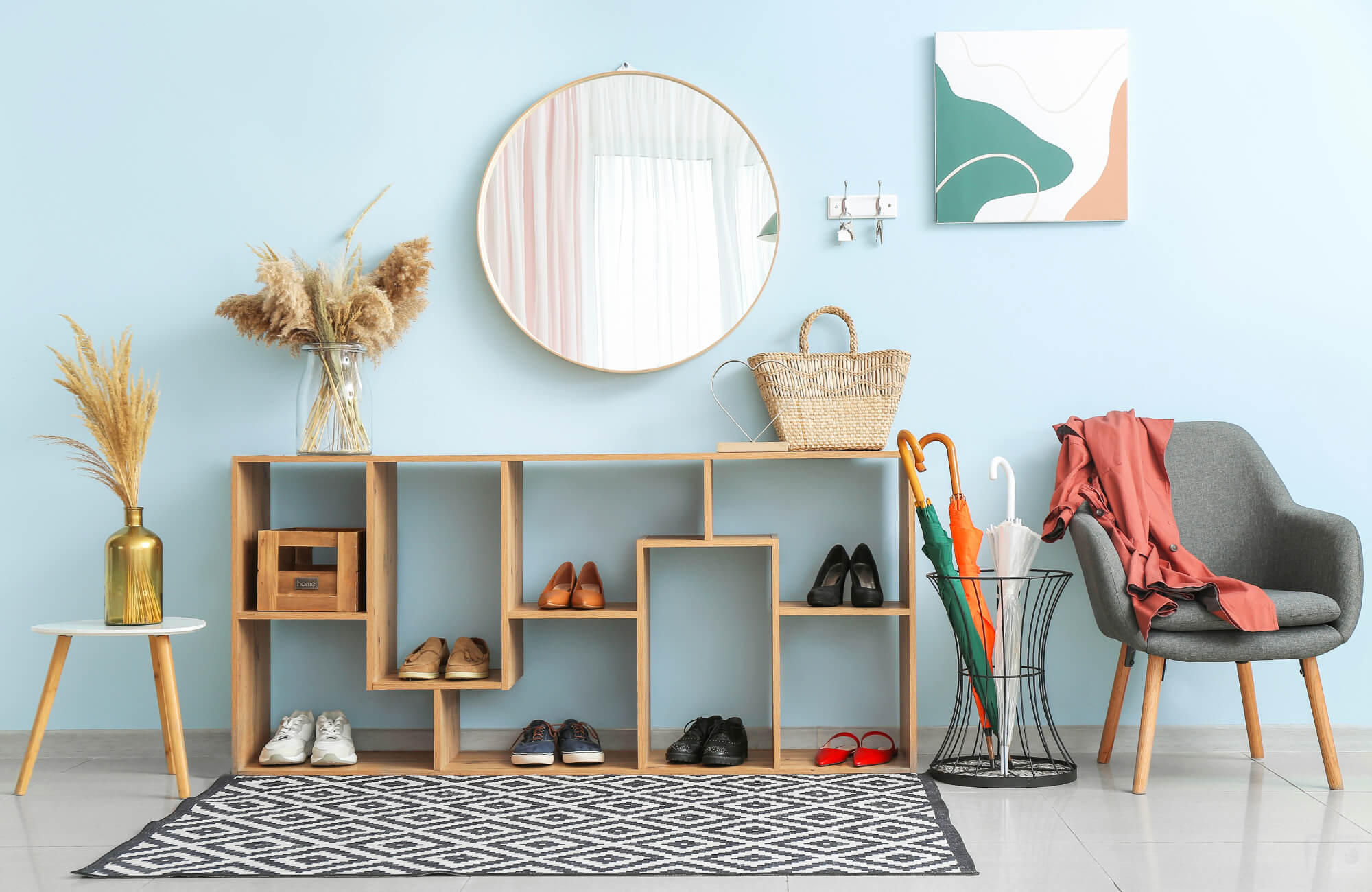
Mirrors are an easy design solution for spreading natural light across a hallway. When placed opposite or adjacent to windows, they bounce sunlight deeper into the space and create the illusion of width. For instance, a tall mirror at the end of a corridor can make the area feel longer and brighter at the same time. This approach works particularly well in narrow or enclosed hallways that don’t get direct light.
Glass Doors and Windows That Open Up the Space
Adding glass elements allows daylight to filter in from other rooms. Glass-paneled doors, sidelights, or interior windows bring brightness into hallways that might otherwise feel closed off. Even frosted or textured glass is effective, since it maintains privacy while still letting light pass through. As a result, the hallway feels connected to the rest of the home instead of isolated.
Light-Colored Paint and Finishes That Amplify Sunlight
Choosing lighter tones for walls, floors, and trim helps reflect the natural light that enters. Soft neutrals like white, cream, or pale gray amplify brightness, while matte or satin finishes scatter light without creating glare. For example, pairing light-painted walls with a pale floor runner can make even small hallways feel open. Keep in mind that natural variations in finish may affect how much light bounces, so selecting the right sheen is important.

Choosing the Right Fixtures for Hallways
The right fixtures are essential for keeping hallways bright, functional, and stylish. From sconces to recessed lights, each option serves a purpose in distributing illumination evenly and enhancing the design of the space.
Wall Sconces That Provide Even Coverage
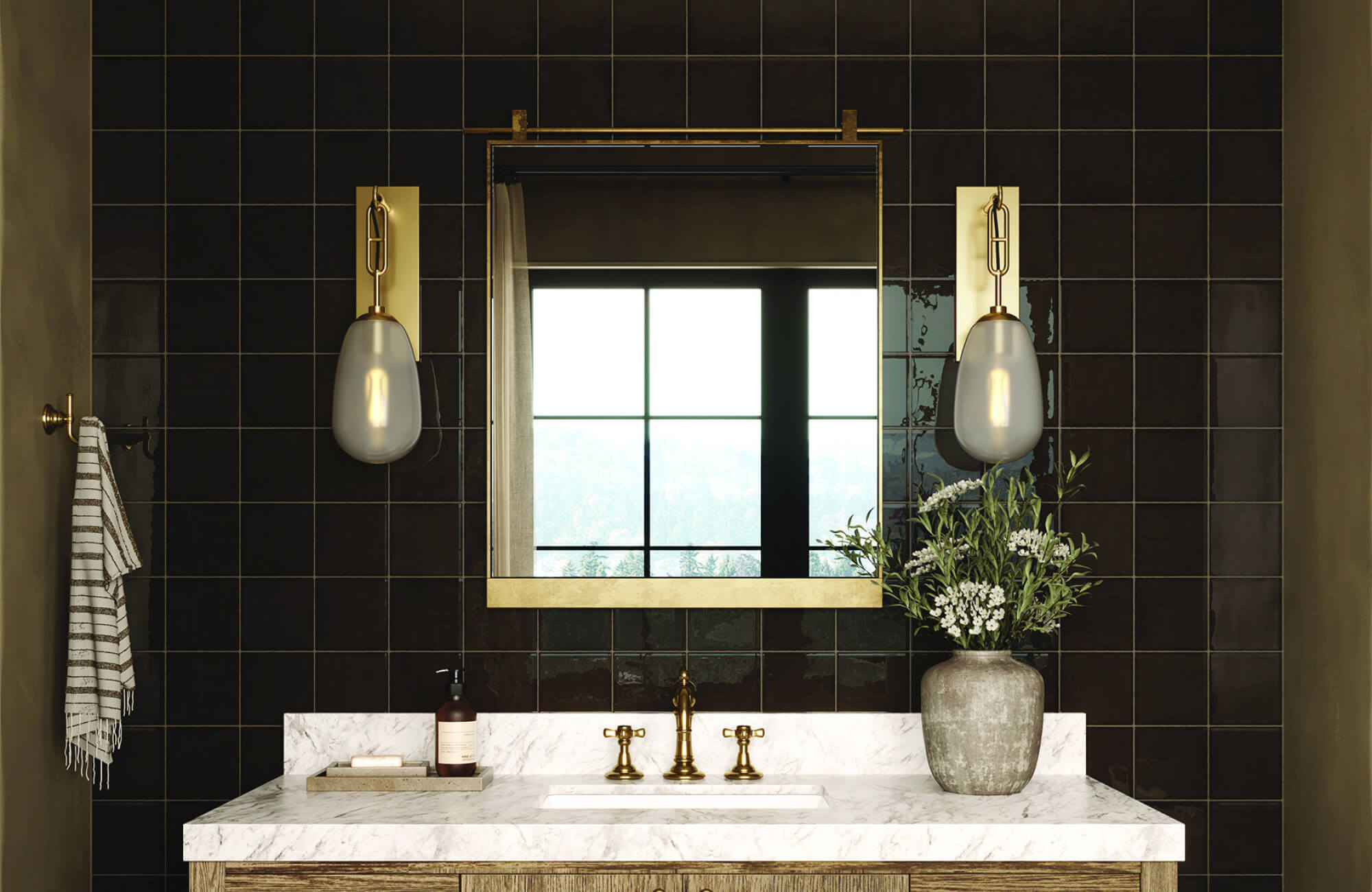
Wall sconces, such as our Fenton Wall Sconce in Light Antique Brass above, are one of the most effective ways to brighten hallways without overwhelming the space. Mounted at eye level, they spread light evenly along walls, reducing shadows and improving visibility. They’re also versatile, fitting well in both modern and traditional interiors. Because sconces free up ceiling space, they are particularly useful in low-clearance hallways that still need consistent lighting.
Overhead Lighting Options for Long Corridors
Overhead fixtures like flush mounts, chandeliers, and track lighting work especially well in longer hallways. Flush mounts give a clean, low-profile look while ensuring even coverage across the corridor. Chandeliers, if the ceiling height allows, add elegance and can become a design statement without sacrificing function. Track lighting, meanwhile, offers flexibility by letting you direct beams to specific spots or features. Together, these options keep long corridors bright, balanced, and visually appealing.
Recessed vs. Pendant Lights in Narrow Spaces
Recessed and pendant lights both serve narrow hallways well, though they create very different effects. Recessed lighting provides a streamlined look by tucking fixtures into the ceiling, making the space feel taller and more open. Pendant lights, on the other hand, add character and can serve as a design statement when ceilings are high enough to accommodate them. The choice depends on whether you want a minimal aesthetic or a touch of personality in your hallway lighting.
Accent Lighting to Highlight Artwork or Decor
Accent lighting turns a hallway into more than just a passage; it makes it a design feature. Small spotlights or picture lights can draw attention to artwork, family photos, or decorative niches. This not only adds brightness but also introduces depth and visual interest to the space. By layering accent lighting with sconces or overheads, you create a hallway that feels curated and personal rather than plain.

Bulb Choices That Brighten Without Harshness
The type of bulb you choose plays a major role in how your hallway feels. Color temperature, lumen output, and modern LED options all impact brightness and comfort, helping you avoid lighting that feels either too harsh or too dim.
Warm White Bulbs for a Welcoming Glow
Warm white bulbs, usually in the 2700K–3000K range, create a cozy and inviting atmosphere. They soften the look of a hallway and make the space feel more comfortable to walk through, especially during evening hours. This warmer tone also blends well with natural finishes like wood or neutral paint colors. For homes aiming for a relaxed, lived-in mood, warm whites are a reliable choice.
Neutral White for Balanced Illumination
Neutral white bulbs provide clarity without being overpowering, making them versatile for most hallways. Their balanced tone enhances visibility while still maintaining a comfortable glow. For instance, they work well in spaces where you want brightness for safety but not the starkness of cooler tones. Neutral white also adapts easily to different design styles, from modern to traditional.
LEDs for Energy Efficiency and Longevity
LED bulbs are an excellent option for both performance and cost savings. They consume far less energy than incandescent bulbs and last significantly longer, reducing the need for frequent replacements. LEDs also come in a wide range of color temperatures, giving you flexibility to choose the right tone for your hallway. While they may cost more upfront, their durability and efficiency make them a smart long-term investment.
Avoiding Overly Cool Tones That Feel Clinical
Cool white or bluish bulbs can make a hallway feel sterile and unwelcoming. They’re often associated with office or hospital environments, which isn’t the mood most homeowners want in their living spaces. In hallways, this tone can feel too sharp and take away from the comfort of the surrounding rooms. To keep your home feeling inviting, it’s best to avoid bulbs that lean too far into the blue spectrum.

Design Tricks to Enhance Brightness
Lighting isn’t the only factor that influences how bright a hallway feels. Surfaces, finishes, and design choices also play a big role in reflecting light and creating an open, airy atmosphere without relying solely on fixtures.
Reflective Surfaces That Bounce Light
Glossy or reflective finishes can significantly amplify brightness in a dark hallway. For example, a framed mirror, metallic accents, or polished furniture surfaces help scatter light across the space. These reflective details don’t need to be overwhelming; small touches make a big difference. When paired with thoughtful lighting, they add depth while making the hallway feel more open and welcoming.
Hallway Rugs and Flooring That Support Light Flow
Flooring choices contribute just as much to brightness as wall finishes. Light-toned rugs or pale flooring materials reflect light rather than absorb it, helping to carry illumination through the space. For instance, a soft cream or beige runner can brighten the floor plane while adding warmth and comfort. Just keep in mind that lighter textiles may show wear more quickly, so selecting durable options ensures both style and longevity.
Open Shelving and Minimalist Decor for Airiness
Clutter can make a hallway feel darker and more confined, which is why minimalist design works so well. Open shelving, narrow furniture, and carefully chosen accents allow light to travel more freely across the space. This approach creates a sense of airiness while still offering opportunities for personal touches like plants or framed photos. The result is a brighter hallway that feels intentional rather than crowded.
Contrasting Dark and Light Elements for Depth
Pairing dark and light surfaces creates visual interest while enhancing brightness. For instance, a dark-framed mirror on a pale wall reflects light while adding striking contrast. This balance prevents the hallway from feeling flat, making the space more dynamic without losing its openness. When used thoughtfully, its contrast highlights the brightness of lighter finishes and adds character to an otherwise narrow corridor.

Smart Lighting for Function and Flexibility
Smart lighting brings convenience, efficiency, and safety to hallways, making it a practical upgrade for modern homes. Instead of relying on manual switches, features like motion sensors, dimmers, and app-based controls adapt lighting to your needs. These systems not only make the hallway easier to navigate but also improve energy savings over time.
Motion-sensor lights are especially useful for safety and efficiency. They automatically activate when someone enters the hallway, ensuring the space is never left dark or unsafe. This is particularly helpful at night when family members move between rooms or when guests aren’t familiar with the layout. By turning off when no one is present, motion sensors also reduce unnecessary energy use, offering peace of mind and savings.
Dimmers add another layer of control by allowing brightness levels to shift throughout the day. During daylight hours, you can keep the lights low to complement natural light, while in the evening, higher brightness ensures safe passage. This adaptability prevents harsh glare while still offering enough illumination for visibility. The flexibility of dimmers makes them an appealing choice for households that value both function and comfort.
App-controlled smart systems take convenience even further by putting control at your fingertips. Whether through a smartphone or a voice assistant, these systems let you adjust brightness, schedule lighting, or even simulate occupancy when you’re away. This technology not only improves everyday functionality but also adds a layer of security. With the right setup, smart hallway lighting becomes an effortless way to combine safety, energy efficiency, and modern style.

Making Dark Hallways Feel Welcoming and Stylish
Lighting in hallways should be more than functional; it should also complement the overall look of your home. When chosen thoughtfully, fixtures can coordinate with interior design themes and help the hallway feel like a natural part of the space rather than just a passage. This balance between style and practicality turns an often-overlooked area into one that contributes to your home’s personality.
One way to achieve this is by matching fixtures to your existing interior style. Sleek sconces or recessed lights pair well with modern spaces, while chandeliers or lantern-inspired pieces bring character to traditional or rustic homes. The goal is to create visual harmony, where lighting feels like an intentional design choice instead of a simple necessity. This coordination enhances the flow from one room to another, making the entire home feel more cohesive.
Accent lighting is another tool for giving hallways personality. Small spotlights, picture lights, or LED strips can highlight artwork, photos, or architectural details along the corridor. These touches brighten the space while reflecting your taste and individuality. Instead of feeling like a transitional zone, the hallway becomes an area where personal stories and design preferences shine through.
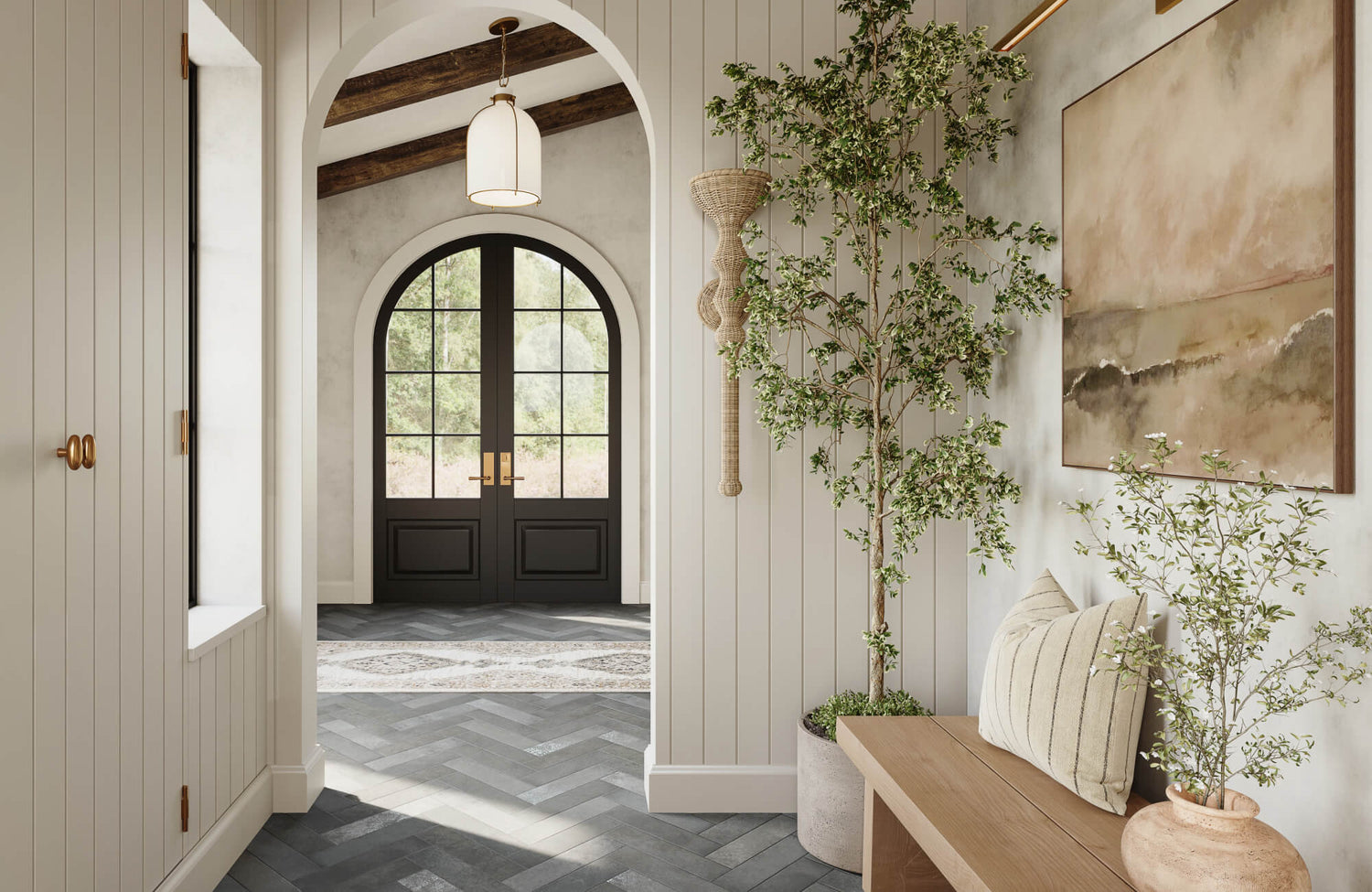
At the same time, style should never come at the expense of safety. Blending aesthetic appeal with proper illumination ensures that hallways remain easy to navigate while still looking polished. Fixtures, such as our Kylie Lantern In Vintage Gold Leaf above, that provide ample coverage while offering decorative detail strike this balance naturally. When safety and design work hand in hand, the result is a hallway that feels both practical and welcoming.
A Hallway That Works and Welcomes
There’s something satisfying about stepping into a hallway that feels bright, safe, and thoughtfully designed. Instead of being an afterthought, the space becomes part of the home’s character, guiding you with light while offering a glimpse of style along the way. These subtle shifts, whether through reflective finishes, layered lighting, or smart controls, create an atmosphere that feels intentional every time you pass through.
If you’re ready to bring this feeling into your own home, a professional design consultation can help you shape the details with confidence. From choosing the right fixtures to aligning them with your interior style, expert guidance ensures the hallway supports both your safety and your aesthetic vision.