
)
)
)
)
)
)
)
)
Do People Still Use Wallpaper In Their Homes?
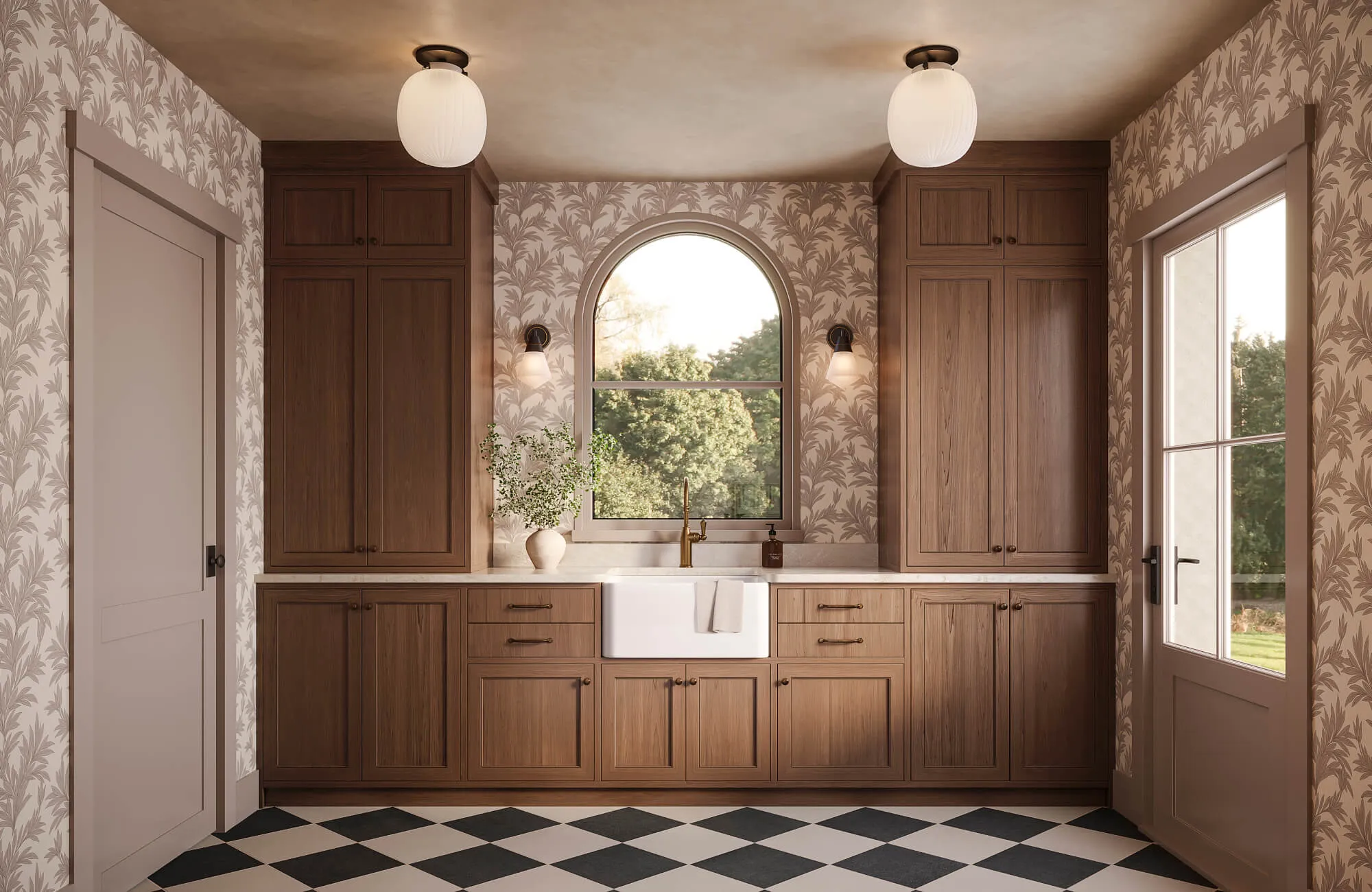
Wallpaper has long been associated with traditional interiors, yet its role in modern homes has evolved in ways many homeowners may not expect. Once dismissed as outdated, it is now being reintroduced as a sophisticated design solution that combines visual impact with practical performance. As interior styles continue to shift toward more personalized and expressive spaces, wallpaper has reemerged as a compelling alternative to conventional wall finishes.
Today, homeowners and designers alike are exploring how wallpaper can enhance different areas of the home, from subtle textural backdrops to bold statement features. With advancements in materials, ease of installation, and a wider range of design options, it offers a level of versatility that extends far beyond its past reputation. Understanding how wallpaper fits into contemporary living not only clarifies its renewed popularity but also helps determine whether it is the right choice for your space.
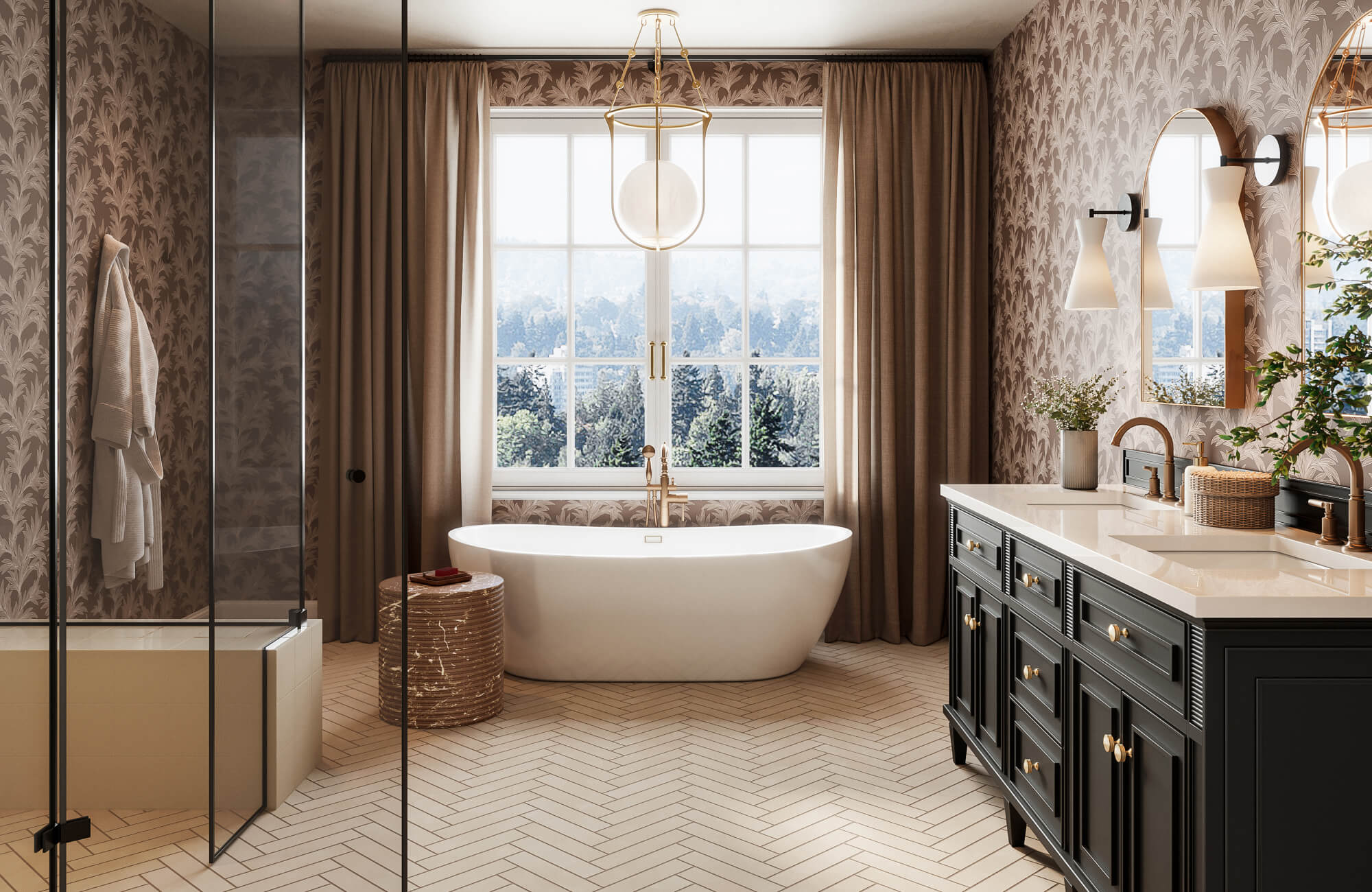
The Evolution of Wallpaper in Modern Interiors
Wallpaper has shifted from a dated design choice to a contemporary statement piece, adapting to changing tastes and technologies. Understanding its evolution helps explain why it remains relevant today.
From Traditional Prints to Modern Designs
Historically, wallpaper was defined by ornate motifs such as damasks, florals, and baroque-inspired patterns, often produced through labor-intensive block printing or screen printing techniques. These designs were closely tied to classical European interiors, where symmetry and embellishment were central to the aesthetic. Over time, however, design preferences began to shift toward simplicity and versatility, paving the way for more restrained patterns and contemporary expressions.
Today’s wallpaper reflects a broader design language that includes geometric compositions, abstract graphics, and subtle textural effects. Advancements in digital printing technology have played a pivotal role in this transformation, enabling high-resolution imagery, intricate detailing, and virtually limitless customization. Designers can now replicate natural materials, create large-scale murals, or develop bespoke patterns tailored to specific spaces, allowing wallpaper to function not just as a decorative layer but as an integral component of interior architecture.
The Role of Technology in Wallpaper Innovation
Technological innovation has significantly improved both the performance and usability of wallpaper, making it more adaptable to modern living environments. One of the most notable developments is the introduction of peel-and-stick or self-adhesive wallpaper, which eliminates the need for traditional paste and simplifies installation. This format is particularly appealing for renters or those seeking temporary design solutions, as it can be removed with minimal surface damage.
In addition to ease of application, material engineering has enhanced durability and maintenance. Many contemporary wallpapers are manufactured with vinyl coatings or non-woven backings, making them resistant to moisture, stains, and abrasion. Washable and scrubbable finishes are now standard in many product lines, allowing wallpaper to be used confidently in kitchens, bathrooms, and other busy areas. Furthermore, the growing emphasis on sustainability has led to the development of eco-friendly options, including wallpapers made with water-based inks, recycled fibers, and low-VOC adhesives, aligning with environmentally conscious design practices.
Why Wallpaper Fell Out of Favor and Came Back
Wallpaper experienced a decline in popularity during the late 20th century, largely due to changing design trends and practical concerns. The rise of minimalism in the 1980s and 1990s favored clean, unadorned walls, with paint becoming the preferred finish for its simplicity and ease of application. At the same time, older generations of wallpaper were often difficult to remove, leading to long-term maintenance challenges that discouraged widespread use.
Its resurgence in recent years can be attributed to a convergence of cultural and technological factors. The influence of digital platforms has exposed homeowners and designers to a wider range of interiors, encouraging more expressive and individualized design choices. Wallpaper, with its ability to introduce pattern, texture, and narrative, has become a powerful tool for creating distinctive spaces. Additionally, improvements in material quality and installation methods have addressed many of the drawbacks associated with earlier products, making wallpaper a practical and appealing option once again.
Why Homeowners Are Choosing Wallpaper Today
Modern homeowners are rediscovering wallpaper for its ability to transform spaces quickly and creatively. Its appeal lies in both aesthetics and functionality, offering design flexibility that aligns with contemporary lifestyles and evolving interior trends.
Creating Statement Walls Without Major Renovation
Wallpaper provides an efficient way to introduce visual impact without the need for structural modifications or extensive remodeling. By applying wallpaper to a single feature wall, homeowners can instantly establish a focal point that anchors the room’s design. This approach is particularly effective in living rooms, where a patterned wall behind a sofa can define the seating area, or in bedrooms, where wallpaper placed behind the headboard adds depth and dimension.
Unlike permanent architectural changes, wallpaper allows for targeted design interventions that can be executed with minimal disruption. It also enables experimentation with bold patterns or large-scale prints that might feel overwhelming if applied to an entire room. This controlled application makes wallpaper an ideal solution for those seeking a high-impact transformation with relatively low commitment in terms of time, cost, and labor.
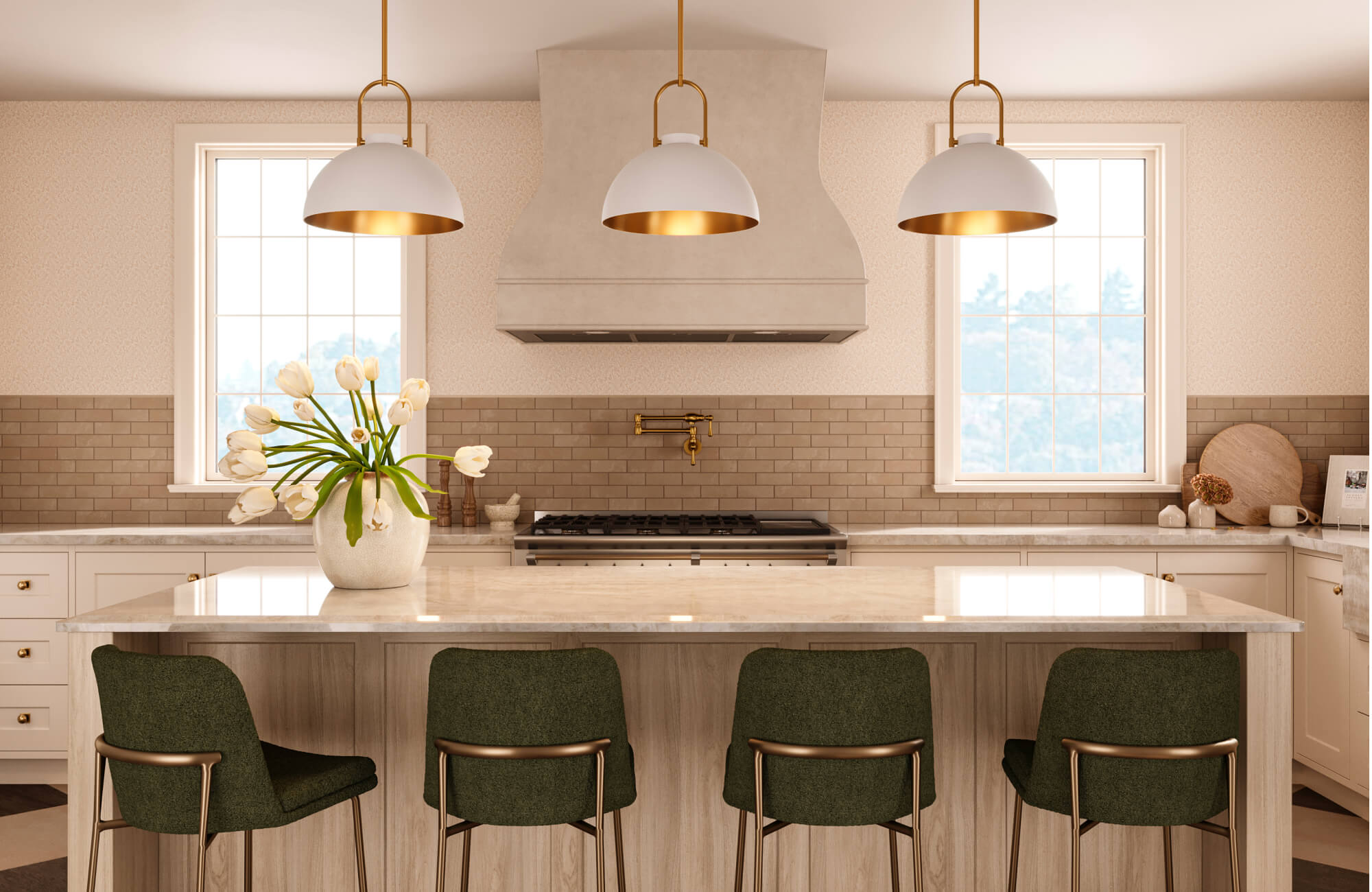
As seen in the image above, Strafford Wallpaper in Tan II, 52" x 132" works beautifully as a soft statement surface in a kitchen, where its soft white base and delicate light brown botanical motif add depth without competing with the room’s key design elements. In this setting, the wallpaper connects seamlessly with the warm neutral cabinetry, beige backsplash, marble look surfaces, and brass accents, proving how a subtle pattern can still bring character and refinement to a highly functional space.
Personalization and Expression Through Design
One of the most compelling reasons homeowners are turning to wallpaper is its capacity for personalization. With an extensive range of designs available, from intricate botanicals to contemporary abstract compositions, wallpaper allows individuals to curate spaces that reflect their unique tastes and lifestyles. This level of customization extends beyond off-the-shelf options, as many manufacturers now offer bespoke printing services that enable the creation of custom murals, photographic imagery, or brand-specific patterns.
In practice, this means a homeowner can transform a blank wall into a narrative surface, whether by incorporating scenic landscapes in a dining area or playful motifs in a child’s room. The ability to tailor scale, color palette, and pattern repetition ensures that wallpaper can be precisely aligned with the overall design scheme. As a result, it becomes not just a decorative finish, but a medium for storytelling and identity within the home.
Practical Benefits Beyond Aesthetics
Beyond its visual appeal, wallpaper offers several functional advantages that contribute to its growing popularity. Modern wallpaper materials, particularly those with non-woven or vinyl compositions, are engineered for durability and resistance to wear, making them suitable for both residential and semi-commercial environments. Many products are also designed to be washable or scrubbable, allowing for easy maintenance in areas prone to spills or contact.
Additionally, wallpaper can effectively conceal minor surface imperfections such as hairline cracks, uneven plaster, or patched areas that might otherwise require extensive preparation before painting. In comparison to paint, which often requires multiple coats and precise surface priming, wallpaper can provide more consistent coverage with a single installation. Although paint remains a flexible and cost-effective option, wallpaper offers greater longevity in terms of pattern retention and surface resilience, making it a practical choice for homeowners seeking both performance and design impact.
Popular Wallpaper Styles and Trends Today
Wallpaper trends today reflect a wide range of design preferences, from subtle textures to bold artistic statements. These styles cater to both modern and traditional homes, allowing designers and homeowners to tailor interiors with precision and creativity.
Nature-Inspired and Botanical Prints
Nature-inspired wallpaper continues to be a dominant trend, driven by a growing desire to create calming, restorative environments indoors. Designs often feature layered florals, tropical foliage, and panoramic landscape murals that introduce organic movement and visual softness to a space. These patterns frequently incorporate muted greens, earthy browns, and soft neutrals, reinforcing a connection to the natural world.
Such wallpapers are particularly effective in bedrooms, reading nooks, and living areas where relaxation is a priority. When applied thoughtfully, they can function as immersive backdrops that enhance biophilic design principles. Large-scale botanical prints, for instance, can create a sense of enclosure and intimacy, while more delicate, repeating motifs offer a lighter, more subtle decorative layer.
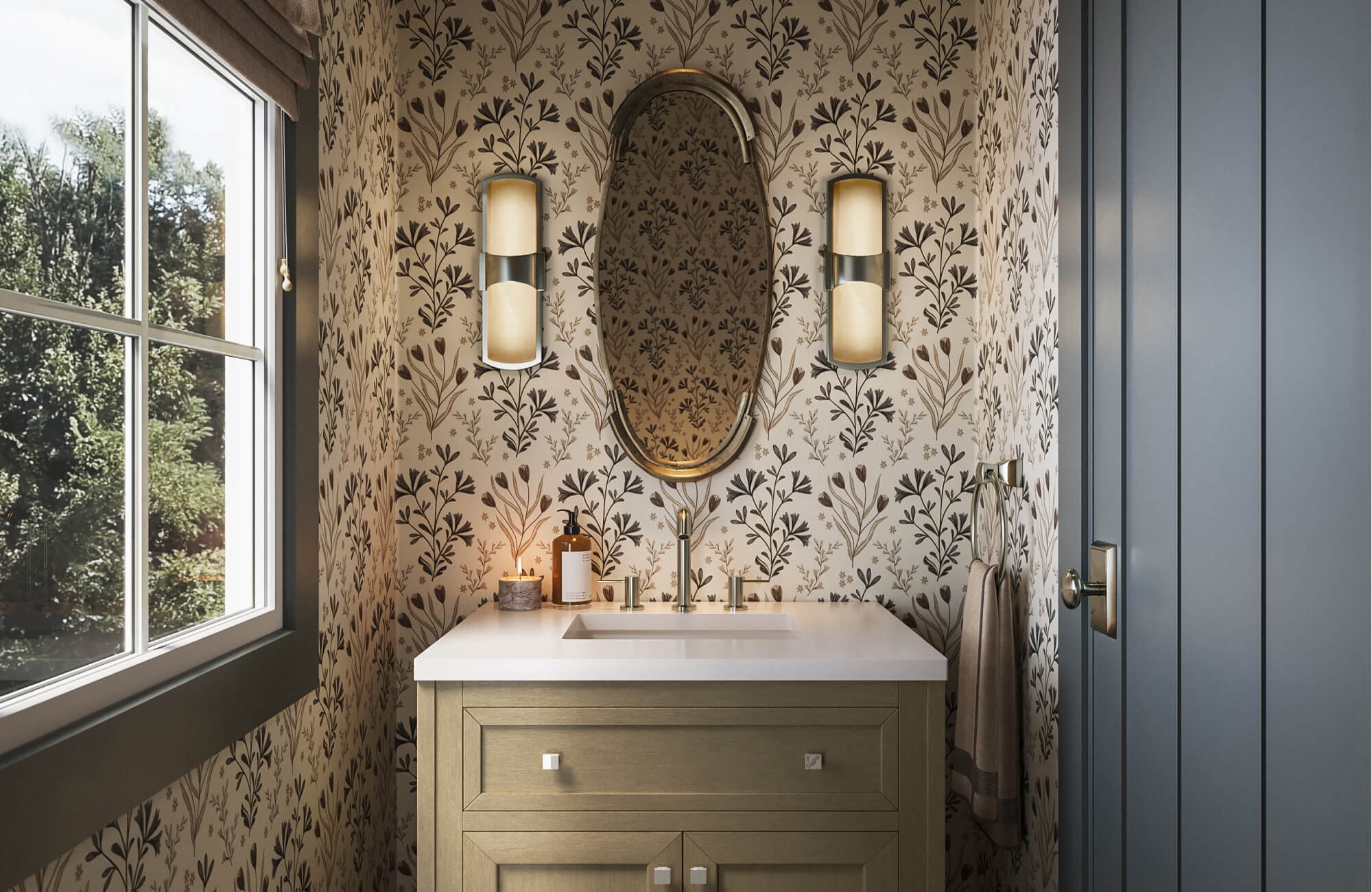
Displayed in the photo above, the Botanique Wallpaper in Winter, 52" x 132" brings this concept to life through its refined, botanical pattern and soft neutral palette. In this powder room setting, the wallpaper wraps the walls in a continuous, nature-inspired motif that enhances the room’s verticality while maintaining a sense of warmth and intimacy. The delicate contrast between the creamy backdrop and earthy brown detailing pairs effortlessly with the light wood vanity, brushed metal fixtures, and soft lighting, creating a cohesive and serene atmosphere. Designed in an extra-wide format to minimize seams and printed on a durable, lightly textured surface, it offers both visual elegance and practical performance—making it especially well-suited for smaller, busy spaces like bathrooms.
Textured and Faux-Finish Wallpapers
Textured and faux-finish wallpapers are designed to replicate the tactile and visual qualities of materials such as stone, wood, linen, or plaster, without the structural complexity or cost associated with the real materials. Advances in embossing and printing techniques allow for highly realistic surface simulations, often incorporating raised patterns or matte-gloss contrasts to mimic depth and irregularity.
These wallpapers are commonly used to introduce architectural interest in spaces lacking built-in texture. For example, a faux concrete finish can reinforce an industrial aesthetic in a loft, while a linen-effect wallpaper adds softness and refinement to a formal living room. By layering visual texture onto flat surfaces, these designs enhance spatial richness without increasing material weight or installation complexity.
Minimalist and Neutral Designs
Minimalist wallpaper styles emphasize restraint, focusing on tonal variation, fine-scale patterns, and a limited color palette. Soft hues such as off-white, beige, warm gray, and pale taupe are often used to create a cohesive and understated backdrop that supports rather than dominates the overall design scheme. Subtle geometric repeats, linear textures, or barely perceptible motifs also provide visual interest without overwhelming the space.
These designs are particularly well-suited to Scandinavian and contemporary interiors, where clarity, balance, and material harmony are key. In such settings, wallpaper serves as a refined surface treatment that enhances light diffusion and spatial continuity. Rather than acting as a focal point, it contributes to a layered, cohesive environment where every element is carefully calibrated. Edward Martin’s Strafford Wallpaper in Taupe II, 52" x 132" exemplifies this approach with its soft neutral ground and delicate botanical pattern, offering just enough movement to enrich a space without disrupting its calm, minimalist aesthetic. Its warm taupe tones also integrate effortlessly with natural materials like wood, stone, and linen, making it an ideal choice for interiors that prioritize subtle texture and quiet sophistication.
Bold Graphics and Artistic Murals
At the opposite end of the spectrum, bold graphic wallpapers and artistic murals are used to create strong visual statements. These designs often feature oversized patterns, high-contrast color schemes, or abstract compositions that command attention and define the character of a room. With the rise of digital printing, it is now possible to produce large format murals with precise detail, transforming entire walls into curated works of art. This style is particularly effective in feature walls, creative studios, dining areas, or hospitality-inspired spaces where a sense of drama is desired. When used strategically, bold wallpaper can anchor a room’s design narrative, reducing the need for additional decorative elements. However, careful consideration of scale, proportion, and surrounding furnishings is essential to maintain visual balance and prevent the space from feeling overwhelming.
For those looking to introduce an immersive, art-driven focal point, Hillrise Mural Wallpaper, 312" x 132" offers a refined interpretation of large-scale wall design. Its sweeping, landscape-inspired composition spans the full width of a wall, creating depth and visual continuity while drawing the eye across the space. The mural’s painterly detail and balanced palette also allow it to make a statement without overpowering surrounding elements, making it a sophisticated choice for interiors that seek both drama and cohesion.
Where Wallpaper Works Best in the Home
Wallpaper can be used strategically throughout the home to enhance different spaces. Its placement plays a key role in achieving the desired effect, influencing how each room is experienced both visually and functionally.
Living Rooms and Bedrooms
In living rooms and bedrooms, wallpaper is most effective when used to establish a clear focal point that anchors the layout. Common placements include the wall behind a sofa or the headboard wall in a bedroom, where the pattern can frame key furniture pieces and create a sense of structure. Selecting the appropriate scale is also essential; large-scale patterns or murals work well in spacious rooms with higher ceilings, while smaller, more intricate designs are better suited for compact areas where visual balance is critical.
Color selection should be aligned with the room’s overall palette and intended atmosphere as well. Softer tones and layered neutrals can create a restful environment in bedrooms, while deeper hues or subtle contrasts can add sophistication to living areas. Integrating options like Plateau Wallpaper in Grey I, 52" x 132", with its understated pattern and balanced neutral tones, can enhance this cohesion by introducing gentle texture without overpowering the space. By coordinating wallpaper like this with textiles, upholstery, and finishes, it becomes an integrated design element rather than a standalone feature.
Kitchens and Bathrooms
Kitchens and bathrooms require a more technical approach to wallpaper selection due to exposure to moisture, heat, and frequent cleaning. In these environments, it is essential to choose wallpapers with vinyl coatings or non-woven substrates that offer water resistance and durability. Proper installation, including sealed seams and appropriate adhesives, further ensures long-term performance in humid conditions.
Strategically, wallpaper is often applied in areas where it can deliver maximum impact without compromising functionality. In kitchens, this may include a feature wall within a breakfast nook or above cabinetry, while in bathrooms, powder rooms offer an ideal setting for more expressive designs. When used thoughtfully, wallpaper can introduce pattern and depth into these utilitarian spaces, elevating them beyond purely functional zones.
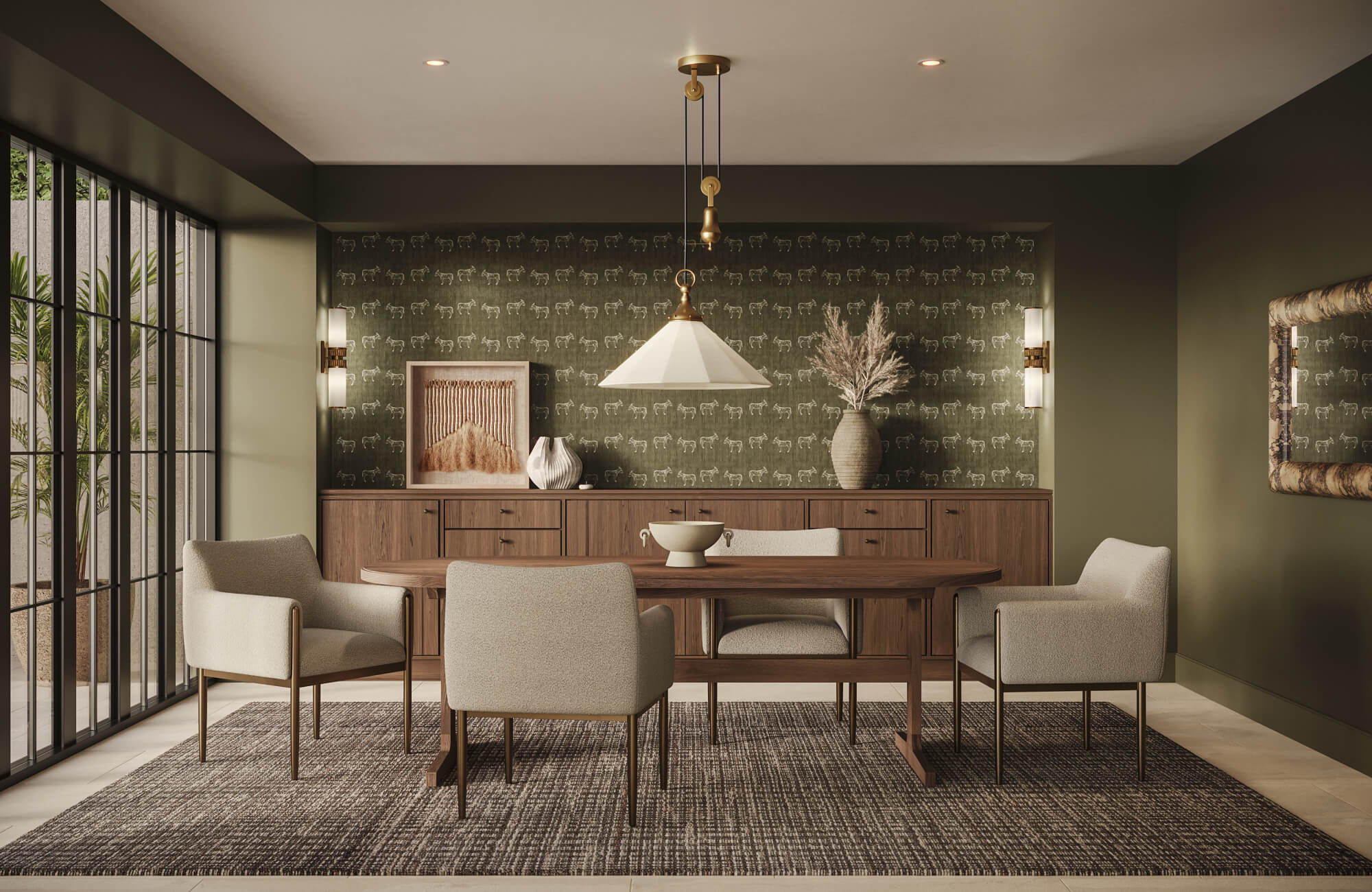
Edward Martin’s Brocade Wallpaper in Olive II, 52" x 132" is particularly well-suited for these environments due to its high-performance material composition. Digitally printed on lightly textured DreamScape Terralon, it offers excellent resistance to moisture, humidity, and everyday wear, making it a reliable choice for kitchens and bathrooms. Its scrubbable finish also allows for easy maintenance in areas prone to splashes and spills, while the sturdy backing supports long-term adhesion even in fluctuating temperatures. This combination of resilience and refined texture ensures that the wallpaper maintains both its appearance and performance in demanding, busy spaces.
Hallways and Entryways
Hallways and entryways serve as transitional spaces, yet they present valuable opportunities for design expression. Wallpaper can transform these areas by introducing visual continuity and guiding movement through the home. In narrower corridors, vertically oriented patterns or subtle stripes can create the illusion of height, while lighter color palettes help maintain a sense of openness.
In entryways, wallpaper can also set the tone for the entire interior, offering a first impression that reflects the home’s overall design direction. Incorporating options like Downland Wallpaper in Taupe II, 52" x 132", with its soft neutral tones and gently layered pattern, can enhance this effect by adding quiet texture and visual interest without overwhelming the space. Whether through refined textures or more decorative motifs, the use of wallpaper in these spaces adds depth and character, turning otherwise overlooked areas into intentional design moments.
Small Spaces and Unexpected Areas
Applying wallpaper in smaller or unconventional areas allows for creative expression without overwhelming the overall design. Spaces such as closets, alcoves, and even ceilings can benefit from the introduction of pattern and texture, creating moments of visual interest that contrast with more restrained surrounding areas. This approach is particularly effective for incorporating bolder designs that might feel excessive if used more broadly.
Ceiling applications, often referred to as the “fifth wall,” can add dimension and draw the eye upward, enhancing the perception of height. Similarly, lining the interior of shelving units or cabinetry with wallpaper introduces a layered effect that elevates everyday storage elements. By thoughtfully incorporating wallpaper into these less expected locations, homeowners can achieve a more nuanced and curated interior environment.
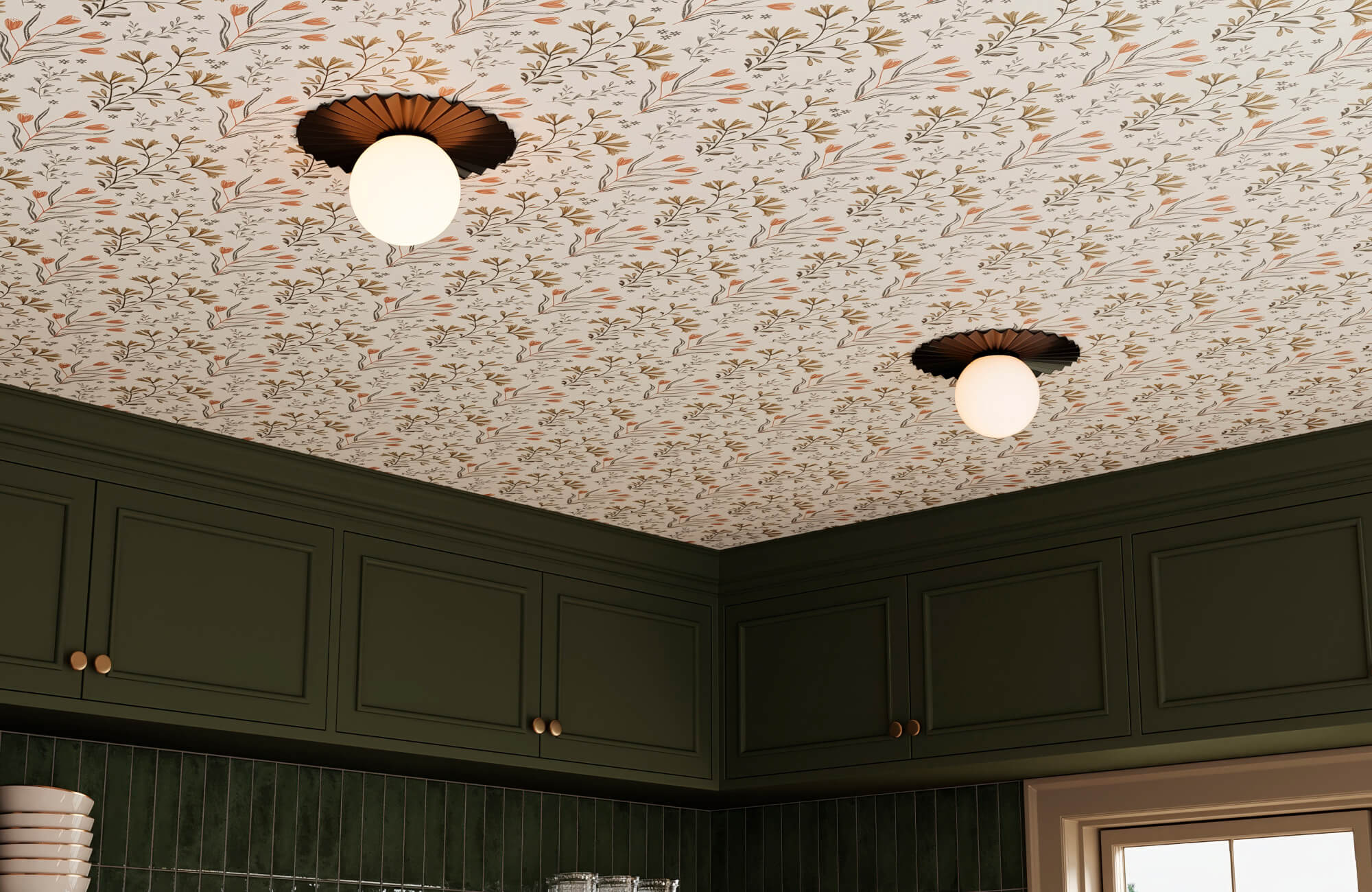
As displayed in the picture above, the Botanique Wallpaper in Fall, 52" x 132" transforms the ceiling into a striking focal point, introducing a warm, nature-inspired pattern that contrasts beautifully with the deep green cabinetry and tiled walls below. The delicate botanical motif in soft autumnal tones brings movement and visual texture overhead, drawing the eye upward while adding depth and character to the space. This unexpected placement highlights how wallpaper can redefine overlooked surfaces, turning them into intentional design features that enrich the overall atmosphere.
Common Concerns About Wallpaper and How to Address Them
Despite its resurgence, some homeowners still hesitate to use wallpaper due to past experiences or misconceptions. Addressing these concerns helps build confidence and allows for more informed decisions when incorporating wallpaper into modern interiors.
Is Wallpaper Hard to Remove
One of the most common concerns stems from older wallpaper products that were difficult to strip and often damaged underlying surfaces. Modern wallpaper, however, is engineered with improved backing materials such as non-woven substrates that allow for cleaner removal. Many contemporary options are designed to be “strippable,” meaning they can be removed in full sheets without excessive scraping or chemical treatments.
Peel-and-stick wallpaper further simplifies the process, as it adheres without paste and can be repositioned or removed with minimal residue. For best results, proper wall preparation during installation, such as priming the surface, can significantly ease future removal. These advancements have made wallpaper a far more flexible and user-friendly option than in previous decades.
Will It Go Out of Style Quickly
Concerns about wallpaper becoming outdated are valid, particularly given the prominence of bold patterns and trend-driven designs. However, this risk can be managed through thoughtful selection and placement. Opting for timeless motifs such as subtle geometrics, textured neutrals, or classic patterns can ensure longevity and adaptability across evolving design trends.
Another effective strategy is to limit wallpaper to specific areas, such as feature walls, powder rooms, or smaller spaces. This approach allows homeowners to experiment with more expressive designs without committing to a full-room application. By balancing trend-forward elements with classic design principles, wallpaper can remain relevant and visually appealing over time.
Is Wallpaper Suitable for Busy Households
For households with children, pets, or high levels of daily activity, durability is a key consideration. Modern wallpaper materials address this concern through enhanced performance characteristics. Vinyl-coated, terralon and scrubbable wallpapers are specifically designed to withstand frequent contact, making them suitable for hallways, family rooms, and other busy areas.
Maintenance is also more straightforward than many assume. Most washable wallpapers can be cleaned with a damp cloth and mild detergent, allowing for easy removal of marks or stains. Selecting the appropriate finish—such as a more durable, high-performance grade—ensures that wallpaper can maintain its appearance even under demanding conditions. With the right material choice and care, wallpaper can be both a practical and resilient solution for busy homes.
Wallpaper Remains a Relevant Choice for Modern Homes
Wallpaper is still widely used in homes today, not as a relic of past design trends but as a refined and adaptable interior element. Through advancements in technology, a broader range of styles, and improved durability, it now serves both aesthetic and functional purposes across various spaces. Whether applied as a subtle backdrop or a defining feature, wallpaper allows homeowners to create more intentional and personalized environments. As a result, it continues to hold a meaningful place in modern interior design, offering a balance of creativity, practicality, and lasting visual appeal.
For those considering wallpaper as part of their design approach, having expert guidance can make the selection process more seamless and effective. Whether you need help choosing the right material, pattern, or application for your space, our team at Edward Martin is available to assist. Visit our contact page to connect with a specialist and explore solutions tailored to your specific design goals!
Follow us on Instagram
@EDWARD.MARTIN
)
)
)
)
)
)
)
)
)
)
)
)
)
)
)
)