When selecting ceramic tiles for your home, it's easy to fall in love with their crisp lines, durable finish, and classic appeal. But one question we often hear is: do ceramic tiles need grout? As tile experts, we understand how thoughtful design can transform a space, and grout plays a bigger role than most people realize. In this article, we’ll walk you through why grout matters, when it can be scaled back, and how the right installation technique makes all the difference.

How Grout Works Behind the Scenes
At first glance, grout might seem like nothing more than the material that fills the gaps between ceramic tiles. But there’s a lot more going on beneath the surface, and understanding how grout functions can help you make smarter, more confident choices when planning your tile layout.
It Holds Everything in Place
Grout helps keep your ceramic tiles firmly in position. It stabilizes the entire surface, preventing tiles from shifting as weight is applied. Without it, tiles are more likely to move or loosen over time, especially in busy areas like kitchens or entryways. That subtle movement can eventually lead to lifted edges or even cracked tiles.
It Creates a Moisture-Resistant Barrier
If you've ever noticed tiles coming loose in a shower or mold forming in the corners, chances are the grout is either missing or breaking down. That’s because grout acts as a protective seal, keeping moisture from reaching the adhesive beneath the tiles. When applied properly, it not only helps prevent mold and mildew but also makes everyday cleaning much simpler, especially in damp, humid spaces like bathrooms and kitchens.
It Corrects Natural Tile Variations
Even with the most precise manufacturing, ceramic tiles can have slight differences in size and shape. This is where grout plays an important role; it absorbs those tiny inconsistencies, helping the overall layout appear clean and consistent. Without grout, you’d likely notice uneven edges or corners that don’t quite line up. By filling in those subtle gaps, grout also brings everything together, giving your installation that smooth, professional finish.

When Going Grout-Free Sounds Tempting
Grout isn’t just a finishing detail; it also plays a big part in how your space looks and feels. From bathrooms to accent walls, the way a ceramic tile and grout work together should reflect both the room’s purpose and your style. To make that easier, our AR tool lets you preview tile and grout combinations directly in your space. Whether you're experimenting with soft neutrals for a calming bathroom or testing bold contrasts in the kitchen, you can see how everything comes together before making a final choice. It’s a simple way to bring your design ideas to life with more confidence.
Seamless Isn’t Literal
Even with rectified tiles that have precise, machine-cut edges, a small joint is still necessary. That minimal gap allows for the natural movement and expansion that every room experiences with changes in temperature or humidity. Without it, pressure has nowhere to go, which can eventually lead to cracked tiles or pieces shifting out of place.
It Increases Structural Risk
Skipping grout doesn’t just change the appearance of your tile; it can also lead to more serious problems underneath. Without that protective barrier, moisture can find its way into the tiniest spaces between ceramic tiles, slowly degrading the adhesive that keeps everything in place. As time goes on, this compromises the stability of the entire installation. So, while the idea may be to achieve a sleeker finish, the reality is often reduced durability and potential safety issues.
Minimal Grout Is an Option
If you're aiming for a cleaner, more streamlined look, consider using color-matched, fine-line grouting. This approach keeps grout lines subtle and nearly invisible from a distance, while still offering the structural support and moisture protection ceramic tiles need. It’s also an ideal way to achieve a refined, cohesive finish that doesn’t sacrifice function for style.
A beautiful example of this design strategy is Edward Martin’s Bryce 2x5 Satin Ceramic Picket Mosaic in Sand, featured in the photo above. Its elongated hexagon shape adds gentle dimension to the wall, while the soft, sand-toned grout blends seamlessly into the tile surface. Together, they create a calm, modern backdrop that feels intentional and elegant, proving that less grout visibility can still deliver plenty of visual impact.

Choosing the Right Grout for Your Space
Grout isn’t a one-size-fits-all solution. Each type is designed for a specific purpose. Understanding which grout best suits your space is essential for achieving a durable, long-lasting finish.
Sanded and Unsanded Grout
Sanded and unsanded grouts are designed for different applications, particularly when it comes to joint width. Sanded grout contains fine particles that provide extra strength, making it ideal for wider joints and areas that see regular use. In contrast, unsanded grout has a smoother texture, which makes it better suited for narrow joints and vertical surfaces like shower walls or backsplashes. Choosing the right type ensures both a clean finish and lasting performance.
Epoxy Grout
Epoxy grout is a reliable choice in spaces where stains, spills, and moisture are a constant concern. Unlike traditional grout, it doesn’t absorb water, which makes it especially well-suited for kitchens, laundry rooms, and commercial environments. Although it demands greater care and precision during installation, the long-term benefits, including exceptional durability and low maintenance, make it well worth the effort.
Stain-Resistant and Pre-Mixed Options
If you’re looking for a more convenient, modern approach, stain-resistant and pre-mixed grouts are excellent choices. These ready-to-use formulas not only cut down on mess but also ensure consistent color and texture throughout your project. They’re especially helpful for smaller DIY installations or when you want to reduce maintenance without sacrificing quality.

Where Grout Meets Design in Real Spaces
Grout isn’t merely a construction detail, it’s a design element that also plays a key role in shaping how your space looks, feels, and functions. From bathrooms to accent walls, the way tile and grout come together should align with the purpose and the atmosphere you want to create.
Bathroom Applications Demand Resilience
In bathrooms, performance is just as important as appearance. These spaces are regularly exposed to moisture, from steamy showers and soaking baths to frequent handwashing at the sink. That constant exposure makes grout selection an important part of the design process. Depending on your needs, a water-resistant grout, such as epoxy or a properly sealed cement-based option, can also be a suitable choice. When used with durable ceramic tiles, this pairing may help reduce the risk of mildew buildup, grout discoloration, and tile movement over time, contributing to a surface that’s both functional and long-lasting.
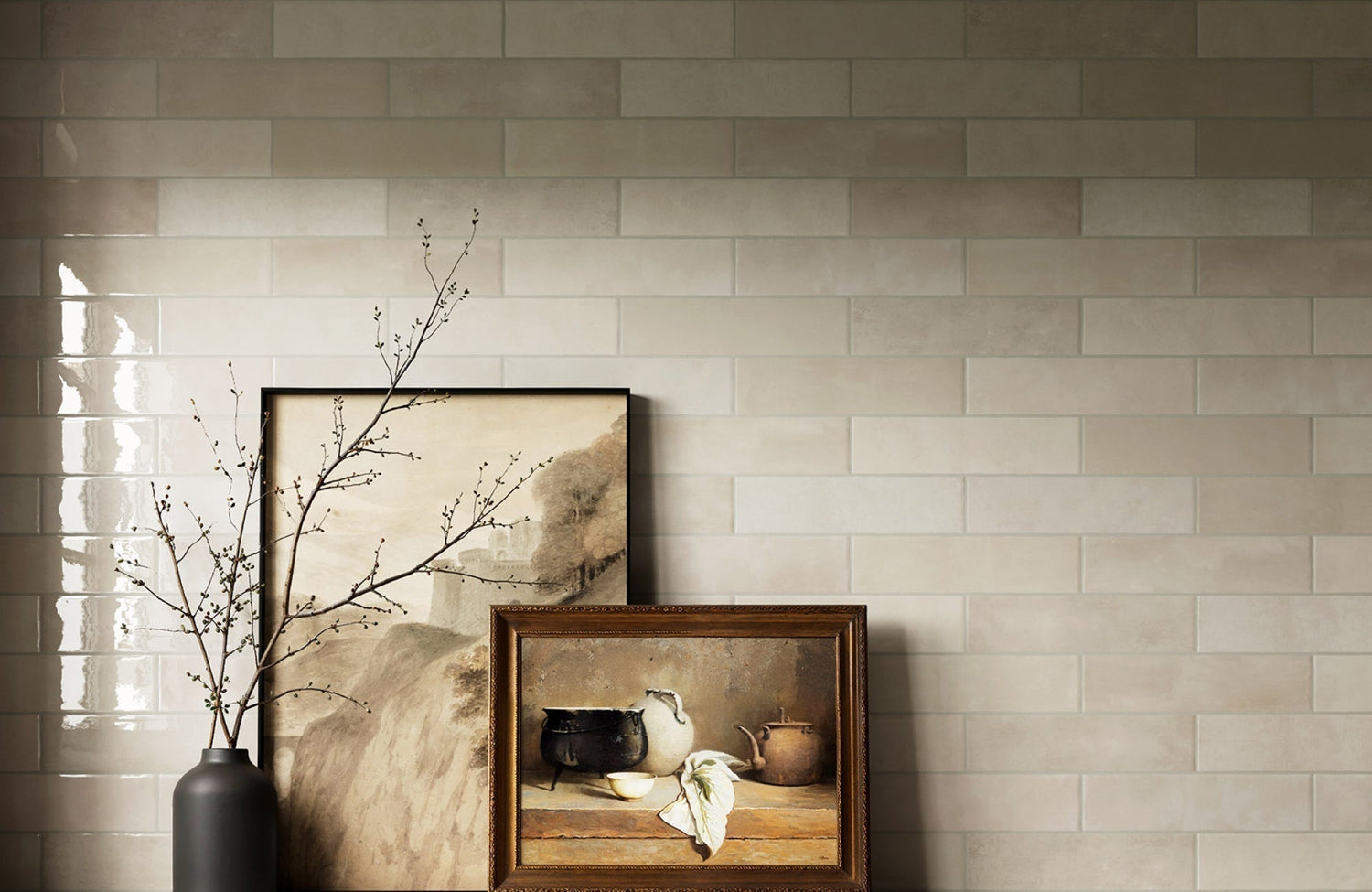
Building on that foundation, creating a space that delivers on both function and style means choosing materials that complement each other and perform well together. On vertical surfaces, such as shower walls or sink surrounds, color-matched grout in soft neutrals can create a clean, spa-like effect that enhances light and opens up the room. A great example of this balance is Edward Martin’s Teagan 3x12 Glossy Ceramic Tile in Pearl, featured in the photo above and paired with a coordinating light grout. Its glossy finish reflects light beautifully, and the subtle grout lines offer just the right amount of definition without interrupting the room’s calm, airy flow. Together, they show how thoughtful material choices can elevate both durability and design. When every element is chosen with purpose, your bathroom becomes a space that’s practical and beautiful.
Kitchens Call for Durability and Style
In kitchens, where spills, splashes, and stains are part of daily life, your tile and grout choices need to offer both resilience and visual appeal. Ceramic backsplash tiles are especially popular in these spaces, not just for their durability, but because they’re easy to clean and available in a wide range of sizes, finishes, and colors. When it comes to grout, however, there’s plenty of room to express your style. Some clients opt for bold grout colors to frame classic subway tiles, adding contrast and texture to the backsplash. Others lean toward a more seamless look, choosing grout that closely matches the tile for a clean, understated finish.
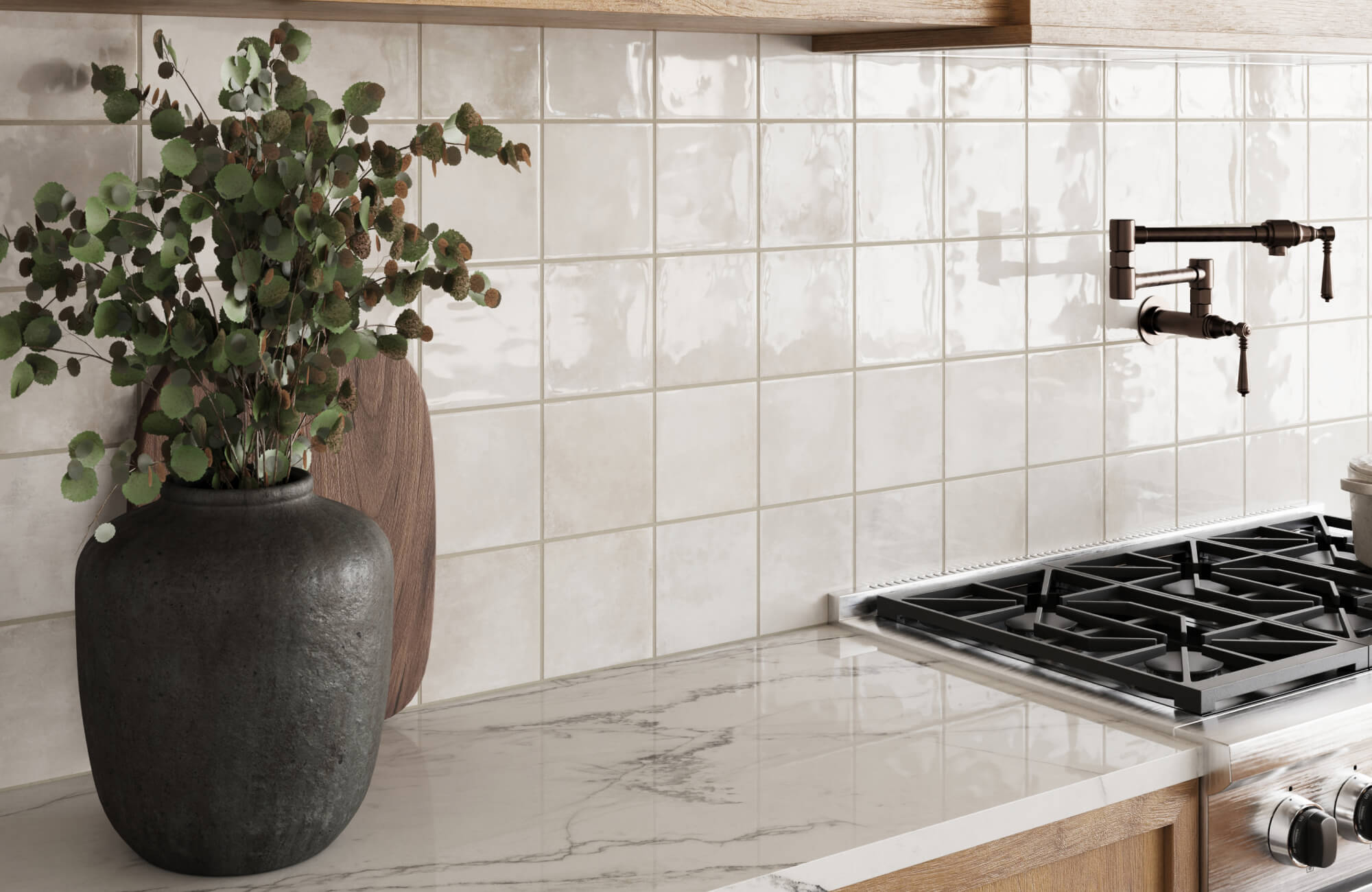
A great example of this approach is our Dani 1.6x5 Matte Ceramic Tile in Cream, paired with a soft neutral grout. Its compact size and matte surface bring warmth and texture to the wall, while the light grout maintains a subtle, cohesive flow. This combination offers a minimalist yet thoughtful design that’s easy to maintain and gentle on the eye. Whichever direction you take, using a stain-resistant grout is especially helpful in frequently used areas like the stove or sink. It not only simplifies cleaning but also helps preserve the integrity of your design.
Living Areas Benefit From Subtle Grout Lines
In living rooms or open-concept spaces, where the goal is often a clean, uninterrupted flow, grout should quietly support the design rather than compete with it. Large format ceramic tiles in soft, neutral tones, like warm taupe, creamy beige, soft grey, or light sand, tend to work best when paired with narrow grout joints in similar shades. This approach minimizes visual breaks, allowing the space to feel more open, grounded, and cohesive.
Beyond appearance, we also consider how the grout will perform over time. Even in low-moisture areas, slight shifts in your home’s foundation can cause stress on the tile assembly. That’s why we guide you toward grout options that not only match aesthetically but are flexible and durable enough to handle subtle movement without cracking or breaking down. Whether you're framing a fireplace, anchoring a seating area, or tiling across a wide, open floor plan, our goal is to help you achieve a surface that feels solid, seamless, and effortlessly stylish.
Accent Walls Offer Creative Freedom
Accent walls are a great opportunity to let grout do more than just hold tiles in place, it can become part of the design itself. Whether you're framing a mirror or adding a bold feature in an entryway, this is your chance to get creative. We've worked with clients who’ve used metallic or colored grout to bring out contrast and texture, turning simple ceramic tiles into standout design moments.
Since accent walls aren’t exposed to much wear, they give you more room to experiment with grout, whether that means adjusting the width, exploring different colors, or trying finishes that add a soft shimmer. If you're using a patterned tile layout, a slightly contrasting grout can bring out each shape and detail beautifully. For a more subtle, cohesive look, matching grout tones can also help create a smooth, calming finish that lets the texture shine through. One option we often recommend for vertical spaces is our Zayne 12x36 Matte Ceramic Tile in Slat. With its clean lines and natural texture, it adds just the right amount of depth without overpowering the room, and when paired with the right grout, it can turn a simple wall into a refined, understated feature.

How Installation Method Impacts Grout Use
The way ceramic tile is installed plays a big role in how well grout holds up over time. From spacing and surface prep to handling natural movement, every step in the process affects both the look and durability of the final result. To get the best outcome, it’s always wise to consult a professional who can ensure the installation is done right from the start.
Tile Spacing Tools Make a Difference
Consistent spacing has a big impact on both the appearance and performance of your grout. Even with high-quality ceramic tiles, proper alignment is key to achieving clean, even joints. That’s where tile spacers and leveling systems come in, they can help keep grout lines straight and spacing uniform throughout the surface. Additionally, using these tools helps prevent problems like lippage, where one tile edge sits slightly higher than another. The result is a smoother, more polished finish that not only looks professional but also helps your grout hold up better over time.
Substrate Preparation Ensures Longevity
When it comes to grout performance, what’s underneath your tile matters just as much as what’s between it. An uneven or unstable surface can cause tiles to shift or settle over time, placing unnecessary strain on both the adhesive and the grout. That’s why proper substrate preparation is a critical part of the installation process. Take the time to ensure every subfloor or wall surface is clean, level, and properly treated before any tile is laid. This careful prep work also helps prevent cracking, separation, and premature grout failure, giving your ceramic tile installation the solid foundation it needs to last.
Expansion Joints Aren’t Just for Big Projects
No matter the size of your project, whether it’s a compact bathroom or an open-concept living area, natural movement in your home can impact your tile installation. This is where expansion joints play a vital role in how well grout holds up over time. Instead of grout, these joints are filled with flexible caulk, allowing the tiled surface to expand and contract without putting stress on the surrounding grout lines. Including expansion joints in the right places, especially at corners or where different materials meet, also helps prevent cracking and ensures your grout stays intact longer. It’s a small detail in the installation process that makes a big difference in long-term performance.

Caring for Grout After Installation
Once your ceramic tiles and grout are in place, proper care is also essential for lasting performance. Routine maintenance preserves both appearance and durability, but for best results, always follow the manufacturer’s recommendations specific to your tile and grout.
Grout Sealing Protects From Wear
Since most cement-based grouts are naturally porous, they require sealing to stay protected. Applying a quality grout sealer helps block water, oil, and dirt from seeping into the surface, which can cause stains and weaken over time. To keep your grout in good shape, we recommend sealing it at least once a year, especially in areas like kitchens and bathrooms where moisture and mess are more frequent.
Cleaning Techniques That Preserve Grout
When spills happen, it’s easy to reach for the nearest cleaner, but not all cleaning products are grout-friendly. Many harsh formulas can gradually erode grout, weakening its surface and dulling its appearance. To keep it intact and looking fresh, stick to pH-neutral cleaners and use soft brushes for gentle scrubbing. It's also best to steer clear of bleach or vinegar-based solutions, as they can strip away protective sealants and lead to premature fading.
Maintenance Keeps Everything Aligned
Over time, subtle shifts in your home’s structure can cause ceramic tiles to move slightly or grout to wear down. That’s why regular inspections are so important, they allow you to spot early signs of wear before they become bigger problems. By reapplying a thin layer of grout or refreshing sealed areas as needed, you can also extend the life of your installation and avoid more expensive repairs or full tile replacements later on.
The Role of Grout in Ceramic Tile Installation
Yes, ceramic tiles do need grout. While it might seem like a small detail, grout plays a crucial role in protecting the integrity of your tile installation. It helps prevent moisture from seeping beneath the surface, reduces the risk of cracking by absorbing movement, and keeps tiles properly aligned. Without it, even the most carefully placed ceramic tiles can shift, loosen, or become damaged over time.
That said, grout doesn’t have to compromise your design. With the right color, finish, and joint width, it can either blend in quietly or enhance your ceramic tile layout with subtle contrast. If you’re unsure which option suits your space, our team is here to help. Reach out to schedule a design consultation, and we’ll guide you through the choices to help you find a solution that looks great and lasts.