Porcelain tiles are a favorite for bathroom designs because they’re durable, water-resistant, and stylish. But are they truly safe under wet feet? This question comes up for good reasons. Bathroom surfaces are exposed to moisture day in and day out, and slip risks are real when you’re dealing with glossy finishes or poor installation choices.
In this article, you’ll get a closer look at what makes porcelain tiles slippery. From how they're made to how they're installed and maintained, each detail plays a role in your bathroom’s overall safety. If you’re looking for peace of mind without sacrificing style, understanding these nuances is your first step toward creating a space that feels as secure as it looks beautiful.

Understanding How Porcelain Tile Is Made and Why It Matters
Choosing the right bathroom tile goes beyond aesthetics; it’s also a question of safety. The production and finishing processes of porcelain tiles directly affect their slip resistance, especially in moisture-rich spaces like bathrooms.
Glazed and Unglazed
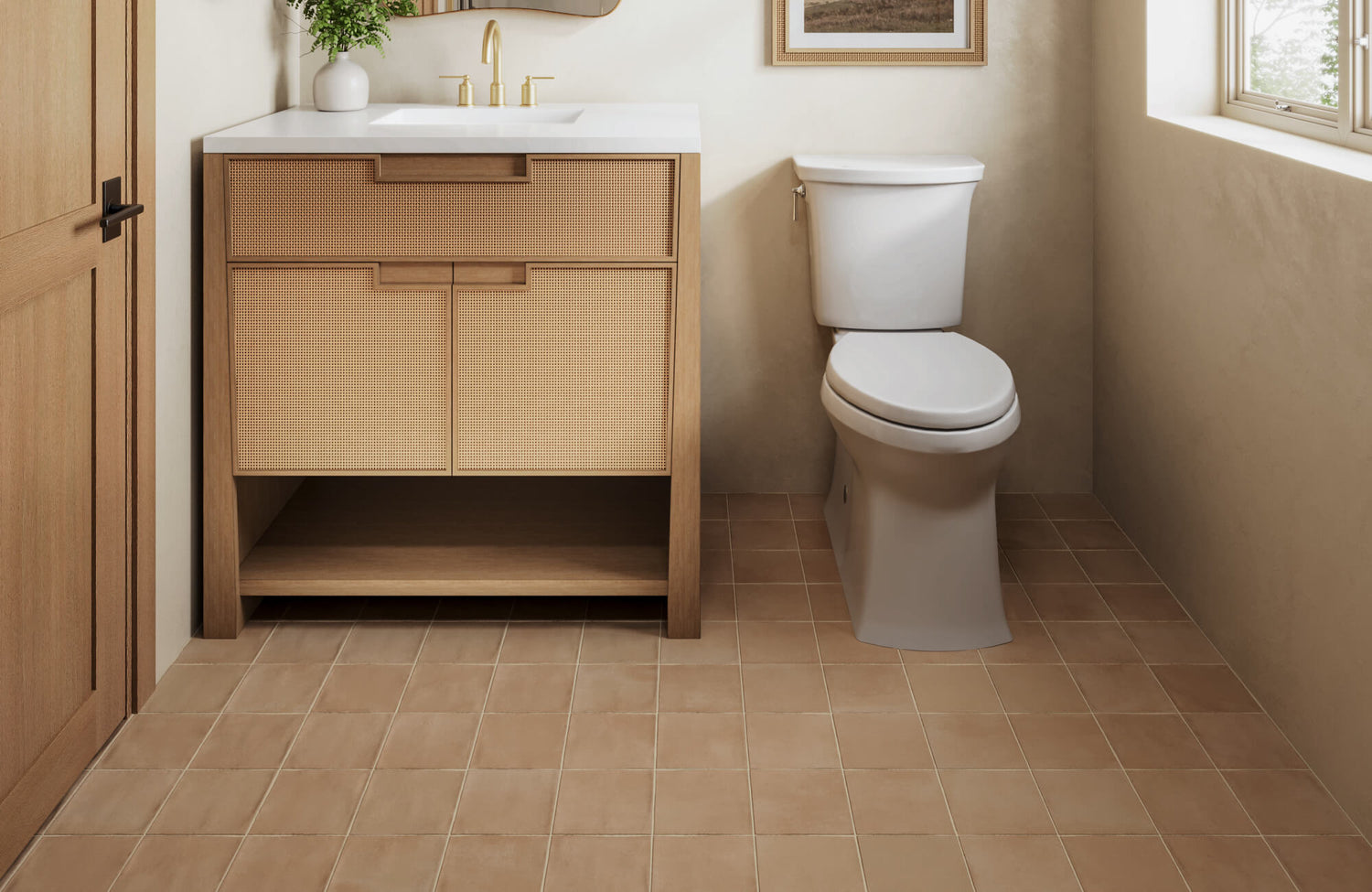
When selecting porcelain tiles for your bathroom, the choice between glazed and unglazed varieties plays a major role in both safety and aesthetics. Glazed porcelain bathroom tiles receive an added layer of liquid glass before firing, resulting in a smooth, often glossy finish that seals the surface. This sealed layer enhances resistance to stains, moisture, and wear, making glazed tiles particularly easy to maintain. Visually, they also offer stunning diversity from wood look to bold colors and patterns, which makes them a go-to for those aiming to create a sleek, sophisticated space. For instance, the Jameson 8x48 Matte Porcelain Tile in Camel, shown in the image above, is a large plank format that pairs the pairs the durability and easy maintenance of a glazed surface with the organic warmth of a light wood appearance. Its matte finish provides a soft, natural look that feels grounded and comfortable underfoot. The matte texture of this tile also reduces slipperiness, making it a safer and more practical option for bathroom flooring where traction is key without sacrificing visual appeal.
Unglazed porcelain, by contrast, offers a more natural feel with no glossy layer to obscure the tile’s body. The texture is typically more rugged or matte, which improves traction and makes it a safer option under wet feet. Because the surface is not sealed with a glaze, the slip resistance comes from the inherent roughness of the tile itself. That said, there can be subtle variations in how unglazed tiles perform; some may feel smoother than expected, depending on the manufacturing method. So it’s always a good idea to physically test the tile if possible or look for slip ratings to ensure you're getting a finish that aligns with your bathroom’s needs.
Texture and Finish
Texture is a safety feature that quietly works to help prevent slips and stumbles. In the bathroom, where surfaces are constantly exposed to moisture, the finish of your tile can make a significant difference. Matte and glossy finishes, for instance, handle moisture very differently. Matte bathroom tiles scatter light and offer a subtle, grounded grip underfoot, making them especially valuable around vanities, tubs, and other high-moisture areas. A striking option like the Adeline 12x24 Matte Porcelain Tile in Midnight offers the safety benefits of a matte finish with the bold sophistication of a rich black tone, perfect for adding contrast and depth to modern bathroom designs without compromising on practicality.
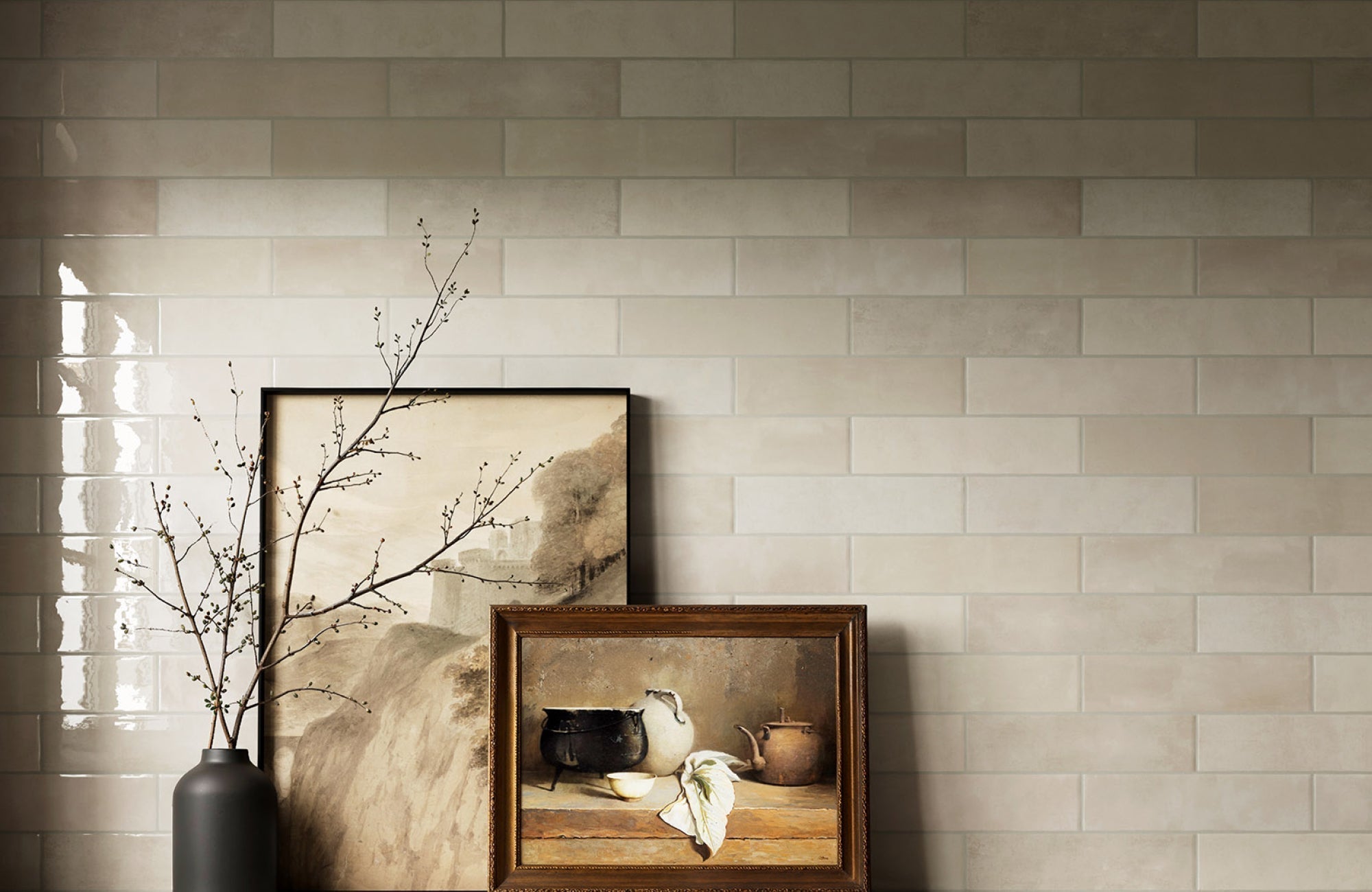
Glossy finishes, on the other hand, tend to reflect more light and present a sleek, polished look that elevates the feel of the space. However, that same shine can work against you when water is present. Glossy tiles are typically smoother to the touch, which reduces traction and increases the risk of slipping, particularly in spots like showers or bathroom entryways. If you're drawn to that gleaming, glossy style, it’s worth considering where and how you use it to avoid turning visual appeal into a safety compromise. The Natasha 2x6 Glossy Porcelain Tile in Denim is a stunning example with its rich blue hue and luminous surface, making it perfect for vertical applications like accent walls or backsplashes, where its brilliance can shine without creating a slipping hazard.
If you're unsure how a matte versus glossy finish will look or perform in your specific setting, our augmented reality (AR) tool lets you preview different tile options directly in your own space. This way, you can evaluate both the aesthetic and practical impact of each finish before making a final decision.

How Environment and Installation Influence Slipperiness
Even when you’ve chosen a slip-resistant bathroom tile, how it's installed and the conditions it’s exposed to can dramatically affect its safety. Factors like slope, grout layout, and humidity all play a role in how slippery your floors feel day to day. Because of that, it’s essential to look beyond the tile itself and consider the full picture.
Slope and Drainage
Proper slope and drainage are the hidden heroes behind every safe, functional tiled surface. In bathrooms and outdoor areas, even a beautifully designed space can become hazardous if water isn’t given a clear path to flow away. By subtly angling the tiles toward a drain, you create a natural route for runoff, minimizing how long water stays on the surface. This not only helps reduce the risk of slipping, but it also discourages mold growth and grout deterioration.
Still, despite its importance, it’s easy to overlook this during the design phase, especially when flat surfaces seem more visually appealing. However, what looks sleek at first can become problematic fast if water starts pooling in corners or lingering in unexpected spots. Whether you're renovating a shower floor or tiling an open-air patio, making sure there's a precise, even slope is key to preventing dangerous slick patches. And because slope isn’t something you can fix once everything’s installed, collaborating with your contractor from the start ensures your space stays as safe as it is stylish.
Grout Line Placement and Tile Size Considerations
Tile size and grout layout influence how secure your footing feels. In areas prone to moisture, such as showers or around bathtubs, stability is key, and that’s where grout lines play an unexpected but vital role. Smaller tiles naturally introduce more grout joints, which increase surface friction. This added texture creates a subtle grip underfoot, helping reduce slips in the very spots where you need traction the most.
Beyond safety, the layout you choose can also enhance visual balance while supporting practical performance. For instance, a grid of small-format bathroom tiles or mosaics provides built-in grip without overwhelming the room's design. These tighter patterns blend into the background yet work hard behind the scenes, giving your space a layer of security that doesn’t scream for attention. The image above features the Aniston 2x2 Matte Porcelain Hexagon Mosaic Tile in Calacatta Quarzite, a soft white tile with delicate gray veining that mimics the look of marble. Its hexagonal shape and matte finish offer understated elegance, and the abundance of grout lines contributes subtle traction that’s ideal for wet areas.
Moreover, consistency between form and function matters. By choosing the right tile size and aligning the grout thoughtfully, you ensure your bathroom not only looks pulled together but also performs with purpose. Whether you're working with bold patterns or minimalist finishes, keeping traction in mind helps you create a space that feels safe.
Environmental Factors
Moisture isn’t always obvious. Sometimes, it’s the quiet buildup of humidity or lingering condensation that turns a surface slick without warning. You might assume your tiles are safe because they have texture, but even a slightly damp atmosphere can compromise their grip. In bathrooms, enclosed patios, and other moisture-prone spaces with limited airflow, this invisible dampness becomes a real safety concern, especially when paired with smooth surfaces or daily steam exposure.
Because of this, improving ventilation is one of the most effective ways to keep slipperiness in check. Something as simple as cracking a window or running an exhaust fan can make a noticeable difference by allowing humidity to escape rather than settle on your tile. When you pair that airflow with a slip-conscious material like a matte porcelain bathroom tile or a natural stone with a honed finish, you’re creating a setting that prioritizes both design and everyday safety. Instead of reacting to a fall or close call, you’re getting ahead of the problem by choosing features that support stability, even in less-than-ideal conditions.

Measuring Slip Resistance in Porcelain Tiles
Quantifying slip resistance takes the uncertainty out of choosing tiles for wet areas. With the help of standardized testing, you can assess how a tile will perform under real-life conditions and avoid relying on guesswork alone.
Dynamic Coefficient of Friction (DCOF) Rating
The Dynamic Coefficient of Friction, or DCOF, is one of the most important safety indicators when selecting bathroom tiles. It measures how much resistance a surface provides when you’re walking on it in motion, particularly when wet. For bathrooms, where slips are a real risk, a minimum DCOF rating of 0.42 is generally recommended. This threshold is meant to ensure that the bathroom tile offers enough traction underfoot to reduce the likelihood of accidents when the floor is wet.
Still, while the DCOF gives you a helpful starting point, it doesn’t guarantee a slip-free experience in every scenario. Several real-world factors can alter how a bathroom tile behaves once installed. For instance, cleaning habits, the presence of body oils or soap scum, and even how often the area sees water can all affect how grippy a tile feels over time. You might choose a bathroom tile with a high DCOF, but if residue builds up or the surface wears down unevenly, the risk of slipping can still increase. Because of that, it’s crucial to think beyond the rating itself and consider how the space will actually be used and maintained daily.
Residential and Commercial Slip Resistance Standards
Slip resistance expectations shift significantly between residential and commercial applications. In commercial spaces, there’s a greater need for regulation because of the constant movement of people, diverse types of footwear, and the likelihood of water being tracked into the space. These conditions make the surface more vulnerable to slips and falls, which is why commercial bathrooms typically rely on tiles that meet higher safety standards, especially those with a DCOF (Dynamic Coefficient of Friction) rating of 0.42 or above when wet. This rating isn't just a technical specification; it directly impacts how secure the surface feels underfoot, particularly in busy areas like public restrooms or hotel spas.
Even though your own bathroom might not see the same level of activity as a commercial space, it still pays to think ahead. If you have a busy household with kids running around or guests visiting often, opting for bathroom tiles with slip resistance closer to light commercial standards can make a noticeable difference. You don’t have to sacrifice style to achieve this since many porcelain options combine visual appeal with grip surfaces designed specifically to reduce the risk of slipping. Ultimately, matching your tile's grip level to your lifestyle gives you greater peace of mind and long-term comfort.
Common Misconceptions Regarding Slip Resistance Scores
It’s tempting to rely solely on a slip resistance rating like the DCOF (Dynamic Coefficient of Friction) when selecting bathroom tiles. After all, a higher number should mean better grip. Although the DCOF is a helpful standard, it doesn’t tell the whole story. It’s measured in controlled conditions that rarely reflect real-life use. The slope of your shower floor, the presence of moisture, and even the type of footwear you typically wear can dramatically change how slippery a surface feels once installed.
Additionally, what you do after installation can make just as much of a difference. Residues from soaps, shampoos, or hard water can create an invisible film over bathroom tiles, reducing their friction and making them far more slippery than expected. Even cleaning agents marketed for bathroom use can leave behind gloss-enhancing coatings that look great but compromise traction. So while it’s important to choose tiles with a solid DCOF rating, don’t overlook the long-term maintenance and real-world conditions that can impact safety. Understanding these nuances ensures you make a more informed, confident choice.

Maintenance Habits That Affect Tile Slipperiness
Initial bathroom tile properties are only part of the story. To ensure your surfaces remain safe and slip-resistant, long-term maintenance plays a crucial role. However, before applying any cleaning or maintenance products, it's important to consult the manufacturer's recommendations, as certain solutions may affect the bathroom tile’s finish or reduce its slip-resistant performance over time.
Soap Scum and Product Buildup
Even if you’ve invested in slip-resistant tiles, the way you maintain them plays a major role in their long-term safety. Everyday products like body wash, shampoo, and conditioner tend to create a slick, invisible film that clings to bathroom tile surfaces. Over time, this buildup, commonly known as soap scum, also forms a greasy layer that compromises the natural texture of your tiles, making them significantly more slippery, particularly when wet. This is the reason why staying ahead of residue is so important. A regular cleaning routine using pH-balanced, tile-safe solutions can effectively break down and remove these layers without damaging your flooring. Harsh or overly acidic cleaners might seem powerful, but they can dull the surface or erode protective finishes, ultimately working against your efforts to maintain a safe space.
Effective Cleaning Tools to Enhance Tile Traction
When it comes to maintaining slip-resistant floors, the tools you choose can make just as much of a difference as the cleaners themselves. Microfiber mops are especially effective because they trap dirt and residue without pushing it around. Their soft texture also glides smoothly over the bathroom tile surface while reaching into tiny grooves, removing film that can make floors slick. Similarly, soft-bristled brushes provide a gentle yet thorough scrub, making it easier to loosen soap scum or buildup lodged between patterns without damaging the surface beneath.
Just as important as knowing what to use is knowing what to avoid. It’s tempting to reach for steel wool or aggressive scrub pads when you’re facing stubborn grime, but those tools often do more harm than good. Not only can they scratch glazed or polished finishes, but they also wear down the microtexture that adds friction underfoot. Over time, this erosion can make even slip-resistant tiles more dangerous.
Ultimately, consistency in your cleaning routine using the right tools regularly goes a long way. It helps keep residues from building up and reduces the risk of unexpected slips, especially in areas that stay damp or get frequent use. With just a few mindful choices, you can maintain both the grip and the beauty of your tile for years to come.

Comparing Porcelain with Other Common Bathroom Tile Materials
Porcelain is popular, but how does it stack up against other materials in wet environments? Choosing the right bathroom tile means balancing beauty, durability, and safety, especially in spaces where water is a constant concern. To help you make the right choice, here’s how porcelain compares to other top contenders.
Porcelain Versus Ceramic
When it comes to bathroom applications, both porcelain and ceramic tiles offer excellent performance, especially in wet environments, thanks to their non-porous surfaces. Porcelain is best suited for floors due to its exceptional density and strength. Its non-porous composition makes it highly resistant to water, stains, and wear, which is ideal for busy areas like bathroom floors, shower bases, and entryways that experience constant exposure to moisture.
Meanwhile, ceramic bathroom tile is typically used for walls. It is lighter and easier to cut, which makes it perfect for vertical installations such as shower surrounds, backsplashes, and decorative accent walls. Its ease of handling and wide variety of styles also make ceramic a practical and stylish choice for creating clean, water-resistant surfaces in less demanding zones.
In the image above, the combination of Reagan 5x6 Matte Porcelain Hexagon Tile in Dove on the floor and Maisie 2.5x16 Glossy Ceramic Tile in Ocean on the walls showcases how porcelain and ceramic can work together seamlessly in a bathroom. The matte hexagon porcelain tiles provide subtle traction and durability underfoot, making them ideal for the wet, high-use flooring area. Meanwhile, the glossy vertical ceramic tiles add a refreshing pop of color and a soft reflective finish to the walls, elevating the space with coastal-inspired charm. Together, these tiles strike a perfect balance between performance and personality.
Natural Stone
Natural stone instantly elevates the look of a bathroom, offering a sense of elegance that’s hard to match. But when it comes to slip resistance, its performance varies depending on the type of stone and finish. Polished marble, for example, is undeniably stunning. Its smooth, mirror-like surface reflects light beautifully and creates a refined atmosphere. However, that same glossy surface can turn dangerously slick with just a splash of water. Even with proper sealing, marble remains one of the more slippery options, especially when installed in areas prone to splashing or steam. Unless you're using it for decorative accents or in areas that rarely get wet, it might not be the most practical choice.
Vinyl and Rubber Tile
Vinyl and rubber tiles continue to gain popularity in bathroom spaces where comfort and safety are non-negotiable. Their naturally cushioned surfaces provide a slight spring underfoot, reducing the risk of injuries if slips do happen. More importantly, these materials are designed with slip resistance in mind. Even when wet, they maintain solid traction, making them a smart choice if you’re planning for a space that needs to accommodate bare feet, quick showers, or an extra layer of protection for vulnerable individuals.
However, despite their practicality, vinyl and rubber tiles come with some notable drawbacks. They generally lack the visual richness and long-term value of materials like porcelain or ceramic, which can limit their appeal in high-end or design-focused spaces. Over time, vinyl may be prone to dents, scratches, or discoloration, especially in areas with heavy use or direct sunlight. Rubber tiles, although durable, can emit a distinct odor initially and may be limited in aesthetic options compared to more refined tile materials. Additionally, both surfaces can be sensitive to harsh cleaners, requiring more careful product selection to avoid damage.
Choosing and Using Porcelain Tiles Safely
Porcelain bathroom tiles can be slippery, but they don’t have to be. When you choose tiles with grip or matte finishes, check for a solid DCOF rating, and install them with proper slope and spacing, you’re building in safety from the start. Add in smart maintenance habits to prevent buildup, and you’ve created a bathroom that’s as functional as it is elegant. It all comes down to thoughtful planning and material choices that prioritize both your vision and your well-being.
If you're working toward a bathroom that balances safety and style, ordering tile samples can help bring that vision into focus. Being able to test surface textures and finishes firsthand allows you to make informed decisions with confidence. Through Edward Martin’s sample request program, you can explore your top choices in your own space and ensure they meet both your aesthetic goals and practical needs.