A pool is more than just a place to swim; it is a statement of elegance, a sanctuary of leisure, and a canvas for refined design. Choosing the right surface material defines not only the visual character of the pool but also its performance, safety, and longevity. With graceful finishes and exceptional durability, porcelain tile offers a seamless blend of style and substance that elevates the entire aquatic experience. Meticulously engineered and aesthetically versatile, it enhances both contemporary and classic poolscapes with effortless sophistication. Beneath its beauty lies a foundation of technical excellence, crafted to withstand water, time, and the elements without compromise.
This article explores the distinctive qualities that make porcelain tile an ideal choice for pools, where design vision meets enduring performance.

Why Porcelain Tile Meets Pool-Grade Standards
The physical properties of porcelain tile make it exceptionally well-suited for use in pools, particularly due to its structural density, low porosity, and resistance to chemical degradation. These attributes result from a carefully calibrated manufacturing process that delivers a material capable of withstanding continuous moisture exposure and mechanical stress.
Vitrification and Imperviousness
Porcelain tile achieves its strength and durability through a process known as vitrification, where the tile body is fired at high temperatures until it fuses into a dense, glass-like structure. This transformation significantly limits the presence of capillary pores, thereby reducing the tile’s water absorption rate to less than 0.5%. Such a rating qualifies it as impervious under ANSI A137.1, making it ideal for areas exposed to prolonged moisture.
In a pool setting, this impervious nature is crucial, as it prevents internal water retention that could lead to failure over time. Vitrification not only strengthens the tile but also enhances its ability to resist surface wear. As a result, these tiles maintain both their appearance and performance even under constant submersion.
Mechanical Strength and Density
The tightly packed structure of porcelain tile contributes to its high compressive strength, enabling it to endure heavy loads and busy environments. This strength extends to its resistance against thermal expansion and contraction, which are common in outdoor or heated pool applications. Because porcelain has a high modulus of rupture, it is also less likely to crack or deform under stress.
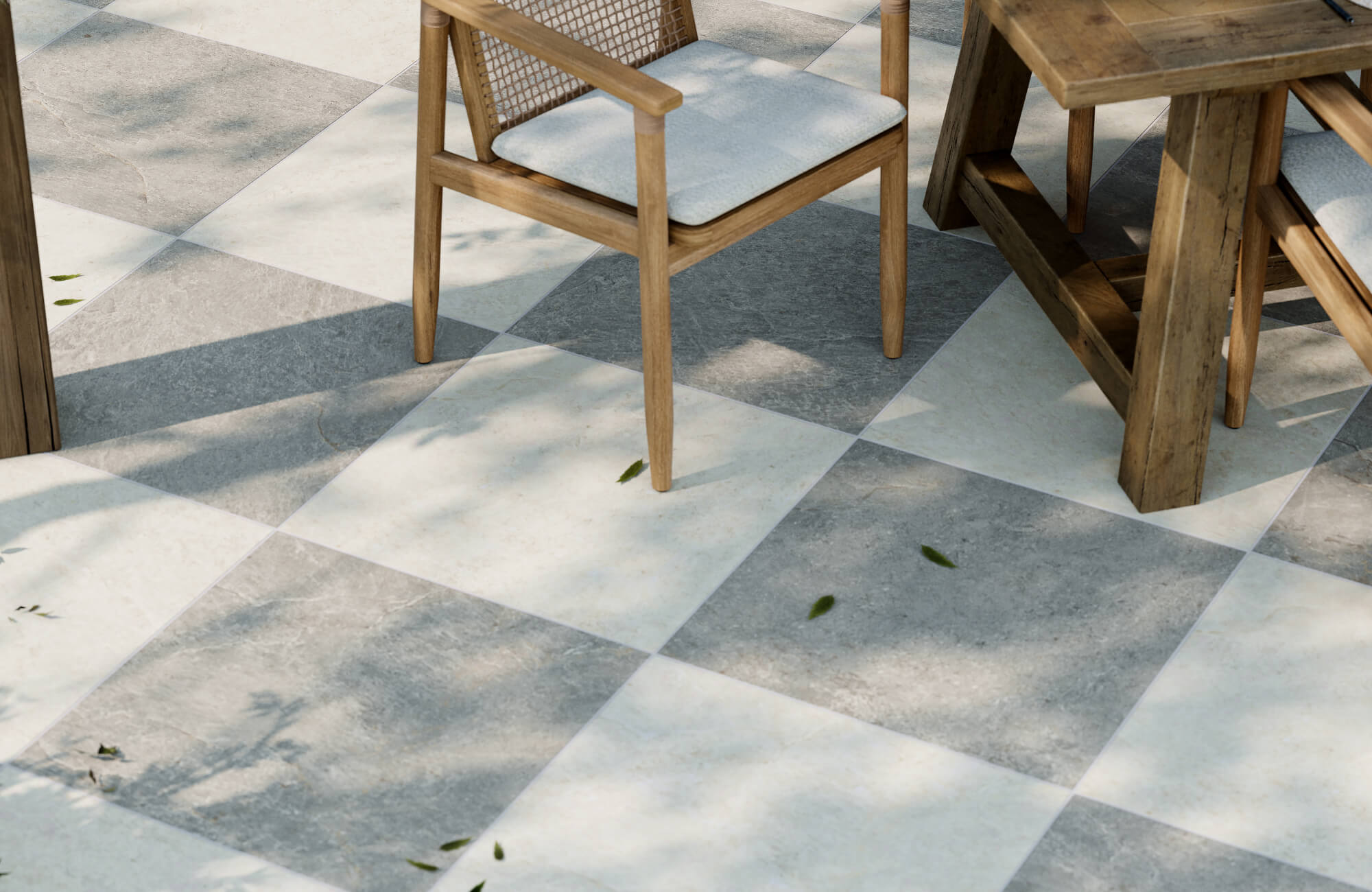
An excellent representation of these attributes is Edward Martin’s Bowden 24x24 Grip Porcelain 2cm Paver in Canvas, which combines rugged durability with the refined look of natural Dolomite stone. Inspired by the raw textures of Italy’s Trentino region, Bowden’s large format design brings both aesthetic depth and mechanical reliability to pool environments. Its anti-slip finish also supports safe footing even in wet conditions, while its ability to resist scratches, stains, UV exposure, and temperature swings up to 300°F makes it ideal for coping, pool decks, and other busy exterior surfaces.
This tile’s resilience under shocks and heavy loads highlights the inherent density and structural integrity of well-made porcelain. Whether used in residential patios or commercial aquatic landscapes, this tile ensures long-lasting stability with minimal maintenance. Altogether, these mechanical properties create a stable and intact tile assembly that performs beautifully over decades of use.
Chemical Inertness
One of porcelain’s standout qualities is its inertness in the face of chemical exposure, which is particularly valuable in chlorinated and saltwater pools. The tile’s surface does not absorb harsh sanitizers, nor does it react with common pool chemicals that can degrade other materials over time. This makes porcelain ideal for long-term installations where surface integrity is a priority.
It also means that colors and finishes remain unaffected, providing visual consistency throughout the pool’s life. Even in the presence of fluctuating pH levels or oxidizing agents, porcelain tile retains its strength and visual appeal. This chemical stability reduces the need for frequent replacement or repair, adding to its cost efficiency.

Performance in Aquatic and Exterior Conditions
Swimming pools are subject to a range of environmental factors, from sun exposure and temperature changes to biological growth, and any tile used must be able to handle these conditions. Porcelain tile is particularly effective in addressing these challenges, ensuring both functionality and longevity.
Thermal Shock and Freeze-Thaw Resistance
Because of its low porosity, porcelain tile is remarkably resistant to freeze-thaw damage, a key concern in regions with seasonal weather shifts. When water enters more porous materials and freezes, it expands, often causing internal fractures.
Porcelain, by contrast, repels water before it has a chance to infiltrate, preventing this type of damage from occurring. It also maintains its structure when exposed to rapid temperature changes, such as when a heated spa overflows into a cooler pool basin. This adaptability makes it suitable for outdoor pools in a variety of climates.
A prime example, as shown in the photo above, is our Wren 24x48 Grip Porcelain 2cm Paver Tile in Oat, which is engineered to withstand frost, UV exposure, and thermal shocks up to 300°F. Its dense construction stands strong under heavy loads and resists scratches, stains, and harsh chemicals—qualities that make it exceptionally well-suited for pool decks and coping exposed to both the elements and frequent use.
This resilience under fluctuating temperatures and environmental stress further solidifies porcelain’s reputation as a high-performance, low-maintenance surfacing solution for all seasons and settings.
UV Stability and Colorfastness
Prolonged sun exposure can lead to fading or discoloration in many outdoor materials, but porcelain tile is engineered to resist such effects. Whether the coloration is through-body or applied with UV-stable glaze, porcelain maintains its vibrancy even after years under direct sunlight.
This quality is particularly important for areas like pool coping or shallow ledges that receive high UV exposure. By retaining their original appearance, these tiles support cohesive, enduring design themes. They also reduce the need for resurfacing or re-glazing, making maintenance more predictable and cost-effective. As a result, porcelain enhances both the aesthetic and practical value of the pool over time.
Algae and Mold Resistance
The ultra-smooth and non-porous surface of porcelain tile makes it inherently resistant to algae and mold growth. These microorganisms typically thrive in damp, textured environments where they can anchor themselves, but porcelain provides no such foothold. This not only improves the hygiene of the pool but also reduces the frequency and intensity of chemical treatments needed to maintain cleanliness.
In high-use areas like pool steps or waterlines, the ability to repel biofilm buildup is especially beneficial. Regular maintenance becomes less labor-intensive, and the water remains more visually appealing. Overall, porcelain supports a cleaner, safer swimming environment with fewer interventions.

Best Practices for Submerged Application
To fully leverage the benefits of porcelain tile in pools, proper installation is essential. Each phase, from surface preparation to setting and grouting, requires careful execution using materials and techniques designed for submerged conditions. While experienced DIYers may be tempted to tackle the work themselves, professional installation is strongly recommended to ensure long-term performance, watertight integrity, and adherence to industry standards.
Substrate Preparation and Waterproofing
Before tiles are laid, the substrate must be flat, structurally sound, and free of dust, oil, or other contaminants that could interfere with adhesion. Precision in leveling is crucial, as uneven surfaces can lead to improper bonding and premature tile failure. A waterproofing membrane is then applied to protect the underlying structure from moisture penetration.
This membrane must conform to ANSI A118.10 standards to ensure compatibility with submerged installations. Once applied, it forms a continuous barrier that prevents water intrusion and efflorescence. Allowing proper curing time for both substrate and membrane is vital to avoid complications during setting.
Thin-Set Mortar and Bonding Agents
The choice of adhesive is critical for long-term performance, especially in wet environments. Polymer-modified thin-set mortars, rated under ANSI A118.15, offer the flexibility, strength, and water resistance needed for submerged applications. These mortars also create a durable bond between the tile and substrate, even under the constant pressure of a filled pool.
To maximize the effectiveness of these mortars, achieving full coverage—typically 95% or more—is essential. This prevents the formation of hollow spots that can weaken adhesion over time. Techniques like back-buttering each tile help ensure consistent contact and eliminate voids, while careful timing and temperature management during installation contributes further to reliable, lasting results.
Grout and Movement Joints
Grout serves not only to fill the spaces between tiles but also to protect against moisture infiltration and chemical degradation. Epoxy grout is preferred in pool installations due to its superior water resistance, strength, and ease of maintenance. It maintains color stability and resists shrinkage better than cement-based options.
Equally important are properly placed expansion joints, which allow for natural movement of the tile assembly due to temperature changes or substrate shifts. These joints are sealed with flexible materials that maintain water tightness while accommodating motion. Failing to address this movement can lead to long-term issues, including cracking or loss of adhesion over time.

Ceramic Versus Porcelain in Pool Settings
Though both ceramic and porcelain tiles are widely used in pool construction, their performance characteristics diverge considerably. Understanding their differences helps in selecting the right material for each specific application within the pool environment.
Density and Porosity Distinction
Porcelain tile is manufactured using finer clays and fired at higher temperatures than traditional ceramic, resulting in a denser and more impervious product. This density translates into lower water absorption, typically below 0.5%, which is crucial for submerged use.
In contrast, standard ceramic tiles absorb more water, often making them unsuitable for below-waterline installations unless specially treated. Still, ceramic remains more water-resistant than many natural stones, offering a better-performing alternative where full submersion isn’t required.
This key difference affects not just water resistance but also freeze-thaw durability and structural integrity. In zones subject to direct water exposure, porcelain remains the superior option due to its resilience. Ceramic may still play a role in accent or dry applications, but it lacks the performance needed for full immersion.
Aesthetic Versatility of Ceramic
While porcelain is often chosen for its performance, ceramic tiles bring unique visual possibilities to pool design. Available in a wide variety of glazes, patterns, and hand-crafted finishes, ceramic tiles are ideal for waterline bands, decorative borders, or mural features. Their softer body also allows easier shaping and customization, making them well-suited for detailed inlays.
One standout example is the Dani 1.6x5 Matte Ceramic Tile in Sage, as displayed in the picture above. Its slender subway profile, softly rippled edges, and matte, muted green glaze evoke a refined, handmade aesthetic that pairs beautifully with natural surroundings and contemporary palettes alike.
Ideal for indoor waterline accents, wall details, or sheltered decorative zones around the pool, this Dani tile also offers an artisanal look without compromising durability. Thanks to its resistance to scratches, harsh chemicals, and household products, beauty and function go hand in hand, even in spaces like steam showers or backsplashes that demand easy maintenance.
These aesthetic strengths make ceramic a valuable complement to porcelain in areas where artistry is prioritized over full submersion durability. When properly installed in non-submerged zones, ceramic offers vivid coloration and design variety, enabling designers to layer visual interest throughout the pool without compromising core functionality.
Cost and Maintenance Considerations
Ceramic tile often comes at a lower initial cost than porcelain, which can be attractive for projects with tight budgets. However, its shorter lifespan and higher maintenance demands may offset those savings over time. Glaze wear, water infiltration, and increased vulnerability to staining are also common challenges.
Porcelain, while more expensive upfront, provides better value through extended service life, lower maintenance, and fewer replacement needs. This long-term advantage is especially relevant in commercial pools or premium residential installations. When evaluating lifecycle costs, porcelain frequently proves to be the more economical choice despite its higher initial price point.
Design Innovation and Lifecycle ROI
Beyond technical performance, porcelain tile offers unparalleled design flexibility and long-term value. These qualities make it a top-tier choice for both architects and homeowners aiming to combine function with refined aesthetics.
Surface Texture and Safety Integration
Modern manufacturing techniques allow porcelain tiles to feature a range of textures that improve slip resistance while preserving visual appeal. These finishes, such as matte, honed, or textured glaze, are especially useful on wet decks, stairs, or shallow water areas where safety is critical. Because the slip-resistant surface is integral to the tile, it doesn’t wear away like applied coatings might. This built-in traction also provides peace of mind without disrupting the design flow. With the variety of textures available, designers can tailor functions to specific zones, ensuring a pool surface that is both beautiful and user-friendly.
Modular Design Flexibility
Porcelain tile is available in an expansive range of shapes, sizes, and formats, from small mosaics to large-format planks. This versatility enables endless design possibilities, supporting both contemporary and classical aesthetics. Whether applied in geometric layouts, herringbone patterns, or seamless vertical-to-horizontal transitions, modular tile enhances spatial flow.
In addition, designers can coordinate across the coping, walls, and basins, creating a cohesive visual narrative that ties every element of the pool together. This flexibility not only allows for personalized styling but also simplifies maintenance by making it easy to replace damaged tiles individually without disrupting the larger design. The modular nature of porcelain ultimately adds both efficiency and elegance to pool projects.
To help visualize these design configurations more effectively, Edward Martin offers an Augmented Reality (AR) tool that lets you preview how selected tiles will look in your pool environment, bridging the gap between imagination and implementation.
Long-Term Value and Market Appeal
Investing in porcelain tile yields significant returns over time through lower maintenance costs, exceptional durability, and elevated visual appeal. Properties featuring porcelain-tiled pools often benefit from increased market value due to the material’s premium appearance and performance record. Buyers also recognize it as a high-end finish, which can influence both desirability and resale potential.
Additionally, the material’s resistance to fading, staining, and surface degradation ensures that it remains attractive for decades. This long-term reliability means fewer renovations and consistent user satisfaction. For homeowners and developers alike, porcelain tile represents a sound investment in both style and substance.
Porcelain Tile as the Ideal Blend of Pool Design and Durability
Porcelain tile is not only suitable for pools—it is, in many ways, the optimal surfacing material for environments that demand high durability, moisture resistance, and design sophistication. Its engineered performance, coupled with broad aesthetic potential, makes it a standout choice in both residential and commercial aquatic projects. When specified and installed with care, porcelain delivers lasting value, ensuring that pool surfaces remain beautiful, functional, and safe for years to come.
For those seeking to experience the tactile quality and visual depth of premium porcelain firsthand, Edward Martin offers a curated selection of pool-grade tile samples. You can explore the available styles and request samples directly to make it easier to visualize the perfect fit for your pool project.