Porcelain pavers are known for their sleek design and hardwearing performance, but how do they really hold up under outdoor conditions? From backyard patios to poolside walkways, durability is always a top concern, especially when surfaces face heat, moisture, weight, and everyday impact. Whether you’re planning a new build or replacing worn-out pavers, it’s worth asking how likely porcelain is to crack or chip over time.
In this article, we’ll take a closer look at what affects a paver’s strength, how porcelain compares to other outdoor materials, and which factors, like installation or base prep, play the biggest role in long-term resilience. If you’re aiming for a surface that lasts without constant upkeep, understanding the basics of porcelain durability can help you make a more confident decision.

Why Durability Matters in Outdoor Surfaces
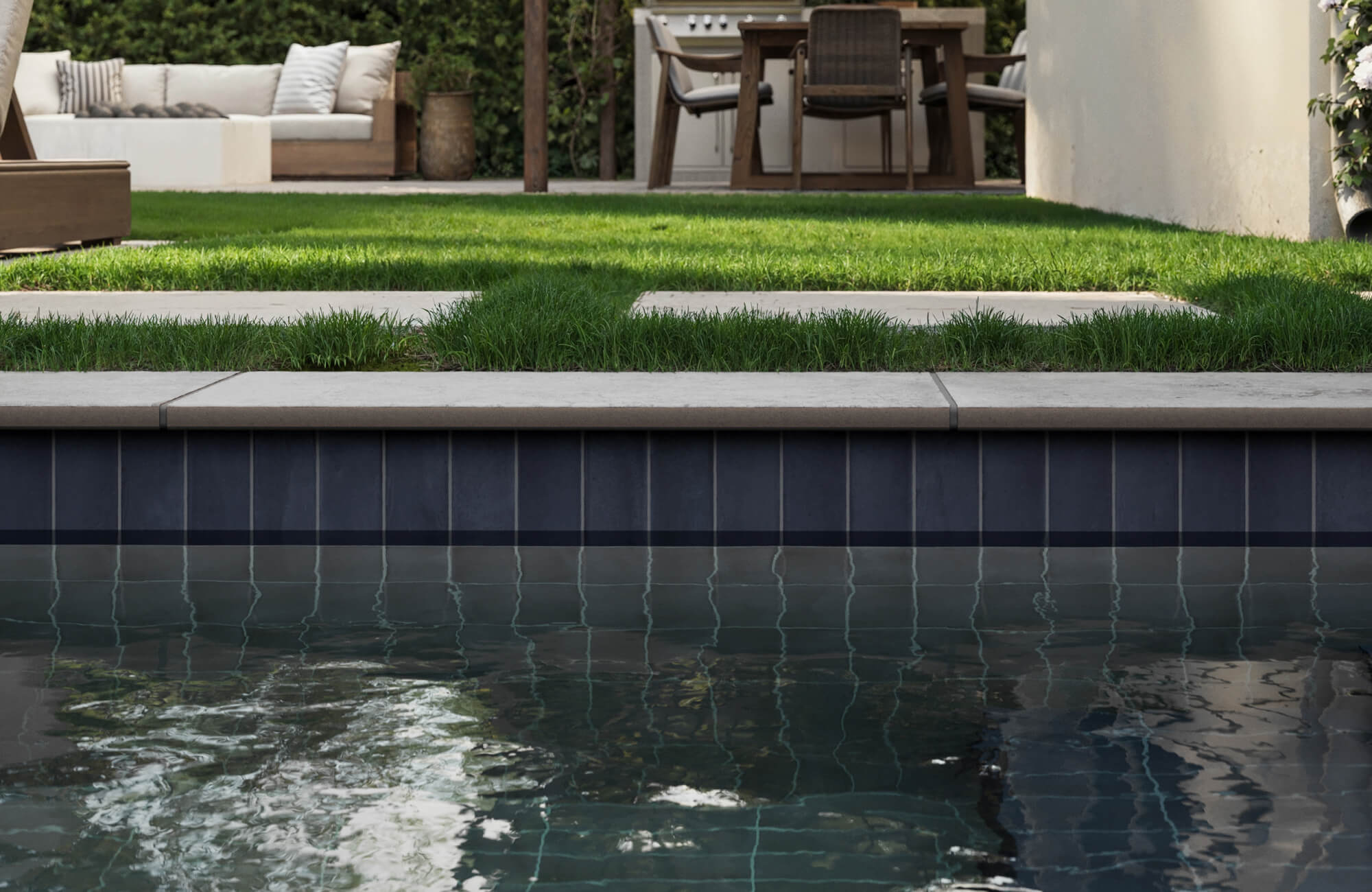
Outdoor pavers, such as our Dawson 24x48 Grip Porcelain 2cm Paver Tile in Dune above, face constant exposure to the elements, making durability one of the most important features to consider. Sunlight, rain, wind, and seasonal temperature swings all take a toll on surface materials. Pavers that can’t handle these conditions may fade, crack, or erode faster than expected. A strong, stable material ensures your outdoor area stays functional and attractive for years to come.
It’s also worth thinking about the day-to-day stress your surface will endure. Heavy furniture, grill stations, and frequent human use can wear down weaker materials quickly. Over time, even small impacts, like dragging a chair or dropping garden tools, can cause visible damage if the surface isn’t resilient. Choosing a paver that can withstand both pressure and movement helps prevent chips and cracks from becoming an issue.
Not all paver materials are built the same, which is why it’s a mistake to assume they’ll perform equally outdoors. Some options absorb water or react poorly to freeze-thaw cycles, making them more likely to break down in colder climates. Others may scratch or stain easily in busy areas. Prioritizing long-term durability ensures you get a surface that not only looks great but also holds up with minimal maintenance.

How Porcelain Pavers Are Made
Understanding what goes into a porcelain paver helps explain why it performs so well outdoors. Unlike other materials, porcelain undergoes a unique manufacturing process that gives it exceptional strength and durability. Below, we’ll break down each step, from raw materials to final product, to show how this engineered surface is built to last.
Mixing and Forming Raw Materials
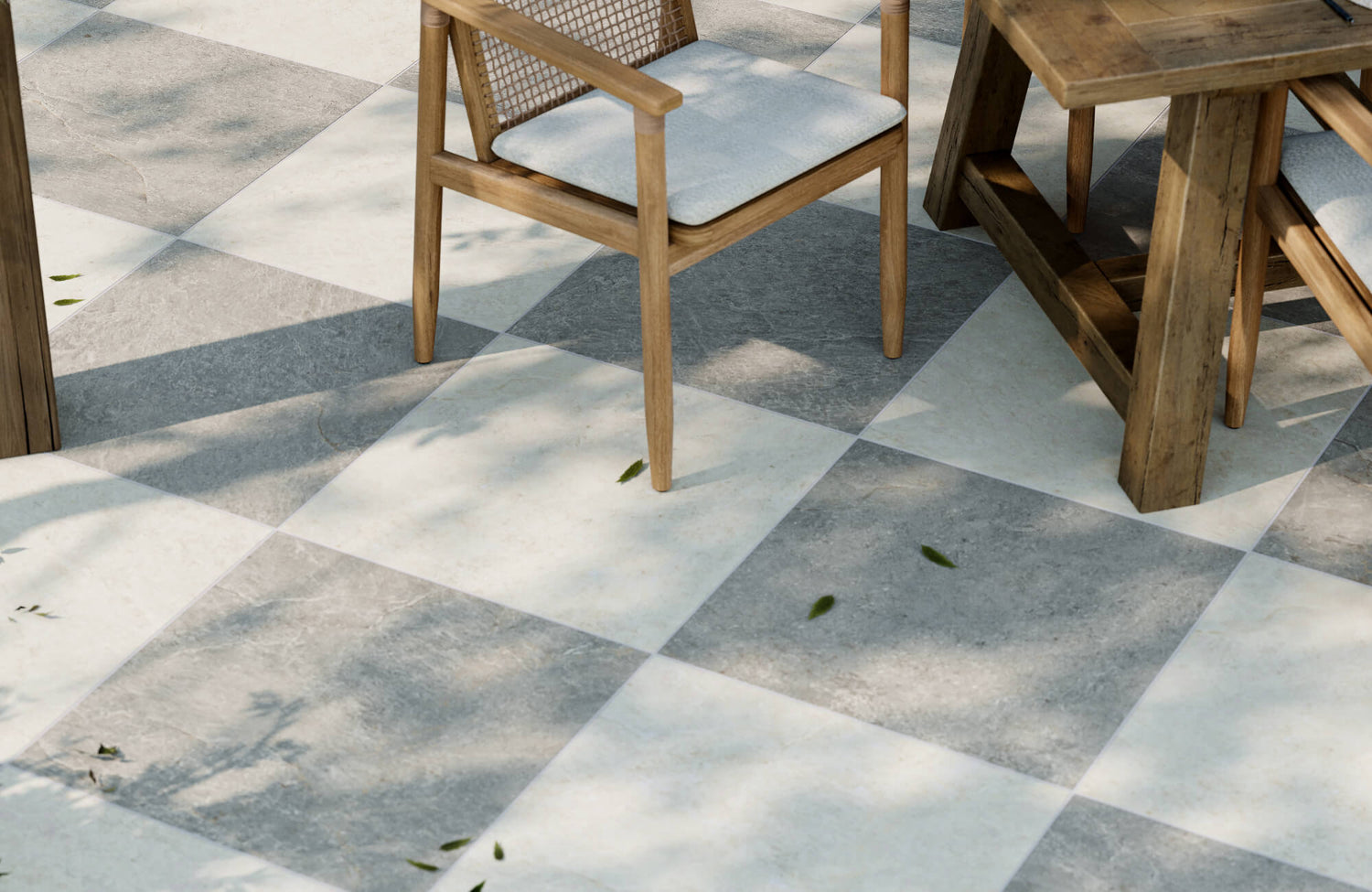
Porcelain pavers, like our Wren 24x24 Grip Porcelain 2cm Paver Tile in Dune above, start with a refined blend of clay, sand, and other natural minerals. These materials are ground into a fine powder and mixed with water to create a dense, uniform body. The mixture is then pressed under extreme pressure to form the paver’s shape. This compaction phase is key to minimizing air pockets that could weaken the structure later on.
Kiln Firing at Extreme Temperatures
Once shaped, the pavers are fired in a kiln at temperatures reaching up to 1,200°C (around 2,200°F). This intense heat vitrifies the material, essentially fusing the particles together into a solid, stone-like mass. It’s this high-temperature process that gives porcelain its low porosity, dense composition, and impressive resistance to water absorption. The result is a surface that’s far less likely to crack or chip under pressure.
Surface Finishing and Quality Control
After firing, the pavers may receive surface treatments for texture, color, or grip—often baked in or etched for long-term durability. Each paver goes through quality checks to ensure uniform thickness and structural integrity. Since porcelain is inherently colorfast and non-porous, the final product resists stains, fading, and impact better than many natural or composite materials. This consistent quality is what makes porcelain a trusted option for high-performance outdoor use.

What Makes Porcelain Pavers Crack or Chip?
Porcelain pavers, as seen above with our Carter 24x48 Grip Porcelain 2cm Paver Tile in Stone, are built to withstand heavy use, but damage can still happen, usually because of what's underneath them, not the pavers themselves. Poor installation is the most common cause, especially when the sub-base isn’t properly compacted or lacks adequate drainage. Water buildup, soil movement, or uneven leveling can lead to stress points over time, making cracks more likely. These issues don’t reflect on the material’s quality but rather on shortcuts taken during installation.
Surface damage can also result from heavy, sharp impacts, like dropping a hard object directly on a corner or striking the edge with a tool. These situations are rare but possible, especially if the pavers weren’t installed with protective edge spacing. In colder regions, freeze-thaw cycles can push against pavers if moisture gets trapped beneath them, though this is preventable with proper base prep. Overall, porcelain holds up remarkably well; most cracks or chips trace back to external stress, not product failure.
To help visualize how a paver might hold up in your space, we offer an AR tool that lets you preview the layout and finish in real-time. You can also order 4x4" samples to inspect the surface texture and density before committing. These small steps offer peace of mind and help catch any hesitations before full installation begins.

Porcelain Pavers vs. Other Outdoor Materials
Not all outdoor surfaces are built to handle the same wear. From rain and heavy movement to freezing winters and backyard furniture, the wrong material can age faster than expected. Here, we’ll walk through how porcelain pavers like our Ramsey 24x24 Grip Porcelain 2cm Paver Tile in Putty above, stack up against common alternatives, not just in durability, but in how well they hold up to water, impact, and everyday outdoor use.
Concrete Pavers
Concrete pavers are widely available and easy to install, but they come with trade-offs. They’re heavier and more porous than porcelain, which means they absorb more water and are more likely to stain or develop surface wear over time. Also, freeze-thaw cycles can cause cracking if water gets trapped in the material. While they're durable in general, they often require sealing to stay looking clean. Porcelain, by contrast, is non-porous and resists these issues without added treatments.
Natural Stone (Limestone, Travertine, etc.)
Natural stone is often chosen for its visual appeal, but its performance outdoors can be mixed. For instance, limestone and travertine are more brittle and prone to erosion, especially in damp or freeze-prone climates. These stones are also more porous, so they can stain or develop mold without regular sealing. Porcelain offers a similar upscale look but with far greater resistance to chips, scratches, and moisture. It’s a practical alternative if you want durability without high maintenance.
Wood Decking
Wood can bring warmth and character to a patio, but it typically needs the most upkeep. It’s softer than pavers, which makes it vulnerable to scratches, dents, and general wear, especially in busy areas. Also, without regular sealing, it can warp, crack, or rot due to moisture exposure. Porcelain doesn’t have these problems; it mimics wood’s appearance while staying dimensionally stable and resistant to the elements. For those who love the look of wood but not the upkeep, it’s a smart switch.
Brick Pavers
Brick pavers have a timeless, rustic charm, but they come with limitations in durability. They’re more likely to chip around the edges over time, especially under heavy furniture or frequent human use. Also, their porous nature means they can absorb moisture and develop moss or discoloration. While they’re great for certain aesthetic goals, porcelain holds up better in terms of weather resistance and structural strength. It gives a cleaner, more consistent finish without losing durability.
Composite Decking
Composite decking is designed for longevity, but it still has some downsides outdoors. It can become very hot in direct sunlight, and certain brands may fade or scratch over time. Also, while it resists rot better than wood, it doesn't match porcelain’s strength under impact or weight. Porcelain pavers maintain their color and structure even in high-heat areas, making them a better choice for sunny patios or pool decks. They also offer more style variety with realistic stone and wood looks.

Signs of Quality in Porcelain Pavers
Not all porcelain pavers are made to the same standard, and that matters when you’re choosing something built to last outdoors. A few key specs can make a major difference in how well a paver holds up under stress, weather, and daily use. For starters, look for pavers that are at least 2cm thick; like our Carter 24x48 Grip Porcelain 2cm Paver Tile in Fossil above, this ensures better load resistance and minimizes the risk of cracking under heavy furniture or foot use. Thinner tiles may look similar at first glance but are better suited for indoor use or low-impact zones.
Grip rating is another important detail, especially in areas like poolside patios, or walkways that might get wet. A higher slip resistance rating (often shown as R11 or DCOF ≥ 0.60) means the surface stays safer even when exposed to water. Also, be sure the pavers are kiln-fired at high temperatures—usually above 1200°C. This process creates a dense, vitrified surface that resists water absorption and makes the material extremely hard-wearing. Poorly fired or low-grade porcelain may chip or wear down faster over time.
Finally, check for certifications or product specs that guarantee outdoor suitability. Reputable manufacturers often provide testing results that confirm frost resistance, color permanence, and surface durability. Brands that meet international standards like ISO or ANSI tend to offer better long-term performance. When in doubt, ask your supplier for technical specs or country-of-origin details, because if a paver doesn’t hold up outdoors, it’s not worth the install costs. Investing in quality upfront helps you avoid repairs or replacements later on.

Tips to Prevent Cracking or Chipping
Porcelain pavers are tough, but like any material, they perform best when installed correctly and maintained with care. Whether you're a contractor or a homeowner, avoiding shortcuts during installation is one of the most important ways to ensure long-term durability.
Provide a Stable Base and Proper Support
One of the most common causes of paver damage isn’t the material itself; it’s the movement underneath. A compacted, well-draining base helps reduce shifting from rain, freeze-thaw cycles, or heavy loads. Edge restraints or mortar set borders can also prevent lateral movement, especially around patio perimeters or walkways. Without that foundational support, even the most durable paver is at risk of stress fractures.
Use the Right Tools for Cutting and Handling
Porcelain is denser than other materials, so it needs the right equipment for clean cuts. Always use a wet saw with a diamond blade specifically rated for porcelain to prevent edge chips or micro-fractures. For handling, avoid dragging pavers across rough surfaces; carry them or use padding when stacking to reduce the risk of scratches or corner damage. These small steps go a long way in protecting each tile before it's even laid.
When to Repair or Replace a Damaged Paver
Even with proper care, accidents can happen, like dropping a heavy tool or shifting soil after major rain. The good news is that most minor cracks or chips can be fixed without replacing the entire area, especially if the pavers were installed modularly. Spot repairs may involve lifting one tile, fixing the base, and resetting a new one with ease. But if multiple tiles are compromised or if there's an underlying drainage issue, a more thorough fix might be needed. Addressing damage early prevents larger issues like pooling water or surface instability down the line.
What This Means for Your Outdoor Project
Porcelain pavers bring a lot more than just good looks to an outdoor setting; they offer reliable strength, weather resistance, and low-maintenance longevity when installed with care. While no surface is completely immune to wear or impact, porcelain stands out for how well it holds up over time, even in challenging environments. Most cracks or chips trace back to preventable issues like improper base prep or sharp edge strikes, not the material itself. That’s why making the right choices early, both in product and installation, can save you from costly repairs later on.
If you’re planning a patio, pool deck, or driveway and want a surface that combines durability with design flexibility, porcelain is worth a closer look. Our design team can walk you through your options, answer product questions, and help you avoid common pitfalls that lead to damage. From grip rating to layout planning, we’re here to make sure your project starts strong and stays that way. Connect with our team today for expert help tailored to your space.