
)
)
)
)
)
)
)
)
Why Consider White Ceramic Tiles For A Bright Kitchen?

Bright, practical, and endlessly adaptable, white ceramic tiles continue to be a go-to material for kitchens that demand both style and substance. By reflecting ambient light, these tiles can visually expand a room, making even compact kitchens feel more open and inviting.
Moreover, their benefits extend well beyond illumination. White ceramic tiles offer remarkable design flexibility. Additionally, their wide range of shapes and sizes supports everything from classic subway installations to bold geometric arrangements. In this article, we’ll unpack the key reasons white ceramic tiles are an intelligent choice for a bright, lasting kitchen, complete with expert insights and practical guidance tailored to the modern home.
The Enduring Appeal of White Tiles
White ceramic tiles have stood the test of time, effortlessly adapting to shifting design trends while maintaining their signature sense of simplicity and charm. From their classic visual foundation to their remarkable versatility and calming presence, these tiles continue to shape kitchens with both beauty and intent.
A Timeless Aesthetic Foundation
To begin with, white ceramic tiles offer a clean, neutral backdrop that effortlessly transcends design trends. Acting as a visual “canvas,” they complement a wide range of interiors, from early 20th-century Art Deco to today’s minimalist kitchens, while consistently evoking a sense of purity and order. Their high Light Reflectance Value (LRV) enhances both natural and artificial lighting, helping small kitchens appear brighter and more expansive.
Moreover, unlike trend-driven finishes that can quickly feel dated, white ceramics retain their aesthetic appeal across decades. This enduring quality makes them a stable and trusted design choice in both classic and contemporary settings.
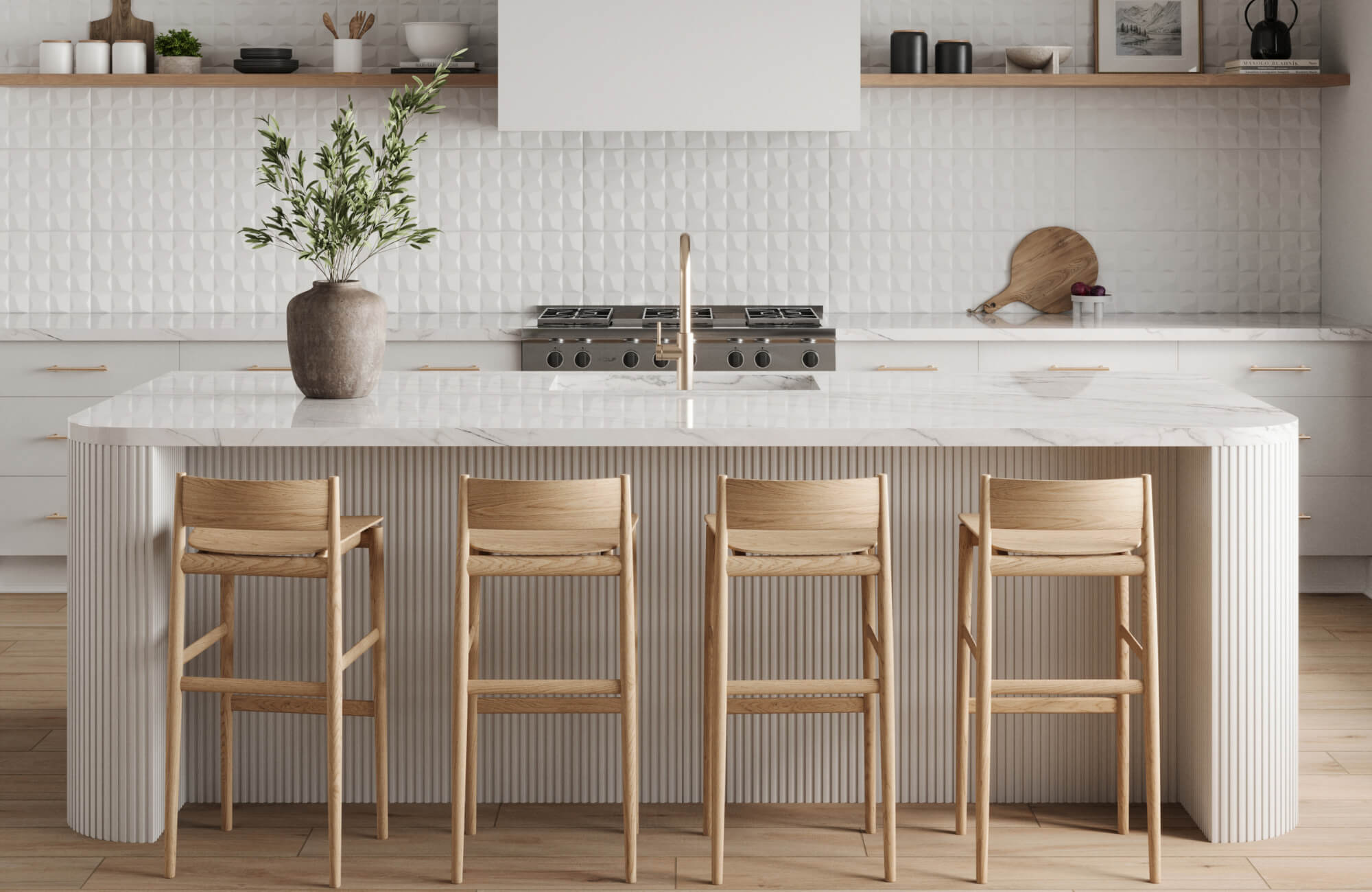
This lasting appeal is beautifully demonstrated in Edward Martin’s Zayne 12x36 Matte Ceramic Tile in Blocks. Featured above, its subtle geometric pattern introduces tactile interest without sacrificing the crisp neutrality of white, while the elongated format reinforces visual openness. As a result, it’s a compelling option for backsplashes or feature walls where timeless style meets modern dimension.
Versatility in Design Pairing
In addition to their aesthetic stability, white ceramic tiles are remarkably adaptable. They integrate seamlessly with a wide spectrum of materials, ranging from warm wood tones and natural stone to sleek metallic finishes like brass or matte black. This compatibility makes them ideal for diverse design styles, whether traditional, transitional, or ultra-modern.
Furthermore, a variety of formats, from classic subway to intricate mosaics, combined with layout options like herringbone or stacked bond, offer endless customization possibilities. Even grout color becomes a design tool: matching grout creates a smooth, cohesive look while contrasting grout adds structure and visual rhythm. Altogether, this flexibility empowers you to personalize spaces with ease and confidence.
Creating a Sense of Calm and Serenity
Beyond visual versatility, white ceramic tiles contribute to the emotional tone of a kitchen. Psychologically, the color white is linked to clarity, cleanliness, and calm, all qualities that enhance both comfort and functionality in busy spaces.
Their smooth, cool surfaces help reinforce a sense of order, while repetitive arrangements, especially in symmetrical layouts, can establish a calming, almost meditative rhythm. Additionally, in open-plan homes, white tiles help unify adjoining spaces by reducing visual clutter, promoting a serene and cohesive atmosphere. In this way, they align perfectly with wellness-driven design principles that emphasize simplicity, light, and intentional living.
Illuminating Your Culinary Space
Lighting has a major influence on how a kitchen feels and functions and white ceramic tiles are uniquely equipped to make the most of it. Whether you're working with abundant daylight or relying on artificial sources, the right tile choice can dramatically elevate the brightness and spaciousness of your space.
Maximizing Natural Light Reflection
To start, white ceramic tiles possess a high Light Reflectance Value (LRV), typically between 80 and 90, meaning they reflect a substantial portion of visible light. This makes them especially effective in amplifying daylight when installed near windows, skylights, or glass doors. Glossy finishes take this further by scattering light more evenly, brightening surfaces while reducing the need for artificial lighting, an added benefit in north-facing or low-light kitchens.
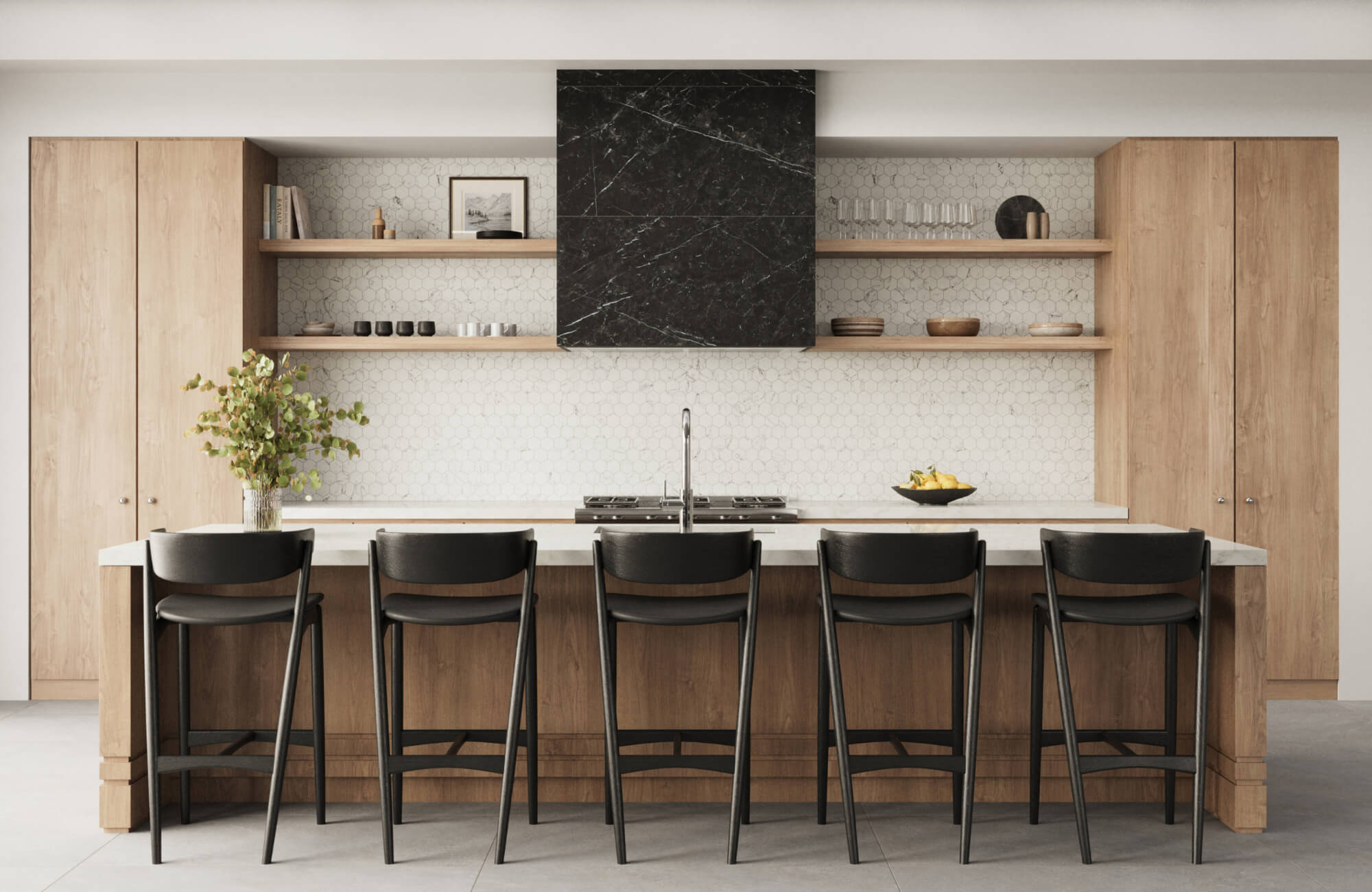
For example, this light-enhancing capability is beautifully demonstrated by Edward Martin’s Blair 3x3 Matte Porcelain Hexagon Mosaic Tile in White Carrara. As shown above, its soft tone and subtle veining diffuse ambient light, create depth and a calm, luminous atmosphere. Even with a matte finish, it manages to elevate brightness while offering a refined, tactile quality.
Visually Expanding Smaller Kitchens
In addition to maximizing light, white ceramic tiles also help visually enlarge the kitchen. By minimizing shadow lines and reducing segmentation, especially when using large-format tiles, they foster a more seamless, open aesthetic. Applied to walls or backsplashes, they naturally draw the eye upward and outward, emphasizing verticality and width.
As a result, this visual trick is especially useful in compact or enclosed layouts, allowing you to create a brighter, more expansive environment without structural renovations. When paired with similarly toned cabinetry or countertops, the effect is even more cohesive and uplifting.
Enhancing Artificial Lighting Effectiveness
Beyond natural light, white ceramic tiles also improve the performance of artificial lighting. They reflect LED, pendant, or recessed lighting with high efficiency, helping to distribute light more evenly throughout the space. This reduces harsh shadows and glare in heavily used areas like sinks and prep stations.
Importantly, this reflective quality also helps preserve true color rendering, crucial in kitchens that use daylight-balanced bulbs to maintain visual consistency. As part of a layered lighting plan, white tiles offer both functional and aesthetic benefits, reinforcing clarity, ambiance, and overall visual harmony.

Hygienic and Easy Maintenance
In a space where messes are inevitable, choosing surfaces that support cleanliness without extra effort is key. That’s where white ceramic tiles shine, offering a hygienic, low-maintenance solution that keeps your kitchen looking fresh and feeling healthy.
Effortless Cleaning and Stain Resistance
To begin with, white ceramic tiles are crafted from kiln-fired clay and coated with a vitreous glaze that seals out moisture, oils, and acidic substances. This non-porous barrier makes them highly resistant to staining from food spills like tomato sauce or coffee. Maintenance is refreshingly simple, typically requiring only a pH-neutral cleaner and a soft cloth.
What’s more, unlike natural stone or unglazed alternatives, ceramic tiles don’t require sealing or special treatments, making them especially practical for busy or family-centered kitchens. For optimal results and long-term performance, it’s always wise to consult the manufacturer’s maintenance guidelines.
Promoting Visible Cleanliness
Equally important, the bright surface of white ceramic tiles makes dirt, spills, and residues immediately visible. This encourages prompt cleaning and promotes better hygiene habits in day-to-day use. In food preparation zones, where cleanliness is critical, this visual clarity helps reduce the likelihood of microbial buildup or cross-contamination.
Beyond functionality, their crisp appearance also reinforces a sense of cleanliness and order, an effect that’s both reassuring and aesthetically pleasing.
For instance, Edward Martin’s Sarina 3x12 Matte Ceramic Fishscale Tile in White Ice captures this balance of form and function. Its curved silhouette and soft matte finish enhance visual interest while remaining easy to monitor and clean, making it an excellent choice for kitchens where design and sanitation go hand in hand.
Resistance to Mold and Mildew
Finally, white ceramic tiles offer strong protection against mold and mildew, two common concerns in moisture-prone areas like kitchens. Their glazed surfaces absorb less than 0.5% of water, significantly reducing the conditions mold needs to thrive.
When installed with mildew-resistant grout and paired with proper ventilation, ceramic tile systems can support healthier indoor air quality while minimizing the need for chemical cleaners. This makes them not only a durable surface choice but also a reliable ally in maintaining a hygienic, wellness-focused kitchen environment.
Design Versatility and Customization
White ceramic tiles may be simple in color, but their design potential is anything but limited. With countless ways to play with shape, texture, finish, and layout, they offer the freedom to tailor a kitchen’s look down to the smallest detail.
Exploring Shapes and Sizes
To begin, white ceramic tiles are available in a wide range of formats, from classic 3"x6" subway tiles to oversized 12"x24" panels, making it easy to adjust a kitchen’s visual proportions. Smaller shapes like penny rounds, hexagons, or 2"x2" mosaics add fine detail to backsplashes and accent walls. Meanwhile, rectified edge tiles allow for tighter grout joints, resulting in a sleek, continuous surface ideal for modern designs.
This dimensional flexibility supports everything from geometric statement walls to smooth, monolithic surfaces that fade elegantly into the background.
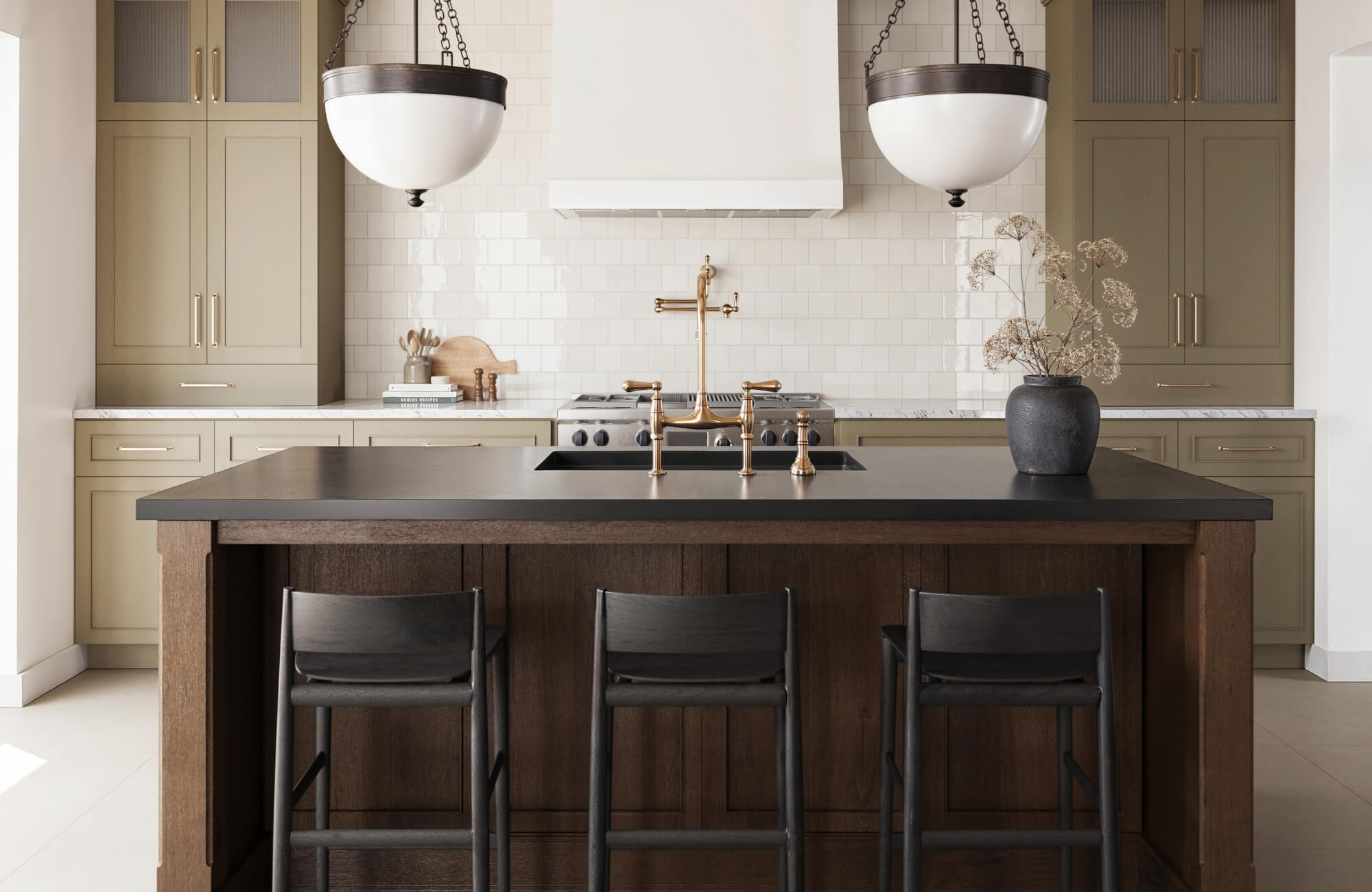
For example, Edward Martin’s Maisie 4x4 Glossy Ceramic Tile in Canvas demonstrates this balance beautifully. As shown in the photo above, its square shape and subtly irregular surface create a handcrafted look, while the glossy finish boosts light reflection and spatial openness. As a result, it provides a visually textured but cohesive option between bold mosaics and minimalist large formats.
Incorporating Textures and Finishes
Beyond size and shape, surface finishes greatly influence the overall effect of ceramic tile installations. Glossy tiles reflect light and deliver a crisp, polished look, ideal for brightening up modern kitchens. In contrast, matte finishes provide a softer, more organic aesthetic while offering added slip resistance, especially useful for flooring.
Additionally, textured or embossed finishes, such as ribbed, 3D, or hand-molded designs, introduce depth and tactile interest. These surfaces can add richness to even the simplest color palettes. Some tiles are even designed to mimic natural materials like marble or wood, offering the look of luxury with the performance and maintenance ease of ceramic.
Grout Line Impact and Pattern Play
Equally important, grout and layout choices have a major impact on the final design. Choosing a grout color that matches the tile can create a smooth, seamless surface while contrasting grout outlines each tile for greater definition and structure.
Moreover, grout joint width adds to the stylistic nuance, thin lines feel sleek and contemporary, while wider joints evoke a more rustic or traditional character. At the same time, layout patterns like herringbone, stacked, or diagonal arrangements introduce movement and help guide visual flow across the space.
To make visualizing these combinations easier, the Edward Martin Augmented Reality (AR) Visualization Tool lets you preview tiles in real time, directly in your space. After selecting a tile from the collection, simply tap “View in Your Space” to see how it looks with your desired grout and layout. This interactive feature helps you fine-tune every design detail before committing, and once you're confident, you can order real samples delivered to your home for added peace of mind.
Enhancing Property Value and Appeal - H2
Beyond aesthetics, the right design choices can significantly influence how a home is perceived, and valued, in today’s market. White ceramic tiles do just that, offering a blend of broad appeal, modern sensibility, and long-term durability that resonates with buyers and homeowners alike.
Broad Buyer Appeal
To start, white ceramic tiles have near-universal appeal thanks to their clean, neutral aesthetic, making them a strategic asset in the real estate market. Their visual simplicity adapts easily to a wide range of design styles, from Scandinavian minimalism to transitional and modern interiors, allowing potential buyers to easily envision the space as their own.
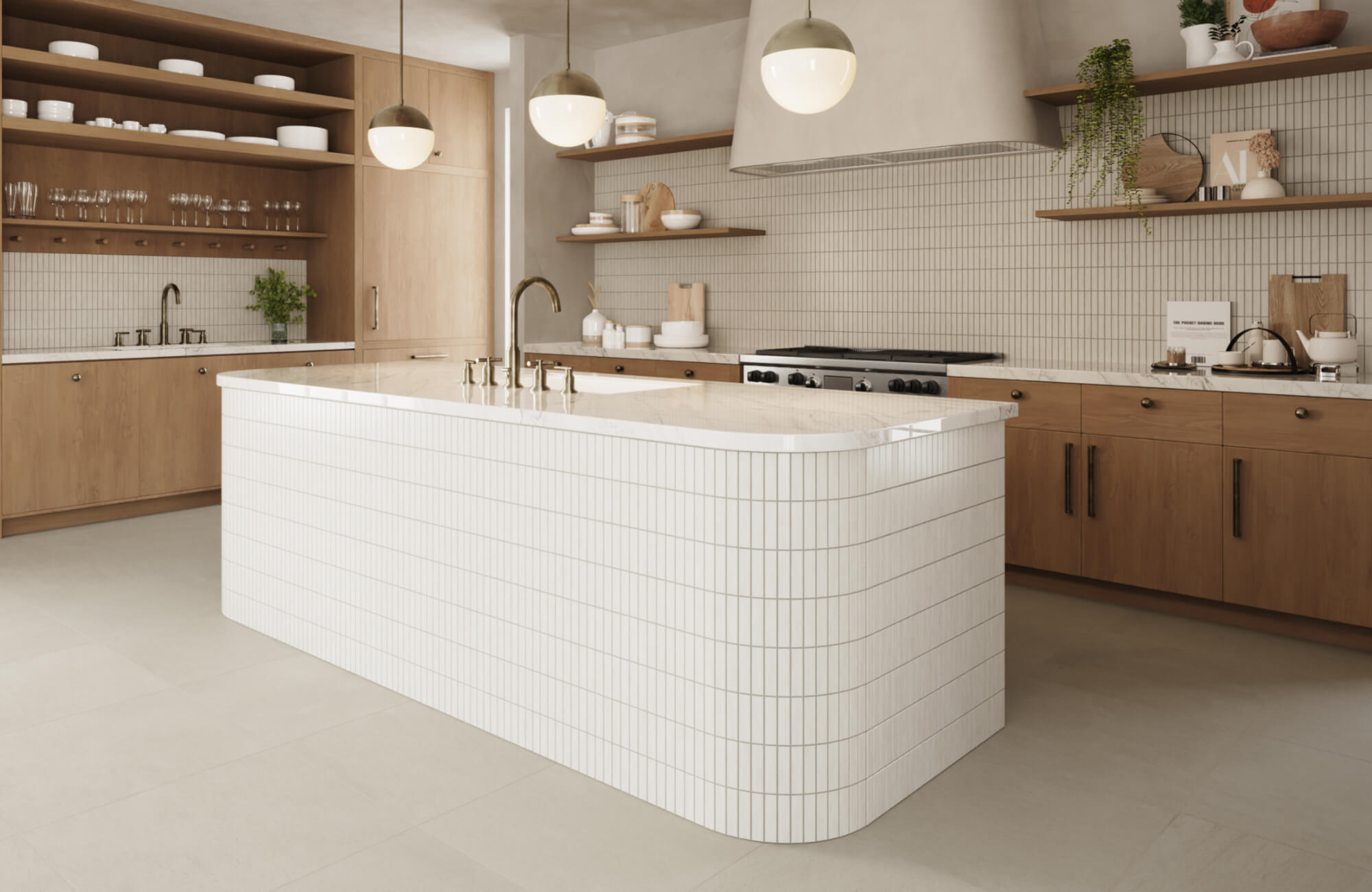
Moreover, because kitchens are often a focal point during home showings, using white tile communicates a sense of cleanliness, versatility, and move-in readiness, qualities that resonate with today’s homebuyers. This wide-ranging compatibility is perfectly illustrated by Edward Martin’s Adeline 1x4 Matte Porcelain Mosaic Tile in White Sand. Featured above, its slim, stacked format and warm undertone strike a balance between contemporary polish and approachable warmth. The subtle texture adds depth without overwhelming the overall design, helping to create a kitchen that feels thoughtfully designed yet universally appealing.
Perceived Value and Modernity
In addition to broad appeal, white ceramic tiles also enhance the perception of value. Their crisp finish and luminous surface project a sense of freshness and cleanliness, which is particularly important in kitchen environments. Furthermore, thanks to advances in manufacturing, white ceramic tiles can convincingly replicate high-end materials like marble or handcrafted zellige, offering upscale aesthetics at a more accessible price point.
As a result, elements such as full-height tile installations and carefully selected patterns not only elevate the space visually but also signal quality and attention to detail. These visual cues can make a property stand out in competitive markets by reinforcing the impression that the home is well-maintained and thoughtfully upgraded.
Long-Term Investment Durability
Equally important, white ceramic tiles provide exceptional long-term value. Engineered for resilience, they are highly resistant to heat, moisture, and surface wear due to the high-temperature firing process used in production. Unlike finishes that fade, peel, or stain over time, glazed ceramic retains its appearance with minimal maintenance.
In addition to performance, ceramic tile offers environmental advantages. It’s often made from abundant natural materials and available in recycled-content formats, which can appeal to eco-conscious buyers. With proper installation, white ceramic tile surfaces can last for decades, reducing the need for costly replacements and reinforcing the investment value of the home.
The Smart Choice for Luminous, Lasting Kitchens
Hence, white ceramic tiles are a smart, design-forward choice for kitchens that prioritize brightness, durability, and versatility. With their high Light Reflectance Value (LRV), stain-resistant glaze, and wide range of sizes and finishes, these tiles support both visual clarity and functional performance, enhancing the experience of the space day after day.
Whether you're planning a renovation for personal enjoyment or preparing a property for resale, white ceramic tiles offer a future-ready investment with minimal upkeep. For tailored guidance and expert product recommendations, connect with a tile specialist or visit our showroom to bring your vision to life.
Follow us on Instagram
@EDWARD.MARTIN
)
)
)
)
)
)
)
)
)
)
)
)
)
)
)
)