Wood look tiles have taken the interior design world by storm, captivating homeowners with their natural beauty and versatility. These innovative tiles, meticulously crafted to mimic the appearance of real wood, offer a stylish and practical solution for modern living. As design trends continue to favor warmth and organic textures, more homeowners are turning to wood look tiles to achieve the charm of hardwood without compromising performance. Their ability to blend timeless aesthetics with modern durability makes them especially appealing in spaces where both style and function matter.
However, an important question often follows: Can these beautifully crafted tiles truly withstand the constant moisture and daily demands of bathrooms and kitchens? Understanding their performance in these high-humidity environments is essential before making a final decision. This guide explores the durability, practicality, and design potential of wood look tiles to help you determine whether they are the right fit for your space.

The Natural Beauty of Wood Look Tiles for Modern Homes
While wood flooring has long been a symbol of elegance and warmth in homes, it can be susceptible to water damage, scratches, and fading, especially in frequently used areas like bathrooms and kitchens. Wood look tiles offer a stylish and practical alternative that captures the essence of real wood without its drawbacks. With advancements in ceramic and porcelain tile technology, manufacturers can now produce tiles with incredibly realistic wood grain patterns, textures, and colors.
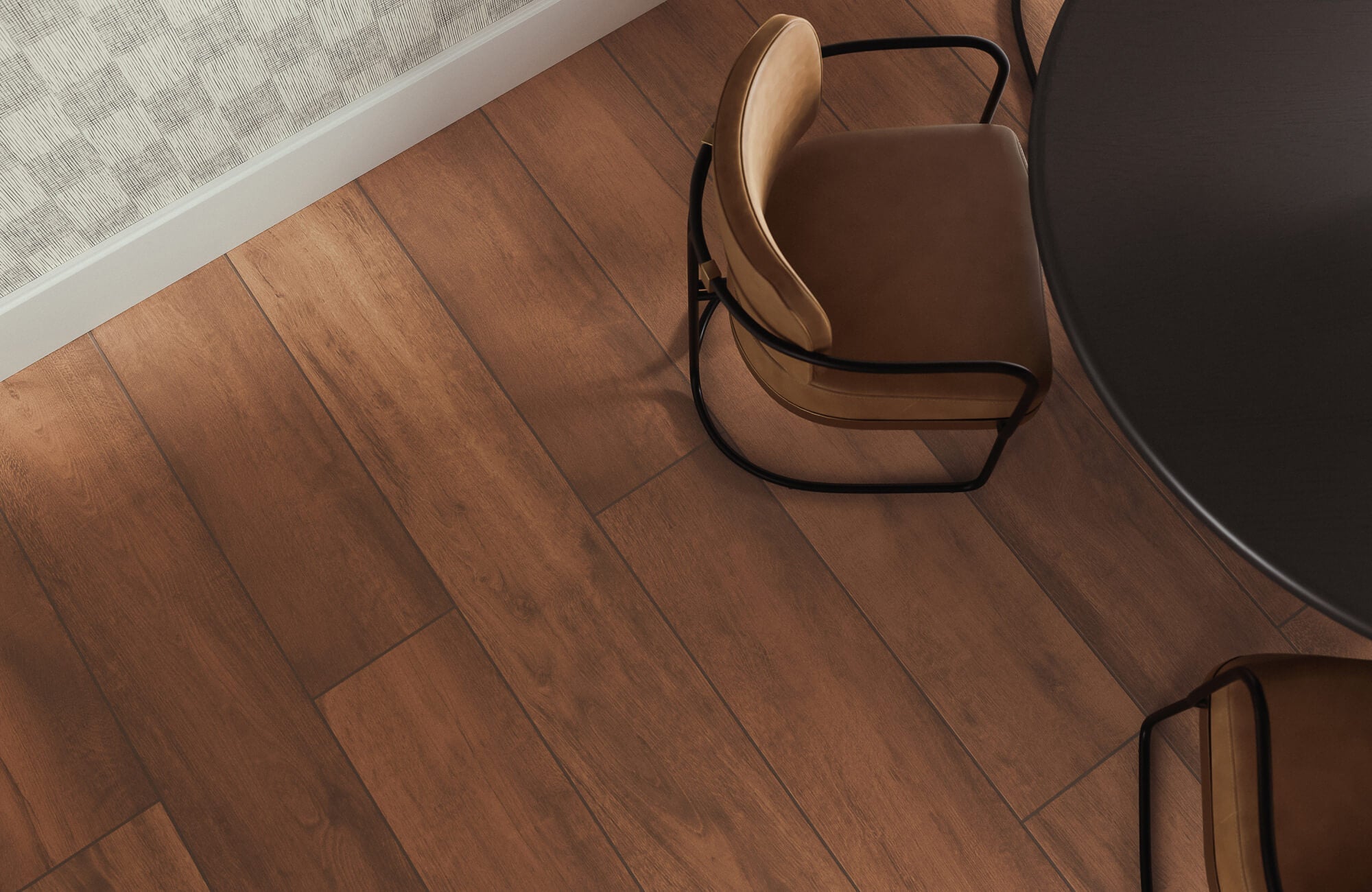
These innovative tiles are designed to mimic the appearance of various wood species, from rustic oak to sleek walnut, allowing homeowners to enjoy their timeless appeal with the durability and low maintenance of modern tiles. For example, Edward Martin’s Jameson 8x48 Matte Porcelain Tile in Umber, as displayed in the photo above, showcases rich, deep brown tones and authentic wood grain detailing that replicate the character of stained hardwood while delivering the strength and moisture resistance of porcelain. This expands design possibilities without compromising functionality.
Beyond their visual appeal, wood look tiles also offer remarkable design flexibility that suits both classic and contemporary interiors. Whether installed in long planks to replicate traditional hardwood layouts or arranged in herringbone and chevron patterns for a more tailored look, these tiles adapt effortlessly to different aesthetics. Their consistent coloring and controlled grain variation also allow homeowners to achieve a cohesive finish throughout open-concept spaces, creating seamless transitions between rooms while maintaining the warmth and character associated with natural wood.

Types of Wood Look Tiles
Ceramic and porcelain wood look tiles each offer unique benefits, making them suitable for different applications depending on your needs. Ceramic wood look tiles are a budget-friendly option, offering a wide range of colors, patterns, and finishes to suit various design preferences. These tiles are ideal for homeowners seeking affordability and versatility in less demanding spaces. However, ceramic wood look tiles are generally better suited for wall applications or moderately used areas, as they are more prone to chipping and cracking under heavy use.
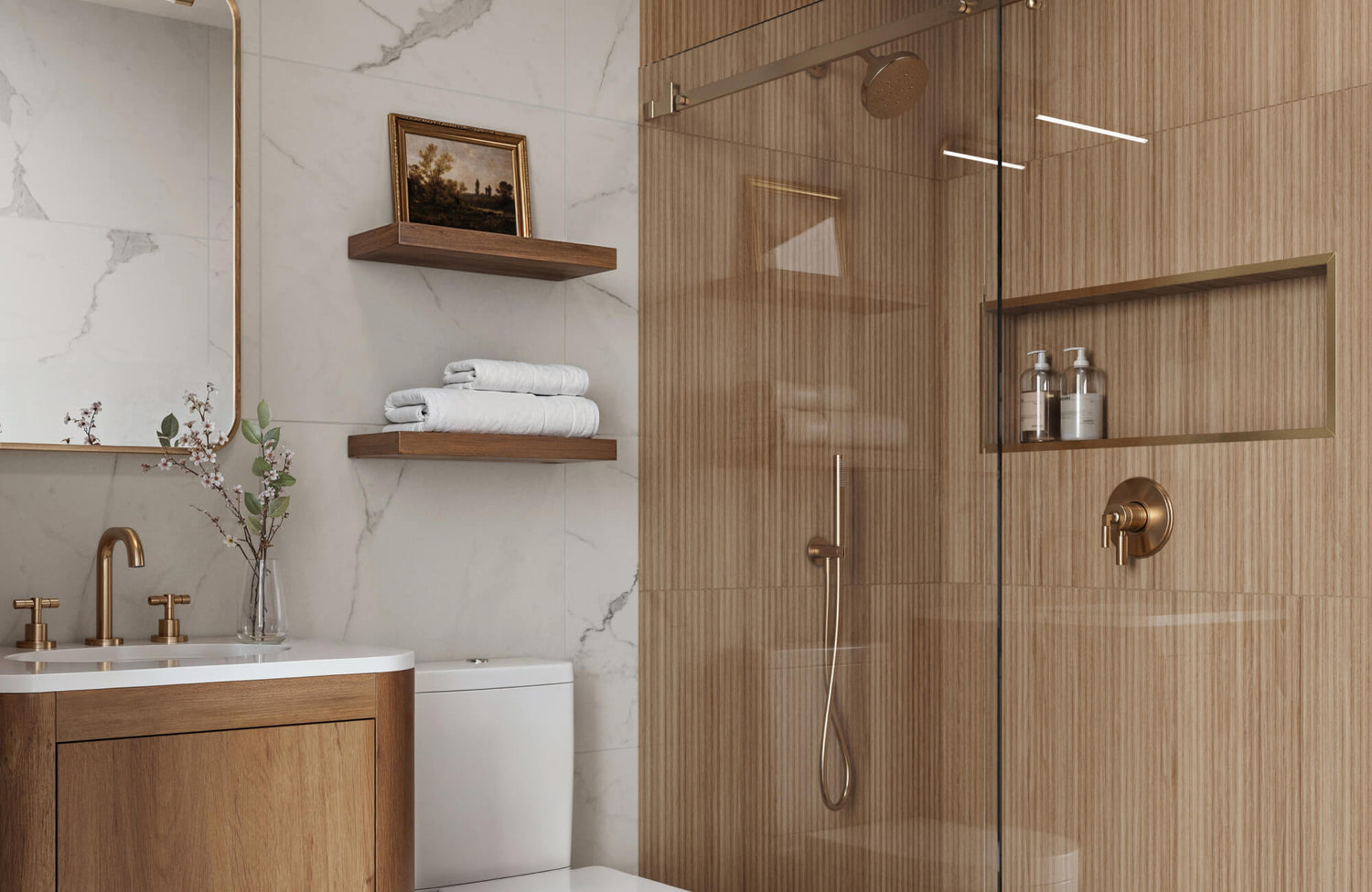
In contrast, porcelain wood look tiles, like the Zayne 12x36 Matte Ceramic Tile in Slat (featured in the photo above), are highly durable and dense, offering superior resistance to scratches, stains, and chips. Their non-porous surface makes them an excellent choice for wet environments such as showers and backsplashes, where water resistance is critical. Porcelain wood look tiles also come in a broad range of styles, catering to various aesthetic preferences. Although these tiles tend to have a higher price point than their ceramic counterparts, their long-lasting durability and ability to withstand heavy use and moisture often make them a worthwhile investment.
In addition to material differences, wood look tiles also vary in finish and texture, which can significantly influence both aesthetics and performance. Matte finishes are especially popular for floors, as they provide a more natural wood appearance while offering better slip resistance in moisture-prone areas. On the other hand, textured surfaces that replicate authentic wood grain not only enhance realism but also improve traction underfoot, making them a practical choice for bathrooms and kitchens. By carefully selecting the right combination of material, finish, and texture, homeowners can achieve a balanced result that meets both their design vision and functional needs.

Advantages and Practical Considerations of Wood Look Tiles
Wood look tiles offer not only aesthetic appeal but also several functional benefits, making them an ideal choice for bathrooms and kitchens. Below, we expand on the key advantages and practical factors to consider when choosing wood look tiles for your home. For the best results, consulting with a professional installer can help ensure proper selection, preparation, and installation tailored to your specific space and usage needs.
Durability
Wood look tiles provide exceptional durability, making them ideal for busy areas like bathrooms and kitchens. As previously highlighted, unlike real wood, these tiles are impervious to water damage, standing up well to spills, splashes, and humidity. This also makes them resistant to mold, mildew, and bacteria growth, ensuring a healthier environment. Additionally, their hard, non-porous surface provides excellent protection against scratches, stains, and daily wear and tear, making them ideal for withstanding heavy use and dropped objects.
When selecting wood look tiles, the Porcelain Enamel Institute (PEI) rating is an important consideration. This system measures the durability of ceramic and porcelain tiles, with higher ratings indicating greater resistance to wear. A PEI rating of 3 or higher is recommended for busy areas like kitchens and bathrooms, ensuring the tiles can handle the demands of everyday use while maintaining their visual appeal.
Moisture Resistance and Waterproofing
Moisture resistance is a critical factor when choosing wood look tiles for bathrooms and kitchens. Fortunately, modern ceramic and porcelain wood look tiles are designed to be highly water-resistant. Their dense composition limits water absorption, helping prevent warping, swelling, or deterioration over time. However, proper installation and sealing are crucial to ensure optimal performance. Hiring a skilled tile installer helps ensure precise measurements and level surfaces, which are necessary for effective waterproofing. In wet zones such as showers or behind sinks, incorporating a waterproof membrane beneath the tile adds another layer of protection against long-term moisture intrusion. Also, using high-quality grout and sealant creates a protective barrier between tiles and surrounding surfaces. Regularly inspecting and reapplying sealant annually would help maintain the durability of your wood look tile installations.
Temperature Fluctuations
While wood look tiles are generally resistant to temperature fluctuations, expansion and contraction can still occur in areas with significant temperature changes. This is particularly relevant in kitchens where heat from ovens, dishwashers, and direct sunlight may create subtle shifts in surface temperature. To minimize these effects, it's recommended to leave appropriate expansion joints between your tiles and walls. Additionally, using a flexible grout and sealant accommodates minor movement, helping prevent cracks and damage. When installed correctly, wood look tiles maintain their structural integrity and appearance even in environments that experience regular thermal variation.
Cleaning and Maintenance
Wood look tiles crafted from ceramic or porcelain are easy to clean and maintain, requiring only regular sweeping or mopping to keep them looking pristine. Unlike real wood, they don’t need waxing, polishing, or refinishing, making them a low-maintenance option. For deeper cleaning, you can use a mild detergent with warm water, and dry the tiles with a soft cloth to prevent water spots and mineral buildup. Also avoid abrasive cleaners, scouring pads, and harsh chemicals like bleach or acidic solutions, as these can damage the tile’s glaze and grout. Always follow the manufacturer’s recommendations to ensure proper care and longevity of your tiles.
Grout care is equally important to maintain the overall appearance of your wood look tile installations. Over time, grout can discolor, especially in frequently used areas. To keep it looking fresh, you can use a grout cleaner and brush to remove dirt and grime, and reseal grout every 1-2 years to protect against staining and water damage. Additionally, you can protect your tiles from scratches by avoiding dragging heavy furniture and using furniture pads. Also, address spills immediately by blotting liquids with a clean cloth to prevent staining and scrubbing, which can harm the tile surface.

Design Ideas and Inspiration
Here are some inspiring design ideas to transform your bathroom and kitchen into stunning spaces using wood look tiles.
Creating a Spa-Like Bathroom
You can transform your bathroom into a serene, spa-like retreat with the versatile design possibilities of wood look tiles. On the floor, lighter tones like Edward Martin’s Preston 8x48 Matte Porcelain Tile in Birch, as shown in the photo above, create a soft, organic foundation that enhances the room’s airy and tranquil atmosphere. Its natural wood grain variation and matte finish complement the freestanding tub and warm brass fixtures beautifully, reinforcing a calming, nature-inspired aesthetic. As wall tiles, wood look options can be used to craft a striking accent wall or cover the entire bathroom, effortlessly complementing both traditional and contemporary styles. For added functionality, they can even be used for vanity tops, offering a stylish, durable, water-resistant, and easy-to-maintain surface.
Rustic Kitchen with a Modern Edge
For a modern kitchen with a rustic twist, Edward Martin’s Jameson 8x48 Matte Porcelain Tile in Camel provides the perfect balance of warmth and sophistication. You can pair these tiles with sleek stainless steel appliances to create a harmonious contrast on the floor or backsplash. To add personality, you can also introduce bold accent colors like deep blues or vibrant reds through dishware, towels, or artwork. Industrial-inspired lighting fixtures, such as pendant lights with exposed bulbs or track lighting, can further enhance the modern aesthetic.
If you prefer a Mediterranean style, pair wood look tiles with earthy tones such as terracotta and olive green, and complement the design with mosaic tiles, wrought iron accents, and potted plants for a cozy, sun-drenched look. For Scandinavian simplicity, you can combine wood look tiles with white cabinetry, light-colored walls, and natural wood accents. This approach emphasizes clean lines, functionality, and bright, uncluttered spaces. To see how these designs would look in your kitchen, try using Edward Martin’s augmented reality (AR) tool, which allows you to visualize tile selections and layouts in your space with ease.
Small Space Solutions
Wood look tiles can be a fantastic way to maximize visual space in smaller bathrooms or kitchens. Opt for light-colored tiles like the Jameson 8x48 Matte Porcelain Tile in Latte to create a sense of openness and airiness. Strategic use of mirrors, such as a large mirror above the sink or a mirrored cabinet can also help to reflect light and make the room appear larger.
To create a seamless flow, use consistent materials and color palettes across different areas of a small space. For instance, if you've used wood look tiles on the floor, consider incorporating the same tiles on the backsplash or as an accent wall. With thoughtful planning and execution, even small spaces can be transformed into stylish, functional rooms.

The Cost Factor
Budget plays a crucial role in any home improvement project. Here’s a breakdown of the cost considerations when using wood look tiles.
Initial Investment
The upfront cost of wood look tiles is often higher than that of traditional ceramic or porcelain tiles. On average, wood look porcelain tiles range from approximately $5 to $12 per square foot for materials alone, depending on the brand, finish, and size. However, they provide a more affordable alternative to real wood flooring, which can cost anywhere from $8 to $20 per square foot or more, particularly when considering high-quality or exotic wood species. Additionally, the labor costs for installing and maintaining real wood are often substantially higher due to sanding, sealing, and refinishing requirements.
Several factors influence the price of wood look tiles, including their size, brand, and quality. Larger format planks, such as 8x48 or longer, may slightly increase material costs but can reduce grout lines and create a more seamless hardwood appearance. Installation costs typically range between $4 and $10 per square foot, depending on layout complexity, subfloor preparation, and regional labor rates. While high-quality tiles from reputable brands may have a higher upfront cost, they generally deliver superior durability and aesthetic appeal, making them a worthwhile investment over time.
Long-Term Savings
Despite the initial investment, wood look tiles can provide significant long-term savings. As previously highlighted, unlike real wood, these tiles are highly resistant to water damage, scratches, and stains, which reduces the need for costly repairs or premature replacement. Over time, you can save hundreds to thousands of dollars by avoiding refinishing expenses, which real hardwood floors typically require every 7 to 10 years.
Additionally, their minimal maintenance requirements, typically limited to routine sweeping and mopping, help save both time and money. There is no need for specialty wood cleaners, waxing products, or professional refinishing services. In terms of resale value, wood look tiles can also increase the overall appeal of a home, particularly in moisture-prone areas where buyers prioritize durability. Their ability to combine the visual warmth of wood with the resilience of porcelain or ceramic makes them an attractive, low-risk flooring solution for long-term homeownership.
Tailoring Your Choice to Your Needs
When deciding whether wood look tiles are right for you, consider your lifestyle, budget, and design preferences. If durability, low maintenance, and water resistance are your priorities, wood look tiles are an excellent solution, especially for busy households and moisture-prone areas like bathrooms and kitchens. Their practicality and stylish appeal make them a popular choice for modern living. Wood look tiles also offer exceptional versatility, adapting seamlessly to a range of styles, from rustic charm to sleek minimalism. Additionally, they resist common issues such as scratches, stains, and moisture damage, ensuring long-term durability. Their low maintenance requirements and potential to enhance resale value further increase their appeal. Ultimately, wood look tiles combine functionality and beauty, making them ideal for creating cohesive, stylish spaces.
If you’re uncertain about your decision, consult with a flooring professional who can evaluate your needs and recommend the most suitable solution. By carefully weighing the benefits and practical considerations, you can confidently select flooring that aligns with your vision and lifestyle.