
)
)
)
)
)
)
)
)
Can White Subway Tiles Make A Small Space Look Bigger?
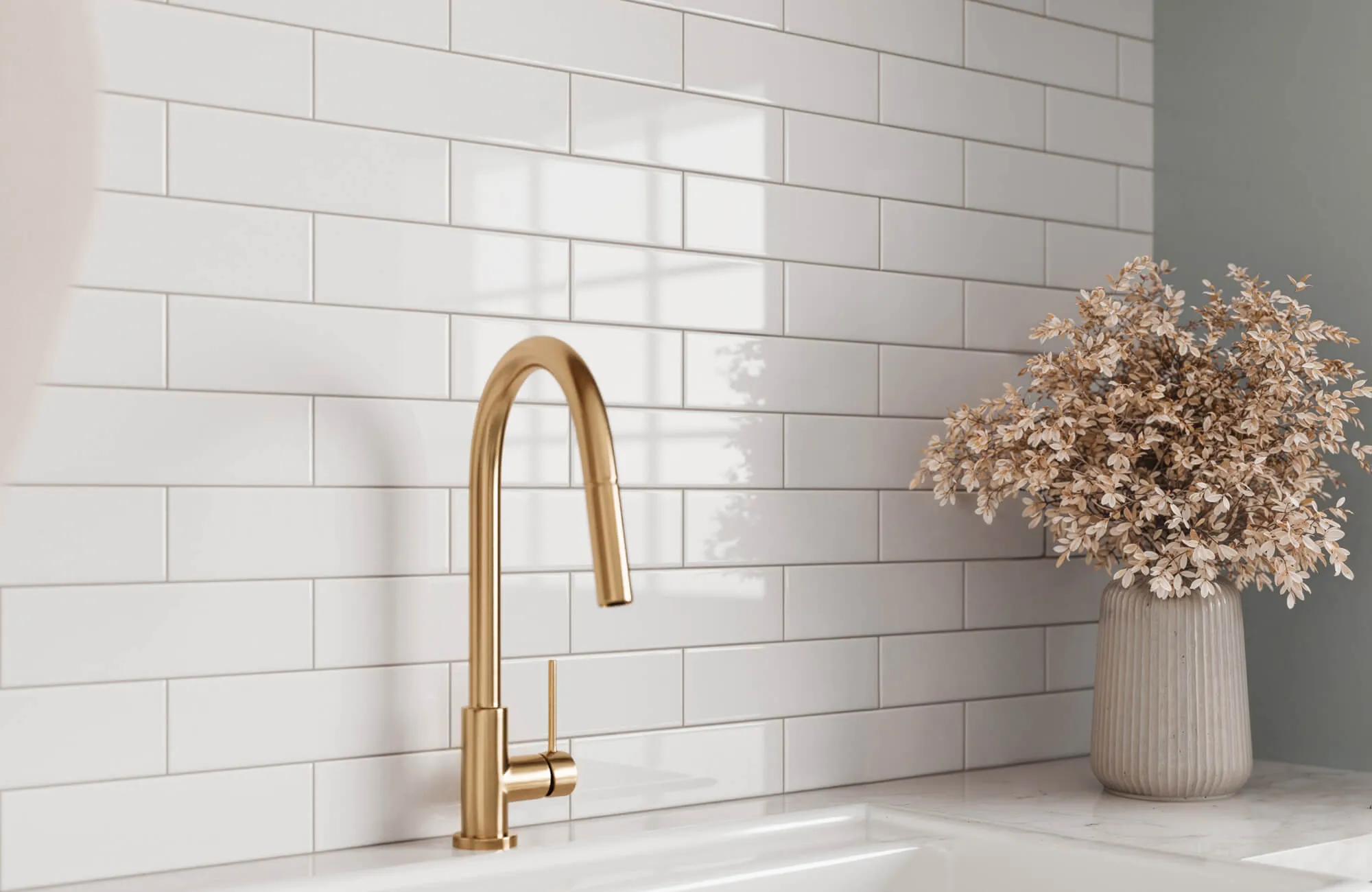
White subway tiles do make small spaces feel larger, but not simply because they are white. The effect is more considered than that. It comes from how a pale, reflective surface interacts with light, how layout direction shapes the eye's movement through the room, and how the surrounding design choices either support or undermine the sense of openness the tile can create.
Used with intention, white subway tiles reflect both natural and artificial light deeper into a room, reduce the visual heaviness of enclosed surfaces, and create a sense of depth that more patterned or darker materials cannot. The result is a space that feels brighter, quieter, and more open than its dimensions alone would suggest, provided the tile is not working alone.
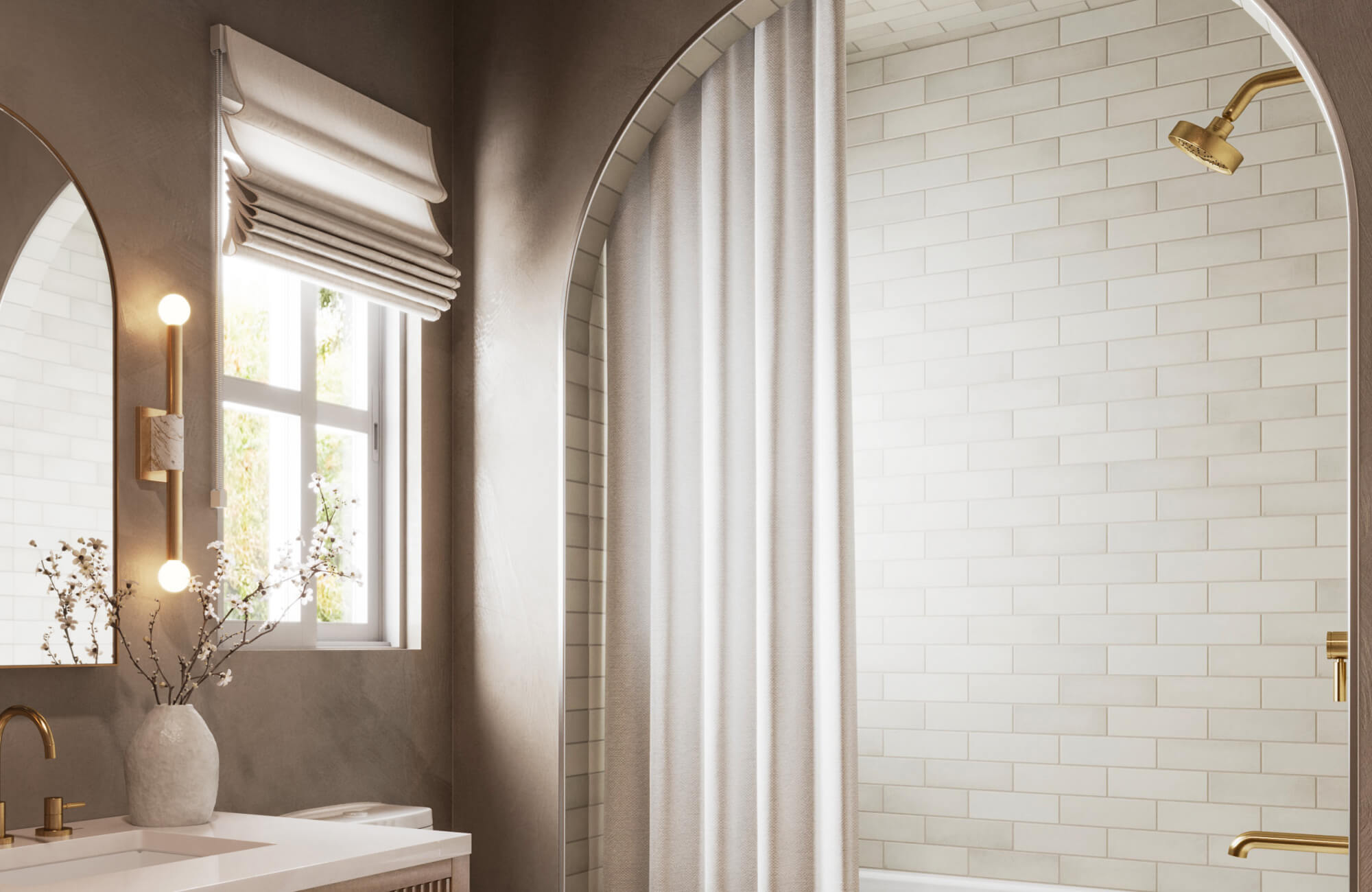
Ellie 2.5 x 8 Matte Ceramic Tile in Eggshell uses a soft white tone to create a calm, open feeling, showing how color can make a bathroom feel brighter and bigger
The Psychology of Color
Color shapes how a room feels before a person consciously registers why. In small spaces, where every surface is in closer proximity, those effects are more concentrated and more immediate.
The Power of White
White has a particular quality in interior design: it absorbs attention without demanding it. Its associations with clarity, calm, and simplicity allow it to recede visually, making the surfaces it covers feel less present and by extension, making the room feel less bounded. Its reflective properties help both natural and artificial light penetrate more deeply into a space, reducing shadow and softening the contrast between surfaces that can make a compact room feel dense.
In small bathrooms and kitchens, white subway tiles work most effectively when the surrounding design remains similarly restrained — minimal fixtures, simple cabinetry, surfaces that support rather than interrupt the sense of openness. For a more elevated approach, the Aniston 3 x 12 Polished Porcelain Tile in Carrara Bianco brings a marble-inspired surface with subtle veining and a glossy finish that reflects light while adding material sophistication. It brings depth without visual weight, a useful quality in any room where space is limited.
White also has a calming quality that suits the rooms where it most often appears. That calm, however, depends on balance. Used without contrast or material variation, an all-white space can feel flat or clinical rather than refined. The surrounding choices matter as much as the tile itself.
The Contrast Effect
Contrast is what gives white its spatial power. On its own, a white surface is light and open. Paired with a darker element, like cabinetry, flooring, a countertop, or an accent wall, the white becomes brighter by comparison, and the room gains depth and dimension it would lack in an all-light palette.
In a compact kitchen, a white subway tile backsplash against dark countertops or flooring creates a dynamic that makes the room feel more layered and, paradoxically, more spacious. The contrast draws the eye across the room rather than stopping it at the nearest surface. In a bathroom with dark floors or cabinetry, white tiles above naturally pull visual attention upward, giving the room a taller, more open quality.
Texture also adds a parallel layer of contrast. A matte or handmade surface beside smooth white tile creates variation that feels considered and grounded, giving visual interest without the weight of additional color.
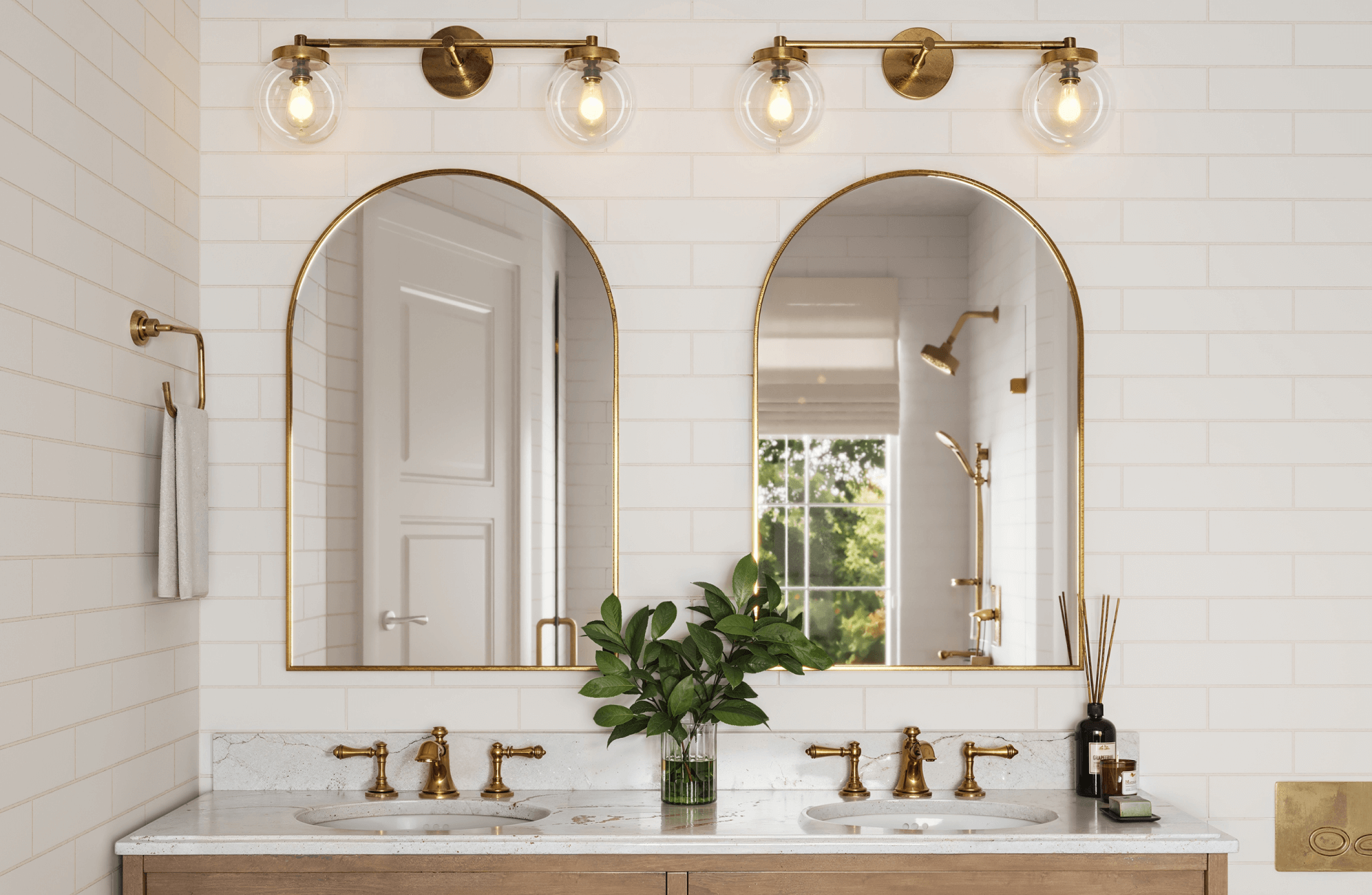
Madilyn 3x12 Matte Ceramic Tile in Pearl reflects the warm lighting softly, helping the bathroom feel brighter, spacious, and more inviting
The Role of Lighting
Lighting determines how much of a white tile's potential is actually realized in a room. The surface can only reflect what light it receives, and a poorly lit space with white subway tiles will still feel dim and enclosed.
Natural Light vs. Artificial Lighting
Natural light and white subway tiles have a natural affinity. The tile's reflective surface amplifies sunlight and distributes it more evenly across the room, reducing the darker corners that make small spaces feel smaller. Edward Martin’s Mika 2.5 x 10 Matte Ceramic Tile in Chalk demonstrates this quality through its soft, matte finish, which reflects light without harsh glare, maintaining a warm and inviting atmosphere in naturally lit spaces.
Where natural light is limited, artificial lighting becomes the foundation of the effect. Layering ambient, task, and accent sources creates the same sense of depth and brightness that sunlight provides naturally. Color temperatures between 4000K and 5000K maintain the crisp, open quality that suits white tile best, as warmer temperatures can shift the white toward cream and reduce the sense of brightness that makes the tile effective in small spaces.
Lighting Fixtures
The type of fixture shapes the room as much as the light it produces. Recessed lighting keeps the ceiling plane clean and uninterrupted, an important quality in low-ceilinged rooms where a pendant or surface-mounted fixture can visually compress the space. Track lighting allows light to be directed toward specific surfaces, ensuring the tile installation receives the illumination that allows it to do its work. Pendant lights and minimal chandeliers, when the scale is right, draw the eye upward and reinforce a sense of height without cluttering the visual field. Lighting and tile also work best as a considered system rather than independent choices. The most effective small-space designs treat them as inseparable elements of the same spatial strategy.
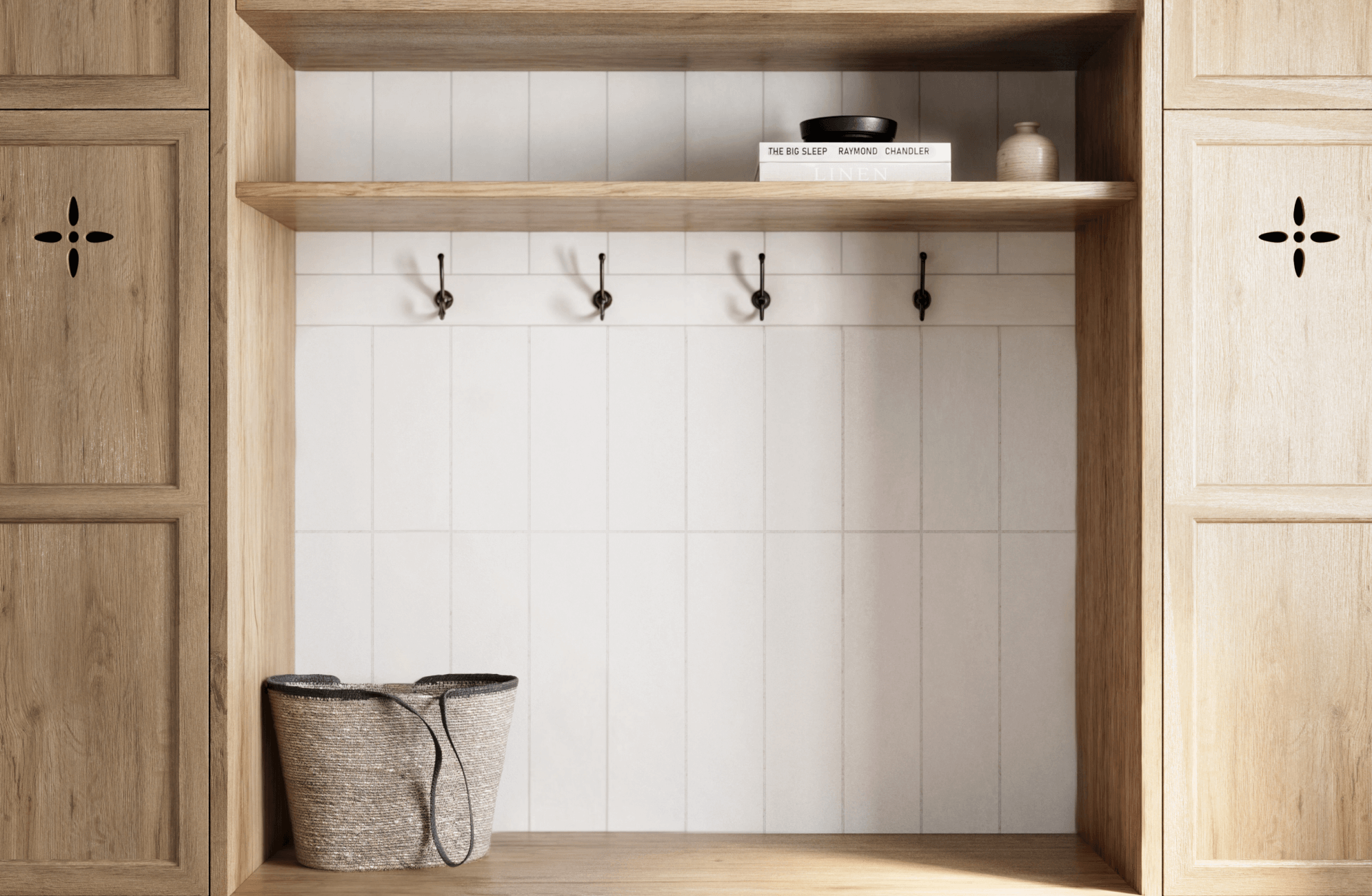
Dax 6 x 24 Matte Porcelain Tile in White uses a clean vertical layout to reinforce order and structure, giving the mudroom a polished, thoughtfully designed look
The Importance of Layout and Design
Color and light establish the conditions for a space to feel open. Layout determines whether that potential is fully realized.
The Illusion of Space
Tile orientation is a spatial tool. A vertical layout draws the eye upward along the wall, making the ceiling feel higher and the room less contained. A horizontal layout moves the eye laterally, making a narrow room feel wider. Neither is universally correct since the right choice depends on the proportions of the specific room and which dimension most needs to feel more generous.
Furniture and fixture choices also amplify or undermine the effect the tile creates. Floating vanities, wall-mounted storage, and furniture with visible legs allow more of the floor to remain visible, which reduces visual density and makes the room feel less crowded. When the floor is more visible, the room reads as more open, a simple principle that makes a consistent difference in compact spaces.
The Role of Patterns and Textures
Pattern, used carefully, adds depth without adding weight. Subtle geometric shapes or the gentle rhythm of a herringbone or stacked layout can guide the eye in ways that make a room feel more dynamic and spacious. Horizontal or vertical emphasis in the tile layout reinforces the spatial effect already described — stripes and linear patterns elongate the surfaces they occupy.
Bold patterns work against this goal. In a small room, a visually dominant tile pattern draws attention to the boundaries of the space rather than past them, making the room feel more enclosed rather than less. White subway tiles offer a more effective middle ground: enough texture and surface quality to feel considered, but restrained enough to support the room rather than compete with it.
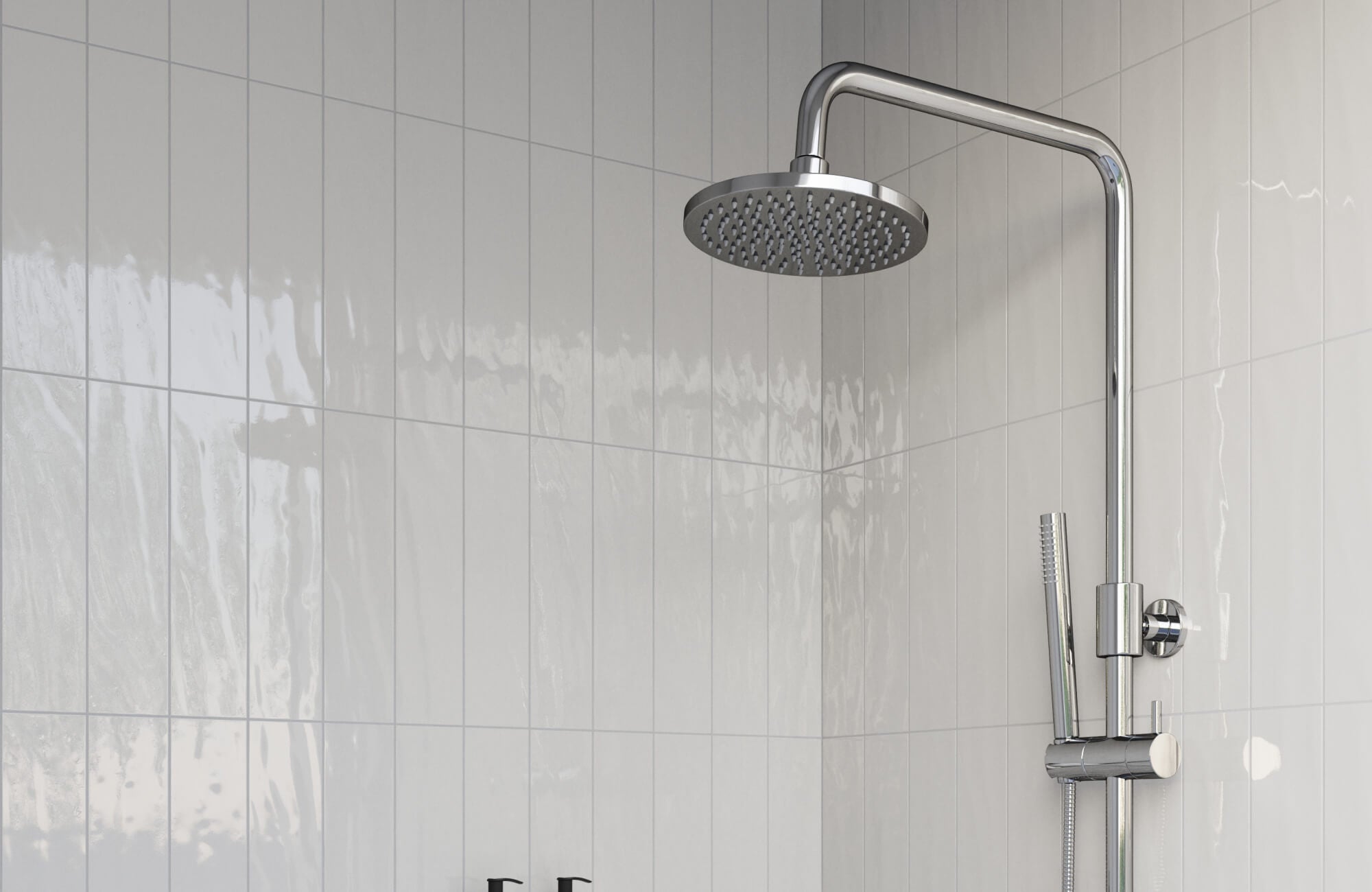
Palmer 3 x 12 Glossy Porcelain Tile in Bianco brightens the shower and visually stretches the walls, helping the small space feel cleaner, larger, and more open
Designing Small Spaces with White Subway Tiles
The tile establishes the foundation. The surrounding decisions determine how far its effect reaches.
Creating Openness in a Cozy Bathroom
In small bathrooms, white subway tiles on the walls and in the shower create an envelope of reflective surface that bounces light around the room rather than absorbing it. A horizontal tile layout visually widens the space. A floating vanity or wall-mounted fixtures keep the floor clear, which allows the room to feel more open than its footprint alone would suggest.
Recessed ceiling lighting, or lighting positioned close to the mirror also prevents the room from feeling dim at the center and ensures the tile's reflective quality functions as intended. These choices together transform a compact bathroom into something that feels calm, resolved, and genuinely spacious in character if not in dimension.
Maximize Light in a Tiny Kitchen
In a dark or compact kitchen, a white subway tile backsplash is one of the most effective ways to introduce brightness without making structural changes. The tile reflects available light from windows, under-cabinet fixtures, or ceiling sources and distributes it more evenly across the room.
Pairing white subway tiles with light cabinetry maintains the sense of openness. Where the kitchen includes darker countertops or flooring, that contrast can add depth and make the lighter surfaces read as brighter by comparison. Under-cabinet lighting and recessed ceiling fixtures also fill in the shadows that make small kitchens feel smaller, completing the effect the tile begins.
Use Mirrors to Enhance Perception of Space
Mirrors extend the spatial effect of white subway tiles by reflecting both the light and the surface back into the room. A large mirror on the wall opposite a tiled backsplash, or above a bathroom vanity flanked by tile, doubles the perception of depth and openness with a single design element.
Mirrors framed in simple, light materials feel most integrated alongside white tile. They reinforce rather than interrupt the visual calm the tile creates. In rooms with limited natural light, combining mirrors with well-placed artificial lighting ensures the effect holds throughout the day and into the evening.
To explore how these elements will work in your space, Edward Martin’s augmented reality (AR) tool allows you to preview various design combinations in real-time, ensuring you achieve the perfect look before making any final decisions.
If you're still looking to explore different design options while maintaining a sense of openness, there are alternatives to white subway tiles that offer similar benefits with a fresh twist.
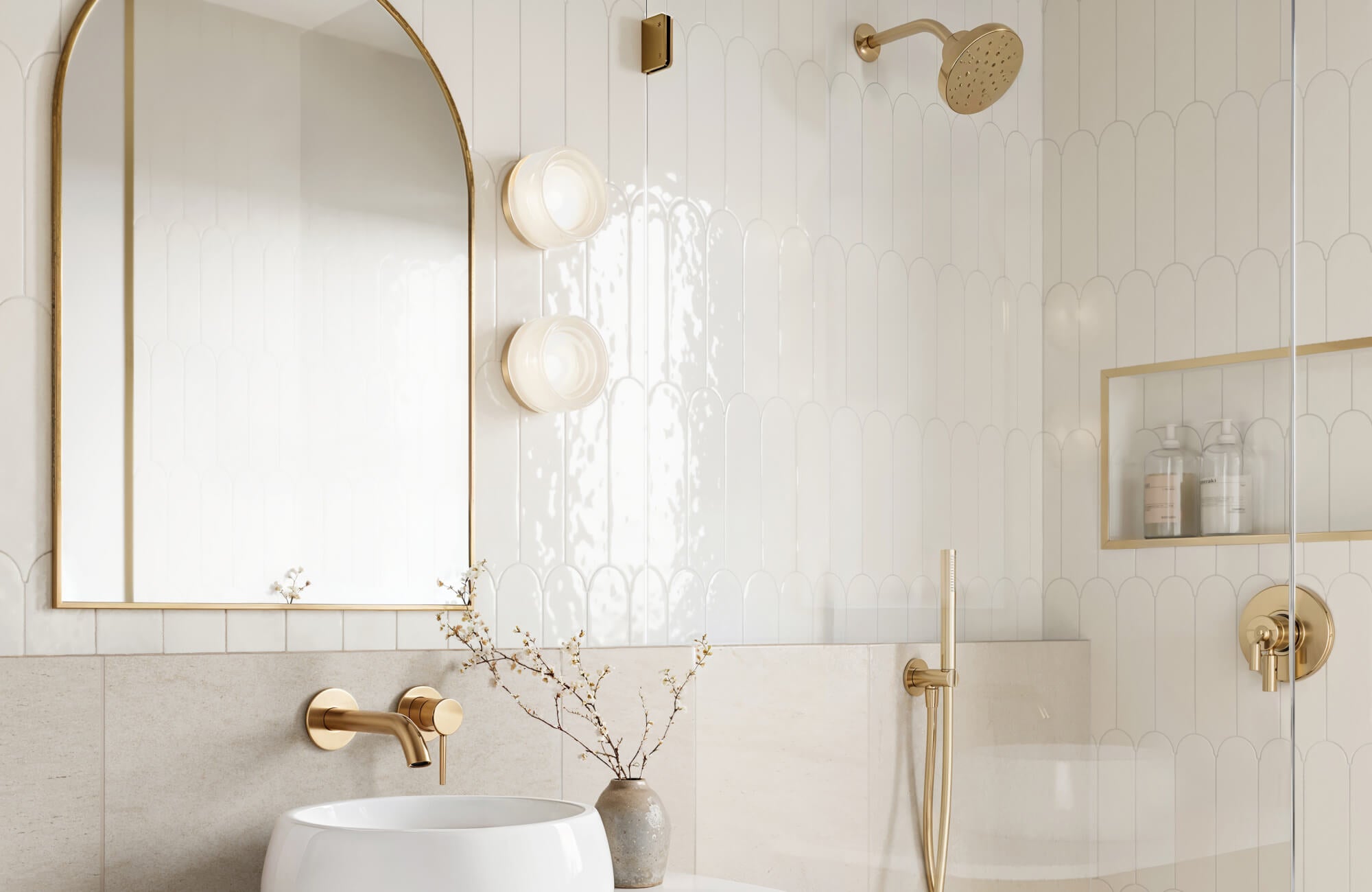
Sarina 3 x 12 Glossy Ceramic Fishscale Tile in White Ice offers a softer alternative to classic white subway tile, bringing subtle curves and glossy dimension to the bright, airy bath
Alternatives to White Subway Tiles
White is the most direct path to a bright, open feeling, but it is not the only one. Several alternatives achieve similar spatial effects while adding a different material or atmospheric quality.
Beyond White
Soft blues, pale greens, and light grays reflect light in ways that are closely comparable to white, but with a warmer or more personal character. These tones can evoke a particular atmosphere, such as a calm coastal quality, a botanical freshness, a cool and contemporary restraint, while still maintaining the sense of openness that makes white subway tiles effective in compact spaces.
Pastels and muted tones are also particularly useful in rooms with limited natural light, where pure white can sometimes feel flat or slightly cold. Paired with white or neutral accents and minimal fixtures, these lighter shades create a sense of space that feels more layered and considered than a single-color approach.
Decorative Tiles
For those who want the spatial benefits of a light, glossy surface alongside a more distinctive form, the Reagan 2 x 10 Glossy Ceramic Picket Tile in Blanco offers an alternative worth considering. Its picket silhouette introduces subtle pattern and visual texture while retaining the light-reflective finish that makes glossy tile effective in small rooms. Used as an accent wall or backsplash, it creates presence and sophistication without the visual weight that would make a compact space feel more enclosed.
White Subway Tiles Work Best as Part of a Considered Whole
White subway tiles can make a small space feel larger, especially when every surrounding design choice supports that same spatial intention. The tile reflects light, the layout guides the eye, the fixtures keep surfaces clear, and the lighting ensures the effect remains consistent throughout the day. Meanwhile, contrasting elements add depth, while mirrors extend the brightness and openness that the tile begins.
These elements are strongest when they work together rather than in isolation. When each choice responds to the room’s specific proportions, light conditions, and architectural details, the result is a space that feels open, calm, and genuinely well designed, regardless of its dimensions. For help selecting white subway tiles, requesting samples, or thinking through layout and finish for a specific space, contact us! We're glad to help you compose a design that feels considered and complete.
Follow us on Instagram
@EDWARD.MARTIN
)
)
)
)
)
)
)
)
)
)
)
)
)
)
)
)