Subway tile is one of the most adaptable choices in home design. Its clean lines and balanced proportions suit both classic and contemporary bathrooms. We usually see it on walls or kitchen backsplashes, but can it work underfoot in a shower? The short answer is yes, provided the tile’s material, size, finish, and installation match the demands of a wet, sloped surface. In this article, we’ll take a closer look at how material, finish, size, and installation each affect subway tile performance in wet areas, helping you make an informed decision whether it’s a suitable and lasting option for your shower floor.

Subway Tile and Its Characteristics
Before deciding whether subway tile is suitable for a shower floor, it’s important to understand what defines it and how its design performs in moisture-prone spaces. Knowing their material, size, and surface properties will help you assess both their potential and limitations.
What Defines a Subway Tile
Subway tiles are traditionally rectangular, most often measuring 3x6 inches, though modern variations now come in different proportions and finishes. They’re available in materials such as ceramic, porcelain, glass, and natural stone, each offering its own balance of durability and style. Valued for their clean lines and classic appeal, subway tiles fit seamlessly into both traditional and contemporary spaces.
However, their shape can be challenging on a sloped shower floor where precise drainage is required. Using smaller pieces or custom cuts allows the tiles to adapt to the slope, ensuring water flows properly. Grout spacing also serves an important purpose, enhancing traction and guiding water flow to create a surface that feels both secure and comfortable underfoot.
Material Differences and Their Implications
Not all subway tiles perform equally in a shower environment. Ceramic tiles, while attractive and affordable, are more porous and best suited for walls rather than floors. By comparison, porcelain is denser and more durable, with low water absorption, making it a reliable choice for wet environments. Meanwhile, glass subway tiles bring a beautiful reflective quality but can be slippery underfoot, so they’re better used for accents or niches.
For those who prefer a more natural look, stone subway tiles can work beautifully on shower floors when properly sealed, though they require consistent care to prevent stains or etching. Ultimately, porcelain remains the most practical and lasting option for a shower floor, offering a balance of durability, moisture resistance, and timeless appeal.
Surface Texture and Finish
A tile’s surface finish greatly influences how it feels and performs underfoot. Glossy finishes may create a sleek, polished look, but they can also become slippery when exposed to water. In contrast, matte or lightly textured surfaces provide better traction while still maintaining a refined appearance. Some porcelain options even feature specialized anti-slip coatings that add extra grip without compromising the timeless subway style.
In the photo displayed above, Edward Martin’s Natasha 2x6 Matte Porcelain Tile in Fog illustrates how a soft, matte finish can enhance both safety and sophistication. Its subtly textured surface helps disperse water while adding a calm, contemporary feel that complements the glossy wall tiles. It’s a perfect example of how balancing finish and function creates a shower design that feels cohesive, comfortable, and visually inviting.

Evaluating Safety and Slip Resistance
Because the shower floor is constantly exposed to water, traction and stability are essential. When considering subway tiles for this space, understanding slip resistance allows you to make an informed choice that prioritizes both safety and comfort.
Slip-Resistance Ratings Explained
Tiles are measured by their Coefficient of Friction (COF), which indicates the amount of grip a surface provides when wet. For shower floors, a COF of 0.42 or higher is generally recommended to maintain stability. When selecting subway tiles, take a moment to review the product details or ask about their slip rating. Choosing tiles that meet or exceed this standard helps reduce the risk of slipping and contributes to a safer, more comfortable shower experience.
Choosing the Right Finish for Grip
A tile’s finish has a direct impact on how stable the surface feels underfoot. Matte finishes help disperse water more evenly, reducing slipperiness, while lightly textured tiles offer gentle traction without feeling coarse. Some porcelain subway tiles feature integrated anti-slip coatings specifically engineered for showers and other moisture-prone spaces. By selecting a finish that enhances grip, you ensure a floor that feels stable, comfortable, and reliable for everyday use.
Improving Safety with Grout Lines and Layout
The way subway tiles are arranged can significantly influence safety and comfort underfoot. Smaller tiles or layouts with more grout lines naturally improve traction, as the grout breaks up the surface and provides subtle grip. A classic brick pattern adds texture and character while helping water drain more efficiently, whereas a stacked layout offers a sleek, modern look with clean, symmetrical lines. In any design, thoughtful grout spacing enhances stability and contributes to a well-balanced, visually appealing shower floor.
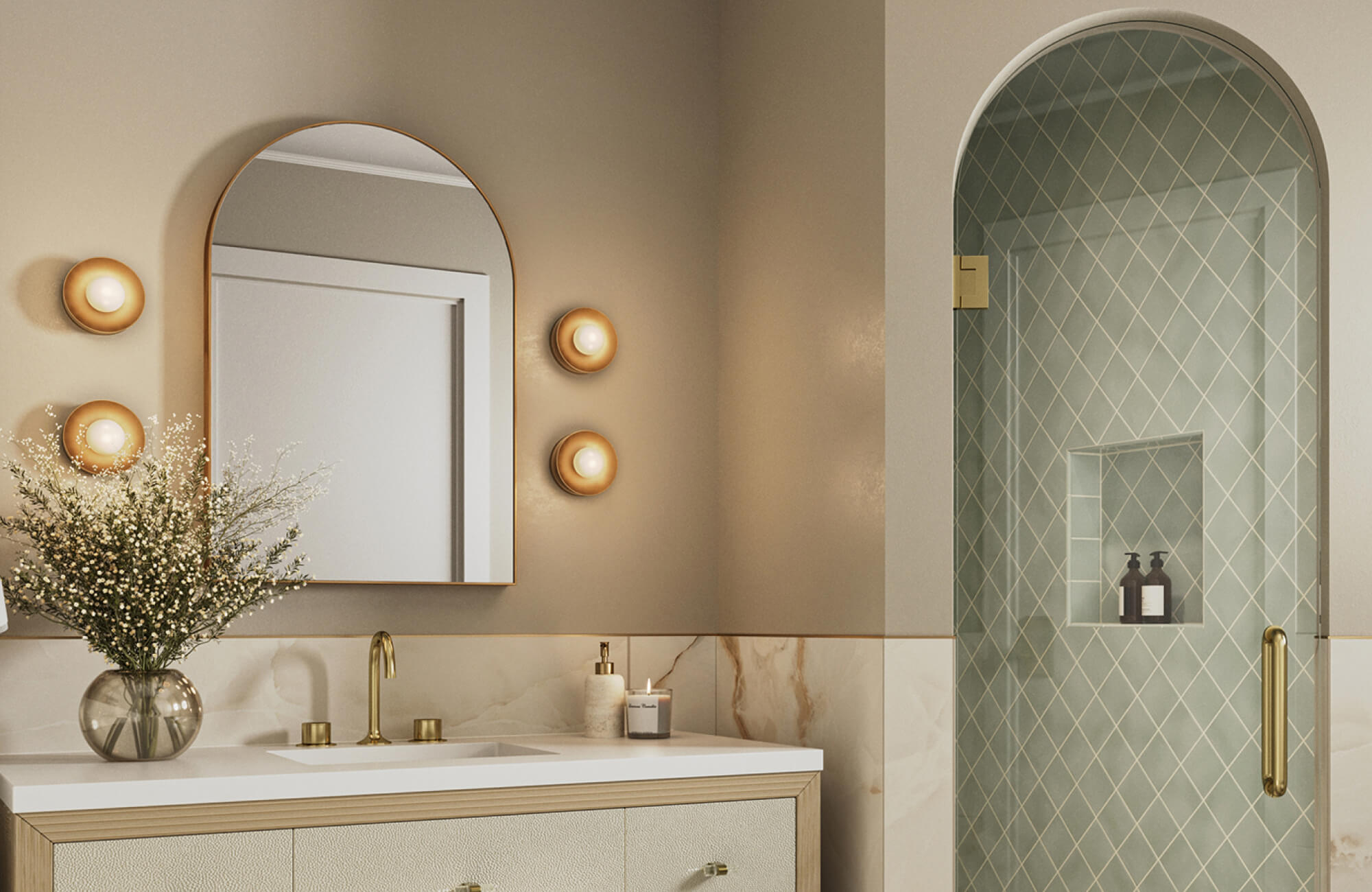
In the bathroom above, Edward Martin’s Catalina 2x16 Matte Porcelain Tile in Mushroom demonstrates how careful layout and finish selection work together to achieve both form and function. Its elongated format and soft matte texture create a calm, cohesive look, whereas the precise grout spacing provides just the right amount of traction for a secure and comfortable shower experience.

Design and Aesthetic Considerations
After safety and functionality are taken care of, design becomes the enjoyable next step. Subway tiles on a shower floor can bring character, contrast, or a sense of seamless flow, depending on how they’re arranged and paired with the rest of your bathroom.
Coordinating Floor and Wall Design
Creating harmony between the floor and wall tiles helps define the overall atmosphere of your bathroom. Using the same subway tile across both surfaces establishes a seamless, unified look, while choosing a slightly different color or finish can add depth and distinction. For instance, combining glossy wall tiles with matte floor tiles maintains a cohesive look while enhancing safety. Grout color further refines the design; matching shades can create a smooth, modern flow, while contrasting tones can draw attention to the tile pattern and add subtle visual interest.
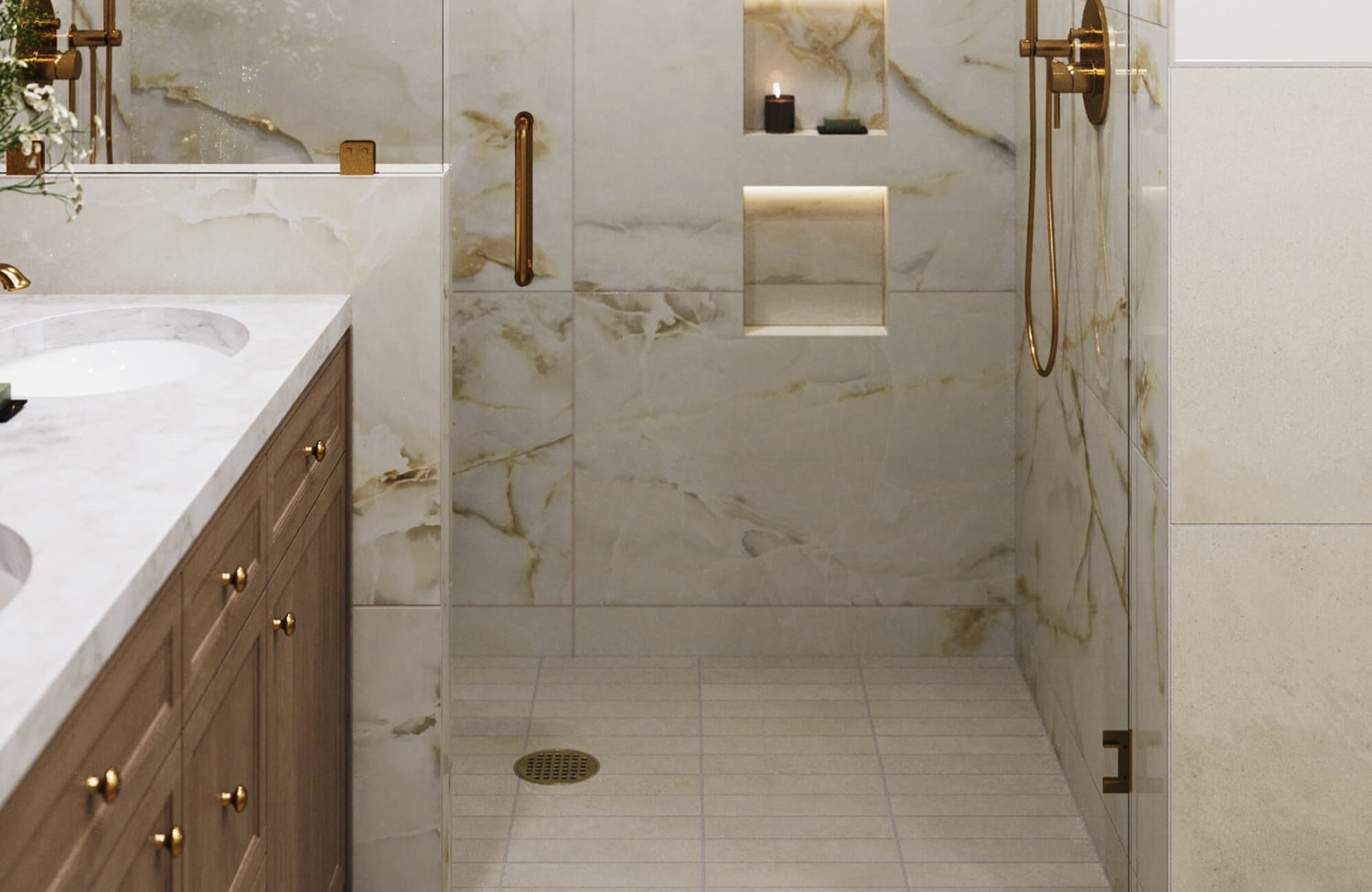
In the photo shown above, Edward Martin’s Shea 3x12 Matte Porcelain Tile in Dune complements the Aniston 24x48 Matte Porcelain Tile in Calacatta Viola, creating a refined balance between subtle texture and bold veining. The soft matte subway tiles on the floor enhance traction and warmth, while the striking marble-inspired walls add elegance and visual drama. Together, they demonstrate how thoughtful coordination of color, finish, and scale can transform a shower into a cohesive and sophisticated space.
Pattern Play and Tile Orientation
The orientation of subway tiles can dramatically influence the visual rhythm of your shower. A herringbone or diagonal layout introduces movement and a sense of flow, while a traditional horizontal pattern emphasizes width and balance. Using smaller tile sizes also makes it easier to adapt these designs to the shower’s slope, ensuring proper drainage without compromising style. Experimenting with layout further gives you creative freedom: whether you prefer a calm, orderly look or a more dynamic, eye-catching design, the right pattern can bring your vision to life.
Combining Subway Tiles with Other Materials
You don’t need to restrict your shower design to just one tile type. Pairing subway tiles with mosaics, pebbles, or stone accents adds texture, contrast, and visual depth. For instance, a subway-tiled floor bordered with small mosaic pieces can define the shower area while providing extra traction. Mixing materials in this way creates a balanced look, where practicality and artistry work together to enhance both safety and style.

Installation Factors That Affect Performance
Proper installation is equally important to how well subway tiles perform on a shower floor over time. Every detail, from the slope that ensures effective drainage to the waterproofing that protects the foundation, plays a vital role in maintaining both durability and comfort.
Tile Size and Slope Compatibility
Standard 3x6-inch subway tiles are flat and rigid, which can make them challenging to install on a sloped shower floor. Cutting the tiles into smaller sections allows them to follow the slope more accurately, promoting proper drainage and preventing standing water. This method also creates a smoother, more comfortable surface underfoot. If you prefer to maintain the classic rectangular look, consider smaller-format subway tiles or sheet-mounted versions that naturally adapt to the floor’s angle.
Grout and Waterproofing Techniques
A durable shower floor begins with effective waterproofing. Beneath the tiles, a waterproof membrane creates a protective barrier that keeps moisture from penetrating the underlying surface. On the surface, choosing a high-quality grout, such as epoxy or a mold-resistant type, helps maintain both durability and a clean appearance. Applying a sealer periodically also provides an added layer of protection, shielding the grout from moisture and stains while preserving the installation’s durability and appearance over time.
Professional vs. DIY Installation
While smaller tiling projects are manageable for many homeowners, shower floors demand a higher level of precision. Professional installers ensure proper slope, consistent spacing, and thorough waterproofing, all of which are essential for long-term performance. Mistakes such as uneven leveling or inadequate sealing can lead to leaks and reduced comfort over time. If you choose to take on the project yourself, plan each step carefully, use high-quality materials, and allow ample curing time before using the shower to ensure a lasting result.

Maintenance and Longevity in Wet Areas
Even with proper materials and expert installation, subway tiles require regular care to remain safe and visually appealing. Consistent maintenance helps keep the surface clean, prevents discoloration, and preserves the tile’s natural texture and finish over time. For best results, always follow the manufacturer’s recommendations for both tiles and grout, as care instructions can vary depending on material type and finish.
Cleaning and Care Best Practices
Using a pH-neutral cleaner helps protect both the tile surface and grout from damage. Avoid abrasive pads or harsh chemicals, as they can dull finishes and break down sealants. After each shower, quickly drying the floor with a towel or squeegee helps prevent soap scum and mildew from forming. Just a few minutes of simple upkeep each day can keep your subway tile floor looking fresh and well-maintained.
Addressing Grout Discoloration and Mold
Grout is naturally porous, so with continuous exposure to moisture, it can gradually darken or develop mold. Resealing the grout every six months helps protect it from water and stains. For regular cleaning, use a mild cleaner and a soft brush to remove buildup without harming the sealant. Maintaining these simple habits also keeps the grout looking fresh and helps your shower stay clean, hygienic, and easy to care for.
When to Reseal or Replace
Over time, tiles and grout can show signs of wear, including cracking, fading, or slight movement. If you notice water collecting on the surface or it starts to feel unusually slick, it’s a good indication that resealing is needed. In cases where damage is more extensive, partial tile or grout replacement can restore both appearance and performance without requiring a full renovation. Paying attention to these early signs helps maintain your shower’s integrity and prevents more costly repairs down the line.

Alternative Options and When to Choose Them
While subway tiles can be used on shower floors, they may not be the ideal choice for every space or design. Exploring alternative materials and formats helps you find an option that better suits your bathroom’s layout, aesthetic, and daily use.
Mosaic and Small-Format Tiles
Mosaic tiles offer a practical and versatile solution for shower floors, as their smaller size easily conforms to sloped surfaces. The additional grout lines provide extra traction, enhancing both stability and comfort underfoot. Available in a wide range of materials, colors, and patterns, mosaics also allow you to achieve nearly any look, from modern minimalism to intricate spa-inspired designs, while maintaining function and ease of maintenance.
In the photo displayed above, Edward Martin’s Quinn 12x12 Matte Porcelain Octagon Mosaic Tile in Black & White Mix brings a timeless, graphic appeal that balances beautifully with the sleek blue subway wall tiles. Its matte surface and abundant grout lines help improve traction, while the bold geometric pattern adds character and contrast. This combination shows how mosaic flooring can blend practicality with distinctive style, adding visual interest to the shower while ensuring reliable performance for everyday use.
Textured Porcelain or Natural Stone Tiles
For those who prefer a more organic or spa-like atmosphere, textured porcelain or tumbled stone tiles make excellent alternatives. They capture the charm of subway tiles while offering better traction and natural variation in tone and texture. These materials are highly resistant to moisture and everyday wear, ensuring lasting performance. In addition, their subtle imperfections and earthy finishes bring warmth and character to the shower, creating a surface that feels both grounded and inviting.
Mixing Subway Tiles Strategically
You can still enjoy the timeless appeal of subway tiles without using them across the entire shower floor. Many homeowners choose to feature subway tiles on the walls while selecting a more slip-resistant material for the base. This combination maintains a cohesive, unified look while improving comfort and safety underfoot. It’s a thoughtful approach that blends design harmony with everyday practicality.
Making an Informed Design Choice
Subway tiles can certainly be used on a shower floor, but the decision involves more than appearance alone. Material, finish, and layout all play key roles in how well the surface performs with everyday use. Opting for durable porcelain, choosing a matte or textured finish, and ensuring proper installation will help you achieve a floor that’s both safe and visually cohesive. Consistent cleaning and care will keep the surface looking fresh and performing well over time.
Before making your final choice, consider your household’s routines, preferred style, and comfort needs. With careful planning and, when needed, professional advice, subway tiles can also serve as a lasting and beautiful foundation for your shower. If you’re still exploring options, contact us for personalized guidance or try our AR tool to preview how different tile styles will look in your space before making a decision.