
)
)
)
)
)
)
)
)
Are Arched Mirrors Still A Popular Decor Choice?
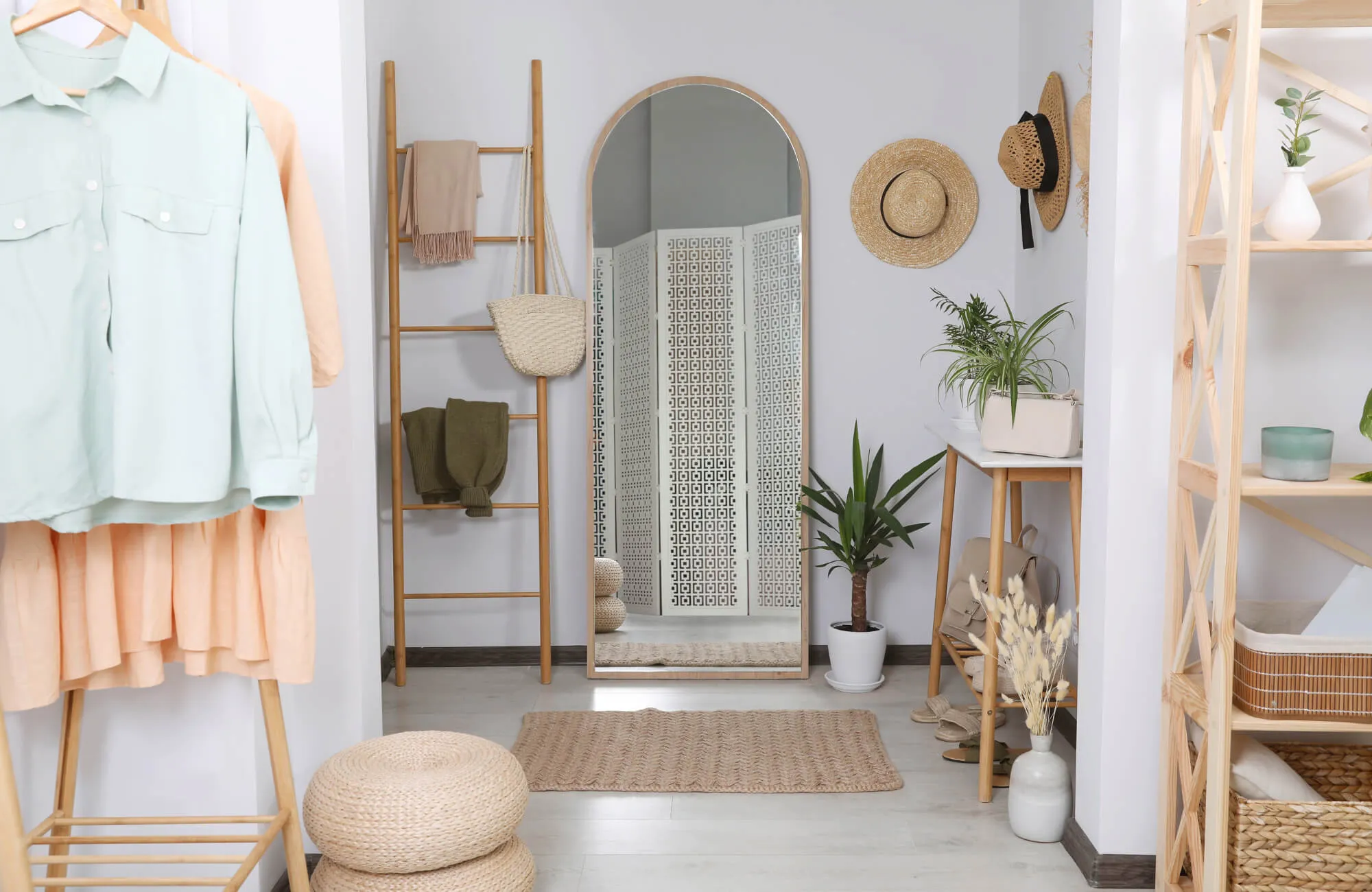
Once a fixture of classical architecture, arched mirrors have evolved into a defining element of today’s most forward-thinking interiors. Their curved silhouette introduces softness and movement, counterbalancing the sharp lines typical of contemporary spaces. Whether styled as a full-length floor piece or a clean-lined wall accent, the arched mirror offers more than reflection; it enhances depth, light, and visual flow.
This renewed relevance is no coincidence. As interior design trends shift toward biophilic principles and organic forms, the arch has re-emerged as a symbol of balance and quiet sophistication. With their ability to bridge historical influence and modern sensibility, arched mirrors continue to resonate across styles and settings. In this blog, we’ll explore their enduring appeal, current applications, and expert tips for choosing the right one for your space.
The Enduring Appeal of Arched Mirrors
Arched mirrors have stood the test of time not just for their beauty, but for the way they connect form, function, and history. To understand their lasting appeal, it helps to look at where they come from, how they shape a room’s atmosphere, and why they continue to adapt effortlessly to evolving design trends.
Historical Roots and Architectural Influence
Rooted in classical architecture, arched mirrors echo the structural elegance of Roman aqueducts, Gothic arches, and European revival styles. Originally used to emphasize verticality and strength, the arch evolved into a decorative motif symbolizing grace and permanence.
Today, these mirrors carry that historical resonance into modern interiors through adaptable silhouettes, ranging from semicircular to elliptical arches. Whether framed in ornate wood or sleek metal, they project a timeless quality that complements both traditional and contemporary settings.
Softening Lines and Adding Visual Interest
Beyond their historical roots, arched mirrors also serve a practical role in modern design. In spaces dominated by straight lines and hard materials, they offer a welcome contrast. Their curves soften architectural rigidity and introduce a sense of movement, particularly effective in industrial or modernist interiors. This subtle shift helps create a more inviting atmosphere without altering the space’s underlying structure.
Moreover, arched mirrors act as vertical anchors. Their upward sweep draws the eye, subtly enhancing ceiling height and dispersing light with more depth than flat-edged designs. When placed opposite windows or near light sources, they amplify brightness and improve visual flow, especially valuable in compact or low-light rooms.
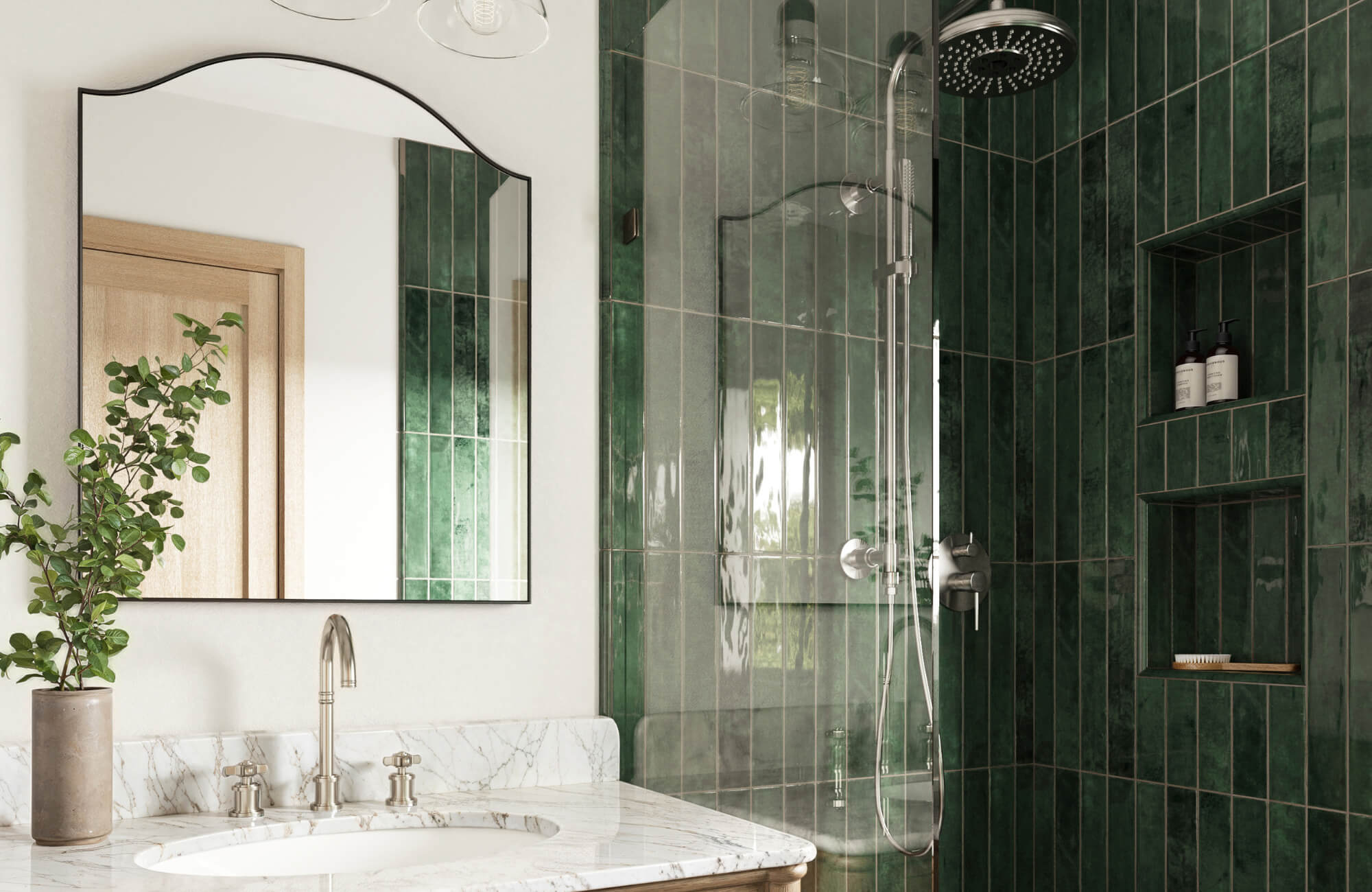
A refined example of this design principle can be seen in the use of Edward Martin’s Everdale Small Mirror in Gunmetal, featured in the bathroom above. Its subtle arch and slim metal frame contrast beautifully with the bold green tile and sharp grid lines of the shower, creating a softer focal point without disrupting the space’s modern edge. This thoughtful pairing highlights how a well-chosen arched mirror can balance geometry, enrich visual texture, and elevate overall ambiance with minimal intrusion.
Versatility Across Design Styles
Equally important is the arched mirror’s remarkable versatility. These mirrors integrate seamlessly into a wide range of design narratives. A gilded frame may reinforce the elegance of traditional interiors, while frameless or brass-trimmed designs fit effortlessly into minimalist and Scandinavian spaces.
Furthermore, they adapt well to more eclectic styles like boho, coastal, and Japandi, where natural textures and informal layouts benefit from the mirror’s structured yet fluid form. Whether installed as compact vanity accents or large-scale statement pieces, arched mirrors continue to resonate due to their scalable design and wide-ranging material palette, from powder-coated aluminum to rattan and matte finishes.
Current Trends and Market Popularity
Arched mirrors haven’t just made a quiet comeback; they’ve surged into the spotlight, thanks to a blend of digital influence, trend-driven styling, and strong consumer interest. From curated social feeds to in-demand product lines, several factors are shaping their current popularity in the design world.
Social Media and Influencer Impact
Across social media platforms like Instagram, Pinterest, and TikTok, arched mirrors have quickly evolved from niche accessory to must-have décor. Design influencers and home décor creators frequently feature them in “Instagrammable” vignettes, where their curved form enhances visual composition and light reflection, making them ideal for shareable, aspirational content.
Importantly, this influence is backed by data. Pinterest Trends reports sustained search interest for terms like “arched mirror entryway,” while TikTok’s #archedmirror tag has generated millions of views through DIY styling tips and product showcases. Together, these platforms have helped normalize arched mirrors as accessible, high-impact pieces, appealing to a broad spectrum of design-savvy consumers.
Resurgence in Modern Farmhouse and Boho Chic
Beyond digital exposure, arched mirrors have also gained momentum through their alignment with two highly popular design movements: modern farmhouse and boho chic. In farmhouse interiors, they evoke vintage windowpanes and cathedral-inspired shapes, typically framed in distressed wood or matte black metal to emphasize architectural charm and restraint. Meanwhile, in boho-inspired settings, natural materials like rattan or cane soften the mirror’s curved profile, reinforcing the relaxed, layered character of the space.
In both styles, arched mirrors serve not only as functional accessories but also as architectural accents that elevate a room’s atmosphere through thoughtful placement and materiality.
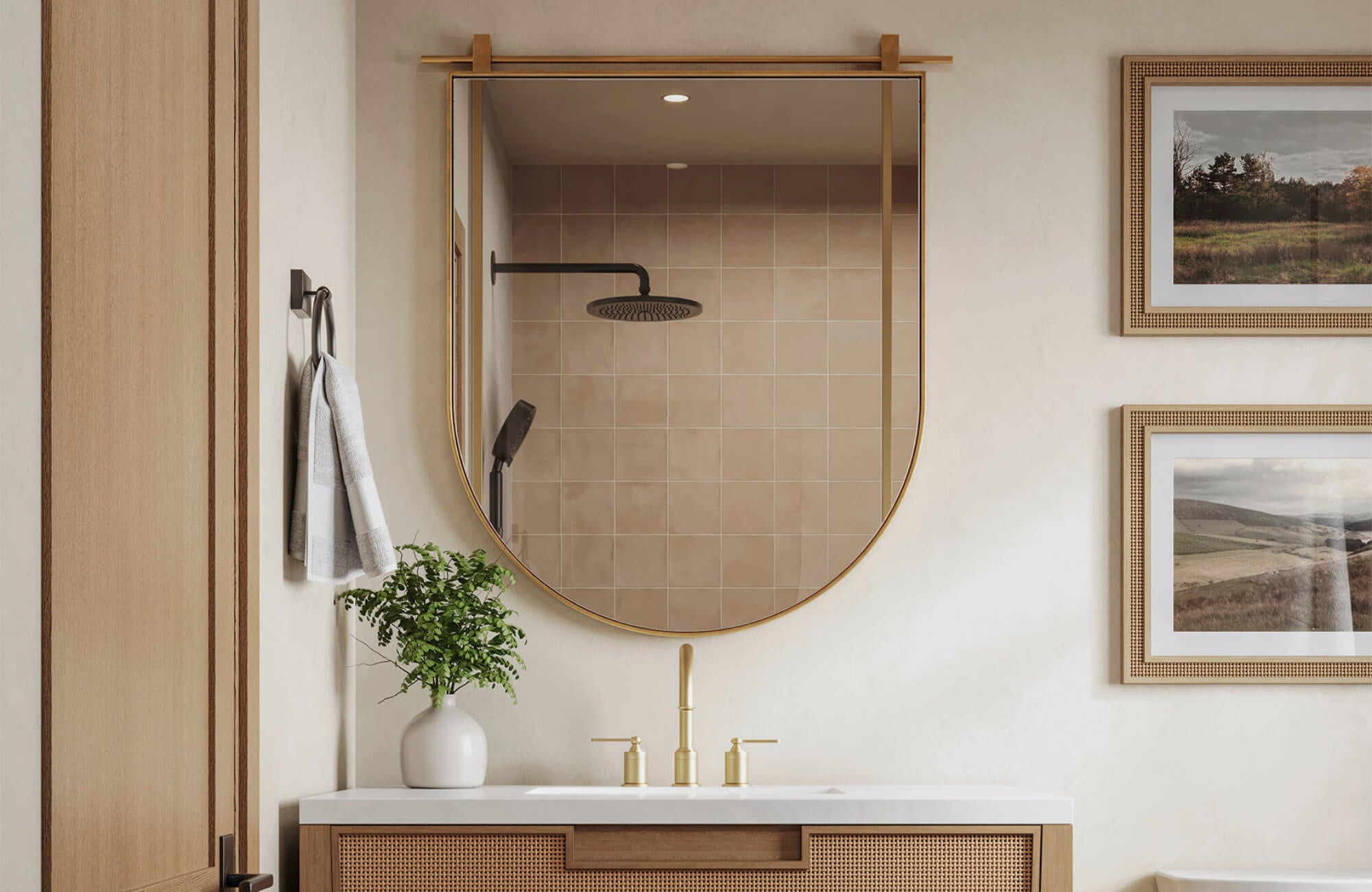
An ideal representation of this blend between warmth and refinement is Edward Martin’s Clancy Small Arch Mirror in Antique Brass, featured in the space above. With its subtle vintage finish and unique mounting detail, the mirror complements both the soft neutral tones and textured cane-front vanity, embodying the modern farmhouse’s understated elegance while also nodding to boho sensibilities. This seamless versatility is what continues to make arched mirrors such a compelling choice across evolving design narratives.
Retailer Data and Consumer Demand
From an industry standpoint, the rising demand for arched mirrors is clearly reflected in retail data. Brands like Edward Martin report steady growth in the category, while major e-commerce platforms such as Wayfair and Amazon consistently rank arched designs among their top-selling wall décor items, often flagged under search terms like “cathedral mirror” or “arched wall mirror.”
Moreover, consumer behavior supports this trend. According to recent reports from IBISWorld and The NPD Group, spending on decorative functionals, especially mirrors with sculptural or architectural silhouettes, has increased notably. In response, boutique manufacturers and custom furniture makers are offering made-to-order arched mirrors in varied finishes to meet the growing demand for personalized, high-quality design. Notably, these mirrors are frequently chosen during renovation cycles, particularly in bathrooms, bedrooms, and hallways, where impactful upgrades are both visible and practical.
Strategic Placement and Styling Tips
Where you place an arched mirror can dramatically influence how a space feels, opening it up, drawing the eye, or anchoring a design. With the right styling and scale, these mirrors can do far more than reflect; they can define and elevate nearly any room in the home.
Enhancing Entryways and Hallways
Arched mirrors are especially impactful in narrow or dimly lit entryways and hallways, where their vertical shape draws the eye upward and creates the illusion of added height and openness. When positioned opposite a front door or near a natural light source, they enhance brightness and reinforce symmetry, key principles in both feng shui and contemporary design.
From a practical standpoint, wall-mounted mirrors with slim profiles are well suited for busy areas, helping conserve space while maximizing reflection. Pairing a distressed frame with a narrow console or bench completes the visual composition, adding character and functionality. For extended hallways, consider using a series of evenly spaced arched mirrors to create rhythm, break up monotony, and introduce visual continuity.
Elevating Living Rooms and Dining Areas
Moving into communal areas, arched mirrors serve a dual purpose: they function as decorative focal points while also enhancing perceived space. Positioned behind a sofa, fireplace mantel, or console, a large mirror reflects surrounding elements and increases the sense of openness, especially in rooms with minimal windows or lower ceilings.
For a cohesive result, the mirror’s frame should coordinate with nearby finishes. For example, a brass-framed mirror in a dining space with brass fixtures creates continuity and polish. In open-concept layouts, mirrors can be used intentionally to reflect artwork, chandeliers, or exterior views, extending sightlines and layering depth. Flanking the mirror with wall sconces further enhances symmetry while contributing ambient lighting.
Functional Beauty in Bedrooms and Bathrooms
In more private spaces, arched mirrors offer a perfect blend of elegance and utility. In bedrooms, full-length versions leaning against the wall provide dramatic flair while serving as practical dressing mirrors. Alternatively, wall-mounted mirrors above dressers or vanities offer a streamlined, integrated solution, particularly when paired with sconces for task-oriented lighting.
Bathrooms also benefit from the gentle curvature of arched mirrors, which softens the rigid lines of tile and fixtures. Installed above single or double vanities, they contribute vertical emphasis and stylistic refinement. Of course, proper height alignment ensures both visual balance and ergonomic comfort, while moisture-resistant frames, like powder-coated metal or sealed wood, guarantee durability in humid conditions.
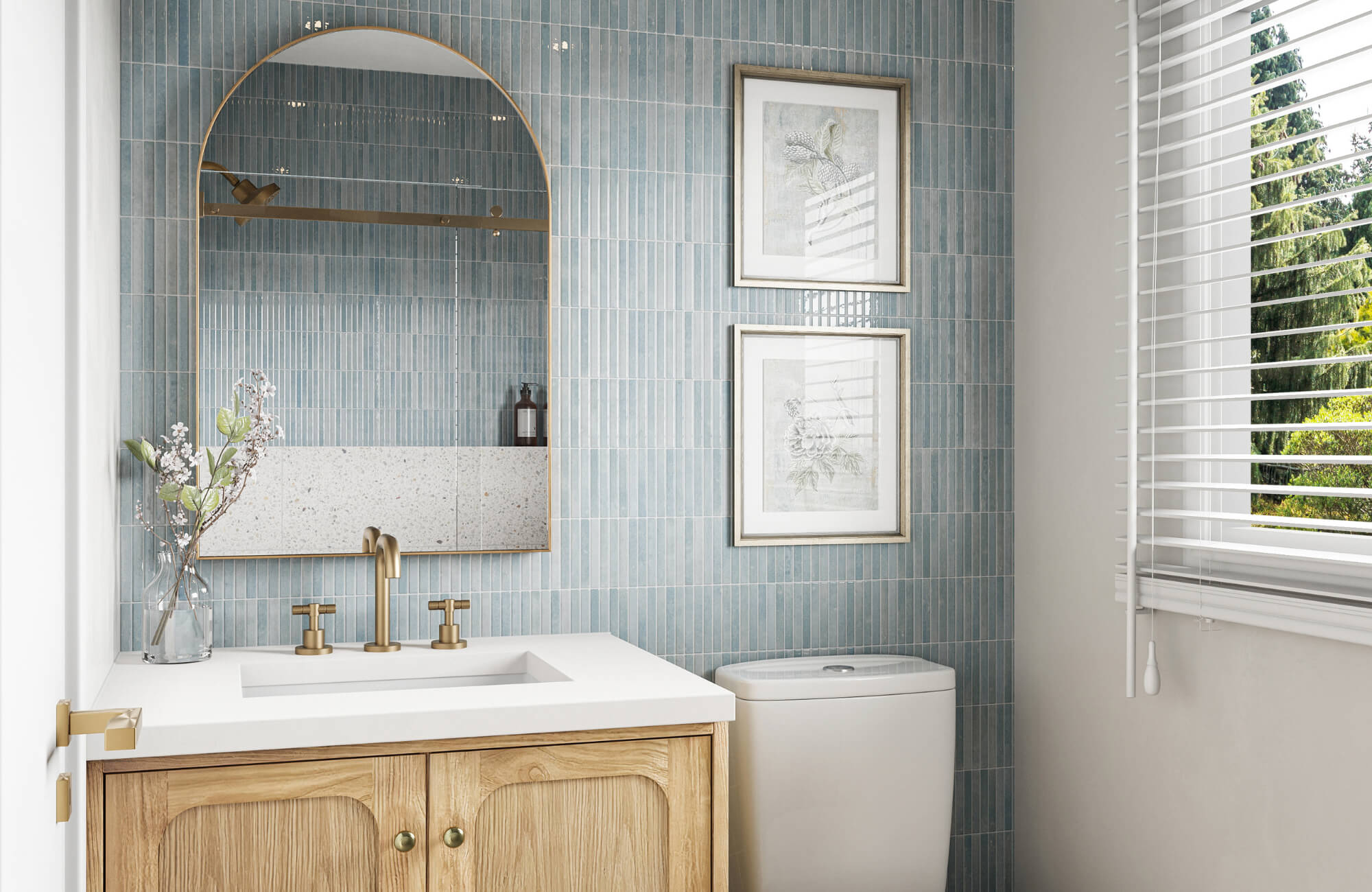
A beautiful example of this approach is Edward Martin’s Esmeralda Small Mirror in Polished Brass, featured above. The slender brass frame pairs seamlessly with the soft blue vertical tile and warm wood tones, delivering a serene yet refined focal point. This combination not only elevates the vanity area but also highlights how material choice and scale can transform a utilitarian mirror into an integral design feature that complements both palette and purpose.
Playing with Scale and Proportion
Finally, understanding proportion is key when incorporating arched mirrors into a room’s layout. Oversized mirrors make a confident statement in large rooms with vaulted ceilings, but they must be balanced by substantial furniture or architectural features to avoid overwhelming the space. In smaller rooms, these mirrors can be used selectively to draw the eye upward or reflect key focal points.
Meanwhile, mid-sized mirrors work well above defined surfaces like consoles, vanities, or buffets. Designers often rely on the “two-thirds rule”, choosing a mirror approximately two-thirds the width of the furniture below, to maintain visual harmony. Layering decorative objects such as vases, books, or sculpture in front of the mirror further integrates it into the room while enhancing depth and spatial interest.
Beyond the Reflection Innovative Uses
Arched mirrors have evolved far beyond their basic function, becoming creative tools in the hands of designers looking to shape space in unexpected ways. Whether used to manipulate light, mimic architectural features, or add depth through layered styling, their impact can be both subtle and transformative.
Creating Illusions of Space and Light
Arched mirrors are especially effective at expanding and brightening interiors, particularly in compact or enclosed spaces like powder rooms, corridors, or small apartments. When placed opposite windows or near light sources, they enhance what designers call secondary illumination, reflecting daylight deeper into the room and reducing reliance on artificial lighting.
This strategy does more than improve brightness; it also shifts how we perceive space. By softening the transition between vertical and horizontal planes, the arch guides the eye upward, subtly making ceilings feel taller. This upward movement creates a sense of openness rooted in both visual ergonomics and spatial psychology.
As Architectural Elements
Building on their visual power, arched mirrors are increasingly used as architectural surrogates, mimicking the forms of windows, niches, or doorways. This is especially useful in open-plan homes, where walls are minimal but spatial definition is still desired. Here, arched mirrors provide a sense of rhythm and permanence without compromising light or flow.
For instance, framing a large mirror with molding can simulate a French door in a dining area, offering structure where none exists. Recessed installations, or mirrors set into backlit alcoves, add dimension and drama to otherwise flat walls. In hospitality settings like boutique hotels and cafés, these applications create elegant, photogenic focal points that support the growing emphasis on immersive, storytelling-driven design.
Layering with Art and Furniture
In addition to functioning as stand-alone features, arched mirrors excel when layered with other design elements. By combining mirrors with artwork, shelving, or sculptural furniture, designers create multi-dimensional compositions where objects interact across planes. In this layered context, mirrors reflect and frame their surroundings rather than sitting in isolation.
Moreover, material coordination enhances this approach. When paired with natural elements like wood, stone, or metal, the mirror’s frame reinforces surrounding textures and tones. Positioning the mirror partially behind open shelving or flanked by wall-mounted art introduces softness and complexity, especially effective in spaces where rigidity needs to be counterbalanced.
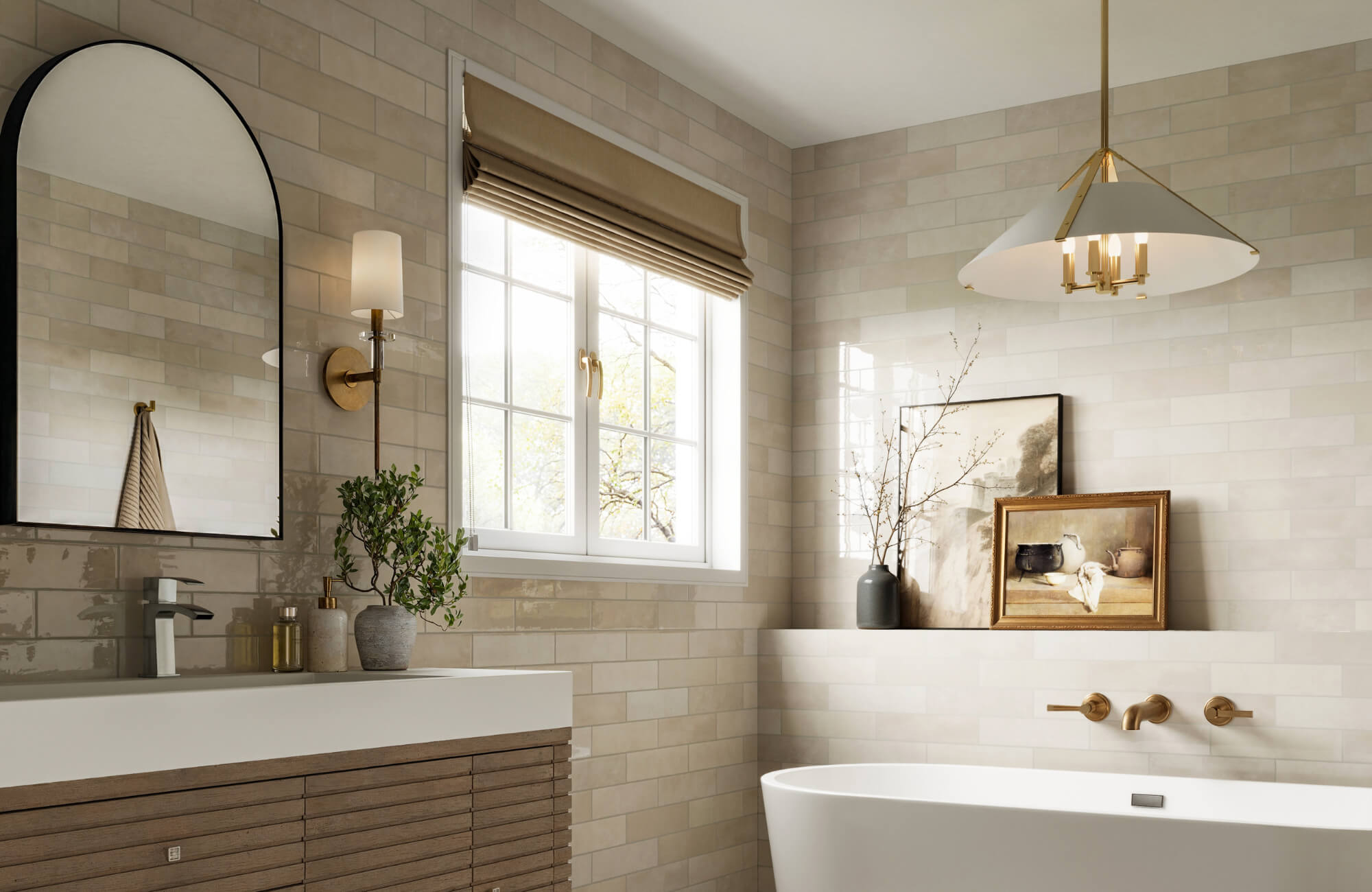
A striking example of this layered approach can be seen above in Edward Martin’s Esmeralda Small Mirror in Iron Matte Black, which anchors the vanity area in the image above. Its bold, curved frame adds definition without overpowering the surrounding textures, from the neutral-toned tile to the artwork balanced along the tub ledge. The mirror subtly bridges modern minimalism and classic warmth, enriching the overall composition with contrast, depth, and quiet sophistication.
Material Finishes and Frame Styles
When it comes to arched mirrors, the frame isn’t just a finishing touch; it’s a defining feature that shapes the mirror’s character and how it interacts with its surroundings. From timeless materials to trend-forward treatments, the choice of frame significantly influences both style and substance.
Classic Wood and Metal Frames
Among the most enduring choices, wood and metal remain go-to materials for their durability, texture, and versatility across a wide variety of interiors. Solid wood frames, commonly crafted from oak, walnut, or mahogany, introduce warmth and organic texture. Whether finished in rich espresso tones or lighter whitewashed and ebonized treatments, these frames work seamlessly in Craftsman, coastal, and transitional designs.
In contrast, metal frames, often made from aluminum, iron, or stainless steel, lend a sleeker, more modern edge. Powder-coated finishes are ideal for humid environments like bathrooms, while polished or brushed metals add a refined, upscale touch in formal settings. Finishes such as blackened steel, antique brass, and bronze support diverse aesthetics ranging from industrial to Art Deco. Not only do these frames offer aesthetic value, but they also deliver strength, corrosion resistance, and low maintenance, making them ideal for both residential and commercial applications.
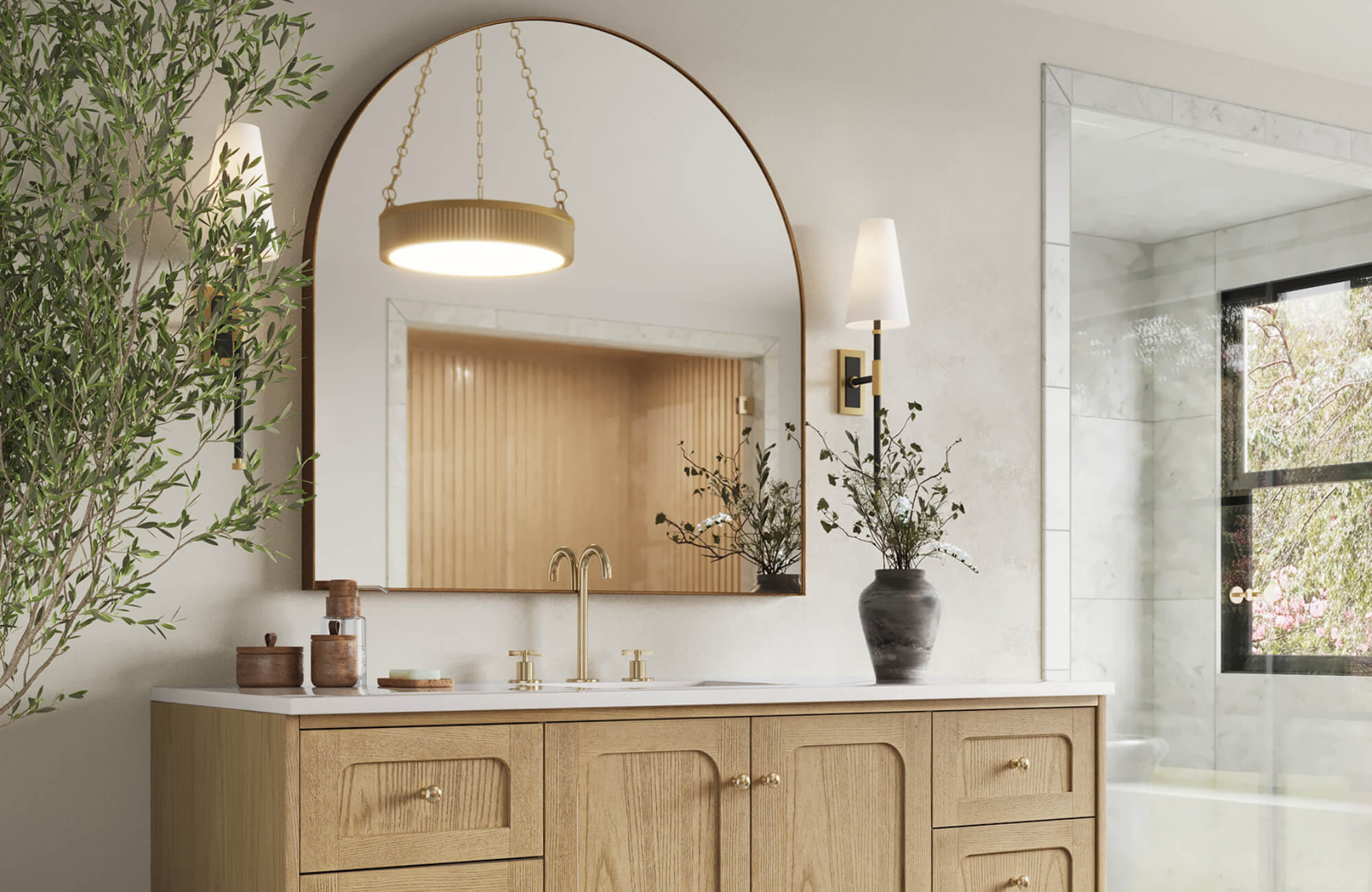
One such refined example is Edward Martin’s Esmeralda Wide Mirror in Polished Brass, featured in the serene bath setting above. Its generous scale and softly arched silhouette pair effortlessly with the light oak vanity and understated wall sconces, blending classic materials with contemporary proportions. The polished brass frame reflects both natural and artificial light, adding a warm metallic sheen that enhances the mirror’s sculptural presence while reinforcing the space’s elegant, spa-like ambiance.
Modern and Minimalist Approaches
Moving into more contemporary territory, minimalist mirrors with frameless edges or ultra-thin profiles highlight clean lines and visual simplicity. Typically made with tempered or laminated glass, frameless designs feature polished or beveled edges that transition seamlessly into the wall, ideal for uncluttered, architectural spaces.
For those who prefer a subtle frame, ultra-slim styles, often under half an inch, are crafted from anodized aluminum or powder-coated steel. These are frequently finished in matte black, white, or neutral metallics, allowing the arched form itself to function as a sculptural feature without overwhelming the space. The absence of ornamentation makes these mirrors especially suited to modern, Scandinavian, and Japandi interiors, where restraint and form are paramount.
Distressed and Vintage Looks
On the other end of the spectrum, distressed finishes bring a sense of age, charm, and storytelling to arched mirrors. These frames, typically crafted from wood or metal, are hand-finished using techniques like wire-brushing, whitewashing, or oxidizing to create an authentically worn look.
Such detailing, including chipped paint, visible wood grain, or patinated metal, evokes the character of salvaged architectural elements. Some designs even incorporate faux windowpanes or mullions to resemble antique storefronts or cathedral windows. Beyond aesthetics, these finishes are highly practical: surface imperfections blend into the design, making them ideal for busy areas and layered, eclectic interiors.
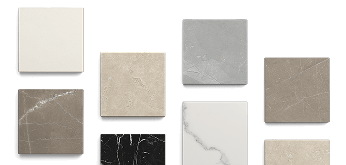
To help streamline the selection process, Edward Martin offers a personalized design consultation service. From curated mirror and tile samples to one-on-one designer sessions and post-purchase support, their team ensures each detail aligns with your aesthetic and functional needs, from finish to scale.
Additionally, if you’re seeking expert advice on pairing mirrors with lighting, rugs, or architectural elements, don’t hesitate to contact the Edward Martin team. Their design specialists are ready to assist with tailored, thoughtful recommendations at any stage of your project.
Why Arched Mirrors Still Resonate in Design
Nonetheless, arched mirrors remain a standout in interior design not only for their graceful silhouette but for their ability to reflect light, expand visual space, and integrate seamlessly across design styles. With finish options ranging from matte black metal to weathered wood, they continue to bridge the gap between function and artistry.
As more people seek pieces that offer timeless appeal and high-impact style, arched mirrors consistently deliver both. For a closer look at thoughtfully curated options that align with your space and vision, explore the latest mirror collections from Edward Martin!
Follow us on Instagram
@EDWARD.MARTIN
)
)
)
)
)
)
)
)
)
)
)
)
)
)
)
)