Pendant lights are loved for their style, but many people ask whether they can do more than add character to a space. Is a single pendant strong enough to serve as the main light source for an entire room? The answer depends on several factors, since pendants come in different shapes, sizes, and brightness levels. A fixture that works well in a small entryway may not perform the same in a large living room.
In this article, we’ll guide you through the essentials of pendant lighting. We’ll explore how these fixtures distribute light, how room size and ceiling height impact their performance, and why placement plays a crucial role. We’ll also compare pendants to other common lighting options and share practical strategies to maximize their effectiveness. By the end, you’ll know whether a pendant can handle the job on its own or if it’s better used as part of a layered lighting plan.

How Pendant Lights Work
When deciding if a pendant can brighten an entire room, it helps to understand how these fixtures function. Pendants are versatile, but their effectiveness depends on how they distribute and project light.
Direct vs Diffused Light
A pendant with a downward-facing shade directs light onto a smaller area, making it useful for focused tasks such as reading or cooking. The drawback is that the rest of the room can feel dim. On the other hand, pendants with glass globes or lighter shades allow the light to spread more evenly, brightening the entire space. Choosing between direct and diffused light isn’t only about style; it also determines how much of the room your pendant can effectively cover.
This effect is demonstrated with Edward Martin’s Santos Pendant in Vintage Gold Leaf, as shown in the photo above, where the downward design highlights specific areas while adding warmth and character to the space.
Light Bulb Types
The type of bulb you use has a major impact on performance. LED bulbs produce high brightness with minimal energy use, making them the best choice when you need strong, consistent illumination. Incandescent bulbs can create a softer, warmer glow that feels cozy, but may not effectively light larger rooms. Halogen bulbs are brighter than incandescent options but less efficient than LEDs. Instead of focusing on wattage, pay attention to lumens, since they measure actual light output and show how well a pendant can serve as a room’s main source of light.
Single vs Multi-Light Pendants
Not every pendant relies on a single bulb. Some are designed with multiple light sources, which help spread illumination across a wider area. A cluster pendant, for instance, can provide enough coverage for a medium-sized room, while a single-bulb pendant is often best reserved for smaller spaces or as an accent. Understanding the difference further helps you select a fixture that meets your lighting needs rather than choosing solely for its design.

Room Size and Ceiling Height Matter
The effectiveness of a pendant also depends on the size and proportions of the room. A light that feels bright in one space may seem inadequate in another, and ceiling height plays a role in how light spreads.
Small Rooms
In compact spaces, such as a home office, bedroom, or entryway, a single pendant can often provide enough light on its own. Pairing it with light-colored walls or reflective surfaces enhances the brightness and helps the room feel more open. The goal is to achieve a balance between clarity and comfort so the space remains inviting without feeling too intense.
Medium to Large Rooms
Bigger rooms are more demanding when it comes to lighting. A single pendant in the center usually cannot reach every corner, leaving areas in shadow. To create even coverage, you may need multiple pendants or additional fixtures. Arranging several pendants in a cluster can also be an effective alternative to a chandelier, combining broad illumination with a contemporary look.
Ceiling Height Considerations
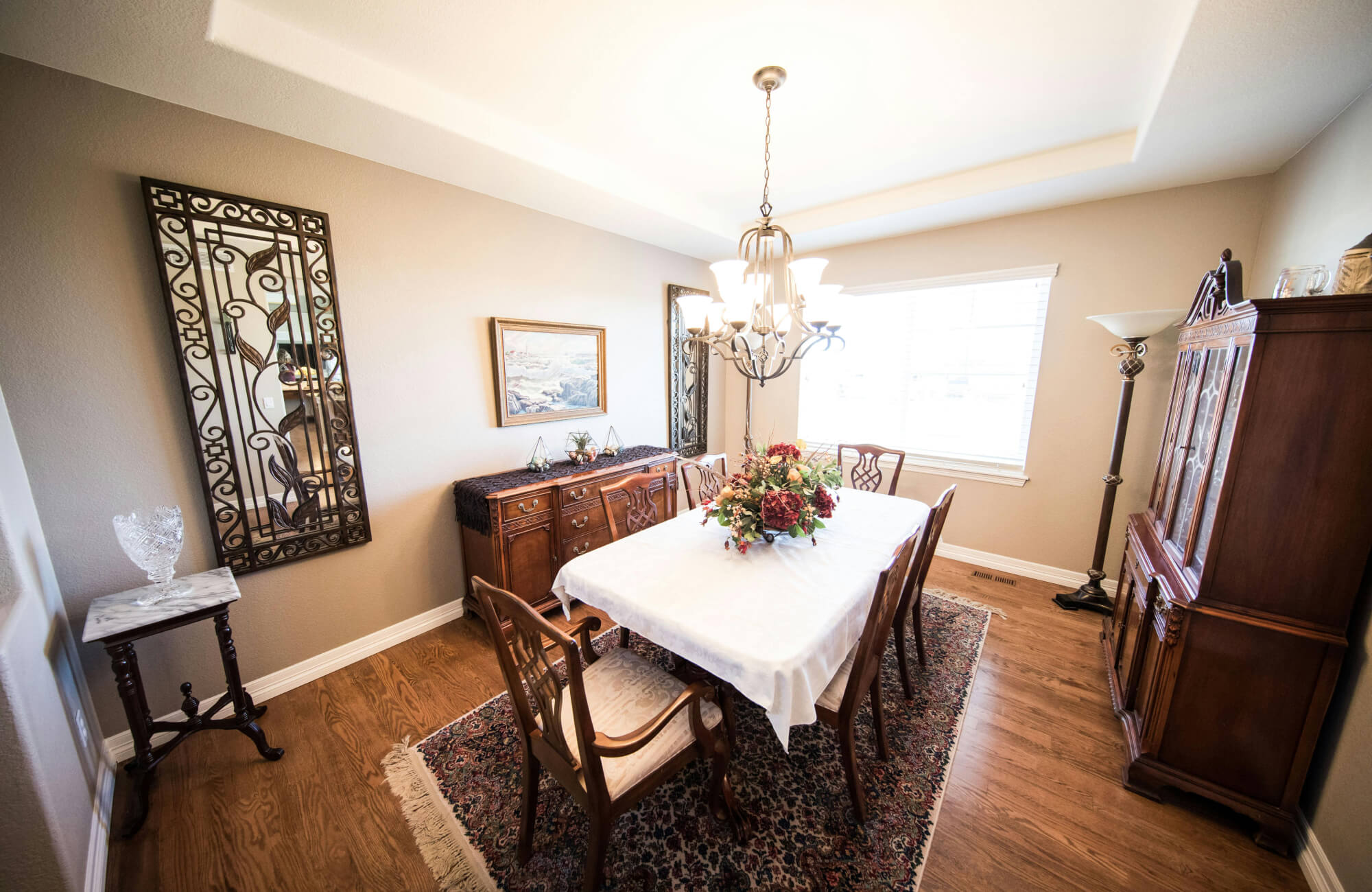
The height of your ceiling plays a major role in how a pendant performs. In low-ceilinged rooms, hanging a fixture too low can create glare or make the space feel crowded. Standard ceilings allow greater flexibility, while vaulted or high ceilings often require a larger pendant or a design with multiple bulbs to deliver enough light. Adjusting the hanging height is one of the simplest ways to improve both the reach and effectiveness of your fixture.
Incorporating a piece like Edward Martin’s Dempsey Pendant in Hammered Dark Antique Brass, as seen in the photo above, illustrates how the right fixture choice can enhance balance and proportion, ensuring the light feels intentional rather than overpowering.

Design Styles and Placement Strategies
How and where you position a pendant impacts both the room’s function and its atmosphere. Placement determines whether the light feels balanced or leaves gaps in coverage.
Centered Placement
Hanging a pendant in the center of the ceiling is the most common approach. It allows the light to spread evenly from a single point, creating a balanced look. The drawback is that if the fixture directs light only downward, the center of the room may be bright while the edges remain dim. This arrangement works best in smaller to mid-sized rooms where the lighting needs are easier to accommodate.
Layered Positioning
Pendants become more versatile when paired with other fixtures. You can use one pendant as the main source of light and then add wall sconces or floor lamps to brighten specific areas. This layering softens contrasts and gives you the flexibility to adjust the room’s mood or function as needed.
Grouped Fixtures
Another approach is to use several smaller pendants in place of a single large fixture. When arranged above a dining table or kitchen island, this setup not only adds visual interest but also ensures a wider, more even spread of light. In larger open spaces, grouped pendants can also serve as an alternative to a traditional chandelier, delivering ample illumination while giving you greater flexibility to shape the overall design. This effect is illustrated by Edward Martin’s Rosa Triangular Pendant in Aged Brass, as shown in the photo above, where a series of pendants creates both balance and a striking focal point in the kitchen.

Comparing Pendant Lights to Other Lighting Options
To understand whether a pendant can work as the only light source, it’s equally useful to compare it with other types of fixtures. Each option has its own strengths, making it better suited for specific rooms and purposes.
Pendant vs Chandelier
Chandeliers are larger and designed to spread light across bigger spaces. While pendants are often more minimalist, they can achieve a similar effect when used in multiples. If your room requires both statement style and ample brightness, a chandelier may outperform a single pendant, but grouped pendants can provide a modern alternative. This further makes pendants especially appealing in contemporary interiors where flexibility and a cleaner look are preferred.
Pendant vs Flush Mount
Flush mounts work best in rooms with low ceilings since they sit close to the surface. Pendants, in contrast, require more clearance but bring character and visual depth. If your ceiling is under eight feet, a flush mount may be more practical, while a pendant offers more personality in taller spaces. Choosing between the two often comes down to balancing function with aesthetics, depending on how much height and style emphasis you want in the room.
Pendant vs Recessed Lighting
Recessed lights excel at providing even coverage, especially when installed in multiples. Pendants, however, create a focal point and contribute to the style of the space. While recessed lighting often fades into the background, a pendant draws the eye, blending function with design. For many, the best solution is not choosing one over the other but combining both, using recessed lights for coverage and pendants for character.

Maximizing Illumination with Design Tricks
If a single pendant doesn’t provide enough light, there are other simple ways to enhance its effect. These strategies focus on how you position and use the fixture rather than replacing it altogether.
Reflective Surfaces
Surfaces play a key role in how light moves through a room. Mirrors, glossy finishes, or even light-colored paint can help spread illumination further. A pendant paired with reflective surroundings appears brighter than the same fixture in a darker, matte space. This simple design choice not only maximizes light but also makes the room feel larger and more open without adding extra fixtures.
Adjustable Height
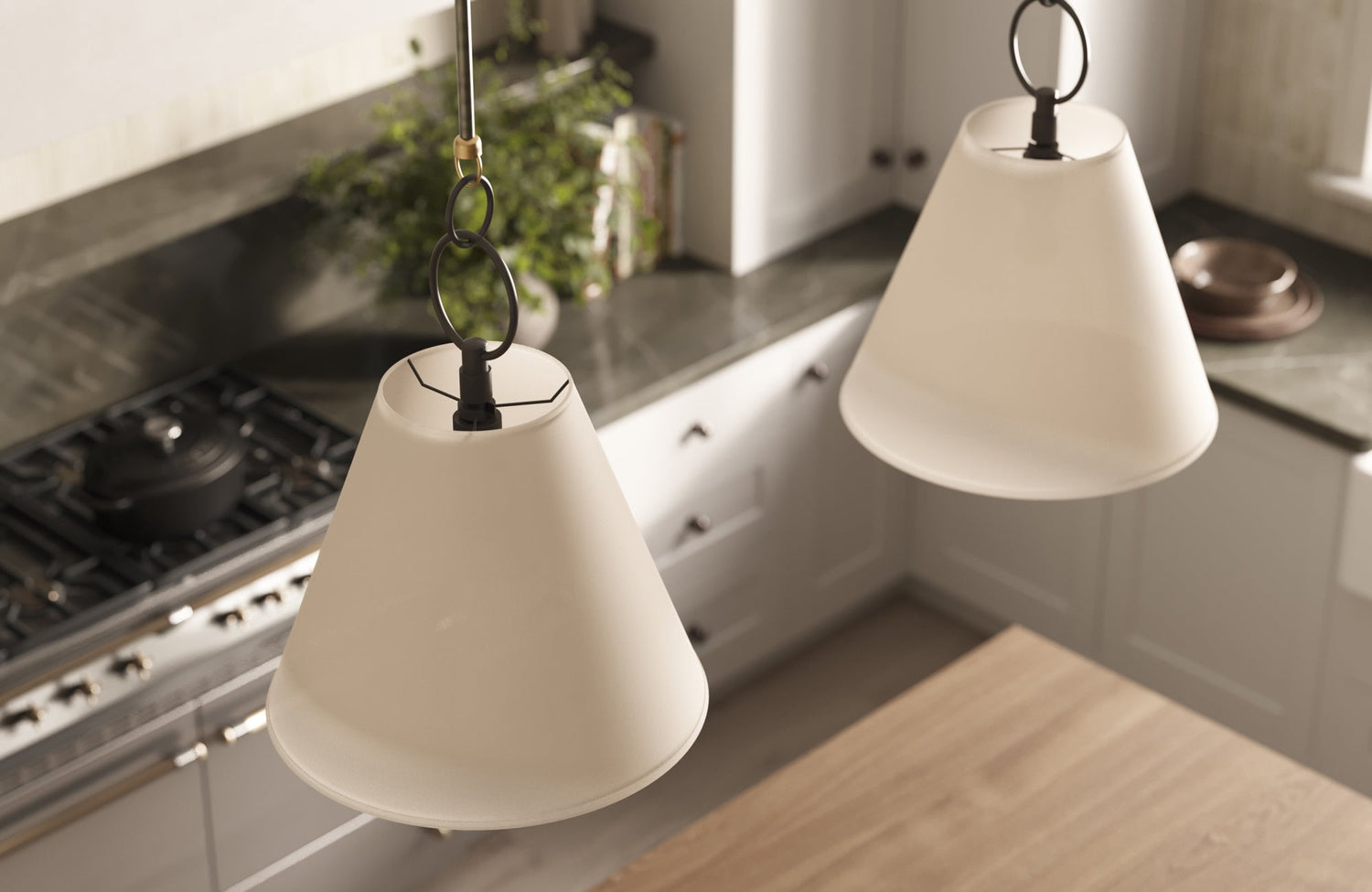
The height of a pendant affects both the focus and the reach of its light. Lowering the fixture creates stronger task lighting but reduces overall coverage. Raising it spreads the light more widely, which is useful when you want general illumination. Finding the right balance makes the light more effective, and many modern pendants include adjustable cords or rods to simplify the process. Adjusting height over time also allows you to adapt the fixture as your room’s needs change.
Edward Martin’s Kaley 16" Pendant in Aged Brass, as featured in the photo above, demonstrates how an adjustable design can enhance both flexibility and style, making it easy to tailor the light for different purposes within the same space.
Layering with Dimmers
A dimmer switch gives you control over brightness, letting you soften the light in the evening or increase it when you need clarity. Pairing a pendant with secondary fixtures such as wall sconces adds flexibility without overpowering the room. With this layered approach, your lighting can easily shift to suit both daily routines and special occasions.

Practical Scenarios and Recommendations
It’s useful to understand how pendants work in theory, but seeing how they perform in specific rooms makes the decision far more practical. Different spaces have unique needs that affect whether a pendant can stand alone or should be paired with other fixtures.
Kitchens
In kitchens, pendants are most commonly placed above islands or counters to deliver focused task lighting. In a smaller kitchen, a single large pendant may provide enough illumination, but in larger layouts, multiple pendants are supported by recessed or under-cabinet lighting. This layered approach ensures you have bright, functional light for cooking while maintaining a welcoming atmosphere for family gatherings or casual meals. The design is well illustrated by Edward Martin’s Carly 22" Pendant in Vintage Brass, as featured in the photo above, where a pair of pendants provides both practical brightness and a warm focal point over the island.
Living Rooms
When it comes to living rooms, layered lighting tends to offer the best results. A central pendant can serve as the primary source of brightness, while wall sconces or floor lamps can help illuminate darker corners. In smaller living spaces, one pendant may be sufficient; however, in larger rooms, depending on it alone often results in shadows and uneven light. By adding supporting fixtures, you can also create a more balanced and adaptable environment that works equally well for reading, entertaining, or simply relaxing.
Bedrooms
Bedrooms, on the other hand, offer more flexibility in how pendants can be used. For example, a pendant hung lower beside the bed can replace a traditional lamp and free up space on the nightstand. In smaller bedrooms, a single ceiling pendant may provide adequate general lighting, whereas larger rooms often benefit from added support through table lamps or wall sconces. Together, this combination creates a practical setup for daily routines while maintaining a calm, restful atmosphere.
Balancing Style and Function with Pendants
A pendant light can light up a whole room, but its effectiveness depends on factors such as room size, ceiling height, and fixture design. In smaller spaces, one pendant is often enough, while larger rooms usually require additional lighting to avoid shadows and maintain balance. With the right bulb, thoughtful placement, and complementary fixtures when needed, a pendant can deliver both practical illumination and an appealing design feature. If you’re unsure which option works best for your home, contact us today—our design team is ready to help you create a lighting plan tailored to your space!