Wool area rugs have earned their reputation over centuries, yet durability is still one of the most common questions when choosing one for a modern space. With daily movement, shifting furniture, pets, and changing indoor conditions, it is natural to wonder whether wool can truly keep up. Fortunately, durability in wool is not a matter of marketing, but of material science, craftsmanship, and thoughtful care working together.
Throughout this article, you will see how wool’s natural fiber structure, construction quality, and built-in environmental benefits contribute to its long-lasting performance. More importantly, you will learn how these elements interact in real-life settings, helping you decide whether a wool area rug is simply a beautiful addition or a practical investment designed to endure.

Aesthetic Value and Timeless Appeal
Beyond performance, wool rugs stand out for the visual depth and enduring charm they bring into your space. Their natural fibers interact beautifully with color, texture, and time, allowing you to enjoy a piece that feels both refined and lived-in rather than temporary or trend-driven.
Rich Color Depth and Visual Warmth
One of the most compelling qualities of a wool area rug is how richly it holds color. Because wool fibers absorb dye all the way through rather than just coating the surface, you get deep, saturated tones that feel warm and dimensional under natural and artificial light. As a result, your rug maintains its vibrancy even with daily exposure, creating a grounded focal point that ties the room together effortlessly.
At the same time, this depth of color adds softness to your overall design. Instead of appearing flat or overly manufactured, wool introduces subtle variations that make your space feel inviting and layered. Over time, these nuanced shifts enhance the rug’s character, ensuring it continues to look intentional rather than dated as styles evolve.
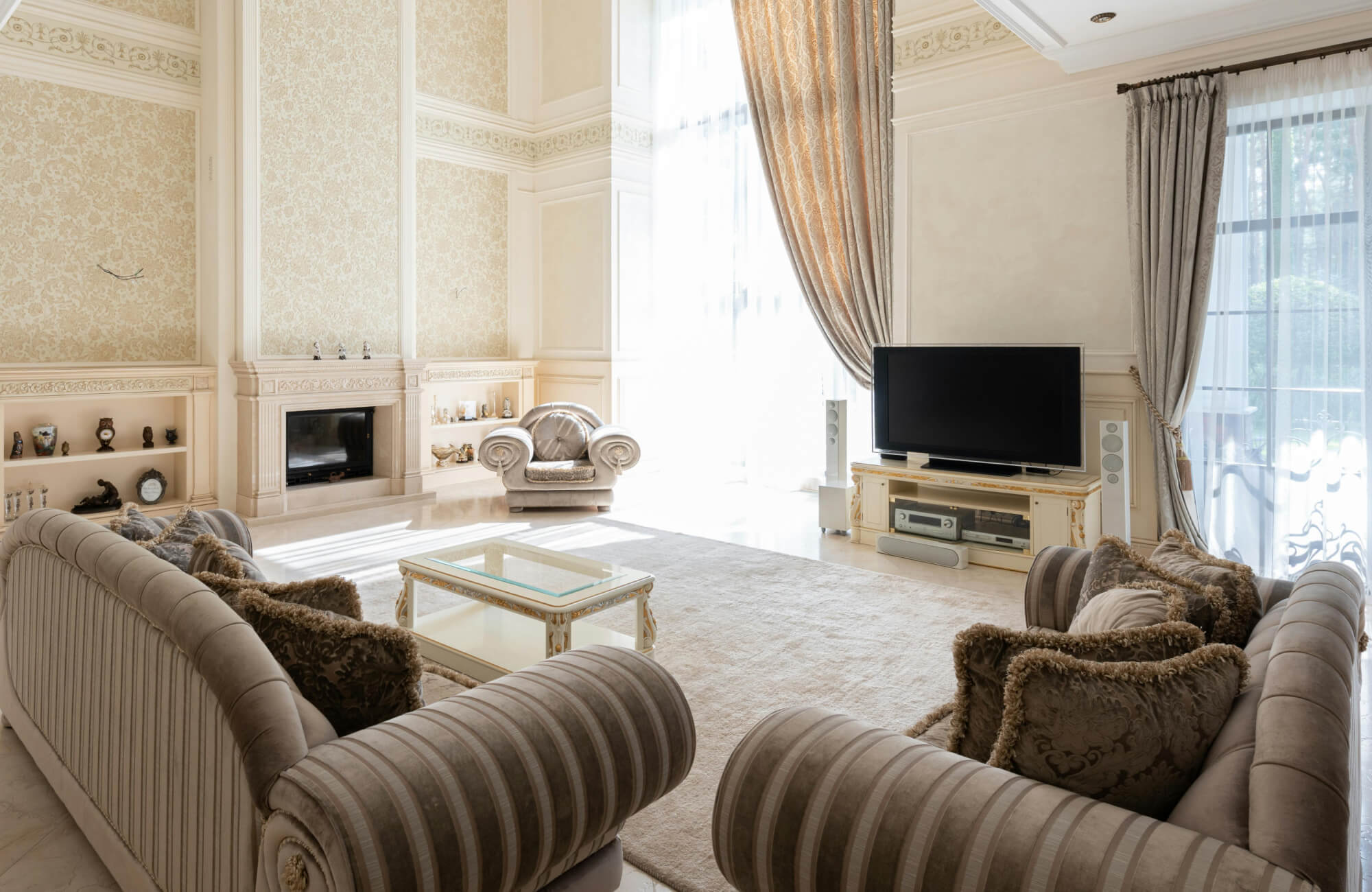
To see this effect in action, our Mallory Rug in Aloe offers a refined example of how wool enhances a space through color and texture. Shown grounding a kitchen above, its pale green and soft beige tones add a calming, organic warmth that complements painted cabinetry and natural finishes without overpowering the room. The wool pile also subtly reflects light, allowing the color to shift gently throughout the day, which reinforces the layered, lived-in aesthetic that makes wool rugs feel intentional and enduring rather than purely decorative.
Aging Gracefully Into a Lasting Statement
As years pass, a wool area rug doesn’t lose its appeal—it gains personality. With regular care, the fibers develop a gentle patina that adds depth and texture, giving your space a sense of history without feeling worn out. This natural aging process also allows your rug to tell a story, reflecting moments and memories while remaining visually refined.
Because of this, a well-crafted wool rug often becomes more than décor. Its lasting beauty and craftsmanship allow it to transcend short-lived trends, making it something you can move from room to room or even home to home. In contrast to materials that deteriorate over time, wool offers you a timeless piece that continues to elevate your space and, in many cases, grows more meaningful with each passing year.

The Science Behind Wool's Resilience
Wool’s long-lasting performance is rooted in its natural structure, not added treatments or coatings. From the way the fibers bend to how they protect themselves, wool is built to handle constant use while maintaining its integrity over time.
The Natural Elasticity of the Crimp
At the core of wool’s resilience is its crimp, the gentle three-dimensional wave built into each fiber. This natural waviness allows the rug to absorb pressure from daily use, shifting weight without breaking down. When you walk across a wool area rug or place furniture on it, the fibers compress and then rebound, returning to their original form once the pressure is released.
Because of this elasticity, your rug resists the permanent flattening that often appears in synthetic materials. Even in busy areas, the fibers maintain their structure, helping the surface look fuller and more uniform. Over time, this “memory effect” keeps the rug visually consistent, reducing shading and worn paths that can make other rugs look tired far too quickly.
Protective Lanolin and Cuticle Layers
Beyond flexibility, wool fibers come equipped with their own protective armor. Each strand is wrapped in overlapping cuticle layers and coated with a natural waxy substance derived from lanolin, which creates a barrier against moisture and debris. This hydrophobic surface causes liquids to bead rather than soak in immediately, giving you valuable time to blot spills before they become stains.
At the same time, this outer layer helps prevent dirt from embedding deep within the fibers. When you choose high-quality or virgin wool, these natural defenses remain intact, allowing your rug to stay cleaner with less effort. As a result, the fibers experience less abrasion during cleaning, further extending the life and appearance of the rug while preserving its natural strength.

Construction Quality and Long-Term Performance
Even the most resilient wool fiber depends on how the rug is constructed to truly stand the test of time. The techniques used to bind fibers together directly influence how well your rug handles daily use, pressure, and aging.
Hand-Knotted vs. Power-Loomed Durability
Hand-knotted wool area rugs are widely regarded as the gold standard for longevity, and for good reason. Each individual knot is tied by hand, creating a flexible structure that distributes weight evenly across the surface. When you walk on a hand-knotted rug, the knots move independently, allowing the rug to absorb impact without stressing the fibers or the foundation beneath them.
In contrast, many power-loomed or tufted rugs rely on synthetic backings and adhesives to hold fibers in place. Over time, these adhesives can dry out or break down, which often leads to shedding, loose fibers, and structural failure. If you look at the back of a rug and see a clear mirror image of the pattern, you’re likely viewing a hand-knotted piece, whereas a fabric or latex backing usually signals glue-based construction that may not age as gracefully.
Density and Pile Height Science
Although plushness may feel appealing at first, durability is far more closely tied to density than thickness. A high-density wool area rug contains tightly packed fibers that support one another, helping the surface resist crushing and uneven wear. This is especially important if you expect the rug to handle consistent usage without losing its shape.
As a result, low-pile, high-density rugs often outperform thicker alternatives in busy spaces because the fibers are less likely to bend and mat permanently. You can gauge this by gently pressing the pile apart with your fingers; if you barely see the foundation beneath, the rug is well-constructed. This balance of density and pile height also ensures your rug maintains its structure, texture, and visual appeal long after it’s been placed in your space.

Built-in Environmental and Safety Benefits
Wool area rugs offer advantages that go well beyond surface-level durability or design appeal. Because wool is inherently fire-resistant, you gain an added layer of safety without relying on chemical treatments that can compromise indoor air quality. When exposed to heat, wool also resists ignition and naturally self-extinguishes, reducing risk while avoiding the toxic fumes often associated with synthetic materials. As a result, your space benefits from a safer flooring choice that works quietly in the background without altering the look or feel of your room.
At the same time, these benefits extend into everyday comfort and wellness. Wool fibers respond dynamically to changes in indoor humidity, absorbing excess moisture and releasing it as the air dries, which helps stabilize your space’s climate throughout the year. In addition, the dense pile captures dust and airborne particles, keeping them out of circulation until they’re removed through routine cleaning. Together, these qualities allow you to enjoy a rug that not only enhances your space visually but also supports a cleaner, more comfortable, and healthier living environment over time.
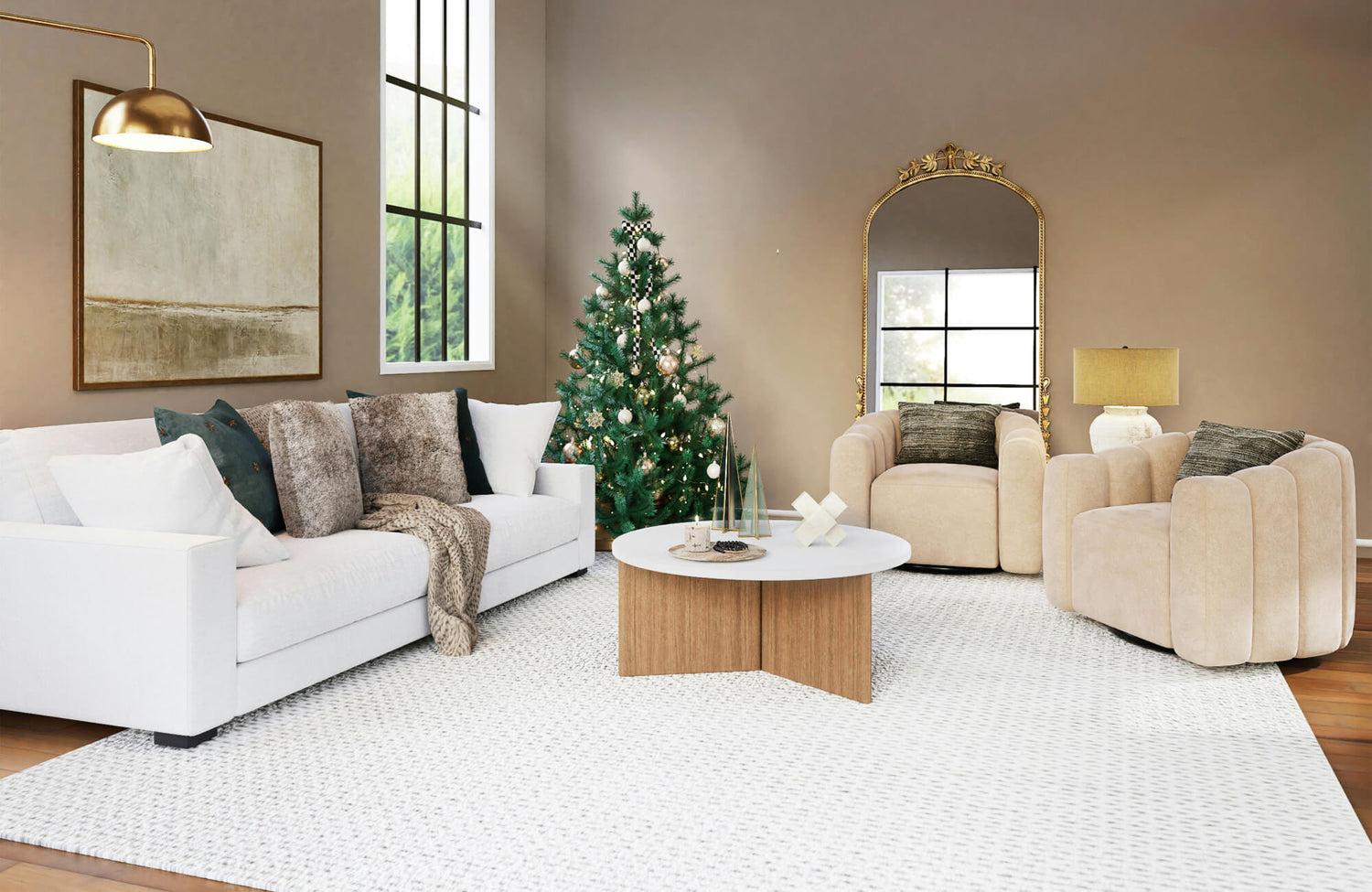
Our Mallory Rug in Ocean, shown in the photo above, demonstrates how these built-in benefits translate seamlessly into everyday living. Its soft blue and off-white tones add a sense of calm and balance while maintaining the understated elegance that wool rugs are known for. Beyond its visual appeal, the dense wool pile supports healthier indoor air quality and temperature regulation, making it a thoughtful choice for spaces where comfort, safety, and long-term wellness are just as important as design.

True Value Over Time
A wool area rug’s price makes more sense when you shift your perspective from upfront cost to long-term performance. Although the initial investment may feel higher, wool’s extended lifespan dramatically lowers its annual cost of ownership. When you consider how often lower-quality rugs need to be replaced, wool emerges as the more economical option over time, delivering consistent comfort and appearance without the cycle of frequent repurchasing. At the same time, choosing durability helps you reduce waste, making your decision both financially and environmentally responsible.
Just as importantly, wool area rugs offer value that extends beyond simple cost calculations. As they age, the fibers soften, colors mellow, and a natural sheen develops, giving your rug greater depth and character rather than signs of decline. This graceful evolution means your rug continues to feel intentional and relevant year after year, and in many cases, becomes more desirable with time. Ultimately, investing in wool allows you to enjoy a piece that rewards patience, proving its worth not just through longevity, but through enduring beauty and lasting significance.
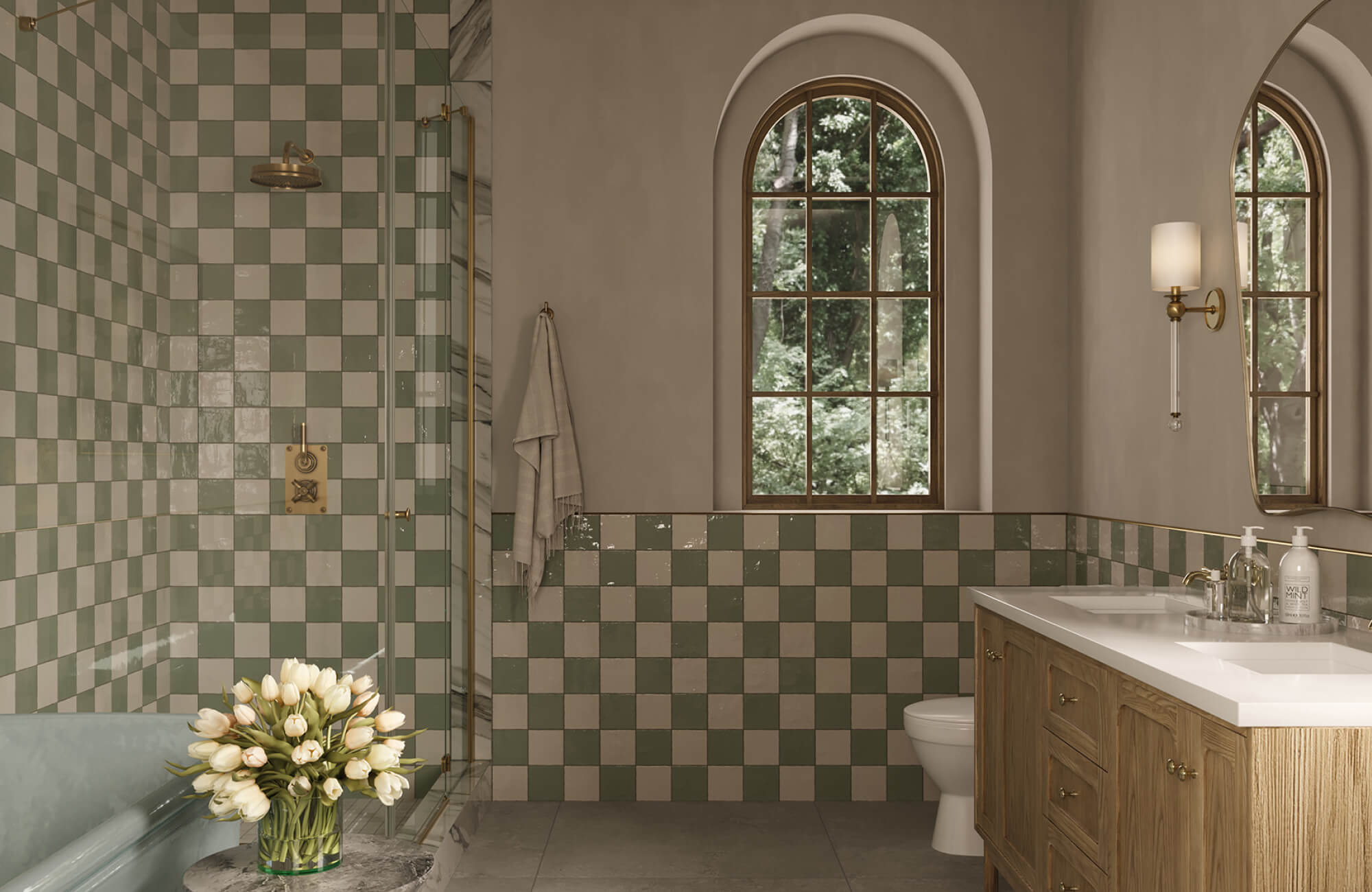
A refined example of this lasting value is our Mallory Rug in Khaki, featured above, adding warmth and balance to a serene bathroom setting. Its taupe and off-white offers versatility that adapts easily as surrounding finishes or décor evolve. The dense wool pile also holds its structure under daily use, while its subtle texture and neutral coloration age gracefully, ensuring the rug continues to look considered and relevant rather than worn or outdated.

The Key to Lifelong Durability
Although wool is naturally strong, the way you care for it directly influences how long it maintains its beauty and structure. Thoughtful maintenance protects the fibers at a molecular level, allowing your rug to perform as intended for decades rather than just years.
The Dangers of Over-Cleaning and Harsh Chemicals
Wool is a protein-based fiber, which means it reacts very differently to cleaning agents than synthetic materials. High-pH detergents and oxygen-based cleaners can strip away the fiber’s natural moisture, leaving it dry, brittle, and prone to breakage. Over time, this damage shows up as thinning, fuzzing, or permanent texture loss that cannot be reversed.
To avoid this, regular gentle vacuuming becomes your first and most effective line of care, removing surface dirt before it settles deep into the pile. When additional cleaning is needed, pH-balanced, WoolSafe-approved products clean without compromising the fiber’s integrity. Light spot cleaning and professional care designed specifically for wool also help preserve its natural oils, while avoiding steam cleaning and aggressive “Oxi” solutions, which prevent heat and chemical stress that can scorch the pile and weaken the rug from within.
Mechanical Wear and Rotation Strategies
Daily use introduces mechanical stress, which can quietly shorten a rug’s lifespan if left unaddressed. A high-quality rug pad absorbs impact and reduces friction between the rug and the floor, helping the fibers flex instead of grinding down with every step. This added cushioning protects both the rug’s foundation and its surface texture.
In addition, rotating your rug on a regular schedule helps distribute wear more evenly. Turning it 180 degrees about every six months balances usage and sun exposure, preventing one area from fading or flattening faster than the rest. With these simple habits, you support consistent aging across the entire rug, preserving its structure, color, and comfort for the long term.
Making the Right Rug Choice for Your Space
Making the right choice for your space brings everything together by showing how wool area rugs consistently meet the demands of both function and longevity. When you combine wool’s natural resilience, proven construction methods, and proper maintenance, the result is a rug that holds its structure, appearance, and value over time. Rather than wearing out, wool adapts to daily life, aging gracefully while continuing to support comfort, safety, and visual appeal. Ultimately, choosing a wool area rug is not just about filling a space, but about investing in a material that answers the question of durability with lasting performance you can see and feel year after year.
To ensure that choice feels just as confident in practice, having expert guidance can make all the difference. Whether you’re weighing size, pile height, placement, or care considerations, personalized support helps translate wool’s performance benefits into a solution that truly fits your space. By connecting with a knowledgeable team, you can clarify details, explore options, and move forward knowing your rug selection aligns with both your lifestyle and long-term expectations, turning a thoughtful decision into one you’ll appreciate every day.