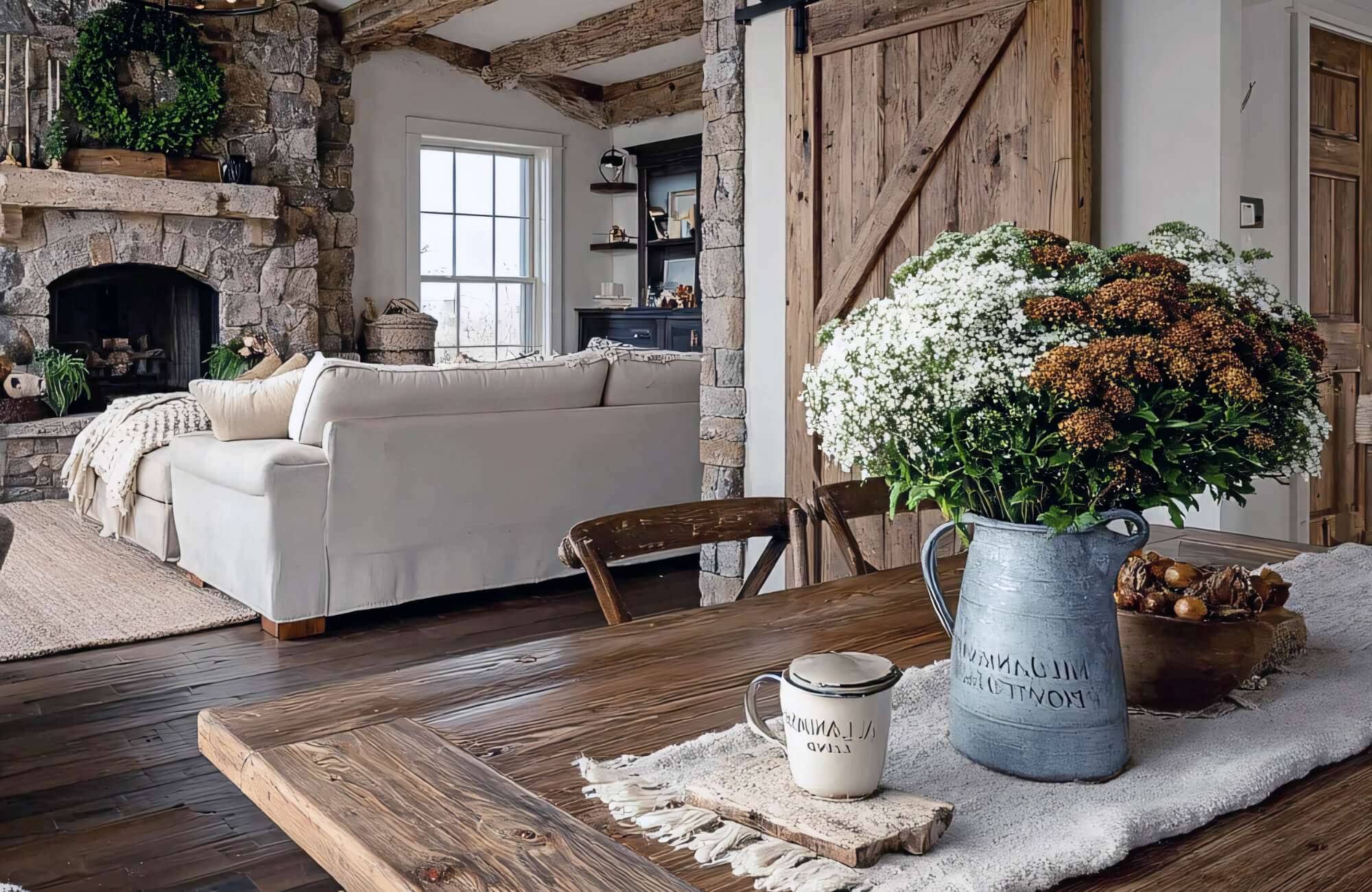
A living room rug does more than define a seating area; it sets the emotional tone of the space, shaping how light, texture, and comfort are experienced every day. Cream rugs and brown rugs, while both considered timeless neutrals, offer distinctly different expressions of warmth, openness, and grounding presence. The choice between them influences how a living room feels at first glance and how it performs over time under daily use. From refined contemporary interiors to richly layered traditional spaces, rug color quietly guides visual balance and material harmony. Understanding how cream and brown rugs behave across design, durability, and lifestyle considerations allows for a living room that feels intentional, enduring, and beautifully composed.

Visual Impact of Cream vs Brown Rugs in Living Rooms
Rug color establishes the visual foundation of a living room by shaping how light, scale, and furnishings interact within the space. Because cream and brown absorb and reflect light differently, each creates a distinct atmosphere that influences spatial perception and design balance.
Light Reflectance and Spatial Expansion
Cream rugs naturally enhance a living room’s sense of openness because their higher light reflectance allows both natural and artificial light to disperse more evenly across the floor surface. As light spreads, shadows soften and visual boundaries feel less defined, which helps the room appear brighter and more expansive without relying solely on additional lighting. This reflective quality also encourages the eye to move freely through the space, subtly extending perceived width and depth.
When layered with light upholstery, pale wall finishes, and warm wood tones, cream rugs help create a cohesive visual flow that feels calm and unencumbered. Their lighter coloration also reduces contrast at floor level, allowing furnishings and architectural details to stand out without visual competition. In living rooms where airiness and visual continuity are priorities, this interplay between light and surface becomes a key driver of spatial expansion.
Visual Weight and Grounding Effect
Brown rugs introduce visual depth that naturally grounds furniture arrangements, giving the living room a more anchored and composed feel. Because darker tones absorb excess light, they help large or open-plan spaces feel intentional rather than visually undefined. This absorption also allows seating layouts to feel more settled and clearly contained within the room. At the same time, brown rugs create contrast against lighter upholstery, reinforcing balance without overpowering surrounding elements. As materials and textures layer together, the rug acts as a stabilizing foundation. In this way, brown rugs contribute warmth, structure, and visual coherence.
Interaction with Architectural Elements
Cream rugs tend to recede visually, allowing architectural features such as windows, wall planes, and millwork to remain prominent. This restraint supports minimalist and contemporary interiors where proportion and negative space are essential. Brown rugs, by contrast, visually anchor architectural elements like fireplaces or built-in shelving. Their deeper tones also reinforce horizontal lines and material weight. This strengthens the relationship between architecture and furnishings. The choice ultimately depends on whether the space is meant to feel open or structurally grounded.

Material Performance and Fiber Behavior by Rug Color
Beyond aesthetics, rug color directly affects how fibers respond to wear, compression, and aging in living room environments. Even with identical construction, cream and brown rugs can perform very differently over time due to visibility and contrast.
Fiber Visibility and Surface Definition
Because cream rugs provide higher contrast against their own fibers, details such as pile direction, yarn twist, and weave structure remain clearly visible, allowing texture and craftsmanship to play a more prominent role in the overall look. This enhanced visibility contributes to a refined and tactile appearance that often elevates the perceived quality of the rug. At the same time, this visual clarity makes compression from furniture placement and repeated use more noticeable.
With continued daily wear, circulation patterns also tend to develop more quickly on light-colored surfaces. This effect is particularly noticeable in natural fibers such as wool or viscose, which respond visibly to pressure and movement. For this reason, thoughtful placement, furniture rotation, and periodic rug repositioning become essential for maintaining a consistent appearance over time.
Soil Masking and Abrasion Resistance
By contrast, brown rugs like Edward Martin's Micah Rug in Graphite / Espresso (shown in the photo above) benefit from deeper pigmentation that naturally disguises dust, soil, and minor surface abrasion, allowing everyday wear to blend seamlessly into the overall color. Rather than drawing attention to disruption, the surface maintains visual continuity even as the rug is used regularly. This masking effect becomes especially valuable in dense pile or flatweave constructions, where texture remains stable under pressure. As fibers compress through daily activity, the darker tone also helps preserve a balanced appearance. The rug, therefore, retains a sense of uniformity without demanding constant upkeep. Because of this inherent resilience, brown rugs are often preferred in active living rooms where durability and ease of maintenance are key priorities.
Dye Stability and Color Retention
In addition to surface wear, color retention plays an important role in long-term rug performance, particularly in living rooms exposed to sustained sunlight. Darker hues, such as brown, generally exhibit stronger perceived dye stability, allowing tonal consistency to remain intact over time. Even with prolonged UV exposure, subtle fading is less visually disruptive on deeper colors. Cream rugs, while significantly improved by modern dye technologies, tend to reveal slight discoloration more readily. This is most noticeable near large windows or in bright interiors where light exposure is constant. From a longevity perspective, brown rugs offer greater visual reliability as the living room evolves.

Maintenance Requirements and Lifestyle Suitability
Daily use patterns strongly influence how well a rug performs in a living room over time. Usage intensity, household composition, and maintenance expectations must align with rug color for lasting satisfaction.
Stain Visibility and Spill Management
Because cream rugs create a strong contrast against everyday spills, stains tend to become immediately noticeable, particularly when substances such as coffee, wine, or oils come into contact with the surface. Even after cleaning, these materials can disrupt color uniformity, which makes ongoing maintenance more demanding. Although modern stain-resistant treatments significantly improve surface protection, they do not eliminate the need for prompt attention. When spills are left untreated, the risk of permanent discoloration increases noticeably. By comparison, brown rugs naturally disguise these incidents due to their deeper pigmentation. This visual forgiveness allows living rooms to remain presentable even as daily life unfolds.
High Use and Family-Friendly Performance
In living rooms with constant daily use, brown rugs tend to perform more reliably because their darker tones conceal signs of wear. Pet hair, tracked-in debris, and minor surface compression blend into the rug rather than standing out. As a result, the space maintains a composed appearance with less frequent upkeep. Cream rugs, by contrast, are better suited to lower-use or more controlled environments where wear can be managed proactively. Their refined aesthetic depends on thoughtful placement and careful use. For this reason, aligning rug color with household activity levels is essential for long-term satisfaction.
Cleaning Cycles and Long-Term Care
Maintaining the appearance of cream rugs typically requires more consistent vacuuming to preserve brightness and prevent fiber matting. Because cleaning methods can significantly impact both appearance and durability, it’s best to follow the manufacturer’s care guidelines from the start. Over time, professional cleaning is often necessary to restore their original clarity and uniform tone.
Brown rugs, however, allow for longer intervals between deep-cleaning cycles because surface wear and soil accumulation remain less visible. In most cases, routine maintenance is sufficient to keep them looking balanced and cohesive. As these patterns continue over the years, differences in upkeep begin to affect overall ownership cost. Consequently, brown rugs generally demand less intensive care throughout their lifecycle.

Interior Design Compatibility and Style Alignment
Rug color acts as a unifying element that supports or defines a living room’s design language. Cream and brown rugs integrate differently depending on stylistic direction and material palette.
Cream Rugs in Modern Living Rooms
Cream rugs complement modern, minimalist, and Scandinavian living rooms by establishing a light, neutral foundation that visually supports the space without competing for attention. Because the rug recedes gently into the background, layered textures such as upholstery, throws, and accent materials are able to stand out with greater clarity. As shown in the photo above, the Liddy Rug in Cream / Dove reflects this approach through its soft tonal pattern and refined polyester pile, which adds subtle depth while preserving a calm, cohesive backdrop. Furniture silhouettes also remain clearly defined, allowing form and proportion to become focal points rather than the floor itself. This balance is particularly effective within monochromatic palettes, where controlled variation prevents the space from feeling flat.
Brown Rugs in Traditional and Organic Spaces
Brown rugs, like our Hemlocke Indoor/Outdoor Rug in Spice / Tobacco, 7'10" x 10', naturally align with traditional, rustic, and organic modern living rooms by reinforcing a sense of warmth and material authenticity. Their rich undertones echo the character of wood finishes, leather upholstery, and earth-based color palettes, allowing these elements to connect more seamlessly. As materials layer within the space, the rug also acts as a visual anchor rather than a competing element. This grounding quality is especially valued in midcentury modern interiors.
Contrast, Layering, and Visual Flow
When paired with darker furnishings, cream rugs introduce a sharper contrast that helps establish a clear and intentional visual hierarchy within the living room. This approach works particularly well in simplified interiors, where restraint and clarity guide design decisions. Brown rugs, by contrast, soften transitions between multiple warm materials, allowing layered elements to blend more naturally. Their tonal depth also enhances continuity across wood, textiles, and finishes. In both cases, rug color subtly influences how the eye moves through the space. When selected with intention, the rug ensures the visual flow feels effortless rather than segmented.

Longevity, Versatility, and Design Value Over Time
A rug’s long-term success explains how well it adapts to changing interiors and evolving preferences. Cream and brown rugs offer different strengths in versatility and value retention.
Adaptability to Changing Interiors
Brown rugs adapt seamlessly to shifts in furniture style, wall color, and evolving décor trends because their natural, earth-based neutrality allows them to integrate into new visual contexts with minimal disruption. As living rooms are refreshed over time, this flexibility significantly reduces the risk of visual mismatch between existing flooring and newly introduced furnishings or finishes. Cream rugs, while timeless in theory, often require more consistent styling to maintain cohesion as surrounding elements change. When palettes deepen or materials become more layered, contrast on lighter rugs becomes increasingly noticeable.
Rugs that thoughtfully combine both light and dark tones offer a more adaptable solution for evolving interiors. In this context, Edward Martin’s Haverford Rug in Platinum / Bronze (featured in the picture above) works especially well by blending a soft, light base with warm bronze flecking, allowing it to transition effortlessly between brighter contemporary spaces and richer, more layered living rooms.
Trend Sensitivity and Aesthetic Commitment
Cream rugs align closely with contemporary design trends that favor light, open, and airy living room interiors, making them particularly appealing during periods when minimalism and brightness dominate. However, as design cycles naturally shift toward warmer, richer, or moodier palettes, the visual commitment required to maintain balance around a cream rug increases. Brown rugs, by contrast, remain visually stable across these transitions because their tonal depth adapts easily to both light and dark design directions. Rather than signaling a specific trend moment, they function as a timeless foundation. This adaptability also allows the surrounding décor to evolve without the rug feeling out of place. As a result, brown rugs tend to age more gracefully within long-term interior design schemes.
Cost Efficiency Across the Rug Lifecycle
Over the lifespan of a living room rug, maintenance frequency plays a significant role in determining the total cost of ownership. Cream rugs, due to their higher visibility of stains, wear, and discoloration, often require more frequent professional cleaning to preserve their intended appearance. These ongoing interventions can add to long-term maintenance expenses. Brown rugs, on the other hand, maintain visual consistency with fewer cleaning cycles, as minor wear and soil are less apparent on darker surfaces. Reduced upkeep also naturally supports stronger long-term value retention. When durability and maintenance are considered together, brown rugs typically deliver a higher return on investment.
A Thoughtful Choice for Lasting Living Rooms
Whether cream rugs or brown rugs are better for living rooms ultimately depends on how beauty, durability, and daily life intersect within the space. Cream rugs bring lightness, refinement, and visual expansion, making them ideal for contemporary interiors and smaller living rooms. Brown rugs, on the other hand, offer grounding warmth, durability, and ease of maintenance, especially in busy or family-friendly settings. When chosen with intention, both options elevate comfort and design cohesion. The most successful living rooms emerge when rug color aligns seamlessly with lifestyle, architecture, and long-term aesthetic vision.
For a cohesive result that balances aesthetics and performance, Edward Martin’s design services provide expert guidance—reach out to our team to create a living room that feels timeless, functional, and beautifully resolved!