



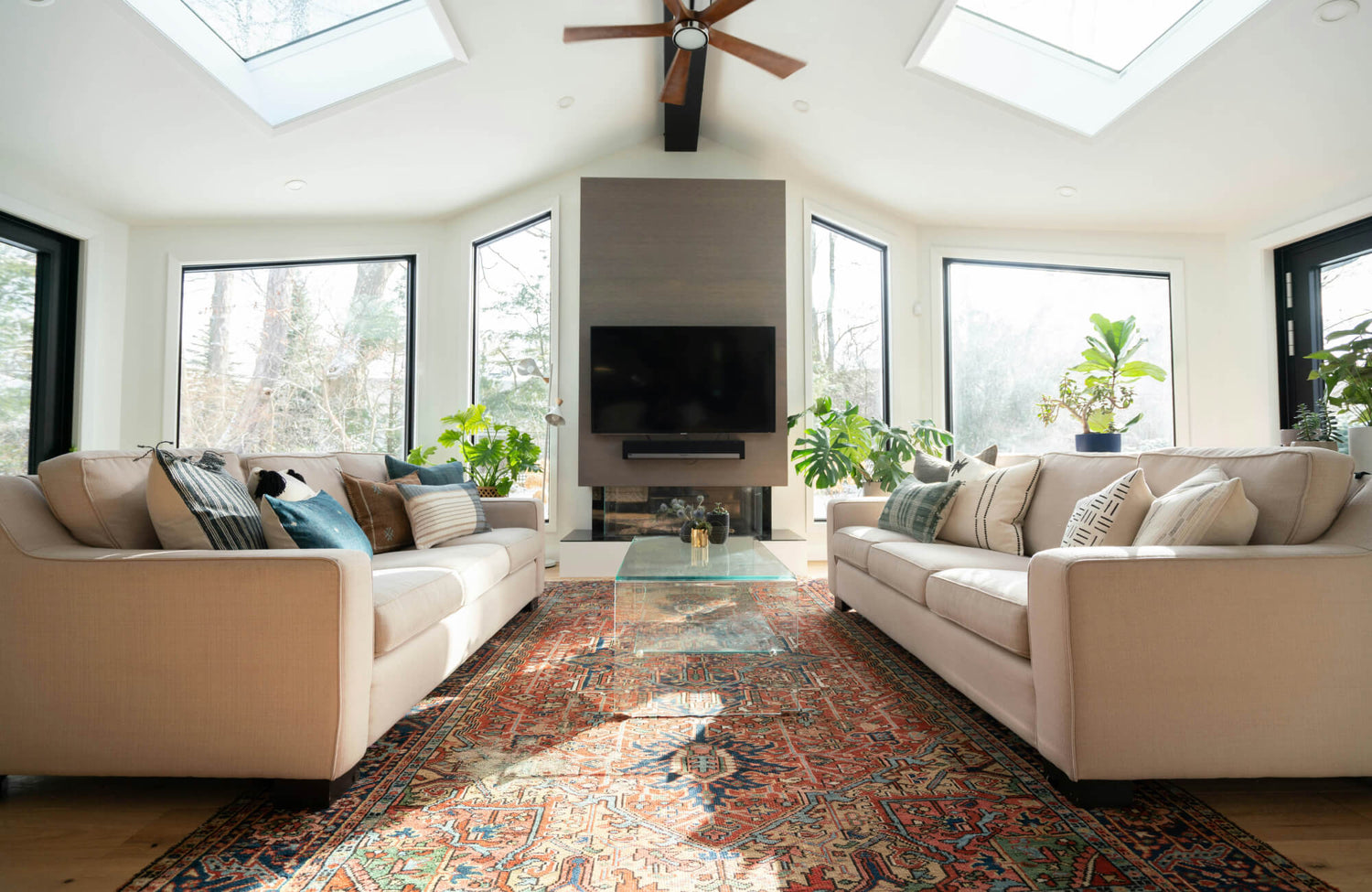
In the ever-evolving landscape of interior design, trends often come full circle, bringing time-honored elements back into the spotlight. While recent years have emphasized minimalist and modern aesthetics, there’s growing interest in incorporating warmth, texture, and character into living spaces. This shift has led many to revisit traditional rugs, intricately crafted textiles with deep cultural roots. But are they still in style today? The answer lies not only in their aesthetic charm but also in their enduring functionality and adaptability. This article explores why traditional rugs remain a relevant and valuable choice in contemporary interiors.

Why Traditional Rugs Remain Relevant Today
Traditional rugs are more than decorative pieces. They represent a harmonious blend of history, craftsmanship, and rich visual texture that continues to resonate with modern sensibilities.
Cultural Heritage and Artistry
The enduring appeal of traditional rugs begins with their deep cultural roots and exceptional artistry. Hand-knotted rugs from regions such as Persia, Turkey, and the Orient are not mass-produced floor coverings; they are handcrafted works of art that preserve centuries-old techniques and symbolism. Each rug tells a story through its patterns and construction, reflecting the history, beliefs, and craftsmanship of the communities that create them. This authentic, handmade quality lends traditional rugs a sense of depth and soul, offering a layer of cultural richness that elevates the overall character of a space.
Pattern and Color Complexity
Another significant factor in the lasting appeal of traditional rugs is their remarkable pattern and color complexity. Unlike simpler modern designs, these rugs feature intricate motifs, often incorporating medallions, floral patterns, geometric shapes, and borders that are layered with precision. This sophisticated detailing also creates immense visual depth, inviting the eye to explore the rich tapestry of design.
Their layered color palettes, often featuring muted jewel tones, earthy browns, deep blues, and rich reds, are masterfully blended to create a harmonious yet vibrant effect. A great example is the Hutchinson Polyester Face Rug in Graphite / Olive from Edward Martin, as shown in the photo above. It captures this richness with its subtle aged look and layered tones, bringing warmth and character to transitional spaces like laundry rooms or mudrooms. This complexity is particularly impactful in rooms with simpler furniture or stark, modern architecture, where the rug can act as a crucial element that introduces softness and intricate visual interest, preventing the space from feeling too cold or minimalist. The interplay of various colors and patterns also brings a dynamic energy that enriches the entire room.

Blending Old With New in Modern Spaces
Traditional rugs are finding renewed relevance by being expertly integrated into contemporary design schemes, proving their versatility in creating harmonious and compelling interiors.
Creating Contrast in Minimalist Interiors
In minimalist interiors, defined by clean lines and simplicity, traditional rugs offer a counterpoint of detail and texture. Their intricate patterns and saturated hues introduce visual complexity that prevents the space from feeling stark or sterile. A great example of this is the Hutchinson Polyester Face Rug in Burgundy / Denim, shown above, which adds a striking layer of color and pattern. Its bold palette enlivens neutral furnishings while staying true to the room’s overall restraint. Placed beneath sleek furnishings, a traditional rug also acts as a visual anchor, grounding the room while adding warmth and texture. This thoughtful contrast enhances the overall design, bringing richness and personality without overwhelming the simplicity that defines minimalism.
Eclectic Layering and Personality
Eclectic interiors thrive on contrast, layering, and personal expression. In these dynamic spaces, traditional rugs serve as grounding elements that bring cohesion to a mix of styles and textures. Their historical charm and intricate patterns also add warmth and depth, especially when paired with modern furniture, industrial finishes, or mid-century accents. Whether laid over concrete floors or surrounded by varied materials, a traditional rug acts as a unifying thread, balancing visual diversity while enhancing the character and story of the space.

Design Trends Supporting Traditional Rugs
Current interior design trends continue to reinforce the appeal of traditional rugs, aligning with broader shifts toward comfort, personalization, and richness in design.
Embracing Maximalism and Layered Aesthetics
Maximalism embraces abundance, bold patterns, and layered textures, making it an ideal setting for traditional rugs. With their ornate detailing and saturated colors, these rugs act as foundational elements that enhance the richness of the space. Whether layered over natural fiber rugs or surrounded by mixed prints and eclectic accents, they add historical depth and help ground the visual energy. Far from clashing, traditional rugs also complement the bold art and decor that define maximalist interiors, contributing to a curated, collected aesthetic that feels intentional and full of character.
Return to Comfort and Warmth in Interiors
As homeowners increasingly prioritize comfort and well-being, traditional rugs continue to play a valuable role in creating cozy, restorative spaces. Their plush wool pile softens hard flooring, insulates sound, and adds warmth underfoot. Visually, their intricate patterns and earthy tones promote a grounded, intimate atmosphere.
While wool remains prized for its resilience and comfort, synthetic alternatives like polypropylene and polyester rugs also offer similar softness with added benefits, such as stain resistance, low moisture absorption, and easy maintenance. These qualities make traditional-style rugs in both natural and synthetic fibers a smart, adaptable choice for today’s comfort-focused interiors.

Practical Benefits That Make Them Timeless
Traditional rugs are not only beautiful, but they also offer a range of practical benefits that make them a smart and lasting investment.
Durability and Longevity
One of the most compelling benefits of traditional rugs, especially those hand-knotted from wool, is their impressive durability. These rugs are crafted to withstand decades of use, even in busy areas, often outlasting other types of flooring and furnishings. The natural elasticity of wool fibers also helps them resist flattening, maintaining their texture and appearance over time.
For those seeking a more affordable or low-maintenance alternative, traditional designs in polypropylene or polyester mimic the richness of wool while offering enhanced resistance to moisture, fading, and stains. These synthetic options are especially useful in homes with pets, children, or high-activity zones, providing resilient performance without sacrificing visual appeal.
Stain Hiding and Maintenance
Traditional rugs also shine when it comes to maintenance. Their intricate patterns and layered color palettes naturally conceal dust, dirt, and minor stains, making them especially suited to active households.
For added practicality, polypropylene and polyester rugs offer added convenience, as their low absorbency makes them especially practical in spill-prone areas like dining rooms, hallways, or entryways. These synthetic fibers are not only durable but also easier to clean, requiring only regular vacuuming to maintain their appearance. Whether made from natural wool or synthetic fibers, most traditional rugs strike a balance between visual appeal and low-maintenance care, offering a smart and stylish solution for modern homes.

Selecting the Right Traditional Rug for Modern Homes
Choosing a traditional rug today involves blending classic appeal with contemporary needs. The right choice depends on color, placement, and how the rug complements the surrounding space.
Opting for Updated Color Palettes
To make a traditional rug feel fresh and aligned with modern interiors, updated color palettes are essential. While classic jewel tones remain a timeless choice, many of today’s designs feature softer, more contemporary hues. Rugs like the Georgette Polyester Pile Rug in Spice / Indigo, as displayed in the picture above, showcase this balance beautifully. Its blend of warm spice tones and cool indigo creates an inviting palette that feels both rooted in tradition and relevant to modern tastes. Options like sage green, soft blush, slate blue, and muted grays or creams also offer similarly refined takes on traditional patterns. These toned-down shades allow the rug’s intricate details to shine while blending seamlessly with cleaner, minimalist decor. The result is a rug that maintains its classic charm but feels perfectly suited for today’s interiors.
Placement and Styling Tips
Placement can greatly influence how a traditional rug functions and feels. In living rooms, the rug should anchor the seating area by extending beneath at least the front legs of furniture, creating cohesion and structure. In bedrooms, a rug placed beneath the bed, extending beyond the sides, adds softness and frames the sleeping area. Entryways also benefit from durable runners that soften the space while concealing signs of frequent use.
For added texture and depth, consider layering: a smaller traditional rug over a larger base like jute or sisal adds dimension while highlighting the rug’s details. Polyester and polypropylene options are particularly practical for foyers, dining areas, and other high-activity zones, where stain resistance and easy cleanup are essential. These fibers also mimic the texture of hand-knotted rugs while offering accessible care and long-lasting durability, blending traditional aesthetics with everyday function.
The Enduring Charm of Traditional Rugs
Traditional rugs are far from outdated. Their rich history, unparalleled artistry, and remarkable versatility ensure their enduring appeal in a constantly evolving design world. These magnificent textiles are not just experiencing a momentary comeback; rather, they are a testament to the fact that true classics never truly leave the style landscape. Whether seamlessly paired with antique furnishings in a grand, classic interior or used to create striking contrast with ultra-modern, minimalist pieces, traditional rugs consistently offer a profound sense of continuity, elegance, and grounded comfort. They continue to be a cherished element, infusing spaces with character and a timeless warmth that transcends fleeting trends.
If you're considering how to incorporate a traditional rug into your space or looking to balance one within a more contemporary setting, Edward Martin offers personalized design consultations to help you make informed, confident choices. And if you have any questions or tailored support, don’t hesitate to get in touch with our team—we’re here to help bring your vision to life!


