Subway tile has been part of bathroom design for generations, yet it continues to spark questions in today’s renovations. With so many new materials, finishes, and layouts available, it’s fair to wonder whether subway tile still feels relevant or if it has started to fade into the background. In this blog, we’ll explore why subway tile became a staple, how it fits into modern bathrooms today, what makes it feel timeless or dated, and how surrounding elements influence its long-term appeal.

Why Subway Tile Became a Bathroom Staple in the First Place
Subway tile earned its place in bathrooms long before it became a design statement. Its popularity was driven by practical needs, such as cleanliness, durability, and ease of installation in spaces exposed to constant moisture. Understanding where it started helps explain why it continues to feel familiar and dependable in bathroom settings.
Early Functional Origins of Subway Tile
Subway tile, such as our Olivia 4x16 Glossy Ceramic Tile in Pearl above, was originally developed for public infrastructure, where hygiene and durability mattered more than decoration. Its smooth, glazed surface made it easy to clean, which was essential in environments exposed to heavy use and moisture. When these qualities translated into residential bathrooms, homeowners quickly saw the appeal. Bathrooms needed materials that could handle daily water exposure without absorbing stains or odors. Subway tile met those needs with very little maintenance. Its early success was rooted in performance rather than style.
Why the Shape and Proportions Worked Well in Wet Areas
The rectangular shape of subway tile allowed for tight grout lines and efficient coverage across walls. This reduced the amount of exposed grout, which is often the most vulnerable part of a tiled surface in wet environments. Its proportions also made it easy to install around fixtures, corners, and plumbing without excessive cutting. In bathrooms, where walls are broken up by vanities and tubs, that flexibility mattered. The format helped create continuous surfaces that resisted water penetration. Over time, this made subway tile a practical standard for wet-area walls.
How Simplicity Made It Adaptable Across Design Eras
Subway tile’s straightforward design allowed it to adapt as interior styles evolved. Because it wasn’t tied to ornate patterns or specific color trends, it could blend into both traditional and changing design preferences. As bathrooms shifted in style over the decades, subway tile remained relevant by quietly supporting the overall look. Its simplicity made it easy to pair with new fixtures, finishes, and layouts without feeling outdated. Rather than dominating the space, it acted as a reliable backdrop. This adaptability helped it persist across multiple design eras.

How Subway Tile Fits Into Modern Bathroom Design Today
In today’s bathrooms, subway tile continues to work not because it follows trends, but because it supports clean, functional design. Modern layouts often favor clarity and balance, and subway tile naturally complements those goals. Its ability to adapt to different spaces helps it remain relevant in both updated and newly built bathrooms.
Clean Lines and Visual Order in Contemporary Bathrooms
Modern bathroom design often prioritizes calm, uncluttered surfaces that feel easy to live with day to day. Subway tile supports this by creating consistent lines that help organize the wall visually. This sense of order becomes especially important in bathrooms with open showers or floating fixtures, where wall surfaces are more exposed. The uniform shape keeps the space from feeling busy, even when paired with bold fixtures or statement lighting. It also allows other elements to stand out without competing for attention.
A tile like our Mariel 1x12 Glossy Porcelain Tile in Fog above is a strong example of how subway tile continues to feel current in modern bathrooms. Its elongated shape and softly rippled, glossy surface keep the wall feeling organized while adding gentle movement that prevents the space from reading flat. The calm gray-blue tones bring a coastal softness that works especially well in contemporary layouts where clarity and visual balance matter most.
Compatibility With Minimalist and Transitional Interiors
Subway tile fits comfortably within both minimalist and transitional bathrooms because it doesn’t impose a strong visual identity on its own. In minimalist spaces, it reinforces simplicity and restraint without feeling stark. In transitional interiors, it bridges classic and modern elements, working well alongside traditional vanities or contemporary hardware. This flexibility makes it a safe but thoughtful choice for homeowners who want a bathroom that feels current without being overly styled. It adapts easily as surrounding finishes change. That versatility is a major reason it remains widely used today.
Why Neutral Formats Still Matter in Evolving Homes
Homes evolve, and bathrooms often undergo updates long after the tile is installed. Neutral subway tile provides a stable foundation that can accommodate future changes in color, fixtures, or accessories. Because it doesn’t lock the space into a specific trend, it allows homeowners to refresh the look without replacing major surfaces. This long-term adaptability is especially valuable in primary bathrooms that see daily use. It helps prevent the space from feeling dated too quickly. Neutral formats continue to matter because they support flexibility rather than limiting it.

When Subway Tile Showers Feel Timeless vs When They Feel Dated
Subway tile itself rarely goes out of style, but how it’s used can make a big difference in how a shower feels over time. Small design decisions often determine whether it reads as classic and intentional or starts to feel overly familiar. Below, we’ll look at the factors that help subway tile showers age gracefully and the ones that can quietly push them toward feeling dated.
Design Choices That Keep Subway Tile Feeling Intentional
Subway tile tends to feel timeless when it’s clearly part of a considered design rather than a default choice. Thoughtful placement, balanced spacing, and clear visual alignment all signal intention. For example, keeping tile terminations clean around niches or edges helps the installation feel finished rather than rushed. When subway tile is paired with deliberate fixture placement and well-planned lighting, it reads as calm and purposeful. These details may seem small, but together they shape how the space is perceived. Intentionality is often what separates a classic shower from one that feels forgettable.
Overused Layouts That Can Feel Predictable
Some subway tile layouts have become so common that they can feel expected rather than thoughtful. When the same pattern appears without variation across many spaces, it can lose its impact. This doesn’t mean the layout is wrong, but it does mean it needs stronger support from the rest of the design. Without that support, the shower may blend into the background rather than stand out for the right reasons. Over time, repetition can make even a well-installed surface feel uninspired. Awareness of how familiar a layout feels is key to keeping it from reading as dated.
The Impact of Scale and Proportion on Visual Freshness
Scale plays a larger role in how subway tile is perceived than many people realize. When tile size feels well-matched to the shower’s dimensions, the space tends to feel balanced and visually comfortable. If proportions are off, the same tile can suddenly feel cramped or overly busy. Larger showers, in particular, benefit from proportions that prevent excessive visual breaks across the wall. Getting scale right helps subway tile feel considered rather than automatic. It’s often one of the quiet factors that keeps a shower looking current over time.
How Surrounding Materials Influence Perception
Subway tile rarely exists on its own, and the materials around it strongly influence how it’s perceived. Vanities, hardware, flooring, and even ceiling finishes all shape whether the tile feels fresh or dated. When surrounding materials feel cohesive and thoughtfully chosen, subway tile benefits from that context. On the other hand, mismatched or overly trendy elements can make the tile feel stuck between styles. The overall composition matters more than any single surface. Subway tile tends to age best when it’s part of a well-coordinated whole rather than asked to carry the design on its own.

Layout, Orientation, and Grout Choices That Change the Look
The way subway tile is arranged can completely change how a shower feels, even when the tile itself stays the same. Layout direction, pattern choice, and grout decisions all influence balance, movement, and visual flow. Below, we’ll walk through how these elements work together and how small shifts can dramatically alter the overall impression of a subway tile shower.
Horizontal vs Vertical Subway Tile Layouts
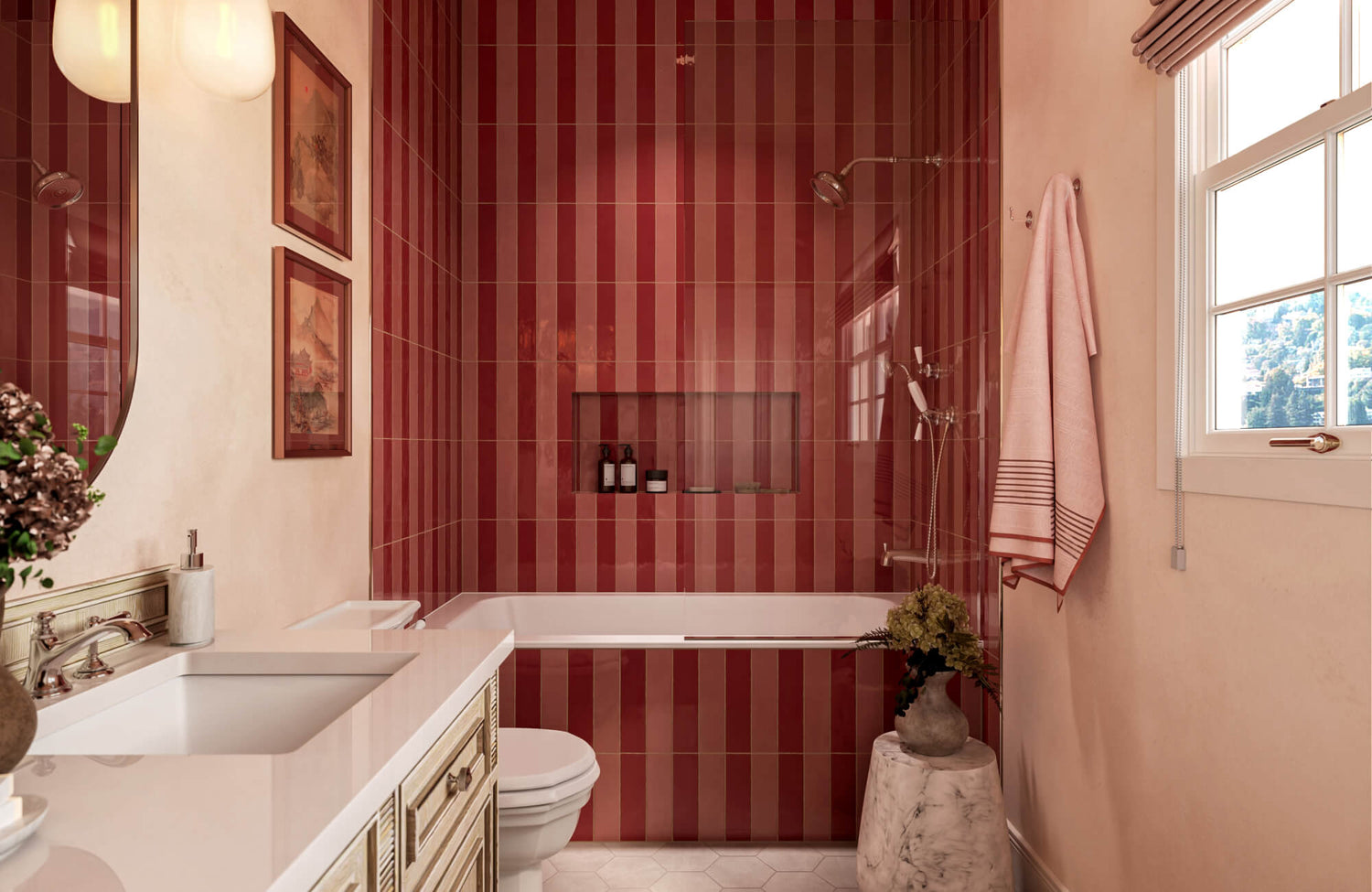
Horizontal layouts tend to emphasize width, which can make a shower feel more grounded and expansive. This orientation feels familiar and calming, especially in bathrooms where you want visual stability. Vertical layouts, on the other hand, draw the eye upward and can help a shower feel taller or more open. This approach works particularly well in bathrooms with lower ceilings or narrow footprints. Neither direction is inherently better, but each sends a different visual signal. Choosing the orientation that supports the room’s proportions helps subway tile feel intentional rather than habitual.
Our Jaxson 4x21 Glossy Ceramic Tile in Cloud above is a strong example of how horizontal layouts can feel intentional rather than routine. Its longer, leaner profile helps extend sightlines across the wall, while the glossy white finish reflects light to keep the shower feeling open and balanced. Together, the format and finish support a modern layout without overpowering the space.
Stacked, Offset, and Custom Pattern Approaches
Pattern choice has a strong influence on whether a subway tile shower feels relaxed or more visually dynamic. A traditional offset layout introduces gentle movement across the wall, which often feels familiar and easy to live with. Stacked patterns, by contrast, feel more structured and contemporary, giving the space a cleaner, more graphic presence. Custom or mixed layouts can add personality too, as long as they’re used with restraint and a clear intention. Balance matters here because too much variation can pull attention away from the shower as a whole. When the pattern supports the bathroom’s overall tone, the tile feels considered rather than purely decorative.
Grout Color Contrast and Visual Rhythm
Grout color plays a quiet but powerful role in how noticeable a subway tile pattern becomes. High-contrast grout highlights each tile, creating a stronger rhythm that can feel bold and intentional across the wall. This approach works especially well when the rest of the bathroom stays simple, allowing the pattern to carry visual interest without competition. Lower-contrast grout, on the other hand, softens the layout and lets the surface read more as one continuous plane. Over time, that subtlety often feels calmer and easier to live with in a daily-use shower. Choosing the right grout comes down to whether you want the tile to lead the design or quietly support it.
Grout Spacing and How It Affects Texture
Grout spacing influences how textured or smooth the finished surface appears. Tighter spacing creates a more refined, continuous look that feels streamlined and modern. Slightly wider spacing adds texture and definition, which can complement more relaxed or traditional designs. Even small changes in spacing can shift how busy or calm the wall feels. This decision also affects how light interacts with the surface, especially under direct bathroom lighting. Thoughtful spacing helps the tile settle naturally into the space instead of feeling visually crowded.

Subway Tile vs Other Popular Shower Tile Styles
When deciding whether subway tile still makes sense, it helps to look at how it compares to other shower tile styles that are commonly used today. Each option brings a different visual weight, level of flexibility, and long-term feel to a bathroom. Here, we’ll compare subway tile at a high level to other popular choices, focusing on design impact rather than technical details.
Subway Tile Compared to Large-Format Shower Tiles
Large-format tiles create a sleek, uninterrupted look that feels modern and minimal, especially in spacious showers. Because there are fewer grout lines, the surface can read as calmer and more monolithic. Subway tile, however, offers more visual rhythm and scale, which can make smaller showers feel more intentional rather than oversized. It also adapts more easily to corners, niches, and architectural breaks without feeling forced. While large-format tiles often make a bold statement, subway tile tends to blend more naturally into a wider range of layouts. This flexibility is why it continues to feel relevant across different bathroom sizes.
Subway Tile vs Handmade or Zellige-Style Tiles
Handmade and zellige-style tiles are prized for their surface variation, uneven edges, and artisanal character. They add depth and movement that immediately draw attention, often becoming the focal point of the shower. Subway tile, by contrast, offers a quieter backdrop that supports the overall design without demanding attention. This makes it easier to layer in bold fixtures, textures, or finishes elsewhere in the bathroom. While handmade tiles can feel expressive and rich, subway tile often ages more gracefully as tastes evolve. Its restraint allows it to adapt as surrounding elements change over time.
Subway Tile vs Mosaic Tile Applications
Mosaic tiles bring texture and visual complexity through small-scale repetition, which works well in feature areas or on shower floors. In wall applications, however, mosaics can feel busy if used extensively. Subway tile provides a larger visual unit, helping walls feel more open and less fragmented. It also creates cleaner sightlines that are easier on the eye in a space used daily. While mosaics excel at adding detail, subway tile is better suited for maintaining balance across larger vertical surfaces. The two can even work together when each is used in the right place.
Subway Tile vs Patterned or Graphic Tile Styles
Patterned tiles introduce bold visuals and personality, often setting a strong design direction from the start. While striking, these styles can feel tied to a specific moment or trend. Subway tile offers more neutrality, allowing the bathroom to evolve through accessories, lighting, or finishes instead. This makes it easier to refresh the space without reworking the tile itself. For homeowners who prefer flexibility over commitment, subway tile often feels like a safer long-term foundation. It supports change rather than limiting it.
Subway Tile vs Stone-Look and Textured Tiles
Stone-look and textured tiles naturally introduce depth and surface variation, which can make a shower feel more organic and visually expressive. Because of that, they often act as a focal point on their own, especially in smaller or more enclosed bathrooms. Subway tile, by contrast, brings a sense of order and clarity that helps steady the overall design. This becomes especially valuable in bathrooms that already feature multiple materials or finishes. Rather than adding another layer of visual weight, subway tile creates balance and breathing room. That quiet restraint is what allows it to stay flexible and work alongside natural elements without competing for attention.

Lighting, Mirrors, Vanities, and Rugs That Elevate Subway Tile Showers
Subway tile doesn’t exist in isolation, especially in a bathroom where light, reflection, and surrounding finishes all interact closely. Once the tile is installed, it’s the supporting elements that often decide whether the space feels finished or slightly flat. Lighting, mirrors, vanities, and rugs each influence how the tile reads throughout the day and during everyday use. When these elements are chosen thoughtfully, subway tile feels intentional rather than predictable.
How Lighting Highlights Glaze, Texture, and Grout Lines
Lighting plays a noticeable role in how subway tile reads once it’s installed on the wall. Soft, diffused fixtures such as frosted sconces or recessed LED lighting tend to bring out glaze and surface texture without overstating grout lines. Warm white light often softens edges and gives glossy or satin tiles a calmer, more inviting feel, while neutral white light supports a cleaner, more structured look. When lighting becomes too directional or harsh, small surface variations can start to feel louder than intended. Choosing fixtures that gently wash the wall helps the tile feel unified rather than broken into sections.
Placement matters just as much as tone. A combination of overhead lighting and wall-mounted fixtures usually creates even coverage across tiled surfaces. This setup helps reduce shadows that can interrupt the pattern or call attention to repetition. Accent lighting can still be effective, but it works best when used with restraint so it adds depth instead of distraction. When lighting and tile are considered together, subway tile gains dimension while staying comfortably in the background.
Mirror Shape and Scale in Tiled Shower Spaces
Mirrors play a quiet but important role in balancing the structure of subway tile. Larger mirrors tend to calm the space by creating broader reflections that reduce visual breaks across tiled walls. When subway tile already brings a strong linear rhythm, rounded or softly arched mirrors can introduce contrast that feels natural rather than styled. Rectangular mirrors still work well in modern bathrooms, but they tend to feel best when sized generously. A mirror that’s too small can unintentionally make the tile feel heavier or more dominant than intended.
Finish matters here as well and helps set the overall tone. Frames in brushed brass, matte black, or soft nickel usually ground the reflection without competing with the tile surface. Frameless mirrors can feel clean and minimal, although they depend heavily on thoughtful scale to avoid looking temporary. When mirror shape, size, and finish are considered together, the tile reads as a composed backdrop rather than the focal point. The bathroom ultimately feels steadier and more comfortable to spend time in.
Vanity Styles and Sizes That Balance Subway Tile Walls
Vanities often act as the visual counterweight to tiled shower walls, especially when subway tile covers a large portion of the space. Flat-panel or slab-front vanities pair naturally with the tile’s clean geometry and tend to feel right at home in modern or transitional bathrooms. Wood finishes like oak, walnut, or ash bring in warmth that gently softens the tile’s structure, while painted vanities in soft neutrals help keep the room feeling calm and cohesive. Highly glossy finishes can exaggerate reflection and repetition, which is why matte or lightly textured surfaces usually feel more balanced. The goal is to create contrast that feels intentional, not competitive.
Size plays a role here as well and often affects how grounded the space feels. Wider vanities help visually anchor tiled walls and prevent the room from feeling top-heavy, particularly when subway tile runs floor to ceiling. Floating vanities can work beautifully too, especially when paired with darker finishes or larger mirrors that add visual weight. When vanity style, finish, and scale align with the tile, the bathroom feels settled rather than assembled over time. Everything reads as part of a single, thoughtful plan instead of a collection of separate choices.
Using Rugs to Soften Tiled Bathroom Layouts
Rugs are often underestimated in bathrooms, yet they make a noticeable difference in spaces dominated by tile. In subway tile showers, rugs introduce a layer of softness that breaks up hard surfaces and makes the room feel more comfortable underfoot. Low-profile materials like cotton, wool, or cotton-viscose blends tend to work especially well because they add texture without feeling heavy or visually loud. Simple weaves and understated patterns usually blend more naturally than bold graphics, which can pull focus away from the overall design. The rug’s role is to support the space, not compete with the tile or fixtures.
Placement matters just as much as material and often determines how effective the rug feels in daily use. Positioning rugs near the vanity or just outside the shower helps define zones and subtly reduces how much visual attention the tile demands. This kind of layering softens the room and keeps it from feeling rigid or overly structured. Even a smaller rug can shift the tone of the bathroom in a meaningful way. When chosen thoughtfully, rugs help subway tile feel lived-in and integrated rather than purely architectural.
Coordinating Accessories Without Competing Visually
Accessories often make the difference between a subway tile bathroom that feels calm and one that feels visually busy. Since subway tile already brings repetition and structure to the space, accessories tend to work best when they stay restrained and purposeful. Finishes like brushed brass, matte black, or soft chrome usually pair well with tile, especially when the same finish shows up across lighting, hardware, and fixtures. Keeping the number of finishes limited helps the eye move through the room more easily. When too many contrasting elements are introduced, the tile’s natural rhythm can start to feel interrupted.
Coordination doesn’t mean everything has to match exactly, but it should feel connected. Simple silhouettes for towel bars, hooks, and soap dispensers allow the tile to sit comfortably in the background rather than competing for attention. When accessories remain secondary, subway tile reads as intentional instead of overwhelming. This restraint helps the bathroom feel more composed and visually settled. Over time, that balance is what makes the space feel easy to live with rather than overly styled.

Maintenance, Longevity, and Daily Use Considerations
Subway tile showers are often chosen for their clean look, but their real value shows up over time through daily use. How they handle moisture, cleaning, and wear tends to matter more than how they look on installation day. Below, we’ll walk through the practical upkeep and long-term behavior of subway tile in working showers, focusing on what homeowners experience after months and years of regular use.
Cleaning Routines for Subway Tile Showers
Subway tile showers are generally easy to maintain because their smooth surfaces respond well to routine cleaning. Regular rinsing after showers helps prevent soap residue from settling into grout lines or along tile edges. Mild, non-abrasive cleaners are usually enough to keep the surface looking consistent without dulling the finish. Because subway tiles are uniform in shape, buildup tends to appear evenly rather than in isolated patches. This makes maintenance feel predictable instead of reactive. Over time, simple habits tend to do more for cleanliness than occasional deep scrubbing.
Grout Maintenance and Long-Term Wear
Grout plays a bigger role in subway tile longevity than many people expect. In daily-use showers, grout naturally absorbs more moisture and residue than the tile itself, which means it benefits from consistent care. Sealed grout holds up better over time, especially in showers that see frequent use. Even when wear does occur, it tends to happen gradually rather than all at once. This makes issues easier to spot and address before they become noticeable problems. With basic upkeep, grout often ages in tandem with the tile, rather than detracting from it.
How Finish Affects Water Spotting and Residue
Tile finish influences how visible everyday water marks and residue become over time. Glossier subway tiles tend to reflect light more, which can make water spotting noticeable if surfaces aren’t wiped regularly. Matte finishes, on the other hand, often disguise minor residue and soft water marks more easily. Neither option is inherently difficult to maintain, but they do behave differently in daily use. The key is understanding how the finish interacts with water and steam in the shower environment. When expectations match usage, maintenance feels more manageable.
Why Subway Tile Often Ages Evenly Over Time
One of subway tile’s strengths is how consistently it wears across the surface. Because the tiles are uniform in size and shape, exposure to water and cleaning tends to be distributed evenly rather than concentrating in specific areas. This helps prevent the patchy aging seen with more complex patterns or varied materials. Over time, the tile maintains a cohesive appearance even as subtle changes occur. Any wear that does develop usually blends naturally into the overall surface. This even aging is one reason subway tile remains a practical long-term choice for daily-use showers.
Where Subway Tile Fits in Today’s Bathroom Renovations
Subway tile showers continue to hold their place in modern bathroom renovations, not because they follow trends, but because they support how bathrooms are actually used. Their clean proportions, adaptability, and visual balance allow them to work across a wide range of styles without feeling locked into a specific era. When paired with thoughtful layouts, lighting, and surrounding finishes, subway tile reads as intentional rather than predictable. That ability to age evenly is what keeps it relevant long after installation day.
If you’re unsure whether subway tile makes sense for your bathroom, our design consultation can help you see the full picture before decisions are finalized. Looking at tile, lighting, vanities, mirrors, and layout together makes it easier to understand how everything will function as a complete space. Working with a professional designer helps clarify where subway tile adds value and where adjustments might better support daily use.