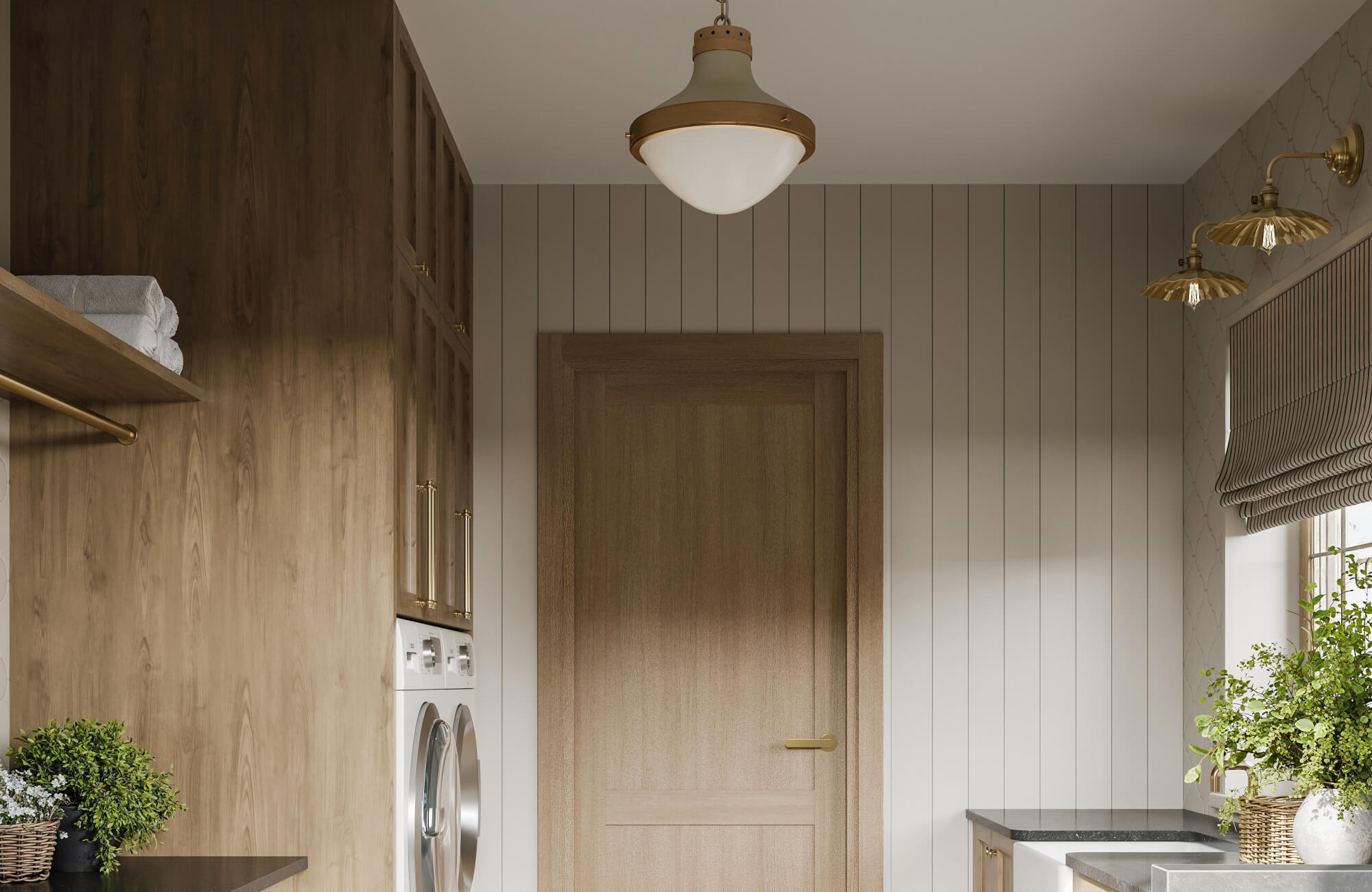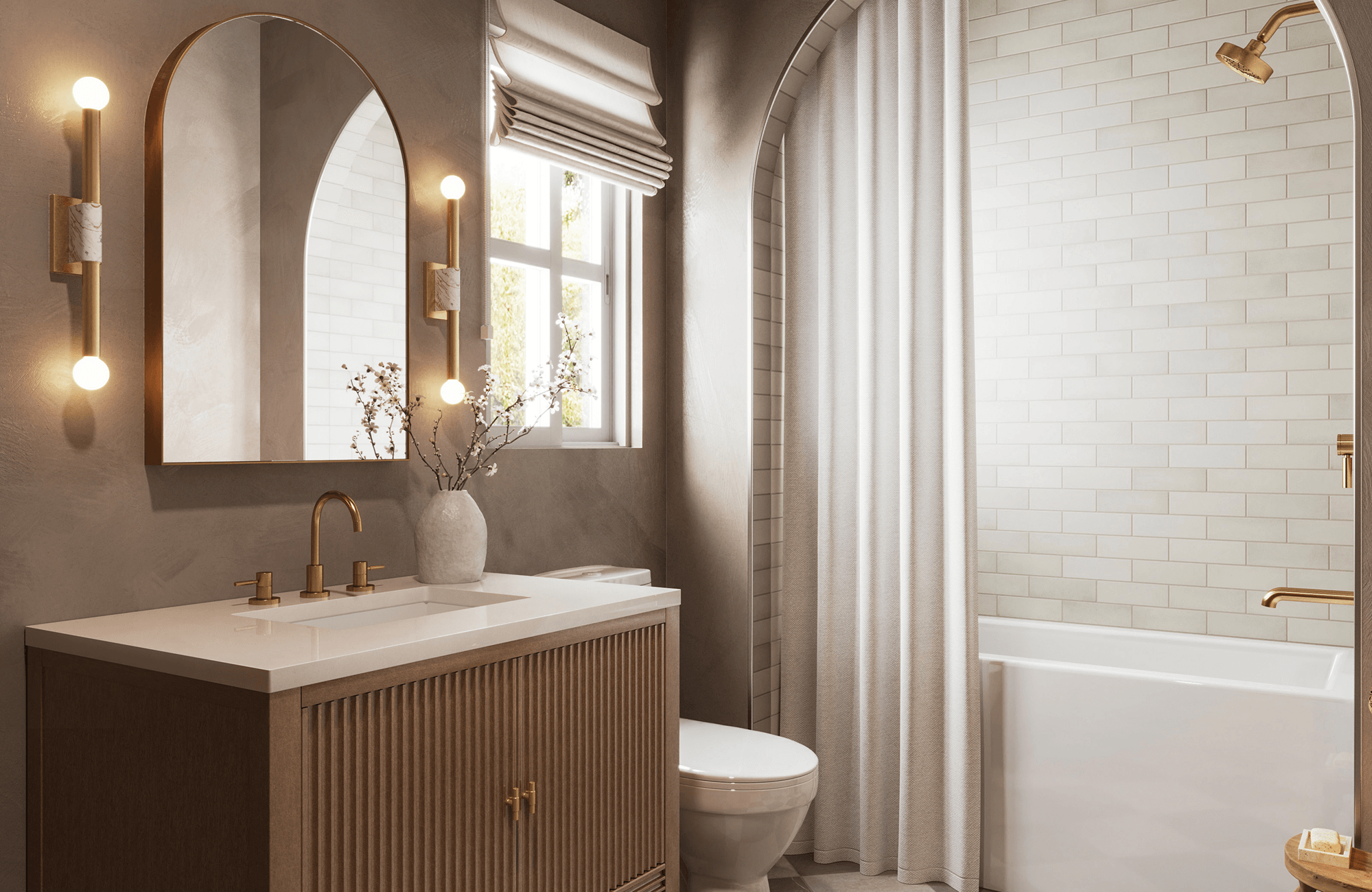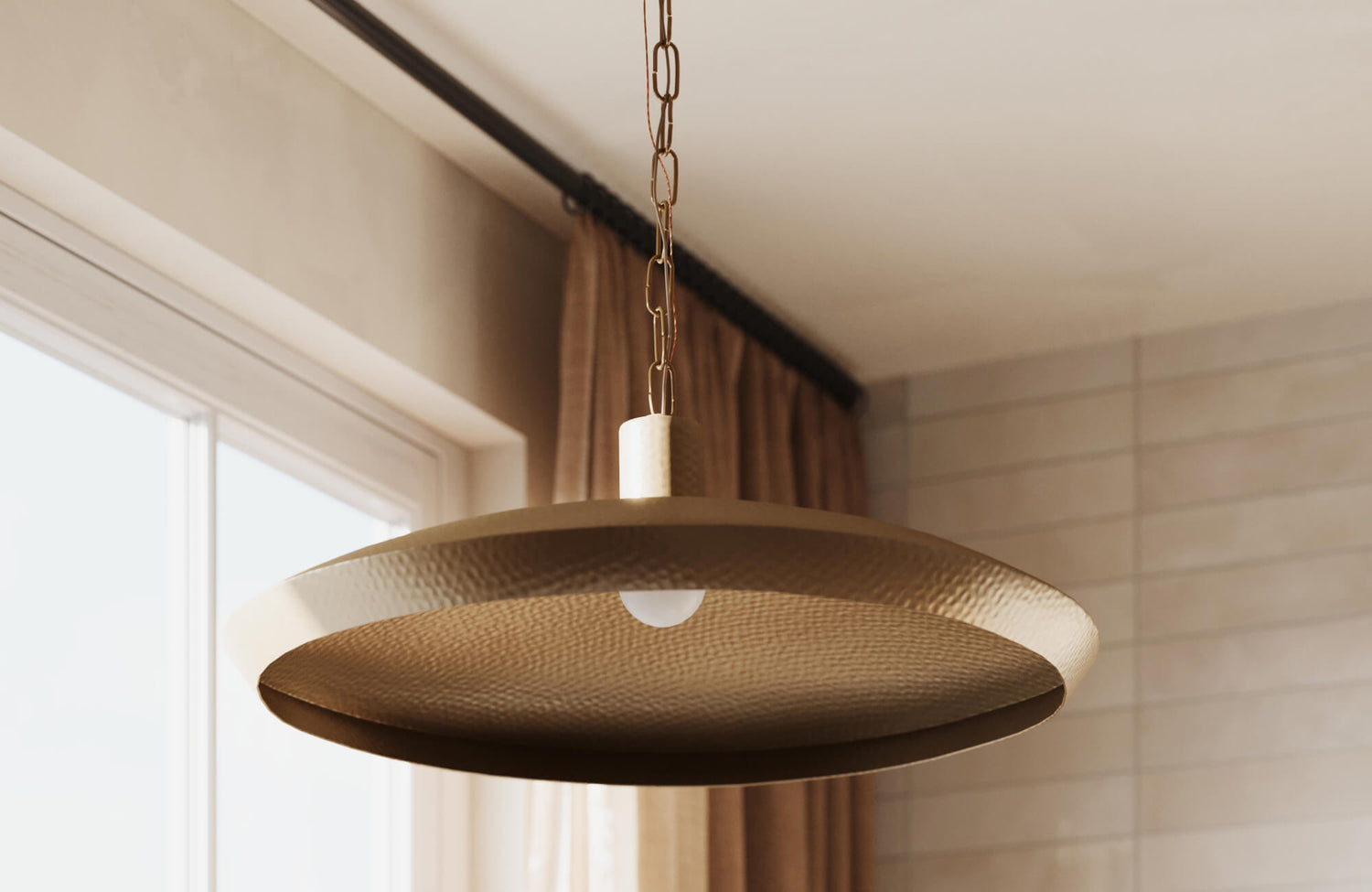
Gracefully suspended from ceilings like functional art, pendant lights have long illuminated interiors with both purpose and style. These elegant fixtures are more than just lighting solutions—they are focal points, spatial anchors, and expressions of personal taste. As interior design trends shift toward minimalist elegance, sustainable materials, and smart technology, the question arises: do pendant lights still hold their place in the modern design lexicon? Their ability to adapt, through refined silhouettes, modular configurations, and integrated smart features, suggests they remain far from obsolete.
Whether casting soft ambient light over a kitchen island or offering sculptural drama in a high-ceilinged foyer, pendant lighting continues to define contemporary interiors with timeless appeal. This article examines the evolution, relevance, and future of pendant lights in today’s innovative lighting design landscape.

Design Heritage and Evolution of Pendant Lights
Though pendant lighting began as a utilitarian solution, its design journey over the decades has transformed it into a versatile, decorative, and architectural staple. This evolution mirrors broader trends in interior aesthetics, material innovation, and lighting functionality.
Origins in Functional Illumination
Pendant lighting was first introduced as a practical response to the need for focused illumination in spaces like kitchens, stairwells, and industrial zones. Early models were minimal in design, typically consisting of a single incandescent bulb housed in a simple glass or metal shade. Suspended by cords or chains, these fixtures were strategically placed to deliver directed task lighting where it was needed most.
Their compact form factor also made them especially effective in areas lacking built-in ceiling illumination. Over time, the simplicity of their structure allowed designers to experiment with aesthetics without compromising utility. This blend of purpose and adaptability laid the foundation for their eventual decorative potential.
Mid-Century and Postmodern Influence
The mid-century modern design movement brought new life to pendant fixtures by introducing clean lines, subdued finishes, and geometric balance. These features positioned pendant lighting as both a task-oriented and stylistic solution in mid-century homes and offices. As postmodernism gained traction, pendant designs began to adopt bolder forms, asymmetric compositions, and experimental materials.
Designers also moved beyond function, using pendants as expressions of identity and space definition. Their visual appeal was no longer secondary but central to the overall aesthetic. These developments elevated pendant lights from a supporting role to an essential feature in design-forward interiors.
Contemporary Design Adaptations
Modern pendant lighting designs are characterized by minimal profiles, modular arrangements, and sustainable material usage. Fixtures now feature everything from concrete and reclaimed wood to hand-blown glass, offering designers a wide palette for customization. These adaptable formats cater to both minimalist environments and more eclectic, layered interiors.
Their integration with modern ceiling structures, including sloped or vaulted ceilings, also ensures compatibility with diverse architectural layouts. Moreover, pendant lights now function as spatial anchors that balance form and function seamlessly. This adaptability underscores their continuing role in both classic and contemporary design applications.

Alignment with Modern Interior Design Trends
The trajectory of interior design increasingly favors functional minimalism, open-plan layouts, and environmentally conscious materials—values that pendant lighting aligns with effortlessly. As both design statement and practical element, pendant lights continue to evolve in harmony with these modern aesthetics.
Defining Zones in Open-Concept Layouts
As homes shift toward open-concept living, pendant lights have emerged as effective tools for establishing visual boundaries without the need for walls. When suspended over kitchen islands or dining tables, they offer both illumination and spatial clarity within otherwise continuous environments.
Their vertical drop also creates a natural focal point, helping to guide movement and attention through the space. This subtle zoning allows for multifunctional room layouts without visual clutter or harsh transitions. Pendant fixtures add a sense of intimacy and warmth, particularly in high-ceilinged rooms. Through thoughtful placement, they contribute to cohesive spatial organization in modern interiors.
Natural Materials and Biophilic Design
Interior spaces are increasingly embracing biophilic design principles, which prioritize natural textures, earthy tones, and organic materials. Pendant lights that incorporate rattan, cork, clay, or artisanal glass support these objectives while delivering soft, ambient light. Their tactile surfaces also complement wooden floors, live plants, and open sightlines, reinforcing the connection to nature.
Beyond aesthetics, these materials contribute to healthier indoor environments by minimizing synthetic elements and off-gassing. The presence of handcrafted or natural pendants adds authenticity to spaces seeking a calm, grounded feel. Their alignment with eco-conscious and wellness-centered design trends enhances their ongoing appeal.
A perfect example is Edward Martin’s Santos Pendant in Vintage Gold Leaf, as displayed in the picture above. It artfully combines hand-strung natural wood beads with a richly patinated gold finish that shifts from matte to luminous when illuminated. Its soaring, conical silhouette, suspended by a sleek, warm-toned chain, showcases the pendant’s organic elegance and sculptural presence. Perfect for kitchens, dining areas, entryways, or refined commercial environments, the Santos Pendant brings warmth, texture, and artisanal integrity to any space.
Sculptural and Artistic Appeal
In today’s interiors, lighting is expected to serve both functional and expressive roles, and pendant fixtures meet this demand through sculptural design. Oversized pendants, asymmetrical clusters, and artistic forms double as centerpieces, particularly in minimalist or monochromatic settings. These statement pendants also introduce movement, texture, and personality into a room without overwhelming its design intent.
Whether featured in foyers, over staircases, or above dining areas, they elevate the spatial narrative through scale and silhouette. As decorative lighting continues to merge with fine art and installation design, pendant lights hold their ground as sculptural investments. Their bold presence and versatility make them key players in expressive interior schemes.

Smart Lighting Integration and Energy-Efficiency Innovation
Pendant lighting has kept pace with the lighting industry’s technological shift toward intelligent systems and energy-conscious design. Through advancements in LED integration and smart home compatibility, pendant lights have extended their utility well beyond traditional illumination.
Advanced LED Pendant Light Fixtures
Many of today’s pendant lights feature integrated LED modules that offer high-lumen performance, low energy usage, and extended lifespans. These modules eliminate the need for frequent bulb changes, making them particularly advantageous in high-ceiling or hard-to-access installations. Built-in heat sinks and efficient drivers also ensure optimal thermal performance, preserving light quality and safety.
Additionally, LEDs allow for more compact and flexible fixture designs, which aligns with contemporary architectural minimalism. Their superior energy efficiency meets the requirements of certifications like ENERGY STAR and LEED. This performance-driven innovation further reinforces the sustainability and practicality of modern pendant lighting. An elegant example, as shown in the photo above, is the Shalya Pendant in Vintage Gold Leaf, which combines sculptural artistry with modern LED compatibility. Its layered gold-leaf finish radiates beautifully under energy-efficient light, offering a sophisticated solution for refined kitchens, dining rooms, or transitional entryways.
Smart Home Lighting System Integration
The rise of home automation has elevated pendant lights into smart lighting ecosystems, where convenience and customization are paramount. Many modern pendants now support integration with platforms such as Google Assistant, Amazon Alexa, and Apple HomeKit, enabling users to control brightness, timing, and even color temperature through voice commands or mobile apps.
This automation enhances the flexibility of pendant lighting in multi-functional rooms, allowing seamless transitions between work, relaxation, and entertainment modes. In addition, smart dimming contributes to both energy conservation and ambiance control. Altogether, this level of integration future-proofs pendant lights for homes, prioritizing tech-savvy design solutions.
Tunable White and Circadian Rhythm Lighting
Tunable white technology enables pendant lights to shift seamlessly from warm to cool white temperatures based on time of day or user preference. This feature is central to circadian lighting strategies, which aim to align artificial lighting with the body’s natural rhythms for improved well-being. Morning routines may also benefit from cooler tones that promote alertness, while warmer hues create a relaxing environment during evenings.
These systems are particularly useful in home offices, kitchens, and bedrooms where lighting needs fluctuate. With this functionality embedded into pendant fixtures, they become not only decorative elements but wellness-enhancing tools. Their role in supporting circadian rhythm lighting makes them indispensable in health-conscious interiors.

Functional Versatility in Spatial Lighting Design
Pendant lights offer more than just aesthetic value—they play a critical role in the broader framework of spatial lighting design. Their adaptability allows designers to meet a wide range of lighting needs across task, accent, and ambient applications.
Task-Oriented Lighting Applications
Pendant lights are frequently selected for their effectiveness in providing directed, task-specific illumination. In kitchens, they enhance visibility above counters and islands, supporting both food preparation and gathering zones. In workstations or reading nooks, pendant lights help minimize eye strain with focused beams and low-glare optics.
Their targeted lighting properties reduce dependency on ceiling-wide ambient light, thereby improving energy efficiency. Many models also offer adjustable suspension heights, ensuring ideal placement based on surface and task. As a result, they are indispensable in environments that require both precision and comfort.
Layering Light in Interior Design
Professional lighting design emphasizes the importance of layered lighting, in which pendant lights often act as a key element. By combining pendants with ambient lighting sources such as recessed downlights or cove lighting, you can create dynamic visual effects. These layers offer functional benefits, such as reducing eye fatigue and enhancing mood, while contributing to spatial depth.
Pendant lighting also introduces a vertical break in ceiling planes, drawing the eye and emphasizing key design elements. In the warm, modern kitchen displayed in the photo above, our Carly 34" Pendant in Vintage Brass demonstrates this principle beautifully. Its broad dome form anchors the central island while its reflective brass finish adds warmth and depth against the neutral tile backsplash and rich wood cabinetry. This thoughtful layering of light not only enhances the room’s atmosphere but also elevates the space with sculptural balance and functional clarity.
When integrated thoughtfully, it reinforces the room’s architecture and narrative. Their contribution to layered lighting ensures they remain integral to holistic lighting plans.
Customization and Modularity
Contemporary pendant fixtures often feature modularity and custom configurations to meet unique spatial and aesthetic demands. You can now specify pendant arrangements by number, height, finish, and mounting structure, offering a high degree of flexibility in design.
Multi-light systems also allow for the creation of linear, radial, or staggered compositions that adapt seamlessly to ceiling height and room function. This level of control supports design personalization while maintaining cohesion across open spaces. In addition, modularity enables pendants to serve complex architectural contexts, such as vaulted ceilings or split-level zones. Altogether, the customization possibilities affirm pendant lights as both adaptable and timeless solutions.

Market Demand and Industry Outlook for Pendant Fixtures
The decorative lighting market continues to show strong growth, and pendant lighting remains a resilient category fueled by design flexibility, consumer preference, and commercial application. Market insights confirm pendant lights are far from outdated—on the contrary, they are increasingly sought after.
Decorative Lighting Market Growth Projections
Industry research indicates sustained expansion in the global decorative lighting market, with pendant lights comprising a large share of projected growth. Their wide range of styles, finishes, and applications makes them attractive to both residential and commercial buyers. Renovation trends and rising interest in interior personalization also continue to drive product demand.
With homeowners investing more in kitchens, foyers, and living areas, pendant lights remain a top choice for impactful upgrades. Retailers report increasing online sales of pendant lighting, particularly in matte black, brass, and natural wood finishes. These data points highlight the enduring market strength of pendant fixtures.
Rising Demand for Custom and Artisan Lighting
As consumer preferences shift toward individualized design, the demand for artisan pendant lighting has grown considerably. Custom fixtures that feature hand-blown glass, forged metal, or sustainably sourced materials are gaining popularity in upscale and boutique interiors. These pendants also reflect a desire for authenticity and craftsmanship, elevating them beyond mass-produced alternatives.
Designers often turn to custom lighting to deliver unique visual narratives in luxury projects. This movement supports the growing role of pendant lights as not just functional tools but personalized design statements. Their ability to adapt to artistic and bespoke design ensures their lasting relevance.
Commercial and Hospitality Pendant Lighting Usage
Pendant lights are integral to lighting strategies in hospitality, retail, and mixed-use commercial spaces. Designers utilize them to enhance brand identity, influence customer experience, and create both intimate and dramatic atmospheres.
In restaurants and hotels, they are often deployed to emphasize seating zones, lobbies, and check-in desks. Their decorative versatility allows brands to communicate style while maintaining consistent lighting performance. Additionally, pendant lights support sustainable and energy-efficient goals in commercial environments through LED integration and low-maintenance features. This multifaceted usage underscores their role as indispensable assets in commercial design.
Why Pendant Lights Are Still Essential in Modern Interior Design
Pendant lights continue to illuminate more than just spaces—they highlight intention, craftsmanship, and the evolving artistry of interior design. From energy-efficient LED integration to their role in defining open-concept layouts, pendant lighting remains both functional and aesthetically essential. Their ability to seamlessly align with sustainability, smart home innovation, and contemporary styling also secures their relevance for years to come. In every form, refined, sculptural, or custom pendant lights are not disappearing; they are simply redefining what it means to shine.
At Edward Martin, we bring expert insight to the integration of pendant lighting, enhancing your space with both beauty and purpose. Whether you're renovating a kitchen, curating a luxury interior, or building from the ground up, our lighting design services are tailored to reflect your vision with precision and elegance. If you're ready to reimagine your space with expertly curated pendant lighting and a comprehensive design approach, contact us to begin your consultation!