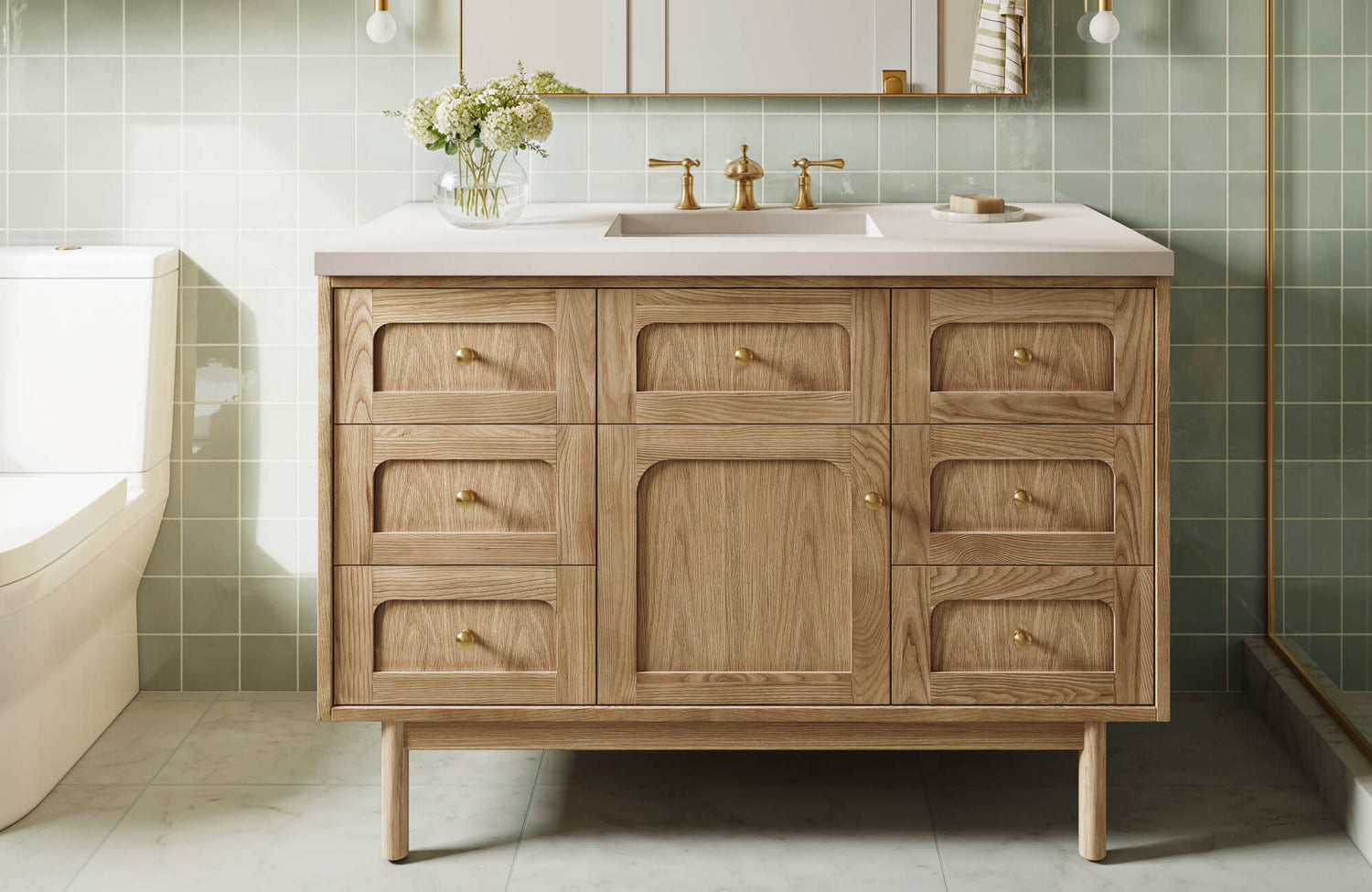
There is an undeniable elegance in the way light wood vanities transform a bathroom into a space that feels both timeless and contemporary. With their natural grain patterns, soft hues, and warm undertones, they bring an air of sophistication while maintaining a sense of comfort and ease. Designers and homeowners alike are also drawn to their versatility, as these vanities seamlessly complement styles ranging from Scandinavian minimalism to luxury spa-inspired retreats. Their ability to reflect light and create a sense of openness makes them especially valuable in today’s bathrooms, where brightness and serenity are highly desired. More than just a trend, light wood vanities represent a balance of beauty, functionality, and sustainability that continues to shape modern bathroom design.

Current Bathroom Design Trends and Market Demand
The enduring popularity of light wood vanities reflects the broader movement toward natural, spa-inspired interiors. By combining organic materials with clean lines, these vanities create a balance of comfort and sophistication that fits seamlessly into today’s most desired bathroom designs.
Biophilic Influence
Biophilic bathroom design emphasizes harmony between nature and the built environment, and light wood vanities embody this principle beautifully. Their organic grain patterns and soft undertones soften the rigidity of stone or tile surfaces, bringing a sense of calm into the space. Woods like oak, ash, and maple are especially valued because they brighten interiors while maintaining visual depth. This natural connection enhances not only the aesthetics but also the restorative atmosphere of the bathroom.
A perfect example, as displayed in the picture above, is Edward Martin’s Bridgette 60" Double Vanity in Light Natural Oak with 3 cm White Zeus Quartz Top, paired with bold geometric tile and matte black fixtures. Its light brown tones and clean craftsmanship demonstrate how a vanity can seamlessly blend natural beauty with modern sophistication, turning the bathroom into a serene, spa-like retreat.
As wellness-centered design becomes increasingly important, the organic qualities of light wood vanities make them feel both timeless and relevant. This deep alignment with health-focused design explains why they remain a consistent feature in contemporary bathrooms.
Space Perception
Bathrooms often benefit from finishes that enhance light and create the illusion of space, and light wood vanities excel in this role. Their reflective surfaces brighten even compact or windowless areas, making rooms feel more open and inviting. Unlike darker cabinetry, which tends to absorb light and visually reduce scale, pale wood enhances brightness without overwhelming the senses.
Floating designs in oak or birch extend this effect by reducing visual heaviness, reinforcing a clean and airy aesthetic. This combination of light tones and minimalist structure works especially well in smaller urban homes where maximizing openness is essential. By offering both practicality and style, light wood vanities transform limited square footage into spaces that feel expansive and serene.
Market Preference
The rise of light wood vanities also reflects changing consumer behavior and market demand. Homeowners increasingly favor cabinetry that blends durability with a neutral yet contemporary aesthetic, making light finishes the most adaptable choice. Real estate professionals consistently report that bathrooms featuring light cabinetry generate stronger buyer interest and often command higher offers. This is because buyers interpret bright, natural wood spaces as both modern and easy to personalize. The influence of spa-like bathrooms with clean lines and calming tones has further fueled this preference. With these factors reinforcing demand, light wood vanities are expected to remain highly sought after in both present and future design markets.

Material Composition and Technical Advantages
While the aesthetic appeal of light wood vanities is clear, their technical performance in humid environments further supports their popularity. By combining durable hardwoods with advanced finishing methods, manufacturers create vanities that withstand daily use while maintaining their beauty. It is also important to note that light wood vanities are not always made entirely of solid wood. Many high-quality designs use a combination of solid hardwood framing with engineered panels or veneers, such as the vanities that will be mentioned below. This approach provides the same natural wood look while improving dimensional stability, reducing the risk of warping, and making the vanity more cost-effective and sustainable for humid bathroom conditions.
Hardwood Selection
The choice of hardwood plays a critical role in the durability of light wood vanities. White oak, birch, and maple are among the most common selections because they offer excellent dimensional stability and consistent grain patterns. These qualities minimize the risk of swelling, shrinking, or warping in the fluctuating humidity of a bathroom. Kiln-drying techniques are often used to further stabilize the wood, ensuring a stronger foundation for cabinetry construction. This preparation also allows the wood to perform well even under challenging conditions. When paired with their naturally appealing tones, these hardwoods provide a strong balance of functionality and visual refinement.
Finishing Techniques
Protective finishes extend the life of light wood vanities while preserving their organic appeal. For instance, polyurethane and waterborne acrylic coatings are widely used to guard against water damage, scratches, and stains. Matte finishes, on the other hand, are particularly desirable, as they emphasize natural textures while concealing small imperfections that develop over time. To enhance resilience further, many manufacturers now use UV-cured sealants that prevent fading and discoloration.
A clear example is the Gabriella 36" Single Vanity in Light Natural Oak finish with 3 cm White Zeus Quartz Top, where the protective matte finish enhances the oak’s natural grain while ensuring long-lasting durability in humid bathroom environments. By combining advanced finishing methods with timeless craftsmanship, light wood vanities like Gabriella achieve the perfect balance of beauty, strength, and functionality.
These layers of protection also ensure that vanities retain both beauty and performance with minimal upkeep. By combining modern finishes with traditional craftsmanship, light wood vanities achieve a refined balance of practicality and elegance.
Maintenance Benefits
In addition to their durability, light wood vanities stand out for their ease of maintenance. Their soft tones naturally minimize the visibility of dust, fingerprints, and water spots, keeping the space polished with little effort. Unlike painted or heavily stained cabinetry, which may chip or require refinishing, light wood gracefully develops subtle character over time.
Caring for these surfaces is simple, as they only require occasional cleaning with mild, non-abrasive products to preserve their finish, though it is always best to follow the manufacturer’s care recommendations for optimal results. This straightforward upkeep also ensures the vanity maintains its refined appearance without demanding extra effort. Because of this forgiving quality, light wood vanities are especially attractive in family homes or busy bathrooms, offering a low-maintenance solution that balances beauty, functionality, and long-term convenience.

Aesthetic Flexibility and Design Versatility
The versatility of light wood vanities is one of their greatest strengths, as they adapt seamlessly to a wide variety of design styles. Their neutral palette creates a foundation that works equally well as a focal point or as a complement to bolder design elements.
Style Compatibility
Light wood cabinetry integrates smoothly into diverse aesthetics, from Scandinavian minimalism to coastal-inspired designs and even rustic farmhouse charm. Its soft hues can temper the starkness of modern industrial spaces while bringing warmth to sleek contemporary bathrooms. Transitional interiors also benefit, as light wood bridges classic craftsmanship with modern simplicity. This adaptability allows homeowners to evolve their style without the need to replace major fixtures. Designers appreciate the consistency light wood provides across different projects, giving them greater creative freedom. With such a range, light wood vanities maintain lasting appeal as tastes and design movements continue to change.
Countertop Pairings
Countertop materials can dramatically influence the overall impact of a bathroom, and light wood provides a versatile base for a variety of pairings. Marble and quartz, for instance, add luxury and contrast, creating a classic high-end appearance. On the other hand, concrete and solid-surface materials lean toward a more modern aesthetic while enhancing functional durability. The combination of warm wood and cool stone often produces depth, balance, and a spa-like atmosphere.
A striking example is our Elodie 72" Double Vanity in Light Natural Oak with 3 cm White Zeus Quartz Top, as shown in the photo above, where the crisp quartz-based countertop elevates the natural oak finish, blending elegance with resilience.
Designers frequently use these contrasts to achieve layered interiors that feel intentional and sophisticated. Because of this adaptability, light wood vanities remain relevant regardless of countertop trends.
Hardware and Fixtures
Light wood finishes also work exceptionally well with a wide range of hardware and fixture finishes. Brushed brass adds warmth and sophistication, while matte black introduces a striking modern edge. Polished chrome delivers timeless simplicity, making it suitable for minimalist or traditional bathrooms alike. Since the cabinetry itself provides a neutral canvas, homeowners can easily refresh their bathroom’s appearance by updating hardware rather than replacing the vanity. This flexibility allows for affordable yet impactful style updates over time. Ultimately, the ability to evolve with shifting trends is one of the reasons light wood vanities remain such a smart design investment.

Light Wood vs. Dark Wood Vanities
Although dark wood vanities bring richness and drama to a bathroom, light wood offers broader flexibility and more universal appeal. These differences influence design possibilities, homeowner satisfaction, and long-term property value.
Visual Ambience
Dark wood cabinetry tends to create a bold and moody environment, which can work beautifully in large, well-lit bathrooms. A striking example, as featured in the photo above, is Edward Martin’s Colton 72" Double Vanity in Sable with 3 cm White Zeus Quartz Top, where the dark brown finish, paired with warm brass hardware and soft lighting, brings depth and sophistication to a modern bathroom.
Light wood, on the other hand, provides the opposite effect by reflecting illumination and creating a sense of openness. This reflective quality enhances both natural and artificial lighting, giving bathrooms a spa-like brightness. The result is an environment that feels more expansive and welcoming, regardless of square footage. By enhancing light and openness, light wood vanities consistently create an atmosphere that appeals to a wider audience.
Design Flexibility
Designing around dark cabinetry can require careful coordination to prevent the space from feeling overly dramatic or closed in. Light wood, however, offers an adaptable foundation that works with a wide variety of tiles, wall colors, and fixture finishes. This makes it easier to evolve bathroom aesthetics as trends change, without the need for costly replacements. Homeowners who value flexibility and the ability to refresh their interiors benefit significantly from this adaptability. It also allows spaces to remain current while avoiding major renovations. This resilience makes light wood a more versatile and enduring choice than darker cabinetry options.
Resale Influence
Bathrooms are often a deciding factor in real estate sales, and cabinetry tone has a measurable impact on buyer perception. Light wood vanities attract buyers by presenting bathrooms as bright, clean, and versatile. These qualities also signal that the space can adapt to different personal styles, increasing its marketability. Dark finishes, by contrast, may appeal only to a narrower group of design preferences. Properties with light wood cabinetry often sell faster and at higher values, reflecting strong buyer demand. This added resale advantage makes light wood vanities not just a design choice, but a financial asset as well.

Longevity, Sustainability, and Future-Proofing
Light wood vanities provide more than immediate visual appeal; they represent a sustainable, future-proof choice for long-term living. Their eco-conscious materials, graceful aging, and adaptability ensure ongoing value well into the future.
Sustainability Practices
Manufacturers are increasingly turning to FSC-certified hardwoods and responsibly managed forests when producing light wood vanities. Low-VOC finishes further enhance sustainability by reducing harmful emissions while maintaining aesthetic quality. These eco-friendly practices also resonate strongly with homeowners who prioritize both design and environmental health. As green building certifications grow in influence, eco-conscious cabinetry has become even more desirable. Light wood vanities, with their natural sourcing and durable finishes, fit neatly into this sustainable design framework. This alignment with responsible production methods secures their place in environmentally aware interiors.
Aging Gracefully
Over time, light wood vanities develop a subtle patina that enriches their natural character. Instead of appearing worn, these changes highlight the authenticity and beauty of real wood. The tones also soften slightly, blending seamlessly with evolving bathroom designs and décor. Families particularly value this trait, as it reduces the need for costly replacements over time. Unlike painted or dark finishes that show chips and scratches, light wood maintains charm through the years. This graceful aging ensures that the vanity continues to enhance the bathroom while adapting to natural use.
Design Longevity
Light wood vanities also excel at remaining relevant through changing design cycles. Their neutral tones complement bold tile choices, minimalist fixtures, and luxury surfaces with equal ease. This flexibility means that homeowners can refresh a bathroom’s appearance with accessories and hardware, while the core vanity remains timeless. The ability to stay current without major renovations makes them a practical long-term investment. In this way, light wood vanities offer not only aesthetic appeal but also functional and financial advantages. Their enduring relevance makes them one of the most future-proof choices available in modern bathroom design.
The Enduring Allure of Light Wood Vanities
Light wood vanities continue to stand out as a design choice that combines natural beauty with everyday practicality. Their graceful balance of warmth, versatility, and durability ensures they remain as relevant in modern bathrooms as they are in classic spaces. With their timeless appeal and ability to adapt to evolving styles, they elevate interiors beyond short-lived trends. Choosing a light wood vanity is not simply selecting furniture—it is investing in a bathroom centerpiece that will remain elegant, functional, and stylish for years to come.
To bring this vision to life, Edward Martin offers expert design services tailored to create bathrooms that blend beauty with functionality. If you’re ready to transform your space with a vanity that embodies both elegance and practicality, we invite you to contact us and explore how our team can guide your next project!