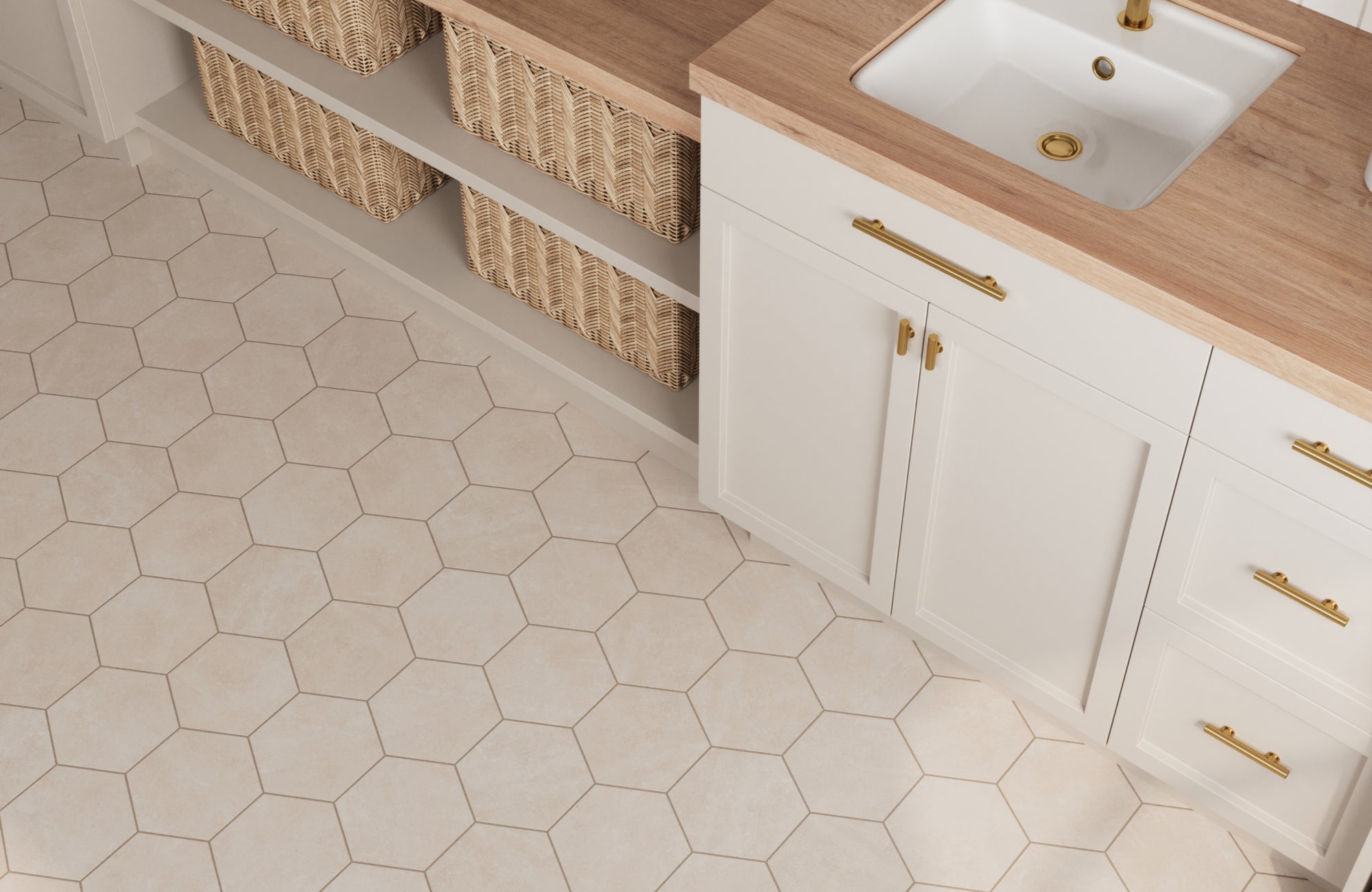
Hexagon tiles have become a favorite choice in modern bathrooms, particularly on shower floors. Their geometric pattern adds visual interest while also serving practical purposes. Beyond style, they are valued for their slip resistance and ability to adapt to both small and large shower spaces. Still, like any design option, they come with considerations such as safety, maintenance, and installation. Understanding both the benefits and the challenges will help you decide if hexagon tiles are the right fit for your shower floor.

The Appeal of Hexagon Tile Design in Showers
Hexagon tiles instantly draw the eye with their distinct geometric shape. Unlike standard square tiles, they add movement and personality to a shower floor, turning a simple surface into a design feature. Because they work well with both classic and modern styles, they adapt easily to a wide range of bathroom looks without seeming out of place.
Classic and Modern Aesthetic
A key advantage of hexagon tiles is their ability to suit both traditional and modern styles. In a vintage-inspired bathroom, smaller hexagons in soft whites or neutrals can reflect classic design while still feeling updated. In a contemporary setting, larger hexagons in bold colors or sleek finishes can create a crisp, graphic look. This versatility makes hexagons one of the rare tile choices that transition easily between past and present design trends.
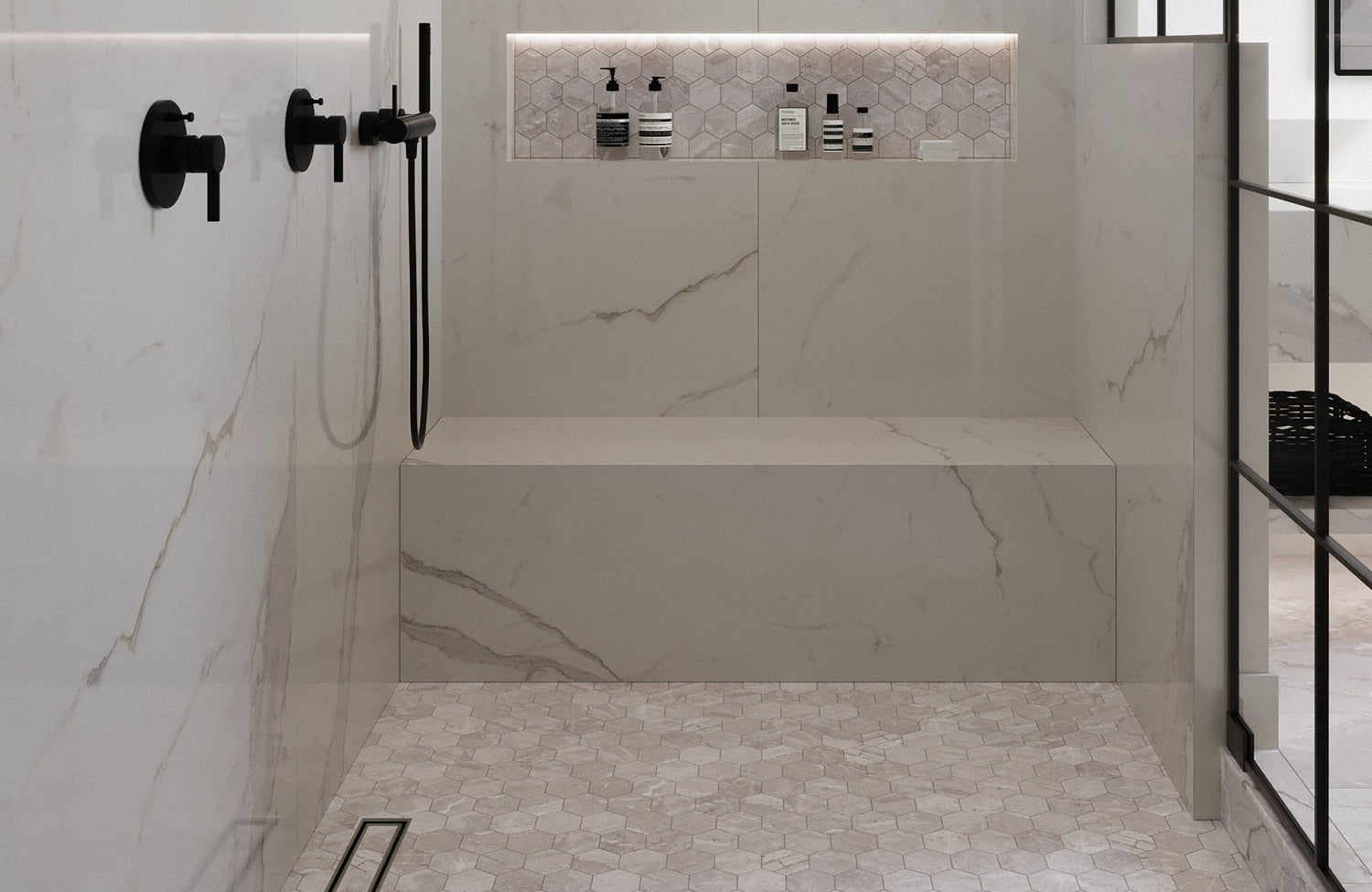
Edward Martin’s Aniston 2x2 Matte Porcelain Hexagon Mosaic Tile in Carrara Bianco, as featured in the photo above, captures this versatility by blending marble-inspired tones with a modern hexagon layout that feels at home in both classic and current styles.
Scale and Visual Impact
The size of a hexagon tile can significantly influence the overall look and feel of your shower. Smaller tiles add fine detail that makes the floor look textured and dynamic, while larger tiles deliver a bold, dramatic effect. Scale also influences how spacious the shower appears; smaller patterns add richness in compact spaces, whereas larger hexagons can make the surface feel more open and expansive.
Design Versatility
Hexagon tiles offer a broad range of creative design possibilities. You might frame the floor with a border, pair it with classic subway tiles on the walls, or play with grout colors to change the mood. Light grout emphasizes the honeycomb pattern, while darker grout softens the effect for a more seamless look. With these options, it’s easy to tailor the design to fit your style and the atmosphere you want to create.

Slip Resistance and Safety Considerations
When choosing a shower floor, safety should always be a priority. A slick surface can easily become a hazard, and the texture of the tile makes a big difference in reducing that risk. Due to their smaller size and numerous grout lines, hexagon tiles naturally provide more grip, making them a smart option when safety is a top concern.
Grout Line Benefits
Because hexagon tiles are usually smaller, they can create more grout joints across the floor. These joints act as natural breaks in the surface, adding traction underfoot. Compared with larger tiles that have fewer grout lines, hexagons provide multiple points of grip, which helps lower the risk of slipping in wet conditions. Our Blair 3x3 Matte Porcelain Hexagon Mosaic Tile in Volakas White, as featured in the photo above, demonstrates this advantage, combining a clean, modern look with added safety through its numerous grout lines.
Texture and Finish
Hexagon tiles don’t all perform the same way in wet areas. A polished finish may look sleek but can feel slippery underfoot. Matte or honed surfaces add texture, making them safer for shower floors. Some options even feature subtle ridges or built-in slip-resistant textures that further improve grip without losing style. Selecting the right finish is just as important as choosing the shape itself.
Choosing the Right Size
Tile size influences both safety and comfort in the shower. Smaller hexagons, usually one to three inches wide, create more grout lines, which enhance traction underfoot. Larger hexagons have fewer joints, giving the floor a cleaner, more open appearance but with less texture. If maximizing grip is your priority, small-format hex tiles are generally the better choice for a shower floor.

Installation Challenges and Solutions
While hexagon tiles look stunning once finished, installing them requires more precision than standard square or rectangular tiles. The unique geometry means there is less room for error, and careful planning is key to achieving a smooth result. For the best outcome, it’s always a good idea to consult with a professional installer who has experience working with this type of tile.
Alignment and Pattern Consistency
Keeping hexagon tiles aligned can be tricky. Their six-sided shape means that even a slight shift can disrupt the entire pattern, leading to uneven lines or gaps. For this reason, professional installation is often the safest choice. However, if you’re tackling the project yourself, mosaic sheets can help maintain a consistent layout. Additionally, careful planning before setting the tiles ensures the pattern flows evenly across the shower floor. Taking the time to check alignment as you go can prevent small mistakes from turning into noticeable flaws later.
Cutting Around Drains and Corners
Installing hexagon tiles around drains, benches, or curbs can be especially challenging. Their shape doesn’t adapt easily to curves or irregular edges, which often means making multiple cuts for a clean finish. Careful layout planning before installation helps minimize awkward cuts and ensures the pattern transitions smoothly around these obstacles.
Time and Labor Costs
Because hexagon tiles require precise layout and frequent cutting, installation usually takes longer than it would with larger square tiles. What might be a simple project with standard tiles can become far more time-intensive with hexagons, which may also increase labor costs if you’re working with a professional. To keep expenses under control, you might limit hex tiles to the shower floor and use larger, simpler tiles on the walls or other areas.

Maintenance and Long-Term Durability
Once the design and installation are complete, it’s equally important to think about how hexagon tiles will hold up over time. Maintenance and durability play a major role in keeping your shower both functional and visually appealing for years to come. For best results, follow the manufacturer’s recommendations for both the tiles and the grout, as proper care impacts long-term durability.
Cleaning Grout Lines
Hexagon tiles have more grout joints, which makes cleaning an ongoing part of maintenance. Soap, shampoo, and mineral deposits can easily collect in these lines if they’re not cared for regularly. A soft-bristle brush and a pH-neutral cleaner are usually all you need to keep the grout fresh and the shower floor looking its best.
Wear and Surface Longevity
Hexagon tiles hold up differently depending on the material you choose. Porcelain options are dense, highly water-resistant, and durable enough for everyday use. Natural stone, on the other hand, is more porous and needs extra care to prevent scratching or etching, especially if harsh cleaners are used. Selecting the right material from the beginning helps ensure your shower floor stays in good condition with less effort in the long run.
Mold and Moisture Prevention
Moisture left on grout joints can lead to problems if not addressed. Regular cleaning and good ventilation can go a long way in preventing mold from developing. Using a squeegee after each shower also helps reduce standing water, keeping grout lines drier and extending the life of your shower floor.

Practical Design and Budget Considerations
Hexagon tiles can bring more than just visual appeal. They also affect comfort, ease of use, and overall cost. Considering these practical factors helps ensure your choice works not only with your design goals but also with your everyday lifestyle.
Cost of Materials and Installation
Hexagon tiles can be more expensive to install because of the added complexity. The tiles themselves may start around $9 to $10 per piece, but the detailed layout and cutting often raise labor costs. Comparing both material and installation expenses with other tile options helps you set realistic expectations before beginning your project.
Comfort Underfoot
Smaller hex tiles often feel more comfortable to stand on because the many grout joints create a slightly cushioned effect. Larger tiles, while visually striking, can feel firmer underfoot and less forgiving. If you prefer a softer feel, small-format hexagons may be the better option. They also provide a better grip, which can add a sense of stability while showering. Edward Martin’s Levi 12x12 Matte Porcelain 1x1 Hexagon Mosaic Tile in Black, as displayed in the photo above, illustrates this benefit, showing how smaller hexagons can enhance comfort and function while maintaining a sleek, modern look.
Coordinating with Wall and Floor Tiles
Your shower should feel like a natural extension of the rest of the bathroom. Hexagon tiles on the floor pair well with larger wall tiles, creating balance between detail and simplicity. Choosing grout colors that either match or complement the surrounding tiles also helps the design feel intentional without being overwhelming. With thoughtful coordination, the space comes together seamlessly while still allowing the hexagons to stand out as a feature.

Alternatives to Consider if Hex Tiles Aren’t the Right Fit
Hexagon tiles are a popular choice, but they won’t meet everyone’s needs or preferences. In that case, exploring other options can help you find the right fit. For example, penny round tiles can provide similar slip resistance through their many grout lines, but their circular shape creates a softer, more playful look with a vintage touch. Meanwhile, small square or rectangular mosaics are easier to install and align, which makes them a practical choice for DIY projects while still offering reliable traction. Edward Martin’s Shea 2x2 Matte Porcelain Mosaic Tile in Dune, as featured in the photo above, is a great example of how square mosaics deliver both simplicity and function in a clean, modern way.
On the other hand, if you prefer the look of larger tiles, choosing ones with built-in slip-resistant textures can reduce grout maintenance without sacrificing safety. Altogether, these alternatives can also give you flexibility in balancing style, comfort, and upkeep.
Using Hexagon Tiles for Shower Floors
Hexagon tiles are a solid option for shower floors if they suit your needs. They add grip with their grout lines, bring character with their geometric design, and complement different bathroom styles. They do, however, take more effort to install and maintain than simpler tiles. If you like their look and don’t mind the extra care, hexagon tiles can be a stylish and long-lasting choice for your shower.
If you’d like personalized guidance, contact us to explore design options that suit your space. You can also try our AR tool to visualize how hexagon tiles will look in your own shower before making a decision.